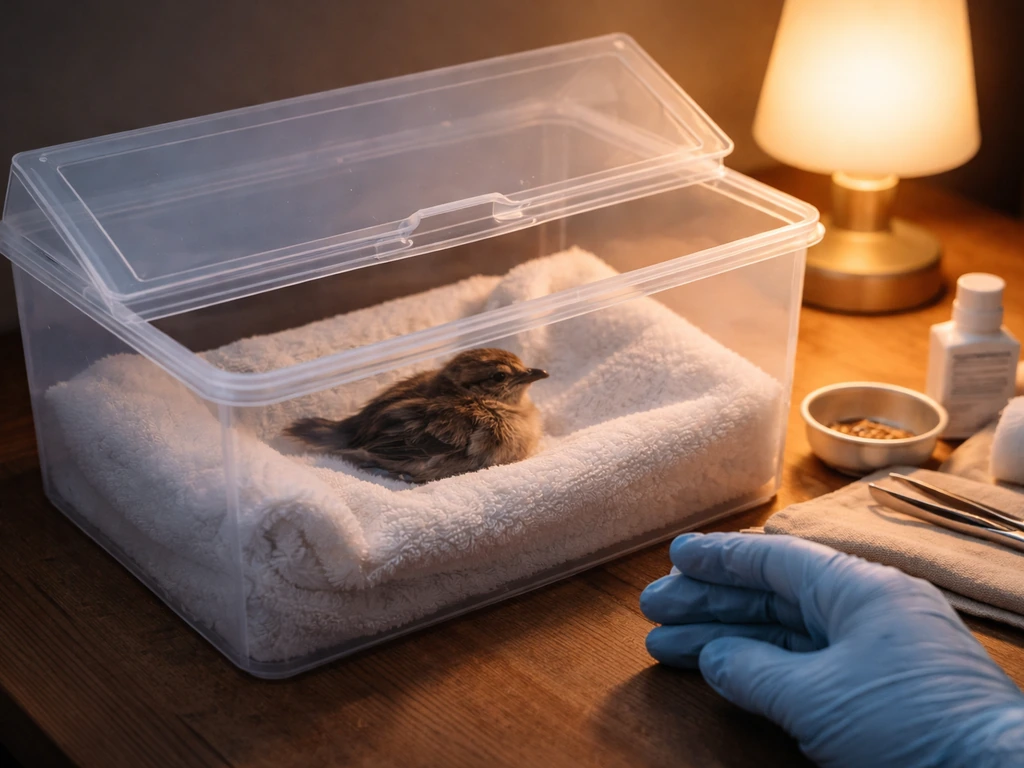
A bird that keeps fainting or collapsing is a genuine medical emergency until proven otherwise. Whether your bird is a hwarang (a Korean breed of chicken sometimes kept as an ornamental or companion bird) or another pet bird you've nicknamed that, repeated loss of consciousness or sudden collapse points to one of a handful of serious causes: a heart or circulatory problem, low oxygen, a seizure or neurologic event, toxic exposure, severe stress, overheating, low blood sugar, or a systemic infection. The right move is to stabilize the bird right now, document what you're seeing, and get to an avian vet the same day if the episodes keep happening.
Why Does Your Dog Bird Keep Fainting and What Is Hwarang?

Marcus Webb
19 Jun 2026
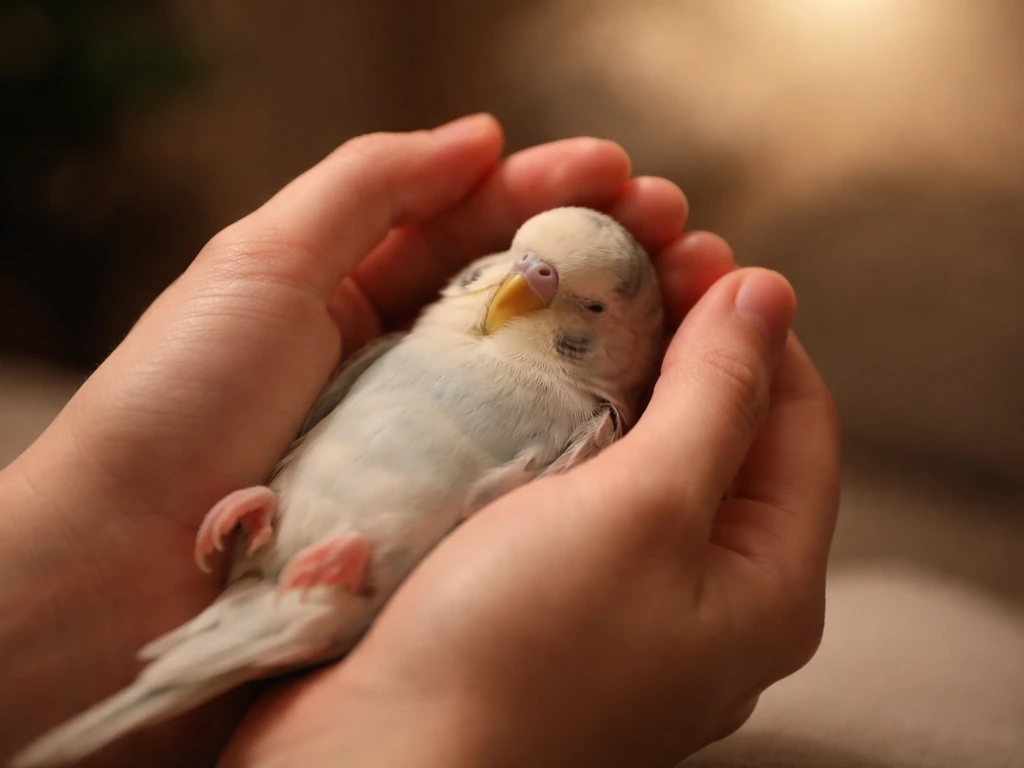
What 'fainting' actually looks like in birds (and what it might really be)
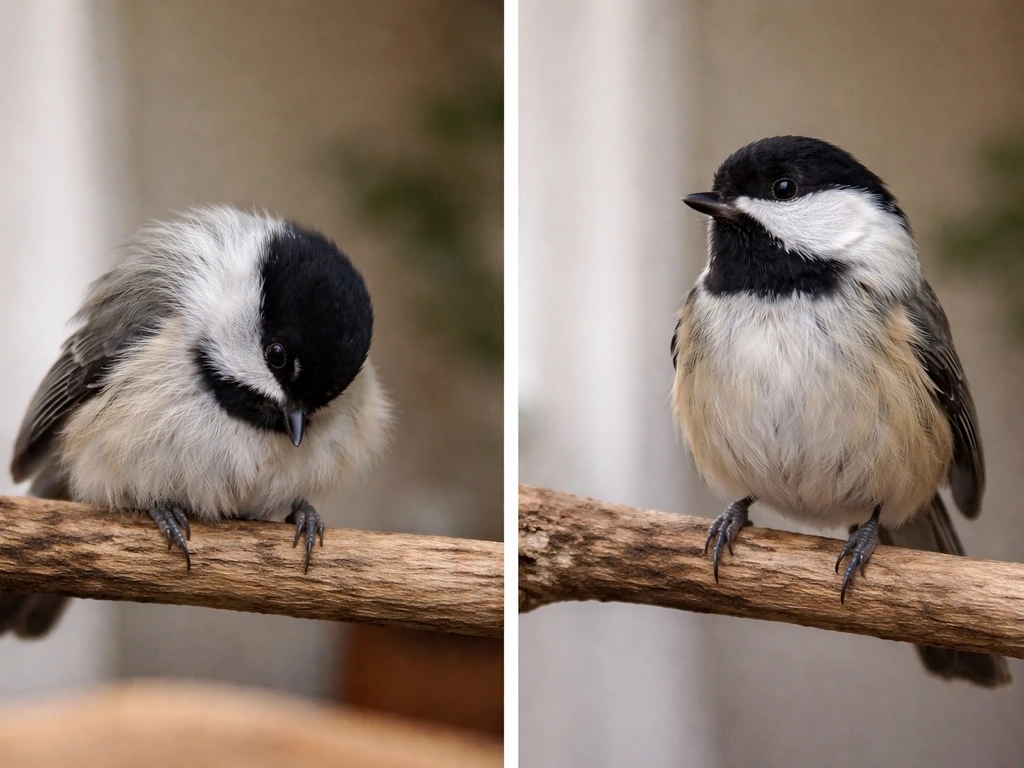
Birds don't faint the way humans do. What owners describe as fainting is usually one of several distinct events, and telling them apart matters because the causes and urgency differ.
- Collapse/syncope: the bird suddenly drops from its perch or falls to the cage floor, goes limp or still, then recovers in seconds to a few minutes. This suggests a brief interruption in blood flow or oxygen to the brain, similar to a true faint.
- Seizure: the bird falls and also shows jerking, trembling, paddling legs, rigid muscles, or uncontrolled wing flapping. Recovery may leave the bird disoriented for several minutes. This is a neurologic event, not a cardiovascular one.
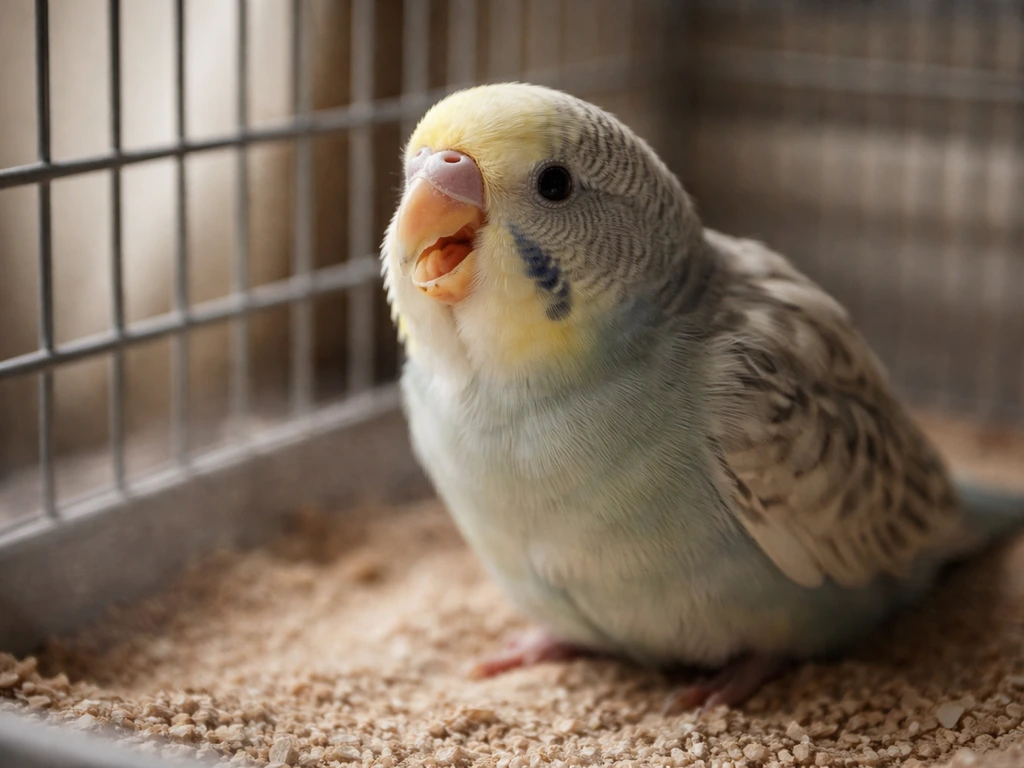
- Collapse from respiratory distress: the bird labors to breathe, bobs its tail, opens its mouth to breathe, and eventually can't stay upright. This is oxygen failure, not a faint.
- Ataxia or weakness: the bird doesn't fully lose consciousness but staggers, can't grip its perch, or sits fluffed on the cage floor looking dull. This is often weakness from infection, anemia, or toxicity rather than fainting.
- Sleep-like state: some birds, especially smaller species, can enter a very deep sleep or torpor that alarms owners. This is rarely dangerous but worth noting if new.
One important thing to understand is that birds are wired to hide illness. By the time your bird is visibly collapsing in front of you, the underlying problem has often been building for a while. Bird regurgitation can sometimes look like a sudden reverse of swallowing, but the key differences are timing, posture, and whether there is true food coming back up versus choking or fainting. That instinct to mask weakness is a survival behavior, and it means repeated fainting episodes are a loud signal that something real is wrong.
Immediate triage: what to check right now
If your bird just collapsed or is between episodes, work through these checks before anything else. Don't panic and handle the bird roughly. Move slowly and keep the environment quiet.
- Is the bird breathing? Watch the chest and flanks for movement. A healthy bird breathes silently and rhythmically. Open-mouth breathing, clicking sounds, tail bobbing with each breath, or labored movement of the body wall are all emergency signs.
- Check tissue color. Look at the conjunctiva around the eye, the inside of the mouth, or the cloaca. Healthy tissue is pink. Blue, gray, or white tissue means the bird isn't getting enough oxygen and this is an immediate emergency.
- Is the bird conscious and responsive? Gently tap near (not on) the bird. Does it react? A bird that is completely unresponsive and limp needs a vet now.
- Check for tremors or jerking. Active muscle twitching, rigid posture, or paddling suggests a seizure, not a simple faint.
- Feel for temperature. Is the bird cold to the touch, especially on the feet? Cold extremities with a pale cloaca suggest circulatory shock. Is the bird very hot and panting? That points to heat stroke.
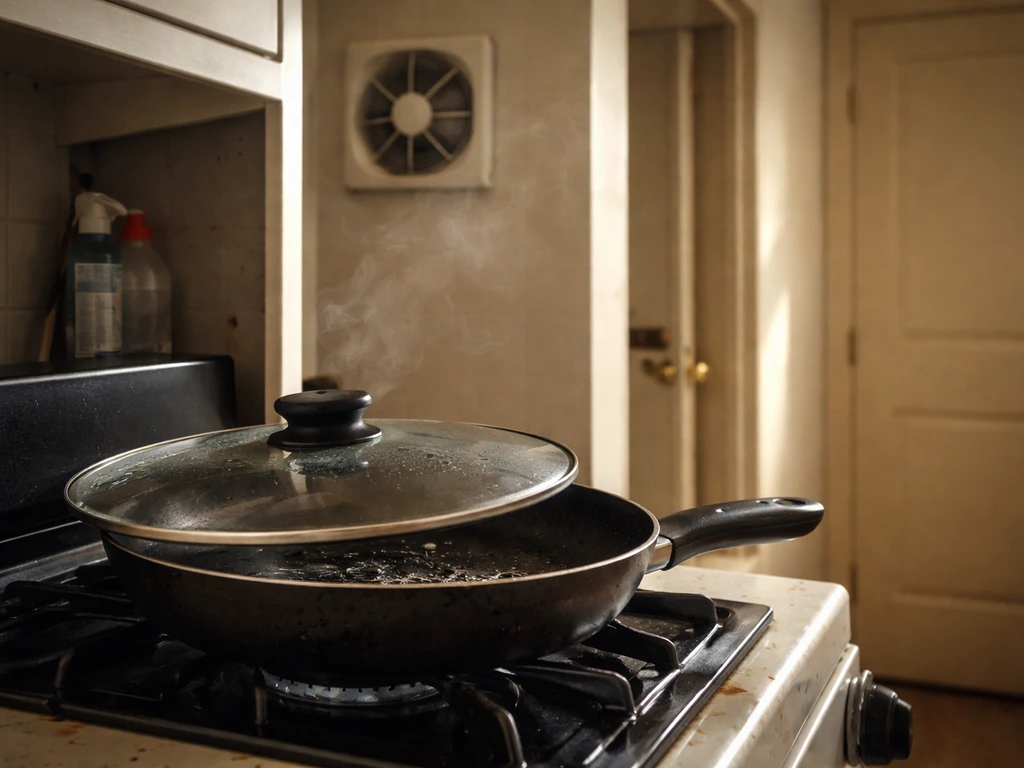
- Look at the environment. Was there cooking nearby (Teflon/non-stick pans are acutely lethal to birds)? Any new candles, air fresheners, cleaning products, or paint fumes? Is the cage near a vent or in direct sun? Did the bird get into anything it shouldn't have?
If you can find a pulse, it's felt at the tibiotarsal joint (the 'ankle' area of the leg) or over the keel at the chest. A weak, thready pulse points toward shock or severe cardiovascular compromise. An absent pulse is a critical emergency.
The most likely reasons your bird keeps fainting
Repeated episodes narrow the field considerably. Here are the main causes, roughly in order of how often they show up in pet and companion birds.
Heart and circulatory problems
Avian cardiac disease is more common than most owners realize, especially in older birds, birds fed a high-fat diet (like all-seed diets), and certain breeds. Arrhythmias, cardiomyopathy, and atherosclerosis can all cause sudden drops in cardiac output that produce a true syncopal (fainting) episode. The bird loses consciousness briefly, then recovers. If fainting happens during excitement, handling, or exertion, cardiac disease moves to the top of the list.
Low oxygen (respiratory disease)
Any significant respiratory infection, air sac disease, aspergillosis, or physical obstruction reduces the oxygen available to the brain. Collapse from hypoxia tends to come with obvious breathing signs before the episode, including open-mouth breathing, clicking or wheezing sounds, and tail bobbing. Open-mouth breathing, clicking or wheezing, and tail bobbing can help you notice whether the “cough-like” sounds are tied to low oxygen or a respiratory infection clicking or wheezing sounds.
Seizures and neurologic events
Seizures can look exactly like fainting to a panicked owner. The difference is usually in the details: jerking, muscle rigidity, eye rolling, or a confused post-ictal period afterward. Causes include heavy metal toxicity (lead and zinc are common from cage hardware or toys), certain viral and bacterial infections, head trauma, and idiopathic epilepsy. This overlaps closely with the topic of what bird seizures look like and what causes them, and it's worth reading about those symptoms in depth if you're not sure which is happening. This guide can help you recognize the specific seizure signs so you can act fast and bring the right details to your avian vet what bird seizures look like.
Toxic exposure
Toxins are a major and often overlooked cause of sudden collapse in pet birds. In some cases, repeated exposure to toxins or other stressors can contribute to a pattern sometimes referred to as broken bird syndrome, so prevention and prompt veterinary evaluation matter Toxins are a major and often overlooked cause of sudden collapse in pet birds. .
The three most dangerous household exposures are: polytetrafluoroethylene (PTFE) fumes from overheated non-stick cookware, which can kill a bird in minutes; avocado (persin toxicity), which causes heart failure and weakness; and heavy metals like lead and zinc from old cage paint, galvanized wire, or metal toys.
Symptoms of toxicosis often include neurologic signs like seizures or collapse, and the history of what was happening in the home right before the episode is the single most important diagnostic clue.
Severe stress or shock
Capture myopathy, fright, or being chased by another pet can cause acute stress-induced collapse in birds, especially in species that are naturally prey animals. The bird essentially goes into a shock-like state. This is more likely if the episode followed a scare, a new person or animal in the home, or excessive handling.
Hypoglycemia (low blood sugar)
Birds have very fast metabolisms and don't tolerate going without food for long. Young birds, small species, or birds that have recently been off food due to illness can develop low blood sugar quickly. Collapse from hypoglycemia may come with weakness, trembling, and unresponsiveness.
Overheating
Heat stroke can cause sudden collapse, especially if the bird's cage is in direct sunlight, near a heat source, or in a poorly ventilated room. Signs before collapse include panting, drooped wings, and holding the wings away from the body.
Systemic infection and sepsis
A severe bacterial, viral, or fungal infection can cause a bird to become so weak and systemically ill that it collapses. This usually comes with other signs of illness over days or weeks before the fainting episode, including weight loss, changes in droppings, and fluffed appearance. This is another situation where the bird's instinct to hide symptoms can mean you only notice something is wrong at a very advanced stage.
Anemia
A low red blood cell count from blood loss, parasites, or bone marrow disease reduces the oxygen-carrying capacity of the blood. The result is exercise intolerance, weakness, and eventual collapse. Pale mucous membranes are a clue. In avian emergencies, mucous membrane color can be assessed by evaluating the conjunctiva, everted cloaca, or choanal slit.
Does 'hwarang' change the picture?
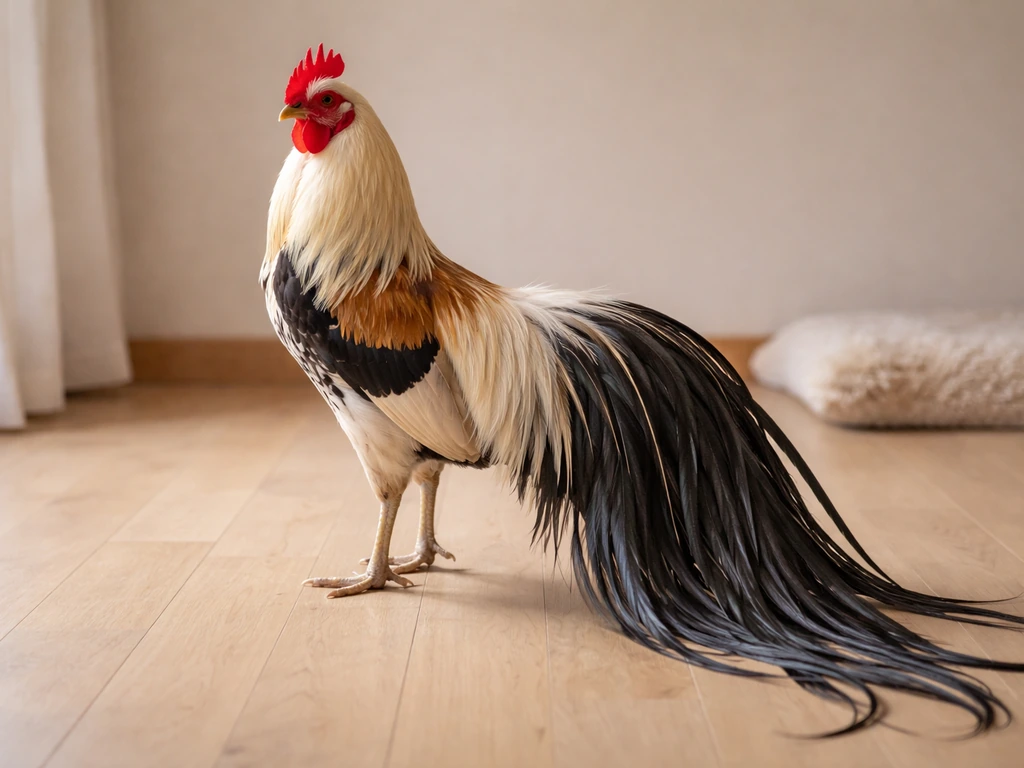
Hwarang is a traditional Korean breed of chicken, recognized for its long tail feathers and upright posture. If your bird is a hwarang (or a closely related ornamental long-tailed breed), a few breed-specific considerations shift the likely causes.
Ornamental chicken breeds kept as companions or in small flocks are often housed indoors or in enclosures with less natural ventilation than a standard coop. This increases their exposure to indoor air pollutants, cooking fumes, and temperature extremes. Hwarang and similar breeds bred for show traits can also have been selected for appearance over cardiovascular robustness, which may make cardiac issues slightly more relevant.
If you're keeping a hwarang in a house or small enclosure, prioritize ruling out environmental toxins and heat stress first, then look hard at diet quality and caloric stability. If 'hwarang' is actually what you've named a different bird (a parrot, finch, or canary, for example), the breed-specific angle doesn't apply but all the causes above still do. Work through the triage checklist and causes the same way regardless.
If you're not certain what breed your bird is and you've been calling it a hwarang based on its looks, an avian vet can help confirm the species, which matters for accurate normal ranges in bloodwork and for breed-specific disease tendencies.
Emergency warning signs that mean go to the vet today
Some situations don't wait for a routine appointment. Go to an avian emergency vet immediately if you see any of these:
- Blue, gray, or white color in the gums, conjunctiva, or cloaca (cyanosis or severe anemia)
- Open-mouth breathing or audible wheezing, clicking, or gasping
- The bird cannot stay upright or is completely unresponsive
- Active seizure lasting more than 1 to 2 minutes, or multiple seizures in a short period
- Cold, limp body with no response to gentle stimulation
- Suspected exposure to Teflon fumes, avocado, or heavy metals with collapse
- Fainting episodes happening more than once in 24 hours
- Any collapse in a bird that also has known heart or respiratory disease
Even if the bird seems to recover and appears normal between episodes, repeated fainting is not a 'wait and see' situation. This is sometimes described as broken bird syndrome, but in any case repeated episodes should be treated as urgent. The recovery between events doesn't mean the underlying cause has resolved.
What to document before and during the vet visit
The history you give the vet is often more valuable than the exam itself, especially for episodic events. Start documenting now even if the appointment is hours away.
- Timeline: when did the first episode happen, how long did it last, how many episodes have occurred, and how much time between them
- What the bird was doing right before collapse (resting, eating, excited, being handled, flying)
- What was happening in the environment (cooking, cleaning, new products, open windows, direct sun, other pets nearby)
- Diet for the past 48 hours: what was offered, what was actually eaten, any new foods or treats
- Any possible toxin exposures: non-stick cookware, candles, aerosols, avocado, metal objects the bird chews
- Droppings: any changes in color, consistency, or amount of urates or liquid
- Weight trend: has the bird felt lighter lately? Has appetite been normal?
- Any other symptoms: fluffing, reduced vocalization, changes in posture, labored breathing, discharge from nares or eyes
- Medications or supplements the bird is currently receiving
- Video of an episode if you can capture one safely
The vet will likely want to do bloodwork including a complete blood count, chemistry panel, and possibly lead and zinc levels. An ECG or echocardiogram may be recommended if cardiac disease is suspected. Being ready with a complete history speeds everything up and often leads to a faster diagnosis.
Safe at-home support while you wait
There's a short, practical list of things you can safely do right now to support the bird before the vet visit. There's also a list of things that are genuinely counterproductive or dangerous. If you are unsure whether you are seeing true vomiting or bird regurgitation, it helps to know what typically looks different so you do not delay the right kind of care counterproductive or dangerous.
What you can do safely
- Move the bird to a quiet, dimly lit, draft-free area away from other pets and household noise
- Keep the temperature stable and comfortable, around 75 to 85 degrees Fahrenheit for most companion birds
- Lower perches or place the bird in a shallow-sided box with soft bedding so it can't fall far if it collapses again
- Make sure fresh water and easily accessible food are available but don't force-feed
- Turn off any non-stick cookware, aerosols, candles, or scented products in the home immediately
- Ventilate the room gently if you suspect any fume exposure, without creating a cold draft
What to avoid
- Do not try to give oral liquids or food to an unresponsive or semi-conscious bird. Aspiration is a real risk.
- Do not hold or restrain the bird excessively. Handling is a significant stressor and can worsen shock.
- Do not use a heating pad directly against the bird. Indirect warmth (a heat lamp at a safe distance, or a warm water bottle wrapped in a towel placed nearby) is safer.
- Do not give any human medications, including glucose drops or honey, without a vet's specific instruction.
- Do not wait days to see if it resolves on its own if episodes are recurring.
Preventing future episodes once you know the cause
Prevention is really about fixing whatever is driving the episodes, plus building a monitoring routine so you catch changes early. Here's how to approach the main categories.
Cage setup, air quality, and temperature
Remove all non-stick coated items from any room where cooking happens near the bird. This includes pots, pans, baking sheets, drip trays, and some space heaters and hair dryers. Replace with stainless steel or ceramic. Keep the cage away from direct sunlight and ensure the room has consistent, moderate temperature without drafts. Bird cage syndrome can also contribute to episodes in birds exposed to fumes or poor air quality, so improving the cage setup and ventilation matters. Good air circulation without fumes is the goal.
Diet stability and nutrition
An all-seed diet is a common contributor to cardiac disease, obesity, and nutritional deficiencies in companion birds. Work with your vet to transition to a balanced pellet-based diet with appropriate fresh foods. Ensure food is always available so the bird doesn't go hypoglycemic, especially overnight for smaller species. Remove perishable foods before they spoil and keep avocado out of the house entirely.
Stress reduction
Chronic stress suppresses immune function and can contribute to cardiac and hormonal problems in birds. Reduce sudden loud noises, limit exposure to predator species like cats and dogs that stress the bird, maintain a predictable daily routine, and avoid excessive or rough handling. Birds that are picked up and restrained frequently against their will accumulate stress even if they don't show it immediately.
Monitoring plan
Weigh the bird weekly at the same time of day on a kitchen scale and keep a log. Even a 5 to 10 percent weight loss over a few weeks is significant in a bird and warrants a vet call before it becomes an emergency. Watch daily for changes in droppings, posture, appetite, and vocalization. These small daily observations are usually the earliest warning signs, well before a bird reaches the point of collapse. Annual or biannual wellness exams with an avian vet are also worthwhile once you've resolved the acute issue, since bloodwork baselines help catch problems much earlier in future.
FAQ
How can I tell if my bird is actually fainting versus choking or vomiting/regurgitation?
Look for breathing effort and timeline. True collapse from oxygen or circulation usually comes with breathing signs like open-mouth breathing, tail bobbing, or wheezing, then a quick recovery. Choking tends to happen during eating or with head-and-neck extension, and you may see persistent struggle or a stuck posture, not a full loss of consciousness. If you see food or liquid coming back with normal posture and it happens soon after swallowing, that points more toward regurgitation than fainting, but any repeated episodes still need an avian vet same day.
What should I do during an episode if I’m unsure whether it’s a seizure, low oxygen, or heat stress?
Stabilize without force. Keep the bird warm if it might be cold, but do not overheat it, and move it to fresh air and a quiet room. Do not put your fingers in the mouth. If the bird is unresponsive and breathing seems abnormal, treat it as an emergency for oxygen problems and go immediately, because some causes require fast oxygen and medication.
Is it safe to offer water, sugar water, or food right after my bird recovers?
Only offer small amounts once the bird is fully awake, able to swallow normally, and breathing comfortably. If the bird seems weak, disoriented, or has any coughing or open-mouth breathing, do not try to force fluids or food, because aspiration can worsen breathing. If you suspect hypoglycemia, a vet may recommend a specific emergency approach, but the safest move is to focus on prompt evaluation and supportive, non-forced feeding.
Should I try to record videos or measure anything during an attack?
Yes, recording is one of the most useful tools. A short video that shows posture, breathing sounds, eye position, and how long recovery takes helps the vet distinguish seizure-like events from syncope or respiratory distress. If possible, note the time of onset, what the bird was doing right before (eating, startled, handled), and the approximate duration of unresponsiveness.
How long is too long to wait between episodes before going to an emergency vet?
If episodes are recurring, even if your bird seems normal afterward, treat it as urgent and do not wait for a routine appointment. As a rule, if you see a second episode within 24 hours, or you ever observe true loss of consciousness, go the same day. The recovery period does not mean the underlying cause is gone.
Could my “hwarang” chicken actually be another bird species, and does that change the advice?
It can. The article’s breed-specific focus applies to ornamental long-tailed chickens, but if what you call a hwarang is a parrot, finch, canary, or another non-chicken bird, normal ranges and disease likelihood can differ. Still, the immediate triage steps and emergency urgency for repeated collapse remain the same, because causes like toxins, hypoxia, seizures, and infections can present similarly across species.
What household exposures should I check first, especially if collapse happens during cooking or right afterward?
Start with heat and fumes. Remove non-stick cookware sources, and check nearby items that can generate fumes, including overheated pans and some space heaters, and avoid aerosol sprays. Also review food and chewables for risk items like avocado and old cage/metal parts that could shed heavy metals. If symptoms line up with a particular event, that timing is often the fastest clue for diagnosis.
My bird seems pale, but it happens during “exercise” or excitement. Does that point to a specific cause?
Pale mucous membranes suggest reduced oxygen-carrying capacity from anemia, which can contribute to weakness and collapse during activity. This makes it more likely that blood loss, parasites, or bone marrow problems are involved, but it does not rule out cardiac or respiratory causes. A vet will need bloodwork to confirm, especially a complete blood count.
What information should I bring to the vet to speed up diagnosis for repeated fainting?
Bring a detailed log: date and time of each episode, duration, what the bird was doing right before, breathing appearance, whether there were jerks or eye changes, whether the bird regained posture quickly, and whether any new people, pets, cleaners, cookware, or foods were introduced. Include your diet type (all-seed versus pellet and fresh foods), enclosure details, and any known metal toys or cage parts. This timeline often matters more than a single exam.
Next Article
What Is Broken Bird Syndrome? Signs, First Aid, Next Steps
Broken bird syndrome signs, quick home safety checklist, first aid, and when to seek urgent avian vet care