
Yes, birds can and do get cancer. It affects pet birds of all species, from budgies and cockatiels to parrots and canaries, and it can involve almost any organ system in the body. The tricky part is that many cancer symptoms in birds look exactly like signs of infection, nutritional deficiency, or other common illnesses, so a lump or a sick-looking bird does not automatically mean the worst. What it does mean is that your bird needs a proper avian vet exam sooner rather than later.
Does Bird Have Cancer? Symptoms, Causes, and Next Steps

Marcus Webb
1 May 2026
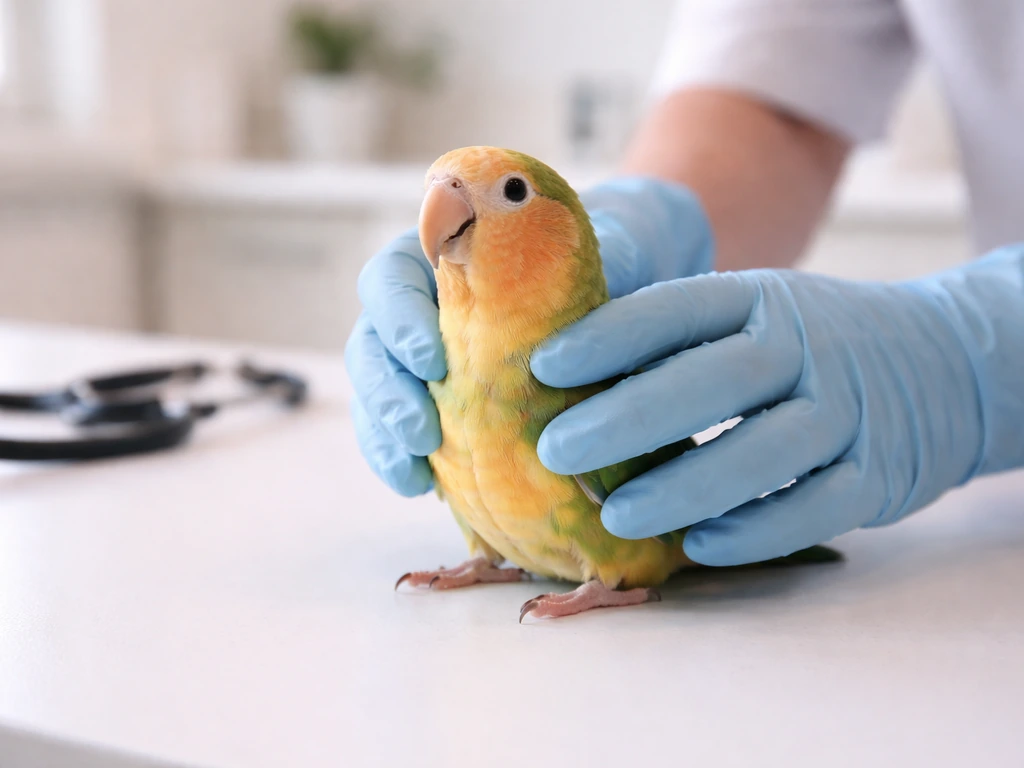
Can birds actually get cancer?
The short answer is yes, absolutely. The medical term for it is neoplasia, which just means abnormal cell growth forming a tumor. These tumors can be benign (they grow but do not spread) or malignant (they invade surrounding tissue and can spread to other organs). According to the Merck Veterinary Manual, pet bird neoplasia can affect the skin, sinuses, oral cavity, gastrointestinal tract, lungs, air sacs, liver, spleen, kidneys, and reproductive tract. In other words, no part of a bird's body is exempt.
Lymphoma and lymphosarcoma are among the most frequently reported cancers in psittacine birds (parrots and their relatives) and passerines (finches, canaries). Skin cancers also show up regularly, and squamous cell carcinoma (SCC) is the most common skin cancer, tending to appear around the eyes, beak, wingtips, and toes. Reproductive tumors are especially common in female budgerigars. The point is that cancer in birds is not rare, and it is worth knowing what to look for.
Lumps, bumps, and skin changes: cancer or something else?
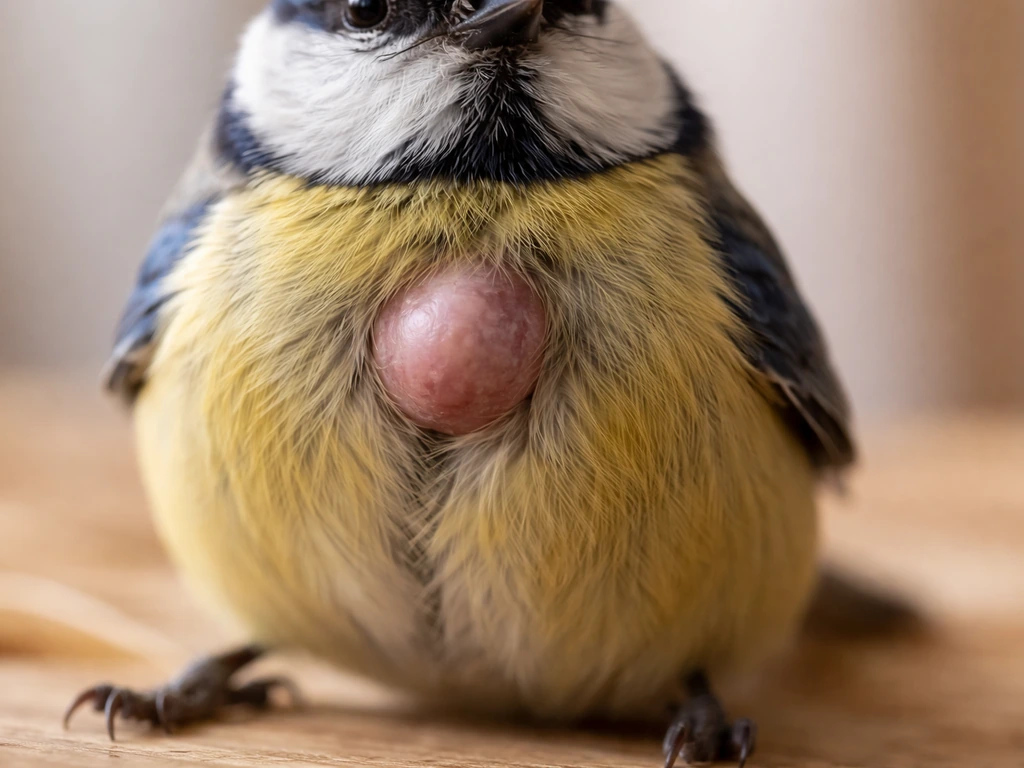
When you find a lump on your bird, the instinct is to panic and assume cancer. Many people also wonder whether specific birds, like brown birds, are more likely to get cancer assume cancer. Most of the time, though, there are other explanations worth ruling out first. Feather cysts, abscesses, lipomas (benign fatty deposits), and xanthomas (yellowish fatty plaques) are all common in pet birds and are not cancer. Budgies in particular get lipomas fairly often, especially if they are overweight.
That said, you cannot reliably tell the difference between a benign lump and a malignant tumor just by looking or feeling. Some key things to watch for that raise the index of suspicion for cancer include a lump that grows quickly, feels hard or irregular, bleeds or ulcerates, or is located around the beak, eyes, wingtips, or toes (classic SCC spots). A lump that has been stable for years and stays soft and smooth is much more likely to be benign, but that still needs a vet to confirm.
- Feather cysts: round, firm swellings under the skin where a feather grows inward, usually on the wings
- Lipomas: soft, moveable fatty lumps most common in budgies and overweight birds
- Xanthomas: yellowish, flat or raised plaques often linked to high-fat diets
- Abscesses: swollen areas of infection that may feel warm and are usually painful to the touch
- True tumors (benign or malignant): can range from soft to very hard, and may or may not be painful
Skin or feather changes can also signal cancer without an obvious lump. Discolored patches, areas where feathers will not grow back after molting, or tissue that looks thickened or crusty around the face and beak are all worth getting checked. Do not assume a beak or nail change is just wear and tear.
Behavioral and general symptoms that can point to serious illness
Birds are prey animals by instinct, which means they hide illness until they physically cannot anymore. By the time you notice obvious signs that something is wrong, the problem has often been brewing for a while. That makes early detection genuinely difficult, and it is one reason why regular avian vet checkups matter so much.
The clinical signs of neoplasia vary a lot depending on where the tumor is located. A tumor pressing on the kidneys can cause leg weakness or paralysis. A mass in the abdomen causes the belly to look distended or rounded. A tumor affecting the GI tract leads to regurgitation, changes in droppings, or weight loss. None of these symptoms are specific to cancer, but all of them signal that something is seriously wrong.
- Sudden weight loss or a keel bone that feels sharper than usual when you hold the bird
- Lethargy, fluffed feathers, or sleeping much more than normal
- Loss of appetite or complete refusal to eat
- Regurgitation or vomiting that is not just brief social regurgitation
- Distended or swollen abdomen (looks wider or more rounded than normal from below)
- Lameness, weakness in one or both legs, or loss of grip strength on a perch
- Sudden changes in behavior, personality, or vocalizations
- Abnormal droppings: changes in color, consistency, or frequency
- Visible bleeding, discharge from the eyes, nares, or cloaca
If your bird is showing two or more of these signs together, do not wait to see if it improves. Birds deteriorate fast once they start showing symptoms they can no longer hide.
Respiratory signs and cancer-like diseases to know about
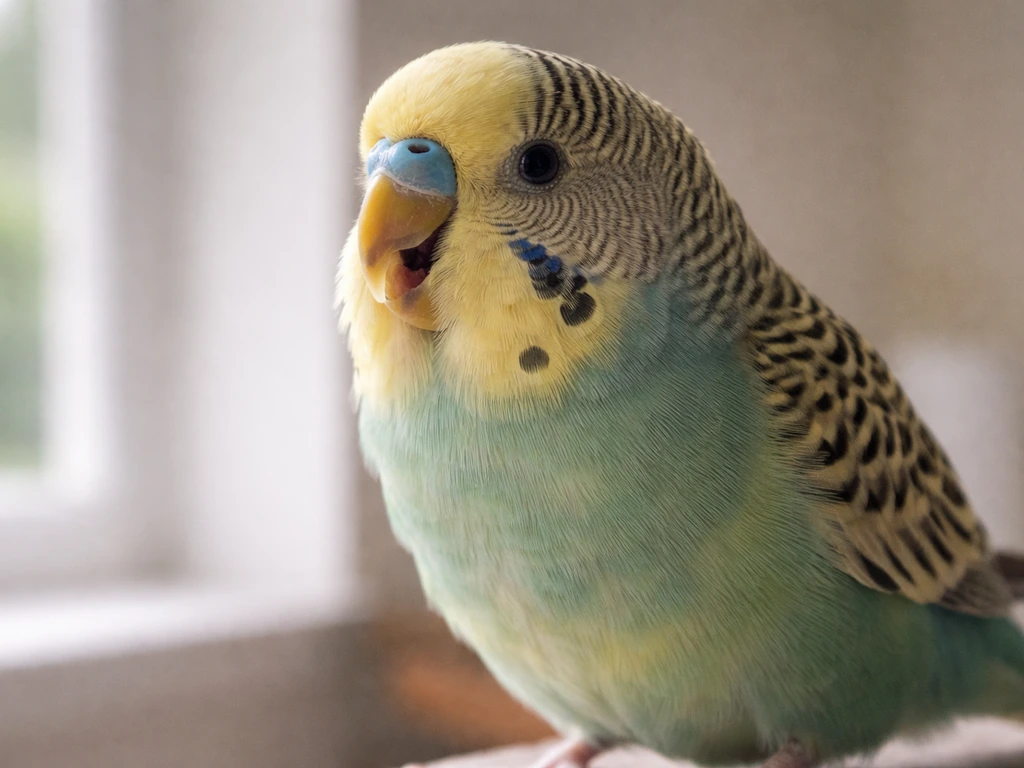
Respiratory symptoms in birds are a separate category worth highlighting because they overlap heavily with both cancer and several common infectious diseases. A bird with a tumor affecting the lungs, air sacs, or sinuses may show labored breathing, tail bobbing with each breath, open-mouth breathing, voice changes, or wheezing. These are also the hallmark signs of aspergillosis (a serious fungal infection), bacterial pneumonia, air sac mites, and other respiratory illnesses.
The practical takeaway: do not assume breathing difficulty means cancer, but do treat it as urgent regardless of the cause. A bird that is open-mouth breathing or visibly struggling to breathe is in distress and needs veterinary attention that day. Respiratory signs combined with a visible mass, unexplained weight loss, or a history of no improvement on antibiotics are red flags that push the workup toward imaging and cancer screening.
It is also worth noting that some non-cancer conditions can cause masses or swellings that look tumor-like. Granulomas from fungal or bacterial infections, for example, can appear on imaging as solid masses indistinguishable from tumors without a biopsy. This is exactly why a diagnosis based on symptoms alone is unreliable, and why proper testing matters.
How avian vets diagnose cancer
Diagnosing cancer in birds follows a logical sequence. The vet starts with a hands-on physical exam and a thorough history: how old is the bird, what does it eat, how long have you noticed symptoms, and has anything changed recently? A good history alone can point the vet toward or away from cancer as a top concern.
Physical exam and imaging
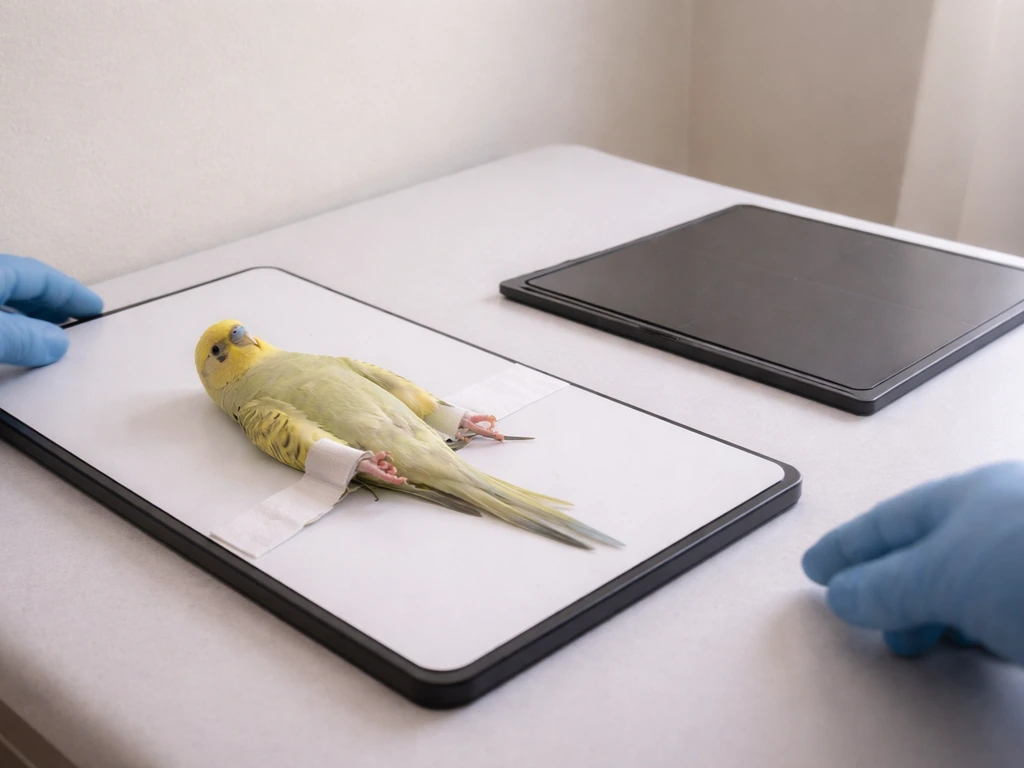
For visible external lumps, the vet will palpate the mass and assess its size, firmness, and attachment to underlying tissue. For internal concerns, whole-body radiographs (X-rays) are usually the first imaging step and can reveal masses, organ enlargement, or abnormal fluid. Ultrasound gives a clearer picture of soft tissue masses. CT scans, when available at avian specialty practices, provide the most detailed view of tumor location and extent, especially for head, sinus, and thoracic tumors.
Cytology, biopsy, and lab work
A fine-needle aspirate (FNA) is the least invasive way to sample an external tumor. The vet inserts a small needle into the mass, collects cells, and sends them to a lab for cytology (microscopic examination). This can often give a diagnosis for surface tumors without surgery. Internal tumors are harder: they may require endoscopy, where a small camera is passed into the body cavity, or an actual surgical biopsy to collect tissue. Bloodwork and biochemistry panels help assess organ function and can suggest if internal organs are involved, even when imaging is inconclusive. Together, these tools give the vet a complete picture of what you are dealing with before any treatment decisions are made.
Treatment options and what to realistically expect
Treatment options for avian cancer have improved meaningfully over the past decade, but they are still more limited than what exists for dogs, cats, or humans. The options available and their success depend heavily on the type of tumor, its location, how early it was caught, and the overall health of the bird.
| Treatment Type | When It's Used | Realistic Outcome |
|---|---|---|
| Surgical removal | Accessible external tumors, reproductive tumors, some internal masses | Can be curative for benign tumors or early-stage localized malignant tumors; higher risk in small birds |
| Chemotherapy | Lymphoma, some systemic cancers | Protocols exist but are less standardized than in companion mammals; can extend quality life |
| Radiation therapy | Localized tumors at specialized centers | Limited availability; may be an option at veterinary teaching hospitals |
| Supportive and palliative care | Advanced or inoperable cancers | Focuses on pain management, nutrition, and quality of life rather than cure |
| Hormonal implants | Reproductive tumors, especially in budgies | Leuprolide acetate can slow or manage some reproductive-tract tumors without surgery |
For pet birds, surgery is often the first-line treatment when a tumor is visible, accessible, and the bird is stable enough to tolerate anesthesia. Small birds like budgies carry a higher anesthetic risk simply because of their size, but experienced avian vets manage this regularly. Recovery from surgical tumor removal can be excellent when the mass is caught early and fully excised.
For wild birds, the situation is much harder. A wild bird rarely presents until it is very ill, handling adds significant stress, and the logistics of long-term treatment and recovery are often not feasible. Wildlife rehabilitators will assess wild birds on a case-by-case basis, but the honest reality is that most wild birds with advanced internal cancer are humanely euthanized to prevent prolonged suffering. If you find a wild bird you suspect is sick, your best step is to contact a licensed wildlife rehabilitator rather than trying to treat it yourself.
Prognosis varies enormously. A budgie with a fully removed lipoma has a normal life expectancy. A parrot with early-stage squamous cell carcinoma around the beak that is surgically excised with clear margins may do very well. A bird with internal lymphoma discovered late has a much grimmer outlook. Early detection is genuinely the single biggest factor in outcome, which circles back to why routine vet visits and knowing your bird's normal baseline matter so much. You can also look up how much health Crazed Bird has and use that as a baseline when deciding whether to seek urgent help how much health does crazed bird have.
When to get to a vet right now
Some symptoms require same-day veterinary attention, no waiting to see if the bird improves overnight. Birds can crash quickly once they start showing visible distress, and a delay of even 12 to 24 hours can make the difference between a treatable situation and a critical one.
- Open-mouth breathing, tail bobbing, or any visible breathing difficulty
- Complete loss of consciousness, seizures, or inability to stand
- Active bleeding from any site
- A sudden mass or lump that appeared within days and is growing visibly
- Severely fluffed, non-responsive bird that does not react to normal stimuli
- Distended abdomen combined with lethargy or refusal to eat
- Discharge from the eyes, nares, or cloaca that is thick, colored, or bloody
If none of these emergency signs are present but you have noticed a lump, gradual weight loss, behavior changes, or other concerns over days or weeks, schedule an appointment with an avian vet within the next few days, not weeks. Do not wait for the next routine check-in if something feels off.
What you can do right now before the appointment
Start documenting everything. Take clear photos or short videos of the lump, the abnormal behavior, or the breathing pattern. Write down when you first noticed each symptom, whether it is getting worse, what the bird is eating and how much, and any changes in droppings. This information is extremely useful to the vet and saves time during the exam. If you’re asking, “is bird from alaskan bush sick,” it is still best to treat breathing trouble and lumps as an urgent veterinary concern until proven otherwise.
Keep the bird warm and calm. A sick bird has trouble regulating body temperature, so moving it to a quiet area away from drafts and keeping the environment around 85 to 90 degrees Fahrenheit can help stabilize it while you arrange care. Avoid excessive handling, and do not try to poke, squeeze, or drain any lump yourself. You can cause real harm by manipulating an unknown mass before a diagnosis.
When you call the vet, mention that you suspect a possible tumor or mass so they can schedule appropriate time and have imaging equipment ready. If your question is, for example, whether a specific kind of wild bird has bird cancer, that is exactly the kind of concern an avian vet can assess with the right exam and testing. Ask specifically for a vet with avian experience, since general small-animal practices may not be equipped to diagnose or treat bird-specific conditions. If your local vet does not see birds, ask for a referral to an avian specialist or a veterinary teaching hospital, which often has oncology services available.
If you are also wondering about specific birds in other contexts, such as wild birds potentially linked to nest exposure, that is a related but separate topic involving environmental and infectious risks rather than pet bird cancer directly. Can bird nest cause cancer, especially from contamination like mold or parasites, is something many people wonder about when they deal with nests near homes wild birds potentially linked to nest exposure. The core advice remains the same: observe carefully, document what you see, and get a professional involved rather than guessing from symptoms alone.
FAQ
If my bird has a lump, does that automatically mean it has cancer?
Yes, but the key is what you mean by “have cancer.” A bird can have neoplasia, or it can have a mass caused by infection or inflammation, and those can look similar on the outside. If a lump is new, growing, hard, ulcerated, or bleeding, treat it as a cancer risk until an avian vet rules out tumor versus granuloma or abscess.
Can I tell whether a lump is cancer just by touching it?
Generally, no. Soft, smooth lumps that have stayed the same for a long time are more often benign, but you cannot confirm cancer or non-cancer by feel alone. The safest approach is to book an avian exam and ask whether cytology (fine-needle aspirate for external masses) or imaging is appropriate for your bird’s specific location and size.
What symptoms mean I should treat it as an emergency, not a wait-and-see situation?
Use “same day” or “urgent today” if you see open-mouth breathing, tail bobbing, wheezing, obvious respiratory distress, severe lethargy, inability to perch normally, uncontrolled bleeding, or rapid decline over hours. Breathing issues are especially time-sensitive because both cancer and infectious causes can worsen quickly.
If breathing trouble doesn’t improve with antibiotics, could it be cancer?
If your bird is breathing poorly, do not assume it is infection and only try antibiotics first. Antibiotics may be reasonable if a vet suspects pneumonia, but persistent symptoms after treatment, combined with weight loss or a visible mass, should prompt imaging and further workup. In practice, ask the vet about distinguishing tumor-related respiratory disease from aspergillosis, bacterial infection, and mites.
Will blood tests rule out cancer in birds?
In many cases, routine lab work can help even before a diagnosis is made. Bloodwork and biochemistry can show organ dysfunction that supports the location of a possible problem, and they help establish anesthesia and treatment safety if surgery is considered. However, normal bloodwork does not rule out cancer.
How accurate is fine-needle aspirate sampling in pet birds?
Some masses cannot be fully sampled without a biopsy, and that affects how definitive the diagnosis can be. For external skin tumors, fine-needle aspirates often provide useful cellular clues. For internal tumors, tissue sampling may require endoscopy or surgery, and sometimes imaging plus serial monitoring is needed when biopsy is too risky.
Can cancer be present if my bird’s appetite and droppings look normal?
Yes, a bird with a tumor can still have normal appetite or normal droppings early on. Because birds hide illness, warning signs often start subtly (slight behavior change, small changes in feather condition, mild weight drop). Keep a baseline for your bird’s normal habits and contact an avian vet when anything deviates for more than a few days.
What should I do if I’m worried about cancer and there is a lump on my bird’s body?
Do not attempt to drain, squeeze, cut, or puncture a lump yourself. Unknown masses can bleed, become infected, or break open, and you can damage deeper tissue. If you need to manage temporarily, keep the bird warm, reduce stress, and only transport and document, then let the avian vet decide on diagnostic sampling.
Are lumps near the beak or eyes more likely to be cancer?
An external lump around the eyes, beak, wingtips, or toes can be consistent with certain common skin cancers, but similar-looking lesions can come from other causes. Treat location as a risk factor, not a diagnosis. Ask the vet specifically whether cytology or biopsy is needed for that location, especially if there is ulceration, crusting, or rapid change.
If I suspect a wild bird has cancer, what should I do?
For wild birds, do not try to treat suspected cancer at home. Wildlife rehabbers often focus on welfare and survival potential, and advanced internal disease is commonly found only after a bird is already very ill. Contact a licensed rehabilitator promptly if the bird can barely fly, is severely underweight, is lethargic, or has persistent respiratory signs.
Why can imaging show a “mass” but not confirm cancer?
Some “tumor-like” findings are granulomas from infections or other inflammatory processes, and they can look indistinguishable from neoplasia on imaging. This is why vets often combine imaging with cytology or biopsy, and why a diagnosis based on symptoms alone is unreliable.
What information should I tell the vet when I suspect cancer?
When you call, be clear about what you observed: when the lump or symptoms started, whether it is growing, what the breathing looks like, and whether there has been any weight loss. Also ask if they have avian experience and can perform the likely first steps (radiographs, ultrasound, and sampling options). Mentioning “possible tumor” helps them prepare imaging and schedule the right type of appointment.
Next Article
Does Bird From Alaskan Bush People Have Cancer? Vet Guide
Learn if Bird from Alaskan Bush People may have cancer, plus a checklist to spot cancer-like symptoms and when to see an