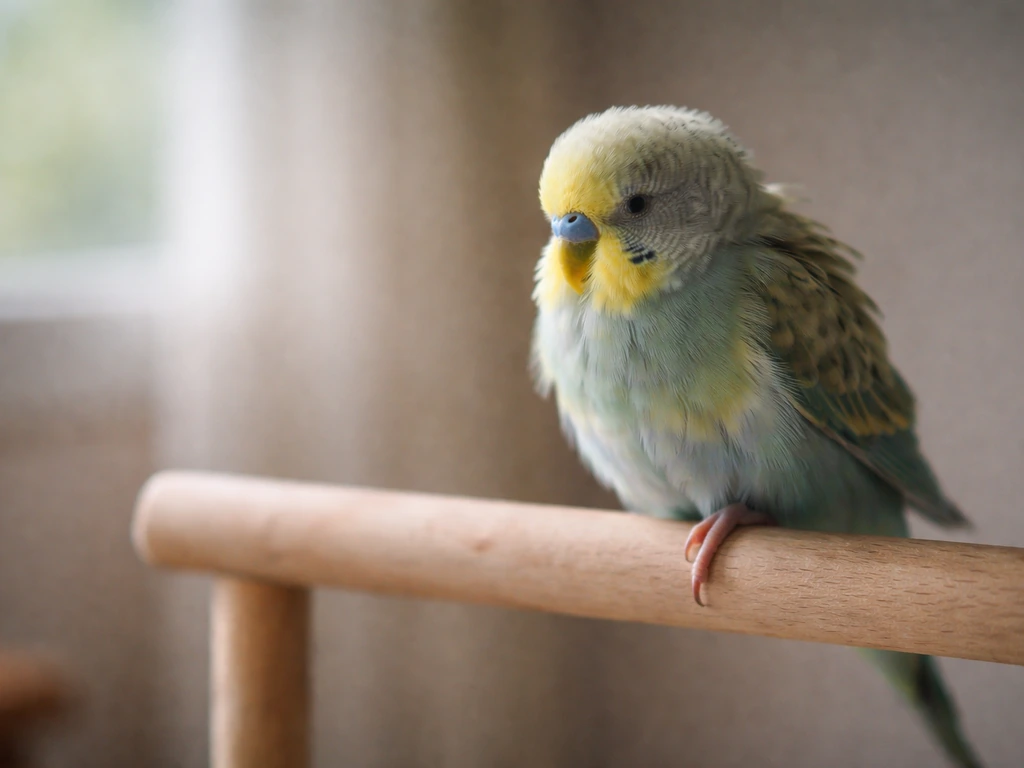
A "fever bird" is not a specific species. When people search that phrase, they almost always mean a bird that looks or acts sick in a way that resembles a fever: puffed up, lethargic, warm to the touch, not eating, or breathing strangely. The phrase why was bird fever named so. Because some bird diseases spread between birds, it helps to know what outbreaks are currently being reported what bird disease is going around. Birds can absolutely develop elevated body temperatures due to infection or illness, but reading those signs is different from how you'd recognize a fever in a person, and actually measuring a bird's temperature at home is tricky for reasons worth understanding.
What Is a Fever Bird? Symptoms, Causes, and Next Steps

Marcus Webb
5 May 2026
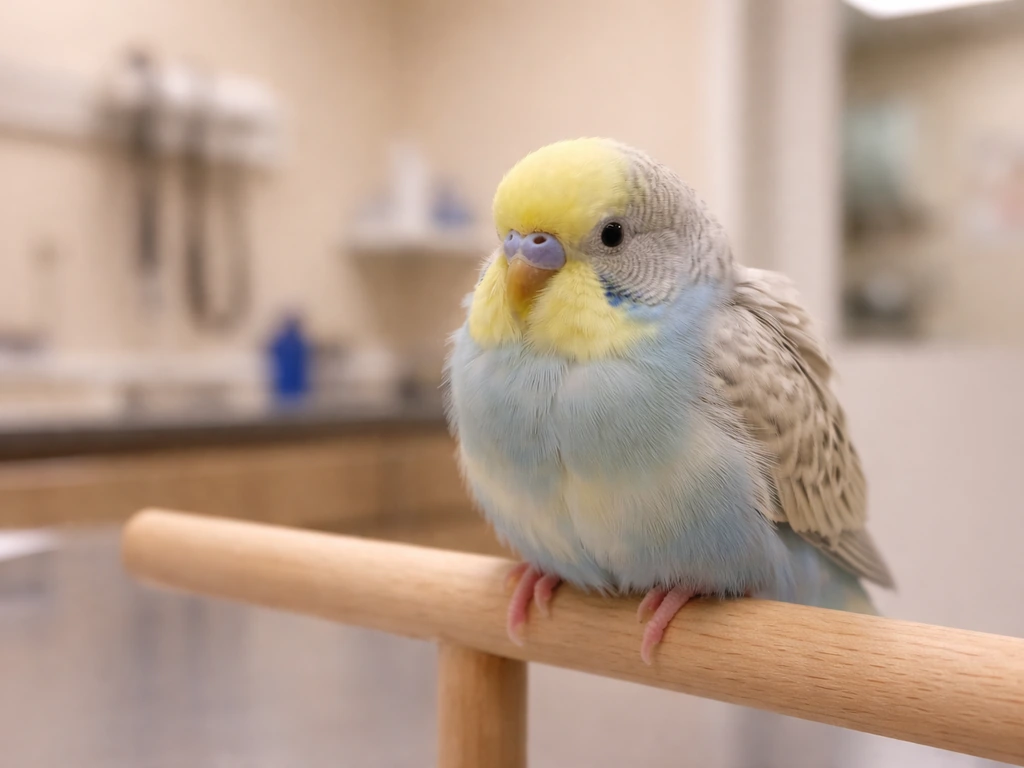
What "fever" actually means in birds vs. humans
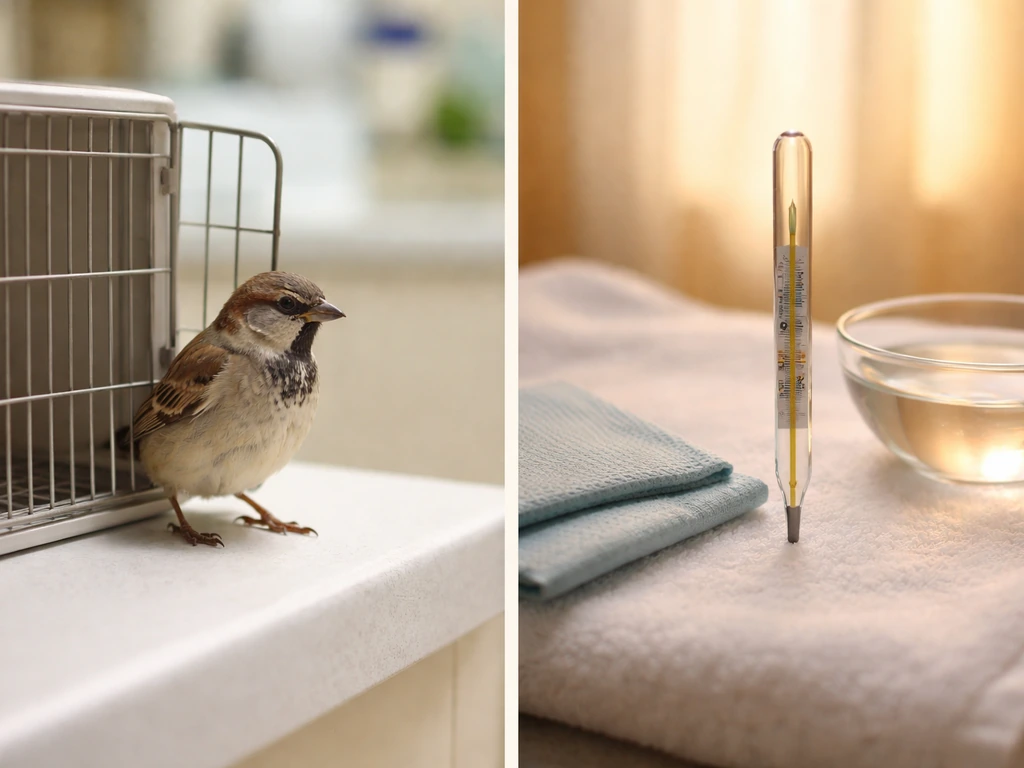
In humans, a fever is a rise in body temperature above a well-known baseline of 98.6°F (37°C), and anything over about 100.4°F (38°C) raises concern. Birds work completely differently. Most parrots and parakeets normally run a core body temperature of 103 to 106°F (39 to 41°C). blank" rel="noopener noreferrer">Chickens can run as high as 109.4°F (43°C) during the day. Across all bird species, the accepted normal range spans roughly 97°F to 113°F (36°C to 45°C), depending on the species, time of day, and activity level.
Technically, veterinarians distinguish between two things. Hyperthermia is any core temperature above normal for that species, caused by too much heat production or too little heat loss. True fever is a specific type of hyperthermia where the brain's thermostat (the hypothalamic set point) gets reset higher as part of an immune response to infection or inflammation. In practice, most fevers are not immediately life-threatening unless body temperature climbs above roughly 107°F (41.6°C) in species where that represents a significant overshoot. The key takeaway is that a bird's normal temperature is already high, so you can't use your instinct about what feels "hot" to judge whether something is wrong.
Signs that look like fever in pet and wild birds
Because you generally can't take a bird's temperature easily at home, you rely on behavioral and physical signs. Birds are famously good at hiding illness until it becomes serious, so by the time you notice something, it often warrants attention.
- Fluffed or ruffled feathers, especially when the room isn't cold, which means the bird is trying to conserve heat
- Lethargy, sitting still, eyes partially or fully closed, or sleeping much more than usual
- Sitting low in the cage or on the cage floor instead of perching normally
- Reduced appetite or refusing food entirely
- Nasal discharge, watery eyes, or discharge around the nares
- Changes in droppings: watery, discolored (yellow-green urates can indicate liver involvement), or unusual in volume
- Tail bobbing at rest, which signals the bird is working harder to breathe
- Open-mouth breathing at rest, which is always serious and needs same-day attention
- Audible sounds like wheezing, clicking, or rattling when breathing
- Reduced or absent preening, a strong signal that the bird feels unwell
In healthy, calm birds, breathing is barely noticeable. If you can see the chest heaving, the tail pumping, or the bird is breathing with its mouth open while just sitting there, treat that as a red flag right away.
What causes fever-like illness in birds
Infectious causes
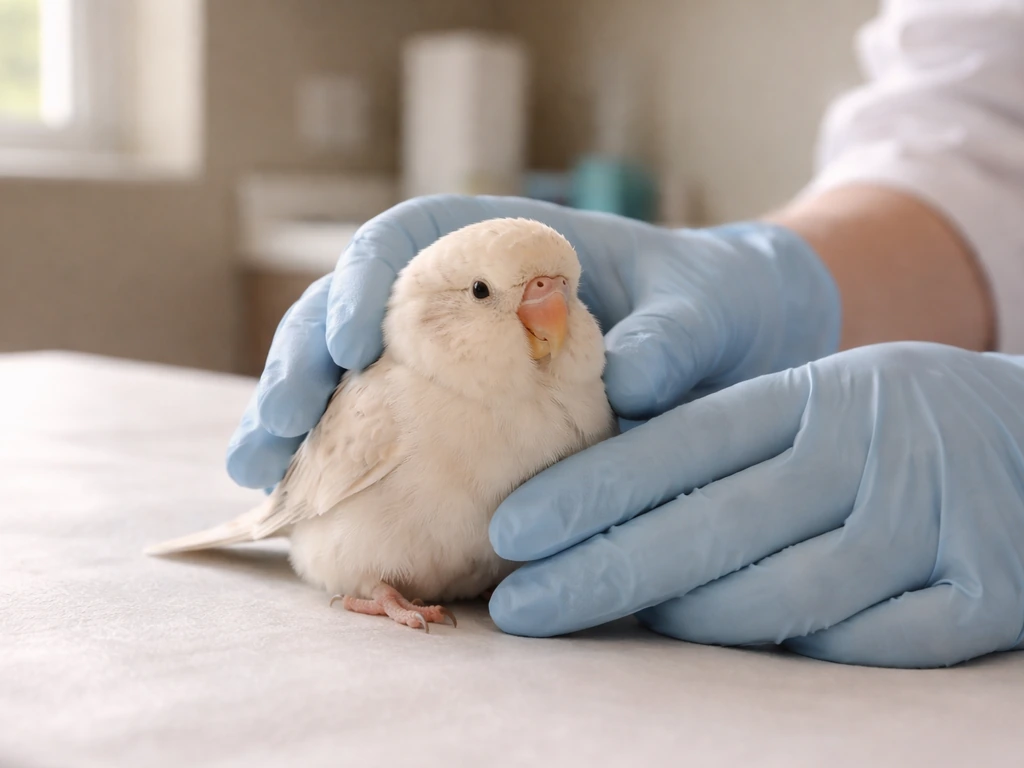
Bacterial infections are among the most common drivers of systemic illness in birds, often affecting the respiratory tract or gut before spreading. Avian chlamydiosis (caused by Chlamydia psittaci) is a classic example: it produces lethargy, ruffled feathers, nasal and eye discharge, diarrhea, and yellow-green urates. For the latest on bird disease, avian chlamydiosis is one of the more important infections to watch for in sick birds. Viral infections can cause similar systemic signs.
Bird virus infections can also cause similar systemic signs and may require specific testing to identify the cause Viral infections. Fungal infections, particularly aspergillosis, often target the respiratory system and can produce a gradual, fever-like decline. Parasites, both internal and external, can also cause weakness, weight loss, and poor condition that mimics systemic illness.
Nutritional and environmental causes
Vitamin A deficiency is a well-documented predisposing factor for respiratory disease in birds, particularly parrots on seed-only diets. It weakens the mucous membranes that normally block pathogens. On the environmental side, inhaled toxins such as cigarette smoke, non-stick cookware fumes (PTFE), aerosols, and cleaning product vapors can cause rapid-onset respiratory distress that looks like acute fever-illness. Overheating from direct sun exposure or a poorly placed heat source can cause true hyperthermia that requires different handling than infection.
Stress
Stress suppresses immune function in birds and can trigger dormant infections to become active. A recent move, new animals in the house, changes in routine, or even a fright can push a bird that was managing a low-grade illness into showing obvious symptoms. If you recently changed something in the bird's environment and it now looks unwell, that context matters when you talk to a vet.
How to assess severity at home
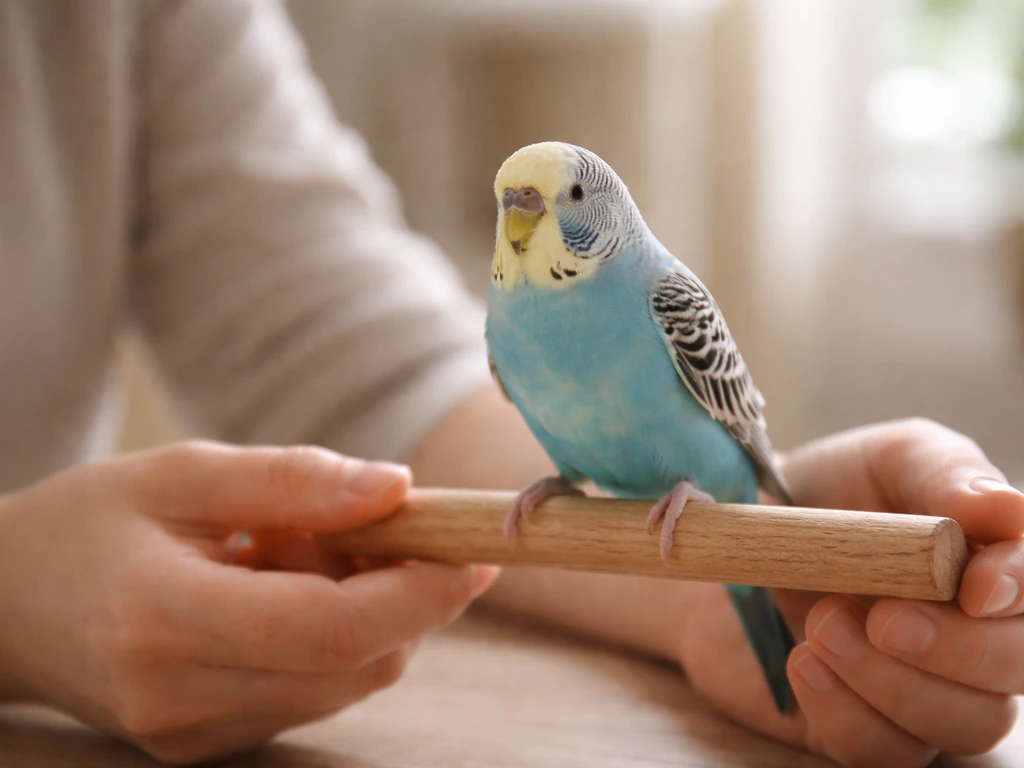
Taking a bird's temperature at home is rarely practical and often riskier than it's worth. The standard method is a cloacal (rectal) reading with a small digital thermometer, but the stress of restraint alone can cause a bird to crash if it's already ill. Research comparing cloacal and infrared thermometer readings in birds shows differences of more than 0.5°C between measurement sites, meaning even non-contact thermometers can be inconsistent. Unless you have been shown how to do this safely by a vet, skip it and focus on behavioral observation instead.
What you can do safely is run through a quick visual checklist. Watch the bird for a few minutes without disturbing it. Note posture, eye openness, breathing rate and effort, and whether it's on a perch or on the floor. Check the droppings in the cage from the last 12 to 24 hours for color and consistency. Note when it last ate and drank. Look at the area around the nares and eyes for discharge. This gives you a clear picture to report to a vet and helps you gauge whether things are stable or declining.
| Sign | Concerning level | Urgency |
|---|---|---|
| Slightly fluffed feathers, eating less than usual | Mild | Monitor closely; contact vet within 24 hours |
| Lethargic, not eating, eyes partly closed, tail bobbing | Moderate | Contact avian vet same day |
| Open-mouth breathing at rest, on cage floor, unable to perch | Severe | Emergency vet visit now |
| Gasping, collapse, frank blood in droppings | Critical | Emergency vet visit immediately |
What to do today: isolation and supportive care
If your bird is showing any of the signs above, start here while you arrange veterinary care. These steps apply to both pet birds and wild birds you've taken in temporarily.
- Isolate the bird from other birds immediately. Many avian infections spread easily, and you don't want a sick bird infecting your other animals before you know what you're dealing with.
- Move it somewhere warm, quiet, and draft-free. A slightly warmer ambient temperature (around 85 to 90°F / 29 to 32°C) helps a sick bird conserve energy rather than burning calories just to stay warm. But watch carefully: if the bird starts panting or spreading its wings, it's too hot. Back off the heat source.
- Reduce stimulation. Turn down lights, keep noise low, and minimize handling. A stressed sick bird declines faster.
- Offer fresh water in a shallow dish. Dehydration compounds illness quickly in birds. If the bird isn't drinking, you can try offering diluted electrolyte solution (plain, unflavored Pedialyte is often used). Don't force fluids orally in a bird that is gasping or having serious trouble breathing.
- Offer soft, easy foods if the bird will eat. High simple-carbohydrate options like soft cooked rice, mashed sweet potato, or formula are easier to process than seeds when a bird is ill.
- Add humidity if respiratory signs are present. A humidifier or vaporizer near (not directly on) the bird's space can ease breathing. Aim for 50 to 70% relative humidity.
- Check the environment for toxins. Eliminate cigarette smoke, candles, aerosols, and non-stick cookware fumes. Remove any recently introduced plants, foods, or products that could be irritants.
- Document everything. Write down when symptoms started, what changed recently in diet or environment, and what the droppings look like. This saves time at the vet.
When to contact an avian vet urgently
Open-mouth breathing at rest is always a same-day emergency. So is a bird sitting on the cage floor, a bird that can't grip a perch, or one that closes its eyes during handling. These signs suggest the illness is advanced and the bird may deteriorate rapidly. Don't wait overnight.
For milder signs like reduced appetite and mild fluffing with no breathing changes, contacting an avian vet within 24 hours is the right move. Birds hide illness well, which means mild visible signs often represent a condition that has already progressed further than it appears.
At the vet, expect a hands-on physical exam (though a severely distressed bird may be placed in an oxygen-enriched, dark, quiet space first to stabilize before a full exam). Common diagnostics include a fecal exam for parasites, bacterial cultures from choanal or cloacal swabs, bloodwork to check organ function and immune response, and imaging (X-ray) to look at the respiratory tract and organs. For suspected infections like chlamydiosis, the vet may use PCR testing, antigen identification, or look for a significant rise in antibody titers. Treatment is guided by culture and sensitivity results whenever possible, because the right antibiotic or antifungal depends on what's actually causing the illness.
Preventing spread in bird households and aviaries
Quarantine any new bird for at least 30 days before it contacts your existing birds. This is the single most effective thing you can do to prevent introducing new diseases into your flock or household.
- Wash hands between handling different birds, especially if one is sick
- Use separate food and water dishes, toys, and perches for any isolated bird
- Clean and disinfect cages regularly with avian-safe disinfectants and allow full drying before returning birds
- Improve base nutrition: parrots on seed-only diets are at higher risk due to vitamin A deficiency. Rotating in leafy greens, cooked squash, and formulated pellets reduces that vulnerability
- Avoid exposing birds to aerosols, smoke, scented candles, air fresheners, and non-stick cookware fumes in the home
- Schedule annual wellness exams with an avian vet so baseline bloodwork and fecal checks catch subclinical problems before they become emergencies
- For aviaries with multiple birds, establish an isolation cage and use it every time a bird shows any sign of illness, even mild ones
Wild birds found showing fever-like signs should be handled minimally, kept warm in a ventilated box, and transferred to a licensed wildlife rehabilitator as quickly as possible. People often ask if “the fever bird” is real, but these fever-like signs are actually descriptions of illness in birds, not a single species. Avoid feeding wild birds unfamiliar foods or keeping them longer than necessary, as stress from captivity worsens their condition.
The bottom line: a bird that looks like it has a fever is a bird that needs attention today. For a broader overview of causes, symptoms, and when to seek help, see what is bird disease. You don't need to confirm an exact temperature reading to act. Trust what you're seeing, isolate the bird, provide warmth and quiet, and call an avian vet.
If you are asking, “is the bird disease over,” this guide can help you decide what signs mean it is resolving and when to contact an avian vet. Hummingbirds can also show fever-like illness when they are affected by the same kinds of bird infections and environmental stressors, so the warning signs should be taken seriously provide warmth and quiet. The earlier you move, the better the outcome tends to be.
FAQ
Is “fever bird” a real illness or an actual species name?
No. “Fever bird” is a common search phrase people use to describe a bird that looks sick, not a defined disease or species. Because multiple infections and environmental problems can look similar, the exact cause usually needs a vet workup, especially if breathing is abnormal.
How can I tell if the bird is truly overheated rather than infected?
Look for rapid onset after a heat source or sun exposure, and check the environment first (direct sun, heater location, hot room, poor ventilation). Overheating often comes with fast decline and no clear discharge or gut signs, while infection more often shows nasal or eye discharge, diarrhea, ruffled feathers, or progressive lethargy.
My bird is puffed up. Does that always mean a fever?
Not always. Puffing up can be a comfort posture, cold response, or early illness. The key differentiator is accompanying signs like abnormal breathing at rest, open-mouth breathing, eye closure during handling, refusal to eat, or changes in droppings.
What are the most dangerous breathing signs to watch for?
Any breathing difficulty while the bird is resting is urgent, especially visible chest heaving, tail pumping, open-mouth breathing, or mouth breathing with the bird sitting quietly. If you see those signs, treat it as same-day care rather than monitoring overnight.
Can I use a normal household thermometer on my bird?
You generally should not. Even cloacal temperature readings can be inconsistent between measurement sites, and restraint during the attempt can worsen a sick bird’s condition. The practical next step is to document breathing, posture, eye openness, appetite, and droppings for the vet instead of trying to measure.
How long should I wait before calling an avian vet if the bird seems “a little off”?
If there is reduced appetite, mild fluffed posture, or any change in droppings, call within 24 hours. Birds can look mildly ill until the condition is already progressing, so waiting for a “full fever” is risky.
If I suspect chlamydiosis, what should I do before the appointment?
Isolate the bird immediately and minimize handling. Prepare to share observations like discharge from eyes or nares, diarrhea or urates color changes, and how breathing looks at rest. Avoid cleaning with strong fumes around the bird, and use the vet’s guidance for transport and timing.
Do parasites or vitamin A deficiency cause the same fever-like signs?
Yes, they can mimic systemic illness. Parasites may cause weakness and poor condition, and vitamin A deficiency can predispose birds, especially parrots on seed-only diets, to respiratory disease. Because treatment differs, the vet may prioritize fecal testing and a nutritional assessment.
What should I quarantine a new bird with, practically speaking?
Keep it in a separate room if possible, with separate food and water containers and no shared cleaning tools. Maintain separate airflow if you can (for example, avoid cross-contamination from fans). Quarantine for at least 30 days before mixing with existing birds.
Should I try to warm a wild bird I found, or is that too risky?
Use gentle warmth and quiet in a ventilated box, but avoid overhandling. The priority is fast transfer to a licensed wildlife rehabilitator. Unnecessary feeding or prolonged captivity increases stress and can worsen illness.
What details should I write down for the vet to speed up diagnosis?
Track onset timing, breathing changes at rest, posture (on floor or perched), eye openness, appetite and water intake, and droppings over the last 12 to 24 hours (color and consistency). Also note any recent environmental changes like new pets, cleaning products, smoke exposure, or sun/heat sources.
If the bird improves, when is it safe to relax and stop monitoring?
Improvement can be real, but birds can relapse. If breathing remains normal, appetite is steadily returning, and droppings normalize over a short period, you can monitor closely while following the vet’s plan. If symptoms recur, worsen, or breathing changes return, contact the avian vet promptly.
Next Article
What Is Bird Disease? Symptoms, Causes, and Next Steps
Learn what bird disease is, spot key symptoms, identify likely causes, and take urgent next steps for pet or wild birds.