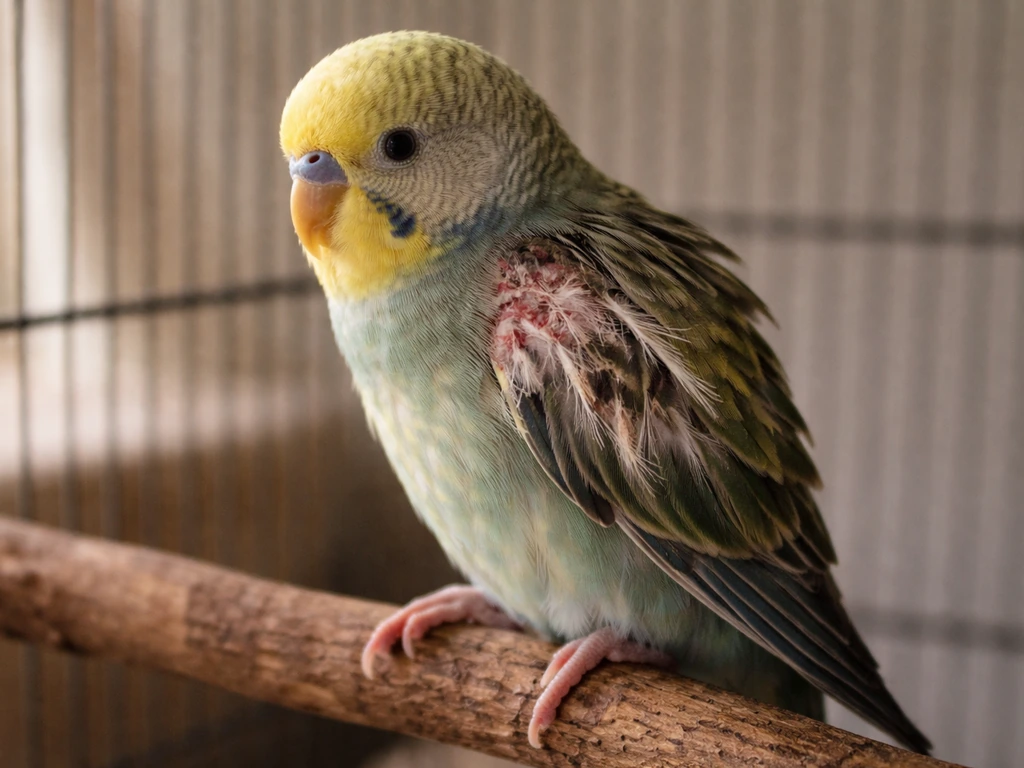
The 'bird beak sign' refers to visible warning signs around a bird's beak and mouth area, things like open-mouth breathing, crusty buildup, white or yellow plaques inside the mouth, discharge, or an inability to close the beak properly. These signs are commonly seen in conditions like avian trichomonosis (canker), avian pox, aspergillosis, candidiasis, and respiratory infections. Some of these diseases can show up with a bird beak appearance, and the specific pattern can suggest which illness is causing it bird beak appearance in which disease. Some of these are manageable with prompt veterinary care; others can be fatal if ignored, especially in young or small birds.
Bird Beak Sign Is Seen In: Causes, Checks, Red Flags

Marcus Webb
23 May 2026
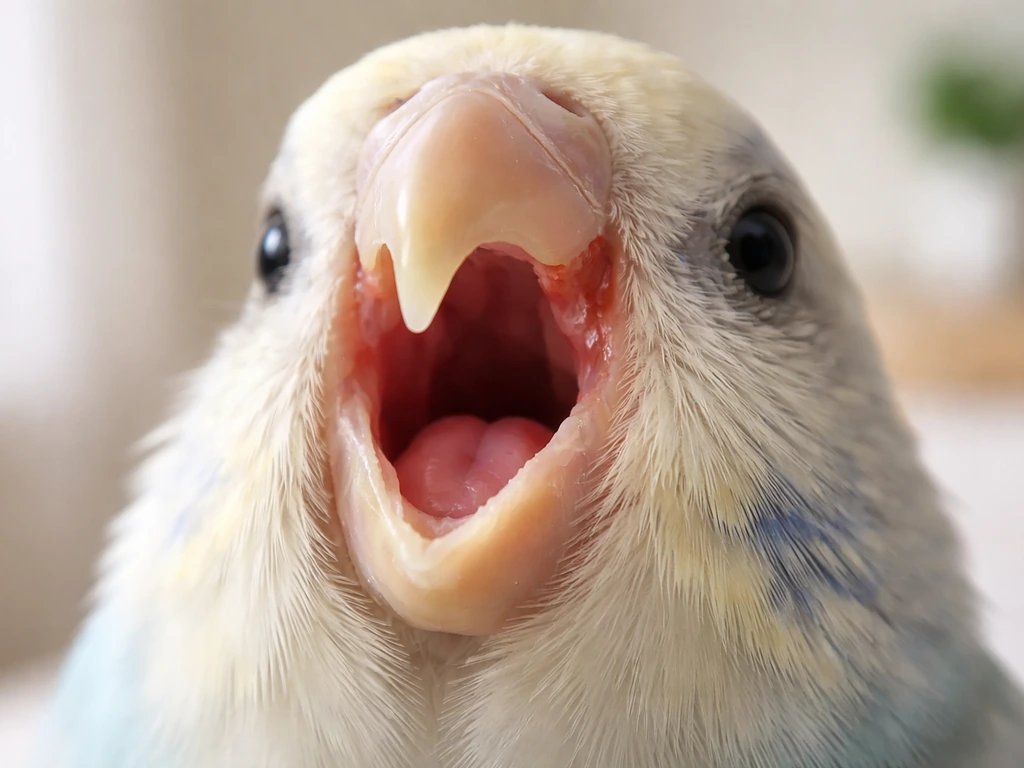
What the 'bird beak sign' usually refers to
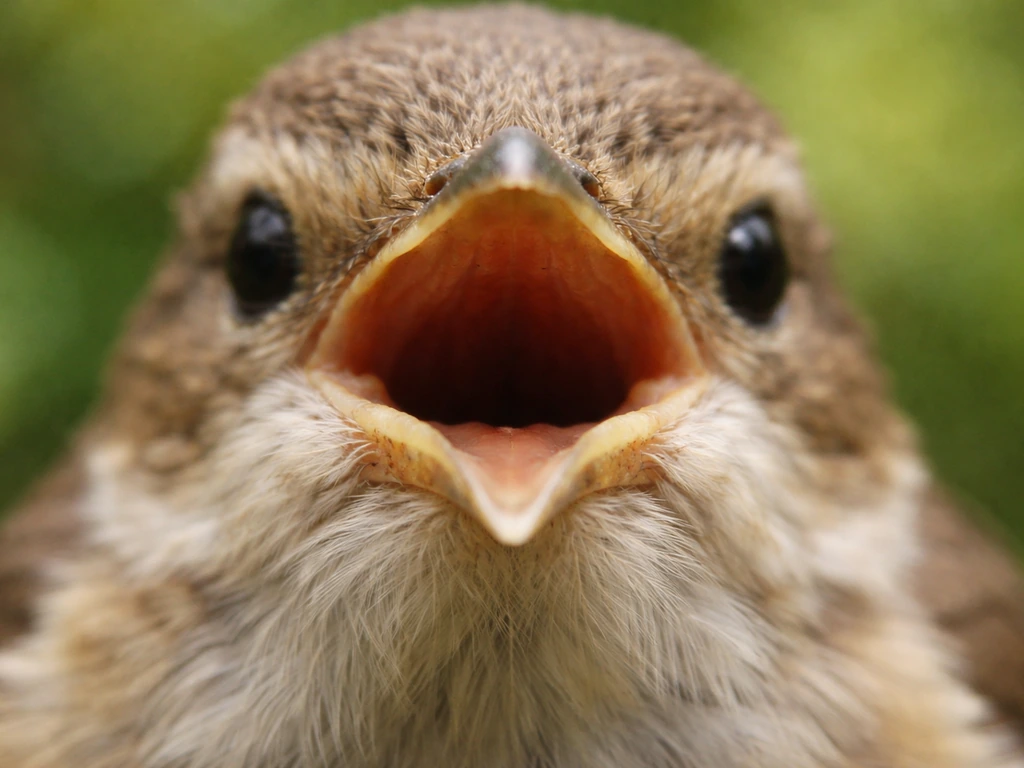
When bird owners or wildlife observers search for 'bird beak sign,' they're usually describing something they've noticed around a bird's mouth, beak tip, or oral cavity that looks wrong. In clinical avian medicine, this covers a range of abnormalities: discharge or crusting around the nostrils or mouth corners, lesions or plaques visible inside the oral cavity, discoloration of the mucous membranes, drooling, poor swallowing, and open-mouth breathing as a marker of respiratory distress.
The beak and mouth area is a window into several body systems at once. Infections affecting the upper digestive tract (mouth, esophagus, crop) often show up there first. So do respiratory infections that involve the trachea or sinuses. That's why a beak or mouth sign can point toward very different underlying problems depending on what exactly you're seeing. Bird population decline causes can include disease, habitat loss, and poor nutrition that increase stress and make infections more likely.
Bird beak sign patterns: what to look for
The specific pattern matters a lot. Not every beak abnormality means the same thing, and identifying the type of sign is the first step toward narrowing down the cause. Here are the main patterns and what they generally suggest:
| Pattern | What It Looks Like | What It Often Suggests |
|---|---|---|
| Open-mouth breathing | Beak held open at rest, not just during heat or exertion; may include tail bobbing | Respiratory distress, airway obstruction, fungal or bacterial infection |
| White or yellow cheese-like plaques | Thick, caseous (cottage cheese-like) masses in the mouth or throat | Avian trichomonosis (canker/frounce), sometimes candidiasis |
| Raised nodules or wart-like growths | Bumpy, cauliflower-like lesions near the beak base or inside the mouth | Avian pox (wet or dry form) |
| Ulcerated or diphtheritic plaques | Flat, ulcerated lesions on mucous membranes inside the mouth or throat | Wet-form avian pox, severe bacterial or fungal infection |
| Whitish coating on tongue or oral lining | Pale, patchy film over the oral cavity or under the tongue | Candidiasis (oral thrush) |
| Crusting or discharge at beak corners/nostrils | Dried secretions, wet discharge, or crustiness around the nares or mouth edge | Respiratory infection, Mycoplasma, sinusitis, avian pox |
| Beak unable to close properly | Gaping beak posture, jaw appears locked partially open | Severe trichomonosis blocking the oropharynx, neurological issue, trauma |
Open-mouth breathing accompanied by tail bobbing is a particularly important combination. Tail bobbing, where the tail pumps up and down with each breath, indicates the bird is working hard just to breathe. That's not a 'wait and see' situation. Any bird showing both signs needs veterinary attention the same day.
Common diseases and conditions associated with beak signs
Avian trichomonosis (canker or frounce)
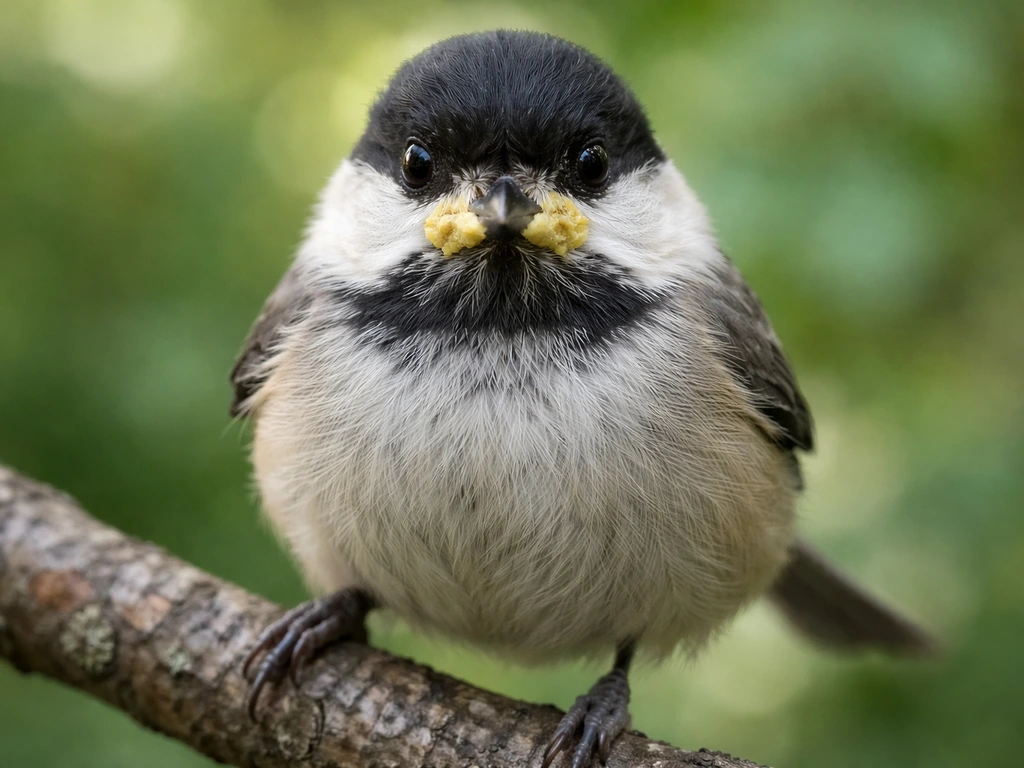
This is caused by Trichomonas gallinae, a single-celled parasite that infects the mouth, beak, and upper digestive tract. The hallmark sign is yellow-white, cheese-like (caseous) masses forming in the oropharynx. These masses can grow large enough to block swallowing or even prevent the beak from closing. In young birds, avian trichomonosis is often fatal if untreated. It's particularly common in mourning doves, pigeons, raptors, and some songbirds at garden feeders. If you spot this type of lesion, especially in a wild bird that can't swallow or hold its head up properly, the condition is advanced and the bird needs professional care urgently.
Avian pox
Avian pox comes in two forms. The dry (cutaneous) form causes raised, wart-like growths at featherless skin areas, including around the base of the beak, eyelids, and feet. The wet (diphtheritic) form is more dangerous and directly involves mucous membranes inside the mouth, esophagus, and respiratory tract. Wet pox produces ulcerated plaques and can impair feeding and breathing simultaneously. Because the wet form can affect the trachea, open-mouth breathing is sometimes the presenting sign alongside visible oral lesions. Diagnosis is confirmed through biopsy or skin scraping. Related beak appearance changes in specific diseases are worth exploring further if you're seeing unusual growth patterns.
Aspergillosis
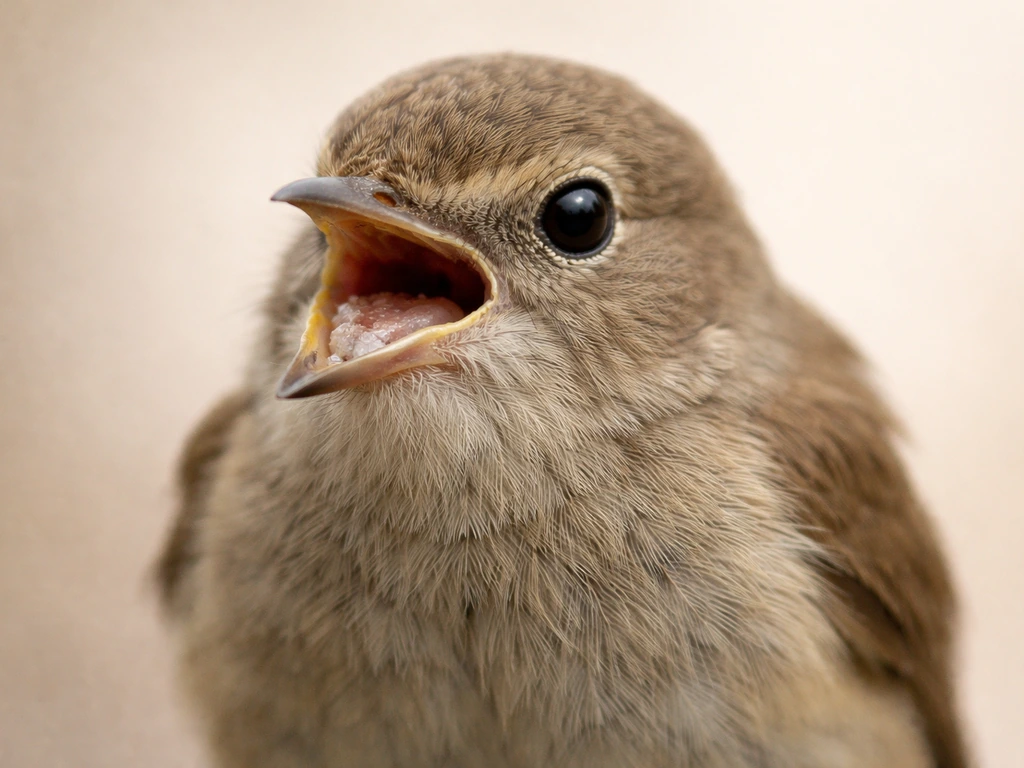
Aspergillosis is a fungal infection caused by Aspergillus species that primarily attacks the respiratory system. In advanced cases, it presents with open-mouth breathing, tail bobbing, audible wheezing or stridor, and a generally fluffed, lethargic bird. The beak sign here is mostly the open-mouth breathing posture itself, the bird looks like it's struggling to get air, rather than visible oral lesions.
It's particularly common in birds under immune stress, birds kept in damp or moldy environments, and birds with prior antibiotic use that disrupted normal flora. Aspergillosis can look similar to a respiratory bacterial infection on the outside, which is one reason a vet workup matters. As a broader comparison point for the causes of bird decline, many respiratory problems like aspergillosis can be worsened by damp or moldy conditions and other environmental stressors.
Candidiasis (oral thrush)
Candida overgrowth typically produces a whitish, patchy coating over the oral cavity, tongue, or crop lining. Unlike the thick, chunky masses of trichomonosis, candidiasis lesions tend to look more like a pale film or coating. Birds may show difficulty swallowing, regurgitation, bad breath, and reduced appetite. The mouth and crop are the most frequently affected sites. Candidiasis often develops secondary to antibiotic use, poor nutrition, or immune suppression, so if a bird has recently been on antibiotics and develops oral signs, this is on the differential list.
Respiratory infections (bacterial and Mycoplasma)
Bacterial respiratory infections, including Mycoplasma gallisepticum in poultry and some wild species, often present with nasal discharge, sneezing, coughing, rales (rattling breathing sounds), and ocular discharge. The beak area shows crusting at the nares and sometimes discharge at the mouth corners. Open-mouth breathing can develop as infection progresses into the sinuses, larynx, or lower respiratory tract. These infections are common in backyard poultry flocks and can spread rapidly in crowded conditions.
How to quickly assess severity at home
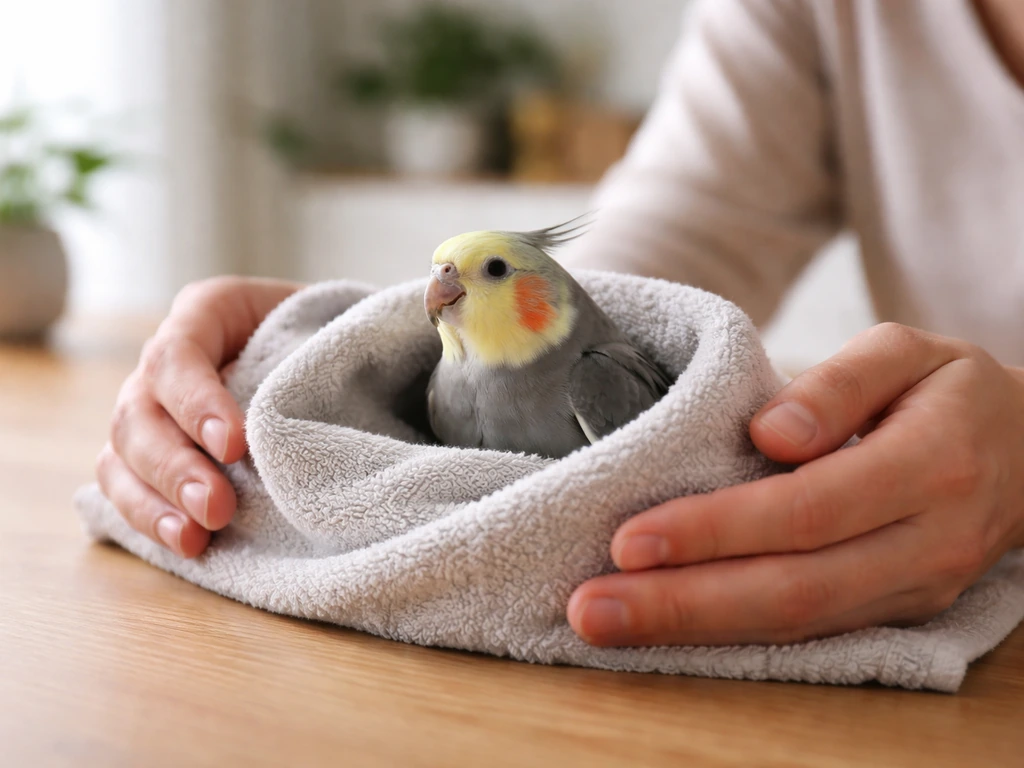
You don't need to diagnose the specific disease to triage how urgent the situation is. Work through these checks in order: In emergencies, clinicians should use quick observable cues to triage airway, breathing, and circulation (ABCs) and note findings like mucous membrane color and breathing effort quick observable cues to triage airway, breathing, and circulation (ABCs) and note mucous membrane color and breathing effort.
- Check breathing first. Is the beak held open at rest? Is the bird's tail bobbing with each breath? Is there any audible wheezing, clicking, or rattling? If yes to any of these, treat this as urgent.
- Look at the bird's posture and alertness. A bird sitting fluffed on the cage bottom, eyes half-closed, or unable to perch is showing signs of serious illness regardless of what the beak looks like.
- Examine the mouth and beak area closely (with good lighting if possible). Note whether you see: discharge or crusting around the nares or mouth corners; white, yellow, or gray plaques or masses inside the mouth; raised nodules or wart-like growths around the beak base; ulcerated or raw-looking lesions on the oral lining.
- Assess whether the bird can eat and swallow. A bird that's stopped eating or is struggling to swallow has a functional problem that needs attention within 24 hours.
- Note the color of the mucous membranes if visible. Pale, bluish, or grayish tissue color instead of healthy pink indicates poor oxygenation and is an emergency sign.
- Check for additional signs: eye discharge, nasal discharge, diarrhea, or unusual droppings. Multiple concurrent signs usually indicate systemic illness rather than simple local irritation.
Minor irritation (a small amount of dried food at the beak corners, very slight sneezing after dusty bedding exposure, a tiny superficial scrape) looks very different from infectious oral disease. Plaques and masses inside the mouth, open-mouth breathing, and behavioral changes like lethargy or anorexia are the signs that separate 'monitor at home' from 'call the vet now. Understanding bird death causes can help you recognize when a beak sign is more than a minor issue. '
When to seek an avian vet urgently
Some of these signs need same-day care, no exceptions. Contact an avian veterinarian immediately if you observe any of the following: Some bird diseases that involve the mouth and throat can lead to blindness, so prompt treatment matters bird disease that causes blindness.
- Open-mouth breathing at rest, especially combined with tail bobbing
- Audible wheezing, clicking, or stridor when the bird breathes
- Blue, very pale, or grayish color of the tissues around the mouth or eyes
- Visible masses, plaques, or lesions inside the mouth or blocking the throat
- Inability to close the beak, or beak held in a fixed gaping position
- Collapse, inability to perch, or the bird found on the cage floor
- Complete refusal to eat or drink for more than 12 to 24 hours
- Severe lethargy combined with any beak or respiratory sign
- Rapidly progressing lesion growth or worsening over a matter of hours
Birds that are severely dyspneic (labored breathing) or showing multiple signs simultaneously often need hospitalization with around-the-clock supportive care. Don't wait overnight to see if things improve when a bird is struggling to breathe, their condition can deteriorate very quickly. For wild birds showing these signs, contact a licensed wildlife rehabilitator in your area rather than attempting to treat the bird yourself.
Treatment basics and supportive care while you arrange help
First aid is not a substitute for veterinary diagnosis and treatment. But there are things you can do in the window between recognizing a problem and getting the bird seen by a vet that genuinely make a difference.
Keep the bird warm and calm
Sick birds lose body heat quickly. Place the bird in a quiet, warm environment, around 85 to 90 degrees Fahrenheit for severely ill birds, away from drafts, noise, and other pets. A partially covered cage or a small box with ventilation works for transport. Stress worsens respiratory distress, so minimize handling to what's absolutely necessary.
Do not attempt to remove oral lesions yourself
Caseous plaques from trichomonosis or wet pox lesions are attached to the underlying tissue. Trying to pull them out causes bleeding, pain, and can worsen the infection by spreading material deeper. Leave them in place and let the vet handle removal and treatment.
Gently clean visible external crusting
If there's dried discharge or crusting on the outside of the beak or around the nares (not inside the mouth), you can gently soften and remove it with a warm, damp cloth. This can help the bird breathe more comfortably through the nostrils. Don't use any chemical cleaners, antiseptics, or oils on or near the beak area.
Ensure access to water and easy-to-eat food
A bird with oral lesions or difficulty swallowing may not be able to eat hard seeds. Offer soft foods like warm cooked grains, soft fruits, or soaked pellets if the bird will eat them. Keep fresh water accessible at a comfortable height. Don't force-feed.
Isolate from other birds
Many of the conditions associated with beak signs are contagious. Avian pox spreads via direct contact and biting insects. Trichomonosis spreads through shared water and food sources. Respiratory infections spread through airborne particles. Isolate the sick bird from all other birds in the household immediately.
What to bring to the vet appointment
Take clear photos or short video clips of the beak area and any visible lesions before the appointment, lighting matters, so use a flashlight if needed. Write down or note on your phone: when you first noticed the signs, how quickly they progressed, what the bird has been eating, any recent changes in environment or diet, whether other birds are affected, and whether the bird has had recent antibiotic or other medication use. This information directly helps the vet narrow down differentials and decide on the right diagnostic tests, which may include microscopic evaluation of lesion material, biopsy, cultures, or endoscopy depending on what they find.
Preventing recurrence
Once a cause is confirmed, prevention depends on the specific condition. For trichomonosis, clean and disinfect feeders and water sources regularly, especially garden bird feeders where doves and pigeons congregate. For avian pox, control mosquito and biting-insect exposure and quarantine new birds before introducing them. For fungal infections like aspergillosis, reduce moisture and mold in the bird's environment and avoid prolonged or unnecessary antibiotic use. For candidiasis, address underlying immune or dietary issues with your vet's guidance. Crop problems and esophageal issues sometimes intersect with these oral signs too, so if your bird has had recurring beak-area symptoms, a broader digestive workup may be warranted.
FAQ
Is it an emergency if I see a beak sign but the bird seems alert?
If the bird is breathing with its mouth open, has tail bobbing, or appears unable to swallow, treat it as urgent regardless of whether you can see plaques. Those patterns suggest respiratory distress or advanced oral disease, and waiting overnight can make outcomes worse.
What should I do if I suspect a bird beak sign on a wild bird I found in my yard?
Yes, especially for wild birds. Birds that cannot close the beak properly, have visible plaques or discharge, or look weak should be assessed by an avian veterinarian or a licensed wildlife rehabilitator, since many causes are contagious or can progress quickly.
Can I safely pull off the white or yellow stuff I see in the mouth?
Do not try to remove thick white or yellow masses from the inside of the mouth, or scrape off attached plaques. Pulling them can cause bleeding and spread infected material deeper, making the problem harder to treat.
How can I tell irritation from an infectious bird beak sign?
A key distinction is location: crusting or discharge on the outside beak corners or around the nares may be irritation or mild contamination, but plaques inside the mouth, bad swallowing, regurgitation, or open-mouth breathing point more toward infection. If you are unsure which side you are seeing, a photo to an avian vet helps.
What cleaning products can I use to remove crusting around the beak or nostrils?
Try to use plain, warm water cleaning only, if the crust is clearly on the outside. Avoid chemical cleaners, antiseptics, oils, and strong solutions on the beak or near the nostrils, because residue can irritate tissue or worsen breathing.
Does a recent antibiotic course change the likely cause of bird beak signs?
Yes, medication history matters. Recent antibiotics can increase risk for candidiasis, while immune stress and damp or moldy conditions raise risk for aspergillosis. Tell the vet exactly when the bird started and stopped any meds.
How long can I monitor at home before I call a vet?
Use a warm, quiet transport setup and minimize handling, but do not keep the bird “soothing” you can control at home for days if breathing is involved. If signs include labored breathing, open-mouth posture, lethargy, or worsening over hours, the next step is the same day.
Are bird beak signs contagious to other pets or birds?
Yes. Many causes spread between birds through shared food or water (trichomonosis), direct contact and biting insects (pox), or airborne exposure (some respiratory infections). Isolate the bird immediately, and avoid sharing utensils, feeders, perches, or bedding.
What information should I collect before the appointment to help the vet diagnose the beak sign?
Photos and short videos help a lot, especially if you show the inside of the mouth, beak tip area, and nares. Add a timeline of onset, what the bird is eating, whether it can swallow, and whether any other birds are showing symptoms. Also note enclosure moisture, bedding, and any recent diet or feeder changes.
What can I feed a bird that has beak signs and seems unable to eat hard seeds?
For trichomonosis and wet pox in particular, lesions may obstruct swallowing or beak closure, so food choice matters. Offer soft options like soaked pellets, soft fruits, or warm cooked grains if the bird will take them, and do not force-feed.
What should I do if the bird appears to be struggling to breathe right now?
If the bird is struggling to breathe, it may need oxygen support and continuous monitoring, which home setups usually cannot provide. The safest approach is immediate veterinary or wildlife rehabilitation care, especially if you see tail bobbing or audible breathing changes.
Next Article
Bird Feather Problems: Causes, Quick Checks, and Fixes
Step-by-step bird feather problems guide: quick checks, likely causes like mites and illness, safe fixes, and when to se