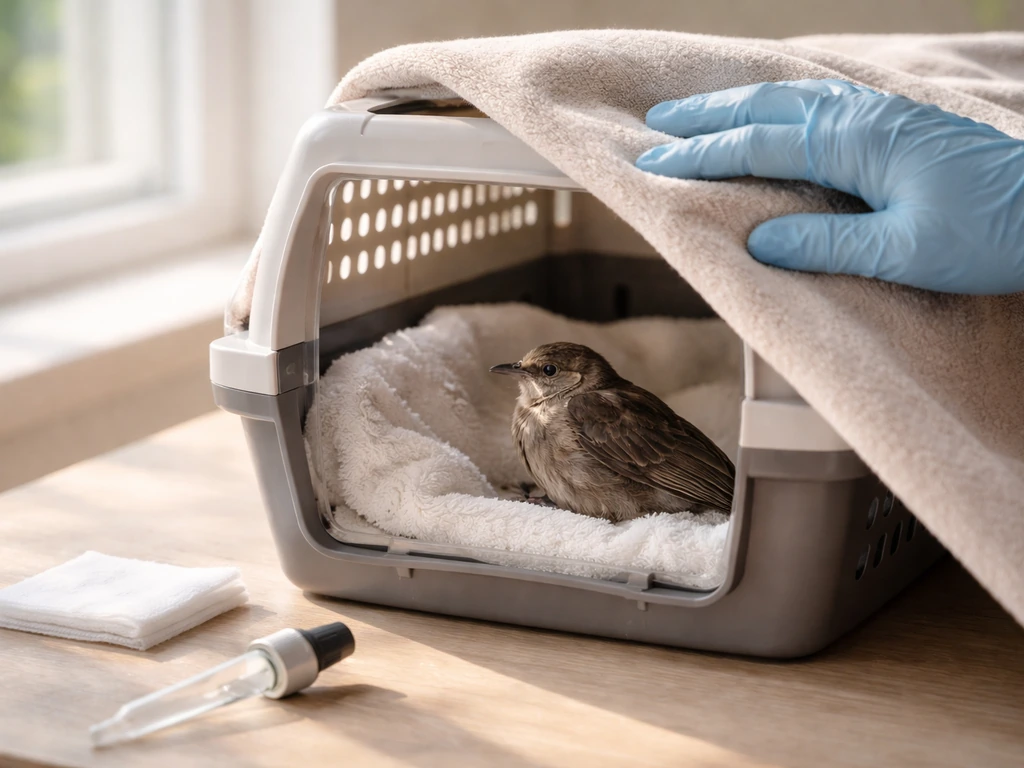
Bird death causes fall into six broad categories: infectious disease, respiratory illness, poisoning or toxin exposure, environmental stress, nutritional deficiency, and organ failure from chronic disease. Most of the time, you can narrow the likely cause significantly just by knowing the bird's age, whether it was wild or captive, and whether the death was sudden or came after days of visible decline. This guide walks you through that triage process step by step, with a symptom-to-cause chart to help you match what you're seeing to a probable cause fast.
Bird Death Causes: Quick Triage Chart and Next Steps

Marcus Webb
19 Apr 2026
The major categories of bird death causes
Understanding the six main categories gives you a mental framework before you start chasing individual diseases. Here is what each one looks like in practice.
- Infectious disease: Bacterial, viral, and fungal pathogens. Examples include Newcastle disease, avian influenza (HPAI), psittacosis (Chlamydia psittaci), and aspergillosis. These can affect both wild and pet birds and range from slow declines to rapid death.
- Respiratory illness: Often overlaps with infection but can also stem from environmental irritants, air sac mites, or aspiration. Open-mouth breathing, tail bobbing, and wheezing are the hallmark signs.
- Poisoning and toxins: Heavy metals (lead, zinc), household chemicals, non-stick cookware fumes (PTFE/Teflon), certain plants, pesticides, and contaminated food or water.
- Environmental stress: Hypothermia, overheating, dehydration, trauma (window strikes, predator attacks), and sudden changes in air quality or temperature.
- Nutritional deficiency: Vitamin A deficiency is especially common in seed-only diets. Calcium imbalances, iodine deficiency, and protein deficits also cause serious illness and death over time.
- Organ failure and chronic disease: Liver disease, kidney failure, tumors, and reproductive disorders (egg binding, chronic egg laying) tend to produce gradual decline rather than sudden death.
Using context clues to narrow the cause quickly
Before worrying about specific diseases, answer two basic questions: Is this a pet bird or a wild bird? And was the death sudden (hours) or gradual (days to weeks)? Those two answers cut the list of likely causes in half immediately.
Wild birds found dead or dying
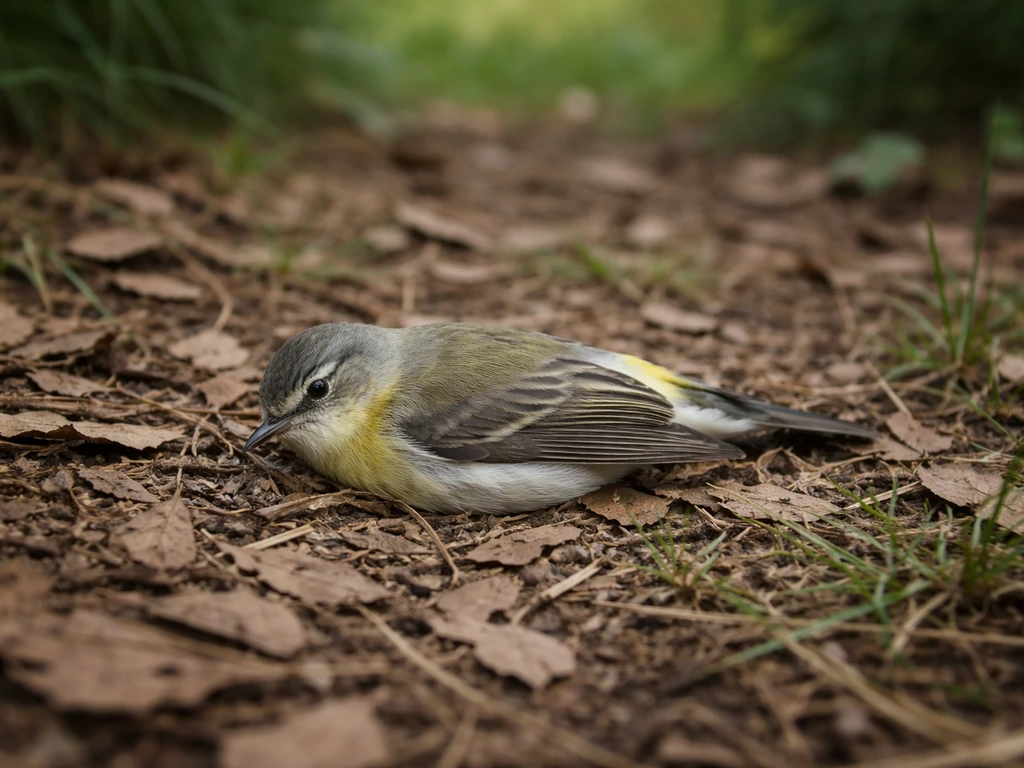
If you find a wild bird dead or dying with no obvious trauma, think about what is circulating in your area. Highly pathogenic avian influenza (HPAI) has been spreading across North America continuously since January 2022 and remains a serious concern for wild waterfowl, raptors, and backyard poultry. Signs in wild birds include neurologic symptoms (circling, head tilting, seizure-like movements), sudden death in clusters, and respiratory distress. If multiple birds of the same or different species are dying in the same location, HPAI or another infectious disease like Newcastle disease should be high on your list. Window strikes, cat attacks, and pesticide exposure are also common in wild birds and tend to affect single birds rather than groups.
Pet birds: sudden death vs. gradual decline
Sudden death in an otherwise healthy-looking pet bird is one of the most distressing scenarios. The top causes are PTFE/Teflon fume toxicity (even a single overheated non-stick pan can kill a bird in minutes), acute heavy metal poisoning (lead or zinc from toys, cage hardware, or paint), severe acute infection, or cardiac disease. Gradual decline over days or weeks points more toward infection like psittacosis, a fungal illness like aspergillosis, nutritional disease, or an internal organ problem. Birds mask illness well, so by the time you notice visible signs, the problem has often been brewing for some time.
Age and life stage matter too
Young birds and chicks are more vulnerable to infectious disease and nutritional deficits because their immune systems are still developing. Older birds are more prone to tumors, kidney disease, liver failure, and reproductive problems. A bird that has been on a seed-only diet for years is at high risk of Vitamin A deficiency regardless of age, and that deficiency directly weakens respiratory and immune defenses, making it a root cause behind many infections.
Symptom-to-cause chart for fast triage

Match the primary signs you are seeing to the most likely causes below. This is a triage tool, not a diagnosis. Use it to decide how urgently you need to act and what information to gather before calling a vet or wildlife authority.
| Primary signs observed | Most likely causes | Urgency level |
|---|---|---|
| Open-mouth breathing, tail bobbing, wheezing, or clicking sounds | Aspergillosis, HPAI, Newcastle disease, respiratory infection, air sac mites | High — seek avian vet same day |
| Sudden death, no prior signs, no trauma | PTFE/Teflon fumes, acute heavy metal toxicosis, cardiac event, acute HPAI | Urgent — check environment immediately, report if wild bird |
| Neurologic signs: circling, head tilt, seizures, ataxia, hind limb weakness | HPAI, Newcastle disease, lead or zinc toxicity (blood lead >60 µg/dL linked to poor outcome), bacterial meningoencephalitis | Urgent — isolate bird, seek emergency vet or wildlife authority |
| Lethargy, ruffled feathers, reduced appetite, weight loss | Psittacosis, aspergillosis, liver/kidney disease, nutritional deficiency, chronic infection | Moderate-high — vet appointment within 24–48 hours |
| Eye or nose discharge, sneezing | Psittacosis (Chlamydia psittaci), bacterial sinusitis, Mycoplasma, herpesvirus | Moderate — isolate from other birds, vet within 24 hours |
| Green or yellow-green droppings, diarrhea | Psittacosis, liver disease, bacterial enteritis, heavy metal poisoning | Moderate — vet within 24 hours, note any toxin exposure |
| Crop stasis, regurgitation, slow emptying | Heavy metal toxicity (especially lead), yeast/candida, proventricular dilatation disease (PDD) | Moderate — vet within 24–48 hours |
| Swollen abdomen, straining, egg visible or palpable | Egg binding, reproductive disease, internal laying | Urgent — seek emergency avian vet immediately |
| Weight loss, poor feather quality, weakness over weeks | Nutritional deficiency (Vitamin A, calcium), PBFD, chronic liver or kidney disease | Moderate — vet appointment within a few days, full workup needed |
| Multiple wild birds dead in same area, cluster event | HPAI, Newcastle disease, pesticide/toxin exposure, West Nile virus | Urgent — do not handle without PPE, report to wildlife authorities |
Respiratory and infectious causes to know
Respiratory disease is one of the most common presentations before bird death, and it is the area where early recognition matters most. Open-mouth breathing and gaping in a bird that normally breathes quietly is a serious sign, not something to wait on. If you notice vision problems, look for signs of a bird disease that causes blindness and treat it as potentially urgent. Aspergillosis, caused by the fungus Aspergillus fumigatus, can cause heavy, labored breathing as one of its first visible signs, sometimes appearing as early as three days after significant exposure in high-risk situations. Birds that have been in dusty, moldy, or poorly ventilated environments are at higher risk.
Psittacosis deserves special attention because it affects both birds and humans. Psittacosis is caused by bacteria called Chlamydia psittaci, which is why the infection requires special attention Psittacosis deserves special attention because it affects both birds and humans.. Birds with Chlamydia psittaci infection may show ruffled feathers, poor appetite, eye or nose discharge, and green or yellow-green droppings. Some infected birds show no obvious signs at all but are still shedding the bacteria. If you are handling a bird with these signs, wash your hands thoroughly and consider wearing a mask until you know what you are dealing with, especially if anyone in the household is immunocompromised.
HPAI (highly pathogenic avian influenza) has been a major concern since 2022, with ongoing spread across North America affecting wild birds, commercial poultry, and backyard flocks. In poultry and pet birds, HPAI can cause respiratory distress, lethargy, neurologic signs, and sudden death. Newcastle disease in unvaccinated birds produces a similar picture. If you are seeing respiratory distress plus neurologic signs in a bird (especially a wild bird), treat it as potentially infectious and follow the safety steps below before handling. Cornell Wildlife Health Lab guidance for rehabilitators is clear: any wild bird with signs suggestive of HPAI that cannot be attributed to trauma should be reported immediately to wildlife authorities rather than admitted to a rehabilitation facility. Cornell’s wildlife hospital guidance notes that highly pathogenic avian influenza is transmitted through saliva, mucus, and feces from birds to other birds and sometimes to mammals and humans.
<a data-article-id="57BDC14E-3A23-47F7-8C84-08EAA76F3654">Feather problems and beak abnormalities can sometimes accompany chronic infectious disease</a>, and changes in droppings often reflect internal organ involvement. Bird beak sign is seen in some chronic infectious conditions, so pairing it with other symptoms can point you toward the most likely cause. These signs are worth tracking together rather than in isolation. Bird feather problems can also point to chronic infectious disease, so compare them with droppings and beak changes to narrow the cause.
Toxins, poisons, and environment-related deaths

Toxin exposure is one of the most underestimated causes of sudden bird death in household settings. The single most dangerous everyday household toxin for pet birds is polytetrafluoroethylene (PTFE), commonly known as Teflon or non-stick coating. When a non-stick pan overheats (around 530°F or higher), it releases fumes that can kill a bird in the same room within minutes. A bird that was healthy and dead an hour later with no other explanation almost always warrants checking the kitchen immediately.
Heavy metal poisoning, particularly lead and zinc, is another major cause. Sources of lead include old paint on cages or toys, certain weighted toys, costume jewelry, lead-containing solder, and contaminated drinking water. Zinc toxicity often comes from galvanized cage wire, certain cage hardware, or metallic toys. Signs of heavy metal toxicity can be nonspecific: loss of appetite, weight loss, lethargy, crop stasis, anemia, and neurologic signs like ataxia, weakness, or visual impairment. Acute heavy metal toxicosis can also cause sudden death. A blood lead level above 60 µg/dL is associated with neurologic disease and a poor prognosis, so early testing matters.
Other environmental toxins worth knowing include: avocado (toxic to most bird species), xylitol, certain houseplants (philodendron, dieffenbachia, oleander), pesticide-treated produce, scented candles and air fresheners used near birds, and carbon monoxide from gas appliances. Wild birds may also be exposed to pesticides, rodenticides (secondary poisoning from eating poisoned rodents), and environmental contaminants in water sources.
Environmental stress kills birds too, especially temperature extremes. A bird left in a car, near a drafty window, or in a poorly ventilated space in summer heat can die of heat stroke or hypothermia relatively quickly. Dehydration compounds this fast, especially in small species.
Nutritional deficiencies, organ failure, and chronic disease
Chronic disease and nutritional problems tend to produce gradual decline rather than sudden death, but they are common enough that they account for a significant portion of bird deaths overall, particularly in pet birds. These long-term causes of bird decline often involve nutritional deficiencies and chronic diseases that weaken immunity over time. Vitamin A deficiency is probably the most widespread nutritional problem in companion birds fed seed-only diets. It damages the epithelial lining of the respiratory and digestive tracts, making birds far more vulnerable to bacterial and fungal infections. Bird beak and esophagus problems can be caused by conditions such as vitamin A deficiency, where damaged lining and chronic inflammation affect the upper digestive tract. A bird on seeds alone for years may develop respiratory signs that look like primary infection but are actually worsened by a long-standing nutritional gap.
Liver disease is extremely common in birds and is often linked to fatty diets, chronic infection, or exposure to toxins over time. Signs include weight loss, abdominal swelling, changes in droppings (especially green or yellow coloration), and lethargy. Kidney disease produces similar non-specific signs. Both conditions may not be obvious until they are quite advanced because birds hide illness effectively.
Reproductive disorders are a major cause of death in female birds, particularly egg binding and chronic egg laying. Egg binding occurs when a bird cannot pass an egg and is a veterinary emergency. Calcium deficiency makes this much more likely. Tumors, particularly in budgerigars and cockatiels, are also common and can affect the kidneys, gonads, or other organs. Proventricular dilatation disease (PDD) is a neurologic disease caused by avian bornavirus that disrupts normal digestion and produces chronic weight loss, regurgitation, and passage of undigested seeds in droppings.
When to act urgently and exactly what to do next
Some situations require you to act in the next hour. Others can wait until a next-day vet appointment. Here is how to sort them out and what to do in each case.
Situations requiring immediate action (same hour)
- Open-mouth breathing or severe respiratory distress in any bird
- Seizures, collapse, or inability to stand
- Egg binding (straining, distended abdomen, visible egg, bird is fluffed and on the cage floor)
- Suspected PTFE fume exposure (remove the bird to fresh air immediately, call an avian vet or emergency animal hospital now)
- Sudden death of a pet bird when a non-stick pan was used or a new chemical was introduced to the home
- Multiple wild birds dead in the same location
What to do before you call or go to the vet
- Write down the timeline: when you first noticed signs, whether anything changed recently (new food, new toy, cooking in the kitchen, cleaning products used, new cage or hardware).
- Photograph the bird's droppings, any physical signs, and the cage or environment.
- Isolate the sick bird from other birds in the household immediately using a separate cage or carrier, and wash your hands after any contact.
- If the bird has died, place it in a sealed bag in the refrigerator (not freezer) if a vet may want to examine it, or if wildlife authorities may want a sample for HPAI testing.
- If you suspect infectious disease (especially HPAI or psittacosis), wear a mask and gloves when handling the bird or cleaning its space. OSHA guidance emphasizes appropriate respiratory and hand protection when handling sick or dead birds with potential infectious causes.
- If you suspect heavy metal poisoning, bring any toys, cage hardware, or items the bird may have chewed to the vet appointment for inspection.
When to report to wildlife authorities instead of (or as well as) a vet
If you find dead wild birds, especially more than one, or a wild bird with neurologic signs and no obvious trauma, contact your state or provincial wildlife agency or the USDA Wildlife Services. Do not bring a wild bird you suspect of HPAI to a wildlife rehabilitation facility without calling first. Cornell Wildlife Health Lab and most state wildlife agencies advise that birds with HPAI-compatible signs should be reported and tested rather than admitted to rehab, both to protect the bird and to prevent facility-wide spread. A simple phone call before you transport anything can save a lot of harm.
Finding an avian vet
Not every general-practice vet has avian experience, and the difference in diagnostic accuracy is significant. Search for a board-certified avian veterinarian (Diplomate of the American Board of Veterinary Practitioners, Avian Practice) in your area. If none is available locally, a general vet experienced with birds is the next best option. Telehealth avian consultations have also become more available and can help you triage whether an emergency visit is needed right now or whether a next-day appointment will do. When you call, leading with the symptom timeline and any toxin or infectious exposure you are aware of helps the vet prioritize you correctly.
FAQ
What should I do if I am not sure the bird is dead yet (still breathing or just collapsed)?
If the bird is still breathing or you cannot confirm death, treat the situation as an emergency. For suspected toxins, immediately remove the bird from the source area (for example, another room away from the kitchen), replace any contaminated bedding, and do not offer food or water until a clinician advises, especially if you suspect crop issues or aspiration.
If only one bird dies, does that rule out infectious disease?
A single dead bird can still be infectious, but it changes your priority. If it is wild and uninjured, group deaths are more suggestive, while one death after an exposure to a crowd, water source, or shared feeder can still justify calling wildlife authorities or an avian vet for guidance.
What information should I gather in the first 10 minutes to help pinpoint bird death causes?
Do a quick evidence check before calling a vet or agency: photograph the droppings (including color), capture the cage setup, note any recent diet changes, and note any recent cleaning products, air fresheners, candles, or non-stick cookware use. For suspected heavy metals, take note of toys, cage hardware, and whether the bird has been chewing bars or paste-like residues.
Can I bring a suspected HPAI wild bird to rehab if I quarantine it at home first?
Do not test or “sample” a wild bird on your own. For suspected HPAI-compatible cases, reporting and arranging testing through the appropriate wildlife authority is the safest path. If you have already handled the bird, wash hands thoroughly, consider changing clothes, and avoid contact with other birds until guidance is received.
How do I decide whether breathing trouble is a next-hour emergency versus a next-day visit?
For pet birds, respiratory signs that are paired with sudden collapse, open-mouth breathing, or gaping are higher urgency than chronic nasal discharge alone. If neurologic signs are present too (tremors, circling, head tilt, weakness), treat it as potentially infectious and handle with strict hygiene until an avian professional advises.
If I notice vision problems, is it automatically an eye problem, or could it reflect bird death causes elsewhere?
Yes, “blindness” can be part of several issues, not only direct eye injury. In practice, consider both vision changes and systemic signs (appetite, droppings color, posture, neurologic deficits). If you see vision or balance problems along with lethargy or toxidrome-type behavior, raise heavy metal toxicity and infectious disease as possibilities when you contact a vet.
How can I tell whether environmental stress caused the death versus an underlying disease?
Cold and heat stress can look sudden, but look for the setting first. Check the room temperature at the time the bird was left, whether there was airflow from a window or vent, and whether the bird had access to water. Record how long the bird was unattended, because small species can dehydrate or cool quickly even over a short period.
What if there is no obvious cooking incident I remember, could PTFE still be the cause?
For PTFE exposure, timing matters. Birds can die within minutes after fumes are released, so a lack of visible injury does not rule it out. Even if you cleaned the kitchen, consider ventilation time and whether other rooms were exposed, then mention the pan or heat source when you call.
If my bird ate only seeds for years, does that automatically mean Vitamin A deficiency caused the death?
Feeding alone can confound the picture. A seed-only history increases risk of Vitamin A deficiency, but it may not be the only cause, because infections and toxins can stack on top of a weakened barrier. When calling the vet, include the exact diet type, whether supplements have been used, and how long the diet has been the same.
Could bird death causes include contaminated drinking water even if the cage and toys look new?
Water and plumbing matter for heavy metals. If the bird drinks from a household supply or shared water bowl, mention any recent plumbing work, old fixtures, or whether the water has been sitting for long periods. This helps the clinician consider lead and other contaminants even when cage paint or toys were not obviously involved.
Why do some long-term causes still seem sudden at the moment I notice them?
Some chronic diseases can produce misleading timelines because birds mask illness. If the bird is older, consider internal organ problems even without dramatic outward changes before death, and prioritize post-mortem observations such as droppings color, body condition, and whether there was abdominal distension. If eggs were present recently, include reproductive history too.
What should I do about my other birds if one bird dies, and I suspect infection or poisoning?
If you have multiple birds, pause movement between cages and rooms until you have direction. Suspected infectious disease requires limiting contact, using dedicated clothing or at least washing hands between cages, and not sharing food or water utensils across birds. If your birds share air (same room), assume higher risk and contact an avian vet promptly.
Next Article
Bird Trauma Symptoms: Signs, Triage, and First Aid Steps
Recognize bird trauma symptoms, triage urgency, and give safe first aid for bleeding, fractures, head injuries, and shoc