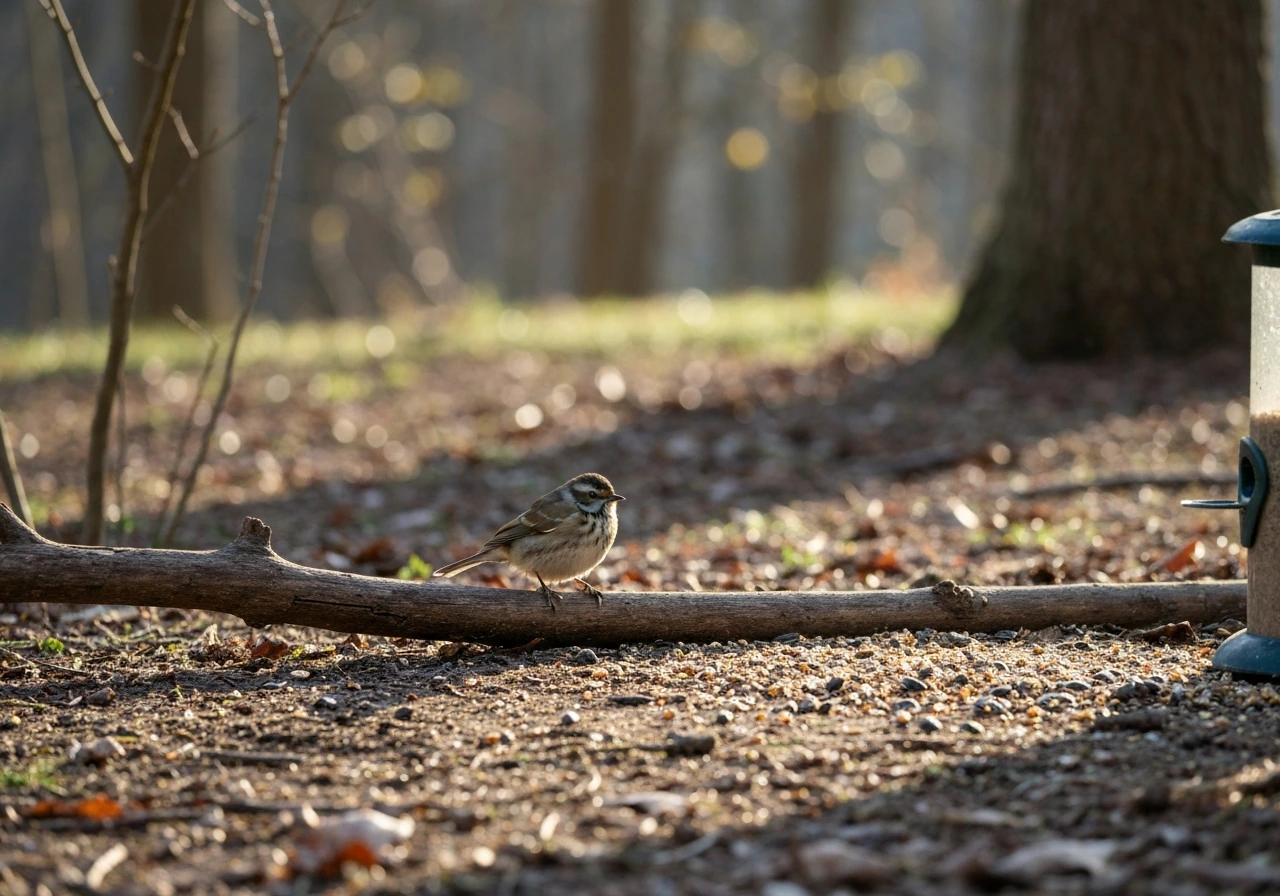
Bird decline has more than one cause, and which one applies to your situation depends entirely on what you are observing: a long-term drop in wild populations in your area, a sudden local die-off, or birds in your care getting sick and dying. Each scenario points to a different set of culprits, and identifying the right one is what lets you take useful action today instead of guessing.
Causes of Bird Decline: Diagnose, Respond, Prevent

Marcus Webb
3 Jun 2026
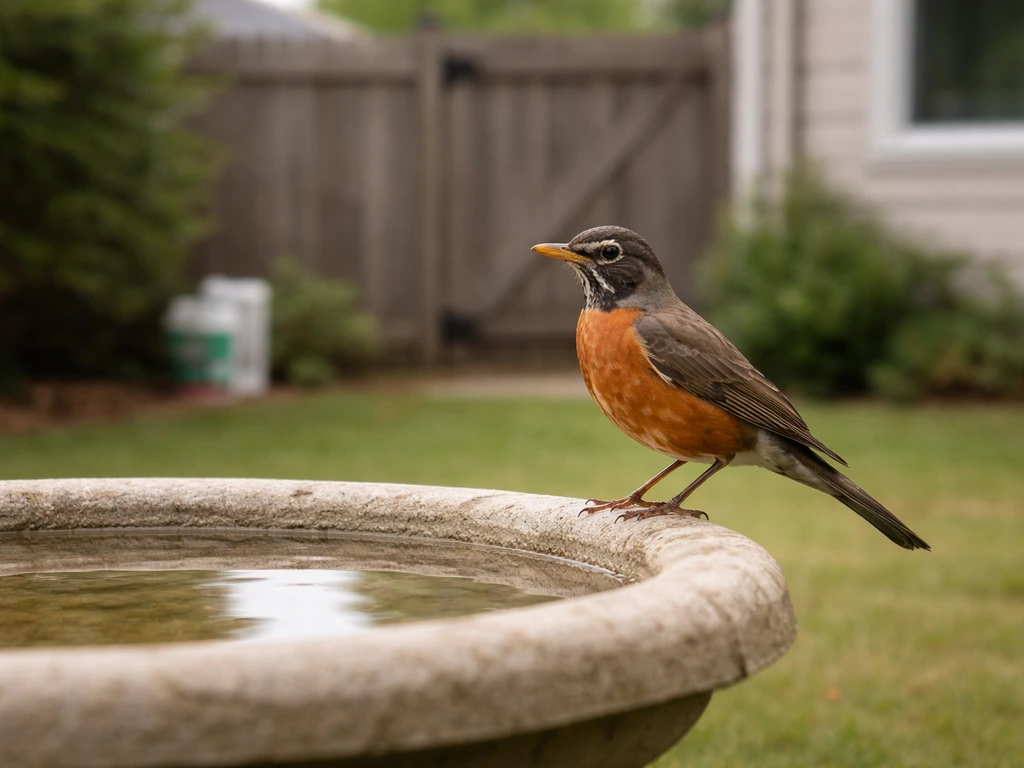
What 'bird decline' actually means (wild vs captive)
The phrase 'bird decline' covers very different situations. At the broadest level, conservation scientists measure decline using standardized tools like the USGS Breeding Bird Survey (BBS), which tracks annual abundance indices across North America, and the IUCN Red List, which classifies extinction risk based on blank" rel="noopener noreferrer">quantitative criteria including observed or projected population reductions over defined time horizons. USGS explains that BBS trend and annual indices are model-based standardized measures that present a relative abundance index for many species, supporting detection of consistent changes over time standardized tools like the USGS Breeding Bird Survey (BBS). These are population-level trends, not single events.
A localized die-off is something else entirely. Finding several dead birds in one spot over a few days is a distinct event from a species-wide trend, even though both can be called 'decline.' And then there is the captive or pet bird context: a bird in your home losing weight, becoming lethargic, or dying is a health problem that needs a veterinarian, not a conservation response.
Before doing anything else, try to pin down which scenario you are in. Is this one or two birds you care for? A cluster of dead wild birds in one location? Or a neighborhood-wide, season-long absence of birds that used to be common? Each answer leads to a different section of this guide.
Habitat loss, food scarcity, and climate change
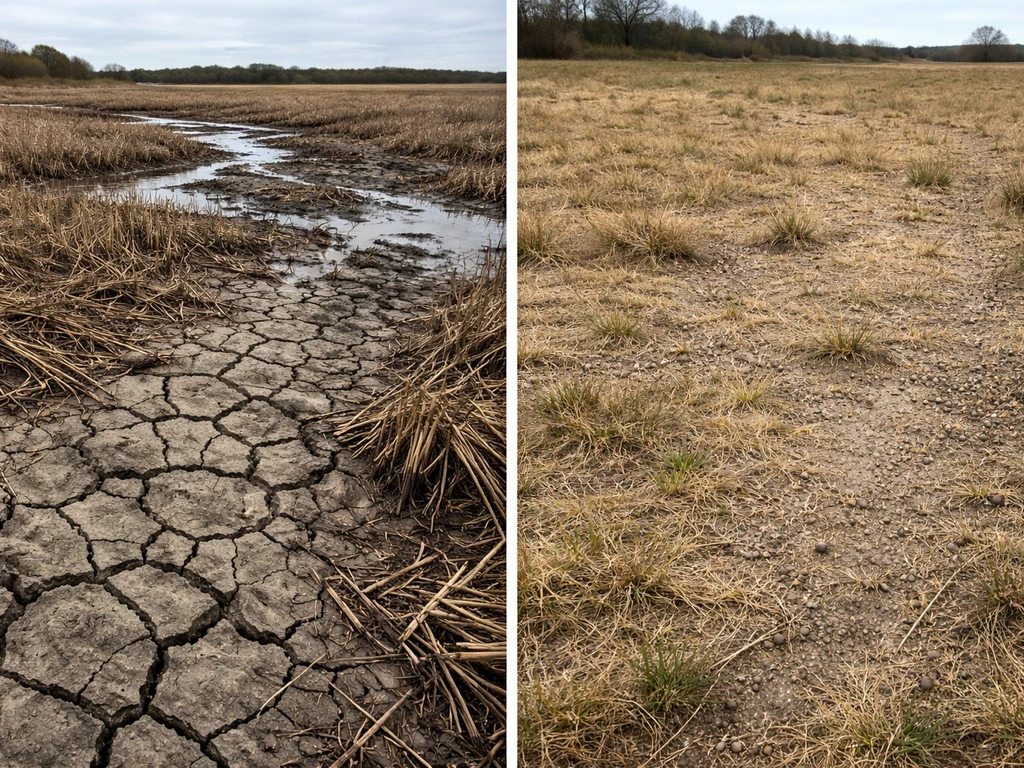
If you are seeing fewer wild birds over months or years, habitat loss is the single most documented driver. Deforestation, wetland drainage, grassland conversion to agriculture, and suburban sprawl eliminate the nesting sites, foraging areas, and shelter birds need. Fragmented habitat is nearly as damaging as total loss because small isolated patches cannot support stable breeding populations.
Food scarcity often follows habitat change. Insectivorous birds depend on specific plant communities that support the invertebrates they eat. When native vegetation is replaced with monocultures or lawns, insect diversity collapses and the birds that rely on those insects follow. Aerial insectivores like swallows and swifts have shown some of the steepest documented declines in North America, and reduced insect abundance is a primary suspected cause.
Climate change compounds both problems. Shifting temperatures and altered precipitation patterns push birds to adjust their ranges, breeding timing, and migration schedules. When those shifts do not align with peak food availability, which is called phenological mismatch, chick survival drops even when adult birds appear healthy. Range shifts tracked through eBird Status and Trends data show this happening across dozens of species right now.
Hunting, predation shifts, and competition
Legal and illegal harvest affects certain species more than others. Shorebirds and waterfowl face hunting pressure along migration routes, and in some parts of the world songbirds are still trapped in large numbers. For most backyard and forest birds in North America, direct human harvest is a minor factor compared to habitat loss, but it is worth knowing when it applies.
Predation pressure has changed substantially in many areas. Free-roaming and feral cats are responsible for an estimated 1.3 to 4 billion bird deaths in the United States each year, making them one of the largest sources of direct bird mortality. When you are trying to identify bird death causes, look at whether the pattern matches infectious disease, poisoning, or predation bird deaths. Nest predation by raccoons, crows, and other generalists has also increased as urban development creates ideal conditions for these predators while reducing cover for nesting birds.
Invasive species add competition pressure on top of predation. European starlings and house sparrows aggressively displace native cavity-nesting species like bluebirds and tree swallows from nest sites. Invasive plants reduce habitat quality, and non-native insects can outcompete native ones, indirectly starving insectivorous birds.
Disease and parasites as real causes of decline
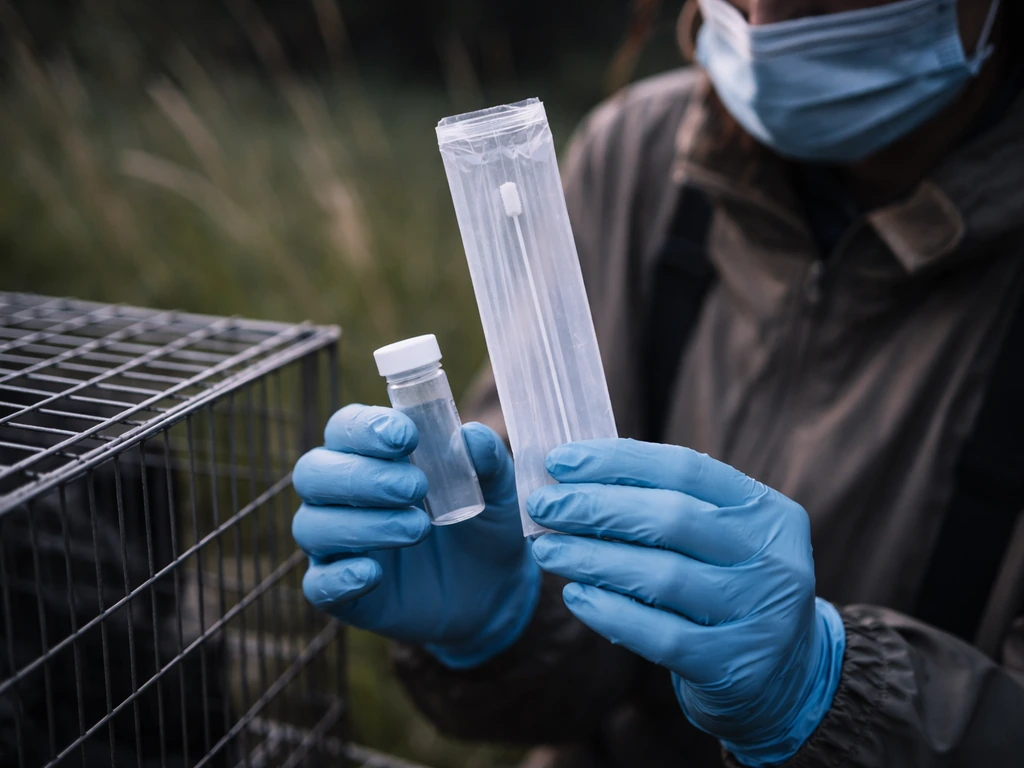
Disease is one of the most underappreciated causes of bird decline, especially in the context of this site. Understanding bird population decline causes can help you narrow down which threats to look for first, whether you are dealing with wild birds or a captive collection. For pet and aviary birds, infectious diseases are a leading cause of unexpected death and population loss within collections. For wild birds, disease can trigger localized die-offs and, in severe cases, contribute to longer-term population suppression.
Highly pathogenic avian influenza (HPAI) has caused mass mortality events in both wild and domestic birds in recent years. West Nile virus devastated American crow populations in the early 2000s and continues to affect many species. Marek's disease, psittacosis (Chlamydiosis), Pacheco's disease, and proventricular dilatation disease (PDD) are serious concerns in captive parrots and other pet birds. Parasitic infections including mites, lice, internal worms, and blood parasites like Plasmodium (avian malaria) can quietly weaken birds over time, reducing reproductive success and survival.
One critical thing to watch for: disease often produces recognizable physical signs before death. Respiratory symptoms like open-mouth breathing, tail-bobbing, or nasal discharge; neurological signs like head tilting or circling; and visible feather or skin abnormalities can all indicate active disease. Some bird diseases can affect the eyes too, including ones that cause blindness, so take visible symptoms seriously bird disease that causes blindness.
If the symptoms point to damage higher in the digestive tract, a veterinary workup may also need to consider causes related to the bird beak and esophagus bird beak esophagus causes. Distinct changes in a bird's beak appearance can be another physical sign of disease, so it is worth noting along with other symptoms. If you are seeing these signs in pet birds, that is a veterinary emergency.
In wild birds, multiple sick individuals showing the same symptoms in one location suggests an infectious cause that should be reported to your state or local wildlife agency. Feather problems in particular can hint at several underlying conditions, and crop dysfunction in pet birds is another red flag worth investigating promptly.
It is also worth noting that birds experiencing other stressors, including poor nutrition, environmental toxins, or crowded conditions, become more vulnerable to infectious disease. The causes rarely work in isolation.
Pollution and pesticides: how birds get exposed
Pesticides affect birds through several pathways. Direct ingestion occurs when birds eat treated seeds, spray-contaminated insects, or contaminated water. Secondary poisoning happens when a bird of prey or scavenger eats an animal that has itself been poisoned. Rodenticides (especially second-generation anticoagulants) are one of the most common causes of raptor deaths in suburban and agricultural areas.
Organophosphate and carbamate insecticides can cause acute neurological symptoms in birds, including tremors, inability to fly, and death within hours of exposure. Neonicotinoids, now among the most widely used insecticides globally, reduce foraging ability and migratory performance even at sublethal doses, contributing to population-level effects that are harder to see but well documented.
Heavy metal contamination is another underappreciated exposure route. Lead poisoning in raptors and waterfowl from ingested shot or fishing weights, mercury accumulation in fish-eating birds, and cadmium or zinc exposure near industrial sites all affect bird health in ways that can look like disease or behavioral change rather than poisoning.
Plastic ingestion affects seabirds and waterbirds most severely, both directly through gut obstruction and indirectly by concentrating persistent organic pollutants that impair reproduction and immune function.
Urban impacts: lights, vehicles, and windows

Direct mortality from human structures is far more significant than most people realize. Window collisions kill an estimated 600 million birds annually in the United States alone, making it the second-largest source of direct human-caused bird mortality after cats. Birds cannot perceive glass as a barrier, especially when it reflects sky or vegetation.
Artificial light at night disrupts migration. Migratory birds navigate partly by stars and become disoriented by lit buildings, communication towers, and urban light domes. Billions of birds pass through major cities during migration, and light pollution is a well-documented cause of building collisions, exhaustion, and migratory failure, particularly during spring and fall migration peaks.
Vehicle strikes are a consistent source of road mortality for ground-foraging and low-flying species including sparrows, doves, and raptors that hunt roadsides. Noise pollution reduces the ability of birds to communicate, find mates, and detect predators, which affects reproductive success in urban and suburban populations over time.
How to figure out what is actually happening: a practical checklist
The most useful thing you can do right now is gather specific information about what you are observing. The pattern of the decline usually points clearly toward the most likely cause. Work through these questions systematically.
What kind of situation are you in?

| What you are observing | Most likely cause category | First action |
|---|---|---|
| One or two pet birds sick or dead | Infectious disease, parasites, nutritional issue, or toxin exposure | Avian vet, bring the bird (or the body) and any food/supplements |
| Multiple birds in an aviary declining | Infectious disease outbreak (bacterial, viral, or parasitic) | Isolate affected birds, avian vet immediately, do not add new birds |
| Several wild birds dead in one spot | Disease outbreak, poisoning, or collision event | Do not handle bare-handed; report to state wildlife agency or USDA APHIS |
| Gradual drop in bird visits over months/years | Habitat change, food scarcity, local predator pressure, or pesticide use | Assess your yard habitat, food sources, and nearby land use changes |
| A specific wild species disappearing regionally | Long-term population trend; check BBS or eBird data for confirmation | Report observations to eBird; support local habitat initiatives |
Signs and evidence to look for
- Respiratory symptoms (open-mouth breathing, wheezing, nasal discharge): high suspicion for infectious respiratory disease or airborne toxin exposure in captive birds
- Neurological signs (head tilt, circling, seizures, inability to perch): suspect viral disease (Newcastle, West Nile, HPAI), lead or organophosphate poisoning
- Sudden death with no prior signs in multiple birds: infectious disease outbreak or acute poisoning most likely
- Weight loss over weeks with normal behavior at first: chronic disease, parasites, nutritional deficiency, or heavy metal toxicity
- Feather abnormalities (missing, ragged, or discolored feathers): parasites, PBFD (Psittacine Beak and Feather Disease), nutritional deficiency, or stress
- Crop problems (swollen, slow-emptying, or regurgitation): Candida, Trichomonas, or other crop infections in captive birds
- Dead birds near windows, roads, or towers: collision or vehicle mortality
- Dead birds near freshly treated fields or bait stations: pesticide or rodenticide poisoning
- Multiple species affected at once in a wild setting: broad toxin exposure or highly pathogenic infectious disease
- Only one species affected: more likely species-specific disease or predator pressure targeting that species
What you can do today: prevention and action steps
If you have sick birds in your care, the single most important step is getting to an avian veterinarian. If you suspect bird crop problems, the right next step is to treat it as a health issue and get an avian veterinarian to evaluate the bird promptly. Do not wait to see if they improve on their own. Bring records of what they have been eating, any recent additions to the flock or aviary, and if possible, the body of any bird that has already died (in a sealed bag, refrigerated but not frozen). This information dramatically improves the chances of a correct diagnosis.
If you are finding dead wild birds, resist the urge to pick them up with bare hands. Use gloves and a plastic bag if you must move them. Report clusters of unexplained wild bird deaths to your state wildlife agency or USDA APHIS Wildlife Services. Many states have active surveillance programs for HPAI and West Nile virus, and your report matters.
For the long-term decline scenario, the actions with the most documented impact are the following.
- Make windows visible to birds using exterior tape, screens, or window films with closely spaced markings (at least 2 inches apart horizontally and 4 inches vertically)
- Keep cats indoors or use a secured outdoor enclosure (catio); this alone is the single highest-impact individual action for reducing bird mortality
- Plant native plants in your yard or garden; native plants support the insect communities that birds depend on, providing far more food value than ornamentals or lawns
- Stop or reduce pesticide use, especially broad-spectrum insecticides and rodenticides; if rodent control is needed, use traps rather than poison baits
- Turn off or dim unnecessary lights at night during spring (late April to early June) and fall (August to October) migration windows
- Put up nest boxes for cavity-nesting species like bluebirds or tree swallows and monitor them to evict invasive house sparrow nests
- Submit your bird observations to eBird; consistent citizen science data feeds the population trend analyses that actually drive conservation decisions
- Support local land trusts and conservation organizations working to protect or restore habitat in your area
If disease is the suspected driver (especially in captive collections), biosecurity matters just as much as treatment. Quarantine new birds for a minimum of 30 days before introducing them to existing birds. Clean and disinfect cages, feeders, and water sources regularly. Avoid sourcing birds from unknown or unvetted sources. These habits prevent most of the common infectious outbreaks before they start.
Wild bird feeders can also be a transmission point. During confirmed local disease outbreaks, the safest move is temporarily taking down feeders and cleaning them with a 10 percent bleach solution before putting them back up. This reduces the density of birds gathering at one spot and limits contact-based disease spread.
The bottom line is that bird decline is a solvable problem in many of its forms, but it requires matching your response to the actual cause. A sick pet bird and a regional population trend are both real problems, and both are addressable today if you start with the right diagnosis.
FAQ
How can I tell if I’m dealing with an infectious event versus long-term decline (causes of bird decline) in my area?
Look for whether the deaths are synchronized (many birds sick or dead within days, often with similar symptoms) versus diffuse (slow attrition over months and no clear pattern). Synchronized events point more toward infection or poisoning, while steady absence usually aligns with habitat loss, food scarcity, or chronic stressors.
What if the “decline” seems local, but people nearby are seeing different patterns, what should I assume first?
Use distance and timing as your guide. If you find birds only in one neighborhood but others in the region are reporting the same pattern, that suggests a local exposure source (like pesticides or a shared water contamination). If reports are widespread across states, focus first on broader drivers like migration timing, climate effects, or widely distributed disease.
Is it safe to move and examine multiple dead wild birds at home to identify the causes of bird decline?
Avoid cleaning dead birds the same way you’d clean healthy surfaces. Wear gloves, prevent aerosols (no spraying), double-bag waste, and disinfect tools afterward. If there’s any sign of respiratory or neurological symptoms spreading among wild birds, treat it as potentially infectious and contact your wildlife agency rather than trying to process many carcasses yourself.
Could poor husbandry mimic disease symptoms in pet or aviary birds?
In captivity, environmental stress can make birds appear like they have a disease when the real issue is husbandry. Check for crowding, poor ventilation, wrong diet, and contaminated water before antibiotics or other interventions, because stress and poor nutrition lower immune defenses and complicate diagnosis.
How should I think about pesticide poisoning versus infectious disease when diagnosing causes of bird decline in pets?
Yes. If you suspect poisoning, note timing (what was happening right before the first symptoms), location (near treated lawns, spilled seed, or pesticide storage), and whether any treated insects or rodents were present. For suspected secondary poisoning, the affected species may not be the one that contacted the toxin first, so include what local scavengers or predators were also exposed to.
If my bird is not visibly sick, how can I still catch early problems related to causes of bird decline?
Don’t rely on “no symptoms” as proof of health. Many parasitic and some toxin exposures can be subtle at first, so use a bird-safe fecal exam and basic bloodwork if your vet recommends it. Also keep a written log of weight, appetite, droppings, and activity daily to catch early changes.
When do I need to report sick or dead birds, and when is it okay to treat it as normal bird mortality?
Use the number of reports and the presence of unusual behavior to choose. One or two singletons can be ordinary mortality plus predators or aging, but clusters with abnormal posture, open-mouth breathing, circling, or sudden multiple deaths usually justify reporting. Many agencies triage faster when you provide dates, counts, GPS location, and photos.
If I’m finding injured birds, what specific clues suggest window collisions rather than disease or poisoning?
Window collisions often leave birds with external injuries, but you may not always see blood or obvious trauma if the bird dies after the impact. Recovery depends on immediate injury severity. For prevention, check for reflective angles (especially near trees, sky reflections, and feeder areas) and consider applying window films or placing barriers, not just relocating feeders.
How can I distinguish rodenticide-related deaths from other causes of bird decline for raptors and scavengers?
For rodenticide risk, look for patterns in birds of prey and scavengers, especially near suburbs or farms where rodent control is common. Another clue is time course, sudden weakness or death after a period of reduced local activity, and presence of dead or dying rodents nearby.
What should I do if I cannot identify the species that are declining, how can I still narrow causes?
If you can’t get exact ID, use “signal species” in your neighborhood. For example, widespread absence of cavity nesters plus aggressive competitors can indicate invasive nesting-site competition, while missing ground-foragers may relate more to predation changes or habitat cover loss.
Should I increase bird feeding to respond to causes of bird decline, or can feeders make it worse?
Don’t assume all declines respond to feeding. During disease uncertainty, you may need to temporarily stop feeders, but in healthy periods feeders can help some species only if they’re kept clean and placed to reduce predation risk. If feeders are drawing high densities, the same setup that helps can worsen contact-based transmission.
How can I detect phenological mismatch in my local area without formal monitoring tools?
Yes, especially for breeding timing. If you notice adults present but chicks failing to fledge, it can indicate phenological mismatch even when you still see adult birds. Track whether insect peaks or flowering stages in your yard align with the species’ nesting window.
What are the practical quarantine “gotchas” when preventing disease as a cause of bird decline in aviaries?
Quarantine length is often a minimum, not a ceiling. If any bird shows respiratory, eye, neurological, or GI signs during quarantine, pause introductions and get a vet evaluation, then restart the quarantine clock only after recovery and a clear assessment. Add separate equipment for each bird during the isolation period.
Next Article
Bird Population Decline Causes: How to Spot and Respond Fast
Identify bird decline causes by health clues in wild and pet birds, with urgent signs, triage, and safe next steps.