The most likely causes of bird population decline in any given area are habitat loss from agriculture, exposure to toxins, disease outbreaks (including avian influenza and avian botulism), invasive predators, and climate-driven disruptions to food and breeding timing. The fastest way to narrow down what's happening locally is to look at which birds are affected, how they're behaving, and whether the decline is gradual or sudden. A slow, species-specific drop usually points to habitat or food problems. A sudden cluster of sick or dead birds almost always means disease, toxins, or an acute event like a wildfire or oil spill.
Bird Population Decline Causes: How to Spot and Respond Fast

Marcus Webb
2 Jun 2026
Big-picture drivers of bird population decline
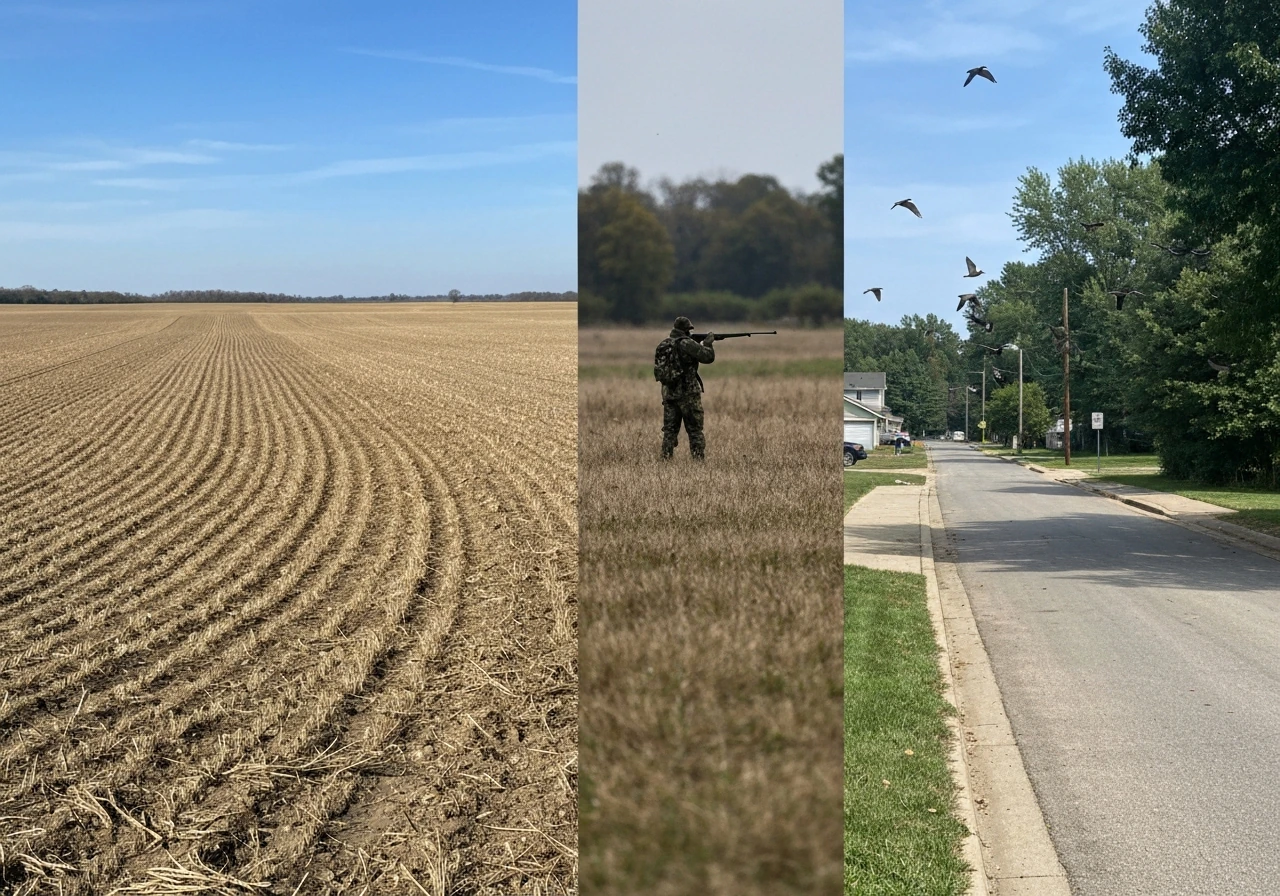
BirdLife International's State of the World's Birds 2022 identifies the main pressures on bird populations worldwide: agriculture and land-use change, overexploitation (hunting and bycatch), invasive alien species, climate change, and pollution. Agriculture alone is the leading threat, affecting at least 73% of all threatened bird species. That's a striking figure, and it makes sense when you consider how much nesting habitat, insect food supply, and native plant cover disappears when land is converted to monoculture farming.
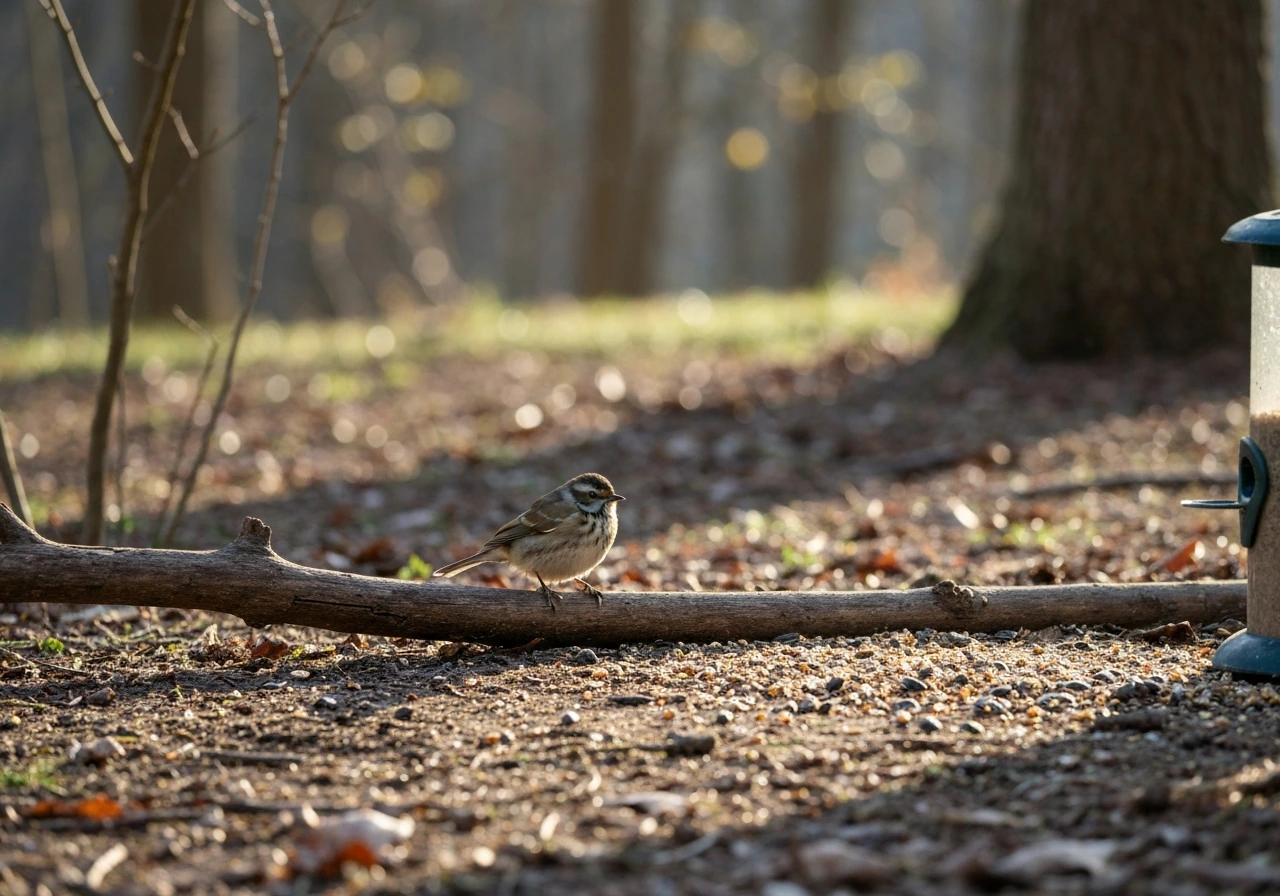
Beyond agriculture, Audubon research found that roughly two-thirds of North American bird species face increasing extinction risk due to climate warming. These aren't distant projections. Many of these species are ones you'd recognize from a backyard feeder or a local park. The threats are compounding each other, too. IUCN notes that climate change actively worsens habitat loss and makes invasive species more disruptive, so birds that were already stressed by one pressure are now facing two or three simultaneously.
- Agriculture and habitat conversion: the single biggest driver globally, affecting over 73% of threatened species
- Climate change: two-thirds of North American species at increasing extinction risk due to warming
- Overexploitation: hunting, bycatch from fishing gear, and illegal trade
- Invasive alien species: introduced predators and competitors that birds have no natural defenses against
- Pollution and toxins: lead, pesticides, oil, and plastic affecting both wild and captive birds
- Disease and parasites: avian influenza, botulism, and other pathogens causing acute population events
How climate and habitat changes affect bird breeding and survival
Climate change doesn't kill birds the way a pathogen does. It works more subtly, by shifting the timing of food availability so it no longer lines up with when chicks need to be fed, by altering migration routes, and by changing the conditions birds need to breed successfully. A study on Eastern Bluebirds found that as drought severity increased, hatching and fledging rates decreased, even though clutch size stayed the same. In other words, eggs were laid but fewer birds actually made it out of the nest. That's the kind of quiet reproductive failure that can collapse a local population over a decade without anyone noticing a single sick bird.
Wildfires are a more dramatic example. USGS data on greater sage-grouse showed that nest survival dropped by about 51% in burned areas compared to unburned ones. Adult female survival also declined after fire. These aren't just statistics: they represent whole cohorts of birds failing to replace themselves. If you're seeing fewer birds of a particular species in an area that recently experienced drought, logging, fire, or aggressive agricultural expansion, reproductive failure tied to habitat disruption is a very plausible explanation.
For migratory species, the timing problem is especially serious. Research published in Scientific Reports confirmed that prefledgling and postfledgling survival are both tied to laying date and seasonal conditions. As climate warming pushes seasonal cues out of sync, birds that arrive on their breeding grounds on the traditional schedule may find insect peaks have already passed. The mismatch is cumulative, and it's one reason long-distance migrants are declining faster than resident species in many regions.
Pollution and toxins: what they do and what you might see
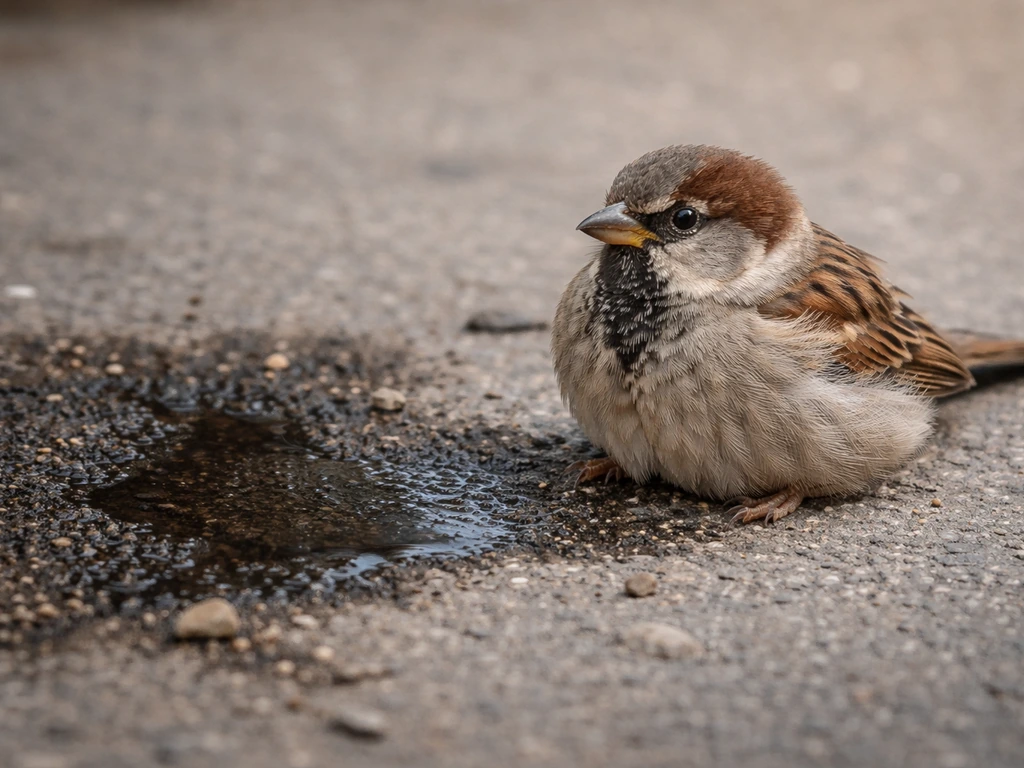
Toxic exposure is one of the most underreported causes of bird death, partly because poisoned birds often disappear or are missed before anyone can examine them. Lead poisoning is a well-documented and recurring problem. If you suspect bird crop problems, start by looking for patterns in feeding behavior and symptoms across affected birds. Pennsylvania Game Commission reporting describes a consistent clinical picture in affected waterfowl: loss of appetite, lethargy, greenish diarrhea staining the feathers around the vent, and then a progressive loss of muscle strength, starting with weak flight and moving to an inability to walk, coma, and death. Sudden death without any of these prior signs can also happen. USGS emphasizes that visual observation alone isn't enough to confirm lead toxicity, and blood-lead concentration testing is the standard for diagnosis in raptors and waterfowl.
Oil contamination follows a different pathway. Michigan DNR documentation explains that when aquatic birds are oiled, they often ingest the oil during preening, causing internal damage. In chicks and developing birds, oil exposure can cause growth retardation and delayed feather development. If you find a bird that looks underweight, has abnormal feather growth, or is on or near a water body contaminated with oil or chemical runoff, toxic exposure belongs near the top of your list.
Pesticide poisoning can look similar to other toxin exposures: weakness, tremors, inability to fly or walk, and seizures in severe cases. Birds that eat insects, seeds, or small mammals in treated agricultural fields are particularly vulnerable. If multiple birds of different species are found sick or dead in the same location after recent spraying activity nearby, pesticide exposure is a strong possibility. Keep track of location, species, and timing, because that pattern information matters when you report it.
Invasive species, food scarcity, and extreme weather impacts
Invasive predators, including feral cats, rats, and introduced snakes, are among the most damaging forces for ground-nesting and island bird species. IUCN identifies invasive alien species as one of the primary drivers of global biodiversity loss, and the situation is getting worse as climate change extends the range of invasive species into new territories. For bird populations, the impact is felt mostly at the nest: eggs and chicks are destroyed before they can fledge, which erodes the breeding success of entire local communities over just a few years.
Food scarcity from insect decline, overfishing (which affects seabird populations), and habitat degradation forces birds to spend more energy foraging and less energy on breeding. Stressed birds are also more susceptible to disease and parasites. Extreme weather events accelerate all of this. Late freezes kill insects that newly hatched chicks depend on. Severe storms destroy nests during breeding season. Prolonged drought reduces available water and forces birds into contaminated water sources, which can then facilitate disease transmission, including avian botulism and avian influenza, both of which spread more readily in warm, stagnant water conditions.
Disease and parasites as a decline cause (and linked symptoms)
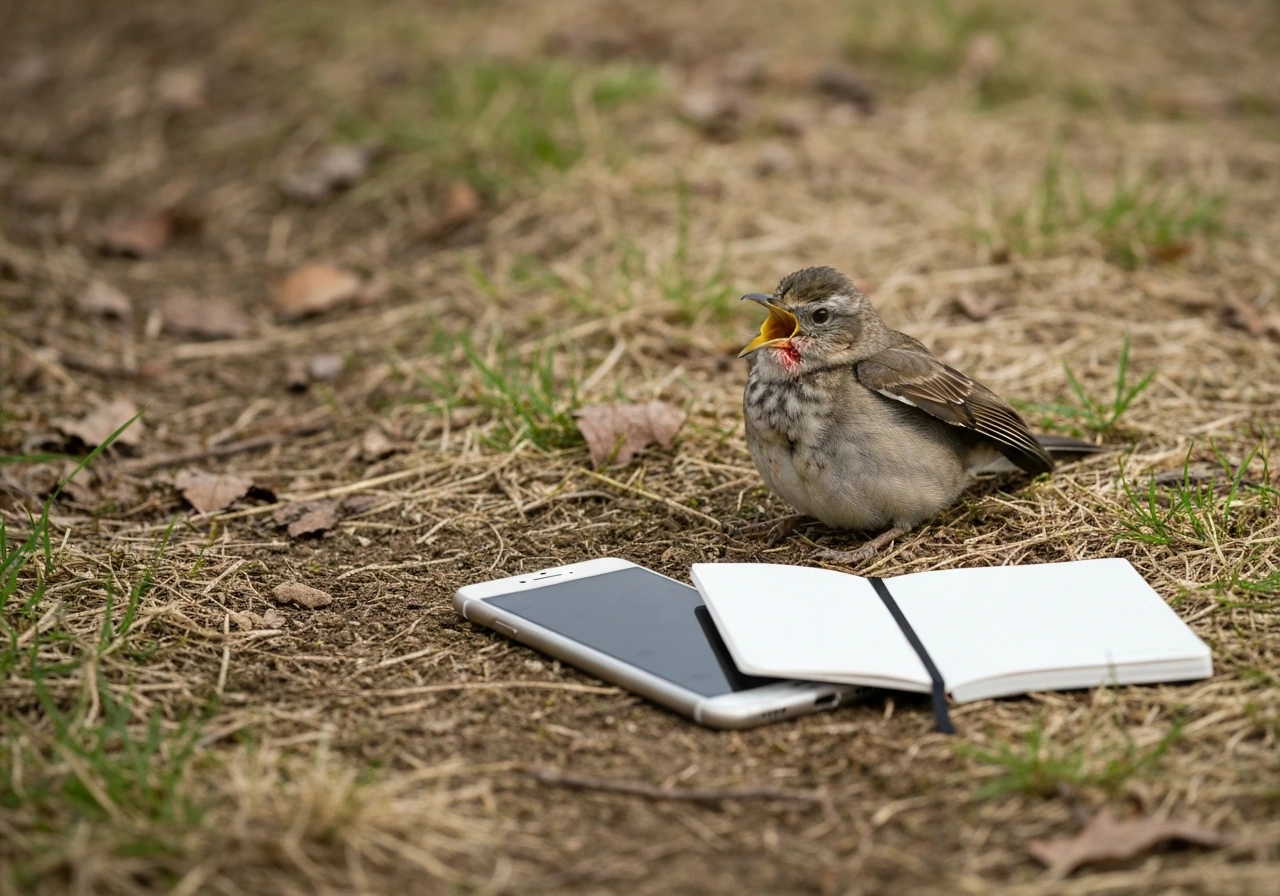
Disease is one of the most visible causes of bird population decline because it tends to produce clusters of sick and dead birds in a short period of time. Two pathogens deserve particular attention: avian influenza and avian botulism.
Avian influenza (HPAI)
Highly pathogenic avian influenza (HPAI) is a contagious viral disease affecting both domestic and wild birds. USDA APHIS notes that some presentations include sudden death without any prior symptoms, which makes early detection extremely difficult. APHIS maintains an active database of HPAI detections in wild birds by species, date, and location, so you can check whether the disease is circulating in your region right now. Transmission is primarily through infected droppings and contaminated water or surfaces, which is why shared water sources and dense bird congregations are high-risk situations. For avian influenza (H5 in human cases), the CDC notes that eye redness has been a predominant symptom among recent US cases biosecurity/cross-species risk. If you keep backyard chickens or pet birds and live near wild waterfowl populations, biosecurity during active HPAI circulation is not optional.
Avian botulism
Avian botulism is caused by the bacterium Clostridium botulinum and produces a toxin that causes progressive paralysis and death in affected birds. USGS describes it as a recurring cause of mass die-offs, particularly in waterfowl and shorebirds around warm, stagnant water bodies. Affected birds typically show weakness in the legs and wings, with a characteristic "limberneck" where the bird cannot hold up its head. The condition progresses rapidly. If you find multiple birds near water showing these signs, especially in hot weather, avian botulism should be considered immediately. USGS notes that heart tissue is the preferred diagnostic sample and must be submitted frozen or fresh for useful results.
Parasites and other respiratory diseases
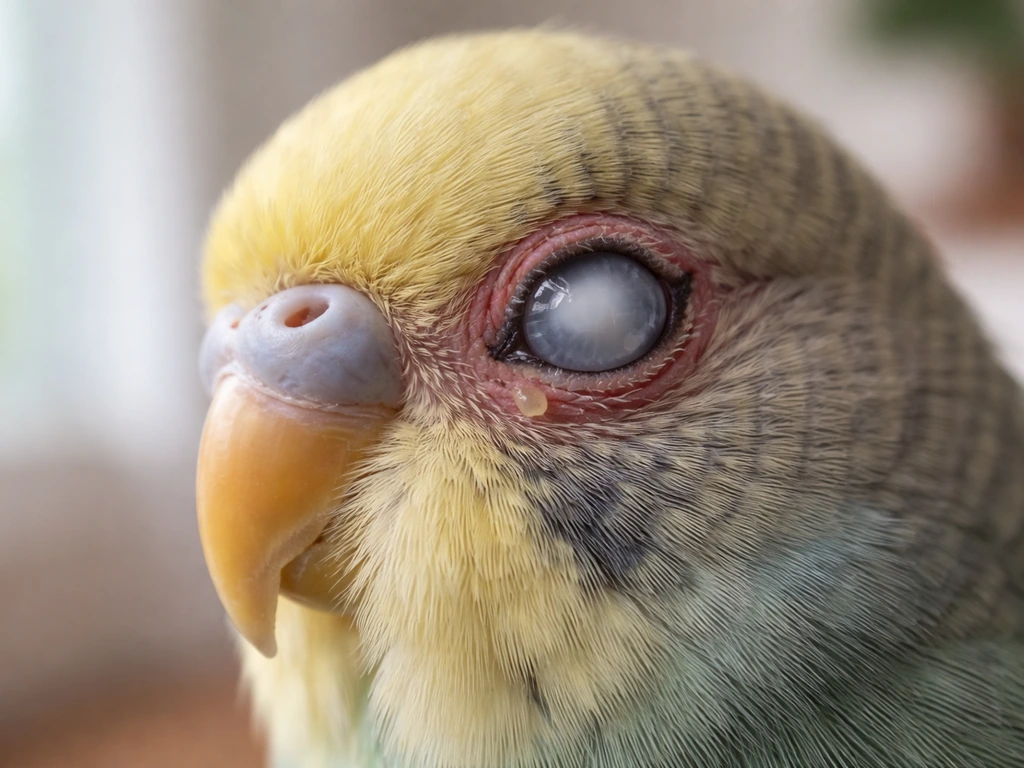
Parasitic infections and respiratory diseases also contribute to decline, though they tend to work more slowly and are often harder to attribute to population-level effects without surveillance data. In pet birds, respiratory illness is one of the most recognizable health emergencies, with symptoms including tail bobbing, open-mouth breathing, clicking sounds, and nasal discharge. If a bird is showing trouble eating or swallowing, beak and esophagus problems can also be a cause worth considering bird beak esophagus causes. Wild birds with heavy parasite loads or respiratory infections may appear fluffed up, lethargic, slow to flush, or show abnormal postures. Bird feather problems can sometimes signal underlying illness or parasite burden rather than a purely external issue. One bird disease that causes blindness can also be mistaken at first for general weakness or poor coordination, so take note of eye changes. Certain bird beak appearance changes can also be a clue to disease, including respiratory infections and toxin-related illness bird beak appearance in which disease.
How to investigate what's happening locally (signs, patterns, and clues)
The most practical thing you can do right now is observe carefully and document what you're seeing. The pattern of decline tells you more than any single dead bird. Use this framework to narrow down the cause:
| What you're observing | Most likely cause | Key next step |
|---|---|---|
| Gradual decline of one species over months or years | Habitat loss, food scarcity, or breeding failure | Check for land-use changes, report to local Audubon or wildlife agency |
| Multiple species declining simultaneously | Climate disruption, broad habitat loss, or pesticide use | Report to eBird or local wildlife authority; document location and timing |
| Cluster of sick or dead birds in a short period | Disease (HPAI, botulism), toxin exposure, or extreme weather | Do not touch birds; contact wildlife agency immediately; report to WHISPers |
| Weakness, paralysis, or limberneck in waterfowl near water | Avian botulism | Contact wildlife rehabilitator; report event to state wildlife agency |
| Lethargy, greenish diarrhea, weak flight in raptors or waterfowl | Lead poisoning | Contact wildlife rehabber; do not release; blood-lead testing needed |
| Oily feathers, growth abnormalities in waterbirds | Oil or chemical contamination | Report to state environmental agency; call wildlife rehabilitator |
| Sudden death with no prior signs in poultry or waterfowl | HPAI (suspect) | Immediately contact USDA APHIS and state veterinarian; do not move birds |
Citizen science tools are genuinely useful here. eBird lets you compare current observation counts to historical baselines for your region. If you're seeing significantly fewer of a species that used to be common, that's a real data point. Keep notes on exactly where you found affected birds, the date, weather conditions, and what signs they showed. That information is what wildlife investigators need to do their job.
When to seek veterinary or wildlife help, and your immediate next steps
Some situations call for immediate action. Do not wait, and do not attempt to handle birds yourself without protective gear if any of the following apply:
- Multiple dead or dying birds in one location within a short time period (hours to a day or two)
- Wild birds showing neurological signs: seizures, circling, head tilting, or complete inability to move
- Sudden death of poultry or waterfowl with no prior illness signs (suspect HPAI)
- Any situation where you may have direct contact with sick or dead birds (wash hands thoroughly; CDC notes that exposure to HPAI can cause illness in people, ranging from no symptoms to severe disease)
For wild birds, your first calls should be to your state wildlife agency and a licensed wildlife rehabilitator. Do not attempt to treat wild birds at home. For reporting avian morbidity or mortality events, USGS National Wildlife Health Center provides guidance on submitting specimens and documenting event history. USGS NWHC provides detailed instructions for blank" rel="noopener noreferrer">reporting wildlife morbidity or mortality events and submitting specimens, including guidance on event history and protecting human and wildlife health. The WHISPers system (Wildlife Health Information Sharing Partnership) is used by wildlife health professionals across the US and is the appropriate channel for reporting significant mortality events. Provide as much detail as possible: species, number of animals, location coordinates, signs observed, and how long the event has been occurring. If you suspect a bird beak sign is seen in a case, keep note of the exact appearance and location so professionals can evaluate what it indicates signs observed.
For pet birds showing respiratory signs, neurological symptoms, sudden behavior changes, or any signs consistent with serious illness, contact an avian veterinarian as soon as possible. Respiratory conditions in pet birds can deteriorate fast. If your pet bird is showing symptoms and you've recently had contact with wild birds or purchased new birds, tell your vet immediately so they can assess exposure risk.
Prevention and safer bird care for pet and wild birds
The good news is that a lot of the disease and toxin risks described above are preventable with consistent basic practices. These apply whether you're maintaining a backyard feeder station or caring for pet birds.
For wild birds in your yard or property
- Clean bird feeders with a 10% bleach solution at least once every two weeks, and more often during warm weather when bacterial growth accelerates
- Change birdbath water every one to two days and scrub the basin; stagnant water is a vector for avian botulism and facilitates HPAI transmission
- Do not use lead-containing ammunition if you hunt; spent lead fragments in gut piles and carcasses are a primary source of lead poisoning in raptors and scavengers
- Avoid or minimize pesticide use in areas where birds feed; if you must treat, do so outside of peak bird feeding hours
- Keep cats indoors, especially during songbird nesting season (spring through summer)
- If you find dead birds, report them before removing them; wear gloves if you must handle them, and wash hands afterward
For pet bird owners
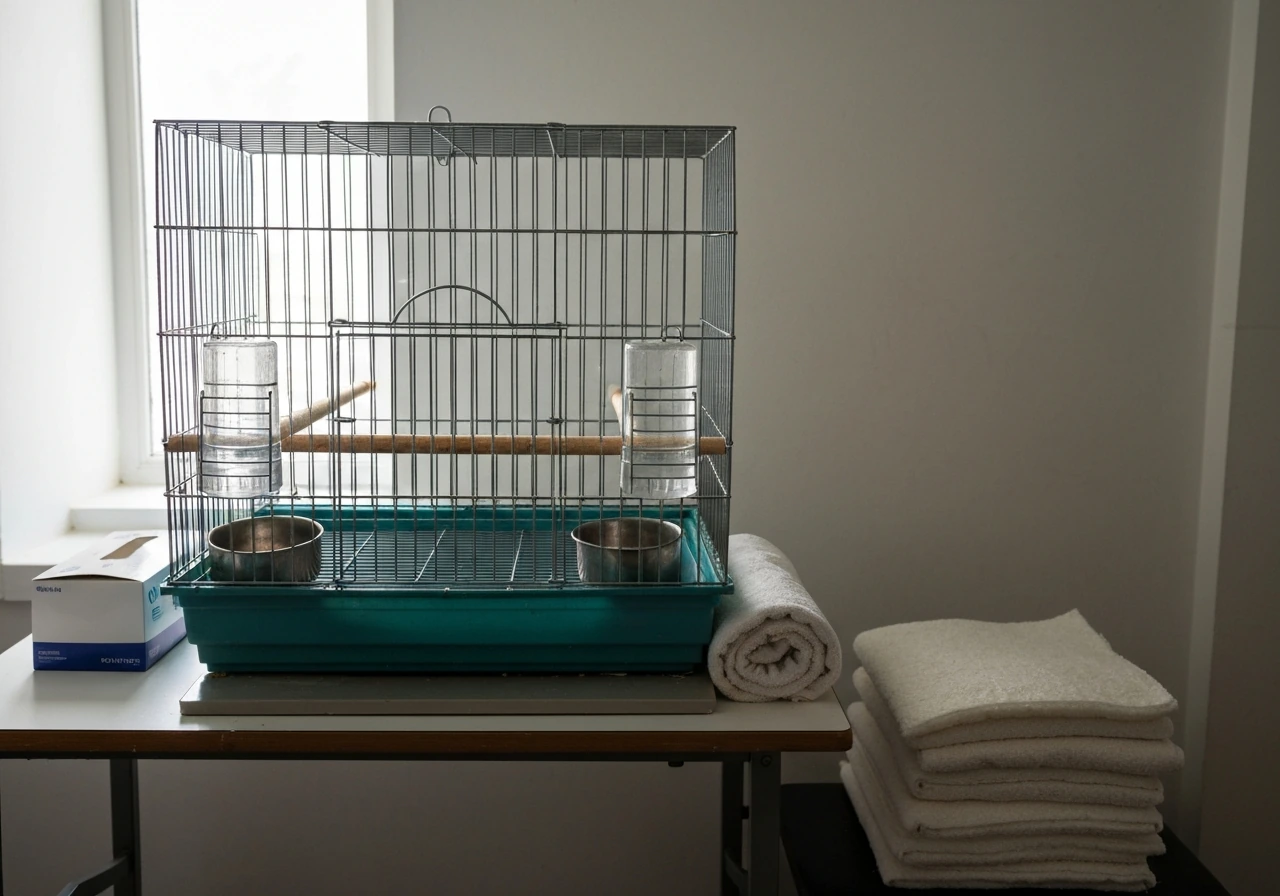
- Quarantine any new bird for a minimum of 30 days before introducing it to existing birds; this applies even if the bird looks healthy
- Keep pet birds away from windows or outdoor areas during active HPAI outbreaks in your region
- Use stainless steel or ceramic food and water dishes that can be fully sanitized; replace cracked plastic that harbors bacteria
- Wash hands before and after handling birds and their cages
- Schedule annual avian vet checkups even for birds that appear healthy; many serious conditions, including early respiratory illness and parasites, are not visible until they become severe
- Never use nonstick cookware (PTFE/Teflon) in homes with pet birds; overheated nonstick coatings release fumes that are acutely lethal to birds at very low concentrations
Population decline is a large, complex problem, but your ability to observe, document, and respond at the local level is a meaningful contribution. Reporting what you see, maintaining clean feeding and watering stations, reducing toxic exposures, and getting sick birds into professional care quickly all make a real difference. The patterns that researchers use to track and respond to avian disease outbreaks come largely from observations made by people paying attention in their own backyards and neighborhoods.
FAQ
If I only see one dead bird, is that enough to suspect bird population decline causes like disease or poisoning?
Usually one bird is not diagnostic. Look for a cluster in the same area and short time window, or repeated reports of the same species. If you find multiple birds (or the same species repeatedly) over 24 to 72 hours, or you notice similar symptoms across birds, the odds of an acute cause like toxins, botulism, or avian influenza rise, and you should report it with exact location and timing.
What details should I record to help narrow down bird population decline causes when I report sick or dead birds?
Record species (or best guess), count, GPS coordinates, date and time found, weather in the prior week (heat, drought, storms, cold snaps), habitat type (pond, field edge, nest area), and a symptom timeline (sudden death, paralysis, diarrhea, weakness). Also note whether the birds were near shared water or a feeding site, and whether there were recent nearby events like spraying, wildfire smoke, or oil sheen.
How can I tell whether a decline is more likely habitat or food disruption versus a contagious disease?
Habitat and food issues often show a gradual, species-specific drop, fewer birds using a site, and poor breeding outcomes without many fresh carcasses. Contagious disease is more likely when you see a sudden spike of sick or dead birds, especially multiple individuals showing similar neurological or respiratory signs around the same time and shared resources (like water or roosts).
Can backyard feeding contribute to bird population decline causes even if I’m not directly spraying or causing habitat loss?
Yes, indirect routes exist. Dirty feeders, moldy seed, overcrowded feeding areas, and infrequent cleaning can increase disease transmission, particularly during periods of active avian influenza. Another common mistake is leaving standing water in warm weather, which can elevate botulism risk in some settings. If you feed, clean feeders and change water regularly, and avoid drawing large crowds if there is a known outbreak in local wild birds.
What should I do if I suspect lead or other toxins but I do not see the “classic” symptoms described for waterfowl?
Do not rely on visible signs alone. Some toxin cases present with sudden death or subtle weakness, so the best next step is to report the event and ask professionals what testing they want. If you can safely observe from a distance, note feeding behavior (head dipping, abnormal swallowing, reluctance to feed) and whether multiple species show similar illness in the same location.
Is it safe to move an oiled or dead bird to confirm the cause?
Generally no. Handling can expose you to contaminated oil or pathogens and can also interfere with specimen testing. Instead, keep people and pets away, photograph from a distance if possible, and contact the appropriate wildlife agency or rehabilitator for guidance on whether and how the specimen should be collected.
Do I need to submit samples for disease, or can reporting without specimens be enough?
Reporting is valuable, but specimens can be critical for confirming specific bird disease and toxins. For acute events, authorities often request diagnostic samples based on what you observed (for example, for botulism they may specify the preferred tissue and how it must be stored). Ask the receiving program what they need, especially if you want the cause attributed confidently.
What biosecurity steps should I take at home during active avian influenza detections?
Minimize contact between your birds and wild birds by keeping poultry indoors or under secure cover, using dedicated footwear, and preventing shared water sources. Avoid backyard practices that concentrate birds into high-density areas. If you own pet birds or keep backyard chickens, practice strict hygiene before and after any interaction and inform your veterinarian promptly if illness appears.
How can I reduce the chance my yard contributes to disease spread without stopping all bird activity?
Focus on hygiene and density control. Clean and disinfect feeders and birdbaths on a schedule, use baffles to reduce crowding, and consider reducing feeder volume during outbreaks or extreme heat. If you notice water contamination (algae blooms, dead insects, foul smell), remove standing water and switch to fresh water until conditions improve.
For invasive predators, what evidence in my local area suggests invasive predation is a key factor?
Look for repeated nest failures, missing eggs or chicks at ground-level nests, and signs around likely predator routes (tracks, scat, or consistent disturbance near nests). Predation patterns often affect specific vulnerable species and habitats more than others, and they may persist even when food appears abundant. Reporting consistent observations with dates helps wildlife managers target control efforts.
If birds disappear after a wildfire, does that automatically mean the fire itself is the cause?
Fire can be direct, but it also triggers secondary stressors, like habitat alteration and reduced nesting success, and it may coincide with changes in food availability. If the decline is concentrated in burned areas and you also see reduced adult survival or nesting activity, it supports fire-related reproductive failure. Still, document what changed nearby (for example, logging, flooding, or chemical runoff) because multiple pressures can overlap.
Next Article
Bird Disease That Causes Blindness: Symptoms and Response
Spot eye discharge, swelling and cloudiness from bird illnesses causing blindness, plus safe steps and urgent vet guidan