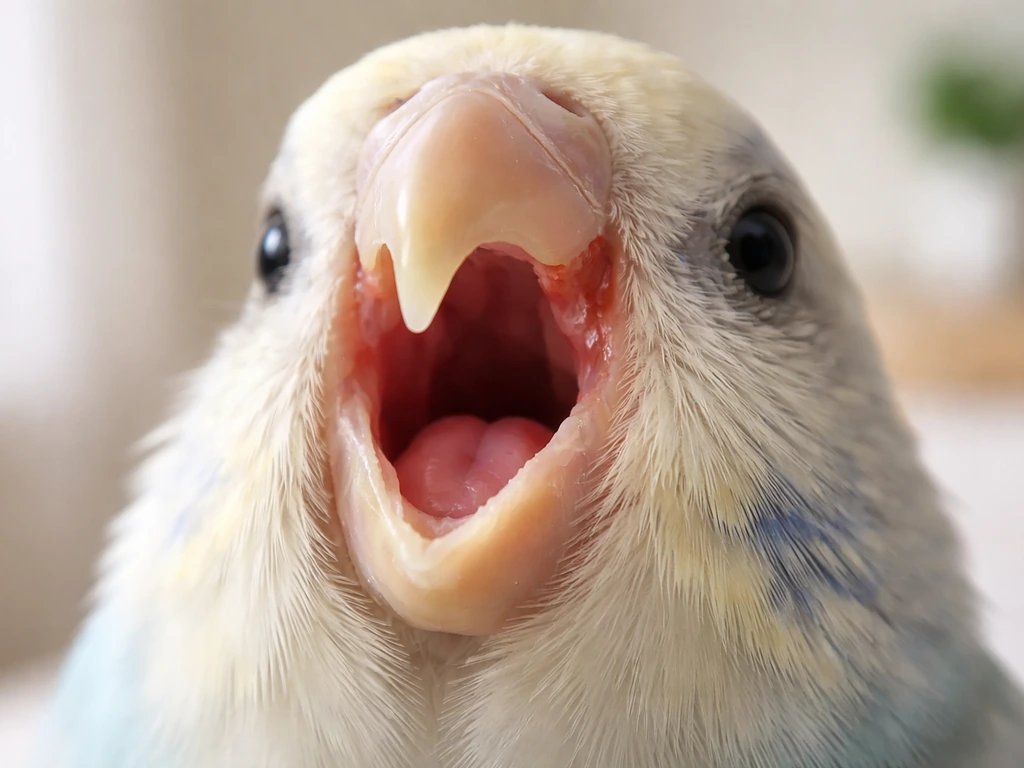
The most common diseases associated with abnormal beak appearance in birds include psittacine beak and feather disease (PBFD), scaly face mite infection (Knemidokoptes), candidiasis, trichomoniasis, poxvirus, bacterial infections, and nutritional deficiencies. Each one tends to produce a distinct pattern of changes: crusting, overgrowth, swelling, sores, discoloration, or discharge. Once you know what to look for, matching the visual clues to the most likely cause becomes much more manageable.
Bird Beak Appearance: Which Diseases Cause Common Changes

Marcus Webb
27 May 2026
Some bird diseases, such as those that can lead to blindness, may start with subtle beak or facial changes before they become obvious. If you notice broader health issues in local flocks, it can be helpful to understand how causes like bird population decline can be driven by disease and environmental stress.
Quick triage: when a beak change is urgent
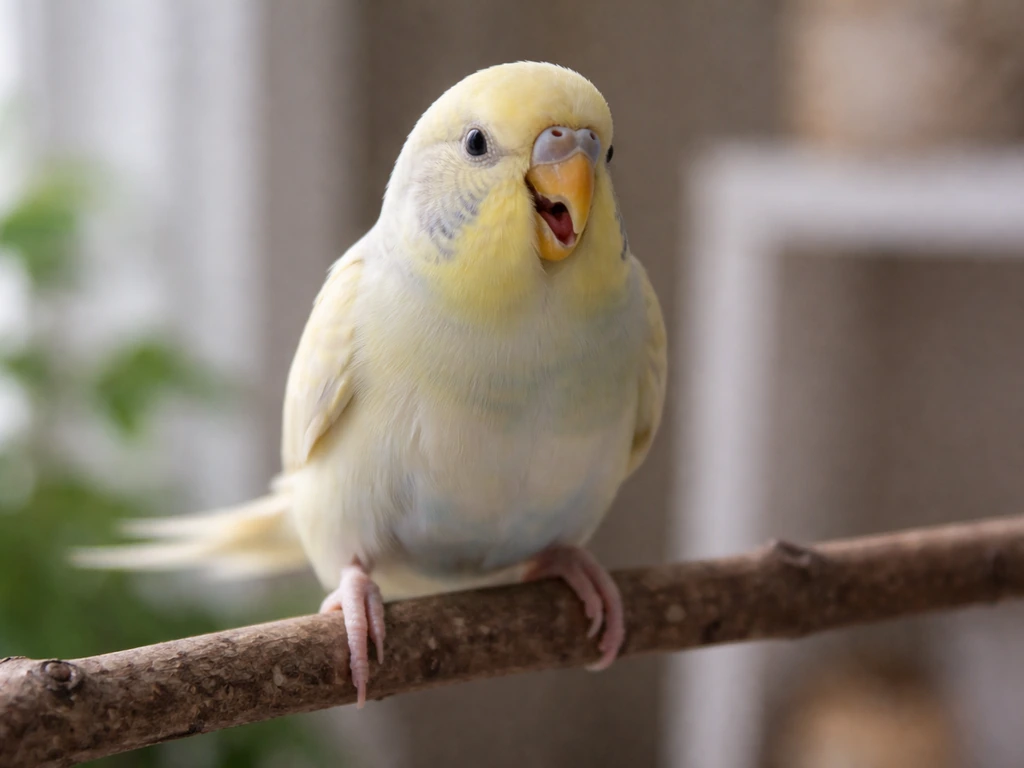
Most beak changes develop slowly and give you time to get an appointment booked within a few days. But some situations need same-day or emergency veterinary attention. If your bird is showing any of the following signs alongside the beak change, treat it as urgent and call an avian vet now.
- Open-mouth breathing at rest, even briefly
- Tail bobbing with each breath (a classic sign of respiratory effort)
- Audible wheezing, clicking, or gurgling sounds
- Sitting fluffed, eyes closed, and not moving much
- Complete refusal to eat or drink for more than 24 hours
- Bleeding from or around the beak that won't stop
- Sudden, severe facial swelling
- Loss of balance, falling off the perch, or seizure-like movements
Open-mouth breathing is especially serious. Birds are designed to breathe through their nares (nostrils), so when a bird holds its beak open at rest, it means it cannot get enough air through its normal airway. That points to a significant respiratory problem and requires urgent evaluation. The same goes for tail bobbing, which happens when the respiratory muscles are working overtime just to move air in and out.
Beak appearance checklist: what to look for today
Before you can narrow down a cause, you need a clear picture of exactly what's happening. Good lighting and a short photo session will help enormously, both for your own notes and for showing an avian vet. Work through this checklist systematically.
- Color: Is the beak pale, yellow, brown, black, or discolored in patches? Is the change on the surface or does it look like it goes deeper?
- Texture: Is the surface smooth as normal, or is there pitting, flaking, scaling, or a honeycomb/spongy look?
- Swelling: Is the beak itself swollen, or is swelling around the base, nares, or face?
- Sores or lesions: Are there raised lumps, ulcers, wart-like growths, or raw patches on or around the beak?
- Crusting or deposits: Is there a crusty buildup around the nares or at the beak edges? What color is it?
- Discharge: Is anything coming out of the nares? Is it clear, cloudy, colored, or bloody?
- Length and shape: Is the beak longer than usual, curling, crossing, or misaligned?
- Movement: Does the bird open and close its beak normally, or is something interfering with movement?
- Behavior: Is the bird eating, vocalizing, preening normally, or has something changed?
Take a short video if the bird is doing something unusual with its beak, like repeatedly opening it or making sounds. Vets find video clips extremely useful for diagnosing respiratory and neurological issues that may not be obvious during an in-clinic exam.
Common beak-discoloration and swelling causes
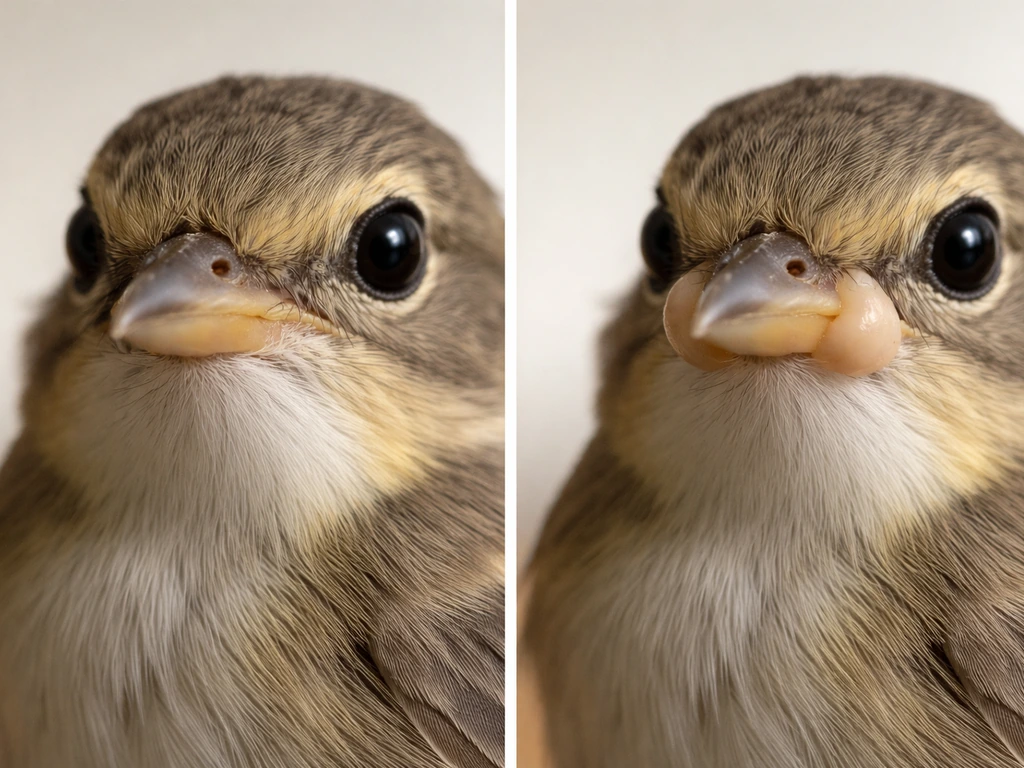
Discoloration and swelling are two of the most frequently noticed beak changes, and they point in quite different directions depending on the details.
Nutritional deficiencies
A pale, dull, or abnormally pigmented beak is often a nutritional red flag. Vitamin A deficiency is particularly common in seed-only diets and can cause the beak to look dry, pale, or flaky. It also damages the mucous membranes in the mouth, sinuses, and throat, setting the stage for secondary infections. If the beak discoloration comes with other signs like dull feathers, poor weight condition, or changes in droppings, diet is often the first place to investigate.
Bacterial and fungal infections (sinusitis/rhinitis)
Swelling at the base of the beak, around the nares, or on the face below the eye is a classic sign of sinusitis, a bacterial or fungal infection of the nasal passages and sinuses. The swelling can be firm or soft, and the nares may be partially blocked, crusty, or discharging. Aspergillosis, a fungal disease, can produce facial swelling and discharge in more advanced cases. Bacterial sinusitis often follows a primary cause like Vitamin A deficiency or a viral infection.
Tumors and abscess
A hard, asymmetric swelling that grows slowly and is localized to one side of the beak or face may be an abscess or, less commonly, a tumor. Bird abscesses are often cheesy and solid rather than fluid-filled, which is different from mammal abscesses. These generally don't resolve on their own and need veterinary diagnosis.
Sores, crusting, and discharge around the beak
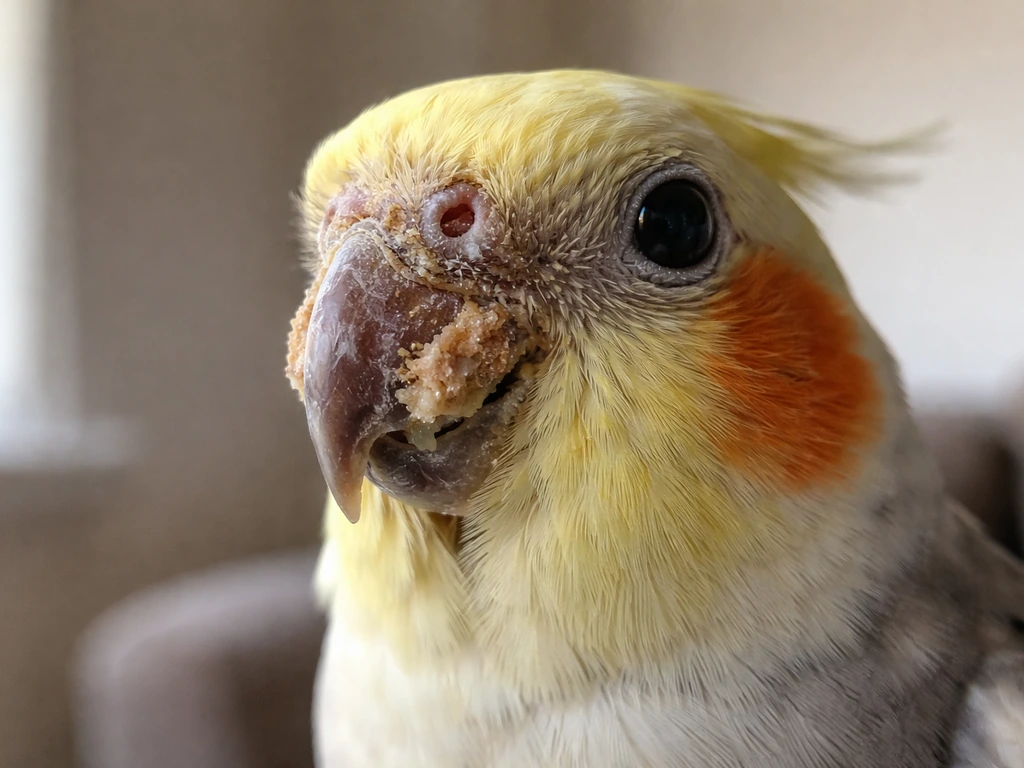
This category is where some of the most recognizable diseases show up, and most of them have fairly distinct appearances once you know what to look for.
| Disease | Beak/Face Appearance | Mainly Affects | Key Distinguishing Clue |
|---|---|---|---|
| Scaly face mites (Knemidokoptes) | Honeycomb or coral-like crusty deposits around nares, beak corners, cere, and sometimes legs | Budgerigars most commonly | Distinctive pitted/tunneled crust; itching and face-rubbing behavior |
| Trichomoniasis (canker) | Yellow-white or cheese-like plaques inside the mouth/throat; can block the throat | Doves, pigeons, raptors | Lesions are inside the beak/throat; bird has trouble swallowing; regurgitation |
| Poxvirus (dry form) | Wart-like, scab-covered nodules on the face, around the beak, and on unfeathered skin | Wild birds; canaries; pigeons | Dry raised nodules; lesions on eyelids and feet too |
| Candidiasis | White or creamy plaques in the mouth and crop; beak corners may be raw or reddened | Young birds; immunocompromised birds | Often follows antibiotic use; also causes crop problems |
| Bacterial infection/abscess | Crusty nasal discharge; swelling and possible sores near the nares | Any bird species | Usually accompanied by lethargy and appetite changes |
Scaly face mites are probably the most visually dramatic and one of the easiest to recognize. That tunneling, honeycomb crust on the cere and beak corners of a budgerigar is almost unmistakable. Trichomoniasis, sometimes called canker, tends to show up inside the beak rather than on its surface. If you look in the mouth and see yellowish, cottage-cheese-like material stuck to the throat, trichomoniasis is near the top of the list. This condition can also affect crop health, which connects to other crop problems worth watching for. If you suspect crop problems, keep an eye out for changes in feeding, swallowing, or regurgitation and mention them to your avian vet crop health.
Beak deformity, overgrowth, and lesions over time
Changes that develop gradually over weeks or months tend to point to chronic infections, genetic diseases, or nutritional problems rather than acute illness. These are the ones that sometimes sneak up on owners.
Psittacine beak and feather disease (PBFD)
PBFD is a circovirus infection that affects parrots and related species. It's one of the most significant beak diseases in pet birds. The beak becomes abnormally elongated, may develop transverse fractures or grooves, and looks necrotic or dark in affected areas. The surface texture becomes rough and the beak structure weakens over time.
Critically, PBFD doesn't just affect the beak: feather abnormalities (clubbed, stress-barred, or retained feather sheaths) usually appear alongside or before the beak changes. If you're seeing both abnormal feathers and beak changes together, PBFD is a strong suspect. If you're seeing both abnormal feathers and beak changes together, PBFD is a strong suspect, and it can overlap with bird feather problems that start with feather texture changes.
The disease is highly contagious between birds and there is no cure, so a diagnosis changes management for the whole flock.
Simple overgrowth (malocclusion)
Not all beak overgrowth means a scary disease. In some birds, especially those that don't have proper foraging opportunities, the beak simply grows too long because it isn't being worn down naturally. Liver disease can also cause overgrowth because the liver plays a role in keratin regulation. A beak that curves noticeably downward or crosses to one side (scissor beak) is a deformity that can be congenital or develop after injury. These birds need regular beak trimming by a vet and investigation into any underlying cause.
Trauma and injury
A cracked, chipped, or misaligned beak after a known incident (collision, cat attack, fall) is traumatic injury rather than disease. But trauma can open the door for secondary infections that look like disease later, so monitoring for signs of infection in the weeks following an injury is worthwhile.
How respiratory illnesses show up near the beak
The beak and the respiratory system are closely connected, and several diseases cause changes around the beak specifically because they affect the upper airway, sinuses, or throat. Bird beak esophagus causes can overlap with these upper-respiratory pathways, so consider both breathing and swallowing symptoms upper airway, sinuses, or throat. A bird beak sign is seen in several upper airway problems, so evaluate the whole breathing picture as well. This is the overlap zone where beak symptoms and respiratory symptoms live together.
Discharge from the nares is one of the most common respiratory signs visible at the beak. Clear, watery discharge often indicates early or mild upper respiratory irritation. Thicker, colored (yellow, green, or brown) discharge suggests a bacterial or fungal infection. Bloody discharge points to something more serious and needs prompt attention.
Mycoplasmosis, Chlamydiosis (psittacosis), and Newcastle disease can all produce nasal discharge, facial swelling, and changes around the beak as part of a broader respiratory illness. Psittacosis in particular is worth knowing about because it is a zoonotic disease, meaning it can be transmitted from birds to humans. If a bird has significant nasal discharge, lethargy, and labored breathing and has recently been in contact with other birds (especially at shows, sales, or shelters), psittacosis belongs on the list of possibilities.
Open-mouth breathing with an otherwise apparently normal beak is still a beak-related emergency sign. When a bird sits with its beak open at rest, gasping or stretching its neck forward to breathe, it points to serious respiratory disease lower in the airway: pneumonia, air sac infection, or severe aspergillosis. The beak itself may look perfectly normal in these cases, but the breathing pattern is the red flag.
This is one of the clearest reasons why looking at the whole bird, not just the beak, matters. A bird showing open-mouth breathing or audible wheezing needs veterinary evaluation the same day. The UC Davis California Veterinary Emergency Team (CVET) avian and exotics care guide also highlights emergency respiratory signs such as open mouth breathing or an increased respiratory rate or effort at rest and wheezing [open-mouth breathing](https://cvet. vetmed.
ucdavis. edu/sites/g/files/dgvnsk13661/files/inline-files/CVET%20Avian%20and%20Exotics%20Animal%20Care%20and%20Feeding%20Guide%20010725_0. pdf).
Next steps: safe home monitoring and when to see an avian vet
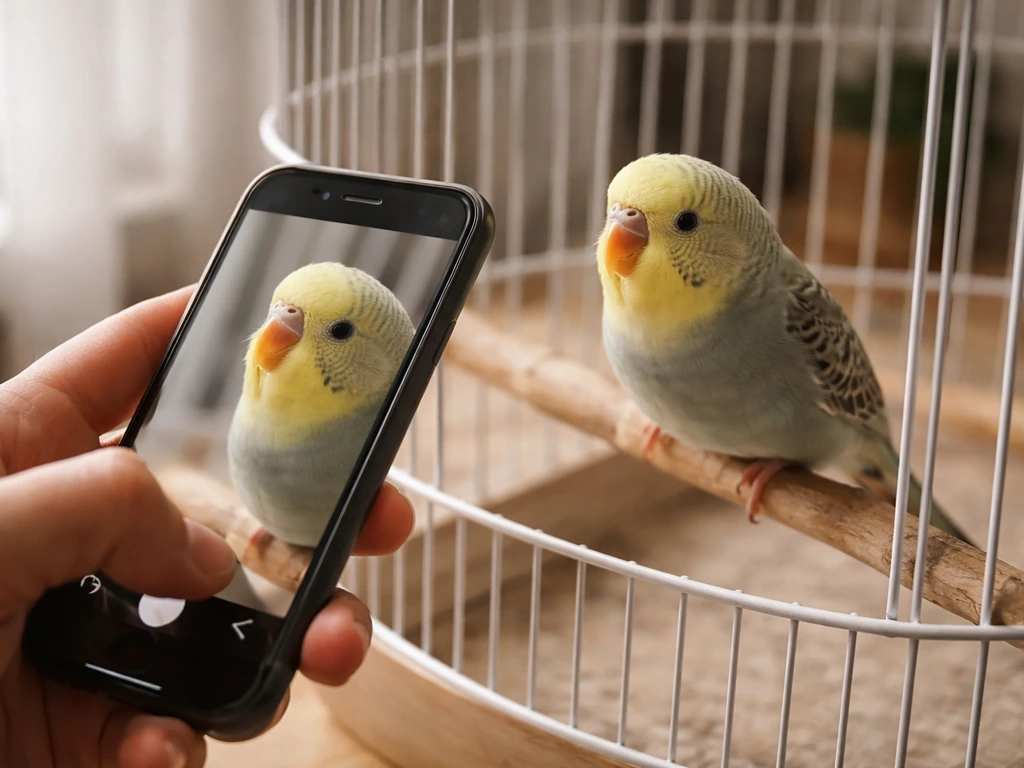
If you've done the checklist and the situation doesn't look immediately urgent, here's how to handle the next 24 to 48 hours at home before or while arranging a vet appointment.
What to do right now at home
- Photograph the beak from multiple angles in good natural light. Take a close-up of the nares, beak tip, and any affected areas. Take a full-body shot too.
- Record a short video of the bird at rest and while eating or vocalizing. This captures breathing patterns, tail movement, and posture that still photos miss.
- Note when you first noticed the change and whether it's been getting worse, staying the same, or improving.
- Check droppings for the past 24 hours: look at color, consistency, and whether the urates (white part) are normal.
- Weigh the bird if you have a gram scale. Weight loss is often the first measurable sign of illness in birds and is a useful data point for the vet.
- Make sure the bird is warm. A sick bird benefits from a temperature around 85 to 90 degrees Fahrenheit. A heat lamp on one side of the cage (not the whole cage) lets the bird choose its comfort zone.
- Offer fresh water and familiar foods. Do not introduce new foods or supplements without vet guidance, as some can interfere with diagnosis.
- If you have multiple birds, consider separating the affected bird. Many beak diseases including PBFD, scaly mites, trichomoniasis, and poxvirus are contagious.
When to call or visit an avian vet
Book an appointment within 1 to 3 days for any beak change that's new, worsening, or affecting eating and drinking, even if the bird still seems reasonably active. These same threats are also key causes of bird decline, so addressing beak disease early can help protect a bird’s health and survival. Avian vets can diagnose most beak conditions quickly with a physical exam and targeted testing (skin scraping for mites, PCR testing for PBFD or Chlamydia, culture for bacterial infections, or simple bloodwork for nutritional and liver problems).
Go same-day or to an emergency exotic animal clinic immediately if you see any of the urgent signs listed at the top of this article, blank" rel="noopener noreferrer">especially open-mouth breathing, tail bobbing, wheezing, or sudden severe swelling. Some bird death causes are related to severe respiratory disease, so urgency matters when breathing signs show up deadly. Don't wait overnight with a bird that is actively struggling to breathe.
When you call the vet's office, describe the beak change specifically (crusty, overgrown, swollen, discolored), mention any breathing changes, and let them know how long it's been going on and whether other birds are affected. Your photos and video will save significant time at the appointment. The more clearly you can describe the change, the faster an accurate diagnosis becomes.
FAQ
Does every abnormal bird beak appearance mean the bird has an infection?
No. Discolored or rough beaks can come from nutrition, mites, infection, or even keratin wear issues. The safest next step is to judge the whole pattern, for example, whether there is mouth discharge, nasal discharge, feather changes, weight loss, or swallowing problems, then share that with an avian vet.
How can I document beak changes so a vet can actually use my photos?
If you cannot see the actual cere, beak base, or inside of the mouth clearly, it is easier to miss mites or canker. Use natural or white light, avoid strong flash, and take close photos of the beak corners, the nares area, and the throat if your bird allows, but do not force the mouth open.
What’s the easiest visual way to tell candidiasis from trichomoniasis?
Candidiasis and trichomoniasis are both mouth-related conditions, but trichomoniasis usually leaves a yellowish, caseous material in the throat, while candidiasis often looks more like whitish plaques. Still, visual appearance is not enough for treatment decisions, because underlying causes like husbandry, diet, and co-infections can differ.
My bird’s beak seems overgrown, how do I know if it’s just from not wearing it down?
If the beak is growing too long or curling, first rule out wear problems by reviewing perches, chewable toys, and foraging time, and avoid over-relying on soft foods. If overgrowth is progressive, crooked, or paired with poor weight, a vet should check keratin regulation, liver function, and possible trauma or congenital misalignment.
Is it safe to trim or file a bird’s beak myself if it looks abnormal?
Do not attempt to sand, trim, or rasp an actively infected or necrotic-looking beak at home. Veterinary beak trimming is typically done when stable, and if the problem is due to mites, sinus disease, or PBFD, cutting the surface can worsen pain and bleeding or spread infection.
When does nasal discharge become urgent rather than “just irritation”?
Warm, fresh, or watery nasal discharge can sometimes improve with irritation management, but thick colored discharge, crusting at the nares, swelling of the face, or any change in breathing should be treated as infectious upper-airway disease until proven otherwise. Arrange a vet visit quickly, and prioritize same-day care if discharge is paired with lethargy or labored breathing.
What other symptoms besides beak appearance should I treat as a warning sign?
Hiding with puffed feathers or reduced activity can be a sign of pain, infection, or respiratory compromise, even if the beak looks only mildly affected. Any combination of beak changes plus appetite loss, droopiness, or breathing noise warrants at least an appointment within 1 to 2 days.
If a diagnosis is possible, can most beak diseases be cured?
Yes, but it depends on the situation. PBFD does not have a cure, so flock management focuses on isolation, disinfection routines, and preventing spread. For many other beak-related causes, treatment can be effective if started early, but the correct diagnosis determines whether therapy is antifungal, antibiotic, antiparasitic, or nutritional.
How can I tell if a one-sided swollen beak is an abscess versus something else?
If only one side of the beak or face is swelling and it is hard, enlarging, and localized, abscess becomes more likely than diffuse inflammation. Still, tumors are less common and cannot be confirmed visually, so a vet may need imaging or targeted sampling, especially if it keeps growing after basic supportive care.
Should I isolate my bird from other birds while I’m waiting for diagnosis?
From a safety standpoint, treat beak disease as potentially transmissible until you know the cause, especially if you have multiple birds or you’ve recently acquired or boarded them. Isolate the affected bird, wash hands between birds, and keep equipment separate, particularly around birds with facial swelling, discharge, or feather abnormalities.
If psittacosis is suspected, what precautions should I take at home?
Zoonotic risk is most relevant when dealing with psittacosis signs like significant nasal discharge, lethargy, and labored breathing, particularly after exposure to other birds. If you suspect psittacosis, use good ventilation, avoid close face-to-beak contact, and tell the clinic during scheduling so they can advise on precautions.
Next Article
Bird Beak Sign Is Seen In: Causes, Checks, Red Flags
Learn what bird beak sign means, common causes, beak checks, red flags, and what to do until a vet confirms.