The bird diseases most likely to cause blindness or serious eye damage are Mycoplasmal conjunctivitis (finch conjunctivitis), avian poxvirus, Chlamydia psittaci (psittacosis), vitamin A deficiency, and fungal infections like aspergillosis. In birds, these conditions can progress from swollen, watery eyes to corneal scarring and permanent vision loss if not caught early. For humans who handle sick birds, psittacosis is the main concern, and while it rarely causes eye damage directly, it can cause systemic illness that warrants prompt medical attention.
Bird Disease That Causes Blindness: Symptoms and Response

Marcus Webb
28 May 2026
Why eye symptoms in birds are always urgent
Bird eyes are not forgiving. What looks like a minor red eye or a little discharge can escalate to corneal ulceration and permanent blindness within days. The Merck Veterinary Manual is straightforward on this: if your bird is showing swelling, redness, discharge, excessive blinking, or holding one eye shut, it needs to be seen by a vet as soon as possible. That's not an overreaction, that's the right call.
Uveitis (inflammation inside the eye) is especially concerning because it usually signals something happening throughout the body, not just a local eye problem. If eye inflammation is being driven by something else in the upper digestive tract, another adjacent cause to consider is abnormal swallowing or foreign-body irritation related to bird beak esophagus causes uveitis. That makes it both an eye emergency and a systemic health emergency at the same time. Corneal injuries are similarly time-sensitive because a compromised corneal surface can worsen rapidly, especially if the bird is still being exposed to whatever caused the injury in the first place.
The takeaway is simple: eye symptoms in birds should never be in a wait-and-see holding pattern for more than 24 hours. The risk of permanent damage is real, and the window for effective treatment is narrow.
The main diseases that can lead to blindness in birds
Mycoplasmal conjunctivitis
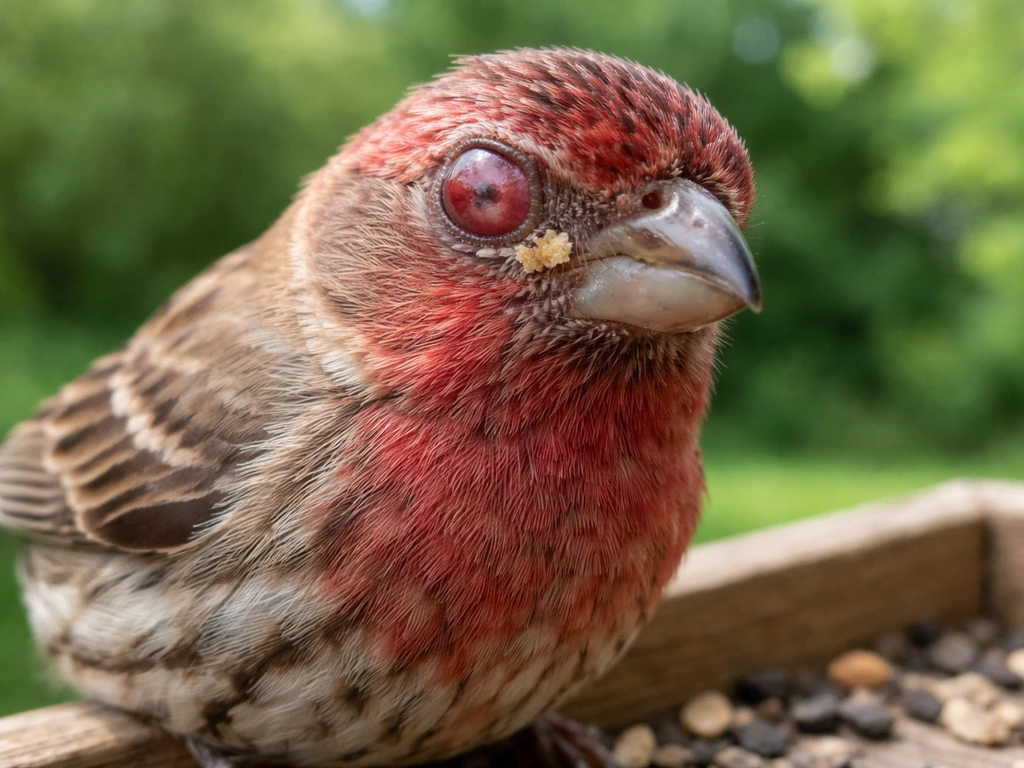
This is the disease most bird watchers and feeder enthusiasts encounter, especially in house finches and goldfinches. It's caused by Mycoplasma gallisepticum and spreads through ocular discharge, direct contact between birds, and contaminated surfaces like bird feeders. You'll see a bird with red, swollen, crusty eyes that may swell completely shut. Left untreated, it can destroy the eye entirely. Treatment in wild birds is difficult, but pet birds can be managed with oral and ophthalmic antibiotics. Importantly, even treated birds may remain infected carriers, and humans and non-avian pets are not susceptible to this particular pathogen.
Avian poxvirus
Avian pox causes crusty, wart-like lesions around the eyes and on the face. The initial eye lesions typically show up 10 to 14 days after infection. It enters through breaks in the skin, often spread by biting insects. There is no direct antiviral treatment; care is supportive and focused on preventing secondary bacterial infections. Most mild cases resolve on their own, but severe eye involvement can lead to blindness if secondary infections take hold and go untreated.
Chlamydia psittaci (psittacosis)
Psittacosis is caused by Chlamydia psittaci and affects parrots, cockatiels, pigeons, and many other species. In birds, one of the classic signs is conjunctivitis combined with nasal discharge and respiratory illness. This is also the primary zoonotic concern: people can contract psittacosis from infected birds through inhaling dried droppings, feather dust, or respiratory secretions. The incubation period in humans is typically 5 to 14 days. It doesn't usually cause direct eye blindness in humans, but the systemic illness can be serious and requires antibiotic treatment.
Vitamin A deficiency
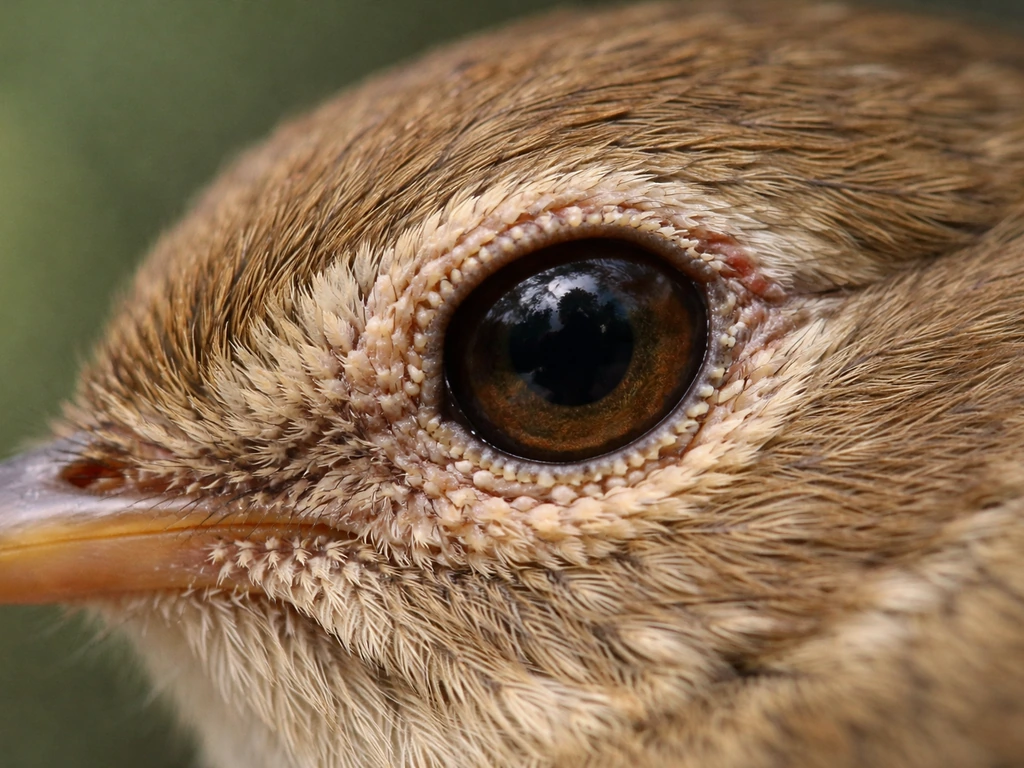
This is a nutritional cause that's easy to overlook. Early signs include white spots around the eyes, sinuses, and mouth. As the deficiency progresses, the cornea can dry out, cloud over, and eventually be destroyed, a condition called keratomalacia. In poultry, the Merck Veterinary Manual notes that fat-soluble vitamin A is stored in the body, so deficiency in adult birds may take months to appear, but once the eye is affected, the damage can be irreversible. All-seed diets are a major risk factor for pet birds.
Aspergillosis and other fungal infections
Aspergillus species can infect the eye in birds, causing a condition called mycotic keratitis. Some bird crop problems can also weaken immunity, making eye infections like mycotic keratitis more likely. This is more common in poultry (chickens and turkeys) but can occur in other birds in immunocompromised states. blank" rel="noopener noreferrer">Diagnosis requires demonstrating actual tissue invasion, not just the presence of fungal organisms, which makes it a trickier diagnosis to confirm.
Other bacterial causes
Bacteria like E. coli, Staphylococcus, Pasteurella multocida, and Mycobacterium species can all cause conjunctivitis in pet birds. These are generally more straightforward to treat once identified, but they still require a vet's diagnosis to determine the right antibiotic, since different bacteria respond to different drugs.
What to look for: symptoms in birds and in humans
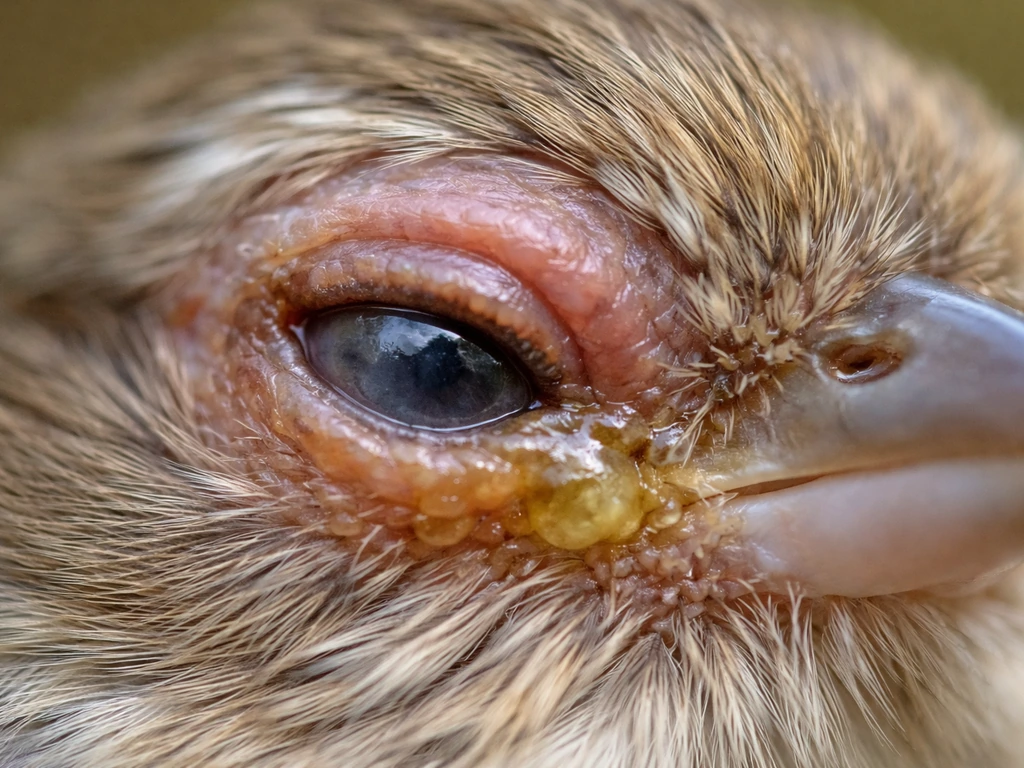
Signs of eye disease in birds
- Watery or mucoid discharge from one or both eyes
- Swollen, puffy eyelids that may swell completely shut
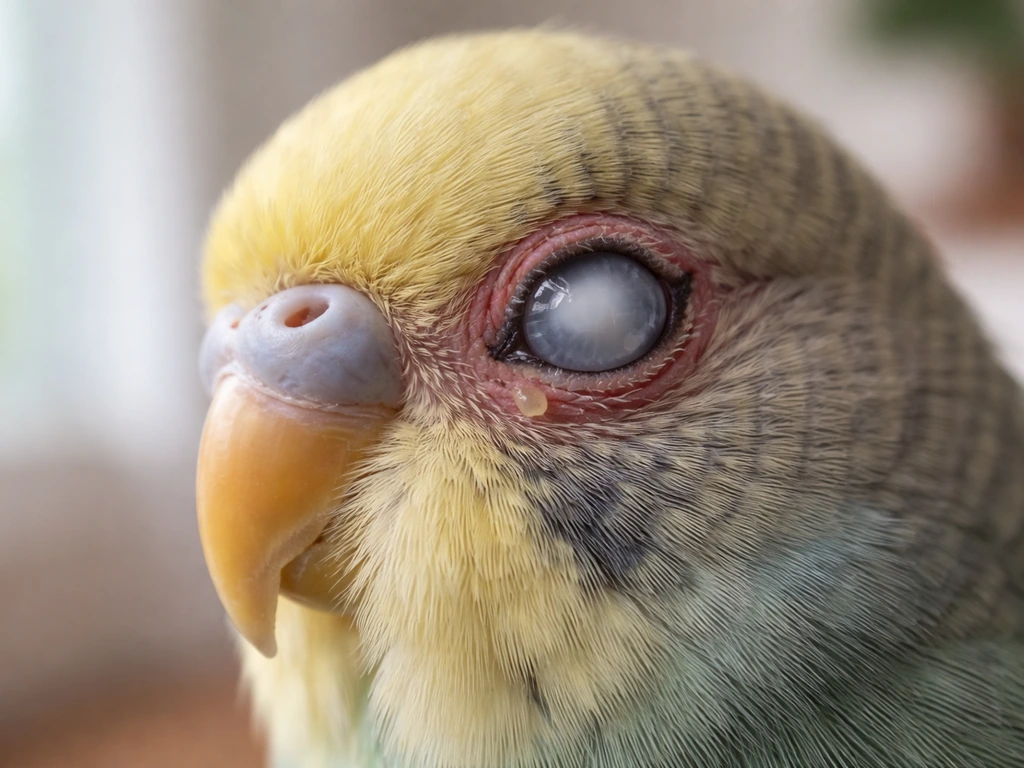
- Cloudiness or white haze over the cornea
- Crusting around the eye, especially after sleep
- Excessive blinking, squinting, or holding the eye closed
- Rubbing the eye against the perch or cage bars
- White spots or lesions near or around the eye
- Wart-like growths on the eyelid or face (suggests pox)
- Changes in behavior like bumping into objects or reluctance to move around
Symptoms in humans after bird exposure
For people who have handled sick birds, the main concern is psittacosis. Symptoms typically appear 5 to 14 days after exposure and include fever, chills, headache, muscle aches, and a dry cough. It's primarily a respiratory and flu-like illness, not an eye condition. However, if you've had direct contact with a bird's eye discharge and you develop any eye redness, irritation, or discharge of your own, that's worth mentioning to your doctor alongside the bird exposure history.
If that discharge is coming from a sick bird, the bird beak sign is seen in may also be present and should be assessed by a vet bird eye discharge. Anyone with these symptoms after handling sick birds should seek medical care promptly and tell their doctor about the bird contact.
How to tell these conditions apart
Distinguishing between these diseases at home is genuinely difficult, but there are some patterns that can point you in the right direction before your vet visit.
| Condition | Key eye signs | Other clues | Zoonotic risk |
|---|---|---|---|
| Mycoplasmal conjunctivitis | Red, swollen, may swell shut | Mostly in finches; spread via feeders | None (humans not susceptible) |
| Avian poxvirus | Crusty lesions around eyes, swelling | Wart-like growths on face/feet; insect exposure | Very low to humans |
| Psittacosis (Chlamydia psittaci) | Conjunctivitis + nasal discharge | Respiratory illness, lethargy; parrots/pigeons common hosts | Yes, significant zoonotic risk |
| Vitamin A deficiency | White spots near eye, corneal clouding | All-seed diet; mouth/sinus lesions too | None |
| Aspergillosis | Corneal lesion, cloudiness | Immunocompromised bird; respiratory signs often present | Low in healthy adults |
| Bacterial conjunctivitis | Discharge, swelling, redness | May follow injury or respiratory illness | Variable by organism |
Species matters too. A house finch with swollen red eyes at your feeder almost certainly has mycoplasmal conjunctivitis. A parrot with eye discharge and lethargy needs a psittacosis workup. A bird on a strict seed diet with cloudy eyes raises immediate suspicion for vitamin A deficiency. These patterns help your vet prioritize testing, but a proper diagnosis still needs laboratory confirmation.
What you can safely do right now at home
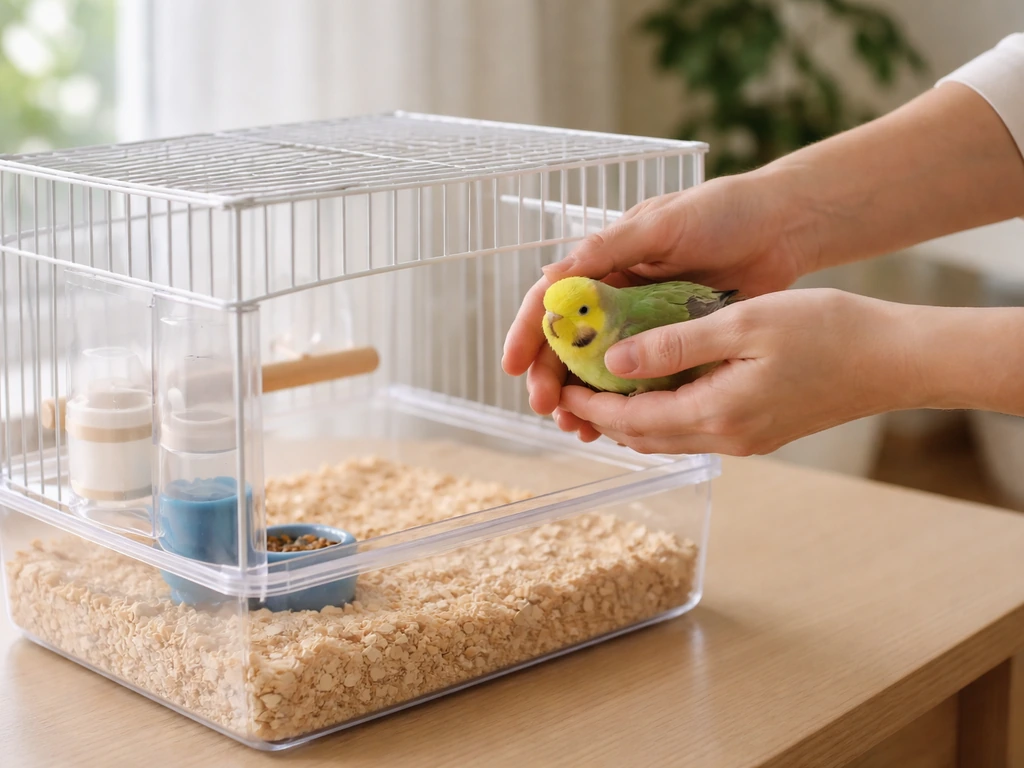
The most important first step is isolation. If you have multiple birds, separate the affected bird immediately to prevent spread. This is especially critical with mycoplasmal conjunctivitis, which spreads readily through ocular discharge and contaminated surfaces.
- Isolate the sick bird from other birds right away, using a separate cage in a different room if possible.
- Do not clean the cage floor before your vet visit. Your vet may want to assess the droppings and cage contents for clues about diet, irritants, or infection source.
- If there is visible crust around the eye, you can gently wipe it away with a clean, damp cotton pad using plain water. Do not use human eye drops, essential oils, or any over-the-counter eye products without vet guidance.
- Wash your hands thoroughly after any contact with the sick bird, its cage, or its droppings.
- If you suspect psittacosis (parrots, pigeons, recent new bird acquisition), avoid stirring up dry droppings or feather dust. Dampen surfaces before cleaning and wear a mask.
- Stop using shared feeders or water sources if wild birds are involved, and disinfect them before putting them back out.
- Note when you first noticed the symptoms and any recent changes (new bird, new food, cleaning products, drafts, other sick birds).
- Do not attempt to treat with leftover antibiotics or any medication not prescribed for this bird.
Do not delay calling your vet while doing these steps. These are parallel actions, not substitutes for professional evaluation.
What to expect at the vet
Bring your bird to the appointment in its own cage without cleaning it first. This gives the vet a much clearer picture of what the bird's environment actually looks like day to day.
A thorough eye exam is the starting point. The vet will look at the eyelids, the conjunctiva, the cornea, and the interior of the eye. Uveitis can be a sign of a broader disease process, so the underlying cause may require targeted testing beyond the surface eye findings. If there's any corneal haziness or injury suspected, they'll likely use fluorescein staining: a dye that blank" rel="noopener noreferrer">fluoresces bright green under cobalt blue or UV light at any site where the corneal surface is damaged. A normal cornea doesn't take up the stain, so any green uptake pinpoints an ulcer or abrasion precisely.
For infectious causes, the vet will likely take conjunctival swabs, and depending on the clinical picture, choanal (throat) and cloacal swabs as well. These can be sent for aerobic bacterial culture, PCR testing, or both. For psittacosis specifically, the preferred diagnostic approach combines serology with antigen detection, PCR, or culture from conjunctival, choanal, and cloacal swabs. If aspergillosis is on the differential, diagnosis requires demonstrating actual tissue invasion, not just finding fungal organisms.
The vet will also do a full physical exam to look for signs of systemic illness, respiratory problems, nutritional deficiencies, or trauma that might explain or accompany the eye symptoms. Uveitis findings on exam especially prompt a broader systemic workup. If the bird has been on a seed-only diet, blood work or dietary history may be enough to strongly support a vitamin A deficiency diagnosis.
Treatment, recovery, and long-term care
Treatment by condition
For bacterial conjunctivitis, your vet will prescribe topical ophthalmic antibiotics and possibly oral antibiotics depending on the severity and suspected organism. The specific drug matters because different bacteria respond to different antibiotics, which is why culture results guide treatment. For mycoplasmal conjunctivitis, oral and ophthalmic antibiotics are used, but it's worth knowing that birds can remain infected after treatment and the condition can be hard to fully clear, especially in wildlife rehabilitation contexts.
Avian pox has no direct antiviral treatment. Management is supportive: keep the bird comfortable, prevent secondary bacterial infections (with topical or systemic antibiotics when needed), and maintain good nutrition. Most mild cases do resolve, but the bird needs monitoring throughout.
Psittacosis is treated with doxycycline, typically for 45 days in birds. Some of the bird death causes are also linked to the same eye diseases and systemic infections that can start with eye symptoms. Supportive care, hydration, and nutritional support are also important. In humans, antibiotic treatment often produces noticeable clinical improvement within about 48 hours.
Vitamin A deficiency responds well to supplementation when caught early, but if the cornea has already been significantly damaged, that damage may be irreversible. This is why catching the white-spot stage early matters so much. Long-term, the fix is a diet that includes proper pellet-based nutrition or regular intake of vitamin-A-rich foods like leafy greens and orange vegetables.
Fungal keratitis from aspergillosis requires antifungal treatment, and addressing the underlying immunosuppression or environmental mold exposure is essential alongside direct treatment.
Recovery and prognosis
Recovery time depends heavily on the cause and how early treatment started. When bird population decline causes illnesses go untreated, outbreaks can worsen across flocks and habitats. A bird with early-stage bacterial conjunctivitis and prompt treatment has a good prognosis. A bird with advanced corneal ulceration, deep uveitis, or long-standing vitamin A deficiency that has destroyed the eye has a much harder road. Permanent damage is a real outcome when eye conditions go untreated, so the prognosis conversation with your vet should happen early and honestly.
For birds that do lose vision, especially in one eye, many adapt remarkably well. Familiar environments, consistent placement of food and water, and avoiding sudden rearrangements of the cage can help a partially or fully blind bird maintain a good quality of life.
Prevention and reducing risk for you and your birds
For pet bird owners
- Quarantine any new bird for at least 30 days before introducing it to existing birds, even if it appears healthy.
- Feed a nutritionally complete diet, ideally pellet-based with fresh vegetables, to prevent vitamin A deficiency and support immune health.
- Keep cages clean and well-ventilated. Aspergillus spores thrive in damp, poorly ventilated environments with contaminated substrate.
- Avoid aerosolizing droppings when cleaning: dampen surfaces before wiping, use gloves, and wash hands thoroughly afterward.
- If you have a parrot, cockatiel, pigeon, or other psittacine or columbid species, be aware of psittacosis risk. Tell your doctor you keep birds if you develop a flu-like illness, and mention any sick birds specifically.
- Watch for early eye symptoms and act within 24 hours rather than waiting to see if things improve on their own.
For wild bird watchers and feeder hosts
- Clean bird feeders and bird baths at least once a week with a 10% bleach solution, rinse thoroughly, and allow to dry completely before refilling.
- If you see finches or other birds with swollen red eyes at your feeder, take the feeder down for at least two weeks to discourage congregation and slow transmission of mycoplasmal conjunctivitis.
- Wear gloves when handling feeders, and wash hands after.
- Never handle a sick wild bird with bare hands. Use gloves, a towel, or a cardboard box. Contact a local wildlife rehabilitator for injured or ill wild birds.
- Avoid areas with large accumulations of bird droppings (roosts, pigeon-heavy sites) without wearing an N95 mask and gloves, particularly if you are immunocompromised.
A note on human eye risk specifically
The question of whether a bird disease can cause blindness in humans comes up often, and it deserves a direct answer. The honest answer is: it's rare, but indirect. Psittacosis, the main zoonotic bird disease, causes systemic illness, not direct eye blindness. However, if you have been handling a bird with active eye discharge and then touch your own eyes without washing your hands, there is a theoretical risk of conjunctival exposure.
The bigger danger is the systemic illness itself going unrecognized. If you've been exposed to sick birds and develop fever, headache, muscle aches, or respiratory symptoms within two weeks, see a doctor and mention the bird contact clearly. Early antibiotic treatment works well and the prognosis with treatment is good.
For a broader picture of what else can threaten birds' health and survival, some of the same infectious diseases and environmental stressors behind eye disease also contribute to wider avian health concerns, including feather problems and respiratory conditions that can affect bird populations over time. If you want to understand the causes of bird decline more broadly, it helps to see how these infections and environmental stressors affect survival, breeding, and long-term population health. These broader health issues are among the bird population decline causes that can reduce survival over time.
FAQ
If I see one eye partially closed or blinking a lot, do I wait to see if it improves after cleaning the cage?
No. Eye symptoms in birds can worsen fast, even if the bird seems “a little better” after cleaning. Call your vet and isolate the bird first, then avoid handling the eye or applying OTC drops, since some products can mask worsening corneal injury.
Can I use human eye drops or antibiotic ointment for my bird’s red eye?
Avoid it unless your vet instructs you. Birds can react badly to ingredients like preservatives, and some drops can interfere with diagnosing corneal ulcers or uveitis. If you cannot reach a vet immediately, keep the bird warm, reduce dust exposure, and document symptoms for the appointment.
My bird eats and seems active, but the eye looks cloudy. Does that still count as an emergency?
Cloudiness can be early corneal damage, not just irritation. If there is any haziness, discharge, or squinting, treat it as time-sensitive and arrange a same-day or next-day vet visit, because fluorescein staining and targeted treatment are most effective early.
How can I tell if the problem is contagious to other birds at home?
Look at timing and pattern of spread. Mycoplasmal conjunctivitis often spreads quickly through eye discharge and shared surfaces, so if multiple birds develop discharge or eyelid swelling around the same time, isolate immediately and ask the vet about swabbing multiple birds, not just the first affected one.
Should I disinfect bird feeders, water dishes, and the room air after a suspected infection?
Yes, but do it alongside isolation and vet care, not instead of them. Discard heavily contaminated items that are hard to scrub, wash non-porous dishes with an appropriate disinfectant (as advised by your vet or product label), and reduce aerosolized dust, since some contagious causes spread through contaminated surfaces.
If my bird was treated for conjunctivitis, how do I know it is fully cleared?
Symptoms can improve even when the bird remains a carrier in some conditions, especially mycoplasmal conjunctivitis. Ask your vet whether follow-up rechecks or repeat testing are recommended based on the species, severity, and whether you plan to reintroduce the bird to others.
Does uveitis always mean there is a serious whole-body illness?
Uveitis often suggests a systemic driver, but it can still originate from an eye-related problem. The key is that it needs prompt evaluation because the treatment plan may require testing beyond the surface eye, such as respiratory or gastrointestinal causes, depending on the bird’s history and exam findings.
For psittacosis, what should I do about my own health after bird exposure, especially if my bird had eye discharge?
If you develop fever, headache, muscle aches, or a dry cough within about two weeks of handling sick birds, contact a clinician and describe the bird exposure clearly. Eye-only irritation without systemic symptoms is usually less concerning, but tell the doctor about any eye discharge exposure and what type of bird you handled.
Is it safe to keep handling a bird that has eye crusting while waiting for the vet appointment?
Generally, no. Limit handling to what is necessary for transport, wash hands thoroughly, and avoid touching your face. Use separate towels or gloves for the sick bird, since eye discharge and crust can contaminate hands and surfaces.
Can vitamin A deficiency be caused by anything besides a seed-only diet?
Yes. While seed-only diets are a major risk, problems absorbing or storing nutrients, prolonged illness, or inconsistent nutrition can contribute. If your bird is not truly seed-only, ask the vet about broader causes and whether lab work or dietary history is needed to confirm vitamin A deficiency.
If the vet suspects fungal keratitis, why isn’t the diagnosis based only on seeing fungi in a sample?
Because finding fungal organisms does not always prove tissue invasion. Diagnosis may require evidence that the fungus is actually invading corneal tissue, and that can influence both urgency and whether antifungal therapy is appropriate.
What is the biggest mistake people make when their bird has a suspected eye disease?
The most common error is waiting too long before veterinary assessment, especially when discharge or redness seems mild. Another frequent mistake is self-treating with human products or continuing exposure to the same contaminated environment, both of which can delay effective care.
If my bird loses vision in one eye, will it adapt, and what should I change in the cage right away?
Many birds adapt well if the environment stays consistent. Avoid moving perches, food, or water locations suddenly, keep pathways familiar, and consider placing bowls at the bird’s reachable height, since a compromised bird may not correct positioning quickly while it learns its new visual field.
Next Article
Bird Beak Appearance: Which Diseases Cause Common Changes
Match bird beak changes like discoloration, sores, swelling, gaps, discharge to likely diseases and get triage steps.