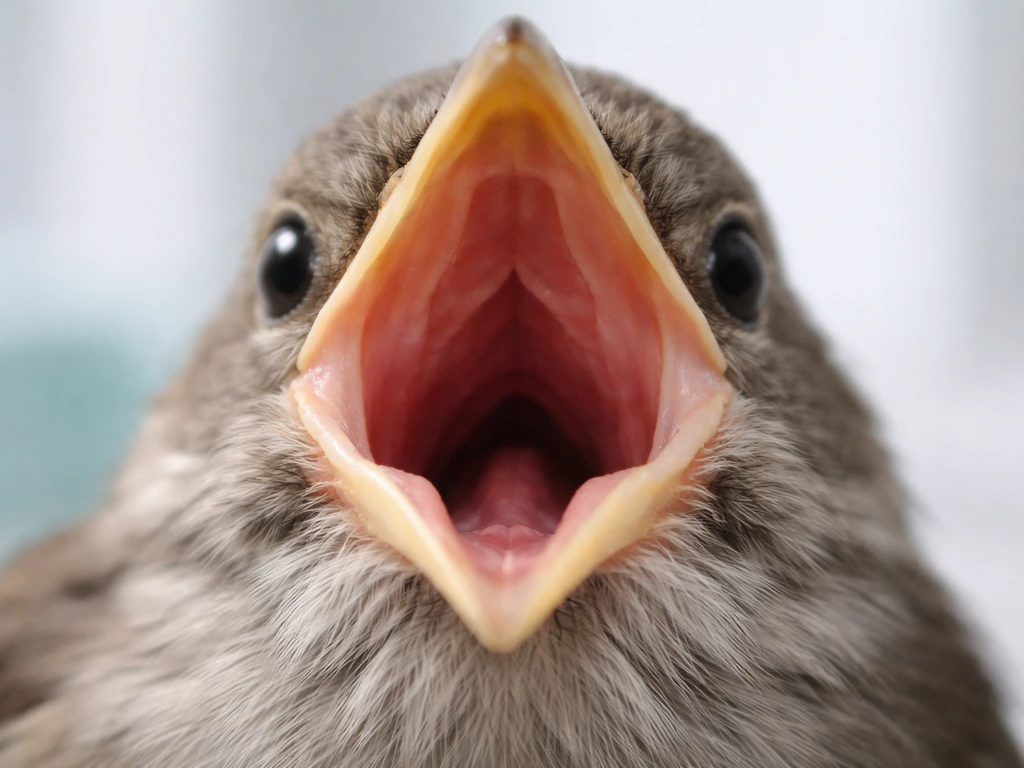
If your bird's crop is swollen, not emptying, smells sour, or your bird keeps regurgitating, you need to act today. Most mild crop slowdowns can be managed at home with feeding adjustments and close monitoring, but some crop problems move fast and need an avian vet within hours. This guide will walk you through recognizing what's actually wrong, what to safely do right now, and the specific red flags that mean you stop waiting and call a vet.
Bird Crop Problems: Symptoms, Causes, and Safe Home Care

Marcus Webb
10 Jun 2026
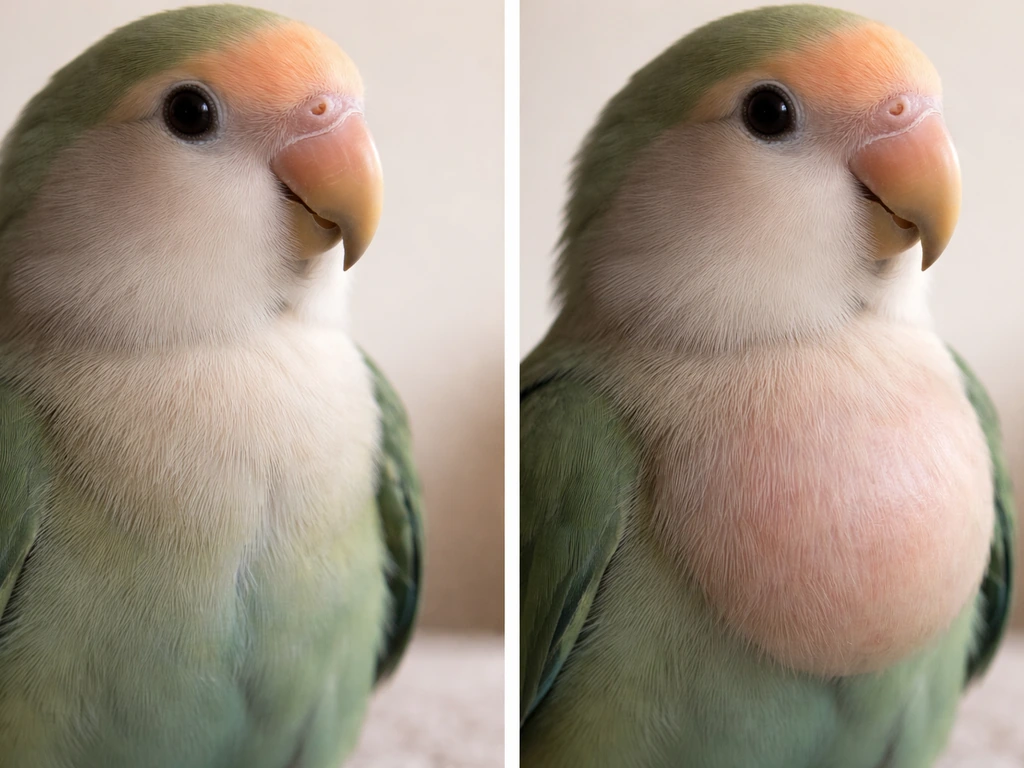
What the crop does and why it causes so many problems
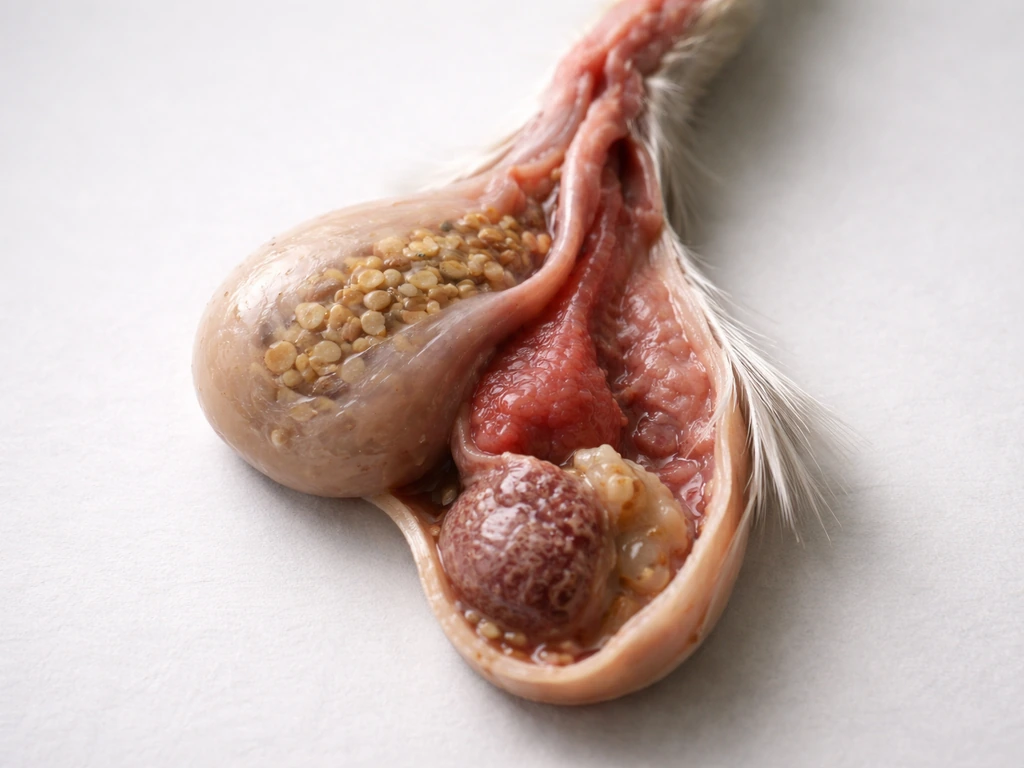
The crop is a pouch in the neck area that temporarily stores food after swallowing and begins early digestion before that food moves down to the proventriculus and gizzard. When the crop empties, your bird feels hunger and signals it wants to eat again. That's why crop-emptying time is such a useful health marker, especially in hand-fed baby birds.
The most common crop problems you'll encounter are: crop stasis (the crop stops or slows emptying), impaction (material is physically stuck and won't pass), sour crop (fermentation from delayed emptying, usually with microbial overgrowth), crop inflammation or irritation from burns or infection, and regurgitation with or without crop retention. These aren't always separate conditions. A bird can have delayed emptying that leads to yeast overgrowth that causes regurgitation, all at the same time.
Recognizing crop problems and telling them apart from other conditions
The clearest sign of a crop problem is a crop that stays visibly full and doesn't shrink down between feedings. In a healthy bird, the crop should feel soft and pliable when gently pressed, almost like a soft water balloon. An impacted or stasis crop feels firmer, more packed, and stays that way for hours. A good practical rule for baby birds: if the crop hasn't emptied within 6 hours of the last feeding, that's a problem worth acting on.
Other symptoms that point to a crop issue include regurgitation of partially digested food or liquid, a sour or yeasty odor coming from the beak or crop area, reduced appetite or complete refusal to eat, lethargy or unusual quietness, weight loss over days, and abnormal droppings. Early recognition of subtle crop stasis and regurgitation signs can help determine how urgent the workup needs to be blank" rel="noopener noreferrer">regurgitation of partially digested food or liquid. In some cases you'll notice reddened or wrinkled skin over the crop, which can indicate burn or serious inflammation.
Here's where it gets tricky: some respiratory conditions in birds produce symptoms that look similar to crop problems. If a bird has difficulty swallowing or abnormal pressure around the beak and throat, esophageal or airway involvement may be part of the problem and should be evaluated by an avian vet crop problems.
A bird with a respiratory issue may bob its tail, breathe with an open mouth, or make clicking sounds, but it won't typically show crop distension or sour odor. Crop stasis with regurgitation can also cause aspiration, which then creates a secondary respiratory problem. Bird population decline causes can increase stress and disease risks for wild birds, so preventing and treating crop problems promptly matters for conservation too Crop stasis.
If you're seeing both crop distension AND breathing difficulty at the same time, that's a genuine emergency. Bird feather problems and general GI disease can also show overlapping signs like lethargy and weight loss, so focusing on the crop itself, checking whether it's emptying, is your clearest diagnostic starting point.
What's actually causing it: the main culprits
Feeding and handling errors
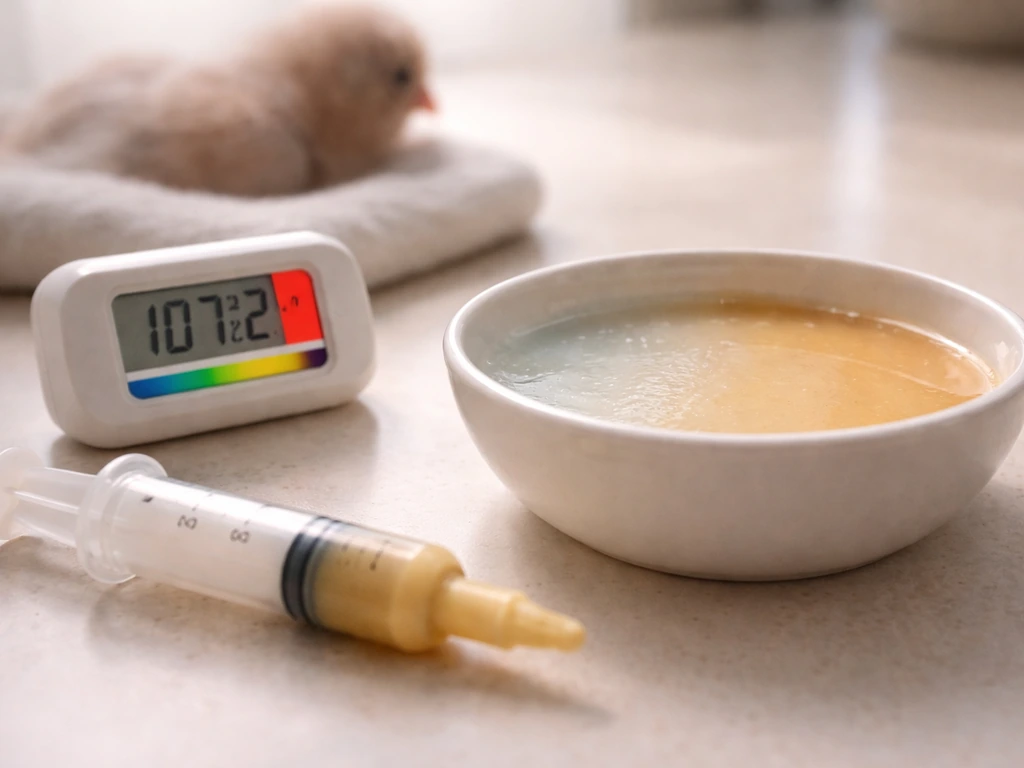
This is the most common cause in hand-fed baby birds. Feeding formula that's too cold slows crop motility and can trigger stasis. Formula that's too hot, above 43°C (110°F), can cause crop burns, which cause scarring and emptying problems. The recommended safe temperature range for hand-feeding formula is 102°F to 106°F (about 39°C to 41°C) throughout the entire mixture, not just on the surface. Overfeeding, wrong formula consistency, and feeding before the crop has emptied from the previous meal are also frequent triggers.
Yeast and bacterial infection
Candidiasis (a yeast infection, sometimes called thrush) is one of the most common infectious causes of crop stasis in pet birds, especially young or immunocompromised birds. It causes delayed crop emptying, regurgitation, poor appetite, and sometimes white plaques visible in the mouth or throat. If you see white patches inside the mouth along with crop problems, infectious disease is high on the list.
A bird disease that causes blindness can also be part of infectious problems, so the safest next step is veterinary testing rather than waiting infectious disease is high on the list. Candida can also spread beyond the crop into the intestines or, less commonly, further, so it's not something to wait out. Bacterial overgrowth producing a similar picture, and in small birds like budgerigars, cockatiels, and finches, Macrorhabdus (avian gastric yeast) is another infectious consideration.
Foreign material and physical impaction
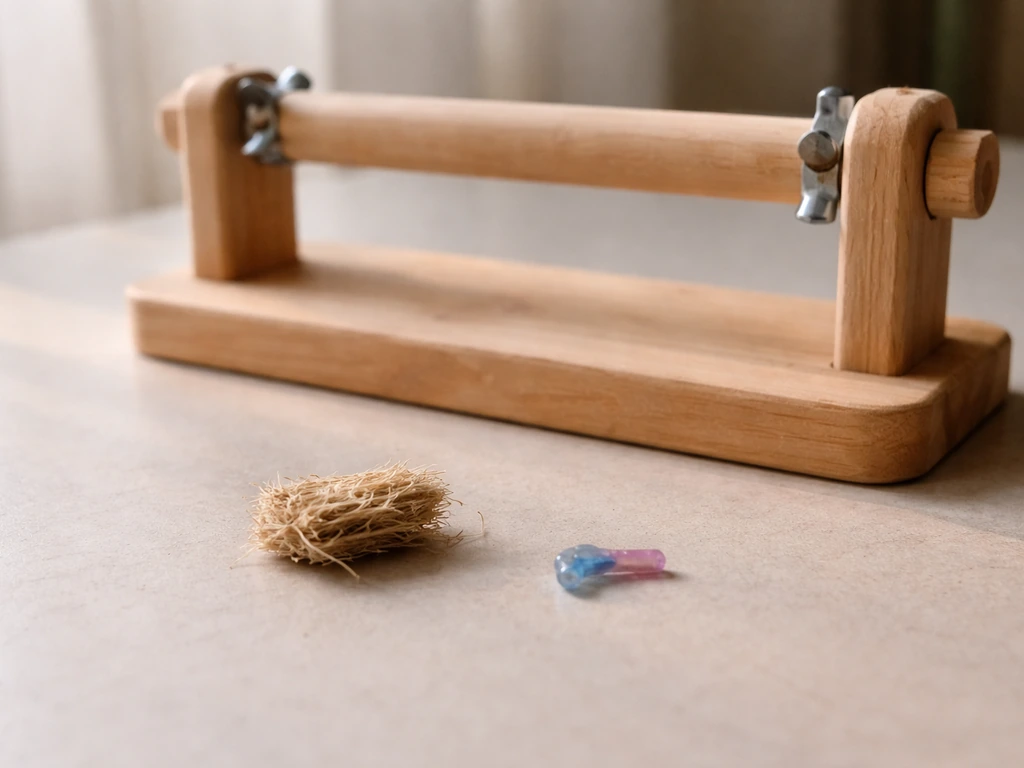
Birds, especially curious parrots and young birds exploring their environment, sometimes swallow bedding, substrate, toy parts, feathers, or large chunks of fibrous food that physically block the crop. The crop feels hard and stays hard. This kind of impaction doesn't resolve on its own and needs veterinary attention.
Parasites, viruses, and stress
Protozoal infections (like Trichomonas) can affect the upper GI tract and cause regurgitation and crop retention. Certain avian viruses, including Bornavirus-related disease, have also been linked to crop stasis as part of a broader neurological and GI illness. Stress from environmental changes, handling, or illness elsewhere in the body can slow gut motility and contribute to crop slowdown. Wild birds face higher exposure to parasites and environmental pathogens compared to pet birds kept indoors, so if you're caring for a wild bird, infectious causes move up the probability list.
Home assessment: what to check first
Before you do anything else, observe your bird quietly for a few minutes without handling. Note whether the crop looks visibly enlarged, whether your bird is alert or droopy, whether it's breathing normally, and whether droppings look normal. This gives you a baseline before you start touching anything.
Then, very gently, feel the crop with a fingertip. You're checking whether it feels soft and pliable, doughy and fluid-filled, or firm and packed. Note the time and check again in 2 to 3 hours. If the crop has clearly reduced in size, the emptying process is working. If it hasn't changed or has gotten worse, that tells you something meaningful.
Check the beak area and if safe to do, the inside of the mouth, for any white patches, unusual discharge, or smell. Sour or fermented odor coming from the beak is a significant finding. Look at the droppings: watery, absent, or very discolored droppings alongside crop issues point to a systemic problem, not just a slow meal.
What not to do at home
- Do not attempt to flush or irrigate the crop yourself. This can cause aspiration and serious harm.
- Do not forcefully massage a firm or packed crop. You can rupture it.
- Do not force-feed a bird that is regurgitating. Aspiration pneumonia is a real risk.
- Do not give human antifungals, antibiotics, or other medications without veterinary guidance.
- Do not delay seeking care if red flags are present, thinking it will resolve overnight.
Interim care and feeding adjustments for mild cases
If your bird is alert, the crop is soft (not hard or foul-smelling), and the issue appears to be a mild slowdown rather than complete stasis or impaction, these steps are reasonable while you monitor closely.
- Pause the next feeding if the crop hasn't emptied from the last one. Do not feed on a fixed clock schedule. Feed only when the crop is at or near empty.
- For hand-fed baby birds, double-check your formula temperature with a thermometer before every feeding. It must be 102°F to 106°F (39°C to 41°C) throughout, not just on the surface or edges.
- Check your formula consistency. It should not be too thick or too thin. Follow the manufacturer's mixing ratio exactly.
- Ensure the brooder temperature and humidity are appropriate for the species and age. Cold environments slow crop emptying.
- Offer small amounts of warm water or oral electrolyte solution to support hydration, especially if droppings look dry or scant. Do not force fluids.
- Keep the bird warm and minimize stress. A stressed bird digests more slowly.
- Monitor every 2 to 3 hours. Write down crop size, firmness, feeding times, and droppings. This log will be valuable if you need to call a vet.
- Watch for any escalation of symptoms. Mild cases that are genuinely mild will show some improvement within a few hours of appropriate management.
For adult pet birds with a slow crop, skip one feeding and offer small amounts of easily digestible food rather than your usual large portion. Wet or softened food moves through more easily than dry seed or hard pellets. If your bird normally eats a mixed diet, lean toward softer components temporarily.
When to call an avian vet: red flags and urgency levels
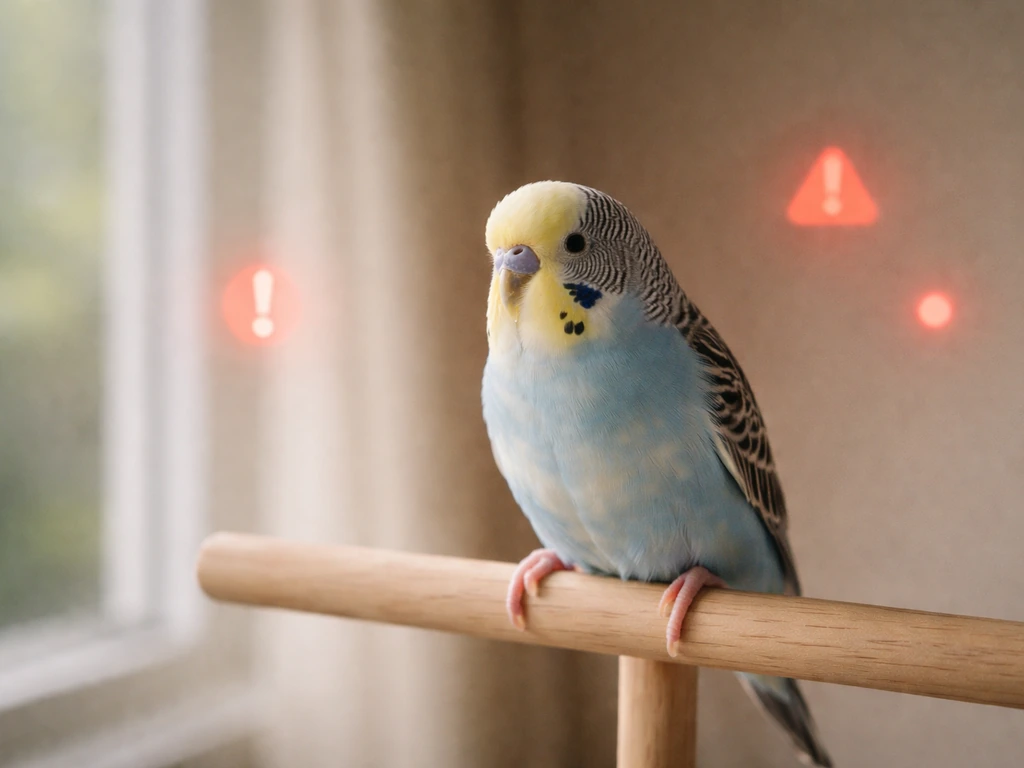
Some crop problems need a vet today, not in a few days. If you're seeing any of the following, stop home management and contact an avian vet or emergency bird clinic now.
- The crop is hard, firm, or feels packed and has not changed in 4 to 6 hours
- A sour, yeasty, or foul smell is coming from the beak or crop
- Your bird is regurgitating repeatedly, especially if material looks discolored, has an odor, or contains blood
- White plaques are visible in the mouth or throat
- The crop is visibly ballooned or the skin over it looks red, raw, or wrinkled
- Your bird is having any trouble breathing, breathing with open mouth, or tail-bobbing
- Extreme lethargy, inability to perch, or collapse
- Rapid or noticeable weight loss over 1 to 2 days
- Complete refusal to eat combined with crop distension
- A baby bird whose crop has not emptied at all within 6 hours of the last feeding
When you call, be ready to describe the crop firmness, smell, how long it's been full, your feeding schedule, what the bird ate last, and current droppings. That information helps the vet triage urgency over the phone.
At the clinic, expect the vet to perform a physical exam and likely take a crop or fecal sample for cytology and bacterial or fungal culture. These tests identify whether you're dealing with candidiasis, bacterial overgrowth, or a mechanical problem, and they directly change the treatment. In more serious cases, IV or subcutaneous fluids, crop lavage under safe conditions, antifungal medication (like nystatin for candidiasis), or antibiotics may be needed. Hospitalization may be required for critically ill birds.
Prevention and keeping crop problems from coming back
For hand-fed baby birds
Always verify formula temperature with a thermometer, every single feeding. Never eyeball it. Feed based on crop-emptying status, not a fixed time interval. Keep feeding equipment scrupulously clean: bacteria and yeast grow fast in warm formula residue. Mix fresh formula for each feeding and don't reheat leftovers. Make sure brooder temperature and humidity are appropriate for the species and developmental stage, because a cold chick has a slow crop almost by default.
For adult pet birds
Feed a species-appropriate, balanced diet. Relying heavily on seed-only diets can contribute to nutritional deficiencies that affect gut health. Offer appropriate portions rather than unlimited access to dense foods. Keep food and water dishes clean daily. If your bird has had a yeast-related crop problem before, discuss probiotic or dietary support with your avian vet as an ongoing measure.
Get to know your individual bird's normal crop-emptying pattern. Some species and older birds empty more slowly than young, rapidly growing chicks, and that's fine as long as it's consistent for them. Deviations from their personal baseline are more meaningful than comparing to a generic species standard.
For wild birds in your care
Wild birds being rehabbed or temporarily cared for have higher infectious disease exposure and different nutritional needs than pet birds. Follow species-specific wildlife care guidelines for feeding schedules and food types. When in doubt, contact a licensed wildlife rehabilitator rather than improvising. Crop stasis in a wild bird chick is not a situation to troubleshoot alone.
Routine monitoring habits that catch problems early
| What to check | How often | What you're looking for |
|---|---|---|
| Crop fullness and firmness | Every feeding cycle (before each meal) | Soft, decreasing in size between feeds |
| Beak and mouth appearance | Daily | No white patches, no odor, no discharge |
| Droppings | Daily | Normal color, consistent volume, no watery urates only |
| Body weight (baby birds) | Daily | Steady gain, no sudden drops |
| Behavior and alertness | Throughout the day | Active, responsive, normal vocalizations |
| Food intake and appetite | Every feeding | Eating eagerly, not refusing food |
Catching a crop problem at the first sign of slowing, rather than after it's been a full day of stasis, makes a real difference in how easy it is to resolve. Most birds that get prompt attention for crop issues recover completely. The ones that don't tend to be cases where the problem was obvious for a while before anyone acted. If something feels off about your bird's crop today, trust that instinct and move through this assessment now.
FAQ
How can I tell the difference between normal crop fullness and bird crop problems in a hand-fed baby?
Use timing plus feel. Normal fullness should soften and decrease between meals. If the crop remains visibly enlarged and feels firm or packed at the next check (for example, it has not noticeably shrunk within about 2 to 3 hours, or it has not emptied by your usual baseline), that points to crop stasis or impaction rather than a normal slow digestion cycle.
What should I do if my bird regurgitates but the crop still seems soft and not foul-smelling?
Regurgitation can still be a sign of delayed emptying, but if the crop is soft and not sour, treat it as “possible early slowdown.” Stop feeding for that moment, reassess breathing and droppings, and check crop change after 2 to 3 hours rather than pushing more volume right away. If regurgitation repeats or breathing changes, seek urgent avian guidance.
Can I massage the crop to help it empty faster?
In most home situations, avoid forceful massage. Gentle external handling can be uncomfortable and, if impaction is present, can worsen discomfort or aspiration risk. The safer approach is to monitor softness and size changes, adjust feeding only if the bird is otherwise stable, and call an avian vet when the crop is not shrinking or starts to smell sour.
Is it safe to give water or extra fluids during bird crop problems?
Only offer water in the usual way if your bird is alert and swallowing normally. Do not syringe fluids or try to “flush” the crop, especially if there has been regurgitation or any signs of coughing, tail bobbing, open-mouth breathing, or abnormal throat pressure, because aspiration can turn a GI problem into a respiratory emergency.
What if I suspect overfeeding, should I just reduce the next meal or stop feeding entirely?
For a mild slowdown in an adult bird that is alert and has a soft crop, skipping one feeding and offering a small amount of easily digestible food is reasonable. If the crop is full and not reducing in size over the next few hours, or it feels firm, packed, or foul, feeding less can delay care, so switch to veterinary contact rather than trying multiple “smaller meals.”
How do I check formula temperature correctly for bird crop problems prevention?
Use a thermometer for every feeding, and confirm the temperature of the fully mixed formula, not just the surface. Stir thoroughly, recheck before pouring, and discard leftovers. Warmth outside the safe range can either slow motility (too cold) or injure the crop lining (too hot), increasing the chance of stasis or burns.
My bird has white patches in the mouth, does that always mean Candida (thrush)?
White patches strongly suggest an infectious process, but they are not a diagnosis by themselves. Yeast, bacterial overgrowth, and other causes can produce mouth lesions, so the practical next step is veterinary cytology or culture to confirm what organism is present and choose the correct medication.
When does crop stasis become urgent enough to go to an emergency avian clinic?
Treat it as urgent when the crop stays full with little or no shrinkage between checks, when there is a sour or fermented odor, repeated regurgitation, lethargy, absent or abnormal droppings, a firm packed crop that persists, or any breathing difficulty at the same time. If crop distension plus breathing changes happen together, don’t wait for routine hours.
What droppings changes are most concerning alongside bird crop problems?
Watery, absent, or severely discolored droppings alongside crop fullness, sour odor, or regurgitation suggest a systemic problem rather than a single slow meal. Also note whether droppings stop entirely, because reduced output plus a full crop increases the likelihood of stasis with complications and warrants prompt veterinary evaluation.
Could something in the environment be causing bird crop problems, like bedding or toy parts?
Yes, physical obstruction is possible. If you suspect your bird may have swallowed bedding, feathers, fibrous material, or toy fragments, focus on what the crop feels like (hard and staying hard) and how quickly symptoms appeared. A physically stuck crop typically does not resolve with diet tweaks, so contact a vet rather than trying home feeding adjustments.
Does cleaning feeding tools and changing diet really matter if my bird already has crop stasis?
It matters both for treatment support and for preventing recurrence. Warm formula residue and contaminated equipment can promote yeast and bacterial overgrowth, so start fresh mixing for each feeding and clean thoroughly. Also, if your bird relied heavily on seed-only nutrition, veterinary-guided diet correction can improve gut resilience and reduce future episodes.
If I’m caring for a wild bird with crop distension, what is the safest next step?
Do not try to troubleshoot it alone. Wild birds have higher infectious and parasite exposure and may need species-specific feeding plans. Contact a licensed wildlife rehabilitator promptly, and if there is breathing difficulty or repeated regurgitation with a full crop, treat it as an emergency.
Next Article
Bird Beak and Esophagus Causes: What It Means and Next Steps
Learn bird beak and esophagus causes, how to tell swallowing trouble from breathing issues, and urgent next steps.