If your bird is having trouble swallowing, regurgitating food, drooling, or showing discomfort around the beak and throat, the most likely causes are infection (especially trichomonosis or candidiasis), a crop or esophageal blockage, or physical injury to the beak or mouth. These problems can look similar to each other and sometimes even mimic respiratory distress, which is why sorting them out quickly matters. This guide walks you through what's probably happening, how to tell esophageal trouble apart from a breathing problem, and exactly what to do next. If you’re seeing signs tied to bird feather problems alongside swallowing issues, it’s worth mentioning them too so the vet can check for underlying infections or inflammation. Many of the same factors that cause beak and swallowing issues, like infections, poor nutrition, and unsafe conditions, can also contribute to the broader causes of bird decline.
Bird Beak and Esophagus Causes: What It Means and Next Steps

What beak and esophagus problems actually look like
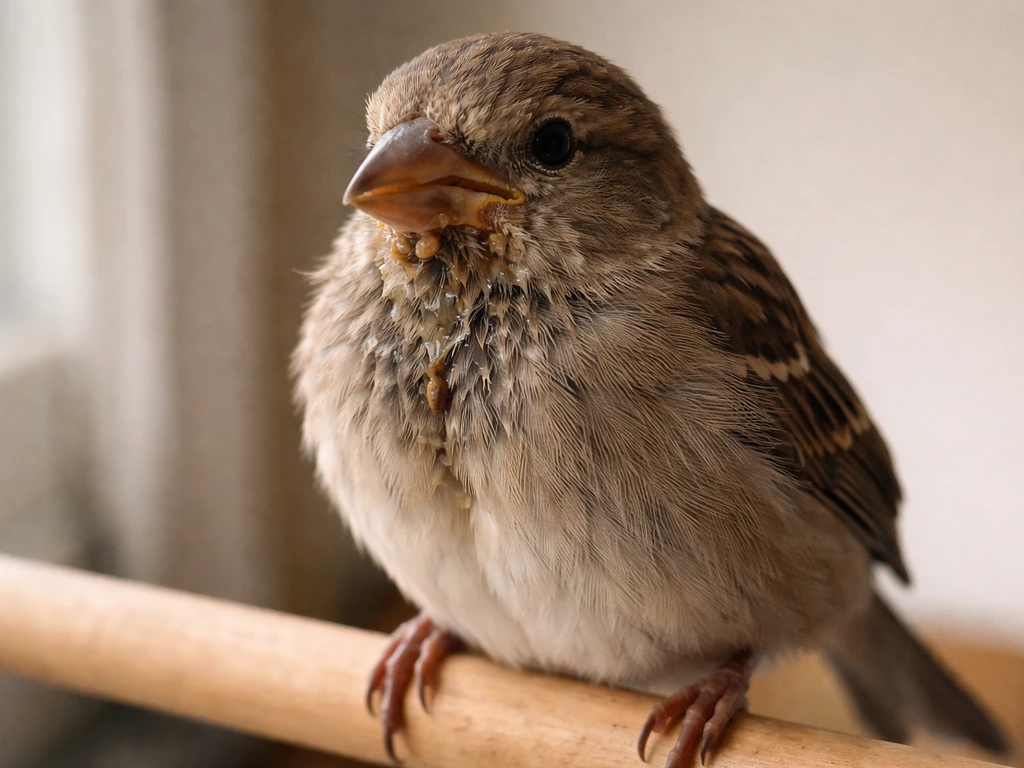
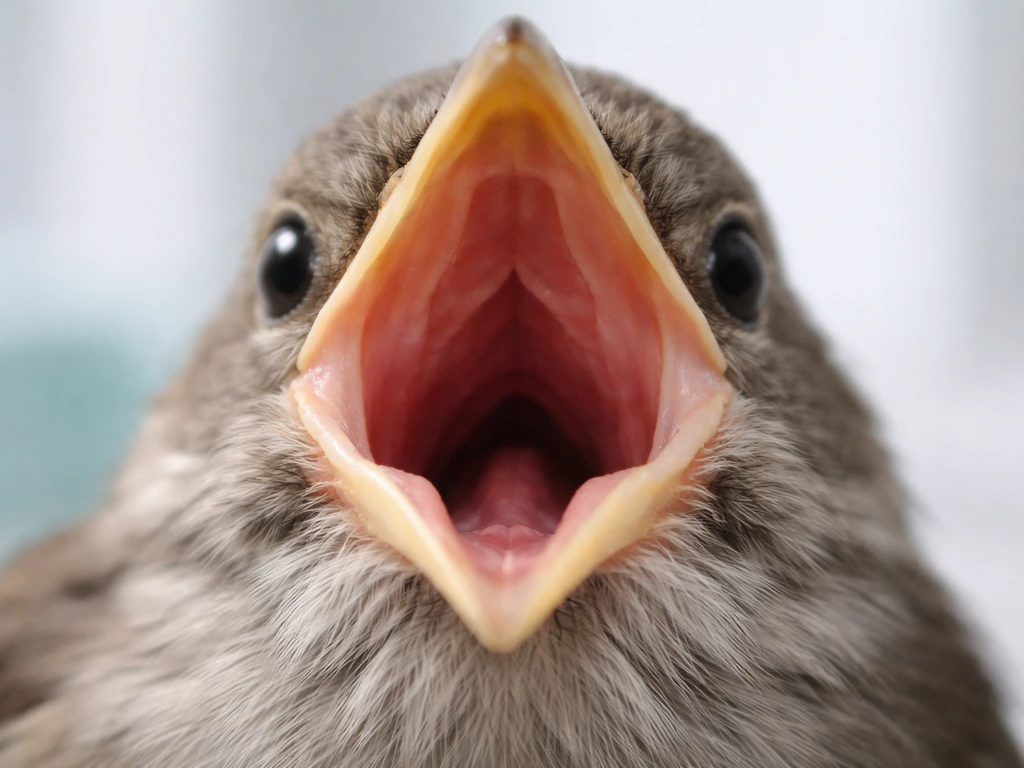
The signs are easy to miss or misread because birds hide illness well. What you're most likely to notice first is food coming back up, wet feathers around the beak from drooling or regurgitation, a reluctance to eat, or the bird repeatedly stretching and bobbing its neck as if trying to clear something stuck. You might see the bird opening its beak wider than normal, as if gagging or struggling to swallow.
In cases involving infections like trichomonosis, you may actually be able to see the problem: yellowish-white, cheese-like masses inside the mouth or throat. Mass.gov notes that diagnosis of avian trichomonosis is based on clinical signs and the presence of yellow-white, cheese-like masses in the mouth and esophagus, with lab identification by microscopy or PCR blank" rel="noopener noreferrer">yellowish-white, cheese-like masses inside the mouth or throat. In trichomonosis and candidiasis, changes in the bird’s beak and mouth appearance often reflect the underlying infection bird beak appearance in which disease. These blank" rel="noopener noreferrer">lesions can grow large enough to prevent the bird from fully closing its beak or to completely block the esophagus. That's a medical emergency. The bird beak sign is seen in cases where the beak and throat area is involved, so it can help clue you in to the cause. With candidiasis (a yeast infection), the mouth can develop white patches or ulcers that make swallowing painful. With a crop problem, you might notice the crop area looking distended or feeling doughy and not emptying after several hours.
Regurgitation in birds specifically means the crop contracts and forces food back up through the esophagus and out the beak. It's distinct from vomiting, which involves the stomach. Both are signs that something is wrong and neither should be dismissed as normal, unless you know your bird is deliberately regurgitating food as a bonding behavior toward you or a toy, which is a normal (if sometimes inconvenient) behavior in parrots.
Common causes that start at the beak and mouth
Not every swallowing problem starts in the esophagus. Sometimes the issue begins right at the beak or inside the mouth, and then disrupts the bird's ability to eat and swallow properly.
- Avian trichomonosis: A parasitic infection caused by Trichomonas gallinae that targets the mouth, throat, and esophagus. It produces those distinctive yellow-white cheese-like masses. It's common in pigeons, doves, raptors, and increasingly documented in finches and other species. The masses can grow fast and block the esophagus entirely.
- Oral candidiasis: A yeast overgrowth (Candida albicans) that creates white plaques and ulcers in the mouth and extends into the esophagus. Signs include poor appetite, weight loss, lethargy, and regurgitation. It's more common in young birds or immunocompromised individuals.
- Beak injury or trauma: Cracks, fractures, or misalignment of the beak from impact, fighting, or accidents can make eating and swallowing mechanically difficult or painful. Even a small chip near the tip can change how a bird grasps and manipulates food.
- Oral abscesses or stomatitis: Bacterial infections inside the mouth cause swelling, pain, and sometimes visible pus. Affected birds may approach food and then pull back, suggesting it hurts to bite or swallow.
- Capillariasis (threadworm infection): These tiny worms can infect the mucous membranes of the mouth and esophagus, causing irritation and difficulty swallowing, particularly in outdoor birds with access to soil or wild bird droppings.
Esophagus-specific causes: blockage, inflammation, infection, and reflux
Once you move past the mouth and into the esophagus and crop, the list of causes shifts a bit. These problems are often harder to see from the outside, so you're working more from behavioral signs.
Esophageal or crop obstruction
A bird that swallows a foreign object, a piece of food that's too large, or stringy material can develop a physical blockage. Signs include regurgitation of solid food, neck stretching, gagging motions, and obvious distress around mealtime. Bird death causes can include untreated obstructions, severe infections, and aspiration complications from swallowing trouble. The longer the obstruction sits, the higher the risk of permanent tissue damage. This is a situation where getting to a vet the same day matters.
Crop stasis
Crop stasis means the crop has stopped emptying at a normal rate. The crop feels full or doughy hours after a meal. In mild cases the bird may still act fairly normal; in severe cases you'll see repeated regurgitation, weakness, and a visibly distended crop. Aspiration (inhaling regurgitated material into the airway) is a real risk with severe crop stasis, and that can quickly become a respiratory emergency on top of a GI problem.
Esophagitis and strictures
Inflammation of the esophagus (esophagitis) can develop from infections (trichomonosis, candidiasis, or worm parasites), thermal burns from hot food, caustic material ingestion, trauma from improper tube feeding, or as a complication after a foreign body is removed. Chronic esophagitis can lead to a stricture, meaning scar tissue narrows the esophageal passage and makes swallowing chronically difficult. A bird with a stricture will often lose weight gradually and struggle to pass normal-sized food pieces.
Proventricular or reflux-related signs
Proventricular dilatation disease (PDD) is a neurological condition affecting parrots that disrupts the normal muscular movement of the GI tract, leading to chronic regurgitation and weight loss even when the bird is eating. It's less of a pure esophageal disease and more of a motility disorder, but from the outside it can look identical to an esophageal blockage or infection.
Respiratory distress vs swallowing trouble: how to tell them apart
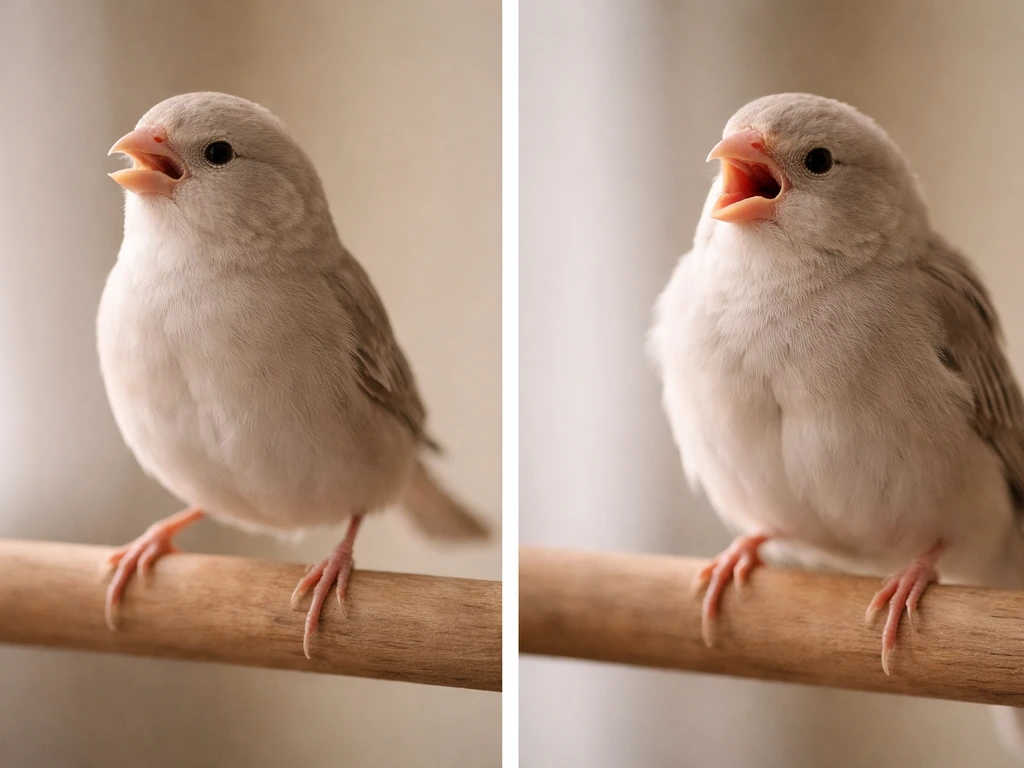
This is where a lot of owners get understandably confused. A bird struggling to swallow and a bird struggling to breathe can both sit with their beak open, bob their tails, and look distressed. Knowing the difference helps you describe what you're seeing accurately to the vet and can affect how urgently you need to move.
| Sign | More likely swallowing/GI problem | More likely respiratory problem |
|---|---|---|
| Beak open | Gagging, trying to move food, often around mealtimes | Persistent open-mouth breathing at rest, not related to eating |
| Neck movement | Stretching or bobbing while trying to swallow | Neck stretched upward continuously, even between meals |
| Sounds | Wet/gurgling sounds near the throat; food/liquid visible | Wheezing, clicking, or squeaking with each breath |
| Tail movement | May be absent or mild | Tail bobs with every breath, consistent and rhythmic |
| Feather condition | Wet around beak and chin from drooling or regurgitation | Feathers fluffed all over, not just around beak |
| Timing | Worse during or after eating | Continuous regardless of eating |
| Crop | May be distended, doughy, or visibly full | Usually normal feel |
| Discharge visible | Food material or mucus from beak/mouth | Clear or colored discharge from nares (nostrils) |
One important overlap: if a bird regurgitates and inhales some of that material into the trachea, it can develop aspiration pneumonia. At that point you have both a GI problem and a respiratory emergency at the same time. Some infections that affect the mouth and throat, including the bird disease that causes blindness, can create serious lesions and make swallowing difficult. Any bird showing heavy open-mouth breathing plus regurgitation should be treated as urgent, not a wait-and-see situation.
Red flags that mean go to the vet today
Some signs mean you should stop reading, call an avian vet, and get moving. Don't try to manage these at home.
- Open-mouth breathing that continues at rest, not just during eating
- Tail bobbing with every breath (this means the bird is working hard to breathe)
- Visible yellow-white masses or plaques inside the mouth or throat
- Bird cannot close its beak at all
- Repeated regurgitation with weakness, cold feeling to the touch, or inability to rouse normally
- Crop visibly distended and not emptying after many hours
- Gagging or choking motions without producing anything
- Rapid or visible deterioration over a few hours
- Noisy breathing with wheezing, clicking, or rattling sounds
- Blood around the beak, mouth, or in regurgitated material
- Complete refusal to eat for more than 24 hours in a small bird
Birds have very fast metabolisms and can decline quickly. At a population level, bird population decline causes often include habitat loss, pollution, and disease pressure that can mirror issues seen in individual birds. A sign that looked mild this morning can become life-threatening by evening, especially in small species. If you're on the fence, call the vet and describe what you're seeing. They can help you triage over the phone.
What you can safely do at home while you arrange care

Home care for beak and esophageal problems is genuinely limited, and that's okay. Your main job right now is to keep the bird stable and avoid making things worse while you get to a vet.
- Keep the bird warm. A temperature around 85 to 90°F (29 to 32°C) is appropriate for a sick bird. Use a heating pad on low under half the cage or a heat lamp positioned to one side so the bird can move away if it gets too warm.
- Reduce stress. Move the cage to a quiet, low-traffic area. Cover three sides of the cage. Minimize handling. A stressed bird uses more energy and can deteriorate faster.
- Offer easily accessible soft food and fresh water, but don't force the bird to eat. If the esophagus is blocked or inflamed, forced feeding can cause aspiration or worsen an existing injury.
- Note everything you observe: when symptoms started, what the bird ate and when, whether the crop feels normal, what the regurgitated material looks like, and any sounds you hear. This information is genuinely useful to the vet.
- Do not attempt to clear a blockage yourself by squeezing the crop or throat area. Do not give over-the-counter antifungals, antibiotics, or parasite treatments without a diagnosis. Giving the wrong medication wastes time and can interfere with test results.
- Do not attempt a Heimlich-style maneuver. In birds, this can cause serious injury and is not an appropriate first aid step.
- Do not give food or liquids by syringe unless you are an experienced bird keeper who has done this safely before and the bird is conscious and swallowing normally. The risk of accidentally delivering liquid into the trachea is real.
First aid is a bridge to veterinary care, not a replacement for it. The goal is stability, not cure.
What the vet will likely do: diagnostics and treatment
The initial exam
An avian vet will start with a hands-on physical examination, which includes looking inside the mouth and throat, palpating the crop, and assessing the bird's overall body condition, weight, and hydration. If the bird is in respiratory distress, they may stabilize it with oxygen before doing anything else.
Diagnostic tests you can expect
- Microscopy of mouth or throat swabs: Used to identify Trichomonas organisms or yeast (Candida). Quick and often done in-clinic. PCR testing can confirm the species if needed.
- Crop wash or culture: If infection or abnormal crop contents are suspected, a sample from the crop can be examined microscopically and sent for culture.
- Radiographs (X-rays): Essential for spotting foreign bodies, evaluating crop size and fill, checking for signs of aspiration pneumonia, and assessing the overall GI tract anatomy.
- Endoscopy: A small camera passed into the esophagus, crop, or airway to directly visualize the problem. Endoscopy can also retrieve foreign material lodged in the upper GI tract and collect biopsy samples from suspicious lesions.
- Blood work: A complete blood count and chemistry panel helps evaluate infection severity, organ function, and the bird's overall health, especially useful when systemic illness like candidiasis is suspected.
- Crop emptying assessment: The vet may repeat a crop palpation over a set time period, or use imaging, to assess whether the crop is moving normally.
Treatment paths depending on the cause
| Cause | Primary treatment | Notes |
|---|---|---|
| Trichomonosis | Nitroimidazole antiparasitic (e.g., metronidazole) | Early treatment improves outcomes significantly; masses may need physical removal if very large |
| Oral or esophageal candidiasis | Antifungal medication (e.g., nystatin, fluconazole) | Underlying immune or dietary issues often need addressing too |
| Esophageal foreign body | Endoscopic retrieval or surgical removal | Duration matters; longer obstruction means more risk of permanent damage |
| Crop stasis | Prokinetic drugs, dietary adjustment, supportive care; antibiotics or antifungals if infection confirmed | Severe cases may require crop lavage or surgery |
| Esophageal stricture | Endoscopic dilation or surgery depending on severity | May develop after previous infection or injury |
| Beak injury | Supportive care, pain management, possible beak repair or prosthetics for severe fractures | Soft food diet while healing |
| Aspiration pneumonia (secondary) | Antibiotics, nebulization, oxygen therapy, supportive care | Can develop alongside GI problems; requires aggressive treatment |
| Proventricular dilatation disease | Supportive care, anti-inflammatory drugs; no cure currently | Long-term management with specialist guidance |
Treatment timelines vary a lot. A straightforward trichomonosis case caught early may respond well within days. A foreign body obstruction that's been present for 24 or more hours carries a higher risk of complications. The common thread is that outcomes are better the sooner the correct diagnosis is made. Beak and crop problems are related to similar GI-system concerns covered under crop problems more broadly, and since swallowing trouble and systemic illness often overlap, the vet may also evaluate for conditions that affect other organ systems or the respiratory tract simultaneously.
If you're not sure your regular vet sees birds, ask specifically whether they have avian experience or can refer you to someone who does. Avian medicine is a specialty, and a vet experienced with birds will have the right equipment (appropriate endoscopes, scales, and handling techniques) to diagnose these problems accurately and safely.
FAQ
How can I tell if my bird’s beak and esophagus causes are actually aspiration or breathing trouble?
Yes. If the bird stretches the neck, gapes repeatedly, or brings food back out soon after eating, treat it as esophageal or mouth-origin swallowing trouble. If the bird instead shows open-mouth breathing, tail pumping with rapid breathing, and worsened breathing during swallowing attempts, that combination raises the risk of aspiration, and you should prioritize same-day emergency care.
What should I do at home first while I’m arranging an urgent avian vet visit for possible esophagus blockage?
A safe option is keeping the bird warm, calm, and hydrated, and removing tempting hard foods that could worsen a blockage. Do not offer large pieces, force-feed, or try to flush the throat at home. If regurgitation is ongoing, stop giving food temporarily unless your avian vet instructs otherwise, and head to an avian vet promptly.
How long can a bird safely go with a suspected esophageal or crop blockage?
For foreign-body or string-related obstruction risk, the key detail is duration. If you suspect it has been more than about 24 hours, the article’s risk of permanent tissue damage applies, and waiting becomes much more dangerous. If it is sudden and severe after a specific incident (chewing string, getting into packaging), treat it as urgent immediately.
What observations should I record (or video) to help the vet identify the bird beak esophagus causes faster?
Same symptoms can be caused by different problems, but you can help your vet by capturing timing and context: what the bird ate, when symptoms started, whether regurgitation contains whole food vs mucus, whether drool is continuous, and whether the crop looks distended after meals. Video of neck bobbing or beak gaping during attempts to swallow is often more useful than a description alone.
If I do not see white patches or lesions in the mouth, does that mean infection is unlikely?
Serious mouth or throat lesions can physically prevent normal beak closure or make swallowing painful, so the “cheese-like” yellowish-white masses or white patches can be a clue that infection is involved. However, the absence of visible lesions does not rule infection out, because some lesions are subtle or deeper in the throat. The vet will still need an exam because aspiration risk and obstructions can look similar.
How do crop stasis and esophageal inflammation differ in what I can notice externally?
With crop stasis, the crop often feels full or doughy hours after eating, and repeated regurgitation may occur. With an esophageal obstruction, the bird may still have a normal-appearing crop at times, but attempts to swallow lead to repeated gagging and regurgitation or inability to pass food. Palpation by a vet is important because external appearance can mislead.
How do I know whether my parrot’s regurgitation is bonding behavior versus a medical problem?
Do not assume regurgitation is normal bonding. For bonding or training, regurgitation is usually brief and voluntary-looking, the bird is otherwise comfortable, and there is no progressive weight loss or ongoing drooling, mouth pain, or distressed neck bobbing. If regurgitation is persistent, painful-looking, or accompanied by visible mouth abnormalities, infections, crop stasis, motility disorders, or obstruction become more likely.
Could proventricular dilatation disease (PDD) be behind my bird’s chronic regurgitation instead of an esophagus cause?
Yes. PDD can cause chronic regurgitation and weight loss even when the bird seems to be eating, which can mimic blockage or infection. If you notice progressive weight loss with ongoing regurgitation despite supportive feeding attempts and no clear obstruction signs, ask your avian vet whether motility disorders like PDD need to be evaluated.
Which “red flag” signs mean I should not wait even if the symptoms seem mild right now?
If the bird has open-mouth breathing plus regurgitation, treat it as urgent because aspiration pneumonia can develop. Also treat as urgent if the bird is lethargic, rapidly losing weight, weak, or repeatedly unable to swallow normal-sized pieces, since these can signal obstruction complications, severe infection, or strictures.
How should I prepare for the vet visit if my bird is struggling to swallow and breathing looks off?
Because birds can decline quickly, plan transport as if it is an emergency. Keep the bird warm and covered to reduce stress, use a secure carrier, and avoid handling that provokes struggling to swallow. If the bird is in respiratory distress, prioritizing oxygen or immediate stabilization at the clinic can be critical, so arriving promptly matters more than trying to manage symptoms en route.
What should I ask an unfamiliar veterinary clinic before I decide to go there for suspected bird beak esophagus causes?
Ask the clinic specifically about avian equipment and diagnostic capability, for example endoscopy, weighing and hydration assessment, and the handling skills needed for safe throat and crop evaluation. Also ask what their triage plan is for suspected aspiration or obstruction, since the order of treatment (stabilize breathing vs diagnose) can change outcomes.
Causes of Bird Decline: Diagnose, Respond, Prevent
Identify causes of bird decline with an evidence checklist, then take safe actions to prevent and get birds help.