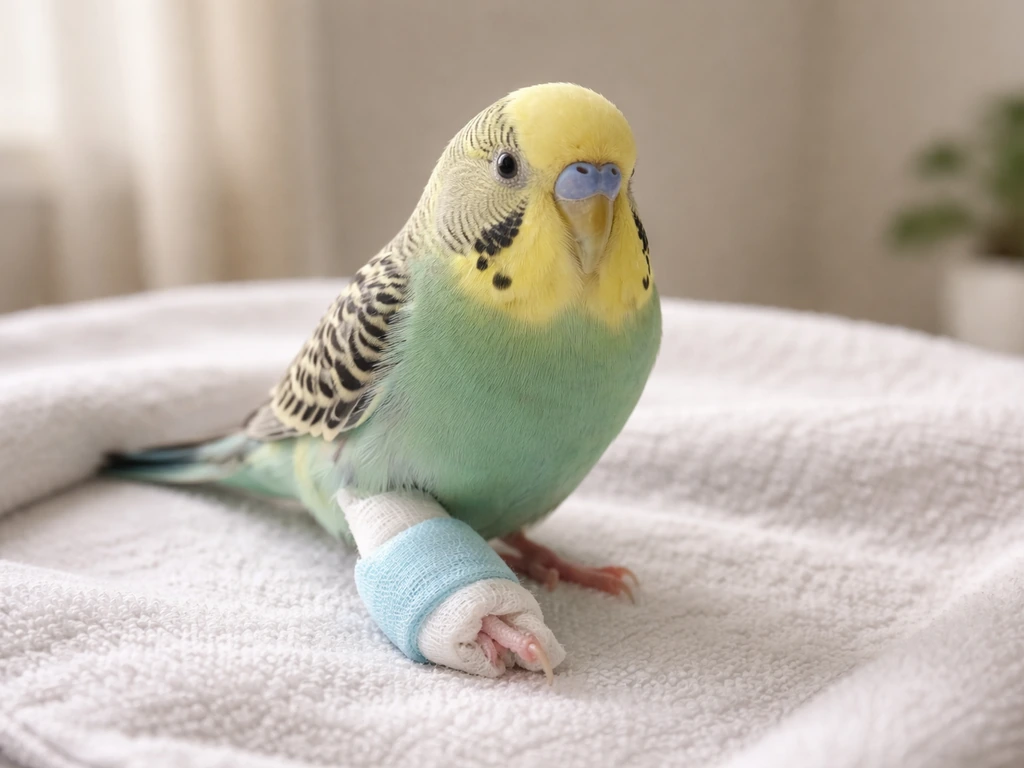
If a bird is holding its head at a strange angle, can't lift its neck, is lying at the bottom of the cage, or went limp after hitting a window or falling, those are the signs you need to act on right now. A true cervical (neck) fracture is life-threatening, but several other urgent conditions look almost identical, so the first goal is to get the bird somewhere warm, dark, and still while you figure out your next move.
Bird Broken Neck Symptoms: Signs, Emergency Steps, and Care

Marcus Webb
17 May 2026
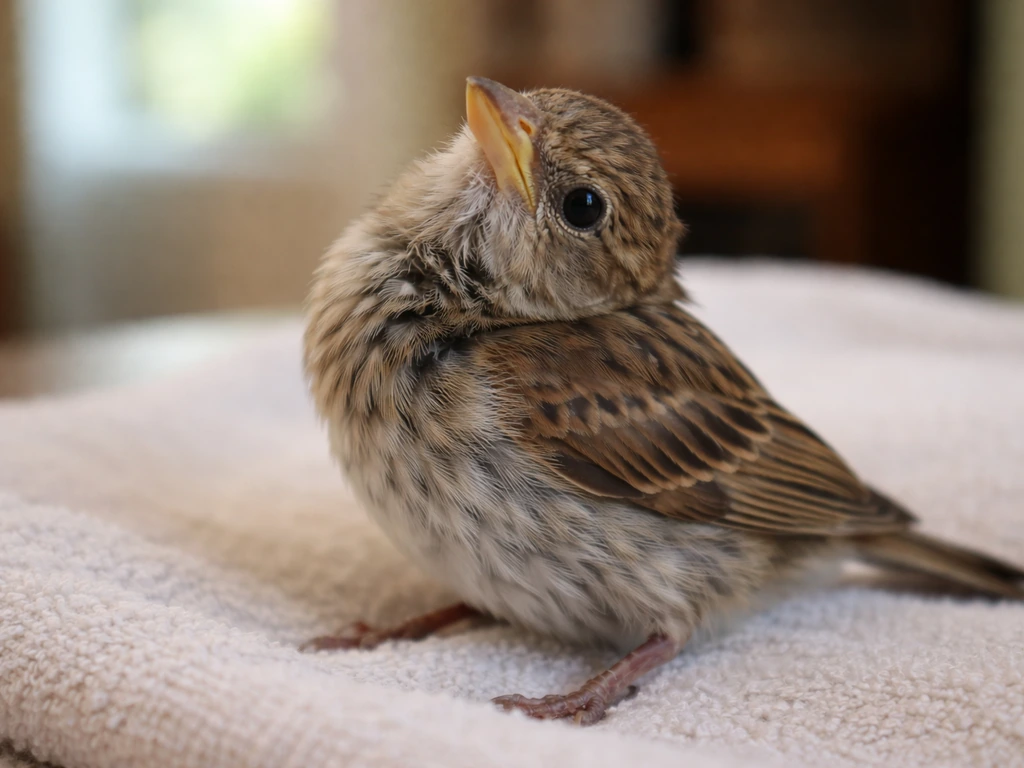
How to recognize a possible neck injury in birds
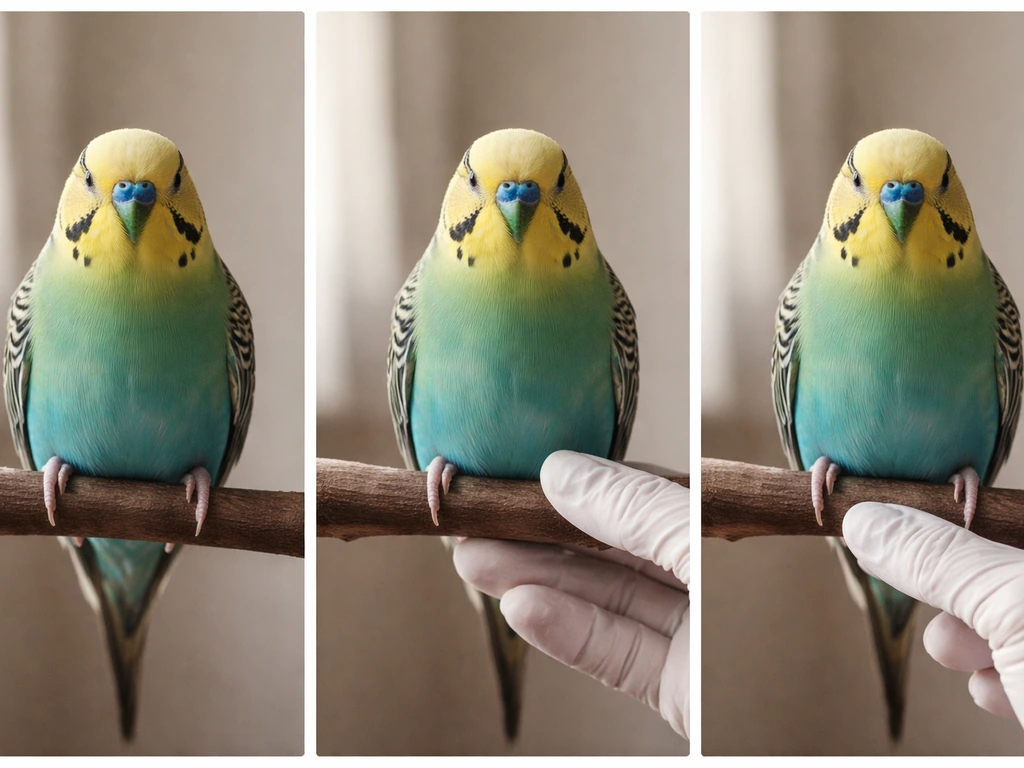
Birds are hardwired to hide weakness, so by the time you notice something is wrong, the situation is usually already serious. Any behavior that is clearly out of the ordinary for that individual bird is worth paying attention to. With neck injuries specifically, you're looking for problems with how the bird holds or moves its head and neck, combined with signs that it's in distress or can't function normally. Bird leg problems are another possible cause of abnormal posture and trouble getting around, so it is important to mention leg symptoms to the avian vet during the exam.
The neck (cervical spine) is critical for everything from feeding and preening to balance and breathing. A fracture or severe soft-tissue injury in this area can compress the spinal cord or damage nearby nerves, which is why the signs often look neurological rather than just physical.
Context matters a lot here. If you know the bird flew into a window, fell from height, was grabbed by another animal, or was handled roughly, that history puts neck trauma immediately on the table. Wild birds found on the ground after a window strike are a very common scenario where neck and head trauma is the first thing to consider.
Common symptoms and behavior changes to look for
The signs of a cervical injury can range from subtle postural changes to complete collapse. Here's what to actually look for:
- Torticollis: the neck is twisted or curved abnormally to one side, which is a recognized sign of cervical lesions. The bird may look like it's permanently craning or cocking its head at an unnatural angle.
- Inability to hold the head up: the head droops or the bird seems unable to support it in a normal resting position.
- Head held low or tucked against the body in an unusual way, not the normal sleeping tuck.
- Ataxia and coordination problems: stumbling, falling over, rolling, or inability to grip a perch. The bird may fall to the cage floor and be unable to get back up.
- Weakness or paralysis: one or both wings hanging, legs not responding normally, or the body feeling limp when you gently support it.
- Open-mouth breathing or tail bobbing with each breath, which can signal that the injury is affecting the bird's ability to breathe normally.
- Lethargy and unresponsiveness: sitting fluffed at the bottom of the cage, eyes half-closed, not reacting to you the way it normally would.
- Visible pain responses: flinching, vocalizing, or tensing when the neck area is touched.
- Seizure-like activity or tremors, which can occur when spinal cord or brain involvement is present.
Not every bird will show all of these. A bird with a less severe injury might just look "off", quieter than usual, reluctant to move, or holding its neck slightly differently. Trust your instinct if something looks wrong.
When it's an emergency: what to do right now
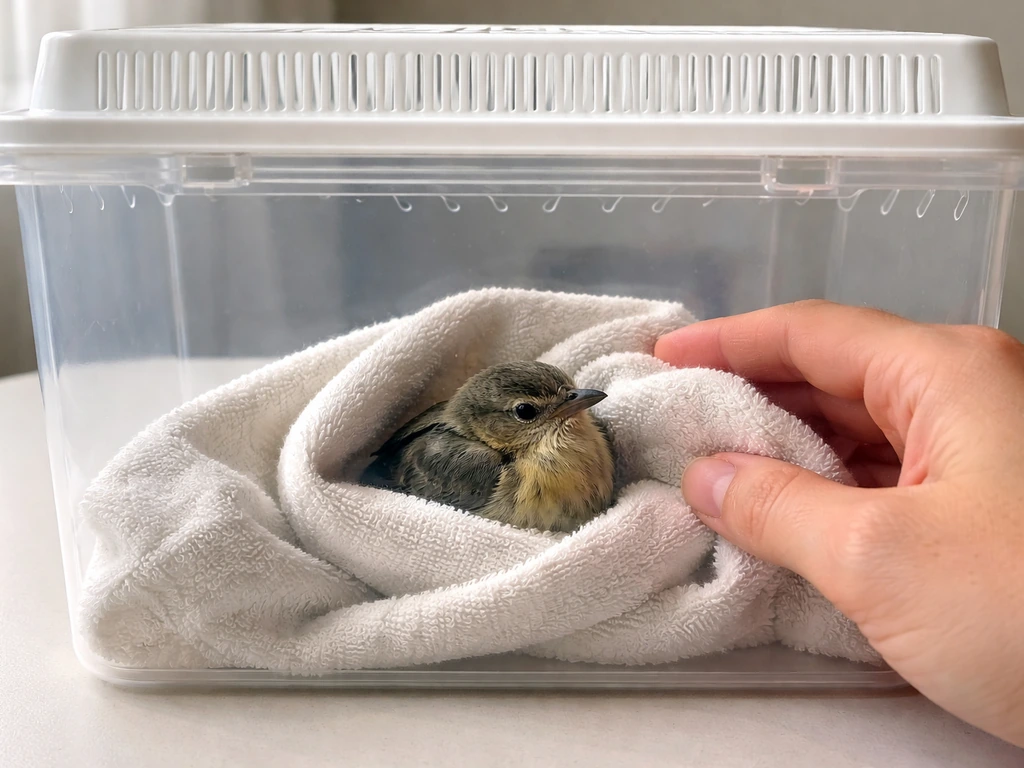
If the bird is unable to hold its head, is lying limp, is having obvious trouble breathing, or has a known traumatic cause, treat it as an emergency. If a bird has severe difficulty breathing, place it in a dark box or carrier, minimize handling and stress, and call an avian veterinarian immediately obvious trouble breathing. Don't wait to see if it improves on its own.
The most important thing you can do in the first few minutes is minimize stress and keep the bird warm. Stress alone can kill an already-injured bird, so resist the urge to handle it repeatedly or show it to other people.
- Stop handling the bird immediately. Every unnecessary touch adds stress and risks worsening a spinal injury.
- Place the bird gently in a small box or carrier lined with a soft cloth. Keep it upright if possible, but don't force any position.
- Make the environment dark. Darkness reduces stimulation and helps calm the bird. Cover the box or carrier.
- Keep it warm. Most injured birds benefit from gentle warmth, around 85-90°F (29-32°C). A heating pad on the lowest setting under half the box works, giving the bird the option to move away from the heat if needed.
- Keep it quiet. Move the box away from noise, other pets, and activity.
- Do not offer food or water if the bird can't hold its head up, as it risks aspiration. If breathing seems labored, call the vet before doing anything else.
- Call an avian vet or emergency animal clinic immediately. While you're getting things ready, have someone else make the call.
Do not attempt to straighten or manipulate the neck yourself. Do not use tight restraint or hold the bird in ways that put pressure on the neck or spine. When you do need to pick the bird up, support the body from below with wings gently folded in their natural resting position against the body.
For wild birds, the guidance is essentially the same: a warm, dark, quiet container and a call to a wildlife rehabilitator or avian vet. Wild birds often go into shock quickly, and a recovery period in a calm environment before transport can make a real difference.
Broken neck vs other causes: how to tell the difference
This is where things get genuinely tricky, because several conditions produce very similar-looking symptoms. You can't definitively diagnose a cervical fracture without imaging, but you can use the context and symptom pattern to get a better idea of what you're dealing with.
| Condition | Key distinguishing features | Urgent? |
|---|---|---|
| Cervical fracture (broken neck) | Known trauma event, sudden onset, head/neck position abnormal, may be limp or paralyzed | Yes, immediately |
| Severe head trauma (no fracture) | Also follows impact/fall, may show similar neurologic signs, concussion-like presentation | Yes, immediately |
| Vestibular disease | Head tilt and rolling but often no trauma history, may be sudden onset, usually alert | Yes, same day |
| Torticollis from infection (e.g., ear/inner ear) | Gradual or sudden head tilt, may have other signs of illness like nasal discharge or weight loss | Yes, same day |
| Toxin exposure | Neurologic signs including ataxia, weakness, seizures, blindness; exposure to heavy metals, pesticides, fumes possible | Yes, immediately |
| Avian encephalomyelitis or other CNS viral disease | Progressive ataxia, leg weakness, paralysis; no trauma history; may affect multiple birds | Yes, same day |
| Severe respiratory distress | Open-mouth breathing, tail bobbing, but neck position may be extended just to breathe, not truly abnormal | Yes, immediately |
| Spinal injury (not cervical) | Similar motor signs but neck position may be normal; weakness more in legs/wings | Yes, immediately |
The practical takeaway here: you likely cannot tell the difference at home, and you shouldn't need to. All of these conditions are urgent. What matters is that you recognize neurologic or trauma signs in a bird and get professional evaluation quickly. A vet needs to sort out whether the signs suggest vestibular disease, trauma, infection, toxin exposure, or a true structural injury, and that requires a physical exam, history, and often imaging.
If you know there was a traumatic event, that changes the urgency level. A bird that flew into a window and is now showing any of the signs above needs to be seen as soon as possible, not observed at home for a few hours.
What veterinary care looks like
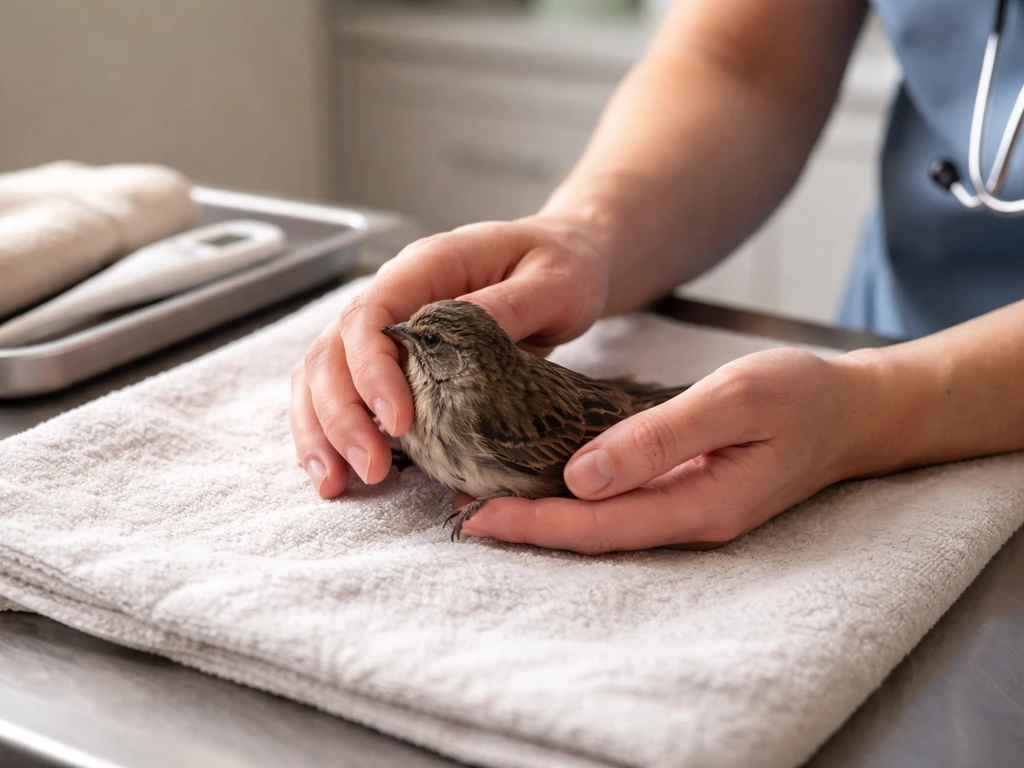
When you get to the vet, the priority is stabilization first, diagnosis second. The vet will assess the bird's breathing, circulation, and overall stability before doing anything else. For a severely injured bird, that might mean oxygen support and warmth before any imaging happens.
The neurological examination will look at posture, head position, how the bird holds its neck (torticollis is a recognized finding in cervical lesions), coordination, and reflexes. The vet will ask about history: when the symptoms started, whether it's been constant or intermittent, and any possible exposures or trauma events.
Imaging is the key diagnostic step. X-rays can identify obvious fractures, but CT or MRI gives much more detail about the cervical spine and brain, and may be needed to fully understand the injury. Not every clinic has avian-specific imaging capabilities, so you may be referred to a specialist.
Pain management is a real part of avian trauma care. Immobilization itself reduces pain significantly, but birds in trauma often receive a combination of opioid-based pain relief (such as butorphanol) and an NSAID (such as meloxicam) for more complete pain control. The vet will tailor dosing to the bird's size and condition.
Supportive care in hospital may include fluids (injured birds dehydrate quickly), nutritional support, heat, and monitoring. For a confirmed cervical fracture, surgical options are limited in birds, and the realistic treatment often focuses on stabilization, pain control, and supportive care rather than surgical repair. Be prepared for an honest conversation about prognosis.
Recovery outlook and home supportive care
The prognosis for a true cervical fracture in a bird depends heavily on whether the spinal cord was involved and how severely. A fracture without spinal cord damage carries a better outlook than one with paralysis or complete loss of function. Your vet will give you the most realistic picture once they have imaging results.
If the vet sends the bird home for supportive care, or while you're waiting for an appointment, here's what that environment should look like:
- A quiet, low-activity space, ideally a spare bathroom or a room where the bird won't be disturbed.
- Consistent warmth in the 85-90°F range, monitored carefully. Most injured birds need warmth, but check that the bird isn't overheating (panting, holding wings out).
- Perches removed or lowered so the bird can't fall. Food and water placed at floor level if the bird can't perch.
- Minimal handling. Only interact when necessary for feeding, medicating, or monitoring.
- Fresh water available at all times. Dehydration is a serious risk in injured birds.
- Monitor for any worsening, including more labored breathing, increased weakness, or failure to eat or drink.
Recovery from neurologic injury in birds can be slow, sometimes taking weeks, and progress isn't always linear. Follow the vet's specific instructions rather than general timelines. Ongoing pain assessment matters, and if the bird doesn't seem to be improving or seems uncomfortable, that's a reason to go back.
For injuries that turn out to be less severe than a cervical fracture (soft tissue strain, concussion, vestibular episode), the recovery outlook is generally much better, and many birds recover well with rest and supportive care. Bird molting symptoms are different from traumatic neck signs, so look for feather changes and other molt-related clues when injury signs don't fit.
Prevention: reducing the risk of neck and trauma injuries
Most neck injuries in pet birds come from falls, window strikes, rough handling, or being dropped. These are largely preventable with some straightforward changes.
For pet birds
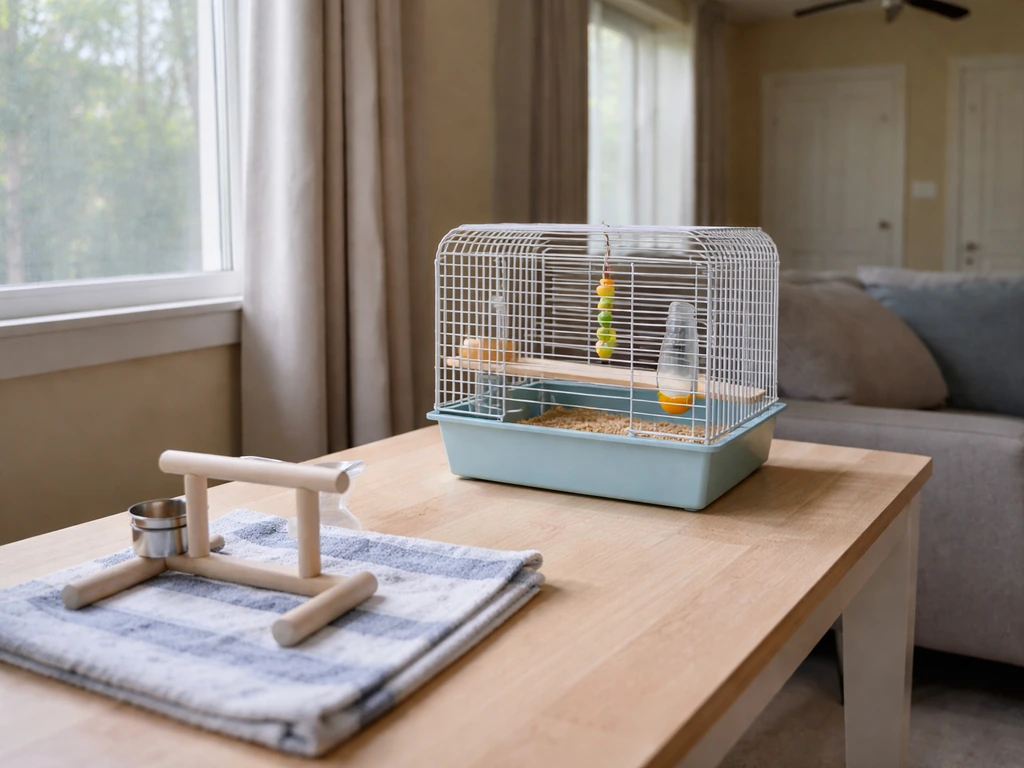
- Keep cages away from windows where birds could fly into the glass during out-of-cage time.
- Always supervise out-of-cage time. Close doors and windows, and watch for ceiling fans.
- Perches and cage setup should be appropriate for the bird's size. Overcrowded or unstable perches increase fall risk.
- Learn proper handling technique before you need it. Support the bird's full body weight, keep wings gently folded, and never grab by the neck or head.
- Children handling birds should always be supervised by an adult.
- Never toss or drop a bird, even playfully.
For wild birds
- Window strikes are the leading cause of neck and head trauma in wild birds. Placing window decals, screens, or film on large glass surfaces reduces the risk significantly.
- Bird feeders placed very close to windows (within a foot or two) or well away from them (more than 30 feet) result in fewer fatal strikes than feeders at mid-range distances.
- Cats outdoors are a major cause of bird trauma. Keeping cats indoors protects local bird populations.
- If you find a wild bird that appears injured, resist the urge to handle it extensively. Minimal handling and a calm environment give it the best chance.
Neck injuries overlap with several other traumatic conditions worth knowing, including broken wing injuries and sprained leg presentations, all of which share the same first-aid fundamentals: warmth, darkness, minimal handling, and prompt veterinary contact. For bird sprained leg symptoms, the same first-aid fundamentals apply, including warmth, darkness, minimal handling, and prompt veterinary contact sprained leg presentations. The consistent thread across all avian trauma is that acting quickly and calmly is almost always the right call.
FAQ
Can a bird broken neck symptoms look mild at first?
Yes. Even if the neck looks only slightly “off,” a bird that is unusually quiet, not eating, has trouble coordinating footing, or shows rapid breathing should be treated as an emergency after trauma. Waiting for it to “stabilize” can allow swelling or nerve damage to worsen.
Is it safe to gently straighten my bird’s neck if it’s crooked?
Do not. Lifting the bird by the head, gently “straightening” the neck, or holding it so the neck is stretched increases risk to the spinal cord. When you pick the bird up, support the body from below and keep the head and neck in the bird’s natural resting position.
What’s the safest way to keep a bird warm while waiting for a vet?
You can use a warm, dark, quiet container to keep the bird still, but avoid heat sources that can overheat or create hot spots (like heating pads without insulation or direct heat bulbs). Aim for comfort, not bathing the bird in heat, and check the container so the bird never feels hot to the touch.
What should I do if my bird is having trouble breathing along with bird broken neck symptoms?
If breathing is difficult, the priority is keeping the bird warm and minimizing stress, then getting urgent veterinary help immediately. Do not try to force open the beak or give water or food by mouth. If the bird is gasping, mouth-breathing, or lying on its side with weak movements, treat it as life-threatening transport.
How do I know if the condition is getting worse while we’re waiting to be seen?
Watch for signs that the injury may be worsening rather than improving, such as increasing head tilt, new inability to balance on the feet, repeated collapse, worsening lethargy, or any change in breathing pattern. If any of these occur, seek re-evaluation rather than continuing home monitoring.
Does the history (window strike vs. unknown cause) change how urgently I should seek care?
Yes, and it changes how you should plan help. A bird that shows head/neck signs after a fall, window strike, or other impact should be treated as trauma first, even if it seems “mostly okay.” Transport urgency is higher if symptoms started right after the event or are progressing.
My bird has head tilt, could it be something other than cervical injury?
Torticollis can accompany cervical lesions, but it can also occur with inner ear or balance system problems. Because you cannot separate these safely at home, any sudden head tilt plus abnormal coordination, falling, or weakness still needs prompt veterinary assessment.
Can I immobilize my bird’s neck at home with tape, a collar, or splint?
Avoid DIY splints, tape, or harnesses around the neck. If the bird is injured, restraint methods that restrict chest movement or create neck pressure can make breathing and neurologic recovery worse. Use containment only, and let the clinic determine any immobilization needed.
What will an avian vet do first, and what information should I bring?
You should expect the vet to check breathing and circulation first, then perform a neurologic-focused exam and decide on imaging. Bring key details like when symptoms began, what happened beforehand, whether the head tilt is constant or changing, and any changes in eating or perching.
What if my clinic can’t do CT or MRI for a suspected cervical fracture?
If imaging is limited at your local clinic, ask whether referral for CT or MRI is available and whether stabilization can be started immediately. Many birds can receive pain control and supportive care while arranging transport, but the timing and plan should be set by the vet based on stability.
If the vet tells us to manage at home, what should our setup and watch-outs include?
If the vet sends the bird home, focus on strict quiet containment, consistent warmth, and close pain and neurologic monitoring. Ask the vet for specific handling limits, feeding guidance if appetite drops, and an exact return threshold (for example, if breathing worsens or posture declines).
Next Article
Bird Sprained Leg Symptoms: What to Look for and Next Steps
Learn bird sprained leg symptoms, quick checks, urgent red flags, safe rest steps, and vet guidance for recovery.