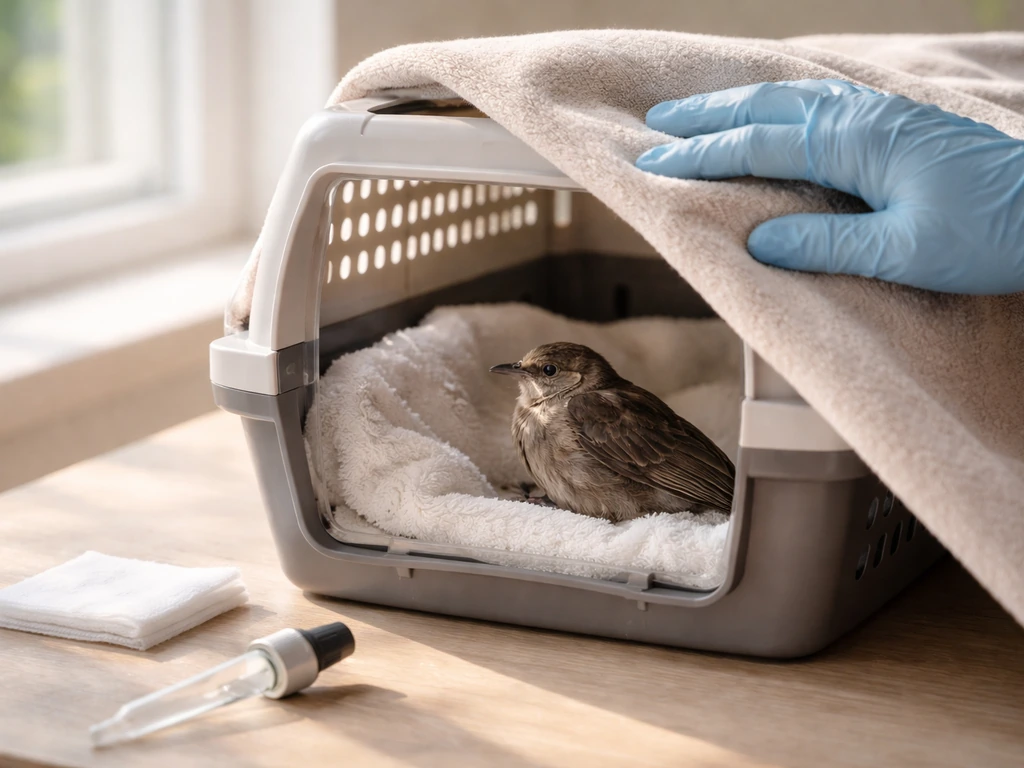
Bird molting symptoms are mostly normal and expected, but they can look alarming if you haven't seen them before. Feather loss, spiky pin feathers, increased preening, and moodiness are all part of a healthy molt. The tricky part is knowing when those same signs are actually pointing to illness, parasites, or nutritional problems instead. This guide walks you through everything: what molting actually looks like, how to tell it apart from disease, what to do at home right now, and when to stop waiting and call a vet.
Bird Molting Symptoms: How to Tell Normal Molt vs Illness

Marcus Webb
19 Apr 2026
What molting is and why birds do it
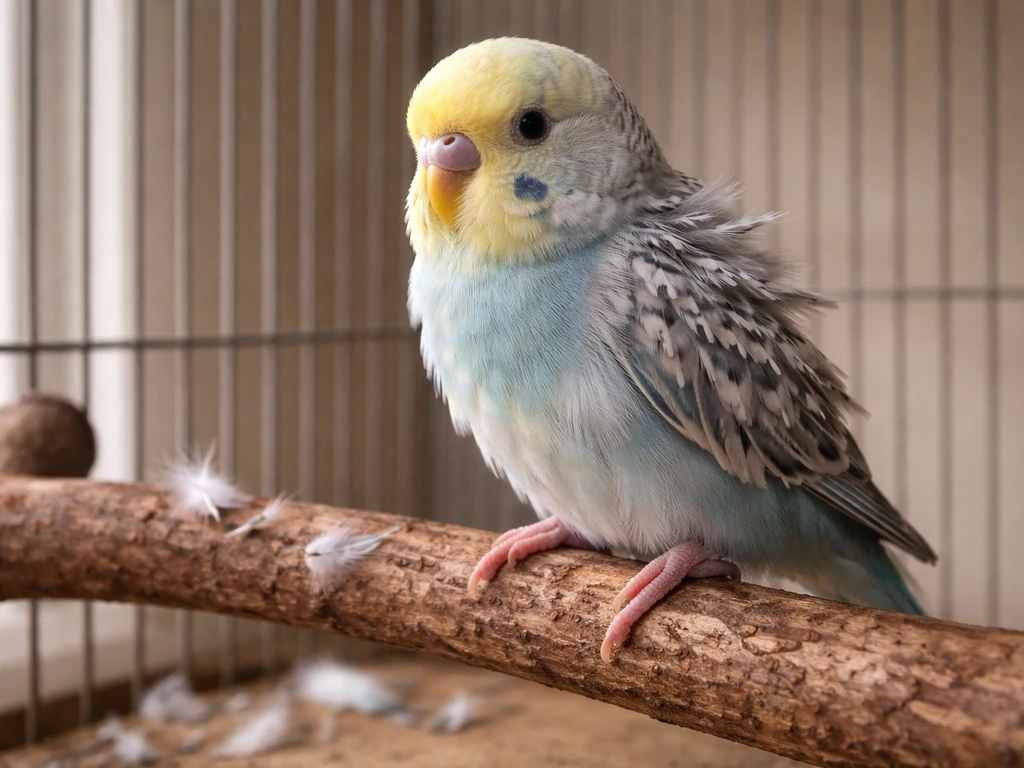
Molting is the process of shedding old, worn feathers and growing a fresh set. It happens in virtually every bird species and serves a real physical purpose: feathers degrade over time from sun, friction, preening, and general use, so they need to be replaced to maintain flight, insulation, and waterproofing ability.
The timing of molts is controlled mostly by hormones responding to environmental cues, especially day length (photoperiod). As days lengthen in spring, a hormonal cascade involving thyroid hormones, prolactin, and reproductive hormones coordinates the annual cycle. Molt generally follows the breeding season and does not overlap with it, which is why you'll often see a molt push in late summer or fall in many species. That said, pet birds in artificial lighting conditions can molt on a slightly different or more irregular schedule than wild birds.
Most birds molt at least once a year, often after breeding. Some species go through a partial molt more than once annually. Pet cockatiels, for example, may molt one to two times per year starting at around six months of age. Budgies typically have their first molt at 12 to 14 weeks of age. A cockatiel's full feather replacement from start to finish can take around 10 weeks; a parakeet's molt often wraps up in two to three weeks. These are ballpark ranges, not hard rules.
Normal molt timing vs. patterns that should raise flags
A normal molt follows a gradual, symmetrical pattern. You'll see feathers dropping and new ones coming in at the same time, and the bird retains enough feathers to stay functional. The feather loss is spread out rather than concentrated in one spot, and the new growth (pin feathers) looks healthy and consistent.
What's not normal: sudden, heavy loss of many feathers at once; completely bare patches with no new growth coming in; a molt that seems to drag on for months with no progress; or a bird that simply never seems to molt at all. If feather-chewing or plucking is happening, it can be caused by irritants or underlying medical conditions, so it may indicate a problem rather than normal molting. A continual heavy molt or a failure to molt are both flags worth paying attention to.
| Feature | Normal Molt | Abnormal Pattern |
|---|---|---|
| Feather loss pattern | Gradual, symmetrical, spread across body | Sudden, patchy, or concentrated in one area |
| New feather growth | Pin feathers visible and consistent | No new growth, or stunted/clubbed/constricted pin feathers |
| Duration | 2–10 weeks depending on species | Months with no resolution, or never completing |
| Skin appearance | Intact, slightly pink where pin feathers emerge | Bare, red, inflamed, crusty, or irritated skin |
| Bird's overall condition | Alert, eating, functioning normally | Lethargic, not eating, losing weight |
| Feather shaft appearance | Clean, no visible blood in mature feathers | Blood in mature feather shaft; abnormal pin feather shape |
What molting actually looks and feels like
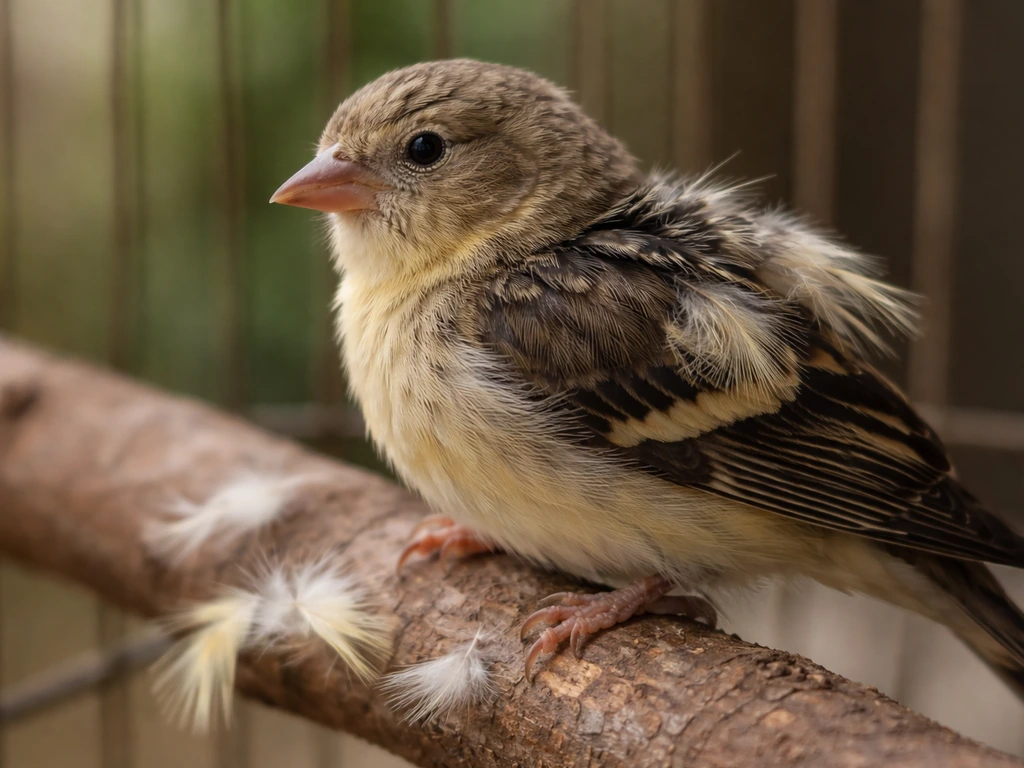
If you're watching a bird go through a molt for the first time, here are the physical and behavioral signs you'll notice. Not every bird shows all of these, but this is the typical picture.
Physical signs
- Loose or dropped feathers on the cage floor or perch area
- Pin feathers (also called blood feathers): new feathers still encased in a waxy keratin sheath, looking like small spikes or quills, often with a dark base where the blood supply is active
- Patchy or uneven feather coverage as old feathers fall and new ones grow in
- Feathers that look dull, dry, or frayed just before being shed
- A slightly 'spiky' or ruffled appearance, especially around the head, neck, and wings
- Visible new growth creating a layered look as fresh feathers emerge
Behavioral signs
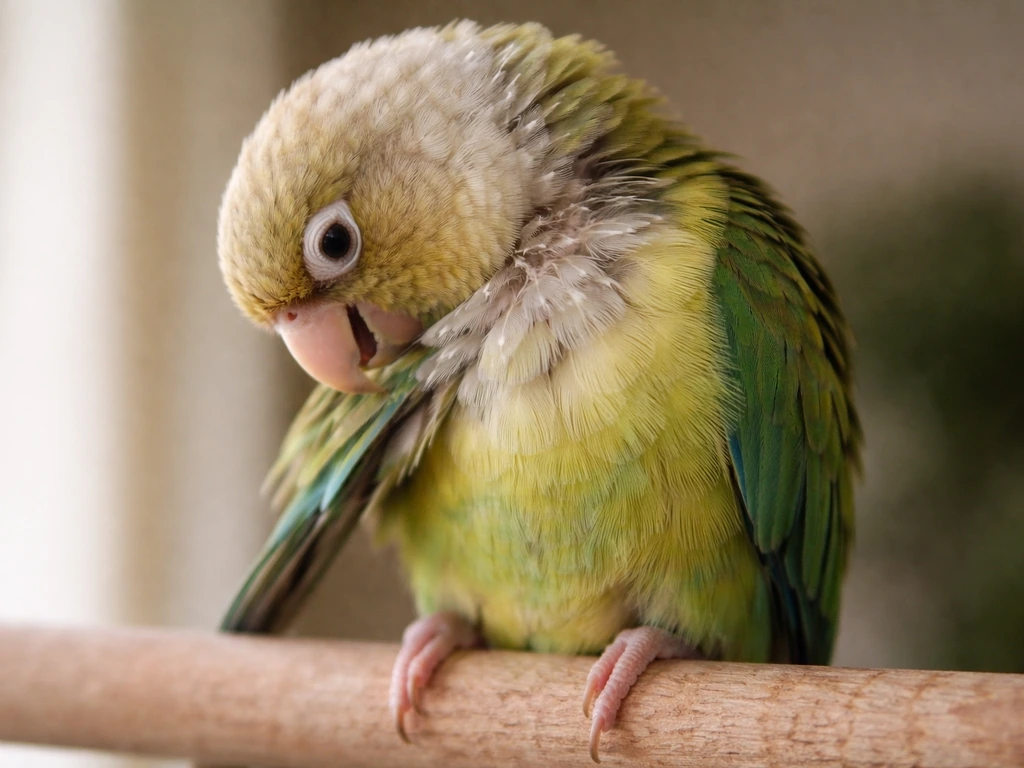
- Increased or more intense preening as the bird works to remove feather sheaths
- Mild irritability or reduced tolerance for handling, especially around pin feather areas
- Temporarily less active or more perch-bound, particularly when primary or tail feathers are being replaced
- Slight decrease in appetite in some birds (should be mild and brief, not dramatic)
- Seeking warmth or appearing mildly fluffed during the active growth stage
Pin feathers are sensitive because they have an active blood supply. Your bird may react sharply if you accidentally brush one, which is completely normal. During heavy molting, many birds genuinely dislike being touched in areas with active pin feathers, so give them space and respect that signal.
How to tell molting apart from illness
This is where things get genuinely tricky, because several diseases and conditions can mimic or overlap with molting symptoms. Feather loss, changes in appearance, and behavioral shifts all happen in both scenarios. The key is looking at the full picture, not just one sign.
Respiratory disease clues
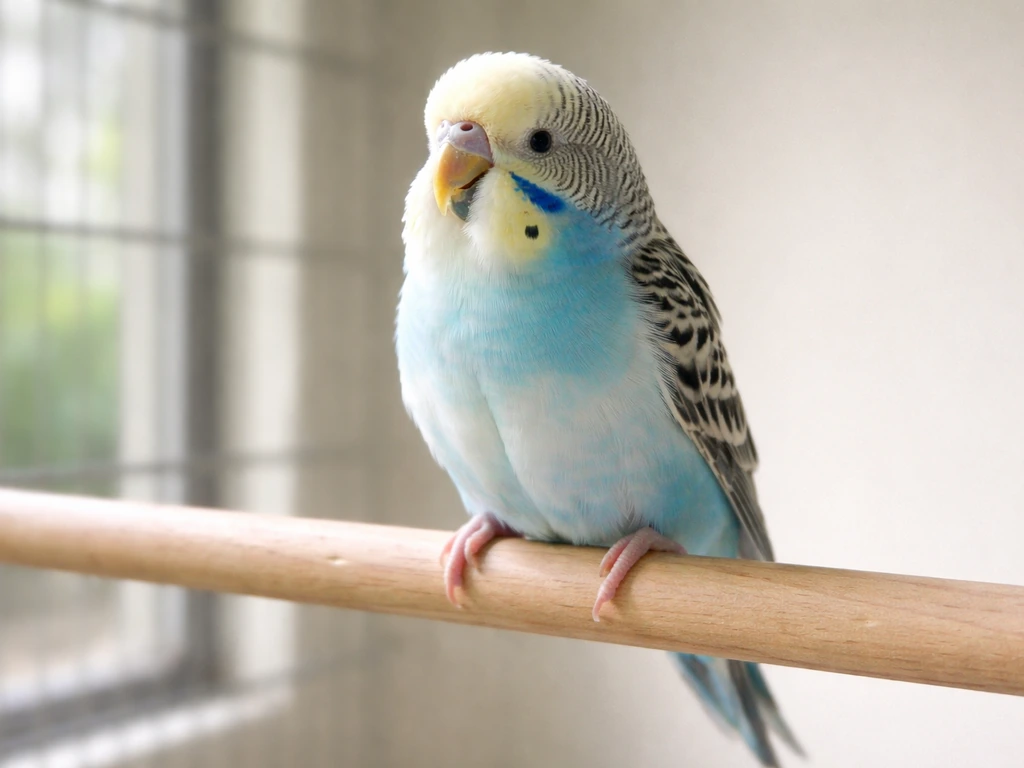
A molting bird should not be struggling to breathe. In a healthy bird at rest, breathing effort is barely visible. Signs like tail bobbing (the tail pumping up and down with each breath), open-mouth breathing, audible wheezing or clicking sounds, coughing, sneezing, or mucopurulent (thick, colored) nasal discharge are not part of any normal molt. Bird broken wing symptoms are a separate issue and should be evaluated promptly if you notice limping, abnormal wing position, or trouble using the wing. Bird broken neck symptoms can also require prompt evaluation, especially if you notice changes in posture or balance. These point to respiratory disease and need veterinary attention promptly. A bird that also shows nasal discharge, runny eyes, or diarrhea alongside feather changes may be dealing with an infection such as psittacosis (Chlamydia psittaci), which requires a vet's diagnosis and treatment.
Parasite-driven feather loss
Mite infestations, including knemidocoptiasis and depluming mites, can look a lot like molt at first glance. What sets them apart is the pattern and the behavior: a bird with mites typically shows intense restlessness, constant scratching, and feather loss that is patchy and concentrated (often around the neck, keel, or ventral abdomen depending on the mite type). The skin in affected areas may look red, irritated, or crusty. Depluming mites burrow into the skin and can be nearly impossible to see without magnification, so if the pattern doesn't match a normal molt and the bird seems genuinely uncomfortable, a vet check is warranted. Mite infestations can also cause anemia through blood loss, which explains why an affected bird might seem unusually weak.
Feather-destructive behavior and psychological causes
Feather plucking or over-preening driven by stress, boredom, or hormonal frustration can produce feather loss that looks like a molt gone wrong. The tell is usually location: birds can't reach the top of their own heads, so if feather loss is only in areas the bird can reach with its beak (chest, legs, wings, under-wing), feather-destructive behavior is more likely than pure molt. If feather loss is also affecting the legs, look for signs of skin irritation, swelling, or limping, which can point to bird leg problems rather than a simple molt. Systemic illness, malnutrition, and toxin exposure can also cause feather problems that overlap with molting in appearance, which is why the full context (diet, environment, behavior) matters when trying to figure out what's going on.
Pin feather abnormalities that signal disease
Healthy pin feathers grow straight, taper to a point, and transition smoothly into a normal feather as the sheath splits. Abnormal pin feathers that are constricted, clubbed, or stunted, or mature feathers with visible blood still in the shaft, are red flags that something beyond a normal molt may be happening. These can indicate nutritional deficiency, systemic illness, or viral conditions affecting feather development.
At-home molt checklist you can use today
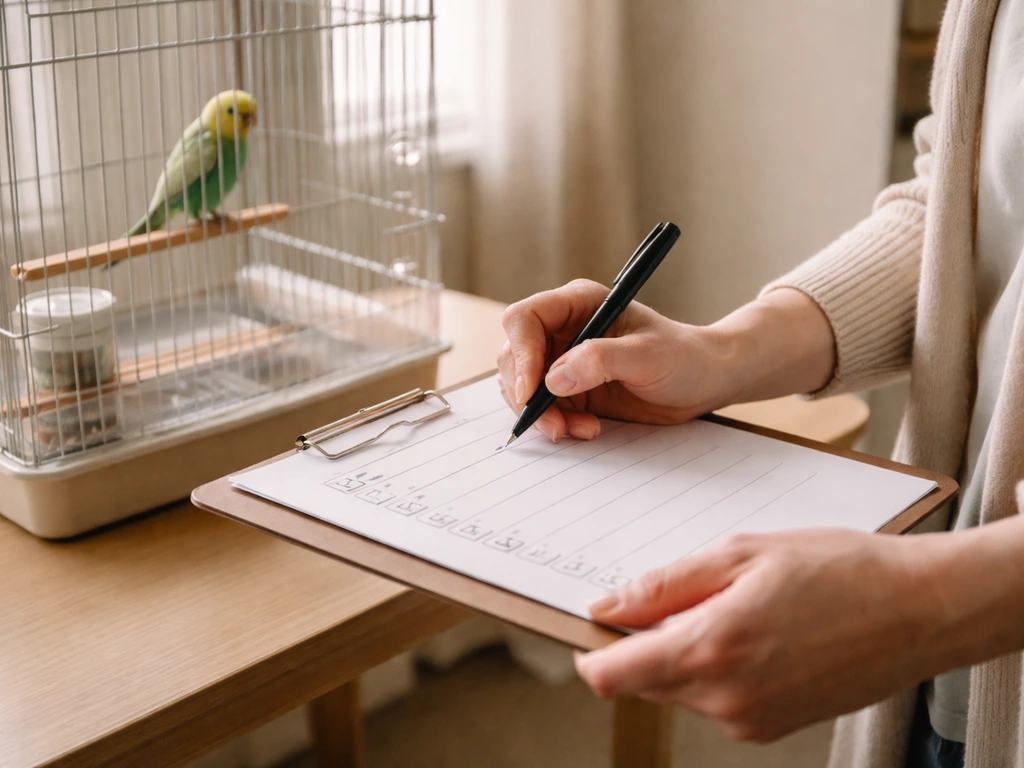
Go through these points now and track what you're seeing. This checklist helps you spot the difference between a routine molt and something that needs a closer look. Write down your observations with dates so you have a clear record if you do end up calling a vet.
- Check feather loss pattern: Is it spread evenly across the body, or concentrated in one spot? Symmetrical and gradual is normal.
- Look at pin feathers: Are they straight, consistent, and developing normally? Note any that look stunted, clubbed, or oddly shaped.
- Check the skin under missing feathers: Is it clean and pink, or red, inflamed, crusty, or bare with no new growth coming in?
- Watch breathing for one full minute at rest: Is it silent and invisible, or can you see effort, tail bobbing, or open-mouth breathing?
- Check nares and eyes: Any discharge, crustiness, or swelling? Eyes should be bright and clear.
- Observe eating and drinking: Is your bird eating normally (or close to it)? A slight dip is okay; complete refusal is not.
- Watch droppings: Normal droppings have distinct feces, urates, and liquid. Watery, discolored (green, red, black), or absent urates are worth noting.
- Assess energy and posture: Is the bird alert and responsive, or sitting low, eyes half-closed, or difficult to rouse?
- Note how long symptoms have been present and whether the molt seems to be progressing or stalling.
- Check for intense scratching or restlessness beyond normal preening, which can suggest parasites rather than a routine molt.
How to support your bird through a molt
Molting takes real energy. Growing feathers is a nutritionally demanding process, and a bird that's short on protein, vitamins, or minerals will have a harder time producing healthy new feathers. Here's how to set up conditions for a smooth molt.
Nutrition
Feathers are mostly protein, so this is the time to make sure your bird's diet is solid. A high-quality pellet-based diet covers most bases. If your bird eats primarily seeds, now is a good time to introduce or increase protein-rich foods like cooked eggs, legumes, or species-appropriate soft foods alongside the seeds. Micronutrients including calcium, vitamins A and D, and trace minerals all play supporting roles in feather development. Avoid dramatic diet changes during a heavy molt if your bird is already stressed, but do make sure the basics are covered.
Bathing and humidity
Regular bathing helps soften the sheaths on pin feathers and supports skin comfort during a molt. Offer a shallow bath or a gentle misting a few times a week if your bird tolerates it. Humidity in the environment matters too: aim for roughly 40 to 60 percent relative humidity. Too dry and the skin becomes flaky and uncomfortable; too humid and you risk mold issues in the cage.
Handling and pin feather care
Be careful around active pin feathers. Never pull a blood feather, as this is painful and can permanently damage the follicle, meaning a feather may never regrow normally in that spot. If a pin feather is bleeding, apply gentle pressure. Constant fresh bleeding from a feather shaft warrants a call to your vet. When your bird asks for head scratches during molt, you can gently help crack open sheaths on head pin feathers (areas the bird cannot reach itself), but stop immediately if the bird shows discomfort.
Stress and environment
Molting birds are already under physical stress. Keep their environment as stable and calm as possible. Maintain a consistent light/dark cycle, since abrupt changes in photoperiod can disrupt hormonal timing and interfere with molt progression. Avoid major cage rearrangements, introduction of new animals, or loud disruptions during a heavy molt if you can help it. Make sure the bird has access to warm resting spots and is not sitting in drafts.
When to stop watching and call an avian vet
Some signs during what you think is a molt are not wait-and-see situations. Get in touch with an avian veterinarian if you're seeing any of the following.
- Open-mouth breathing, tail bobbing, wheezing, or clicking sounds at rest
- Nasal or eye discharge of any color or consistency
- Extreme lethargy, inability to perch, or collapse
- Complete refusal to eat for more than a day or two
- Droppings that are consistently watery, discolored, or show no urates
- A bleeding pin feather you cannot get to stop with gentle pressure
- Bare patches of skin with no new feather growth appearing after several weeks
- Pin feathers that look stunted, clubbed, or constricted
- Intense, constant scratching and restlessness that doesn't match normal preening behavior
- A molt that has been going on for more than three months with no clear end
- Sudden loss of a large number of feathers in a very short period
When you call, be ready to give the vet specific information: how long the feather loss has been happening, which body areas are affected, what the bird's diet consists of, whether anything in the environment changed recently (new cage, new location, new animals, chemical exposure), what the droppings look like, and how the bird's behavior and energy have changed. The more specific you can be, the faster the vet can narrow down what's going on. If you've been tracking symptoms with dates using the checklist above, bring those notes.
It's also worth knowing that some injuries and physical conditions can compound problems during a molt. A bird dealing with a physical issue affecting mobility or posture may have trouble preening properly, which can interfere with normal feather care and make a molt harder to assess visually. Whenever the overall picture seems off, not just the feathers but the bird's whole demeanor and physical function, trust that instinct and get a professional set of eyes on it. If you also notice limping or a swollen leg, review the bird sprained leg symptoms guide as a related possibility.
Molting is one of the most natural things a bird does. With the right support and a clear understanding of what's normal, most birds come through a molt looking better than before. The goal is simply to know what you're looking at so you can act confidently when something looks off.
FAQ
Is it normal for my bird to seem grumpy or bitey during molting?
Yes. A normal molt can cause temporary sensitivity and a bit of irritability, but the bird should still be able to perch normally, preen enough to keep skin and feathers clean, and breathe comfortably at rest. If you notice listlessness, reluctance to move, or any breathing abnormality, treat it as illness rather than “just molting.”
My bird’s molt started later than expected. Can lighting changes cause that?
Keep light on the timing and avoid major photoperiod changes. If you turn lights on later, use dim night lights, or have a consistent sleep window, your bird is more likely to molt in a steadier pattern. Sudden switches in lighting schedules are a common reason for irregular molt timing.
What if my bird never molts, even though it seems healthy?
“No molt yet” can be normal for some young birds, but a repeatedly missed molt is a red flag. If your bird has not begun molting by the age your species typically starts (for example, cockatiels often begin around six months, budgies around 12 to 14 weeks), or if it has never had a full replacement despite being mature, schedule an avian vet check to rule out malnutrition, hormonal problems, or chronic illness.
Can I pull pin feathers or help them come out faster?
You generally should not “help” pin feathers by pulling or peeling sheaths with force. The safe assistance is limited to gently offering head-area access if the bird allows it, to help a sheath split, and stopping immediately if the bird reacts strongly. If a pin feather is actively bleeding, apply gentle pressure, but avoid repeated handling of the same area.
Are abnormal-looking pin feathers always a sign of illness?
A pin feather that looks immature or “off” can be more than molting if you see constriction or clubbing that does not straighten as the feather grows. Also treat it as suspicious if you see visible blood still in the shaft once the bird should be transitioning to new, fully formed feathers, or if multiple pin feathers on different areas have the same abnormal development.
How can I tell the difference between molting and a mite problem?
If the bird is constantly scratching or chewing at the same patch, and feather loss is concentrated in irregular areas (especially around the neck, keel, or ventral abdomen), mites become more likely than a routine molt. Another useful clue is that skin may look red, irritated, or crusty. If you see these patterns, get a vet diagnosis, since mites can also cause anemia and weakness.
My bird has feather changes plus diarrhea or nasal discharge. Is that still a molt?
If feather loss is paired with digestive or eye symptoms, treat it as more urgent. For example, diarrhea, runny eyes, nasal discharge, or overall drop in energy alongside feather changes raises concern for infectious disease. Even if feather loss “looks molt-like,” those extra signs should move you toward a prompt avian vet visit rather than waiting.
What counts as “too fast” or “too heavy” for a normal molt?
Many birds molt at least once yearly, but the order and location should still look progressive rather than catastrophic. Molt that suddenly becomes heavy and widespread, or feather loss that outpaces any new pin growth, is not typical and warrants an evaluation to check nutrition, parasites, or systemic disease.
How often should I bathe my bird during a molt, and what’s unsafe?
Bathing is helpful, but avoid overheating, chilling, and forcing wetting. Offer shallow water or gentle misting only if your bird tolerates it, and make sure the bird is fully dry afterward, with a warm, draft-free resting spot. If bathing seems to stress the bird or worsens discomfort, switch to gentler methods like misting fewer times per week.
How long should I wait to see progress before calling a vet for possible non-normal molting?
Track it by trend, not by a single day. Use dates to note which body areas lose feathers, when pin feathers begin, and whether new growth is visible and progressing. If there is no clear improvement after an extended period, or if the bird’s condition worsens, that trend supports contacting an avian veterinarian.
What breathing signs mean my bird’s molting is actually something else?
A molt should not come with trouble breathing. If you see tail bobbing, open-mouth breathing, wheezing or clicking, coughing, sneezing, or thick colored nasal discharge, stop assuming it is molting. Those respiratory signs are a direct vet trigger because they can indicate serious disease.
Can an injury or sprained leg make molting look worse or harder to judge?
Yes. If the bird cannot preen well due to injury, stiffness, or abnormal posture, it may look “molt-like” while actually having a physical limitation that prevents normal feather care. Also watch for limping or swollen legs, since those can shift the priority from molting support to assessing mobility and pain.
Next Article
Bird Trauma Symptoms: Signs, Triage, and First Aid Steps
Recognize bird trauma symptoms, triage urgency, and give safe first aid for bleeding, fractures, head injuries, and shoc