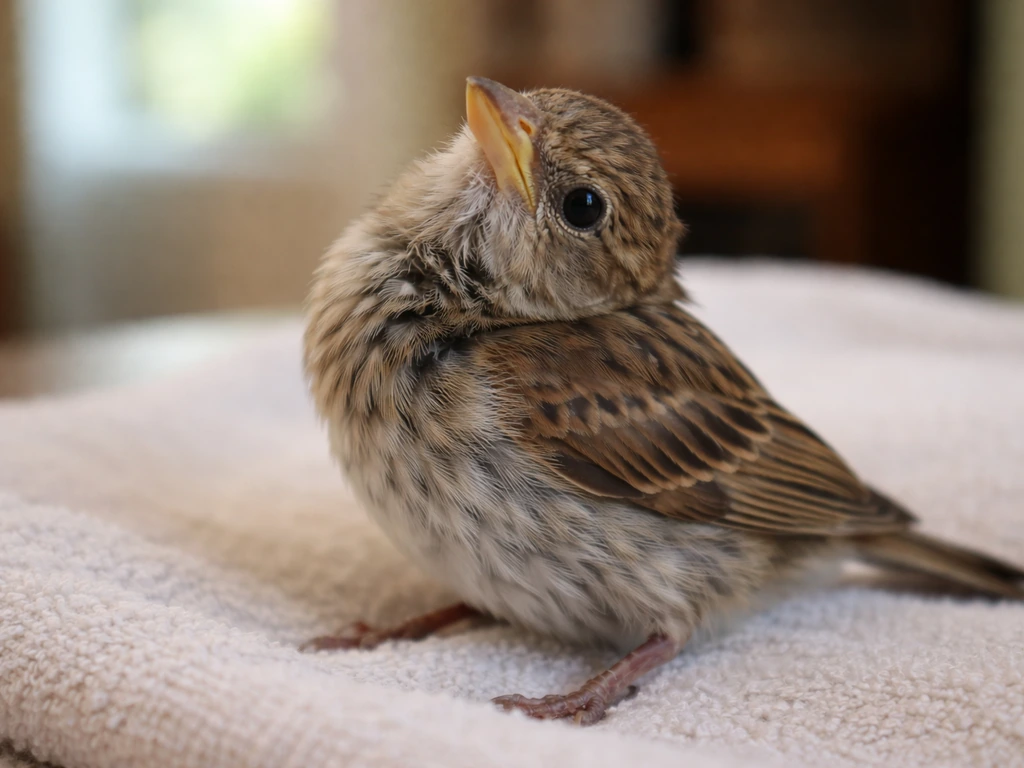
A bird with a broken wing will usually hold that wing lower than the other one, often at an odd angle, and won't be able to fold it neatly against its body. You may also notice visible swelling, an unusual bend or lump along the wing, and the bird avoiding any use of it entirely. Those are the clearest signs. But a drooping wing doesn't always mean a fracture, and knowing what you're looking at changes everything about how you handle the next hour.
Bird Broken Wing Symptoms: What to Look For and What to Do

Marcus Webb
24 May 2026
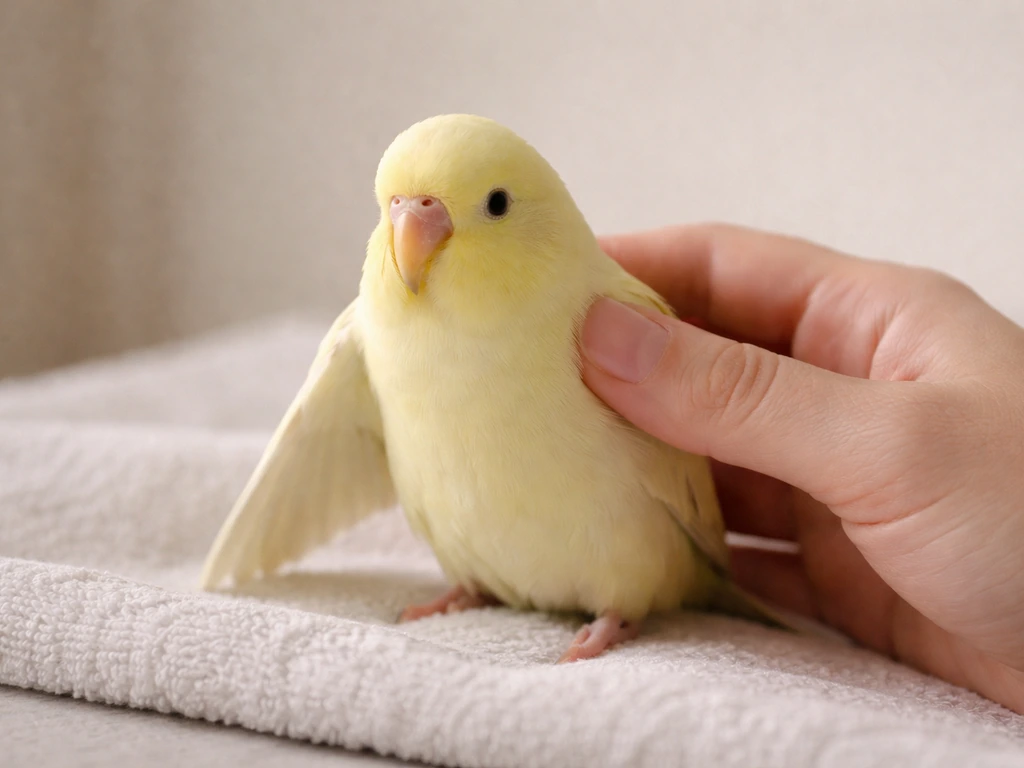
How to tell if it's likely a broken wing
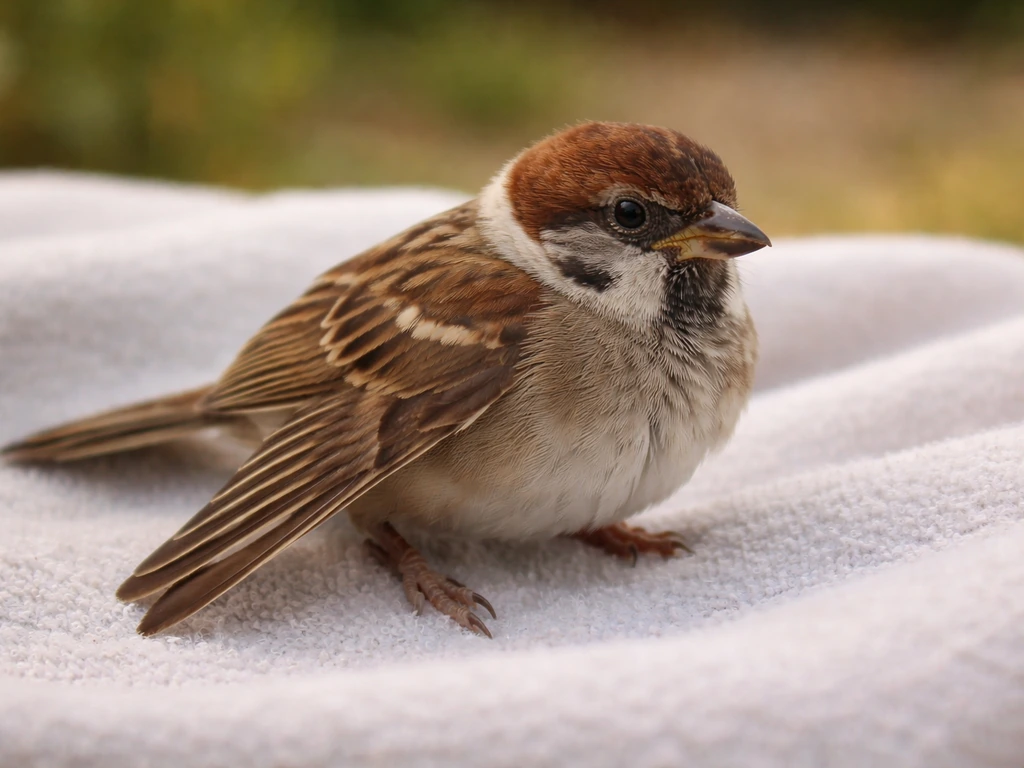
The most reliable signs of a fracture are a combination of position, pain behavior, and physical changes to the wing itself. One symptom alone can be misleading, but several together point strongly toward a break.
- Wing drooping on one side: the affected wing hangs lower than the other and the bird can't raise or fold it normally
- Abnormal angle or visible deformity: a bend, kink, or lump that doesn't belong there, often mid-wing along the humerus (upper arm bone) or further down
- Wing rotating outward: after humeral fractures especially, the wing tends to drop and rotate around the fracture site, which also puts blood vessels and soft tissue at risk
- Swelling or bruising: palpable puffiness along the bone, or discoloration visible at the skin if feathers are wet or parted
- Crepitus: a faint grating or crackling sensation when the wing is gently supported (do not manipulate it yourself to check for this — a vet will assess it)
- Pain behavior: flinching, vocalizing, biting when the wing is approached, or a hunched, fluffed posture
- Complete refusal to use the wing: not just reluctance, but total non-use, often combined with a loss of balance
- Open fracture: bone visibly protruding through skin — this is a true emergency requiring immediate vet care
- Active bleeding from the wing area, which the Merck Veterinary Manual classifies as an emergency on its own
A bird's instinct is to hide pain and weakness, so even a bird with a serious fracture may stay relatively still and quiet. Don't mistake calm behavior for a minor injury. If the wing position is wrong and it's been that way since a known or suspected impact, treat it as a fracture until a vet tells you otherwise.
Symptoms that overlap with other wing problems
Wing drooping and reluctance to move are not exclusive to fractures. Bird molting symptoms can sometimes overlap with wing changes, so watch for the pattern over time rather than assuming every change is a fracture Wing drooping. Several other conditions look similar, and misreading them can lead to the wrong response.
| Condition | How it looks | Key difference from a fracture |
|---|---|---|
| Sprain or strain | Wing held low, reluctance to fly, mild swelling | Usually no visible deformity; less severe pain response; wing still folds somewhat normally |
| Dislocation | Wing at clearly wrong angle, bird in obvious pain | The joint (shoulder, elbow, or wrist) feels out of place rather than the bone shaft being misaligned; can look very similar to a fracture |
| Muscle or tendon injury | Wing drooping, reduced movement | No bony deformity or crepitus; may still move the wing slightly with encouragement |
| Neurological paralysis | Wing drooping, possible dragging, may affect both wings or legs too | Often involves other signs: ataxia (wobbly movement), head tilt, leg weakness; trauma to brain or spine from flying into a window is a common cause |
| Severe illness/systemic disease | Wings drooping, fluffed feathers, lethargy | Both wings may droop equally; bird is also showing other illness signs like loss of appetite, labored breathing, or unusual droppings |
Neurological causes are worth flagging specifically. A bird that flew into a window and is now holding a wing oddly may have a spinal or head injury rather than a clean wing fracture. If you suspect a bird has a broken neck, watch for signs like head or neck held abnormally, weakness, or trouble standing and breathing, and seek emergency veterinary care immediately bird broken neck symptoms. If you also see incoordination, leg weakness, or a tilted head alongside the wing problem, there may be nerve or brain involvement. The treatment pathway is different and equally urgent. Similarly, if a bird is dragging both wings while struggling to perch, a neurological condition rather than a fracture may be the cause.
Leg problems can sometimes look like wing problems too, especially in smaller birds that lose balance and support themselves with their wingtips. If a bird has a sprained leg, symptoms may include limping, favoring one foot, swelling, or difficulty standing sprained leg symptoms. If you're unsure whether the problem is in the wing or the leg, don't try to test it yourself. Leg problems can sometimes be confused with wing injuries, so a vet will also check the bird's legs and joints right away. Keep the bird calm and confined, and let a vet sort it out.
What to do right now: safe handling and temporary support
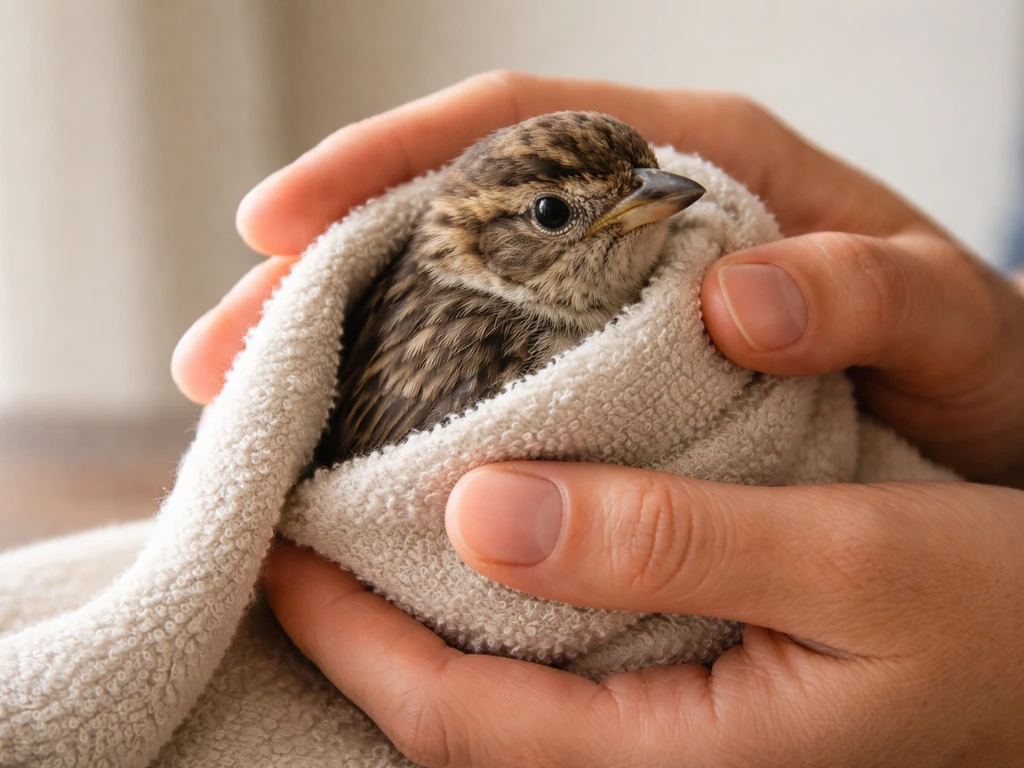
The goal of everything you do before reaching a vet is stabilization, not treatment. You're trying to keep the bird still, reduce stress, prevent further injury, and get it somewhere safe until professional help is available. That's it.
Containing the bird safely
Use a towel to gently wrap the bird, keeping the wings held against its body so it can't flap and worsen the fracture. Grasp the bird around the shoulders so the wings stay controlled. Place it in a shoebox or small carrier lined with a soft cloth or paper towel. The container should be just big enough for the bird to sit upright, not large enough for it to flap around.
Environment: warm, dark, quiet
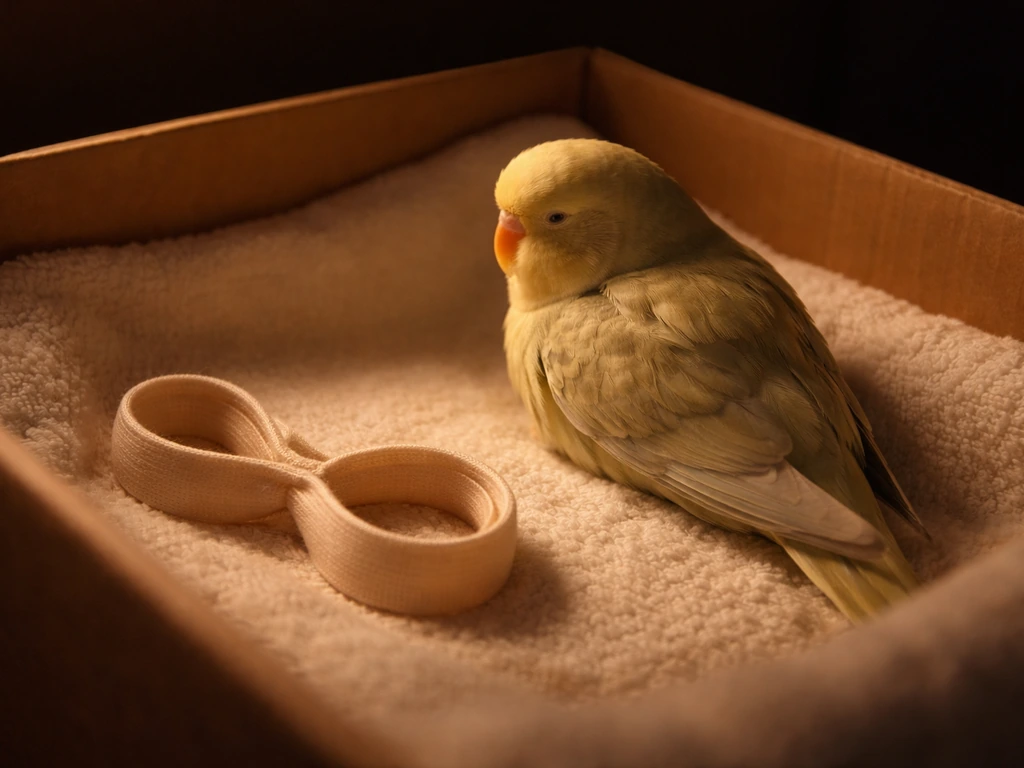
Put the bird somewhere warm, dark, and quiet. A dark environment reduces panic and keeps the bird calmer. If the bird feels cold to the touch, warm one end of the box using a heating pad on its lowest setting placed under (not inside) the box, or use a warm water bottle wrapped in a towel. The bird needs to be able to move away from the heat source if it gets too warm, so never heat the entire container. A target of around 85°F (29°C) is used in clinical settings for injured birds, but for home first aid, just avoiding cold drafts and keeping the bird in a warm room is a reasonable starting point.
The wing wrap (for pet birds, if you can do it without causing more distress)
A figure-eight wing wrap can temporarily immobilize the injured wing against the bird's body to limit movement. This is a technique described in detail by avian veterinary resources and is designed to support the wing in its natural folded position, not to straighten or reposition it. If you're not confident doing this without causing additional pain or stress, skip it. Keeping the bird calm and confined in a towel wrap achieves much of the same result. The priority is always minimizing handling time and stress.
Bleeding
If there is active bleeding, apply gentle, direct pressure with a clean cloth or gauze. If bleeding doesn't stop within about five minutes, that escalates urgency significantly. Get to a vet or emergency animal hospital as fast as possible. Prolonged bleeding can cause anemia and low blood sugar in birds, both of which become serious quickly.
What not to do
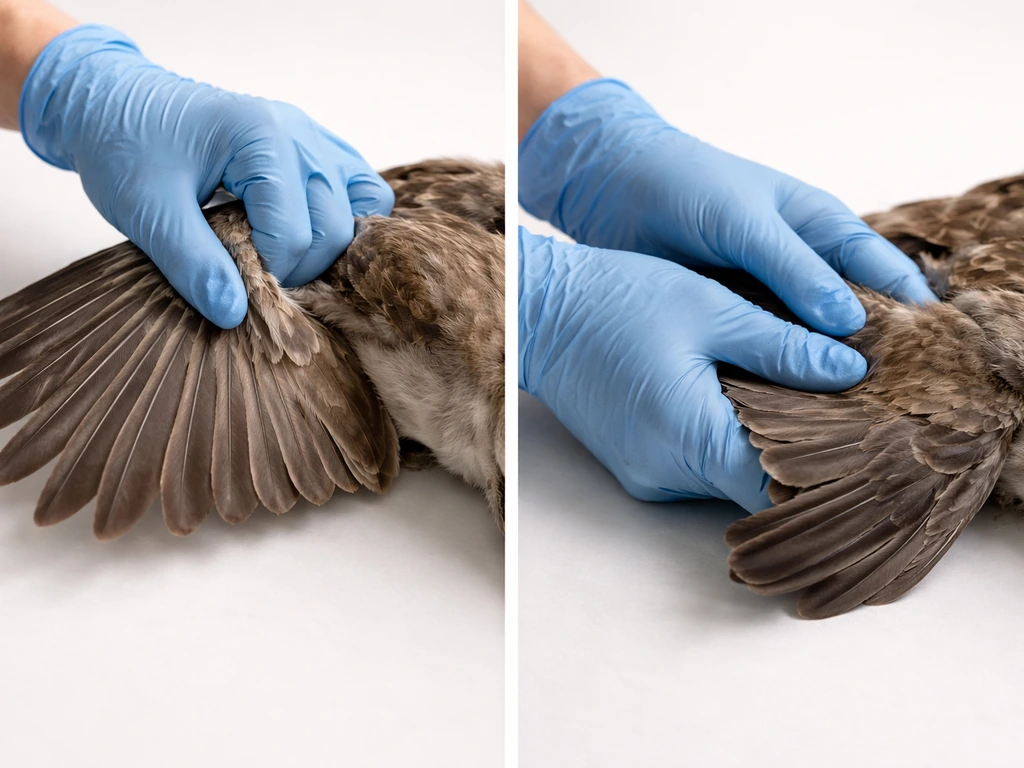
Some of the most damaging things happen in the first few minutes because the person helping is trying too hard to fix the problem. These are the mistakes to avoid:
- Do not try to straighten, reposition, or 'set' the wing yourself. You have no way of knowing the exact fracture pattern, and manipulating it can cause vascular injury, additional bone damage, or extreme pain.
- Do not apply a bandage too tightly. A wrap that's too snug restricts blood flow, which can cause permanent damage to the wing within hours.
- Do not give any human pain medications. Ibuprofen, acetaminophen, and aspirin are toxic to birds.
- Do not offer food or water. A bird in shock or serious pain may aspirate, and force-feeding is stressful and dangerous. A vet will handle nutrition and hydration.
- Do not leave the bird in a large open cage or space where it can flap, fall, or injure itself further.
- Do not handle the bird repeatedly to check on it. Every handling session adds stress. Contain it properly once, then leave it alone until you reach help.
- Do not assume a calm bird is a fine bird. Stillness and quiet in an injured bird often signal shock, not recovery.
When to seek emergency care
Any suspected wing fracture warrants a vet call the same day, but some situations are genuinely urgent and need the fastest response you can manage.
- Active bleeding that doesn't stop within five minutes
- Bone visibly protruding through the skin (open fracture)
- The bird is unconscious, unresponsive, or extremely limp
- Breathing is labored, the beak is open, or the tail is pumping with each breath
- Signs of shock: extreme weakness, inability to hold the head up, cold to the touch despite warming attempts
- Neurological signs alongside the wing problem: head tilt, seizure-like movements, complete inability to stand or coordinate
For pet birds, call an avian vet or emergency animal hospital immediately. Keep the vet's number saved in your phone before an emergency happens. For wild birds, contact a licensed wildlife rehabilitator in your area. For injured wild birds, RSPCA advises contacting the appropriate wildlife resources in advance (for example by phone) and following their handling instructions contact the appropriate wildlife resources in advance. Many areas have wildlife rehab hotlines and drop-off centers, and a rehabilitator is trained specifically to handle wild bird injuries in ways that minimize stress and maximize recovery chances. Do not attempt to keep and treat a wild bird at home beyond basic first aid, in many places it's also illegal without the proper permits.
What the vet will check and what treatment looks like
When you arrive, the vet will start with a hands-on physical exam to assess the bird's overall condition before focusing on the wing. This includes pain response, hydration, breathing, and systemic stability. A bird that has been struggling or bleeding may have secondary problems like low blood sugar or anemia that need addressing alongside the fracture.
The wing itself will be palpated carefully to locate swelling, abnormal movement, or crepitus (that grating sensation at the fracture site). X-rays are standard and necessary to see exactly where the break is, whether it's a simple or compound fracture, and how the bone fragments are positioned. This imaging determines everything about the treatment plan.
Immobilization and splinting
For many fractures, especially in smaller birds or less severe breaks, immobilization is the primary treatment. The vet will apply a proper wing wrap or figure-eight bandage to hold the wing in a natural folded position, preventing movement while the bone heals. The bird will need to stay in a confined space (a hospital cage or small carrier) to prevent it from undoing the wrap or reinjuring the wing.
Surgery
More serious fractures, including compound fractures, badly displaced breaks, or fractures in larger birds, may require surgical repair. This can involve pins, plates, or external fixators to hold the bone in place. Humeral fractures in particular are flagged in clinical literature as especially serious because of the risk of soft-tissue and vascular damage around the fracture site, and they often need more involved management. The vet will discuss surgical options based on the specific fracture and the bird's overall health.
Pain management and supportive care
The vet will provide appropriate pain relief and may also address dehydration, nutritional support, or any secondary injuries. Don't be surprised if the bird is kept for observation or sent home with oral medications. Following the medication schedule exactly is important for recovery.
Recovery care and what to watch for
Recovery from a wing fracture in birds typically takes several weeks, and the conditions at home during that time matter a lot. Keep the bird in a small, secure enclosure where it can't climb, flap, or fall. Perches should be low or removed entirely so the bird doesn't need to balance at height. Line the bottom with soft bedding or paper towels for traction and comfort.
Eating and drinking
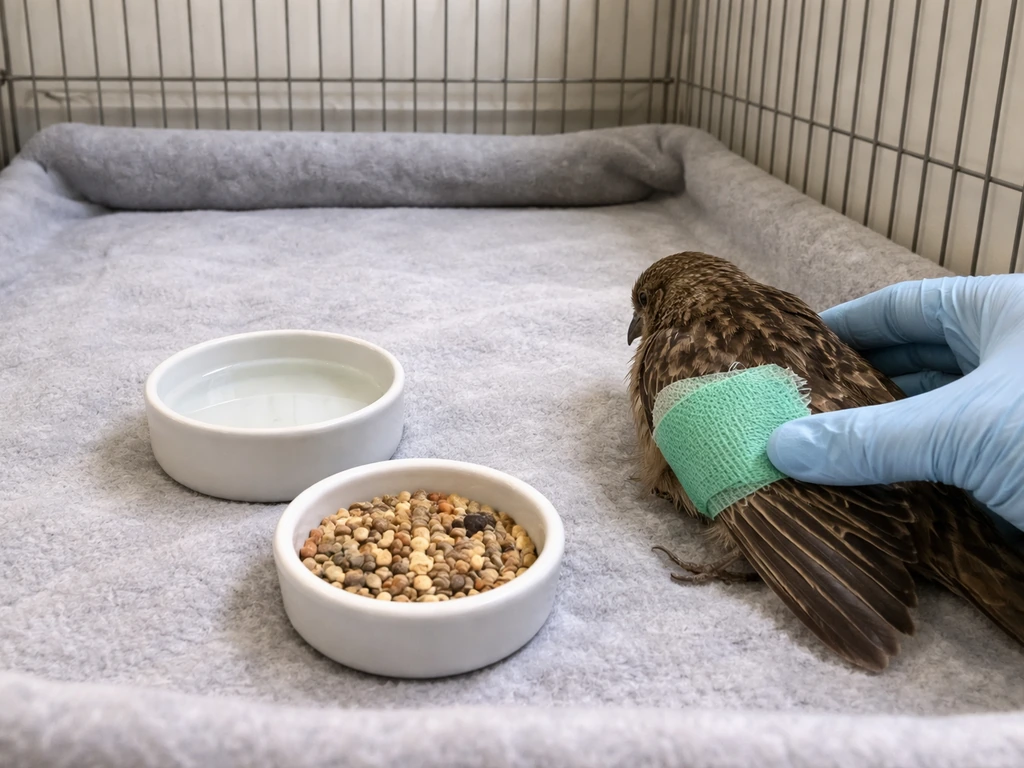
Make sure food and water are easily accessible without the bird having to climb or stretch. Place dishes on the floor of the enclosure during recovery. Monitor intake closely, reduced eating or drinking is one of the first signs that something is wrong. If the bird goes more than 24 hours without eating, contact your vet.
Signs of complications to watch for
- Worsening swelling around the wing, especially if spreading
- Discharge, redness, or odor from the fracture site or around any bandage (signs of infection)
- The bird picking at or removing its bandage — contact the vet if this happens
- Increased pain behavior: more vocalizing, flinching, reluctance to be approached
- Loss of appetite lasting more than a day
- The wing looking more deformed or lower than before
- Limb below the fracture site feeling cold or looking pale/discolored, which can indicate blood flow problems
Bandages and splints need to be checked and changed by the vet on a regular schedule. Don't try to remove or adjust them yourself at home. The vet will monitor healing progress, sometimes with follow-up X-rays, and advise when the bird can begin controlled activity again.
Realistic timelines
Small birds can show bone healing within two to three weeks. Larger birds may take six to eight weeks or longer. Complete recovery, including return to full flight, depends on the fracture location, severity, how quickly treatment started, and individual factors. Some birds do regain full wing function; others may have lasting limitations, especially if treatment was delayed or if the fracture was severe. Your vet will give you the most honest picture once they've seen the X-rays and assessed healing progress over time.
For wild birds treated by a wildlife rehabilitator, the goal is always to return the bird to the wild if possible. This requires not just bone healing but the ability to fly well enough to survive. Rehabilitators will do flight assessments before release and may make the difficult call that a bird is not releasable if function is permanently impaired.
FAQ
Is it safe to assume a drooping wing always means a broken wing in birds?
No. Drooping can also happen with molting-related discomfort, muscle strain, joint issues, or neurologic problems. The best decision aid is pattern-based timing, for example, injury or impact followed immediately by abnormal wing position, plus pain behavior or visible swelling or deformity.
What are the bird broken wing symptoms that suggest nerve or spinal injury instead?
Clues include a wing held oddly after a window strike, trouble standing or perching, weakness in the legs, incoordination, head or neck held abnormally, or breathing difficulty. If you see these along with the wing problem, treat it as an emergency and seek immediate veterinary or emergency care.
How can I tell if the problem is actually the leg rather than the wing?
If the bird has trouble standing, favors one foot, has limping, or shows difficulty balancing and uses wingtips for support, leg involvement becomes more likely. Avoid testing by pulling the limbs at home, because that can worsen an injury. A vet should check joints and range of motion.
Should I try to straighten the wing or adjust a wrap at home?
No. Do not attempt to reposition the wing to “make it line up,” and do not remove or adjust bandages after wrapping. Improper positioning can increase pain, worsen displacement, or damage soft tissue. If you must wrap for transport, only immobilize in a way that prevents flapping, and then get professional help.
What should I do if there is bleeding from the wing?
Apply gentle, direct pressure with clean gauze or cloth. If bleeding does not stop within about five minutes, treat it as high urgency and go to an emergency facility immediately, prolonged bleeding can quickly lead to anemia and low blood sugar in birds.
When exactly should I call the vet versus heading straight to emergency care?
Call the same day for any suspected fracture, but go fastest possible if there is heavy bleeding, breathing or neurologic signs, worsening weakness, active struggle to stand, or the bird seems critically unwell. If you cannot secure transport quickly, contact emergency services for triage guidance.
How warm should the bird be during first aid, and how do I avoid overheating?
Aim to prevent cold stress rather than heating the entire container. A common clinical target is around 85°F (29°C), but at home focus on warming one end only using a low setting heating pad placed under the box, or a warm water bottle wrapped in a towel, so the bird can move away if too warm.
Do I need a figure-eight wrap, or is a simple towel wrap enough?
A figure-eight wrap can temporarily immobilize the wing in a natural folded position, but only if you can do it without increasing pain or stress. If you are not confident, skip it and use a towel wrap that controls flapping and keeps handling time short.
Is there anything I should not give the bird for pain while waiting for the vet?
Avoid human pain medications unless your avian vet specifically instructs you. Birds are highly sensitive to dosing and some common drugs can be dangerous even in small amounts. Focus on stabilization, warmth, confinement, and getting to care quickly.
How long should recovery take, and what should I watch for at home during the first day?
Expect weeks, with small birds sometimes improving in two to three weeks and larger birds often taking six to eight weeks or longer. Early red flags include not eating or drinking, reduced responsiveness, worsening swelling, or the bird undoing the wrap or climbing and falling.
When can a bird return to perching and normal activity after a wing fracture?
Follow your vet’s schedule based on X-ray healing and stability, do not use high perches during recovery. Even after immobilization is removed, many birds need a gradual return to activity to prevent re-injury or improper healing.
What should I do differently for wild bird broken wing symptoms compared with pet birds?
For wild birds, basic first aid only, then contact a licensed wildlife rehabilitator. Many places have legal requirements, and home treatment beyond basic stabilization is often not appropriate. Rehabilitators also assess whether the bird can fly well enough for release, not just whether the bone healed.
Next Article
Bird Broken Neck Symptoms: Signs, Emergency Steps, and Care
Spot bird broken neck symptoms, tell them from other urgent issues, and follow emergency steps for safe stabilization an