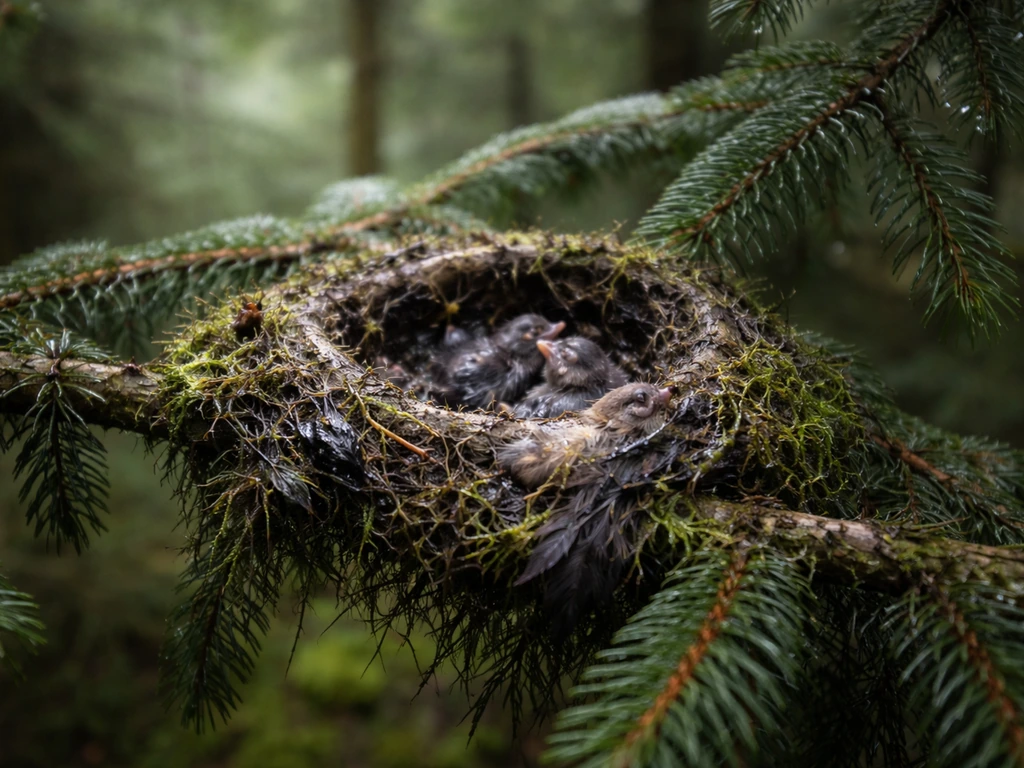
A crop infection in birds shows up most clearly as a swollen, fluid-filled crop that doesn't empty normally, combined with regurgitation and a sour or foul smell coming from the bird's mouth or vomited material. Those three signs together are your clearest signal that something is wrong in the crop, and they warrant a vet call the same day. If you are also dealing with bird cherry tree problems, make sure you identify any potential environmental or toxic triggers in the area first.
Bird Crop Infection Symptoms: Signs, Causes, and What to Do

Marcus Webb
3 May 2026
What a crop infection actually is and what causes it
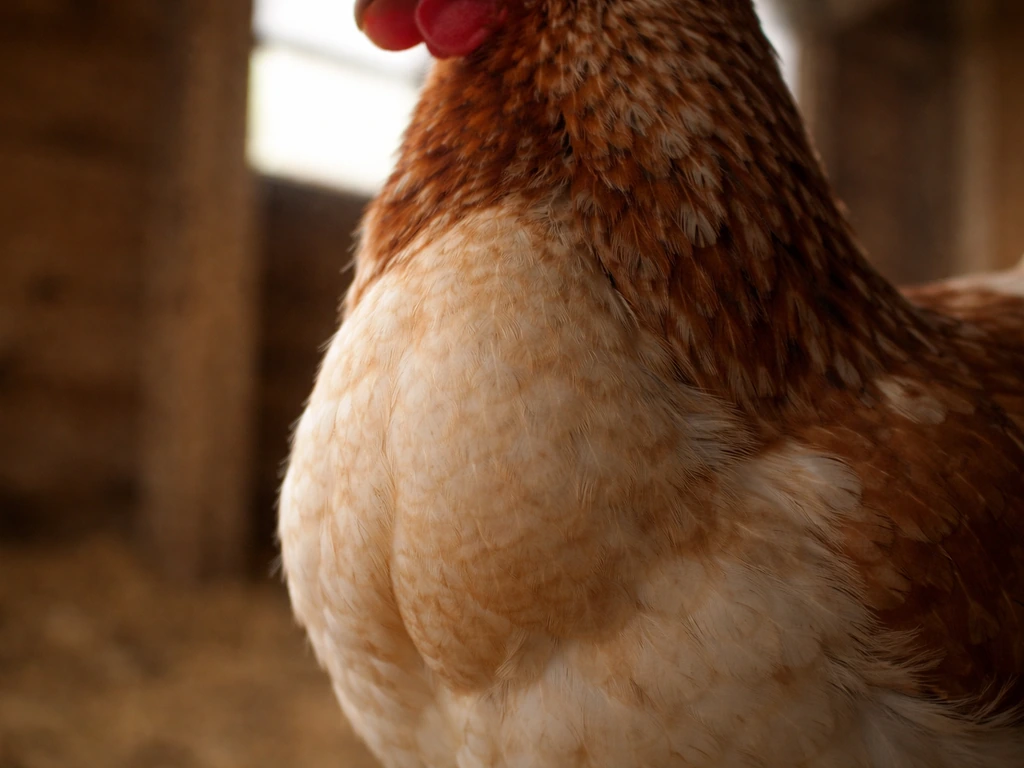
The crop is a pouch in a bird's digestive tract, sitting at the base of the neck, where food is stored and softened before moving further down. When the crop gets infected or inflamed, that process breaks down. Food sits too long, bacteria or yeast multiply, and the bird starts showing signs of digestive distress.
The most common causes fall into a few categories. Yeast (primarily Candida albicans) is behind what's called sour crop or candidiasis, and it often develops when a bird's normal gut flora is disrupted, such as after a course of broad-spectrum antibiotics. Bacterial infections are another cause, which your vet will typically treat with antibiotics.
Viral causes, including polyomavirus and avian bornavirus, also exist, though these require supportive care rather than antivirals since effective antivirals aren't available for most avian viral infections. Then there's Macrorhabdus ornithogaster (avian gastric yeast), a separate yeast-like organism that can produce overlapping symptoms, particularly in budgerigars, cockatiels, finches, and canaries. Foreign material, crop impaction, and aspiration of food or liquid round out the list of things that can cause crop stasis and related symptoms.
It's worth noting that some of these causes mimic each other closely, which is why home observation is useful for recognizing the problem, but getting a proper diagnosis really does require a vet.
The symptoms you'll actually see
The most reliable signs of a crop infection are a combination of changes in the crop itself, changes in the bird's behavior around food, and a sour odor. Here's what to look and watch for:
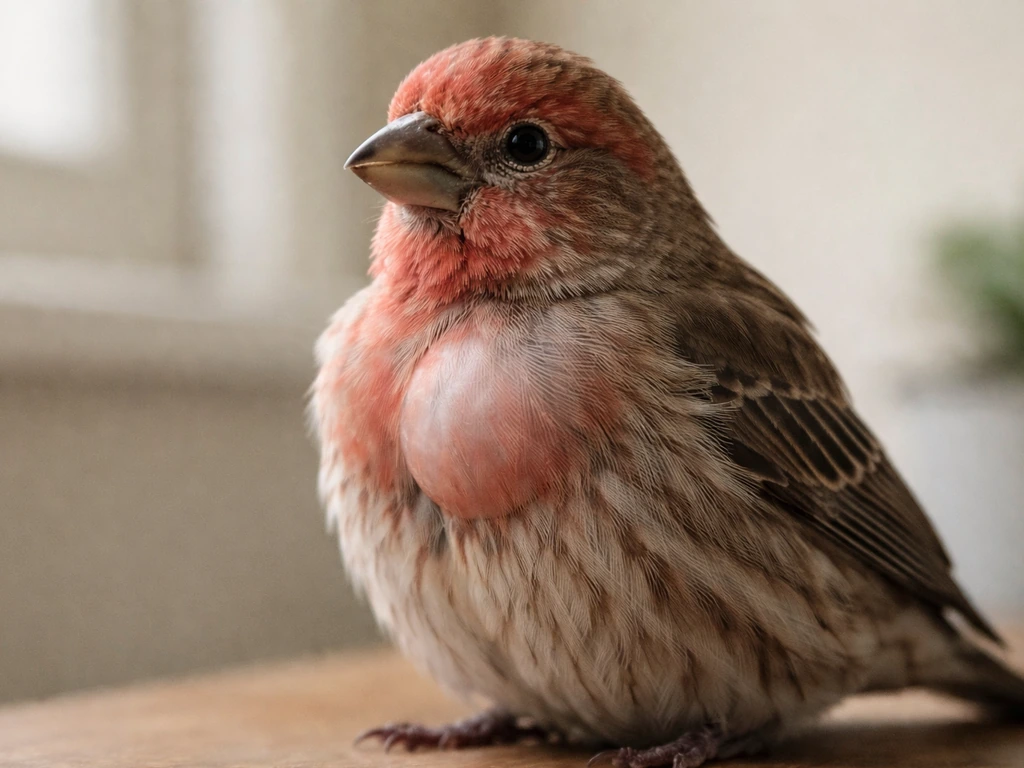
- Distended, fluid-filled crop: The crop feels squishy, rounded, or unusually large. You can often see or feel this at the base of the neck, especially on smaller birds like cockatiels or budgies.
- Delayed crop emptying: A healthy crop should empty within a few hours of a feeding. In chicks and young birds especially, a crop that hasn't emptied within 6 hours is a sign of crop stasis.
- Regurgitation or vomiting: The bird brings food back up. This may look like whole or partially digested food, or a foamy or mucus-heavy liquid.
- Sour or foul smell: A distinctly bad odor from the bird's mouth or from regurgitated material is a hallmark of sour crop and yeast-related infections. The fluid may sometimes appear brownish.
- Lethargy and fluffed feathers: A sick bird often puffs up and becomes less active. If your bird is sitting hunched with feathers fluffed and isn't interested in its surroundings, that's a meaningful sign.
- Little to no appetite: The bird stops eating or eats much less than normal.
- Mucus or debris in the crop: The crop may feel like it contains thick mucus, dry debris, or lumpy material rather than soft food.
- Weight loss: This can be subtle at first. Regularly handling your bird lets you feel if the keel bone (breastbone) is becoming more prominent, which indicates weight loss.
- Abnormal droppings: Loose, watery, or discolored droppings, or droppings that contain undigested seed, can all accompany crop problems.
- Passage of undigested food: Seeing whole seeds in the droppings is a particular red flag, especially in budgies, finches, and canaries where Macrorhabdus is a known issue.
If your bird is regurgitating and has a visibly swollen or pendulous crop that smells sour, those symptoms together strongly suggest a crop infection rather than a one-off upset.
How symptoms vary by species, age, and situation
Young birds vs adults
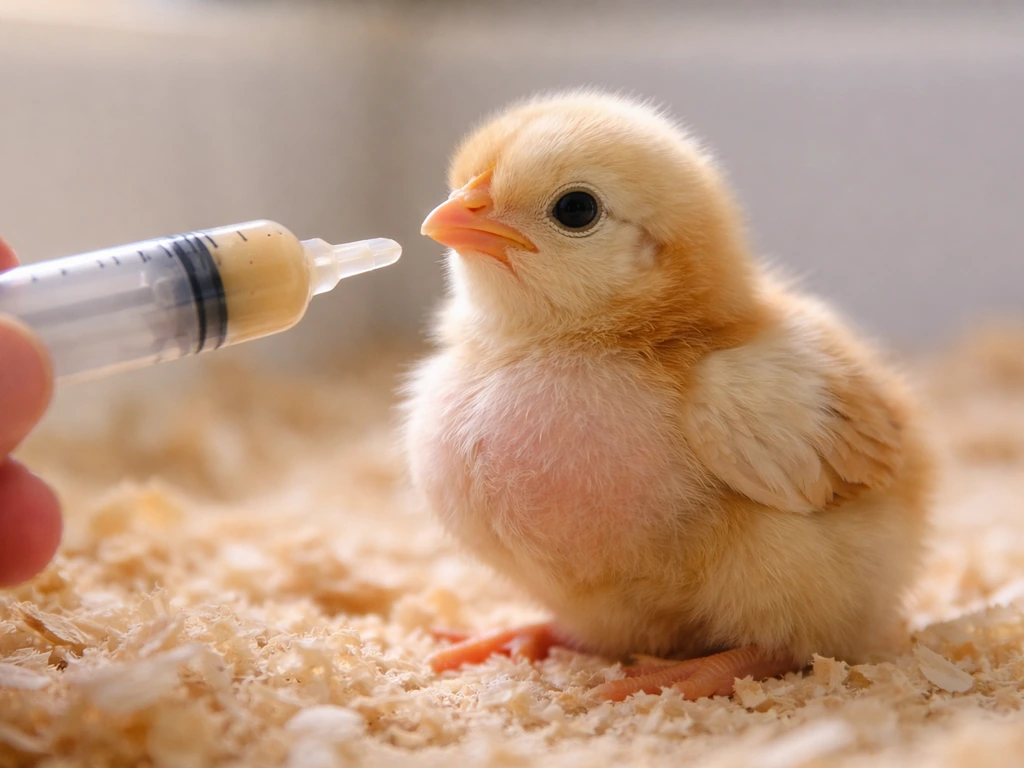
Young, hand-fed birds are particularly vulnerable to crop problems. In chicks and fledglings, crop stasis can progress fast, and a crop that hasn't emptied within 6 hours of feeding is a clinical concern that needs attention quickly. Crop stasis is defined as a common clinical sign where the crop fails to empty in a timely manner, and it can be associated with infectious causes such as yeast [crop that hasn't emptied within 6 hours of feeding is a clinical concern](https://lafeber.
com/vet/crop-stasis-in-birds/). Parents or caretakers hand-rearing chicks should monitor crop emptying at every feed. Adult birds can develop crop infections too, but they tend to show signs more gradually, and the early stages (slight decrease in appetite, mild lethargy) are easier to miss.
Small parrots, budgies, cockatiels, finches, and canaries
Budgerigars and cockatiels are among the most commonly affected species when it comes to both Candida-related sour crop and Macrorhabdus ornithogaster. In finches and canaries with Macrorhabdus, the signs can include regurgitation, anorexia, whole seeds in the feces, crop stasis, gas in the GI tract, and a distinctive posture where the bird appears to tilt with the abdomen and tail elevated.
Bird canker symptoms can also be mistaken for other crop or upper GI problems, so it helps to know the signs your vet will look for crop stasis. This posture is unusual and should prompt a vet visit. Doves and budgerigars can also show signs of trichomoniasis (another condition affecting the crop and upper GI tract) that looks similar to yeast or bacterial infection on the outside.
Pet birds vs wild birds
Pet birds have the advantage that you can monitor them closely every day. You'll notice changes in feeding behavior, weight, and droppings that you'd never catch in a wild bird. Wild birds with crop infections are typically found in distress, sitting on the ground, or failing to fly. If you find a wild bird showing these signs, contact a local wildlife rehabilitator rather than trying to treat it yourself. The handling stress alone can be harmful to an already sick bird.
What you can check at home right now
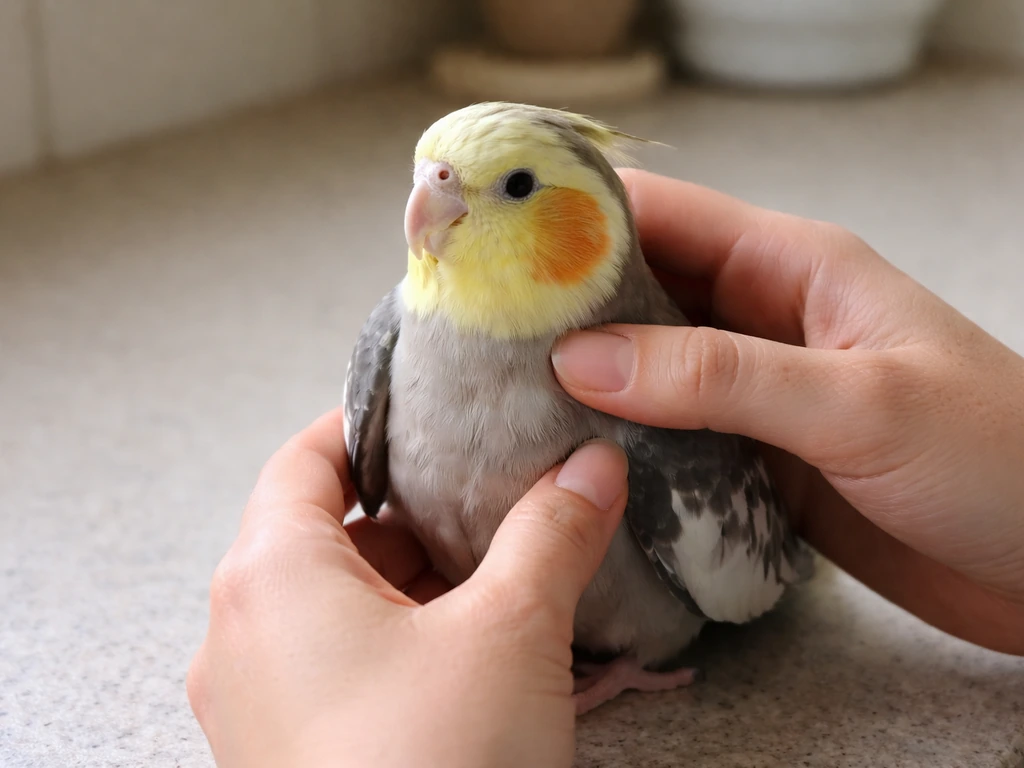
You don't need any equipment to do a useful initial assessment. Here's what to look for before (and while) you call the vet:
- Check the crop area: Gently feel the base of the neck for swelling, unusual softness, or a squishy fluid-filled sensation. Compare to what's normal for your bird after a typical meal.
- Time the crop emptying: Note when your bird last ate and check whether the crop has gone down within a few hours. If the crop is still full 6 or more hours after feeding (especially in a chick), that's a problem.
- Smell the bird's mouth or beak area: Get close when the bird opens its beak or regurgitates. A sour, yeasty, or foul smell is a significant finding. Note it specifically when you call the vet.
- Watch feeding behavior: Is the bird going to its food dish but not eating? Picking at food and dropping it? Not going near the food at all? Note which one applies.
- Check the droppings: Look for watery droppings, unusual color changes (very dark, bright green, yellowish), or the presence of whole seeds. Photograph the droppings if you can.
- Assess body condition: Gently pick up your bird and run a finger along the keel bone. If it feels sharp or prominent rather than rounded, the bird may be losing weight.
- Note behavior and posture: Is the bird perching normally or sitting low? Are the feathers fluffed? Is it sleeping during active hours? Any of these combined with crop signs are meaningful.
- Record recent history: Think about whether the bird recently had antibiotics, a diet change, new food sources, or any stressful event. This information helps the vet narrow down the cause quickly.
Don't try to massage or empty the crop yourself, and don't give over-the-counter medications or force-feed the bird. In unclear GI situations, force-feeding carries a real risk of aspiration, which can make things much worse.
Red flags: when you need a vet today
Some signs mean you shouldn't wait and see. Call or go to an avian vet the same day, or treat it as an emergency, if your bird is showing any of the following:
- The crop is visibly distended and has not changed in size for several hours
- The bird is actively regurgitating repeatedly, especially if the material smells foul
- The bird is on the bottom of the cage, unable to perch, or barely responsive
- There are signs of respiratory involvement: open-mouth breathing, tail bobbing, or wheezing alongside crop symptoms
- A chick or young bird's crop hasn't emptied within 6 to 8 hours of feeding
- You can see or feel hard, dry, or foreign material in the crop that doesn't feel like normal softened food
- The bird has not eaten or drunk for more than 8 hours and is showing any other symptoms
- Rapid or severe weight loss that you can feel when you handle the bird
As a general guide, any bird showing digestive difficulty combined with swelling of the crop area warrants a vet contact within 8 hours. Birds showing breathing difficulty or complete collapse are emergencies with no waiting.
What the vet will do and what else it might be
When you bring a bird in with crop symptoms, the vet will typically start with a physical exam including palpation of the crop, then move to diagnostic testing. The most useful initial test is crop cytology, where a small sample of crop contents or regurgitated material is examined under a microscope. This can identify abnormal bacteria, yeast organisms (including Candida pseudohyphae), inflammatory cells, trichomonads, or other abnormalities. A Gram's stain is commonly used as part of this process. Fungal culture of the crop fluid or feces may also be done to confirm Candida.
It's important to know that crop infection symptoms overlap with several other conditions, so the vet is working through a list of possibilities. These differentials include:
- Candidiasis (sour crop / thrush): Yeast overgrowth, often after antibiotic use or immune compromise
- Bacterial crop infection: Various bacteria can infect the crop, requiring targeted antibiotic treatment
- Macrorhabdus ornithogaster (avian gastric yeast): A yeast-like organism affecting the proventriculus and ventriculus, with overlapping symptoms
- Trichomoniasis: A protozoal infection that affects the crop and upper GI tract, common in doves and budgerigars
- Crop impaction: Physical blockage from dry food, foreign material, or debris without necessarily having an active infection
- Viral disease (polyomavirus, avian bornavirus): Can cause crop stasis and regurgitation without bacterial or yeast involvement
- Proventricular Dilatation Disease (PDD): Associated with avian bornavirus, can cause chronic regurgitation and weight loss
- Foreign body ingestion: Objects stuck in the crop causing stasis that mimics infection
The distinction matters because treatments are different. Bacterial infections need antibiotics. Yeast infections need antifungals. Viral infections are managed with supportive care. Impaction may require manual emptying or surgery. The vet can't tell these apart just by looking at the outside of the bird, which is why the diagnostic workup is essential.
Treatment basics and what recovery looks like
Treatment depends entirely on what's causing the infection. Bacterial crop infections are treated with antibiotics selected based on the type of bacteria identified. Candida infections are treated with antifungal medications. Viral infections get supportive care: fluids, warmth, nutrition support, and management of secondary issues. Your vet may also recommend temporarily modifying how and what you're feeding the bird during treatment.
For birds that are dehydrated or not eating, fluid therapy and nutritional support are key parts of the recovery plan. Crop stasis is described as a true emergency, and VetZone notes that treatment and management include correcting dehydration with fluids and keeping the bird warm, with prompt veterinary help. In severely affected birds or chicks, the vet may empty the crop manually before beginning treatment. At home, you should follow feeding instructions exactly as the vet prescribes, offer easily digestible foods if the bird will eat, keep the bird warm, and minimize stress.
Recovery timelines vary. A straightforward yeast or bacterial infection caught early and treated promptly can show improvement within a few days. A bird that was severely ill, dehydrated, or had secondary complications may take weeks to fully recover and return to normal crop function and weight. Weigh the bird daily if you can (a kitchen scale works for small birds) and keep notes on food intake and droppings to share with the vet at follow-up.
Preventing crop infections from coming back
Once a bird has had a crop infection, you want to make sure the conditions that caused it don't repeat. The good news is that most of the prevention measures are straightforward husbandry habits.
Food and water hygiene
Wash food and water dishes daily. Don't leave wet or soft foods in the cage for more than a couple of hours, as moist food is a fast breeding ground for yeast and bacteria. For hand-feeding formula used with chicks, prepare fresh batches each time, follow temperature guidelines carefully (formula that's too cool slows crop emptying, formula that's too hot can cause crop burns), and never reuse leftover prepared formula.
Antibiotic use and follow-up
If your bird needs antibiotics for any reason, talk to your vet about whether a probiotic or supportive measure is appropriate alongside the course. Broad-spectrum antibiotics disrupt the normal crop microflora and create conditions where yeast like Candida can overgrow. Being aware of this risk means you can watch more closely during and after any antibiotic course.
Routine monitoring habits
Make it a habit to check crop emptying after meals, weigh your bird regularly (weekly is fine for stable birds, more often if there's been a recent illness), and observe droppings every day. You don't need to do anything complex, just know what's normal for your individual bird so that changes register quickly. Catching a crop problem in its early stages, when the bird is still eating a little and has mild swelling, gives you and the vet much better options than waiting until the bird is severely ill. If you're growing bird nest ferns, pay attention to your plant's care too, since poor watering or light can lead to common issues that may look similar to plant stress bird nest fern problems.
Environment and stress reduction
Stress suppresses immune function and can make birds more vulnerable to opportunistic infections, including crop yeast. Keep housing clean, avoid sudden changes in temperature, and minimize exposure to new birds without a quarantine period. A quarantine of at least 30 days for any new bird coming into your home protects both the new arrival and your existing birds.
Crop health is connected to overall bird health. Birds dealing with other conditions, whether beak problems affecting how they eat, or systemic infections, can develop secondary crop issues. If your bird is struggling with bird beak problems, it may not be able to eat normally, which can contribute to crop stasis and related digestive issues. Keeping an eye on the whole bird, not just one symptom, is the most reliable way to catch problems early and keep crop infections from becoming a recurring issue.
FAQ
How can I tell if it is a true crop infection versus just a temporary delay in crop emptying?
Look for pattern and consistency. A temporary upset may cause a mild slowdown once, but a concerning pattern is repeated regurgitation plus persistent sour or foul odor, and a crop that stays visibly swollen and not emptying on schedule over multiple meals. If you see those combined signs, treat it as a crop infection and contact an avian vet the same day.
What does “not emptying within 6 hours” mean in practical terms for my bird?
It means that after a normal feeding, you should be able to feel and visually assess whether the crop returns toward a normal size before the 6-hour mark. For hand-fed chicks, do a quick check right before the next feed, if possible. If the crop still feels full or pendulous at that point, that timing is a clinical red flag rather than something to monitor overnight.
Is it ever safe to give a small amount of food while I’m waiting for the vet?
Only if your vet has told you to continue feeding. In many crop infections, continued feeding without guidance can worsen stasis or increase aspiration risk if regurgitation is happening. If your bird is actively regurgitating or breathing is affected, pause and prioritize urgent veterinary advice before offering more food.
Should I try to cool, warm, or change the bird’s temperature at home to help the crop move?
Temperature support can help, but avoid sudden changes. Keep the bird warm and stable, since chills can worsen gut motility and appetite. Do not apply heat directly to the crop area, and do not attempt aggressive warming that could cause overheating stress.
Can I use probiotics or antifungal/antibiotic leftovers from a previous illness?
Avoid leftover or self-started medications. The treatment depends on the cause (yeast-like organisms, bacteria, impaction, viral disease), and giving the wrong drug can delay proper care or worsen complications. If you want to use supportive probiotics alongside treatment, confirm with your vet which product and timing are appropriate for your bird and diagnosis.
What are aspiration risk signs while the bird has a swollen crop?
Watch for open-mouth breathing, wheezing, tail-bobbing or effortful breathing, persistent coughing, and rapid deterioration in energy. If breathing looks abnormal, treat it as an emergency rather than a wait-and-see situation because regurgitated or liquid material can enter the airway.
How do I document symptoms so the vet can diagnose faster?
Take notes and, if possible, short videos. Record when the last normal feeding occurred, when regurgitation started, whether there is a sour smell, how the crop size changes over time, and any droppings changes (volume, color, seed presence). Daily weight can be very helpful for tracking severity and response to therapy.
If my bird has Macrorhabdus or Candida, will the symptoms look exactly the same every time?
Not necessarily. Overlapping signs can vary by species and severity, and some conditions include additional clues like whole seeds in droppings or distinctive posture changes. Because external appearance alone cannot reliably separate causes, cytology and other tests are still the safest route before choosing medication.
Can crop infections come from dirty seed or from bird nest ferns or plants in the area?
Poor food and water hygiene can contribute, especially with moist foods or leftovers. Plants usually raise concern only if they affect husbandry conditions like humidity, moisture contamination, or access to non-food items. If you suspect environmental contributors, focus first on cleaning routines and food handling, then discuss plant-related concerns with your vet if ingestion or contact is plausible.
What should I do with droppings and any vomit/regurgitated material before the appointment?
If your vet has requested diagnostic testing, place samples in the way they instruct. In general, do not add chemicals or cleaners to samples. Keep them cool and transport them promptly according to the vet’s guidance, since delays can reduce the usefulness of cytology or culture.
When is manual crop emptying appropriate, and what should I never do at home?
Manual emptying is sometimes done by the vet, especially in severely affected birds or chicks, to allow safer treatment afterward. At home, do not attempt to massage or empty the crop, and do not force-feed, because both can increase aspiration risk and can worsen inflammation or impaction if the underlying cause is not simple stasis.
How soon should I expect improvement after the right treatment starts?
Many uncomplicated yeast or bacterial cases show noticeable improvement within a few days, such as reduced regurgitation and a crop that empties more normally. If there is no clear trend toward improvement in that timeframe, contact the vet promptly, since the cause may differ or complications may be developing.
What prevention steps matter most after my bird has recovered?
Prioritize three areas: strict cleaning of food and water dishes, avoiding moist or soft foods sitting longer than a couple of hours, and managing feeding temperature and preparation for hand-fed formula. Also, during or after any broad-spectrum antibiotic course, monitor more frequently for early signs of stasis, odor, or regurgitation, since the gut flora disruption can increase yeast overgrowth risk.
Next Article
Bird Nest Spruce Problems: Symptoms and Safe Next Steps
Spot bird nest spruce problems fast: causes, symptoms in chicks, safe steps today, red flags, vet guidance, prevention.