
You absolutely can get diseases from birds. It does not happen often, and for most healthy people the risk is low, but it is real and well-documented. The belief that birds are essentially harmless carriers is a myth worth correcting, especially if you own a pet bird, work around birds, or share an office with one. Knowing exactly how transmission happens, which diseases matter, and what raises your risk is what actually keeps you safe.
Can You Get Diseases From a Bird? Risks and What to Do

Marcus Webb
7 May 2026
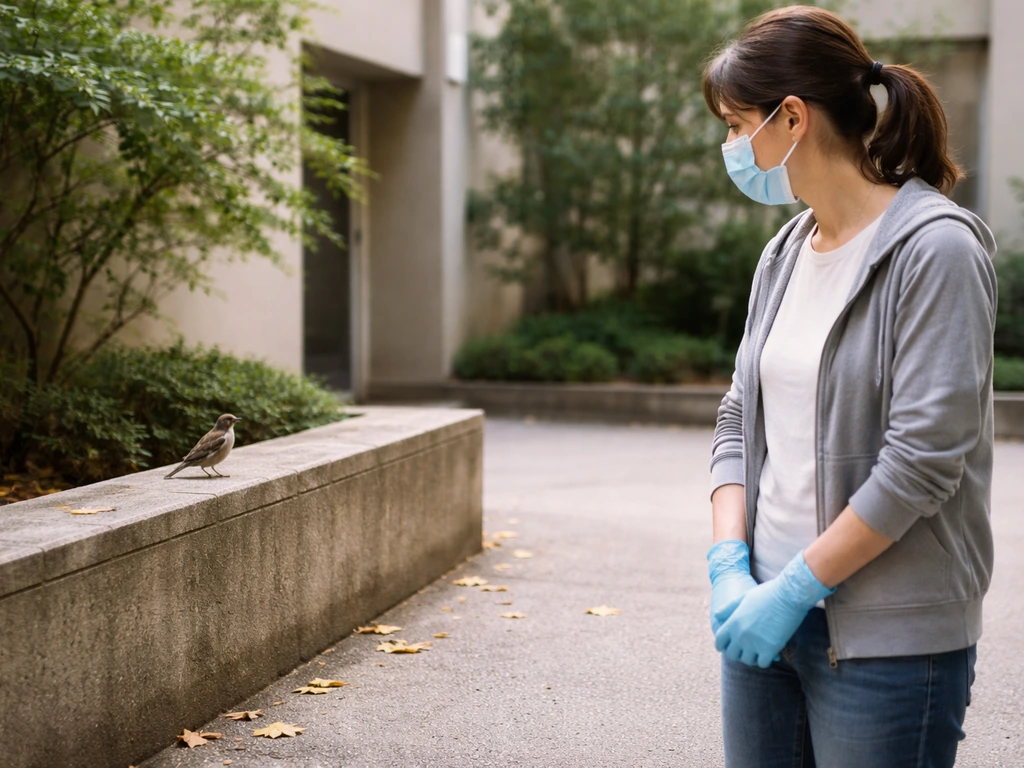
Myth vs. reality: can birds spread illness to people?
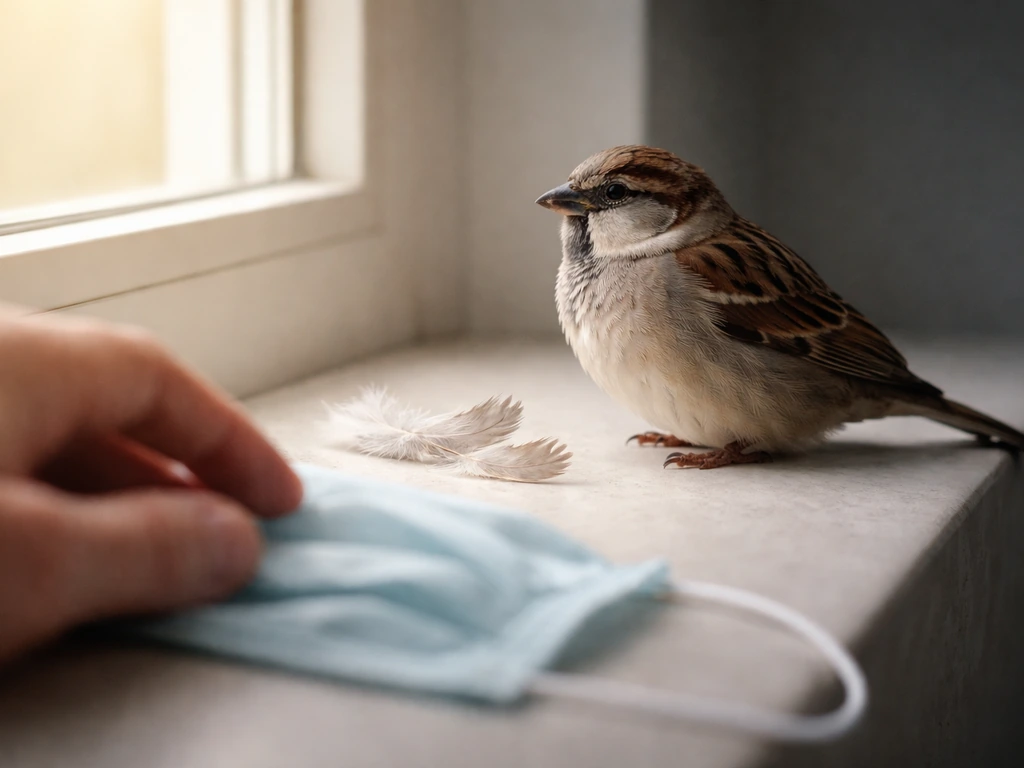
The short version: yes, birds can spread illness to people, but context matters enormously. The idea that birds are disease-free comes partly from the fact that casual, brief contact with a healthy bird in a clean environment carries very little risk. Most bird owners never get sick from their pets. That said, dismissing the risk entirely is inaccurate and can lead to real harm.
Psittacosis, caused by the bacterium Chlamydia psittaci, is probably the most well-known example. The CDC explicitly flags it as a zoonotic disease tied to contact with pet birds and poultry, and notes that people in bird-related jobs or households face increased risk. Avian influenza is another, with the WHO confirming that humans can contract zoonotic flu strains through direct or indirect contact with infected birds or contaminated environments. These are not theoretical concerns dreamed up in a lab. They are documented, tracked, and taken seriously by public health agencies.
So the myth is not that disease transmission is common. It is the blanket claim that it cannot happen at all. That part is simply wrong.
How bird-to-human transmission actually happens
Understanding the routes of transmission is the key to managing risk, because most of them are avoidable with basic precautions.
- Respiratory/aerosol exposure: This is the big one for psittacosis. Dried feces, dander, feather dust, and respiratory secretions from infected birds become airborne particles. You inhale them without even realizing it, especially during cage cleaning, handling bedding, or spending time in a poorly ventilated space with birds.
- Feces and contaminated surfaces: Bird droppings carry pathogens that survive on surfaces for hours or longer. Touching a contaminated surface and then touching your face is a straightforward exposure route.
- Direct contact (bites and scratches): Bites and scratches from birds can introduce bacteria directly into the skin. This is less common but worth noting, especially with parrots or wild birds that are stressed or sick.
- Handling feathers, food, or nesting material: Contaminated feathers and nesting material can carry bacteria and fungal spores. Handling these without gloves, particularly from sick or wild birds, raises risk.
- Indirect contact with infected environments: Live bird markets, aviaries, and even office spaces where a bird is kept can have contaminated air or surfaces if a bird is ill and the space is not well ventilated.
The CDC's guidance on avian influenza specifically notes that people can become infected through unprotected contact with infected poultry or contaminated surfaces and materials, which reinforces that it is not just about touching the bird directly.
The zoonotic diseases worth knowing about
There is a manageable list of diseases that realistically cross from birds to people. You do not need to memorize all of them, but knowing the major players helps you recognize warning signs early.
| Disease | Cause | Primary Bird Hosts | Main Human Risk Route |
|---|---|---|---|
| Psittacosis (parrot fever) | Chlamydia psittaci (bacteria) | Parrots, cockatiels, pigeons, poultry | Inhaling dried feces or secretion particles |
| Avian influenza (bird flu) | Influenza A viruses (H5N1, H7N9, others) | Poultry, wild waterfowl | Direct/indirect contact with infected birds or contaminated environments |
| Salmonellosis | Salmonella bacteria | Poultry, pet birds, wild birds | Fecal-oral route (contaminated hands or surfaces) |
| Cryptococcosis | Cryptococcus neoformans (fungus) | Pigeons (via droppings) | Inhaling fungal spores from dried droppings |
| Campylobacteriosis | Campylobacter bacteria | Poultry, pet birds | Fecal-oral route |
| Newcastle disease | Paramyxovirus | Poultry, pet birds | Contact with infected birds or secretions (mild in humans) |
Psittacosis and avian influenza get the most attention because they can cause serious respiratory illness in people. Cryptococcosis is worth flagging specifically for anyone around pigeons, since pigeon droppings are a well-established source of Cryptococcus spores, and this fungal infection can be severe in immunocompromised individuals.
Warning signs: what to look for in birds and in yourself
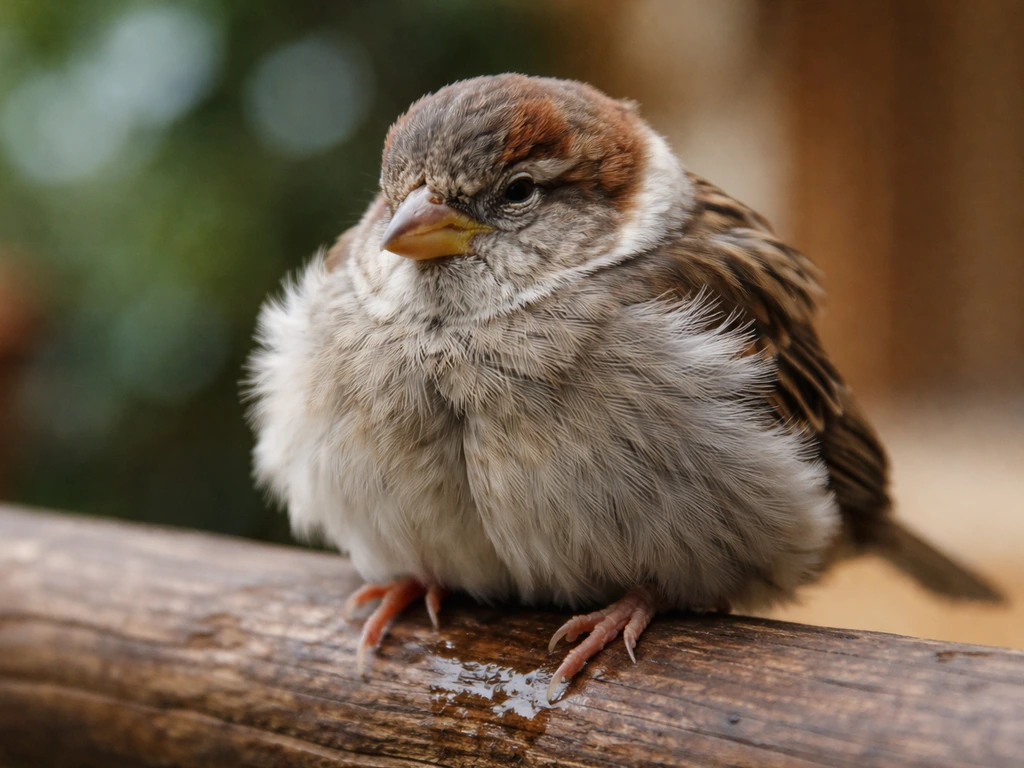
Signs a bird may be sick
Birds are prey animals and instinctively hide illness until they cannot anymore. By the time a bird looks visibly sick, it has often been ill for some time. Watch for these red flags:
- Fluffed feathers with the bird sitting low on the perch (a classic sign of illness)
- Discharge from the eyes or nostrils
- Labored, open-mouthed breathing or audible clicking/wheezing
- Loss of appetite or significant weight loss
- Changes in droppings: color, consistency, or volume (watery, green, or bloody droppings)
- Lethargy or decreased vocalization in a normally active bird
- Neurological signs like head tilting, loss of balance, or seizures
- Swollen joints, unusual lumps, or lesions on the skin or beak
Symptoms in people after bird exposure
Human symptoms from bird-related infections can mimic a lot of other common illnesses, which is why exposure history matters so much for getting an accurate diagnosis. The CDC specifically notes that psittacosis symptoms resemble other respiratory illnesses, so telling your doctor about bird contact is critical.
- Fever, chills, and headache (common in psittacosis and avian flu)
- Dry cough, chest pain, or shortness of breath
- Muscle aches and fatigue
- Nausea, vomiting, or diarrhea (more common in salmonellosis or campylobacteriosis)
- Confusion or altered mental status in severe psittacosis cases
- Symptoms appearing 5 to 14 days after exposure for psittacosis; 2 to 5 days for avian flu
Situations that actually raise your risk
Risk is not evenly distributed. Most casual bird contact is low risk. But certain situations push that risk up significantly, and it helps to know which ones.
Sick birds
A visibly ill bird sheds far more pathogens than a healthy one. If your bird is showing any of the warning signs above, treat the situation as higher risk immediately: limit direct contact, wear gloves, avoid inhaling air near the bird, and get the bird to a vet quickly.
Cage cleaning and handling waste
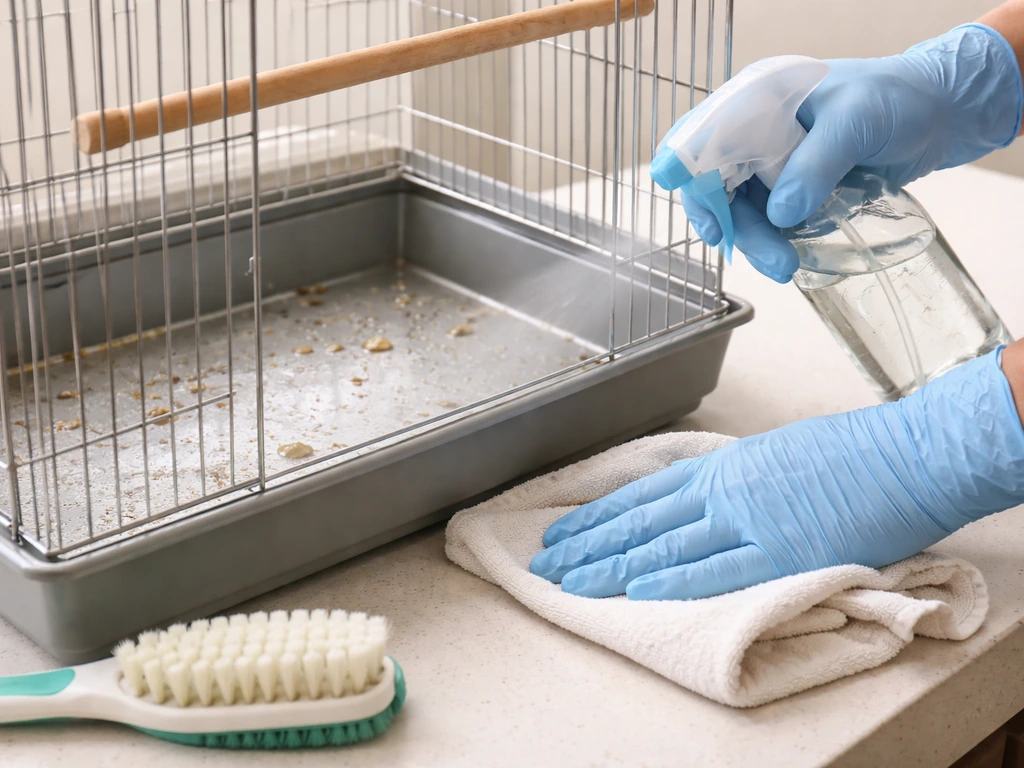
Cleaning is the highest-risk activity most bird owners do regularly. The CDC is explicit on this: avoid dry sweeping or vacuuming a bird's cage or surrounding area, because it launches dried fecal particles and dander into the air where you can inhale them. Wet cleaning methods and proper respiratory protection are essential, especially if your bird has been sick.
Immunocompromised people
If you are pregnant, elderly, undergoing chemotherapy, living with HIV, or taking immunosuppressant medications, your risk from bird-related pathogens is meaningfully higher. Cryptococcosis, in particular, can cause severe meningitis in people with compromised immune systems who would not normally be seriously affected. Talk to your doctor about appropriate precautions before handling birds or cleaning their environments.
Office birds and wild birds
Office environments add a layer of complexity. Poor ventilation, a single bird shared among many people, and inconsistent cleaning habits can all raise exposure. Wild birds that find their way into an office or building, especially pigeons or waterfowl, can leave behind contaminated droppings in concentrated areas. Do bird baths spread disease? The same bird-associated contamination risk can apply when water, droppings, and feathers build up around bird-feeding areas. If you are dealing with a wild bird situation in a shared workspace, cleaning should be handled carefully (ideally by someone wearing gloves and a respirator) rather than just swept up quickly.
Practical prevention: what to actually do
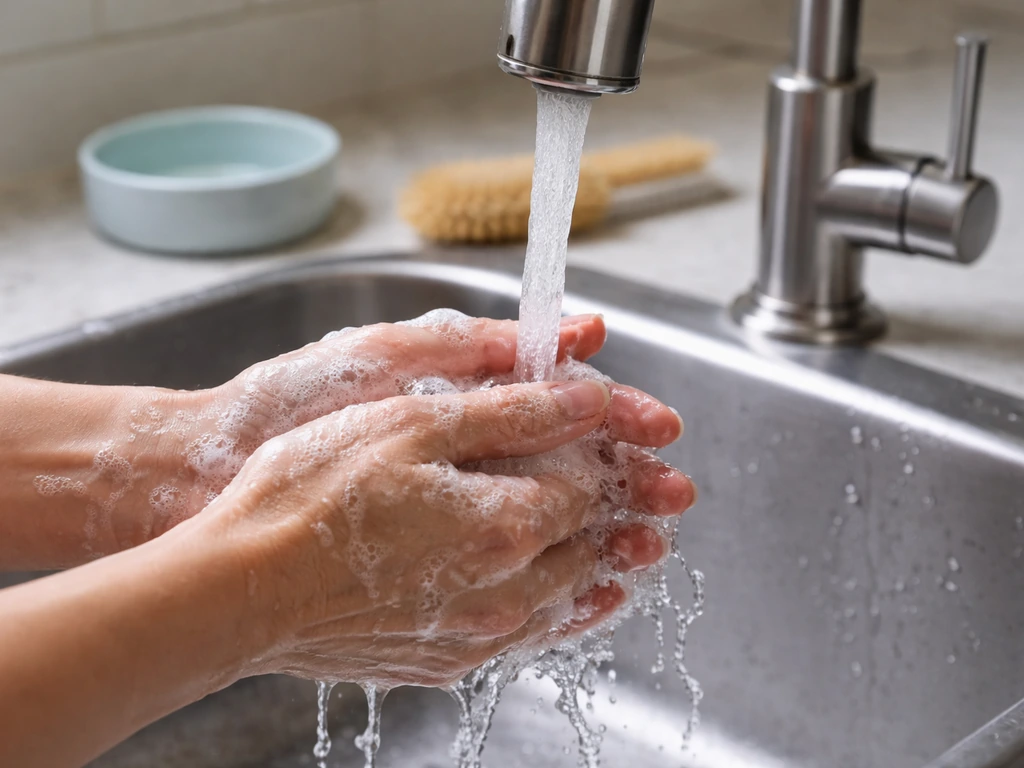
Hygiene basics
- Wash hands thoroughly with soap and water after any contact with birds, their cages, or their food and water dishes
- Do not eat, drink, or touch your face while handling birds or cleaning their space
- Keep bird areas separate from food preparation areas
- Change clothes after handling visibly sick birds
Ventilation and air quality
Ventilation matters more than most people realize. Birds produce a steady stream of fine dander and feather dust, and in an enclosed, poorly ventilated room, this builds up fast. Open windows during and after cage cleaning. Use air purifiers with HEPA filters in bird rooms. If you notice your bird's area gets dusty quickly, that is a sign the ventilation needs improvement.
Safe cleaning practices
- Wet down cage surfaces and droppings with water or a dilute disinfectant before wiping, never dry sweep
- Use disposable gloves for cleaning, and dispose of them properly afterward
- Wear an N95 respirator or higher when cleaning a sick bird's cage or when dealing with a heavily soiled area, as recommended by the CDC
- Use bird-safe disinfectants (avoid bleach in concentrated amounts around birds, as fumes can harm them)
- Launder cleaning cloths or use disposable ones rather than reusing the same rags
PPE for higher-risk situations
For routine care of a healthy bird, gloves and good handwashing are usually sufficient. When a bird is sick or you are cleaning up after a major mess (especially pigeon droppings in an enclosed space), add an N95 mask, safety glasses or goggles, and a disposable apron or clothes you can wash immediately. This is the same guidance the CDC applies to people caring for birds in occupational settings.
When to call a vet and when to call a doctor
Get the bird to a vet if...
- Your bird is showing any of the warning signs listed above, especially labored breathing, discharge, or sudden lethargy
- Your bird has died unexpectedly without a clear cause
- Multiple birds in the same household or aviary are showing similar signs at once
- You have recently brought home a new bird and it is acting unwell (quarantine new birds for at least 30 days and have them examined by a vet)
See a doctor if...
- You develop respiratory symptoms (fever, cough, chest pain) within two weeks of close contact with a sick bird
- You were bitten or scratched and the wound is showing signs of infection: redness, swelling, warmth, or discharge
- You are immunocompromised and had unprotected contact with a sick bird or contaminated area
- You think you may have inhaled significant amounts of bird dust or droppings, especially in an enclosed space
When you see a doctor, tell them specifically about the bird contact: what type of bird, whether it appeared sick, what you were doing (cleaning, handling, etc.), and roughly when the exposure happened. This information is essential because psittacosis and avian flu can look like ordinary respiratory illness on exam, and the exposure history is often what triggers the right tests. You do not need to panic, but you do need to be specific. Most doctors will not think to ask about birds unless you bring it up.
The goal here is not to make bird ownership feel scary. For example, the kind of “Birdy Pox” joke in Sesame Street Big Bird has nothing to do with real infections, but it does remind kids that birds can be associated with illness in stories Sesame Street Big Bird has the birdy pox. The vast majority of bird owners go their entire lives without contracting anything from their pets. But understanding that transmission is possible, knowing which situations raise risk, and having a clear action plan means you can enjoy your birds confidently and respond quickly when something seems off. Whether you have a parrot at home or share an office with a bird, the same principles apply: watch for signs of illness in the bird, handle and clean thoughtfully, and take respiratory symptoms after exposure seriously.
FAQ
You can't get diseases from a bird the office, so do I really need to change what I do at work?
You usually do not need major changes for brief, occasional contact, but you should adjust behavior when cleaning is involved or when a wild bird is contaminating an area. Focus on ventilation, avoid dry sweeping or vacuuming droppings, and tell building staff if you find pigeon droppings or feathers in concentrated spots.
What should I do immediately if I find wild bird droppings in a shared office area?
Treat it like an airborne contamination risk. Block off the area, avoid sweeping or shaking materials, use gloves plus an appropriate respirator, and clean with a wet method. Afterward, ventilate the space and wash hands thoroughly before returning to shared surfaces.
Does touching a bird, even briefly, create the same risk as cleaning a cage or droppings?
Not usually. Direct touch with a healthy bird in a clean, ventilated setting tends to be lower risk than aerosol-generating cleaning. Dry particles from feces and dander are the main driver, so the higher-risk actions are cleaning and disturbing contaminated material.
If I wipe bird poop up with a wet paper towel, is that safer than mopping or wiping later?
Yes, wiping with a wet method reduces dust release compared with dry removal. However, still avoid splashing, use gloves, and discard or launder materials safely. If there is a large amount, consider professional cleanup, especially in small enclosed rooms.
Can other people catch something from me after I clean a bird area?
In most cases, illness is not spread person-to-person from bird exposure. The bigger issue is you transporting contaminated dust on clothes, gloves, or hands back into shared spaces. Change or launder work clothes after heavy cleaning, and wash hands and any exposed surfaces.
What respirator should I use for office bird cleanups, and when is it necessary?
For routine, low-mess tasks around healthy birds, good handwashing and gloves are often enough. For sick birds, heavy droppings, pigeon areas, or any cleanup that could aerosolize dried material, an N95 (or higher as appropriate) plus eye protection is more protective. Match the level to how dusty or enclosed the space is.
How quickly would symptoms show up after bird exposure?
Timing varies by infection. Respiratory infections like psittacosis and avian flu can develop after a short incubation period, and fungal infections related to pigeon droppings may take longer, especially in higher-risk people. If you develop fever, worsening cough, or shortness of breath after bird-related cleanup or contact, seek care promptly and mention the exposure.
What symptoms should make me seek medical care urgently after bird contact?
Get urgent evaluation for trouble breathing, persistent high fever, chest pain, confusion, or rapidly worsening cough. These can overlap with common respiratory illnesses, so the key is to tell the clinician about bird or droppings exposure so they can consider relevant tests and differential diagnoses.
Should people with asthma or other lung conditions be extra cautious around office birds?
Yes. Even when an infection does not occur, inhaling dust and dander can worsen asthma symptoms or trigger bronchospasm. Improve ventilation, reduce dust-generating tasks, and consider consulting a clinician about precautions and rescue inhaler planning if the office has regular bird-related dust exposure.
If my bird looks sick but I do not touch it, am I still at risk in an office setting?
Possibly, especially if the bird’s area is enclosed or poorly ventilated. Sick birds can shed more pathogens, and contaminated dust can build up. Limit time in the area, keep the space ventilated, and have the bird evaluated by a vet as soon as feasible.
Is HEPA air purification enough by itself for a room with a bird or ongoing droppings risk?
HEPA purifiers can reduce airborne particles, but they are not a substitute for safe cleaning and ventilation. Use them as a supplement, and fix the source of contamination. If the space gets visibly dusty quickly, the ventilation and cleaning process likely need stronger controls.
Next Article
Do Bird Baths Spread Disease? Risk, Signs, and Prevention
Learn if bird baths spread disease, how pathogens spread, key warning signs, and safe cleaning steps to prevent illness.