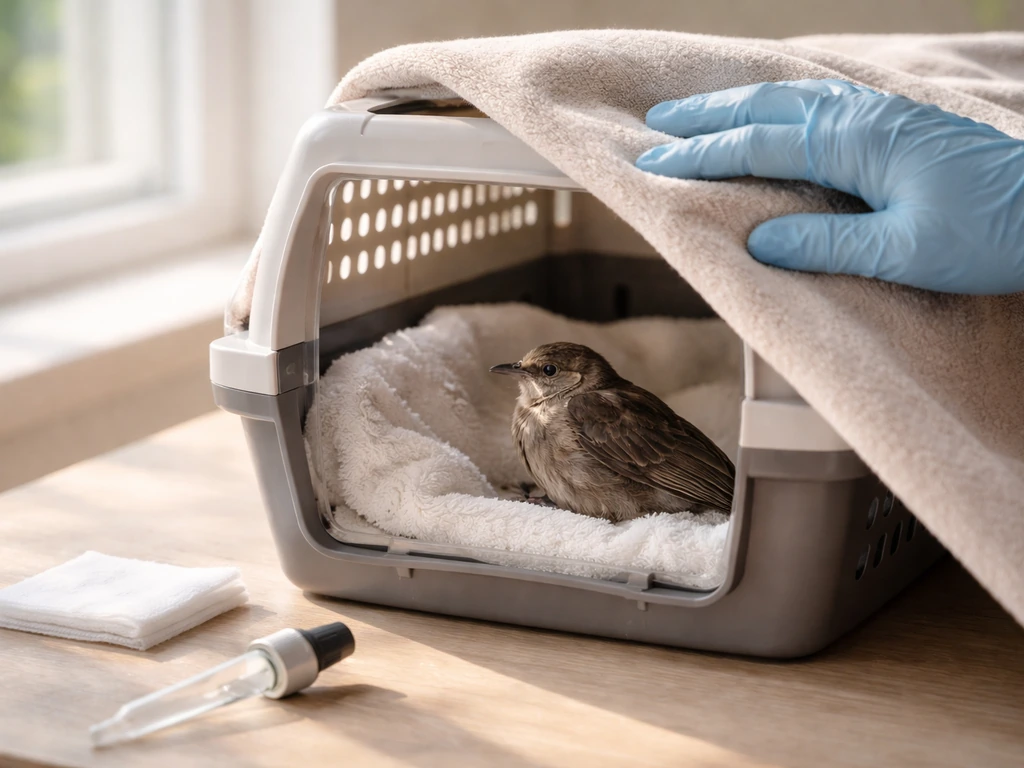
If you're sneezing every time you're near your bird, waking up congested, or noticing itchy eyes and skin that clear up when you leave the house, bird allergy is a real and very likely explanation. Bird allergens, dander, feather dust, dried droppings, and proteins from feathers, are lightweight, airborne, and easy to inhale without realizing it. Bird dust allergy symptoms can include sneezing, congestion, itchy eyes, and skin irritation, especially after exposure to feather dust or droppings. Here's how to recognize what's happening in your body, sort out whether it's an allergy, an infection, or something worse, and figure out your next steps today.
Bird Allergy Symptoms Signs: What to Look For and Next Steps

Marcus Webb
22 Apr 2026

How bird allergies actually work
When you're allergic to birds, your immune system has decided that harmless proteins from bird dander, feathers, or droppings are a threat. The first time you're exposed, your body produces IgE antibodies that attach to immune cells called mast cells. Every time you're exposed after that, those antibodies act like a trigger: the mast cells release histamine and other chemicals that cause the classic allergy symptoms you feel within minutes.
This IgE-mediated response is what most people mean when they say 'bird allergy.' Symptoms can start within minutes of exposure and the early phase typically lasts one to two hours. But there's a second, more serious condition worth knowing about: bird fancier's lung, a form of hypersensitivity pneumonitis. This one involves a different immune pathway (type III and type IV hypersensitivity, involving immune complexes and T-cells rather than IgE alone). It develops after repeated, often heavy exposure and affects the lungs more deeply. It's not the same as a runny nose from dander, and it needs medical attention.
The main allergen sources you need to think about are: feather dust (especially from powder-down birds like cockatiels and African greys), dried droppings, dander from skin, and proteins found in feathers themselves. All of these become airborne easily, especially during cage cleaning, feather preening, or when a bird flaps its wings.
Common bird allergy symptoms in people
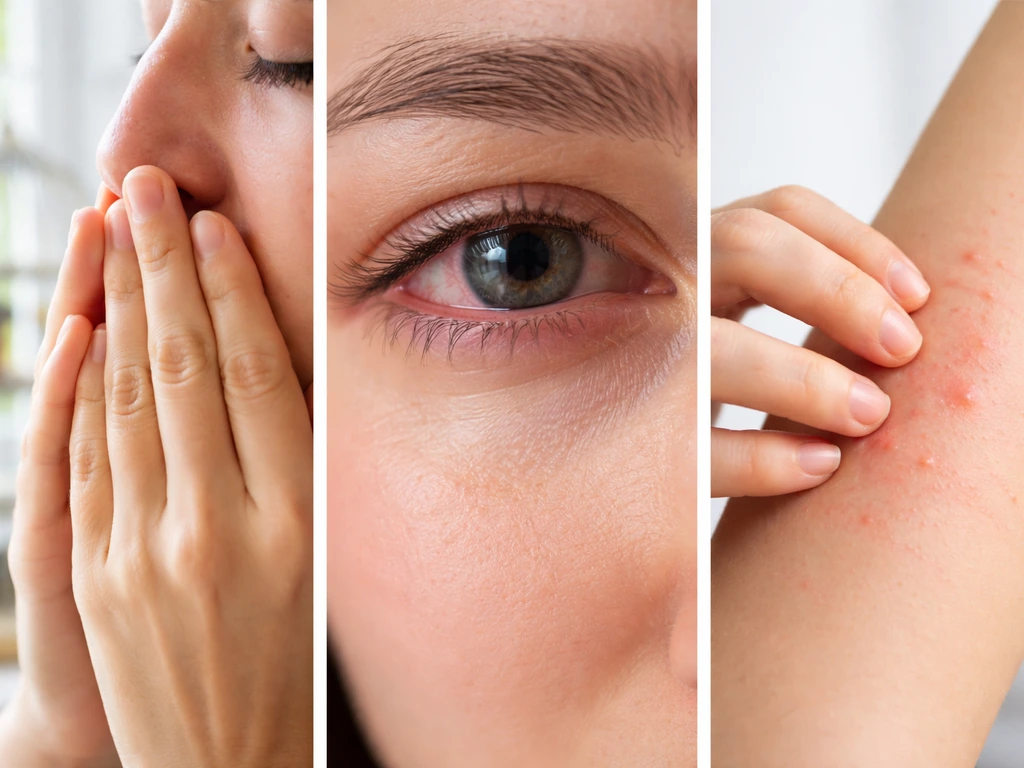
Most bird allergy symptoms fall into three categories: respiratory, eye-related, and skin reactions. Here's what to watch for in each:
Respiratory symptoms
- Frequent sneezing, especially when near the bird or its cage
- Runny or stuffy nose that improves when you're away from home for a day or more
- Itchy or tickling sensation in the nose or throat
- Nasal congestion and sinus pressure
- Dry or persistent cough
- Wheezing or a tight feeling in the chest
- Shortness of breath, particularly after cleaning the cage or handling feathers
Eye symptoms
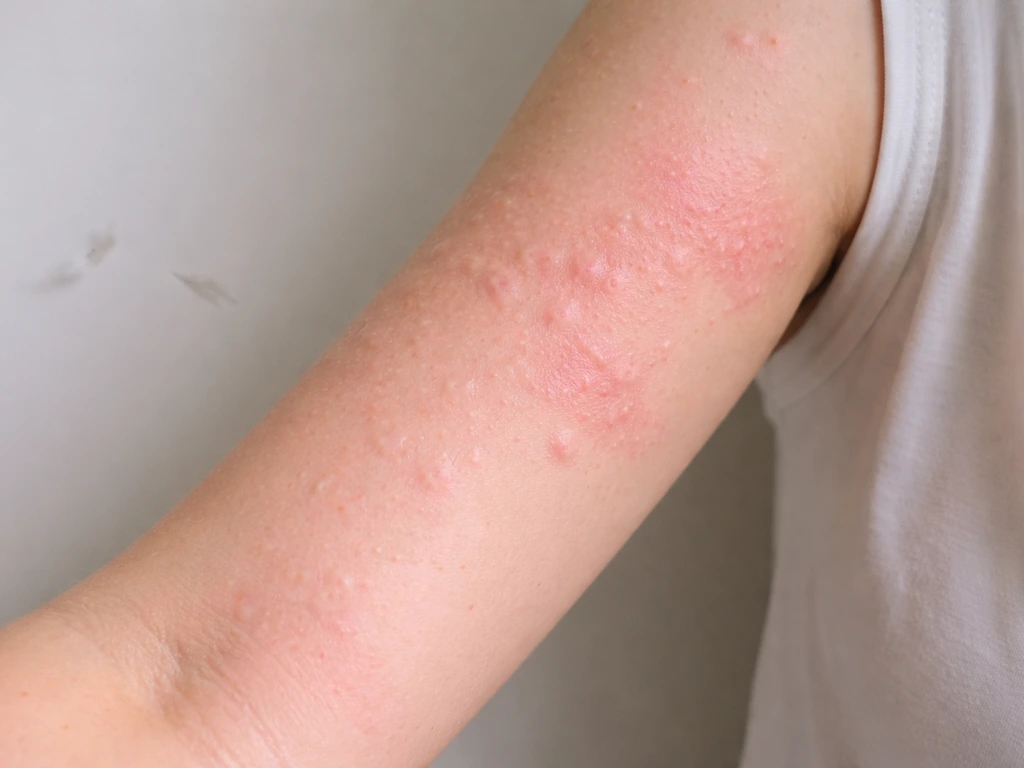
- Itchy, burning, or watery eyes (allergic conjunctivitis)
- Redness or pinkish discoloration of the whites of the eyes
- Puffy or swollen eyelids
- Sensitivity to light when symptoms are active
Skin symptoms
- Itchy skin or hives (urticaria) after direct contact with a bird or feathers
- Eczema flare-ups in people who already have sensitive skin
- Redness or a rash where bird dander or feathers made direct contact
A pattern is usually your best clue. If symptoms appear or get worse at home and improve when you travel or stay elsewhere for a few days, the bird environment is likely the source. Keeping a simple symptom log, noting when and where symptoms start, is one of the most useful things you can do before seeing a clinician.
When it might not be 'just allergies'
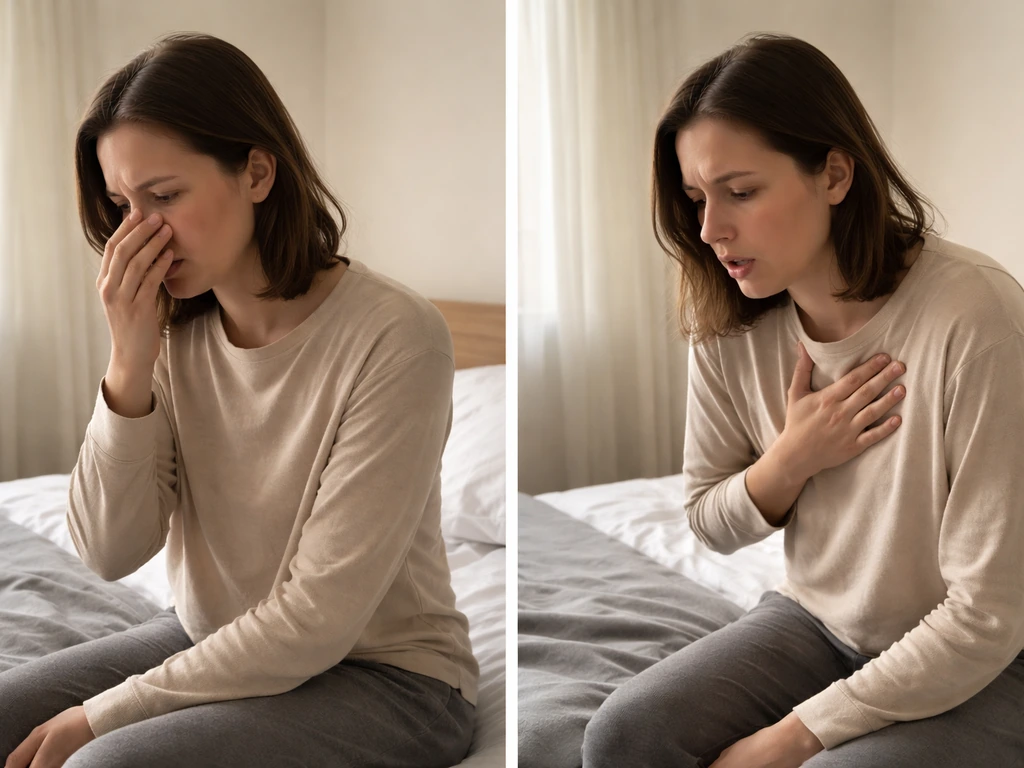
Bird allergy symptoms overlap with several other conditions, and it's important to tell them apart, especially because some of those conditions are more serious.
Asthma triggered by bird allergens can look like allergy symptoms but includes persistent wheezing, chest tightness, and breathlessness that doesn't quickly settle. If you're using a rescue inhaler more than twice a week or waking at night with breathing trouble, that's not just allergic rhinitis, it needs proper asthma evaluation.
Bird fancier's lung (hypersensitivity pneumonitis) deserves its own mention. Symptoms can look flu-like: fever, chills, muscle aches, cough, and breathlessness that develops hours after heavy bird exposure (like a big cage clean). If you feel ill rather than just sneezy after bird contact, don't dismiss it as allergies. Bird ear infection symptoms can also include pain, swelling, discharge, and hearing changes, and these deserve prompt medical evaluation if you suspect an infection. Repeated, untreated exposure can lead to permanent lung damage.
Infections in people from birds are less common but do happen. Psittacosis (from Chlamydia psittaci) causes fever, headache, and a dry cough that can resemble atypical pneumonia. If your 'allergy symptoms' include fever, chills, significant fatigue, or chest pain, that's a reason to see a clinician promptly rather than wait it out.
The general rule: classic allergy symptoms don't include fever, body aches, or feelings of being genuinely ill. If those are present alongside respiratory or eye symptoms, treat it as a possible infection or more serious lung condition, not a simple allergy.
Your bird's health vs. your own: understanding the difference
This is a question that comes up often, and it's a fair one: is the problem in your body, or is your bird sick and spreading something? These are very different situations that need very different responses.
Bird allergy symptoms in people are an immune reaction to bird proteins and particles. They are not caused by a sick bird per se. A perfectly healthy bird still produces dander, feather dust, and droppings that can trigger allergies in a sensitive person. So even if your bird appears completely fine, you can still have significant allergy symptoms.
A sick bird is a different issue. Signs that your bird may be unwell include fluffed feathers while sitting still, discharge from the eyes or nostrils, labored or open-mouthed breathing, changes in droppings, lethargy, or loss of appetite. If your bird is showing respiratory symptoms at the same time you are, that's worth taking seriously, some avian respiratory illnesses can be transmitted to people, and you'll want a bird veterinarian involved quickly.
In short: if you're symptomatic and your bird looks healthy, focus on allergy evaluation for yourself. If your bird also looks unwell, prioritize a vet visit for the bird alongside your own medical check. Bird infection symptoms, bird aspiration symptoms, and conditions like bird fancier's lung all represent distinct concerns worth separating clearly. If you are dealing with bird aspiration symptoms, pay extra attention to signs like cough or breathing trouble after exposure and seek medical advice promptly.
How to actually confirm a bird allergy

The most reliable way to confirm a bird allergy is through formal allergy testing, either a skin prick test or a specific IgE blood test ordered by an allergist. These tests expose you to small amounts of common bird allergens and measure your immune response. They're not something you need to rush to do today, but they're worth arranging if symptoms are interfering with daily life.
Before or alongside testing, keep a symptom and exposure log for one to two weeks. MedlinePlus also emphasizes that allergy testing and medical care may be needed when symptoms do not respond to self-care or over-the-counter treatment keep a symptom and exposure log for one to two weeks. Note the time symptoms start, where you were, what you were doing (cleaning the cage, handling the bird, being in the same room), and how long symptoms lasted. Also note whether symptoms improve on days away from home. This kind of record is genuinely useful for a clinician and can help identify specific triggers, like whether cage cleaning is the main problem or just general proximity.
An informal test you can try at home: spend two to three consecutive days away from the bird environment (staying with someone else or having the bird cared for elsewhere) and track whether symptoms improve. If they clear up and return when you come back, that's a strong signal pointing toward the bird as the source. This isn't a substitute for allergy testing, but it's a practical first step.
When to get help urgently vs. when to book an appointment
Most bird allergy symptoms are uncomfortable but not immediately dangerous. That said, some situations call for faster action. Here's a practical guide:
| Situation | What to do |
|---|---|
| Severe shortness of breath, wheezing that doesn't improve when you move away from the bird, or chest tightness | Seek urgent/emergency care immediately |
| Hives spreading rapidly, throat tightness, swelling of the face or lips, dizziness (signs of anaphylaxis) | Call emergency services (911) right away |
| Flu-like symptoms (fever, chills, body aches) after heavy bird exposure | See a clinician within 24 hours — rule out hypersensitivity pneumonitis or psittacosis |
| Persistent cough, breathlessness, or wheezing lasting more than a few days | Book a clinician appointment — may need asthma or HP evaluation |
| Runny nose, sneezing, itchy eyes that are consistent and pattern-linked to bird exposure | Schedule a routine allergy evaluation at your own pace |
| Your bird is showing signs of illness (breathing trouble, discharge, lethargy) | Contact a bird veterinarian promptly — don't wait |
Practical steps to reduce exposure starting today

You don't need to wait for a diagnosis to start reducing your exposure. These steps can noticeably reduce symptoms and are worth doing right away.
Ventilation and air filtration
Move the bird's cage to a room that can be closed off from the rest of the house, ideally one you don't spend a lot of time in. Run a HEPA air purifier in rooms where the bird spends time. HEPA filters capture particles as small as 0.3 microns, which covers feather dust and dander effectively. Open windows when weather permits to increase airflow, especially during and after cage cleaning.
Cleaning habits
- Clean the cage at least every other day to reduce dried dropping buildup
- Wear a well-fitting N95 or KN95 mask and disposable gloves when cleaning the cage or handling soiled bedding
- Dampen cage liner before removing it — this reduces airborne particles compared to dry sweeping
- Wash your hands and forearms thoroughly after any bird handling
- Vacuum with a HEPA-filter vacuum and damp-mop hard floors rather than dry sweeping, which stirs up particles
Limiting direct contact
If symptoms are significant, limit how long you handle the bird directly and wash your face and hands afterward. Avoid letting the bird perch near your face or on clothing you'll wear all day. Changing clothes after heavy bird interaction and before going to other rooms can help reduce allergen spread around the house.
Medication basics
Over-the-counter antihistamines (such as loratadine, cetirizine, or fexofenadine) can help with sneezing, runny nose, and itchy eyes caused by IgE-mediated allergy. Nasal corticosteroid sprays, available without a prescription, are generally more effective for ongoing nasal congestion than antihistamines alone and work best when used consistently rather than on-and-off. Eye drops formulated for allergies can relieve itchy, watery eyes. These are general management tools, not a cure, and they don't address the underlying sensitization. A clinician can guide you on whether you need stronger prescription options or immunotherapy.
If you also want to learn more about related concerns, bird dust allergy symptoms and bird dander allergy symptoms are closely connected topics that go deeper on specific allergen sources. And if your bird has been showing signs of respiratory trouble alongside your own symptoms, reviewing bird infection symptoms and bird respiratory conditions would be a sensible next step on the avian side. If you are dealing with a specific cluster of symptoms after being around a nest or nesting area, bird nest allergy symptoms are a related option to review alongside general bird allergy symptoms. Bird bite infection symptoms can be red and swollen skin, warmth, pus, worsening pain, and fever after a bite.
FAQ
Can bird allergy symptoms show up only after cleaning the cage, or do they happen any time I’m around my bird?
They can do either. Many people react most during high-airborne exposure like cage cleaning, feather preening, or moving the cage because particles become more concentrated in the air. Still, symptoms can also occur with routine proximity if dander and feather dust build up in the room. A good clue is whether symptoms spike on cleaning days and whether they improve when the bird is in another location for several days.
If I’m using antihistamines and nasal spray, how will I know whether it’s improving from treatment versus just coincidence?
Look for a consistent day-to-day pattern. Allergy medicines typically reduce sneezing, itch, and congestion within hours, and symptoms should stay lower while you maintain exposure-reduction steps like HEPA filtration and limiting time in the bird room. If you still have worsening breathing symptoms, fever, or you keep needing rescue inhalers, that points away from straightforward rhinitis and toward asthma, hypersensitivity pneumonitis, or an infection.
Is itchy eyes and sneezing enough to assume it’s a bird allergy, or should I worry about something else?
Itchy eyes, sneezing, and runny nose that improve when you leave the home are strong clues, but persistent wheeze, chest tightness, or shortness of breath that does not settle quickly is not typical for simple allergic rhinitis. Also, fever, chills, muscle aches, and feeling truly ill are red flags for infection or a more serious lung reaction. If you have those, don’t rely on allergy treatment alone.
What symptoms suggest I might have bird fancier’s lung instead of IgE-type bird allergy?
Bird fancier’s lung often causes flu-like illness after repeated or heavy exposure, with symptoms developing hours later rather than within minutes. Watch for fever or chills, worsening cough, and breathlessness that builds rather than clears quickly. Because it can cause lasting lung damage, prompt medical evaluation is important if you feel sick after substantial bird exposure.
Can my bird allergy cause flare-ups even if I never touch the bird?
Yes. Airborne allergens can stay in the environment, especially in the room where the bird lives and in soft items like bedding, curtains, carpets, and upholstered furniture. That means you can react from being in the same room even without direct handling, and you may still notice symptoms after you’ve left the bird area but before you have fully cleared the indoor air.
How can I tell whether my symptoms are from the bird itself versus the bird’s supplies or cleaning products?
Consider non-bird exposures. The timing pattern matters: if symptoms are worst right after cage cleaning or touching the cage, it is often due to feathers and dried droppings becoming airborne. But if symptoms flare primarily after using a specific cleaner or disinfectant, you may be reacting to fumes or irritants rather than bird allergens. If possible, avoid strong chemical sprays during cleaning, ventilate well, and separate “cleaning day” effects from “chemical day” effects in your symptom log.
If I think it’s bird-related, should I get allergy testing right away or try to manage symptoms first?
If symptoms are disrupting sleep, work, or you have recurrent flare-ups, arranging testing sooner is reasonable. Otherwise, starting with exposure tracking and consistent management while you schedule testing can be a practical step. Testing options include skin prick or specific IgE blood tests, and your allergist can help interpret results based on your history, not just the lab numbers.
What’s the safest way to do the “leave for a few days” check at home?
Pick a true bird environment break, meaning you stay away from the bird room and avoid exposure through shared air or frequent return trips. If another person cares for the bird, have that person handle cage cleaning without you, and consider using separate clothing if you briefly need to enter the bird area. Track symptoms daily so you can clearly see improvement during the break and recurrence after returning.
Could my symptoms be from an asthma issue even if I don’t have a childhood asthma history?
Yes. Adult-onset asthma can be triggered by indoor allergens, including bird exposure. Warning signs include persistent wheeze, chest tightness, symptoms that wake you at night, and needing a rescue inhaler more than rarely. If breathing symptoms are present, ask for an asthma evaluation rather than assuming it’s only allergies.
If my bird looks healthy but I’m having severe symptoms, do I still need to worry about serious illness in me?
Yes. A healthy-looking bird does not rule out sensitization, because dander, feather dust, and droppings can still trigger reactions. However, severe symptoms in you, especially fever, chest pain, or significant breathlessness, are not “just allergies” and need medical assessment even if the bird appears fine.
When should I seek urgent care versus scheduling a routine appointment?
Seek urgent evaluation if you have significant shortness of breath, chest pain, lips or face swelling, fainting, or rapidly worsening symptoms. If you have fever, chills, or feel genuinely ill, especially after heavy exposure, arrange prompt medical care. For ongoing but stable symptoms like frequent sneezing and itchy eyes, a routine appointment with primary care or an allergist is typically appropriate.
Can bird allergy symptoms affect my face or sinuses in a way that looks like sinusitis?
They can. Chronic nasal congestion from allergies can feel like sinus pressure and may lead to thick nasal mucus. The difference is that classic allergy patterns usually fluctuate with exposure and lack systemic infection signs like fever and worsening body aches. If symptoms include high fever, severe facial pain, or they steadily worsen for many days without any exposure pattern, get checked for infection.
Next Article
Bird Trauma Symptoms: Signs, Triage, and First Aid Steps
Recognize bird trauma symptoms, triage urgency, and give safe first aid for bleeding, fractures, head injuries, and shoc