Bird nest is not a proven treatment for cough in birds. It is a food with traditional uses and some interesting biochemical properties, but there is no strong clinical evidence that it cures or meaningfully treats respiratory illness in birds or humans. If your bird is coughing or making cough-like sounds, the priority is figuring out why, because that symptom can range from a minor environmental irritation to a serious respiratory emergency that needs a vet today.
Bird Nest for Cough: Does It Help and When to See a Vet

Marcus Webb
13 May 2026
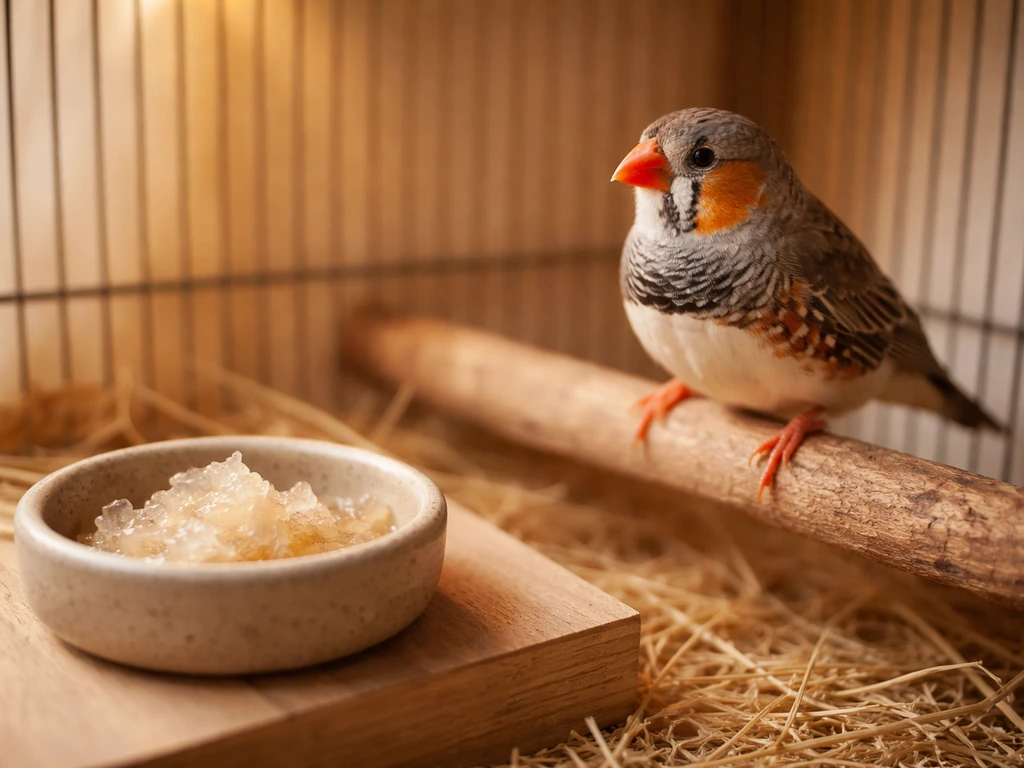
Does bird nest actually help with cough? What the evidence says
Edible bird's nest (EBN) has been used in traditional medicine for centuries, and 'alleviating cough' is one of its long-standing folk claims. The problem is that those claims have not been validated by controlled clinical trials for cough outcomes, whether in people or in birds. Most of the research on EBN is biochemical: lab studies looking at its glycoprotein and mucin-like content, and some early findings on anti-pathogen bioactivity. Interesting, but not the same as proof that it works as a cough medicine.
The theoretical 'soothing' mechanism is that mucin-like glycoproteins might coat mucosal tissues in a way that reduces irritation. That concept is not unreasonable, but it is a long way from 'this resolves cough in a sick bird.' If you have been reading about bird nest benefits for lungs or its broader medicinal claims, you will notice a consistent pattern: the lab findings are real, but the leap to clinical effectiveness is not yet supported by hard evidence. So treat EBN as a nutritious food, not a respiratory medication.
There is also a safety flag worth knowing: anaphylaxis has been reported in people who consumed edible bird's nest. Because jade bird products like edible bird's nest can have jade bird side effects such as allergic reactions, you should stop and seek veterinary guidance if you notice any concerning symptoms. 'Natural' does not automatically mean risk-free, and feeding an ill bird anything outside its normal diet without understanding its current condition can add stress rather than help. If you are pregnant or trying to conceive, ask your clinician before using edible bird's nest products, since pregnancy and prenatal side effects are not well studied.
What a cough in birds can actually mean
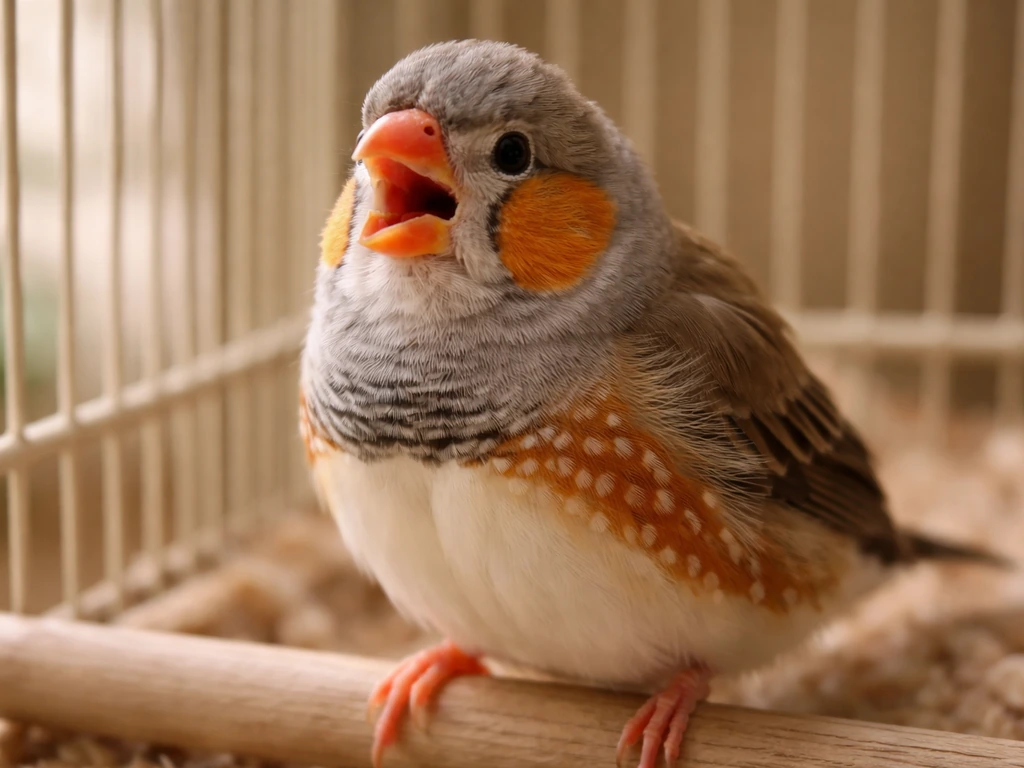
This is where things get important. In birds, what sounds like a cough is often not a cough in the human sense. Birds can produce cough-like sounds when gagging, repeatedly swallowing, having airway irritation, showing early labored breathing, or in the case of baby birds, when aspirating food. Treating every cough-like sound as a mild 'chest cold' is a mistake. You need to look at the whole picture.
Common reasons a bird makes cough or respiratory sounds include:
- Environmental irritants: cigarette smoke, aerosol sprays, cooking fumes (especially non-stick cookware), incense, air fresheners, insecticide foggers, or low humidity drying out airway tissues
- Upper respiratory tract infection: bacterial or fungal infections affecting the nasal passages, sinuses, or choanal area
- Aspergillosis: a fungal infection most commonly caused by Aspergillus species, often secondary in immunocompromised birds, which can affect the trachea and air sacs
- Psittacosis (Chlamydia psittaci): a bacterial infection common in parrots and other psittacines that can cause respiratory signs and is also zoonotic (it can spread to people)
- Tracheal obstruction: inhaled seed or a granuloma/aspergilloma partially blocking the tracheal lumen, which can cause sudden acute breathing difficulty
- Aspiration in baby birds: formula or food entering the airway during hand-feeding, recognizable by clicking after feeding, bubbles at the nostrils, and tail bobbing
- Crop stasis with regurgitation: a full or stalled crop can lead to regurgitation and risk of aspiration
- Air sac disease (airsacculitis): inflammatory disease of the air sacs caused by bacterial, fungal, or viral agents, which can escalate quickly
Upper respiratory tract disease is common and usually less immediately dangerous than lower-airway or air sac involvement. But severity and pattern matter a lot. A bird that was slightly sneezing yesterday and is now tail-bobbing and open-mouth breathing today has crossed into a different category entirely.
When bird nest will not help and the situation is serious
There are specific signs that tell you this is beyond nutritional support or home care. If your bird shows any of these, do not spend time trying bird nest or any other home remedy. Get to an avian vet.
- Open-mouth breathing at rest
- Tail bobbing with every breath (the tail pumping up and down is a sign the bird is working hard to breathe)
- Increased breathing noises: wheezing, clicking, or rattling sounds
- Fluffed feathers combined with lethargy or weakness
- Inability to perch or staying on the cage floor
- Nasal discharge, especially if green or yellow
- Bubbles or formula at the nostrils (in baby birds)
- Refusing to eat or drink
- Sudden worsening after apparent minor symptoms
- Any suspected fume or aerosol exposure followed by respiratory signs
These are veterinary red flags. Conditions like tracheal obstruction, fungal infections with granuloma formation, and severe airsacculitis can deteriorate within hours. Bird nest, humidity tweaks, or any home food remedy will not address these. If you suspect psittacosis specifically, it is worth knowing that this is a zoonotic infection, meaning it can also affect people in the household, which adds urgency to getting a proper diagnosis.
How to use bird nest safely if you choose to try it (and when to stop)
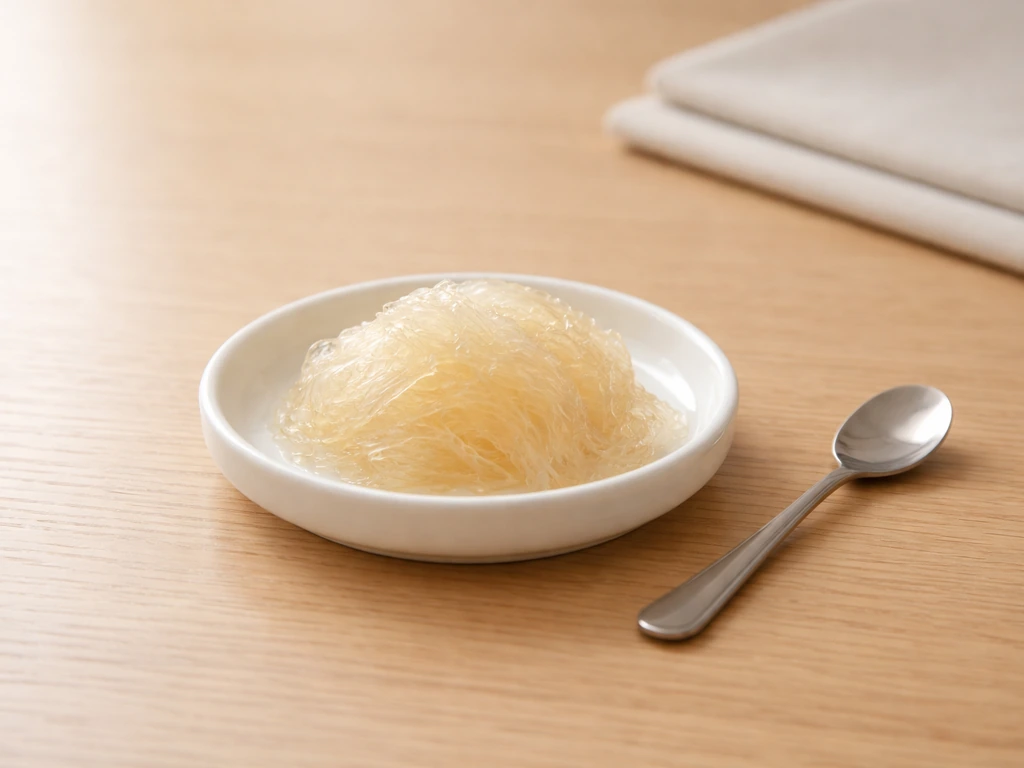
If your bird has a very mild, stable cough with no red flags listed above, and you want to try bird nest as a nutritional supplement while monitoring closely, here is how to do it responsibly.
- Use only properly cleaned and prepared EBN from a reputable source. Raw nests can carry bacteria or contaminants if not hygienically processed.
- Offer a very small amount appropriate to your bird's size. EBN is a food, not a medication, so there is no therapeutic dose. A tiny portion as part of a varied diet is the reasonable approach.
- Do not add sugar, salt, or flavorings. Plain, prepared EBN only.
- Monitor your bird's symptoms carefully. If the cough worsens, new symptoms appear, or the bird seems more lethargic within 24 to 48 hours, stop and go to a vet.
- Do not use EBN as a reason to delay a vet visit if you already have concerns. It is a supplement at best, not a treatment.
The bottom line on bird nest is this: it will not hurt a stable bird when given appropriately, but it will not treat an infection, clear an obstruction, or resolve inflammation. If you are wondering whether edible bird’s nest helps with eczema, be cautious because there is no solid clinical evidence it treats eczema in people is bird nest good for eczema. Even if you read claims online linking bird nest to cancer, there is not good evidence it prevents or treats cancer in birds or humans bird nest vs cancer. Hum skinny bird side effects can include allergic reactions and worsening respiratory stress, so do not use it as a substitute for real diagnosis it will not treat an infection, clear an obstruction, or resolve inflammation. Your expectations need to match what it actually is.
What to do today: supportive care and environment changes
While you are assessing whether a vet visit is needed (or waiting for your appointment), there are real things you can do to support a bird with mild respiratory symptoms. These are not cures, but they reduce additional strain on an already stressed respiratory system.
Warmth and rest
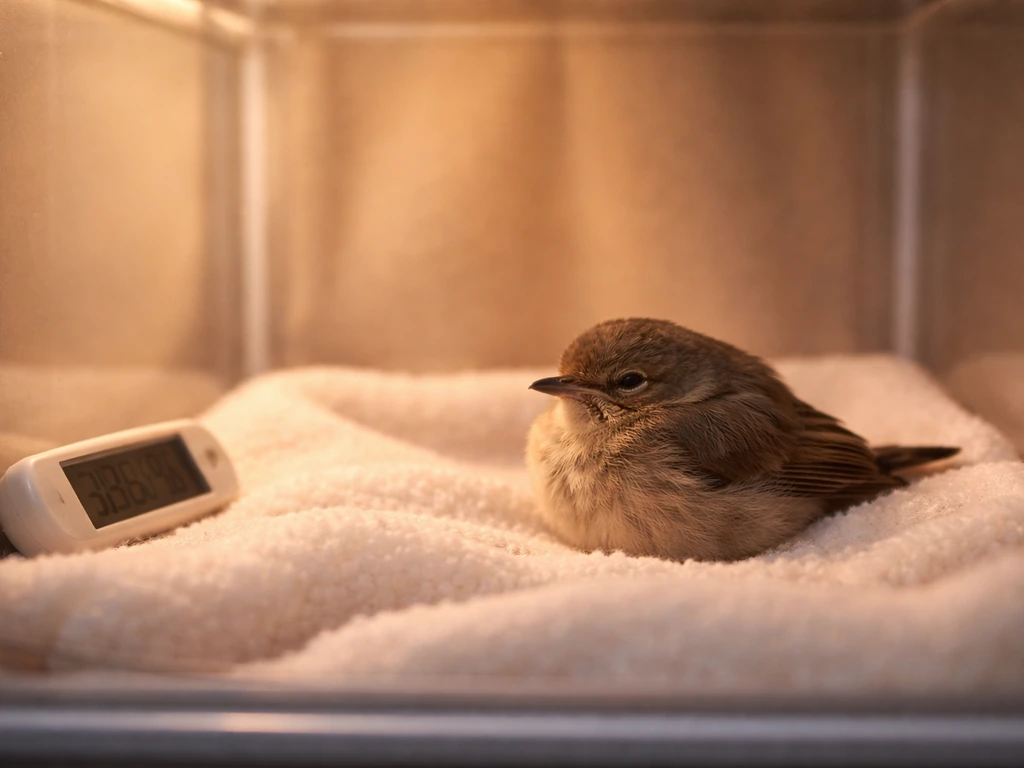
A sick bird needs to conserve energy. Move the bird to a quiet area away from activity and drafts. For a bird showing any signs of illness, a heated enclosure around 85°F (29°C) is the standard supportive care target recommended in avian medicine. A published emergency and critical care clinical reference also notes that for dyspneic birds, about 85°F with roughly 70% humidity is desirable as part of supportive care heated enclosure around 85°F. You can achieve this with a hospital cage setup using a heat lamp on one side (so the bird can move away if it gets too warm). Never use the lamp over the entire enclosure.
Humidity
Dry air can irritate airway tissues, and for a bird with mild nasal congestion or dryness, adding some humidity can help. Around 70% relative humidity is cited as beneficial for sick birds in critical care settings. A practical approach for most owners is a gentle steamy bathroom (run a hot shower, let steam build, keep the bird in the room for 10 to 15 minutes without direct water contact). Avoid cool-mist humidifiers that do not filter well, as they can aerosolize bacteria in the water reservoir. Veterinary guidance also cautions that unfiltered humidifiers can aerosolize bacteria from the water reservoir, potentially recirculating aerosolized bacteria into the air. If you do use a humidifier, use distilled water and clean it thoroughly and regularly.
Air quality
This is one of the most impactful changes you can make immediately. Remove all aerosols, air fresheners, scented candles, incense, and non-stick cookware from areas near the bird. Do not smoke near the bird. Ensure good ventilation with fresh air, but avoid cold drafts. If there has been any fume or spray exposure and the bird is having respiratory trouble, treat this as an emergency and get fresh air and vet attention immediately.
Hydration and nutrition
Make sure fresh water is easily accessible. A bird that is not eating or drinking well needs vet support, but for a stable bird with mild symptoms, encouraging normal intake helps. Do not force-feed a bird with respiratory signs as this risks aspiration.
Stress reduction
Stress suppresses immune function in birds. Keep the environment calm, reduce handling, cover part of the cage to give a sense of security, and minimize changes to routine. This alone will not treat a respiratory infection, but it gives the bird's system the best chance of coping while you arrange veterinary care.
When to see an avian vet urgently
If your bird has any of the red flag signs described earlier, today is the day for a vet visit, not tomorrow. Open-mouth breathing, tail bobbing, and inability to perch are triage-level emergencies in birds. Birds hide illness well and often only show obvious signs when they are significantly compromised.
At a vet visit for a coughing or respiratory bird, expect the following depending on the case:
- Physical examination including assessment of breathing effort, body condition, and nasal and choanal area
- Choanal swab and gram stain or cytology to check for bacterial or fungal infection
- Culture and sensitivity testing to identify the specific pathogen and appropriate antibiotic
- PCR panel testing for avian respiratory pathogens, including Chlamydia psittaci and other common respiratory viruses and bacteria
- Radiographs (X-rays) to evaluate the air sacs, lungs, and look for obstructions or masses
- Endoscopy in some cases to directly visualize the trachea or air sacs
- Nebulization therapy as a medication delivery method if needed, though drug selection and technique are vet-guided
A diagnosis changes everything. Bacterial infections need appropriate antibiotics. Sulfa dosage for dogs depends on the exact medication, weight, and diagnosis, so dosing should only be determined by a veterinarian. Fungal infections need antifungals. Obstructions may need removal. Supportive care at home and bird nest are not substitutes for any of these. Supportive care at home and bird nest medicinal benefits and cancer are not substitutes for any of these. If you cannot reach an avian specialist, a general vet with bird experience is better than waiting.
Preventing respiratory problems in the future
Once the immediate situation is handled, it is worth looking at what might have triggered the cough in the first place. Many avian respiratory problems are preventable with better husbandry.
| Risk Factor | Prevention Strategy |
|---|---|
| Household fumes and aerosols | No cooking sprays, scented candles, air fresheners, or aerosols near birds; replace all non-stick cookware with stainless or cast iron |
| Low humidity in dry climates or winter heating | Maintain 50 to 70% relative humidity in the bird's space using a clean, filtered humidifier or regular steam sessions |
| Cigarette or vape smoke | Strict no-smoking policy in any room the bird occupies |
| Dust from dry foods or bedding | Use low-dust substrates and wet down dusty foods before serving; store seed in airtight containers |
| Exposure to sick birds | Quarantine new birds for at least 30 days before introducing them to existing birds |
| Immunosuppression from poor diet or stress | Feed a nutritionally balanced diet, minimize chronic stressors, maintain a consistent routine |
| Aspiration during hand-feeding (baby birds) | Use correct temperature and consistency of formula, feed slowly, monitor for clicking or bubbling after feeding |
For wild birds in your care or environment, reducing dense crowding at feeders, cleaning feeders regularly with dilute bleach solution, and removing moldy or wet food are the main preventive measures. Respiratory diseases spread readily in crowded aviary or feeder settings.
Annual wellness exams with an avian vet are also one of the best preventive tools available. Many infections and nutritional deficiencies that lower respiratory immunity are caught early this way, long before coughing starts. If you are already researching topics like bird nest benefits for lungs or broader questions about avian respiratory health, scheduling that wellness visit is a practical next step that will do more than any supplement.
FAQ
Can bird nest stop a bird’s cough quickly, like within a day or two?
No reliable rapid effect is supported. If cough-like sounds worsen, are paired with open-mouth breathing, tail-bobbing, or reduced ability to perch, treat it as a time-sensitive issue and seek an avian vet rather than waiting for bird nest to “kick in.”
Is edible bird’s nest safe to give to any bird that sounds “coughy”?
It can trigger allergic reactions and has been associated with anaphylaxis in people, so it is not risk-free. Use extra caution in birds with known allergies or prior respiratory stress, and stop immediately if you see labored breathing, facial swelling, hives, or sudden lethargy.
How should I decide whether the sound is actually a cough versus gagging or swallowing?
Watch for accompanying behavior and breathing quality. Gagging and repeated swallowing often look episodic, while a true respiratory problem more often comes with effortful breathing, changes in posture (tail bobbing), nasal discharge, or persistent open-mouth breathing.
What if my bird is only making mild clicky or honking sounds, should I try bird nest?
Mild, stable sounds can sometimes be monitored, but bird nest should be treated as a nutritional supplement, not a diagnostic fix. If the pattern persists beyond 24 to 48 hours, if appetite drops, or if you notice any nasal discharge or breathing effort, contact an avian vet.
Can humidity help as much as bird nest for mild respiratory irritation?
Humidity can address airway dryness and congestion, which is a more direct support for mild symptoms. The key is using a safe approach (like a steamy bathroom for 10 to 15 minutes) and avoiding unfiltered cool-mist humidifiers that can contaminate the air.
Is it okay to use both bird nest and other home remedies (like essential oils) together?
Avoid combining approaches that add respiratory irritants. Do not use essential oils, incense, air fresheners, or scented products near the cage, since fumes can worsen airway inflammation and complicate what is causing the symptoms.
Could giving bird nest to a sick bird delay the right diagnosis?
Yes. If the cough-like sounds are from an obstruction, fungal granuloma, or severe air sac disease, supplements will not correct the underlying problem and the bird can deteriorate quickly. If red flags appear, prioritize veterinary care over any supplement trial.
What are “red flags” that mean today, not later, I should see an avian vet?
Open-mouth breathing, tail bobbing, inability to perch, obvious respiratory distress, rapid decline, or signs that indicate possible obstruction, severe air sac involvement, or serious infection. In those cases, do not continue home treatments.
If I suspect psittacosis, how urgent is it compared with other causes?
It is urgent because it can spread to people in the household. Seek prompt veterinary evaluation and take infection-control precautions (limit handling, improve ventilation, and avoid close face-to-face exposure) until you have guidance.
Can bird nest worsen breathing even if it’s “food”?
Yes. Allergic reactions or added stress can worsen respiratory symptoms. Stop bird nest immediately if breathing seems harder, if there is swelling, or if the bird becomes unusually quiet or lethargic after dosing.
What should I do if my appointment is scheduled but the bird’s breathing looks worse overnight?
Treat overnight decline as an emergency. Move the bird to a warm, draft-free quiet area, keep supportive conditions steady, and contact an avian emergency service or your vet promptly rather than waiting for the next scheduled visit.
Next Article
Is Bird Nest Good for Eczema? Safety, Risks, and Alternatives
Bird nest for eczema: not recommended due to mites, droppings, fungus and irritants. Safer, evidence-based alternatives.