
Yes, bird dander can absolutely make you sick. For most people it triggers allergic reactions like sneezing, a runny nose, itchy eyes, or asthma flares. For a smaller group, repeated exposure leads to a deeper lung condition called hypersensitivity pneumonitis (often called bird fancier's lung). And in rare cases, breathing dust from infected bird droppings or secretions can cause a bacterial infection called psittacosis. Which of those is happening to you depends on your symptoms, their timing after exposure, and a few other clues that are worth knowing.
Can Bird Dander Make You Sick? Symptoms, Causes, and Relief

Marcus Webb
22 May 2026
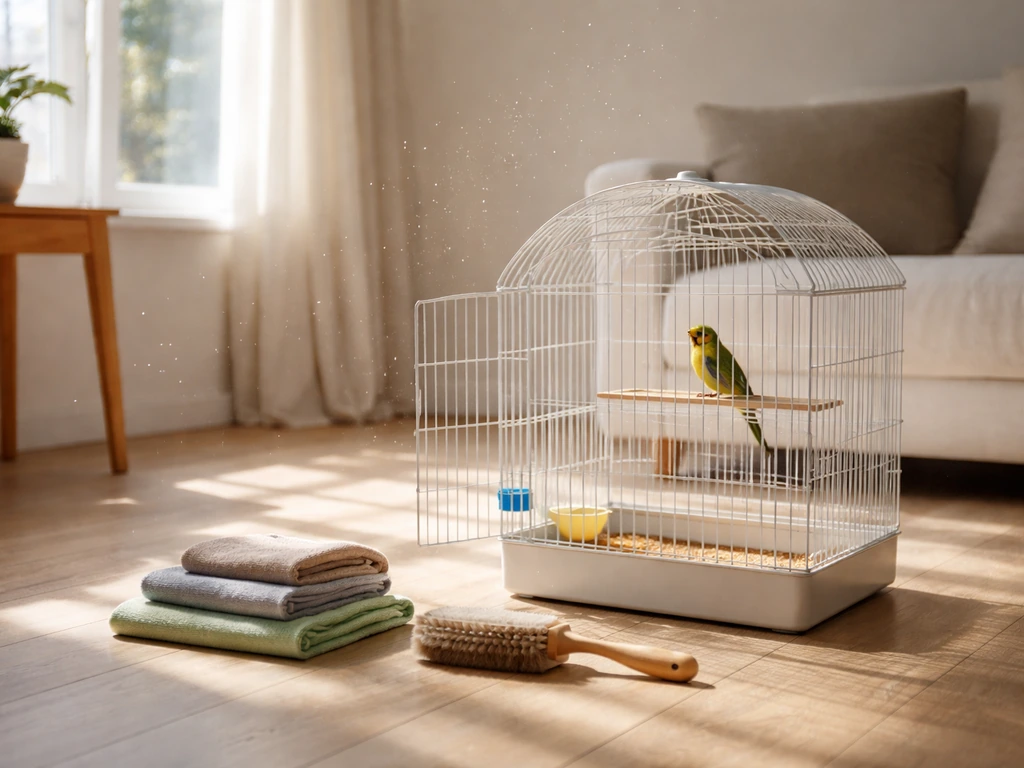
Why bird dander can make you sick (the main mechanisms)
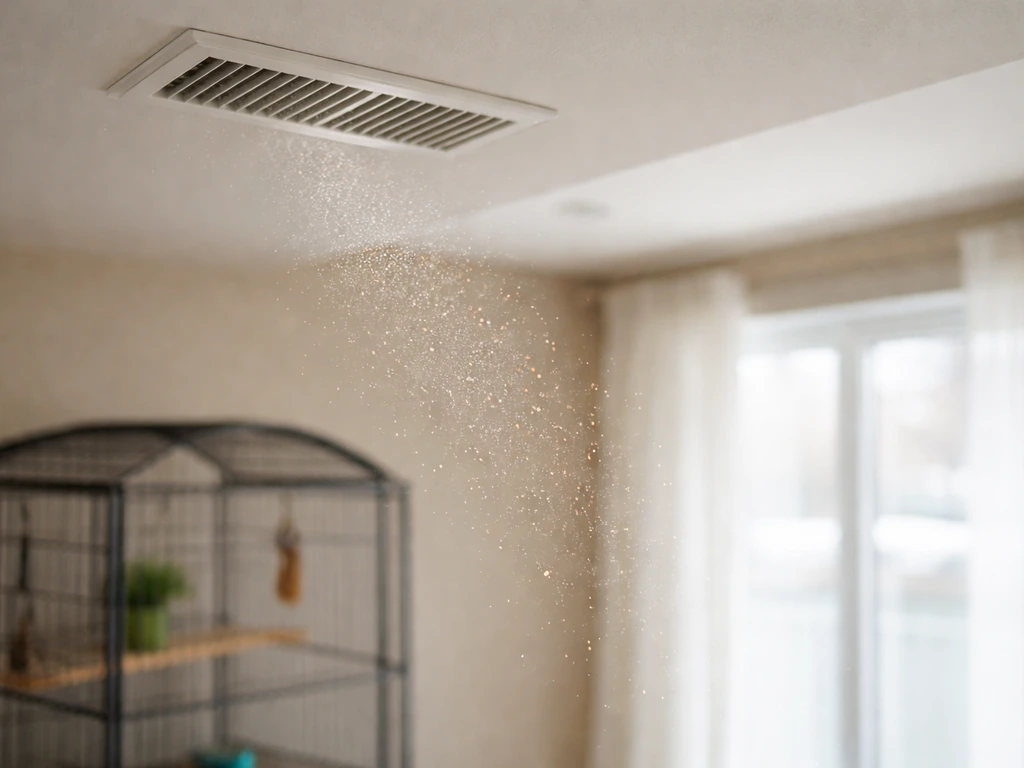
"Bird dander" is not one single thing. It is a mix of microscopic particles that become airborne in any space shared with birds: tiny feather fragments, skin flakes, dried secretions, and fecal dust. All of these can carry proteins that your immune system may react to, or particles your airways simply find irritating.
The three main ways these particles cause illness are different enough that they are worth separating out:
- IgE-mediated allergy: Your immune system produces IgE antibodies against proteins in feathers, dander, or droppings. Once sensitized, even small exposures trigger mast cells to release histamine, causing classic allergy symptoms within minutes.
- Hypersensitivity pneumonitis (bird fancier's lung): Repeated inhalation of avian proteins, especially from dried droppings and feather dust, can trigger a deeper immune response in the lung tissue itself. This is not a standard pollen-type allergy; it involves immune complexes and T-cell activation in the lung.
- Infection: Breathing dust that contains dried secretions or droppings from an infected bird can expose you to pathogens. The most relevant one for bird owners is Chlamydia psittaci, the bacterium that causes psittacosis (parrot fever). Both sick birds and birds that look healthy can shed it.
Feather proteins from many common pet birds, including budgerigars, parrots, canaries, pigeons, and hens, have been shown to trigger IgE sensitization in exposed people. can you be allergic to bird feathers. So the risk is not limited to one species.
Common symptoms after bird exposure
The symptoms people most often notice after spending time around birds fall into a few overlapping categories. Upper respiratory symptoms are the most common: sneezing, runny or stuffy nose, itchy or watery eyes, and postnasal drip. These are classic allergic rhinitis symptoms and can start within minutes of exposure.
Lower respiratory symptoms are more concerning: coughing, wheezing, chest tightness, and shortness of breath. If you have asthma, bird allergens can trigger flares that look just like any other asthma episode. If you do not have a known asthma diagnosis, new wheezing or breathlessness around birds is a signal worth taking seriously.
Skin reactions are less common but real: hives, itching, or a mild rash after handling birds or their bedding. Some people also notice eye redness and puffiness (allergic conjunctivitis) as a standalone symptom even without nasal symptoms.
In hypersensitivity pneumonitis, the symptom picture shifts. Instead of instant sneezing, you might feel fine for a few hours after being around the birds, then develop flu-like symptoms: fever, chills, muscle aches, headache, and a cough. This delayed pattern is a key distinguishing feature. In bird fancier’s lung (hypersensitivity pneumonitis), symptoms or worsening often occurs within about 4, 8 hours after exposure to avian protein delayed pattern.
Allergy vs irritant reaction vs infection: how to tell them apart
Timing and fever are your two best clues for sorting this out at home. Here is a practical way to think through what might be going on:
| Cause | Typical symptom onset | Fever present? | Key symptom pattern |
|---|---|---|---|
| Allergic reaction (IgE) | Minutes after exposure | No | Sneezing, itchy/watery eyes, runny nose, possibly wheezing |
| Irritant (dust/particles) | During or shortly after exposure | No | Coughing, throat irritation, eye stinging; clears after leaving the area |
| Hypersensitivity pneumonitis (bird fancier's lung) | 4–8 hours after exposure | Yes (acute episodes) | Flu-like: fever, chills, muscle aches, cough, shortness of breath |
| Psittacosis (bacterial infection) | 5–14 days after exposure | Yes, often abrupt onset | Fever, chills, headache, muscle aches, dry cough, possible pneumonia |
If your symptoms resolve within an hour or two of leaving the area where the bird lives, that points strongly toward allergy or irritation rather than infection. If you have a fever alongside respiratory symptoms, that rules out a simple IgE allergy (allergies do not cause fever) and points toward hypersensitivity pneumonitis or infection. The incubation window matters too: psittacosis takes 5 to 14 days to develop after exposure, so if you got sick the same day, it is almost certainly not psittacosis.
Pure irritant reactions happen when high concentrations of airborne particles, not an immune response, simply overwhelm your airways. Cage-cleaning day in a poorly ventilated room is a classic trigger. The coughing and eye irritation typically improve quickly once you get fresh air.
Who is at higher risk and when to stop waiting
Most healthy adults can be around birds without developing serious illness, but a few groups need to be more careful and more proactive about symptoms:
- People with asthma or existing allergic disease: Bird allergens can make asthma significantly harder to control.
- People with chronic lung conditions (COPD, pulmonary fibrosis, bronchiectasis): Any added airway inflammation or infection risk matters more.
- Immunocompromised individuals (people on chemotherapy, immunosuppressants, or with HIV): The risk of complications from infections like psittacosis is higher.
- Young children and elderly adults: Both groups have less respiratory reserve and may deteriorate more quickly.
- Pregnant people: Some bird-associated infections carry additional risks during pregnancy.
- People who work professionally with birds (vets, pet store workers, poultry handlers): Higher and more sustained exposure increases sensitization and infection risk.
If you fall into any of these groups, even mild respiratory symptoms that coincide with bird exposure deserve prompt medical attention rather than a wait-and-see approach.
Reducing exposure at home: practical steps you can take today
Cleaning safely without stirring up dust
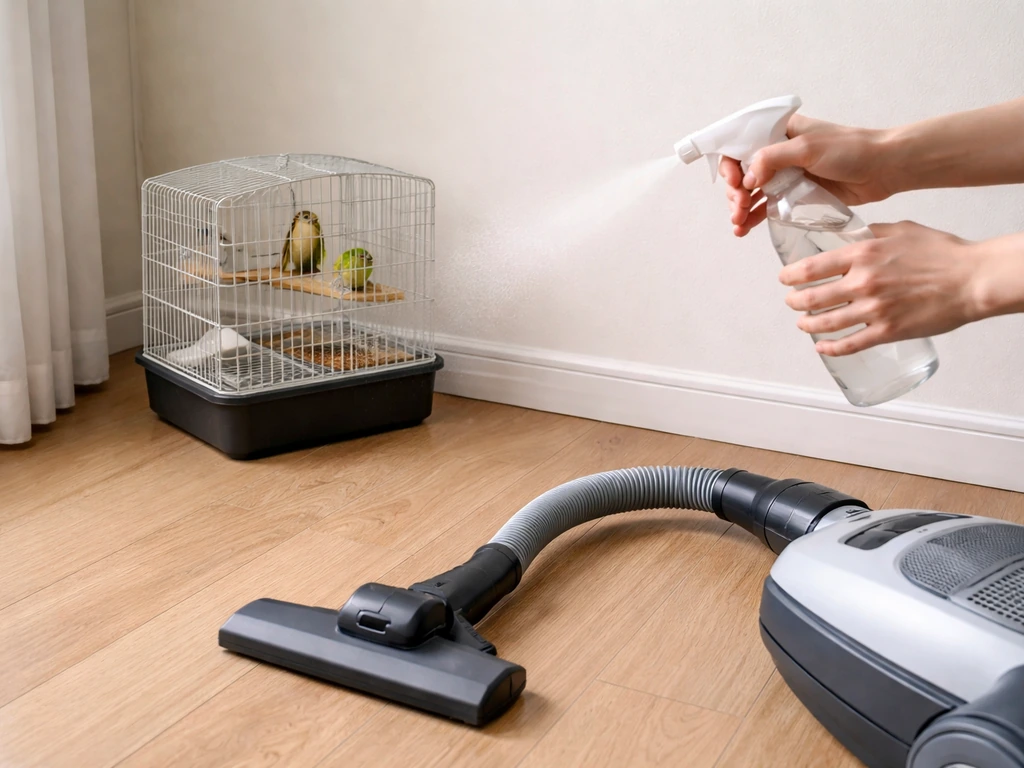
Dry sweeping around a bird cage is one of the worst things you can do. It launches fine particles into the air where they stay suspended for a long time. Instead, lightly mist the cage floor and surfaces with water (or a bird-safe disinfectant) before wiping them down. This wets the particles so they do not become airborne. Use damp cloths or paper towels rather than dry ones.
When vacuuming the room, use a vacuum with a HEPA filter. Standard vacuums can blow fine allergen particles back out through the exhaust. If you have asthma or a bird allergy, have someone else do the vacuuming, or leave the room during and for at least 20 to 30 minutes afterward while the disturbed dust settles.
When handling droppings or soiled bedding, wear disposable gloves and avoid touching your face. Bag waste in a tied plastic bag before putting it in the trash. Wash your hands thoroughly afterward.
Masks: which ones actually work
If you are cleaning a cage or a room where bird dust is concentrated, a standard surgical mask or cloth mask will not reliably protect you from fine airborne particles. Surgical masks are loose-fitting and designed to block large droplets, not the tiny aerosolized particles from dander or dried fecal dust. For meaningful protection, you need a properly fitted N95 respirator (or equivalent), which is designed for close facial fit and efficient filtration of small airborne particles. If you have beard stubble or facial hair, even an N95 will not seal properly.
Ventilation and air quality
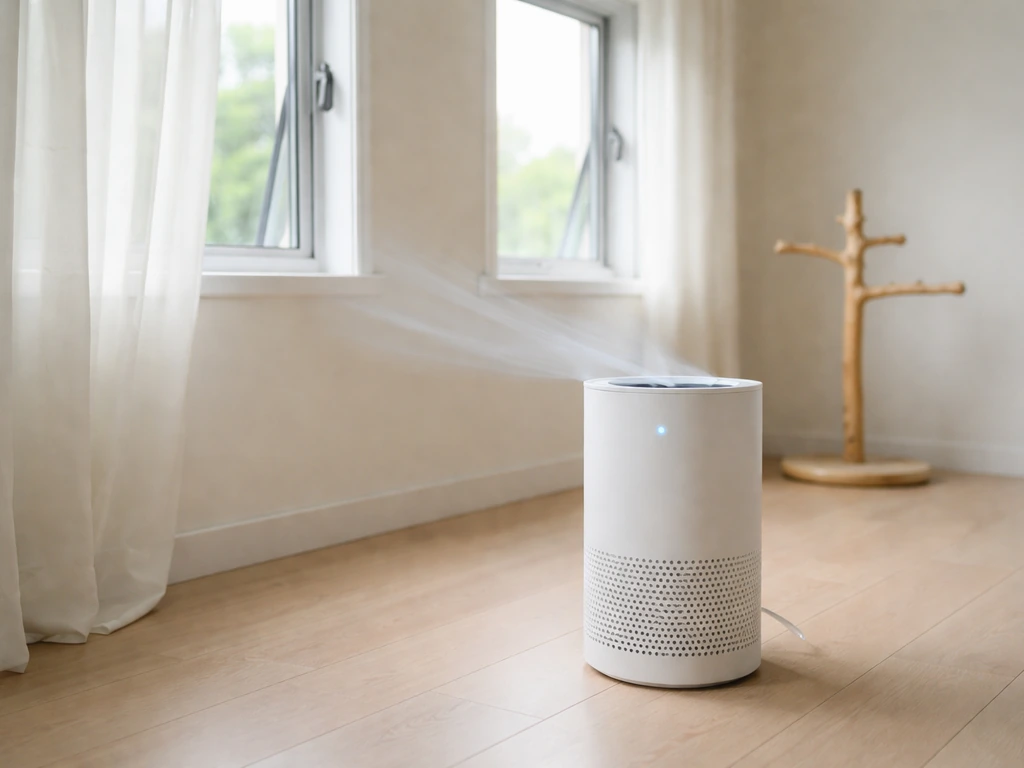
Keep the bird's room well ventilated. Open windows when weather allows and run an air purifier with a HEPA filter in the room where the bird lives. Keep the bird out of bedrooms if possible: spending eight hours a night in a room full of bird particles is a significant exposure, especially for people who already have allergy or asthma symptoms.
Cage management
Do not let droppings accumulate. Frequent, small cleanings produce less dust and less exposure than one big weekly cleanout. Line the cage bottom with paper that can be rolled up and disposed of daily without disturbing the cage contents. Keep food and water dishes clean to prevent mold, which adds a separate allergen to the mix.
When to see a doctor (and when to go to urgent care)
See a doctor within a few days if you have persistent sneezing, congestion, itchy eyes, or a cough that keeps coming back around your bird and does not resolve when you step away. A doctor can confirm whether you have a bird allergy through skin-prick testing or a blood test measuring allergen-specific IgE, and can discuss management options including antihistamines, nasal sprays, or referral to an allergist.
Go to urgent care or an emergency room the same day if you have any of the following:
- Shortness of breath that is not quickly relieved by your rescue inhaler (if you have one)
- Wheezing that does not improve after leaving the bird's area
- Chest tightness combined with difficulty breathing
- Fever above 38.5°C (101.3°F) with cough or breathing difficulty, especially if it comes on 4 to 8 hours after bird exposure or 5 to 14 days after cleaning bird cages or handling a sick bird
- Symptoms that are rapidly getting worse
Tell the doctor or urgent care provider that you have been around birds and describe the timing of your symptoms relative to that exposure. This matters because psittacosis can mimic community-acquired pneumonia, and a doctor who does not know about the bird exposure may not think to test for it or treat it with the right antibiotic (doxycycline is the standard treatment).
The bird health connection: when your bird's condition affects your exposure
This part often gets overlooked, but it matters a lot. A sick bird can increase the amount of contaminated debris in your environment. A bird with a respiratory infection, excessive feather loss, or abnormal droppings is producing more potentially problematic particles than a healthy one. Managing your own exposure means keeping an eye on your bird's health too.
Warning signs in birds that warrant a visit to an avian vet include:
- Discharge from the nostrils or eyes
- Labored or noisy breathing, tail-bobbing with each breath
- Excessive feather loss, abnormal feather condition, or over-preening
- Changes in droppings (color, consistency, or volume that seems off from the bird's normal)
- Lethargy, fluffed feathers, or sitting on the cage floor instead of a perch
- Reduced appetite or significant weight loss
Some birds, especially psittacines like parrots and cockatiels, can shed Chlamydia psittaci even when they appear healthy. Stress, new environments, or other illness can trigger shedding in birds that were previously not showing symptoms. This is why routine avian vet checkups matter, not just sick visits.
If your bird is diagnosed with a respiratory infection or psittacosis, follow the vet's guidance carefully about handling precautions during treatment. Reducing your bird's illness reduces the contamination in your shared space, which is good for both of you. Keeping your bird healthy is, in a real sense, part of keeping yourself healthy.
If you want to go deeper on related questions, the topics of whether bird allergies are common in the general population, what bird dander actually is at a microscopic level, and whether feathers specifically trigger allergic reactions are all worth exploring. They add useful context to what you are dealing with here.
FAQ
Can bird dander symptoms show up later instead of right away?
Yes, symptoms can be delayed. Allergy symptoms usually start quickly (often within minutes) but you can still feel worse later the same day if the area stays contaminated, like after cleaning, feeding, or vacuuming. In contrast, a delayed flu-like pattern with fever that builds hours after exposure points more toward hypersensitivity pneumonitis.
What if I wheeze around birds but I have never been diagnosed with asthma?
Wheezing can happen even if you have never been told you have asthma. If you develop new wheeze, chest tightness, or shortness of breath around birds, treat it as urgent and seek medical evaluation, especially if it does not rapidly improve after you leave the environment.
How can I tell if it is an allergy versus an infection when I have bird exposure?
Allergies from bird exposure do not cause a true fever. If you measure a fever (or have chills and significant body aches) along with cough or breathing symptoms after bird exposure, that makes simple IgE allergy less likely and should be assessed for hypersensitivity pneumonitis or infection.
Can bird dander make other people in my home sick even if they do not handle the birds?
It is possible, especially if you share a home with birds or sit in areas where bird dust has settled. Symptoms like sneezing, itchy eyes, and congestion can be triggered by airborne particles carried on clothing, bedding, or HVAC airflow. If symptoms improve when you are away from the home for a full day, that supports dander-related exposure.
Is bird dander illness contagious from person to person?
Yes, but it depends on the cause. If your illness is allergy or hypersensitivity pneumonitis, you generally cannot “catch” it from someone else. If psittacosis is involved, it is still not typically spread through casual contact, but it is important to get evaluated quickly because it requires specific antibiotic treatment.
What if I avoid the birds but I still feel sick at home?
If you have a lot of symptoms that line up with bird exposure and persist despite avoiding the birds, you may still be reacting to dust that lingers in the environment. A useful step is to reduce exposure for several days, then see if symptoms fully improve. If not, ask a clinician about other triggers (mold, dust mites, pet dander) and consider formal allergy testing.
Do surgical or cloth masks work for bird dander and dried droppings dust?
Using a surgical mask or loose cloth mask often gives a false sense of protection. For fine airborne particles from dry debris and cage dust, a properly fitted N95 (or equivalent) is the practical minimum, and facial hair can prevent an effective seal.
When is the risk highest, during handling the bird or during cleaning?
You can develop symptoms even if you only clean occasionally. The highest risk times are dry sweeping, disturbing bedding during routine maintenance, and deep cleanouts without ventilation. If you must do it, wet the surfaces first, use HEPA filtration, and consider having someone else handle the cleaning if you have asthma or known allergy.
If I have mild symptoms, do I still need medical care?
Yes. If you have known allergies or asthma, managing exposure can still be safe and effective, but symptoms should guide the plan. Even mild symptoms that keep recurring should prompt evaluation, because early management (medications, allergen avoidance strategies) can prevent escalation to lower-airway issues.
How does hypersensitivity pneumonitis typically behave over multiple exposures?
Hypersensitivity pneumonitis often looks like “not quite the flu” and tends to recur with repeated exposures. A key clue is improvement after leaving the bird environment and return of symptoms with re-exposure. Because it can become serious, clinicians may use imaging and lung function tests in addition to your exposure history.
How can I use symptom timing to tell if this is from birds versus a virus?
If your symptoms improve quickly after leaving but then return when you re-enter, that pattern usually favors allergy or irritant exposure rather than a random respiratory virus. A simple decision aid is to compare symptom onset timing to your last exposure and track whether symptoms reliably resolve with time away.
Should I treat this differently depending on whether my symptoms are nose or chest symptoms?
A key practical step is identifying whether the reaction is predominantly upper airway (sneezing, runny nose) or lower airway (cough, wheeze, chest tightness). That distinction helps guide whether you should focus on allergy control (nasal symptoms) versus urgent assessment for breathing issues.
Next Article
Are Bird Allergies Common? Symptoms, Causes, and Next Steps
Learn if bird allergies are common, spot key symptoms and triggers, and get practical next steps to confirm and manage t