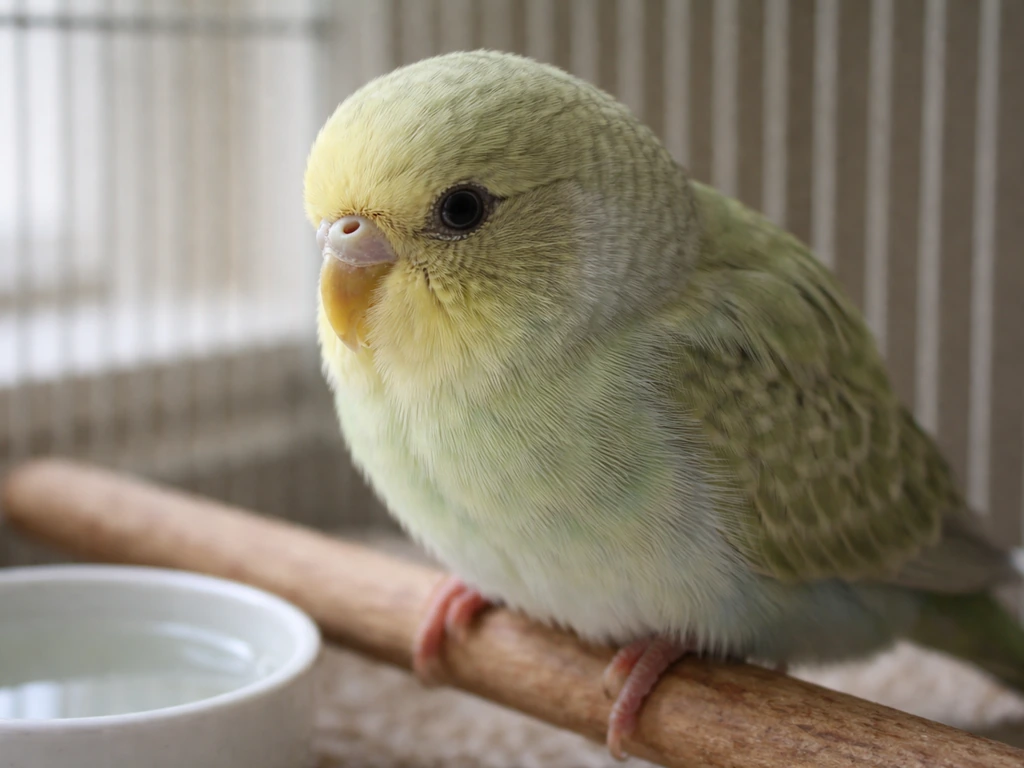
Bird fancier's lung can be fatal, but most people who catch it early and stop their exposure recover well. The real danger kicks in when exposure continues for months or years without a diagnosis, because that's when the lungs can develop permanent scarring (pulmonary fibrosis) and progress to respiratory failure. The condition is serious, not a death sentence, but it deserves immediate attention.
Is Bird Fancier’s Lung Fatal? Symptoms, Diagnosis, Treatment

Marcus Webb
25 Apr 2026
What bird fancier's lung actually is
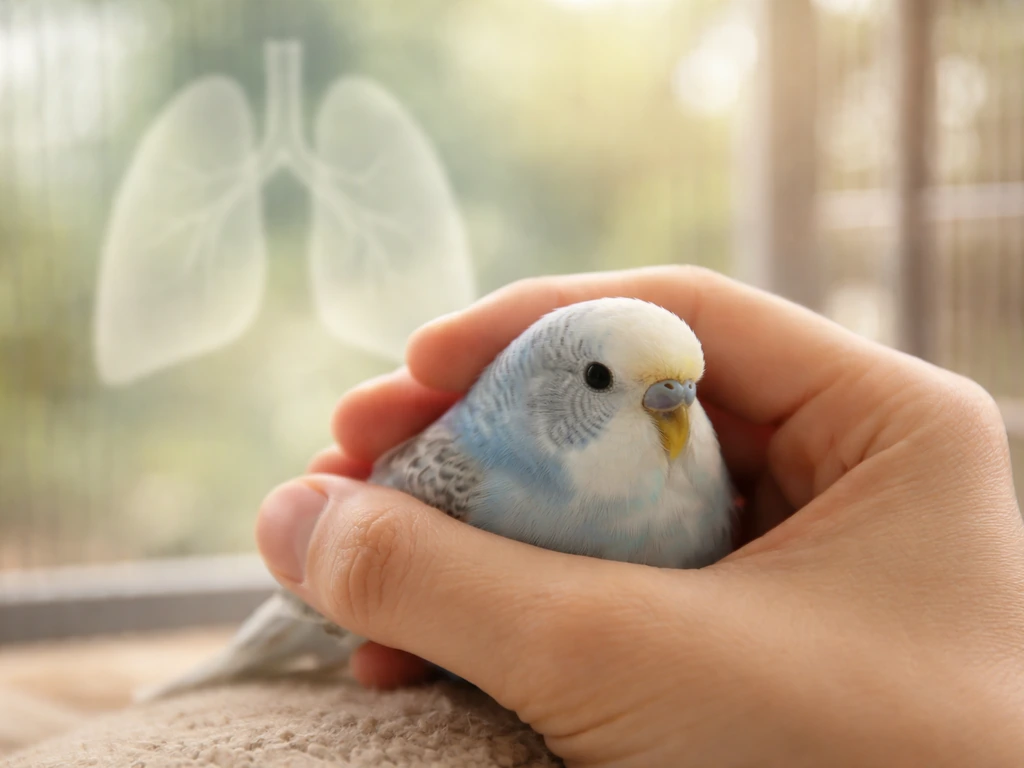
Bird fancier's lung is a form of hypersensitivity pneumonitis (HP), which is an immune-mediated lung disease triggered by breathing in proteins from bird feathers, droppings, and feather dust. Your immune system treats those particles as a threat and launches an inflammatory response inside the lungs. This can happen with almost any bird species, including parrots, cockatiels, pigeons, doves, and chickens. The condition is also called bird breeder's lung or pigeon breeder's disease, but it's the same underlying process regardless of the bird species involved.
It's worth noting that bird fancier's lung is not the same as psittacosis, which is a bacterial infection birds can pass to humans. Psittacosis has its own symptom profile and transmission route, and the two conditions require different diagnostic and treatment approaches. Both involve respiratory symptoms from bird contact, but the mechanism is completely different.
Can it actually kill you: risk factors and realistic outcomes
The short version is: yes, but it depends heavily on how quickly the condition is identified and whether exposure stops. Here's how outcomes typically break down across the different stages of the disease.
Acute bird fancier's lung
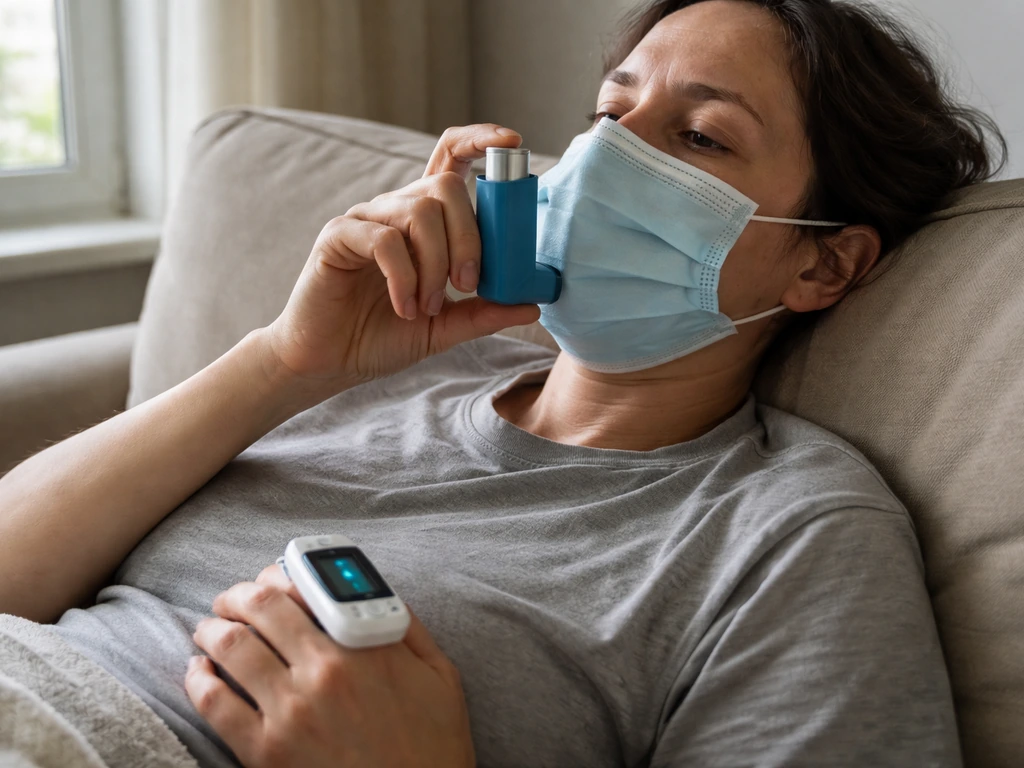
Acute HP usually hits within 4 to 8 hours of heavy exposure. Symptoms feel a lot like flu, and most people recover completely once they get away from the birds and receive appropriate care. Roughly 95% of people who develop acute HP do not progress to the chronic form. That's an important number to hold onto.
Chronic bird fancier's lung
Chronic HP is where things get genuinely dangerous. If someone keeps exposing themselves to bird antigen without realizing what's happening, the lungs sustain repeated inflammatory injury over months or years. This can lead to pulmonary fibrosis, where lung tissue scars and stiffens permanently. Once fibrosis sets in, it doesn't reverse. Severe fibrosis, especially with a "honeycombing" pattern on imaging, is associated with significantly higher mortality. Without treatment, chronic HP can also lead to pulmonary hypertension and heart failure.
Who faces the highest risk
- People with high or prolonged daily exposure to bird dust, feathers, or droppings (breeders, handlers, aviary workers)
- Anyone who has had symptoms for months or years without a diagnosis
- People who continue bird exposure after being diagnosed
- Those with underlying lung or immune conditions
- Older adults, who tend to have less respiratory reserve if fibrosis develops
- Anyone showing signs of fibrosis or honeycombing on imaging at the time of diagnosis
Recognizing warning signs in birds
Because this site focuses on avian health, it's worth being clear: birds themselves can show signs of respiratory illness that are separate from the risk they pose to human lungs through dust and dander. Here's what to watch for in your birds.
- Wheezing, clicking, or labored breathing sounds
- Open-mouth breathing or tail bobbing (a sign the bird is working hard to breathe)
- Watery eyes or nasal discharge
- Sneezing repeatedly
- Lethargy or reduced activity
- Puffed-up feathers combined with any of the above
- Weight loss or reduced appetite
Birds with these symptoms should see an avian vet promptly. Some birds carry and shed avian antigens, and even bacteria like Chlamydia psittaci (which causes psittacosis), without showing obvious signs themselves. A sick bird increases the concentration of infectious material in your environment, which raises both the bird's risk and your own.
Human symptoms to take seriously
In people, bird fancier's lung symptoms shift depending on whether you're dealing with an acute episode or a chronic low-grade exposure pattern. In either case, the symptoms of bird fancier's lung are closely tied to ongoing exposure to bird feathers, droppings, and dust bird fancier's lung symptoms.
| Phase | Timing | Typical Symptoms |
|---|---|---|
| Acute | 4–8 hours after heavy exposure | Fever, chills, muscle aches, headache, cough, shortness of breath, chest tightness |
| Subacute | Weeks to months of ongoing exposure | Gradual cough, exertional breathlessness, fatigue, mild fever |
| Chronic | Months to years of repeated exposure | Progressive breathlessness, persistent cough, weight loss, significant fatigue, declining exercise tolerance |
The acute phase is often mistaken for a viral illness because it feels like the flu. The key clue is timing: symptoms appear several hours after being around birds and improve after leaving the environment. If you notice that pattern, don't wait to see a doctor.
How diagnosis is confirmed

Diagnosing bird fancier's lung isn't a single test. A 2008 case series on bird fancier’s lung documents that diagnosis used multiple modalities such as exposure history, imaging, pulmonary function testing, serum IgG antibodies, and bronchoalveolar lavage and/or biopsy, and it can progress to respiratory failure through pulmonary fibrosis multiple modalities (exposure history, imaging, pulmonary function testing, serum IgG antibodies, and bronchoalveolar lavage and/or biopsy). The current standard, based on ATS/JRS/ALAT guidelines, integrates clinical history, imaging, and sometimes lab and tissue analysis. Here's what that process typically involves.
- Detailed exposure history: A clinician will want to know exactly what birds you've kept, for how long, and how close your daily contact has been. This is genuinely the most important part of the workup.
- Lung function testing (spirometry and diffusion capacity): These tests show how well air moves in and out of the lungs and how efficiently oxygen crosses into the bloodstream.
- High-resolution CT scan (HRCT): Volumetric HRCT with both inspiratory and prolonged expiratory images is the preferred imaging approach. It can reveal ground-glass opacities, mosaic attenuation, or fibrotic changes depending on the stage.
- Serum precipitins or specific IgG antibodies: Blood tests that look for antibodies to bird antigens. In acute cases, these have roughly 80–100% sensitivity and 92–100% specificity. In chronic cases they are less reliable (sensitivity drops to around 26–79%), but they're still part of the picture.
- Bronchoalveolar lavage (BAL): A procedure where fluid is washed into the lungs and retrieved for analysis. A BAL lymphocyte count above 40% with a CD4+/CD8+ ratio below 1.0 is characteristic of HP.
- Lung biopsy: Reserved for cases where noninvasive testing is inconclusive. Not always required.
When you see a doctor about potential bird fancier's lung, be specific about your bird exposure. Tell them the species, how long you've had them, whether you clean the cage yourself, and whether symptoms improve when you're away from home for a few days. That pattern of improvement away from the exposure is a major diagnostic clue that will help speed up the workup.
Treatment options and what actually changes prognosis
The single most important treatment step is eliminating or drastically reducing exposure to bird antigens. Everything else is secondary. Most people with acute or subacute bird fancier's lung who completely remove the trigger see significant improvement, and many recover full lung function. This is the most important fact about prognosis.
When symptoms are severe, lung function is significantly impaired, or imaging shows extensive involvement, corticosteroids (typically prednisone) are used to reduce inflammation and speed recovery. Dosing and duration vary by severity, with acute cases usually treated for one to two weeks followed by a taper, and chronic cases requiring longer courses. There are no large randomized controlled trials to guide exact dosing, but corticosteroids are standard practice for severe presentations.
Additional supportive treatments can include supplemental oxygen for low blood oxygen levels, bronchodilators for airflow obstruction, and in some chronic cases, other immunosuppressant agents. If pulmonary fibrosis has developed, antifibrotic medications may be considered in a specialist setting, though they don't reverse existing scarring.
Without removing the antigen exposure, medications alone are unlikely to prevent progression. People who continue keeping birds while being treated are fighting an uphill battle. Some people find that strict hygiene measures and air filtration reduce exposure enough to prevent progression without rehoming the birds, but this requires close specialist monitoring and isn't guaranteed to work.
Red flags that mean go now
Some symptoms indicate a medical emergency that shouldn't wait for a routine appointment. Go to the emergency department immediately if you or someone in the household exposed to birds develops any of the following.
- Severe shortness of breath or difficulty breathing at rest
- Bluish tint to the lips, fingernails, or skin (cyanosis), which signals dangerously low oxygen
- Rapid breathing that doesn't slow down after moving away from the birds
- Confusion, dizziness, or difficulty staying awake alongside breathing problems
- Chest pain with breathing
- Symptoms that are rapidly worsening over hours
For your birds, contact an avian vet urgently if you see open-mouth breathing, wheezing, clicking sounds during breathing, severe lethargy, or a bird sitting on the floor of the cage unable to perch. These are signs of respiratory distress that can deteriorate quickly.
How to reduce your risk as a bird owner or caretaker
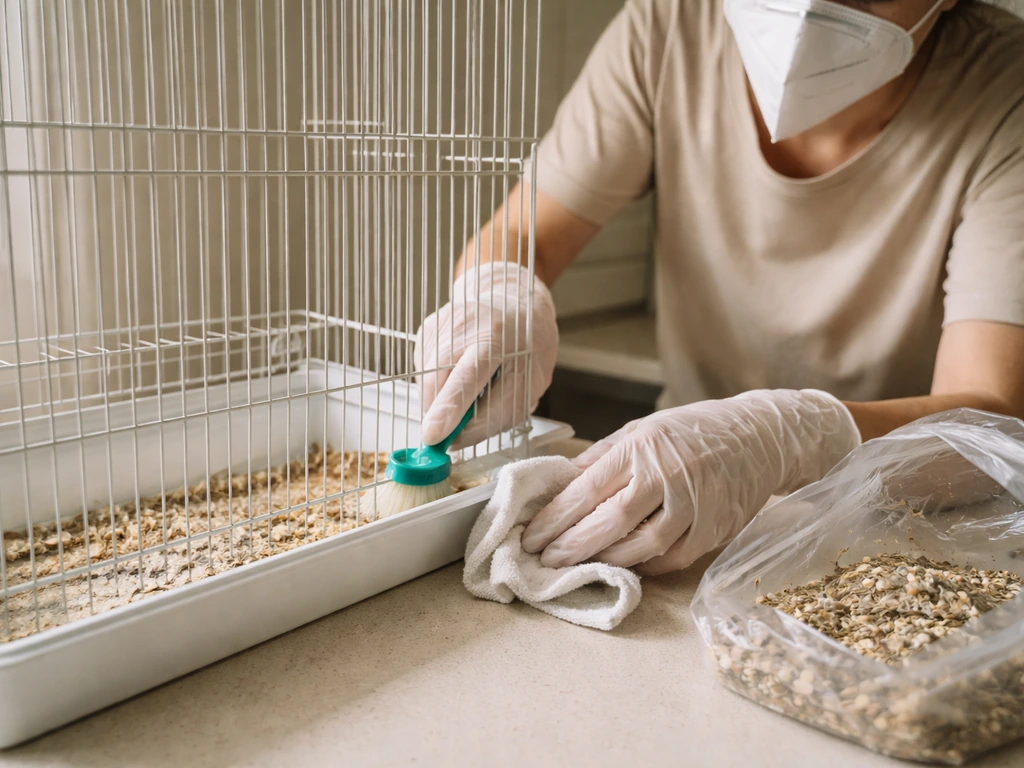
Prevention is straightforward in principle and makes a real difference in practice. The goal is to reduce the amount of bird antigen you inhale on a daily basis. Here's how to do that practically. OSHA advises that when workers may be exposed via inhalation of dust contaminated with bird secretions or excrement, a NIOSH-certified N95 filtering facepiece respirator or better should be worn as part of a respiratory protection program.
Cage and cleaning practices
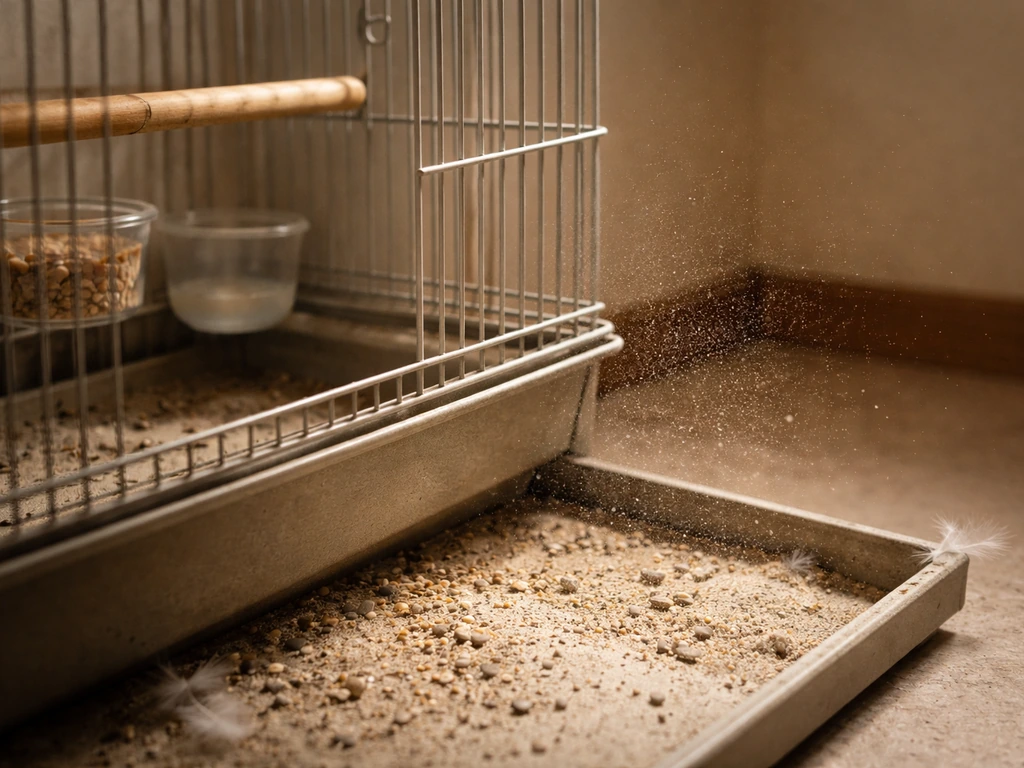
- Clean cages and food and water bowls daily to prevent a buildup of dried droppings, which aerosolize easily when disturbed
- Wear an N95 respirator (or higher) when cleaning cages, changing substrate, or handling heavily soiled materials
- Wear gloves and protective clothing during cleaning, then wash hands thoroughly afterward
- Never dry sweep or blow dusty debris, as this sends particles directly into the air you breathe; dampen surfaces first or use a HEPA-filtered vacuum
- Clean outside or in a well-ventilated area whenever possible
Ventilation and air quality
- Keep bird areas well ventilated with adequate exhaust airflow to prevent antigen accumulation
- Use a HEPA air purifier in rooms where birds live
- Avoid keeping birds in bedrooms or rooms where you spend long periods with limited airflow
- Change HVAC filters regularly if bird rooms share a duct system with the rest of the house
Personal habits and monitoring
- Pay attention to whether respiratory symptoms improve when you've been away from home for a few days; if they do, mention this to your doctor immediately
- Schedule regular avian vet checkups for your birds so illness is caught early
- If you have a known history of HP or suspected sensitivity, consider periodic lung function testing to catch any decline early
- Anyone with existing asthma, COPD, or other lung conditions should be especially vigilant about bird dust exposure
The bottom line on fatality and next steps
Bird fancier's lung is not automatically fatal, but it can be if it's ignored long enough. Early diagnosis and stopping exposure give most people a strong chance of full recovery. The danger is in the delay: chronic, undiagnosed HP that progresses to pulmonary fibrosis is the scenario where this condition becomes life-threatening. The good news is that fibrosis is largely preventable if you act early.
If you're experiencing respiratory symptoms and spend time around birds, bring up bird fancier's lung specifically with your doctor today. Don't assume it's just allergies or a lingering cold, especially if symptoms follow a pattern tied to bird contact. At the same time, get your birds checked by an avian vet if they're showing any signs of respiratory illness, both for their sake and to understand the full picture of what's circulating in your environment.
The symptoms of bird fancier's lung overlap with other conditions, including psittacosis and general respiratory infections, so a proper diagnosis matters. A respiratory specialist or pulmonologist with experience in interstitial lung diseases is often the right referral once bird fancier's lung is suspected.
FAQ
If it can be fatal, who is most at risk of a bad outcome?
Not necessarily. It can become fatal when exposure continues long enough to cause irreversible lung scarring (pulmonary fibrosis) and complications like pulmonary hypertension. If you stop the trigger early, many people recover well, including in cases that initially feel severe.
What if my symptoms improve after I’m away from the birds, should I still see a doctor?
Even if symptoms improve after leaving the birds, you should still get checked if episodes recur or last more than a few days. Repeated “better when away” patterns often indicate ongoing immune exposure, and delaying care increases the chance of progression.
Can my birds look healthy and I still develop bird fancier’s lung?
Yes. Birds can look normal while still shedding antigens (and sometimes infectious agents), so the absence of obvious illness does not rule out bird-related lung problems in humans. A practical approach is to treat symptoms and exposure history as the main clues, not the bird’s appearance.
Which symptoms mean I should go to the ER immediately?
Emergency symptoms include significant shortness of breath, new trouble breathing at rest, blue or gray lips, fainting, confusion, or rapidly worsening oxygen levels if measured. If you cannot speak full sentences, or symptoms escalate within hours after heavy exposure, treat it as an emergency.
Can a blood or skin allergy test rule it out?
Don’t rely on a single “allergy test” result. Bird fancier’s lung is an immune-mediated lung inflammation that can overlap with asthma or infections, and diagnosis typically combines exposure timing, imaging patterns, and sometimes bronchoalveolar studies. Ask your clinician specifically whether it fits hypersensitivity pneumonitis, not just allergy.
Is it okay to keep the birds while I start treatment?
If you keep birds during evaluation, your clinician may still start treatment, but stopping exposure is the key driver of recovery. Continuing exposure can keep inflammation active, making it harder to prevent chronic injury. If rehoming is not immediately possible, discuss an interim exposure-control plan with the specialist.
How can I tell whether my pattern is acute versus chronic exposure?
Yes, but timing matters. Acute episodes often occur within hours after heavy exposure, while chronic disease can build gradually with low-level exposure. A step to bring to appointments is a day-by-day log of symptom onset and where the exposure occurred (cage cleaning, bedding changes, room ventilation).
What if my symptoms feel like a viral infection but go away when I’m not around birds?
Do not interpret “recovery after leaving home” as proof that it was only a cold. Viral illnesses can improve, but the exposure-timing link is a strong clue for hypersensitivity pneumonitis. If you reintroduce exposure and symptoms reliably return, seek evaluation promptly.
Can HEPA filters and cleaning alone prevent progression if I don’t rehome the birds?
Air filtration and hygiene may reduce exposure, but they are not a guaranteed substitute for stopping the trigger in suspected bird fancier’s lung. If you choose to keep birds, you generally need close follow-up, objective monitoring of lung function, and a plan to escalate quickly if symptoms return or worsen.
What specific exposure details should I tell my doctor to speed up diagnosis?
You should tell your doctor details that affect likelihood and workup: bird species, years of exposure, intensity (daily cleaning versus occasional contact), whether feather products are involved, home ventilation, and whether you wear a mask or gloves during cleaning. Also mention whether symptoms improve on trips or weekends away.
How do doctors decide whether steroids are necessary, and does severity change the risk?
If imaging shows extensive involvement or if you have significant lung function impairment, the risk of long-term damage is higher, and specialists often use more aggressive inflammation control. Your doctor will typically balance steroid risks with severity, and follow up with lung function and symptom tracking to judge response.
If scarring has started, can treatment still help?
When fibrosis has already developed, scarring does not reverse with current treatments, but progression might be slowed in selected cases. This is why follow-up matters even when you feel better, because lung function can continue to decline if exposure persists.
What should I ask for to make sure this isn’t something else like infection or asthma?
Symptoms can overlap with infections and other lung diseases, so “having bird contact” should not automatically lead to one diagnosis. A common next step is to ask for a pulmonology evaluation focused on interstitial lung disease and hypersensitivity pneumonitis, especially if symptoms repeat or imaging is abnormal.
Next Article
Psittacosis Bird Symptoms: What to Watch and What to Do
Learn psittacosis bird symptoms, red flags, isolation steps, and when to see a vet for fast diagnosis and antibiotics