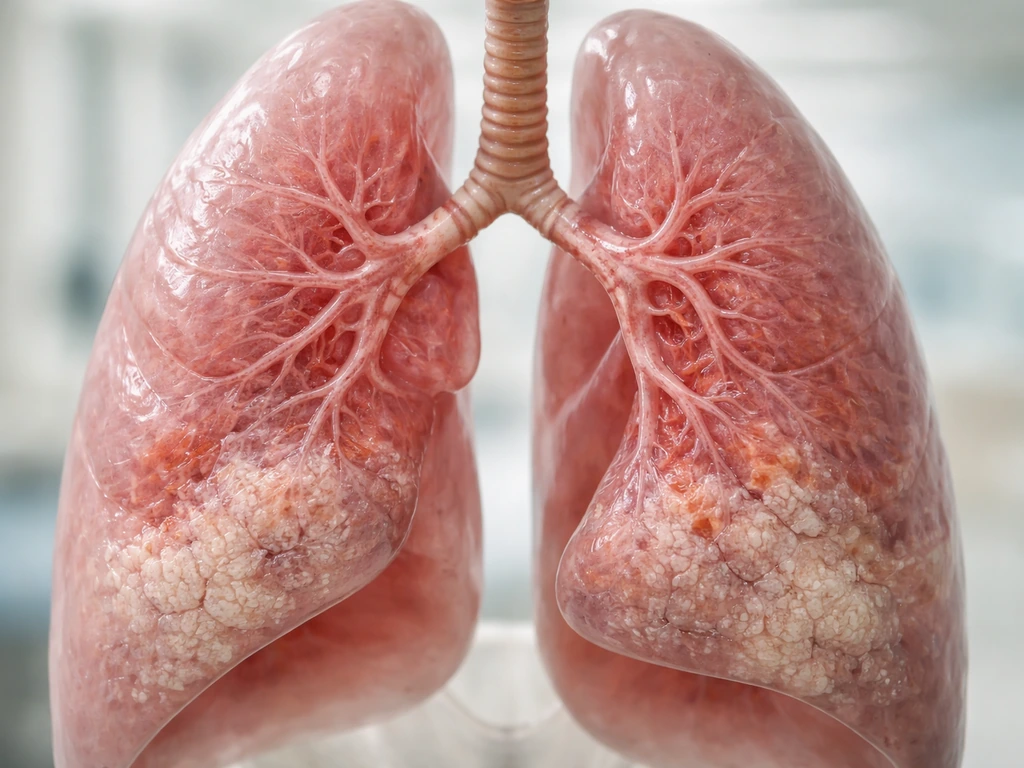
If your bird is sneezing, has discharge around its eyes or nostrils, seems puffed up, or has stopped eating, psittacosis is one condition you need to rule out quickly. If you are noticing respiratory trouble around birds or do not feel well yourself, it can also be helpful to consider how common is bird fancier's lung as an adjacent cause. Psittacosis (caused by the bacterium Chlamydia psittaci) can look like a lot of things at first, but knowing its specific symptom pattern helps you act fast rather than wait and see. Here is what to look for, what to do right now, and how a vet will confirm and treat it.
Psittacosis Bird Symptoms: What to Watch and What to Do

Marcus Webb
22 Apr 2026
What psittacosis is and why it matters
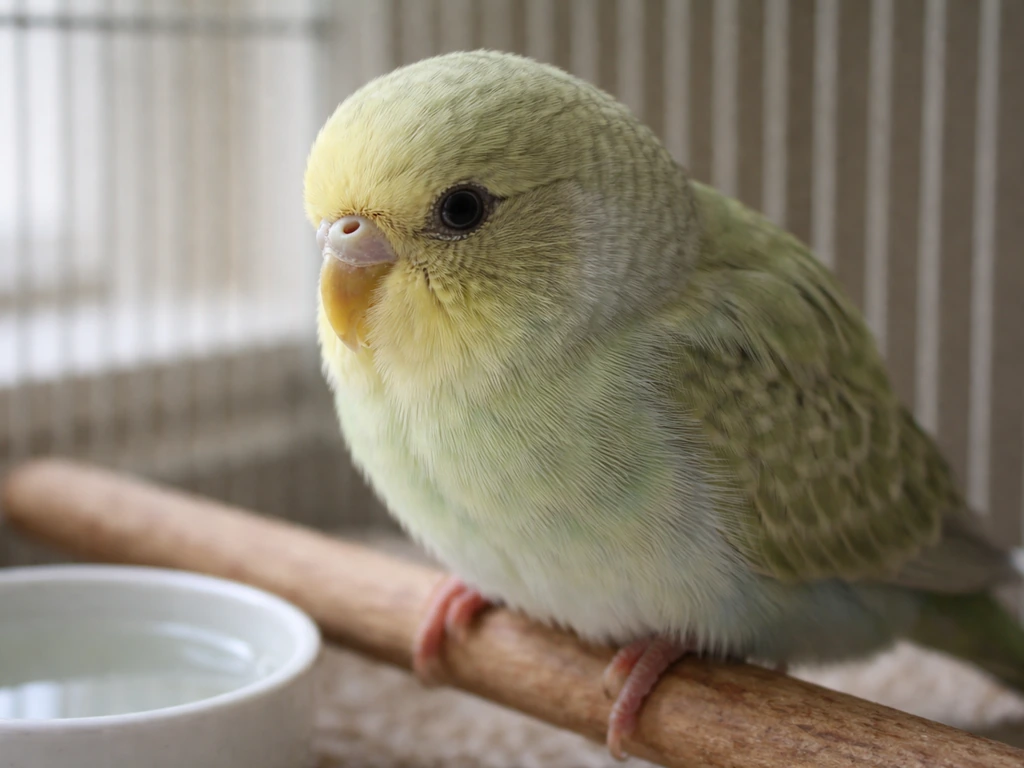
Psittacosis is a bacterial infection caused by Chlamydia psittaci. It affects a wide range of birds, including parrots, cockatiels, parakeets, doves, and many others. The name comes from the Latin word for parrot (Psittacus), but this disease is not limited to psittacine birds. Poultry workers and people who keep pigeons, doves, or backyard flocks can also encounter it.
It matters for two reasons. First, it can make birds seriously ill and is fatal if left untreated. Second, it is zoonotic, meaning it can pass from birds to people. The most common route of transmission to humans is breathing in dust from dried bird droppings or secretions. If you are cleaning an enclosure or handling a sick bird without protection, you can inhale those particles. The good news is that with appropriate antibiotic treatment, death in people is rare (less than 1 in 100 cases), and most infected birds recover fully with prompt veterinary care.
Common psittacosis bird symptoms to watch for
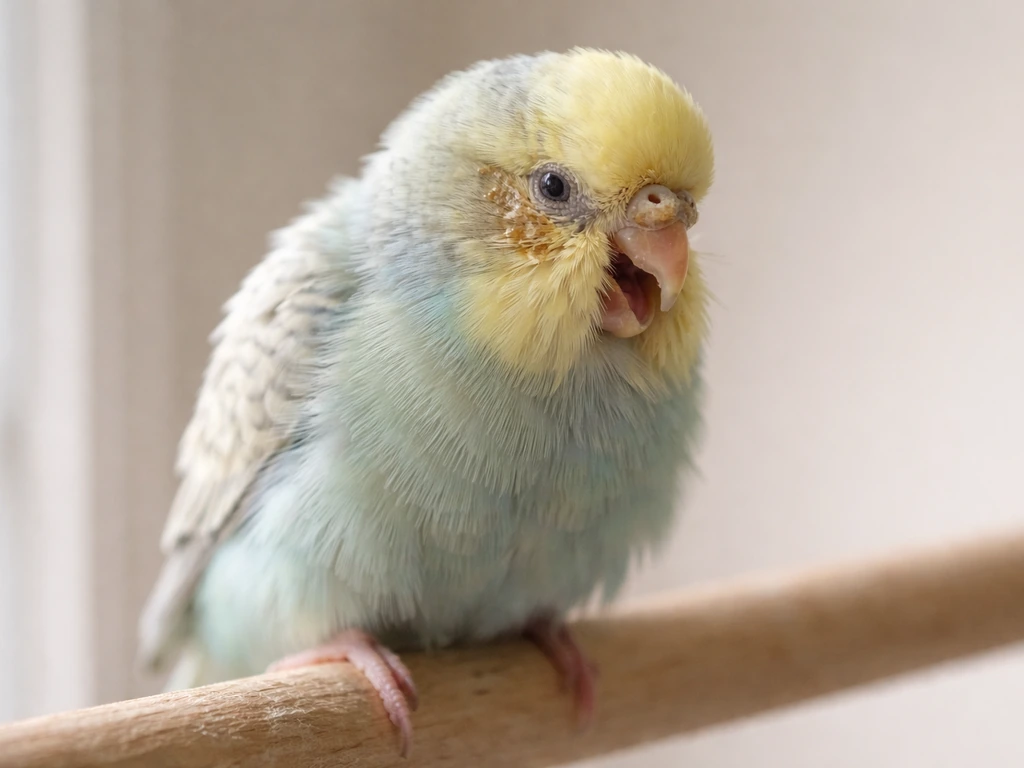
Birds with psittacosis can show a surprisingly wide range of signs, or in some cases almost none at all. A bird can be shedding the bacteria through its droppings and feather dust while appearing outwardly normal, which is part of what makes this disease tricky. That said, most infected birds do eventually show recognizable symptoms if you know what to look for.
Respiratory symptoms
- Nasal discharge (watery or thick mucus around the nostrils)
- Eye discharge or conjunctivitis (red, swollen, or crusty eyes)
- Sneezing or coughing
- Labored or open-mouth breathing
- Tail bobbing with each breath (a sign of respiratory effort)
- Audible wheezing, clicking, or rattling sounds when breathing
General and systemic symptoms
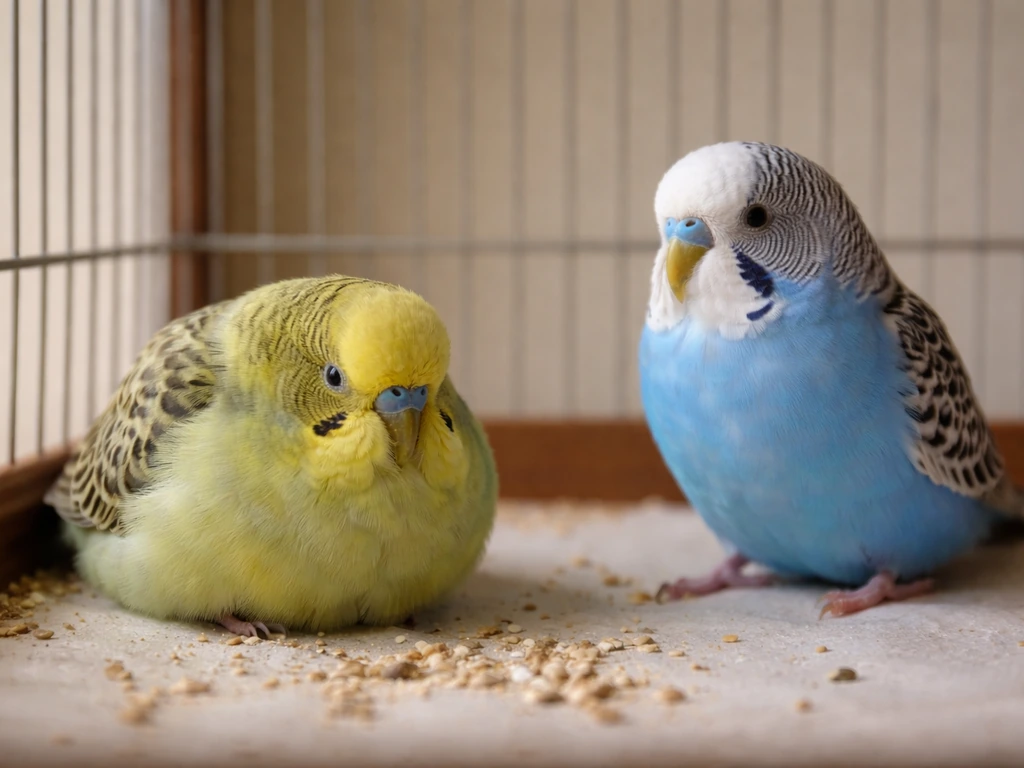
- Ruffled or fluffed feathers (the bird looks puffy and hunched)
- Lethargy and reduced activity (sitting at the bottom of the cage, not moving around)
- Poor appetite or complete refusal to eat
- Noticeable weight loss
- Diarrhea or loose, discolored droppings (greenish or yellowish urates are common)
- Lime-green or yellow-green colored droppings specifically
- Dehydration (skin tenting, sunken eyes in severe cases)
Not every bird will show all of these. Some birds primarily show respiratory signs, others show digestive signs, and some just seem off without obvious specifics. If your bird has even a few of these symptoms together, particularly fluffed posture combined with respiratory signs, treat it as a reason to contact an avian vet the same day.
How symptoms vary by bird and how early disease can look
One of the trickier aspects of psittacosis is that it does not always follow a predictable script. Young birds and birds that are immunocompromised tend to become severely ill faster. Older or otherwise healthy adult birds may carry and shed the bacteria for weeks with only mild or intermittent signs, then suddenly deteriorate.
In parrots and cockatiels, respiratory signs and eye discharge tend to be prominent early signs. In pigeons and doves, loose green droppings and weight loss are often the first noticeable changes. In chickens and other poultry, respiratory symptoms and reduced egg production may be more obvious. The common thread across species is lethargy and reduced appetite. A bird that has stopped interacting normally with its environment, regardless of other symptoms, needs attention.
Early-stage psittacosis can look almost identical to other common respiratory infections in birds, including Mycoplasma, Aspergillus, or even a simple vitamin A deficiency causing mucous membrane changes. This overlap is exactly why you cannot confidently diagnose it at home. What you can do at home is recognize that something is wrong, act quickly, and make good decisions about hygiene while you arrange a vet visit.
What to do right now: isolation, hygiene, and home monitoring
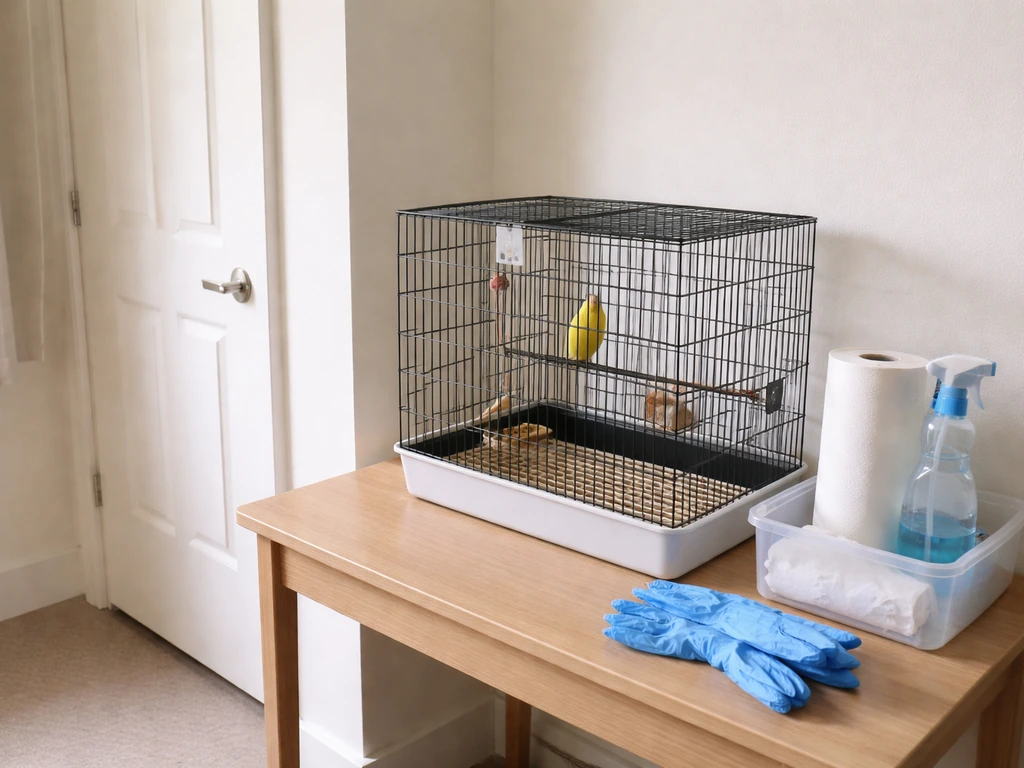
Do not wait to see if your bird gets better on its own. While you are arranging veterinary care, here are concrete steps to take immediately.
- Isolate the sick bird from other birds in the household. Use a separate room if possible to prevent airborne transmission of bacteria through feather dust and dried droppings.
- Wash your hands thoroughly with soap and water every time you handle the bird, its cage, food dishes, or droppings.
- Wear a fitted mask (N95 preferred) and disposable gloves when cleaning the cage or handling the bird. This is not optional if psittacosis is suspected.
- Wet cage surfaces before cleaning to reduce dust. Never dry-sweep or use a vacuum without a HEPA filter in the area. The bacteria spread through airborne dried particles.
- Improve ventilation in the bird's room. Open a window if weather allows. Avoid recirculating air through shared HVAC if possible.
- Write down all symptoms you have noticed, when they started, and any changes. Include the bird's diet, recent travel, new birds added to the household, or any new food or bedding. Your vet will ask all of this.
- Do not self-medicate the bird with leftover antibiotics or pet store treatments. Giving the wrong antibiotic or the wrong dose can mask symptoms without curing the infection, making diagnosis harder and delaying effective treatment.
- If anyone in the household has developed flu-like symptoms (fever, headache, dry cough, muscle aches) within the past few weeks and has had close contact with the bird, mention this to both your vet and your own doctor. Psittacosis in people typically develops somewhere between 3 days and several weeks after exposure.
How a vet diagnoses psittacosis
A veterinarian will not diagnose psittacosis based on symptoms alone, and you should not expect them to. The symptoms overlap too much with other bird diseases. What you can expect at the appointment is a thorough physical exam, a detailed history review (that symptom log you wrote will be very helpful), and one or more diagnostic tests.
Testing options typically include a PCR (polymerase chain reaction) test from choanal or cloacal swabs, which is currently the most accurate and widely used method for detecting Chlamydia psittaci DNA. Blood work is also common, looking for elevated white blood cell counts, elevated liver enzymes, or other systemic markers of infection. In some cases, radiographs (X-rays) may be taken to assess the lungs and air sacs. Serology tests that measure antibody levels exist but are less definitive on their own because antibodies can reflect past exposure rather than active infection.
The vet may also ask about other birds in the home, whether you acquired the bird recently, where it came from, and whether it has had any contact with wild birds. Be as specific as possible. A bird that came from a crowded breeder environment or a pet store with multiple bird species has a meaningfully different risk profile than a bird that has lived alone with no new exposures.
Treatment, timeline, and what recovery looks like
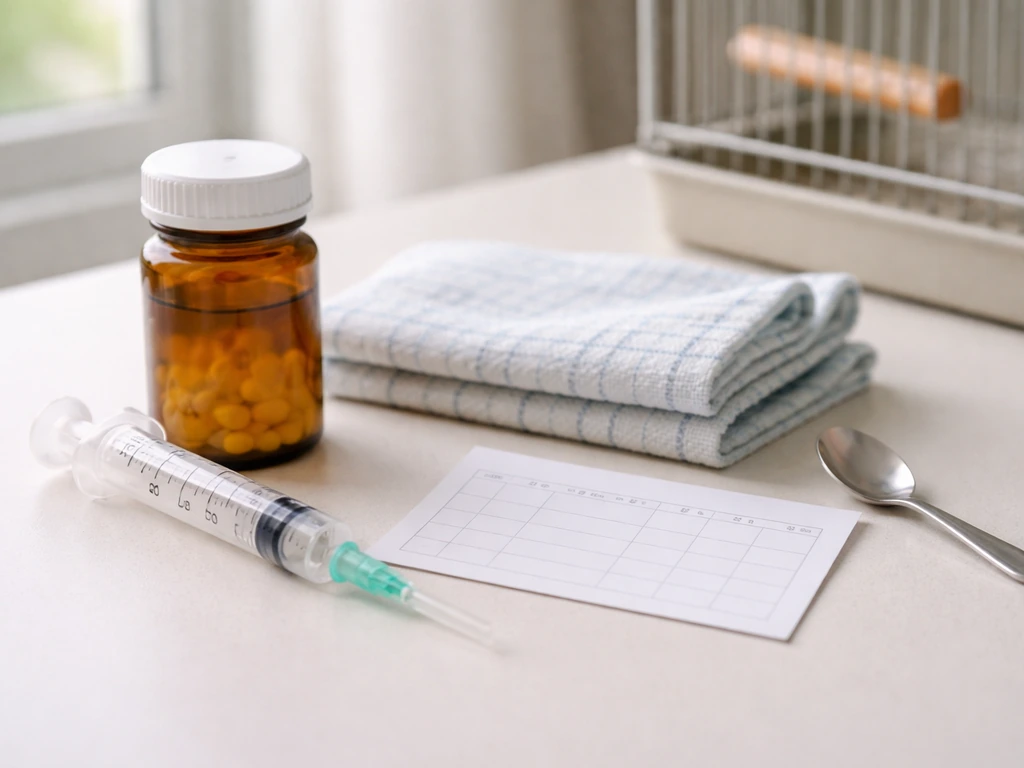
Psittacosis in birds is treated with antibiotics, and doxycycline is the first-line choice in most cases. The typical treatment course is 45 days of doxycycline. That length surprises a lot of owners. It is necessary because Chlamydia psittaci is an intracellular bacterium, meaning it lives inside cells and is harder to eliminate than a typical bacterial infection. Shorter courses often fail to fully clear the infection.
Doxycycline can be given orally (often mixed into soft food or via medicated pellets or water), by injection, or occasionally in a long-acting injectable form depending on what the vet recommends and what the bird will tolerate. Completing the full course is critical. Birds often look much better within one to two weeks, but stopping treatment early almost always leads to relapse.
During treatment, keep follow-up appointments even if the bird seems fine. Your vet will likely want a recheck and possibly a repeat PCR test at the end of the 45-day course to confirm the infection has cleared. Be aware that even after clinical recovery, C. psittaci may persist in blood, feathers, and droppings for weeks, so hygiene practices during and immediately after treatment remain important. Do not rush back to normal handling and cleaning habits the day the antibiotics finish.
Red flags: when to seek urgent care today
Most psittacosis cases in birds can be managed through a regular avian vet appointment scheduled the same day or next day. But some situations call for emergency care. If your bird is showing any of the following signs, contact an emergency avian vet immediately rather than waiting for a regular appointment.
- Open-mouth breathing at rest (not just after exertion or heat exposure)
- Tail bobbing rapidly with every breath
- Audible wheezing, clicking, or squeaking sounds when breathing
- The bird is unresponsive, falling off its perch, or unable to hold itself upright
- Completely stopped eating and drinking for more than 24 hours
- Severe, watery green or blood-tinged droppings with no solid component
- Visible weight loss that has progressed rapidly over just a few days
- Seizures or extreme muscle weakness
- Multiple birds in the same household falling ill at the same time
Birds hide illness instinctively, so by the time a bird looks critically ill, its condition is often more advanced than it appears. Err on the side of acting fast.
Preventing spread to other birds and people
If one bird in your home has psittacosis, all birds in the household should be evaluated by a vet, even if they look healthy. A bird can shed Chlamydia psittaci without showing symptoms, meaning it can silently infect cage-mates and people for weeks. Do not assume a healthy-looking bird is clear.
For day-to-day prevention and biosecurity, the most important habits are straightforward. Clean cages regularly using a diluted bleach solution (1 part bleach to 9 parts water). Avoid overcrowding birds. Quarantine any new bird for a minimum of 30 days before introducing it to existing birds. Wear a mask when doing deep cage cleans or handling birds that may be sick. Wash hands thoroughly before and after handling birds or their equipment.
On the human side, if you have been in close contact with a sick bird and develop symptoms like fever, headache, dry cough, or muscle aches in the days or weeks afterward, let your doctor know about the bird exposure. A simple course of doxycycline or other antibiotics treats psittacosis in people effectively, and early treatment matters. If you are worried about psittacosis causing severe lung symptoms, ask the clinic whether your presentation warrants urgent evaluation psittacosis in people. The infection does not typically spread person to person, so your household contacts who have not had direct bird exposure are at very low risk.
If you keep multiple birds or are involved in bird breeding, it is also worth knowing about other respiratory conditions that can affect bird owners, including hypersensitivity pneumonitis (sometimes called bird fancier's lung), which has a different cause and mechanism than psittacosis but can cause respiratory symptoms in people who spend a lot of time around birds. It is also useful to compare with the symptoms of bird fancier's lung, since it is another bird-related lung condition that can mimic respiratory complaints in people. Because bird fancier's lung can also cause respiratory symptoms in people exposed to birds, it is helpful to know the difference from psittacosis. These are separate conditions, but both are worth being aware of if you have ongoing, regular bird exposure.
Your quick-reference checklist
Use this as a practical at-a-glance reference when you are trying to assess your bird right now.
| What to check | What psittacosis may look like | Action |
|---|---|---|
| Eyes and nostrils | Discharge, crustiness, redness, swelling | Note when it started; contact vet today |
| Breathing | Open-mouth, tail bobbing, wheezing, clicking | Emergency vet if severe; same-day call otherwise |
| Posture and feathers | Fluffed, hunched, sitting on cage floor | Isolate bird; document and call vet |
| Appetite | Reduced or stopped eating and drinking | Emergency if over 24 hours with no intake |
| Droppings | Green, yellow-green, watery, or unusual color | Photograph and bring sample to vet if possible |
| Activity level | Lethargic, not interacting, sleeping excessively | Isolate; arrange vet visit |
| Your own health | Fever, dry cough, headache, muscle aches after bird contact | Tell your doctor about bird exposure |
| Other birds in home | Any showing any of the above | All birds need vet evaluation, even if asymptomatic |
Psittacosis is serious, but it is also very treatable when caught early. The biggest mistakes owners make are waiting too long to call a vet and stopping antibiotics early because the bird looks better. If your bird is showing these symptoms today, start with isolation and hygiene, call your avian vet, and be ready to commit to the full treatment course. That combination gives your bird the best outcome.
FAQ
My bird looks normal but I notice dirty cage dust. Can psittacosis still be present, and what should I do first?
Yes. Birds can shed the bacteria through droppings and feather dust while appearing outwardly normal. The first step is to improve hygiene immediately (avoid dry sweeping, use diluted bleach for cage surfaces) and schedule an avian vet check for the bird and any close cage-mates, rather than waiting for symptoms to appear.
How can I tell psittacosis from other respiratory illnesses at home?
You usually cannot. Early psittacosis overlaps with other respiratory problems and even noninfectious causes. A practical decision aid is this, if you see respiratory signs together with fluffed posture, eye or nasal discharge, or reduced appetite/lethargy, treat it as potentially psittacosis and contact an avian vet the same day.
Should I isolate my bird right away, even before I know it is psittacosis?
Yes. If symptoms suggest psittacosis, start isolation while arranging the appointment. Keep the bird in a separate area, use dedicated cleaning tools, and wear protection during cage cleaning to reduce exposure to dried droppings and secretions.
What if my bird is on antibiotics already for something else, can psittacosis still be missed?
It can. Some antibiotics used for other bacterial infections will not reliably clear Chlamydia psittaci. If your bird is not improving or is worsening, tell the avian vet exactly which medication and dosing schedule were used so they can decide whether psittacosis testing is still needed.
Is doxycycline safe for all birds, and can I adjust the dose at home if my bird seems to tolerate it?
Do not adjust dosing yourself. Doxycycline is typically the first-line treatment, but safe dosing depends on species, weight, liver status, and how the drug is administered. Only follow the avian vet’s instructions and complete the full course, since stopping early commonly leads to relapse.
My bird improved after a couple weeks. Do I still need the full 45-day course and repeat testing?
Usually yes. Clinical improvement does not always mean the infection is cleared. Plan on finishing the entire prescribed period and follow the vet’s recheck plan, often including repeat PCR at the end, because the bacteria can persist even after symptoms improve.
What signs mean I should seek emergency care instead of waiting for the next available avian appointment?
Go to emergency care if your bird is struggling to breathe, has severe weakness or collapse, cannot maintain posture, has rapidly worsening lethargy, or shows signs of advanced illness (for example, profound appetite loss combined with ongoing respiratory distress). Birds often hide disease early, so consider emergency if symptoms are progressing quickly.
If one bird tests positive, should I treat everyone or just the confirmed bird?
At minimum, all birds in the household should be evaluated. A bird can shed Chlamydia psittaci without clear symptoms, so the vet may recommend testing for cage-mates and, depending on results and exposure details, treatment for those at risk.
How strict does quarantine need to be for a new bird I just brought home?
Plan on at least 30 days of quarantine before introducing it to existing birds. Use separate equipment (food dishes, perches, cleaning tools) and keep cleaning and handling procedures distinct so you are not transferring contaminated dust or droppings between enclosures.
I cleaned the cage with dry methods and now I feel sick. Could this be psittacosis, and what should I tell my doctor?
It could be related if you had close exposure to sick birds or dusty droppings. Contact your doctor promptly if you develop fever, headache, dry cough, or muscle aches in the days to weeks after exposure, and tell them you had bird exposure and possible psittacosis risk so they can consider appropriate testing and antibiotics if needed.
Does psittacosis spread person to person if someone in my household gets infected?
Typically it does not spread through casual household contact. The main risk is inhaling contaminated dust or secretions from infected birds. If a household member has symptoms after bird exposure, they should be evaluated, but you generally should not assume person-to-person spread is driving new cases without direct bird exposure.
What hygiene steps should I keep doing after the antibiotics end?
Continue careful hygiene during and immediately after treatment. Even after clinical recovery, Chlamydia psittaci can persist in droppings and feather material for weeks, so avoid dry sweeping, clean enclosures with the recommended diluted bleach solution, and keep handling precautions until your avian vet confirms the bird is clear.
Next Article
Is Bird Fancier’s Lung Curable? Treatment and Outcomes
Yes, often treatable: stop bird exposure early for best chance of cure; chronic cases may improve but not fully reverse.