Bird fancier's lung is a lung condition caused by your immune system overreacting to proteins in bird dust, specifically the tiny particles that come off feathers, dried droppings, and dander from birds like parakeets, pigeons, and chickens. Every time you breathe in those particles, your lungs mount an inflammatory response. Over time, that repeated inflammation is what drives the symptoms, and if the exposure keeps going, it can eventually scar lung tissue in ways that are difficult or impossible to reverse.
Symptoms of Bird Fancier’s Lung: Checklist and Next Steps

Marcus Webb
20 Apr 2026
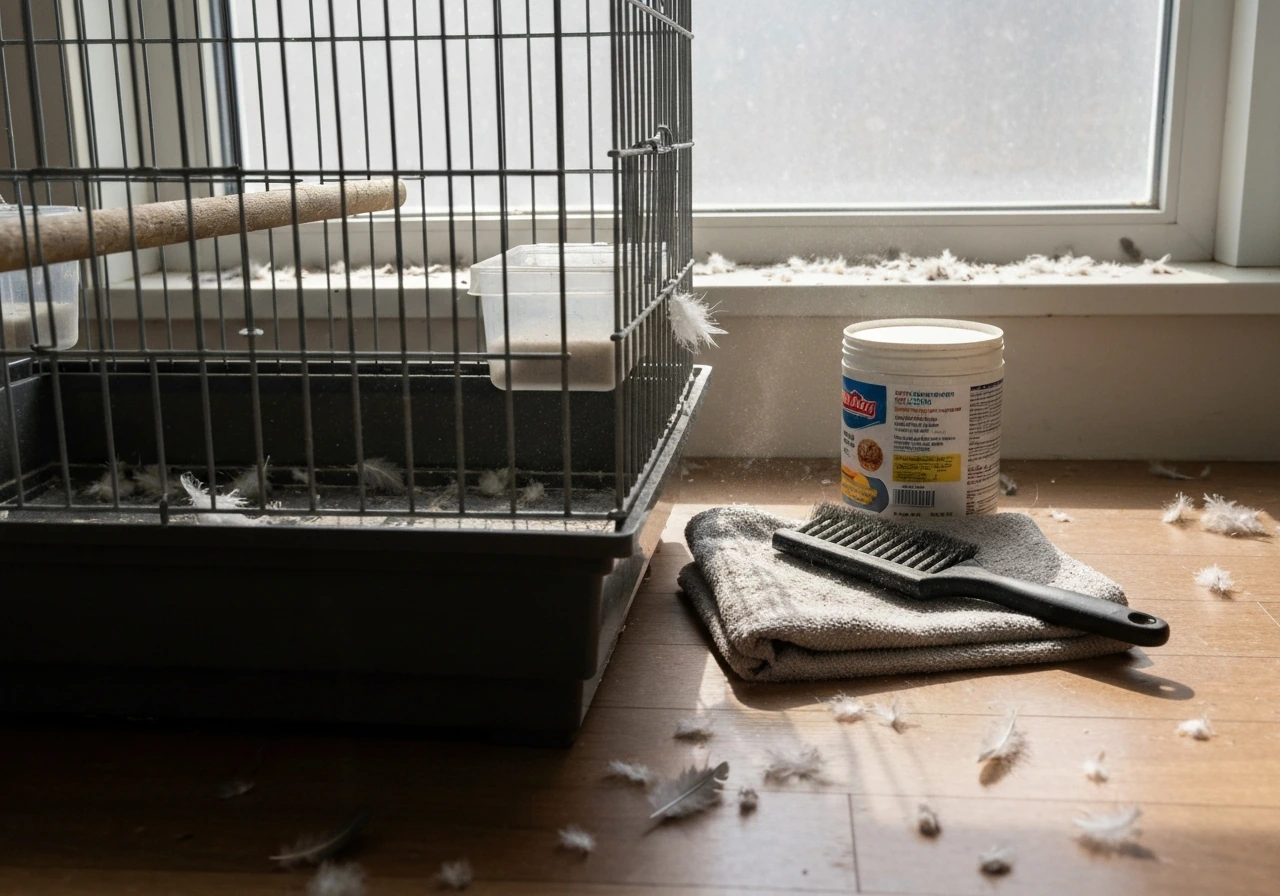
What bird fancier's lung is and why symptoms start
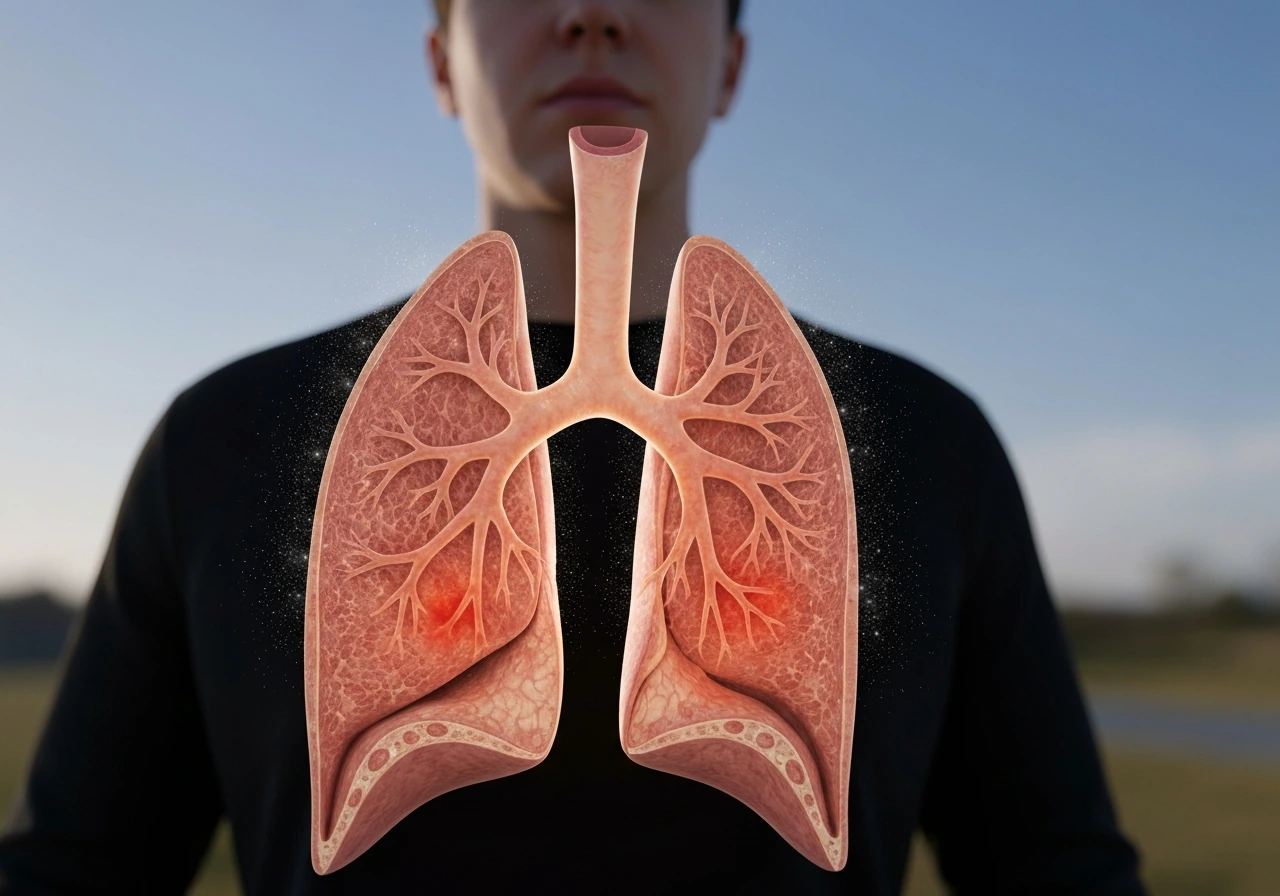
Technically, bird fancier's lung is a type of hypersensitivity pneumonitis (HP), which means it is an allergic-style inflammation of the deeper lung tissue rather than the upper airways. The antigens triggering it are proteins found in bird dust: feather fragments, dried droppings, and dander all carry them. When those particles are fine enough to reach the small air sacs deep in your lungs, your immune system treats them as a threat and sends in inflammatory cells. Do that once or twice and you might feel off for a day. Do it for weeks or months without knowing what is happening, and the inflammation compounds, which is when more serious or permanent damage becomes a real risk.
It is worth knowing that the exposure does not have to be dramatic. You do not need to be cleaning out a pigeon loft every day. Routine handling, changing cage paper, or even sleeping with a down feather duvet or pillow can expose you to enough avian protein to trigger a reaction in someone who has become sensitized. The amount of exposure matters, but so does individual susceptibility.
Common symptoms to look for: early vs. worsening signs
The symptoms of bird fancier's lung split pretty cleanly into two patterns depending on how long the problem has been going on.
Early (acute) symptoms

In the early or acute phase, most people feel like they have come down with the flu. The key symptoms are fever, chills, muscle aches, headache, and fatigue, combined with a dry cough and shortness of breath. That combination, especially the flu-like part, is easy to dismiss as a virus. The critical difference is timing: these symptoms tend to appear roughly 4 to 8 hours after heavy or concentrated bird-related exposure, and they often ease up within a day or two once you get away from the source. If you keep getting 'the flu' after spending time with your birds or cleaning their space, that pattern is a real red flag.
- Fever and chills (often mistaken for a cold or flu)
- Muscle aches and headache
- Dry cough
- Shortness of breath, especially with any physical effort
- Chest tightness
- General malaise and fatigue
Worsening (chronic) symptoms
If the exposure continues, the pattern shifts. The dramatic flu-like spikes may fade, but you are left with symptoms that grind on for weeks or months. Persistent, progressive shortness of breath (especially during activity) becomes the dominant complaint. An ongoing dry cough, unusual tiredness, and gradual unintentional weight loss can accompany it. At this stage, the lung tissue is often developing fibrosis, which is structural scarring, and CT scans may show changes that are harder to reverse. This is why catching the acute pattern early matters so much.
- Breathlessness that is getting worse over weeks or months
- Persistent dry cough lasting more than a few weeks
- Ongoing unusual fatigue
- Progressive, unexplained weight loss
- Reduced exercise tolerance (things that used to feel easy now leave you winded)
Symptom timing and exposure clues
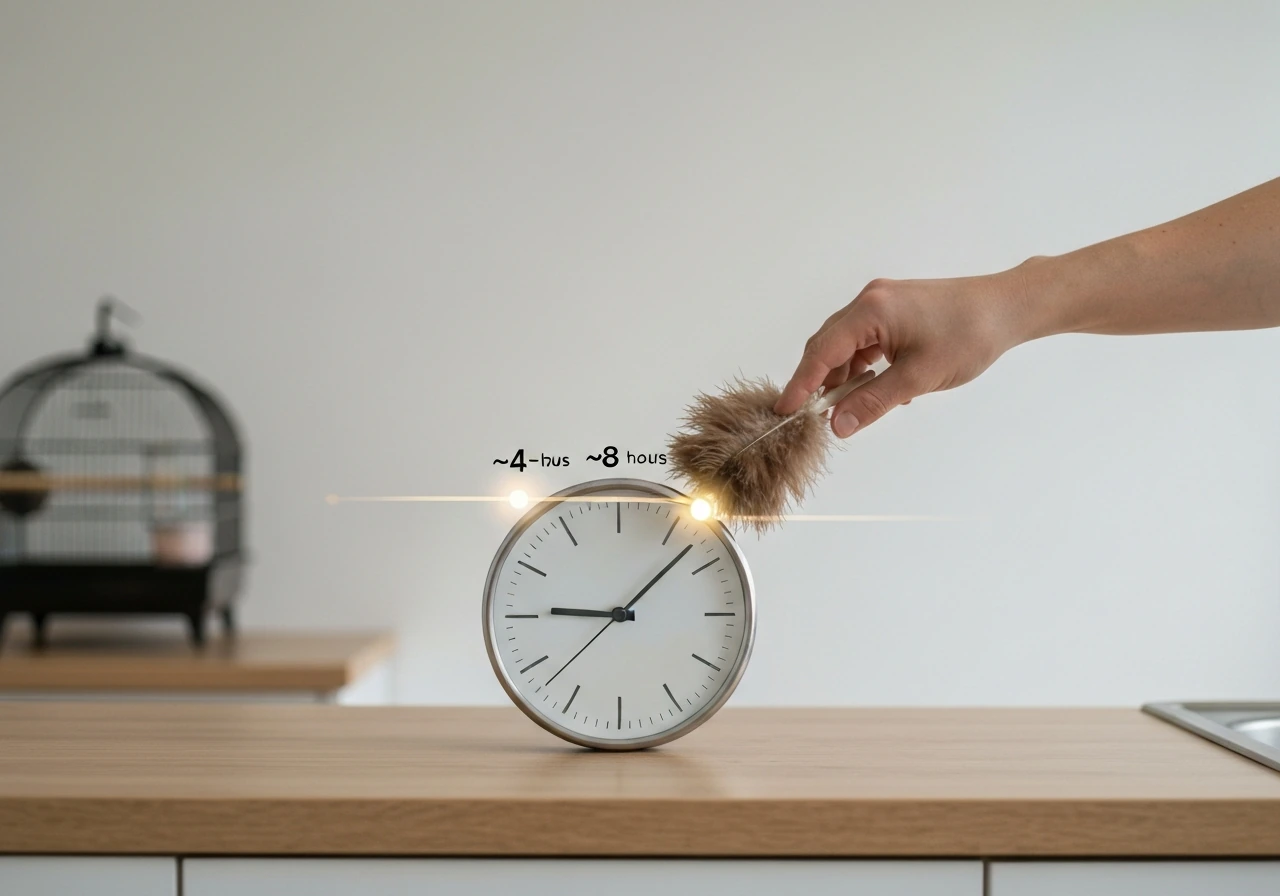
Timing is one of the most useful diagnostic tools you have before you ever see a doctor. Acute bird fancier's lung has a pretty consistent pattern: symptoms appear within about 4 to 8 hours of concentrated exposure, sometimes up to 24 hours later, and they tend to improve noticeably within 1 to 2 days after you remove yourself from the environment. That delay is actually what makes it easy to miss: by the time you feel sick, you have probably moved away from the birds, so you may not connect the two events.
Ask yourself a few honest questions. Do you feel worse on days you clean the cage, handle your bird, or stir up bedding material? Do you feel better when you spend a few days away from home or away from the birds? Do your symptoms seem to cycle, getting bad and then partially clearing, rather than just staying at a flat level? A yes to any of those questions is a meaningful clue worth sharing with a clinician.
Also think about less obvious sources. Down feather pillows, comforters, and duvets can carry bird proteins and have been linked to the same type of lung inflammation, sometimes called feather duvet lung. If you do not own birds but still have symptoms, your bedding or contact with birds in another setting (a neighbor's flock, a workplace, a hobby) could still be the source.
Red flags: when to seek urgent care
Most acute episodes of bird fancier's lung are uncomfortable but not immediately life-threatening. However, there are symptoms that require you to get medical help the same day, not just schedule an appointment for next week.
- Severe or rapidly worsening shortness of breath, especially at rest
- Chest pain
- Confusion or difficulty thinking clearly
- Lips or fingertips turning bluish (a sign of low oxygen)
- Feeling faint or unable to speak in full sentences due to breathlessness
Beyond those acute red flags, there are longer-term warning signs that still need prompt (not emergency, but soon) medical attention. If your breathlessness has been steadily worsening over several weeks, if you have lost weight without trying, or if a cough has been going on for more than a few weeks without a clear cause, see a doctor. Untreated bird fancier's lung can progress to permanent lung scarring, pulmonary hypertension, or heart problems related to reduced lung function. These are not scare tactics, they are the reason early evaluation matters.
How to tell it apart from other respiratory problems
Bird fancier's lung shares symptoms with several other conditions, and it is genuinely easy to confuse them without formal testing. Here is a practical way to think through the most common ones.
| Condition | Key overlapping symptoms | Key distinguishing features |
|---|---|---|
| Bird fancier's lung (HP) | Dry cough, fever/chills, shortness of breath, fatigue | Symptoms start 4-8 hours after bird exposure; improve 1-2 days after avoiding it; recurrent pattern tied to specific exposure events |
| Psittacosis (parrot fever) | Dry cough, fever/chills, pneumonia | Caused by Chlamydia psittaci bacteria from bird droppings/secretions; does NOT reliably improve with just avoidance; needs antibiotic treatment |
| Asthma | Cough, shortness of breath, chest tightness | Usually more immediate response to triggers; wheezing is common; responds to bronchodilators; less linked to systemic flu-like symptoms |
| Viral respiratory infection | Fever, muscle aches, cough, fatigue | Not exposure-linked; does not improve with antigen avoidance; typically a one-time event rather than a recurrent pattern |
| Idiopathic pulmonary fibrosis (IPF) | Progressive breathlessness, dry cough | No clear exposure link; no acute flu-like episodes; chronic HP can mimic IPF on imaging, making clinical history critical |
The exposure-timing pattern is really the biggest practical differentiator for bird fancier's lung. Psittacosis is the most important condition to distinguish from it because it is a bacterial infection that spreads through the same bird-related dust and needs antibiotics, not just avoidance. If you have a high fever, severe headache, and signs of pneumonia after bird contact, psittacosis needs to be on the table. The CDC’s clinical overview for psittacosis notes abrupt onset of fever and chills and that pneumonia may be evident on chest X-ray, emphasizing that prompt antibiotic treatment can improve the chances of quick recovery blank" rel="noopener noreferrer">signs of pneumonia after bird contact. A doctor can sort this out with blood tests and a clinical history.
Getting a proper diagnosis for bird fancier's lung typically involves a detailed exposure history, lung function tests, blood tests (including specific IgG antibodies against avian antigens), and often high-resolution CT imaging. In some cases, bronchoalveolar lavage (a procedure that samples fluid from your lungs) or a lung biopsy is needed to confirm the picture. None of this happens at home, which is why the next section matters.
Practical next steps to take today
If your symptoms fit the pattern described above, there are two parallel tracks to run at the same time: reduce your exposure right now, and get a proper medical evaluation scheduled. You do not need to wait for a diagnosis to start protecting your lungs.
Reduce your exposure while you wait for evaluation
- Wear an N95 respirator (not just a basic dust mask) whenever you clean cages, handle birds, or stir up bedding material. This is the single highest-exposure moment for most bird owners.
- Improve ventilation in the room where birds are kept. Open windows or use an air purifier with a HEPA filter to reduce the concentration of airborne particles.
- Have someone else handle cleaning tasks if possible, at least temporarily, so you are not the person stirring up the most dust.
- Check your bedding. If you use down feather pillows, comforters, or a duvet, switch to synthetic-fill alternatives. Wash any remaining feather bedding weekly in hot water.
- Avoid dry sweeping or dusting methods that kick particles back into the air. Use a damp cloth or a vacuum with a HEPA filter instead.
- Keep birds out of the bedroom entirely. Sleeping in an antigen-rich environment gives your lungs no recovery time.
- If you suspect symptoms are linked to your birds, try spending a few days away from the home environment and note whether you feel better. That response (or lack of it) is useful clinical information.
One important note: simply moving the bird to another room or to a friend's house may not fully clear the antigen from your environment. Bird proteins can persist in carpets, upholstery, and air ducts long after the bird itself is gone. Thorough cleaning matters. CDC/NIOSH example guidance shows workers using a HEPA-filtered vacuum to clean up dust and wearing a NIOSH-approved N95 filtering facepiece respirator during certain dust or cleanup tasks.
Get the right medical evaluation
Contact your primary care doctor or a pulmonologist (lung specialist) and be specific about the exposure. Tell them you keep birds (or have regular bird contact), describe the timing of your symptoms relative to that exposure, and mention how long this has been going on. That information is the foundation of how HP is diagnosed. A clinician who does not know about the bird exposure may chase other diagnoses for weeks.
If your symptoms are severe, getting worse quickly, or you have been dealing with progressive breathlessness for weeks, do not wait for a routine appointment slot. Ask to be seen sooner, or go to an urgent care or emergency setting if the red flag symptoms listed above apply to you.
The cornerstone of treatment is stopping the exposure. Medications like corticosteroids can help reduce inflammation in more serious cases, but they work alongside avoidance, not instead of it. The earlier you act, the better your chances of preventing the irreversible lung scarring that comes with long-term, untreated disease. If you are wondering about long-term outcomes, prognosis, or how common this condition actually is, those are worth understanding too and connect closely to how quickly the exposure problem gets addressed.
You can also look into how common bird fancier's lung is in people with regular bird exposure, since rates vary by exposure level and sensitivity how common this condition actually is. Prognosis and whether bird fancier's lung is curable depend on how early it is caught and how well exposure stops.
FAQ
If my symptoms improve after avoiding birds, does that confirm bird fancier's lung?
Improvement with avoidance strongly supports the diagnosis pattern, but it does not confirm it. Some infections and other lung conditions can temporarily ease. Clinicians still need exposure timing details and usually lung function testing and imaging to distinguish hypersensitivity pneumonitis from other causes.
How do I tell the difference between a one-time acute episode and an ongoing problem?
Acute episodes typically start within about 4 to 8 hours after heavy, concentrated exposure and then noticeably improve within 1 to 2 days after removal. If symptoms persist, slowly worsen over weeks, or return every time you are around birds even with “mild” contact, that suggests ongoing inflammation rather than a single reaction.
I don’t handle birds much. Can I still get bird fancier's lung from passive exposure?
Yes. You can be exposed through airborne dust in the same home or room, and bird proteins can spread via HVAC systems, carpets, upholstery, and workspaces where birds are kept. People often notice symptoms while doing non-bird tasks like vacuuming, changing bedding, or laundering down items that disturb settled dust.
Do I need to get rid of all bedding or feather items to reduce risk?
Not always, but it is often necessary to remove items that can release feather-associated dust, especially down duvets, pillows, and comforters if your symptoms relate to sleeping or being in a bedroom. If you keep them, use sealed storage and consider professional guidance on cleaning methods, since washing may not fully eliminate fine particles in some settings.
Can I just move the bird to another room to solve the problem?
Moving birds can help but it may not be enough. Fine avian proteins can persist in soft furnishings and in ventilation pathways even after the birds are gone. Many people still need targeted cleaning and exposure control, and symptom response can guide whether additional remediation is required.
What household cleaning steps are most useful after symptoms start?
Focus on disturbing less: avoid dry sweeping and aggressive vacuuming that aerosolizes dust. Use appropriate filtration methods when vacuuming, damp-wipe hard surfaces, and consider professional cleaning for carpets and HVAC if symptoms are significant or persistent. The goal is reducing airborne antigen rather than just removing visible droppings.
Should I stop working or exercising until I’m evaluated?
If shortness of breath is worsening or you cannot do normal activity, scale back exertion while you arrange care. Do not push through breathlessness. Overexertion can be risky if lung function is declining, and early assessment helps determine whether inflammation is active or scarring is developing.
Is it safe to take allergy medicines or a steroid inhaler instead of seeing a clinician?
Over-the-counter allergy meds or inhalers may relieve some symptoms like coughing, but they do not replace diagnosing hypersensitivity pneumonitis. Bird fancier's lung often needs a clear exposure plan, and in more serious cases systemic corticosteroids may be considered by a clinician. Delaying evaluation increases the risk of irreversible scarring.
Could this be psittacosis or another infection instead of bird fancier's lung?
Yes, and that is a key reason to seek assessment when symptoms include high fever, severe headache, and pneumonia-like features after bird exposure. Bird fancier's lung follows a characteristic timing and improves with avoidance, while psittacosis is treated with antibiotics. A clinician can sort this with history, exam, and tests.
What tests should I expect at the appointment?
Often a detailed exposure history, lung function testing, blood work for avian-specific immune markers (such as IgG), and high-resolution CT imaging. Depending on the case, additional procedures like bronchoalveolar lavage or biopsy may be discussed. Knowing what to ask for helps you and your clinician stay focused.
If I have a positive test for avian antibodies, does that mean I will definitely get lung damage?
Not necessarily. Antibody positivity can indicate immune sensitization, but the presence and severity of lung involvement depends on symptoms, imaging, and physiology. The important clinical question is whether hypersensitivity pneumonitis is active and whether there are signs of fibrosis.
How quickly should I act if I suspect bird fancier's lung?
Treat it as time-sensitive. Start exposure reduction immediately while scheduling evaluation, especially if you are noticing repeated acute episodes or progressive breathlessness over weeks. Earlier intervention improves the chance of preventing fibrosis and long-term complications.
When are urgent or emergency symptoms more concerning?
Seek same-day care if you have rapidly worsening shortness of breath, significant chest tightness with difficulty speaking, low oxygen symptoms (such as blue lips or fainting), or high fever with severe illness after bird exposure. If you feel severely unwell, do not wait for routine testing.
Next Article
Bird Trauma Symptoms: Signs, Triage, and First Aid Steps
Recognize bird trauma symptoms, triage urgency, and give safe first aid for bleeding, fractures, head injuries, and shoc