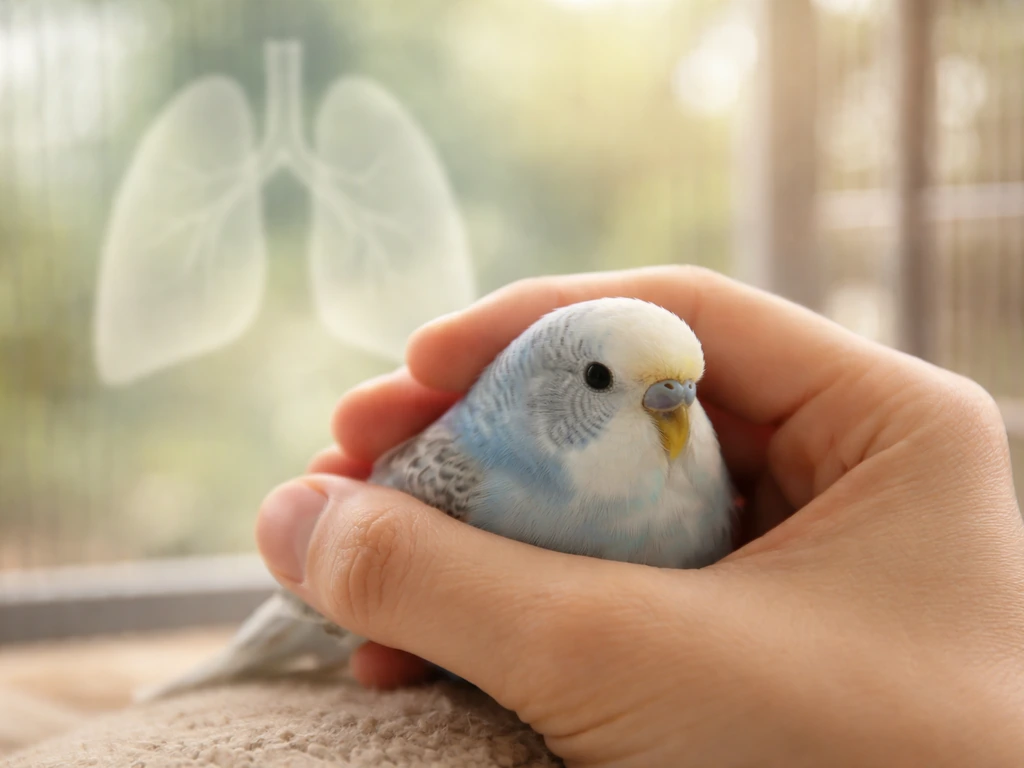
Bird fancier's lung is not rare among people who keep birds regularly, but it is not guaranteed either. Somewhere between 0.5% and 7.5% of budgerigar owners develop it, and broader estimates across all bird fanciers range from 20 to as many as 20,000 cases per 100,000 people at risk, depending on the type of bird, how much time people spend with them, and how enclosed the space is. In other words, the risk is real and meaningful, but most bird owners never get it. The ones who do tend to have a combination of heavy exposure, poor ventilation, and an immune system that happens to react badly to bird proteins.
How Common Is Bird Fancier’s Lung? Prevalence, Causes

Marcus Webb
28 Apr 2026
Bird fancier's lung in plain English
Bird fancier's lung is a type of lung inflammation called hypersensitivity pneumonitis (HP). It is not an infection, and birds do not "catch" it. It is a human immune reaction, one where your lungs become inflamed because your immune system decides that proteins from birds are a threat and starts attacking every time you breathe them in.
The technical term is extrinsic allergic alveolitis, which means allergic inflammation of the tiny air sacs deep in the lung. Over time, if the exposure keeps happening, that inflammation can cause scarring (fibrosis) and permanent lung damage. That is why recognizing it early matters. It is worth knowing that this is distinct from psittacosis, which is an actual bacterial infection that birds can carry and transmit, and it produces a different set of problems.
The condition is sometimes called by more specific names depending on the bird involved: pigeon breeder's lung, budgerigar fancier's lung, or parakeet fancier's lung. All of them are the same underlying disease process, just triggered by slightly different bird antigens.
What causes it and who is most at risk
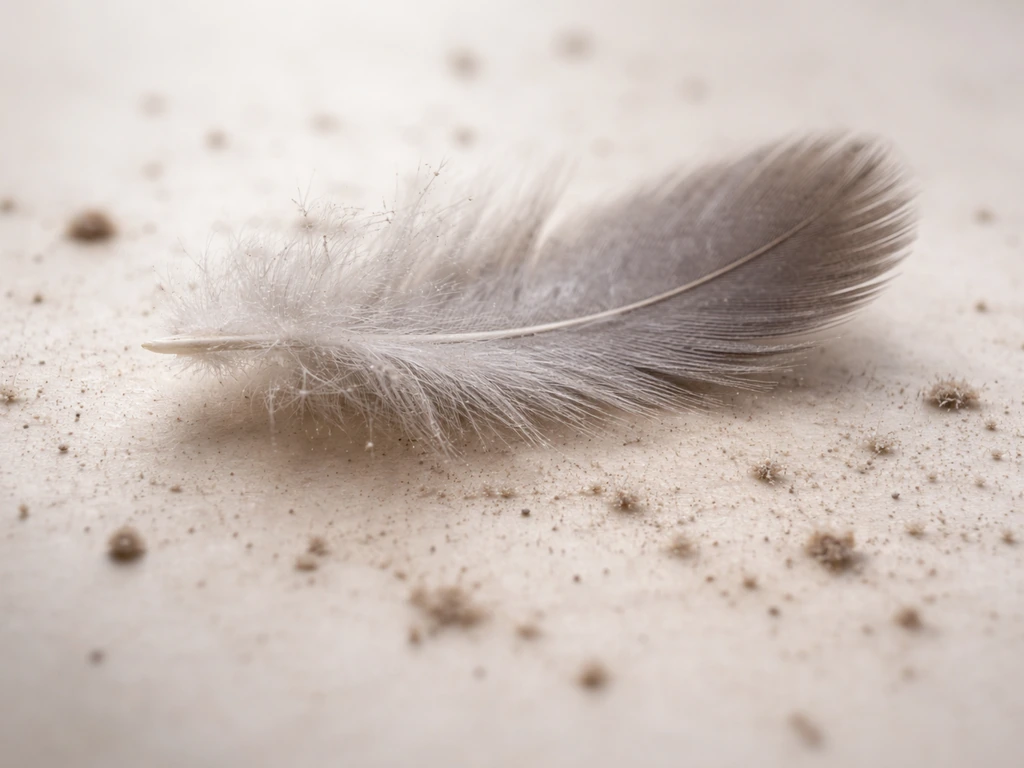
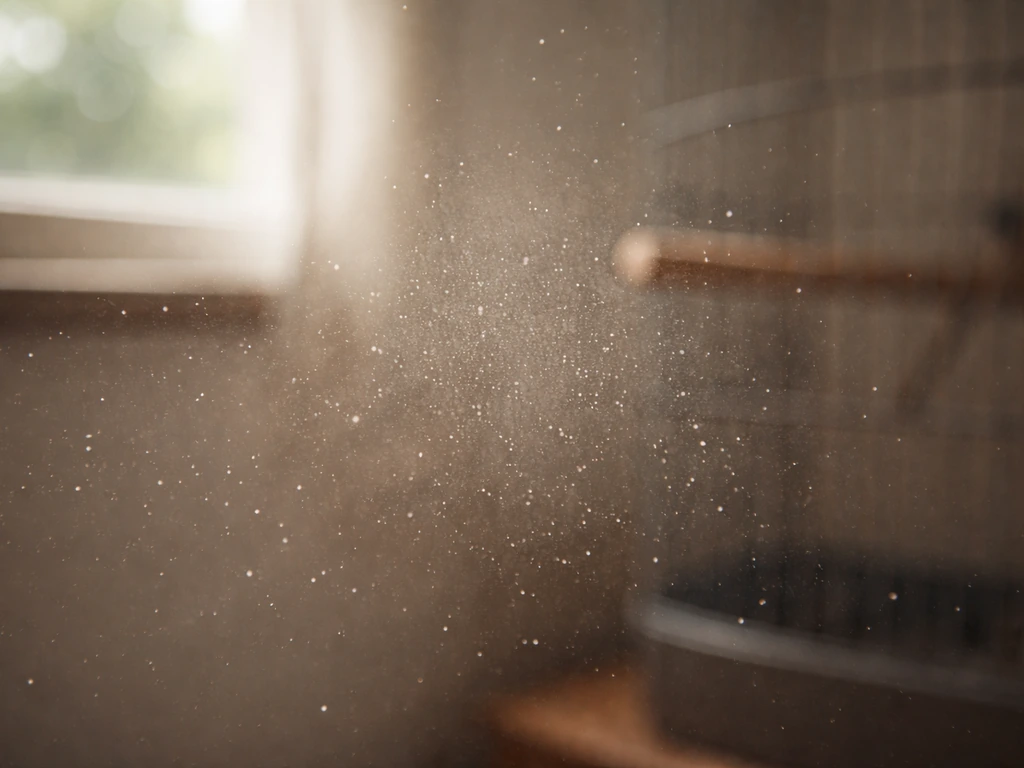
The trigger is airborne proteins from birds, specifically antigens found in feathers, dander, droppings, and a waxy powder called "bloom" that coats feathers. When you clean a cage, handle birds, or even just sit in a room where birds live, you breathe in microscopic particles loaded with these proteins. In pigeon fanciers, the main culprit has been identified as pigeon serum gamma globulin and pigeon intestinal mucin, a carbohydrate-rich protein found in droppings and bloom. Your immune system builds IgG antibodies against these proteins, and each subsequent exposure triggers a stronger inflammatory response in the lungs.
Not everyone who is exposed develops the disease, though. Several factors push certain people toward clinical illness while others just build antibodies silently and never feel a thing.
- Duration and intensity of exposure: People who spend hours daily in close contact with birds, especially in enclosed spaces, are at much higher risk than someone who occasionally handles a single pet bird in a well-ventilated room.
- Poor ventilation: Keeping birds in small rooms, aviaries, or basements without airflow concentrates antigen levels dramatically.
- Number and type of birds: Pigeons and doves produce particularly high antigen loads. More birds means more dander, droppings, and bloom in the air.
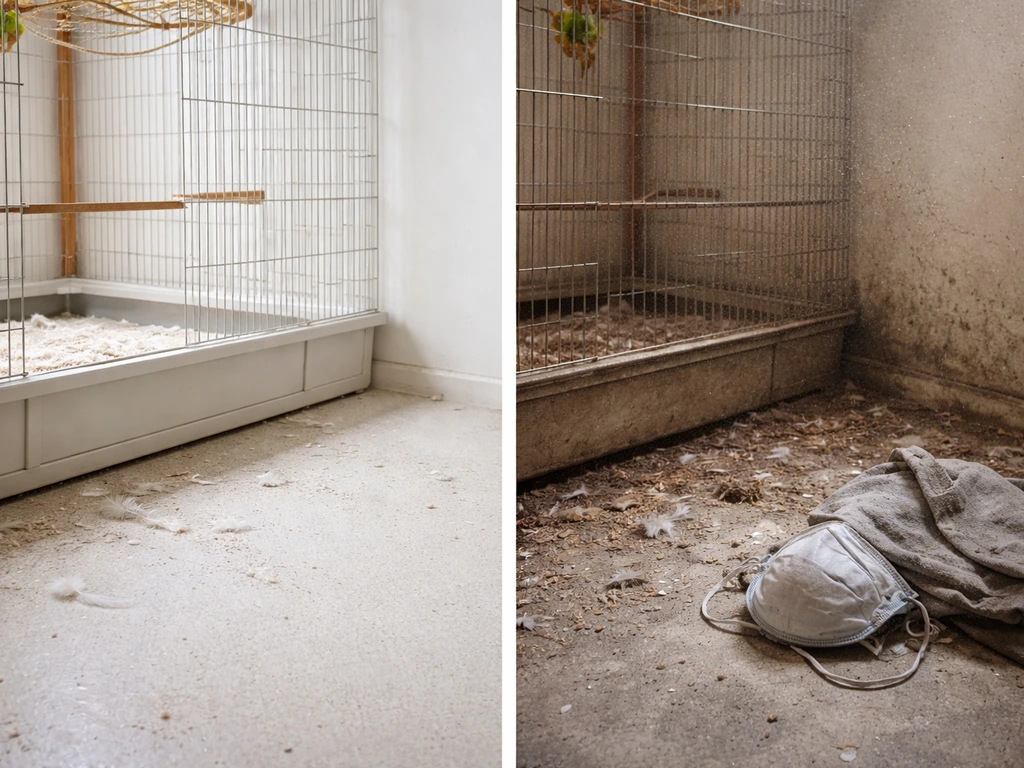
- Cleaning habits: Dry sweeping or vacuuming cages without a HEPA filter sends antigen-laden dust directly into the air. Wet cleaning reduces this.
- History of allergies or asthma: Pre-existing immune reactivity may lower the threshold for developing HP, though HP is not simply an allergic condition and can occur in people with no allergy history.
- Ongoing exposure after symptoms start: Continuing to be around birds once sensitization has occurred accelerates lung damage significantly.
How common is it, really
The honest answer is that the numbers vary a lot depending on the study, the population, and how "bird fancier's lung" is defined. The most-cited figure for budgerigar (parakeet) fanciers in the UK is a prevalence of 0.5% to 7.5%. A 2020 case-based review put the broader estimate for HP among all bird fanciers at 20 to 20,000 per 100,000 people at risk. That enormous range reflects how much intensity of exposure matters. A professional pigeon breeder who spends four hours a day in a loft full of birds is at far higher risk than someone with one parrot in a large, airy apartment.
In the general population with no regular bird exposure, bird fancier's lung is genuinely uncommon. It sits alongside farmer's lung and hot-tub lung as an occupational or hobby-related HP subtype, meaning you generally need repeated, meaningful exposure to get it. In countries like the UK, where pigeon breeding is a popular hobby, pigeon fancier's lung is considered one of the most common forms of HP. In populations with less bird-keeping culture, the numbers look very different.
One important nuance: many exposed fanciers test positive for antibodies to bird antigens (they are "sensitized") but never develop actual lung disease. Sensitization alone does not equal illness. Disease requires that immune reaction to progress to sustained inflammation in the lung tissue.
Symptoms that fit vs. symptoms that suggest something else
Bird fancier's lung comes in two broad patterns, and they feel quite different from each other, which is part of why it gets missed. If you notice symptoms of bird fancier's lung after bird exposure, contact a clinician promptly for guidance and testing.
Acute pattern
Acute HP hits 4 to 8 hours after a heavy exposure. You might clean out a bird loft, spend an afternoon in an enclosed aviary, or bring home a new bird and stir up a lot of dust. A few hours later you develop flu-like symptoms: fever, chills, muscle aches, headache, and a dry cough with shortness of breath. It often clears up within 12 hours to a few days once you leave the environment. This pattern is frequently mistaken for a viral infection or food poisoning, especially if the connection to bird exposure is not obvious.
Chronic/subacute pattern
The chronic pattern is sneakier and more dangerous. It builds over weeks to months with a gradually worsening dry cough, increasing breathlessness on exertion, fatigue, and sometimes unintentional weight loss. There is no dramatic flu-like episode. People often chalk it up to getting out of shape, aging, or a lingering chest cold. This is the pattern most likely to lead to fibrosis if the exposure continues.
Symptoms that point away from bird fancier's lung and toward something else include: wheezing with a history of allergic asthma (classic allergic asthma involves different airway mechanics), productive cough with colored mucus and fever more consistent with a bacterial infection, sudden-onset pleuritic chest pain, or symptoms that have no temporal relationship to bird exposure at all. Because psittacosis can also cause respiratory symptoms in bird owners and looks different, that distinction matters too.
| Feature | Acute Bird Fancier's Lung | Chronic Bird Fancier's Lung | Suggests Something Else |
|---|---|---|---|
| Onset | 4–8 hours after heavy exposure | Gradual over weeks to months | Sudden or unrelated to birds |
| Main symptoms | Fever, chills, dry cough, breathlessness | Progressive exertional dyspnea, fatigue, dry cough | Productive cough, wheezing, pleuritic pain |
| Resolution | Clears within 12 hours to days if away from birds | Persists or worsens with continued exposure | May not correlate with bird contact at all |
| Risk of fibrosis | Low if caught early | High if exposure continues | Not applicable to HP |
How it's diagnosed and what to ask for

There is no single test that confirms bird fancier's lung. Diagnosis is built from several pieces of evidence combined, which is why being very specific with your clinician about your bird exposure history is the most important thing you can do.
The 2020 ATS/JRS/ALAT clinical practice guideline, which is the current standard, calls for integrating your exposure history, imaging, lab work, and sometimes lung fluid analysis. Here is what that typically looks like in practice:
- Detailed exposure history: Tell your doctor exactly what birds you keep, how many, how long you've had them, where they live in your home, how you clean the cage, and whether your symptoms track with time spent around the birds. Many clinicians miss HP simply because they do not ask about birds.
- High-resolution CT (HRCT) scan of the chest: This is the primary imaging tool. HP has characteristic patterns (ground-glass opacities, mosaic attenuation, centrilobular nodules) that an experienced radiologist can identify.
- Serum precipitins / specific IgG antibody testing: Blood tests for IgG antibodies to bird antigens (pigeon, parakeet, and others) confirm immunologic sensitization. A positive result supports the diagnosis, but a negative does not rule it out.
- Bronchoalveolar lavage (BAL): A respiratory specialist washes a small area of the lung and analyzes the fluid. BAL lymphocytosis (raised lymphocyte percentage, often above 30–50%) is a key supportive finding in HP. A CD4:CD8 ratio below 1 is also characteristic.
- Lung biopsy: Not always needed, but may be done when the diagnosis remains uncertain after other testing.
When you see a clinician, ask specifically: "Could this be hypersensitivity pneumonitis related to my birds?" Ask whether an HRCT and bird-specific precipitin panel have been considered. Pulmonologists and respiratory specialists are better placed to evaluate this than general practitioners in most cases, so a referral is reasonable if your GP is uncertain.
What to do today
Reduce exposure right now
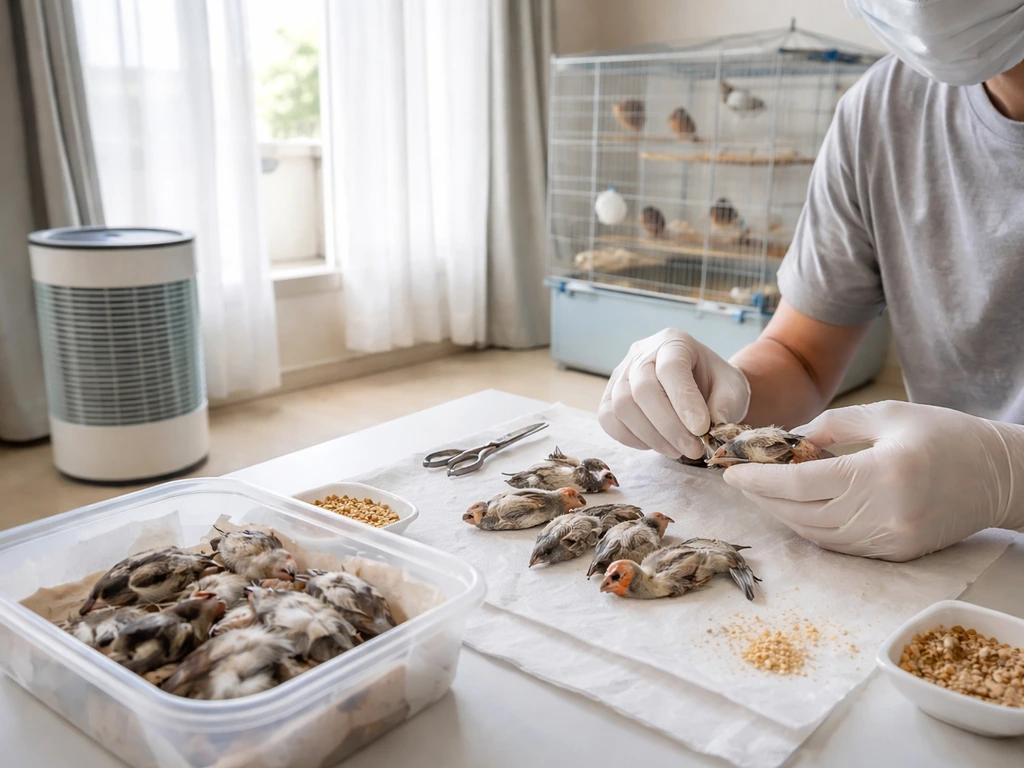
If you suspect bird fancier's lung, the single most important action is reducing your antigen exposure immediately, before you even have a diagnosis confirmed. This is not the same as permanently giving away your birds, though in severe or fibrotic cases that may eventually be the recommendation. Start with practical steps.
- Move birds to a room with good ventilation, or outdoors if possible, away from where you sleep and spend most of your time.
- When cleaning cages, wear a properly fitted NIOSH-approved N95 or higher-rated respirator (N100 or P100 for high-exposure tasks). Do not dry-sweep. Wet-wipe surfaces to avoid aerosolizing dust.
- Increase air circulation in rooms where birds are kept. Open windows, add exhaust ventilation, or use a HEPA air purifier.
- Have someone else do the most dust-generating tasks (cleaning, changing substrate, handling large quantities of birds) while you are not present.
- Wash hands and change clothes after handling birds before sitting in other areas of the home.
Document your symptom pattern
Start a simple log today. Note the date, what bird-related tasks you did, how long you were around the birds, and any symptoms that appeared in the following 12 to 24 hours. Also note days away from birds and whether you feel better. This kind of exposure-symptom timeline is exactly what a clinician needs to connect the dots, and it is something most people do not think to bring to an appointment.
When to see a clinician
See a doctor promptly, not eventually, if you have persistent breathlessness that is getting worse, a dry cough lasting more than three to four weeks, recurring flu-like episodes that correlate with bird exposure, or any unexplained fatigue and weight loss alongside respiratory symptoms. These are the red flags for chronic HP that can progress to irreversible fibrosis. That progression is one reason people often ask whether bird fancier's lung is fatal and what signs mean you should not delay care chronic HP that can progress to irreversible fibrosis. Continuing exposure after symptoms start is one of the factors most strongly linked to a worse outcome, so acting quickly genuinely matters here.
Once diagnosed, the cornerstone of treatment is removing or dramatically reducing the inciting exposure. Medical management (corticosteroids in some cases) can help dampen active inflammation, but no treatment works well if the antigen exposure keeps happening. Whether bird fancier's lung is curable depends on how early you reduce exposure and whether fibrosis has already started corticosteroids. Understanding whether your case is inflammatory-only or already showing fibrotic changes on imaging will shape how urgently avoidance needs to happen and what the long-term outlook looks like.
FAQ
If I test positive for bird antibodies, does that mean I definitely have bird fancier’s lung?
Antibodies to bird proteins can show up on blood tests even in people who never develop lung disease, this is called sensitization. The key point is that sensitization alone does not confirm bird fancier’s lung, clinicians still look for compatible symptoms, lung imaging patterns, and exposure linked relapses to decide whether true hypersensitivity pneumonitis is present.
Can bird fancier’s lung happen with just one pet bird in the home?
Even with a single parrot, risk can occur if the home is small, ventilation is poor, cleaning stir up dust, or the bird produces a lot of feather debris. However, most people with low, well-managed exposure never get disease, so the exposure level and air handling matter more than the number of birds alone.
If I can’t stop keeping birds completely, are ventilation and cleaning improvements enough?
A common mistake is trying to “control” exposure while symptoms are starting, without changing the environment enough. HEPA filtration, wearing a properly fitting respirator when cleaning, and wet methods to reduce dust can help reduce antigen inhalation, but if symptoms correlate with exposures you typically still need strict avoidance and medical evaluation rather than relying on mitigation alone.
If my symptoms improve after being away from the birds, does that rule out bird fancier’s lung?
Not necessarily. Acute hypersensitivity pneumonitis can resolve quickly after leaving the exposure, but repeated episodes can still contribute to ongoing inflammation. If you keep encountering triggers, you can shift toward a chronic course, so improvement after leaving a room does not automatically mean the condition is over.
How can I tell whether my “flu-like” illness is from birds or just a virus?
In acute cases, the timing can be misleading. Viral illnesses often occur on a similar day, so clinicians usually ask for a pattern, for example symptoms beginning within 4 to 8 hours after cleaning or heavy dust exposure, and recurring with similar tasks. Keeping a timestamp log helps separate coincidence from a true exposure link.
Does my exposure have to happen at my own home to be considered bird fancier’s lung?
Yes, especially if you spend time around birds in different settings, such as home, friends’ aviaries, bird shows, breeding clubs, or shared storage areas for feed and cages. “No birds at home” does not exclude the diagnosis if you have other meaningful airborne exposure.
Can I get bird fancier’s lung just by living near the birds, without cleaning their cages?
Being around birds without handling them can still be risky, because airborne proteins are found in dander, droppings, and bloom that can become suspended during routine activity. The likelihood increases in enclosed spaces like small rooms, garages, lofts, and poorly ventilated bird areas.
What symptoms mean I should not wait it out after suspected bird fancier’s lung?
If symptoms persist beyond about three to four weeks, or breathlessness is progressively worsening, that raises concern for the chronic pattern. Another red flag is weight loss or fatigue alongside respiratory symptoms, which suggests more than a simple irritant or transient infection.
What tests should I ask about, and do I need an HRCT?
A helpful practical step is to ask for evaluation at a center that frequently sees interstitial lung disease, if available, and to request high-resolution CT rather than relying only on a standard chest X-ray. High-resolution CT more reliably shows patterns consistent with hypersensitivity pneumonitis, which then guides treatment urgency.
I have asthma, could bird fancier’s lung be confused with an asthma flare?
If you have asthma, symptoms may overlap, because both conditions can involve cough and breathlessness. That overlap is exactly why the exposure history plus imaging and other test results matter, clinicians try to distinguish asthma airway mechanics from deeper alveolar inflammation typical of hypersensitivity pneumonitis.
How urgent is it to reduce exposure once symptoms start?
Yes. Continued exposure after symptoms start is associated with worse outcomes, including progression to scarring in some people. The decision aid is simple, if symptoms reliably follow bird exposure, treat avoidance as urgent while diagnosis is being worked up, not after results return.
Is bird fancier’s lung reversible, or can it become permanent?
The “cure” question depends on whether fibrosis has already developed. If inflammation is identified early and exposure is stopped promptly, many people improve, while established scarring is less reversible. Imaging results that show fibrotic changes usually shift the plan toward faster, more definitive exposure avoidance and close follow-up.
Next Article
Is Bird Fancier’s Lung Fatal? Symptoms, Diagnosis, Treatment
Is bird fancier’s lung fatal? Learn symptoms, diagnosis, treatments, urgent red flags, and prevention for bird owners.