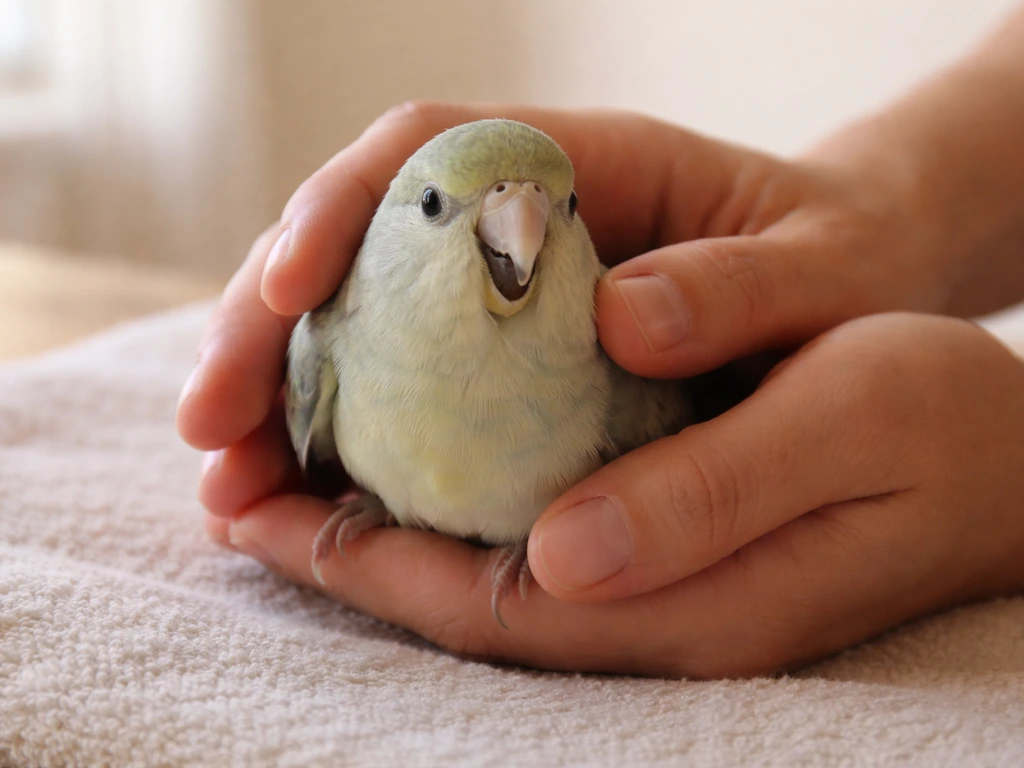
If your bird's chest looks sunken, puffed out, or just 'off,' it usually means one of three things: normal variation in body condition or molt, a nutrition problem (especially an all-seed diet), or a respiratory illness that needs veterinary attention soon. The chest shape you're seeing is mostly determined by the pectoral muscles sitting on either side of the keel bone (breastbone), so any change in those muscles, or anything pressing on the airways or air sacs, can make the chest look different. Most of the time there's a clear, treatable reason, and the faster you identify it, the better the outcome.
Why Do I Have a Bird Chest? Causes and Red Flags

Marcus Webb
5 May 2026
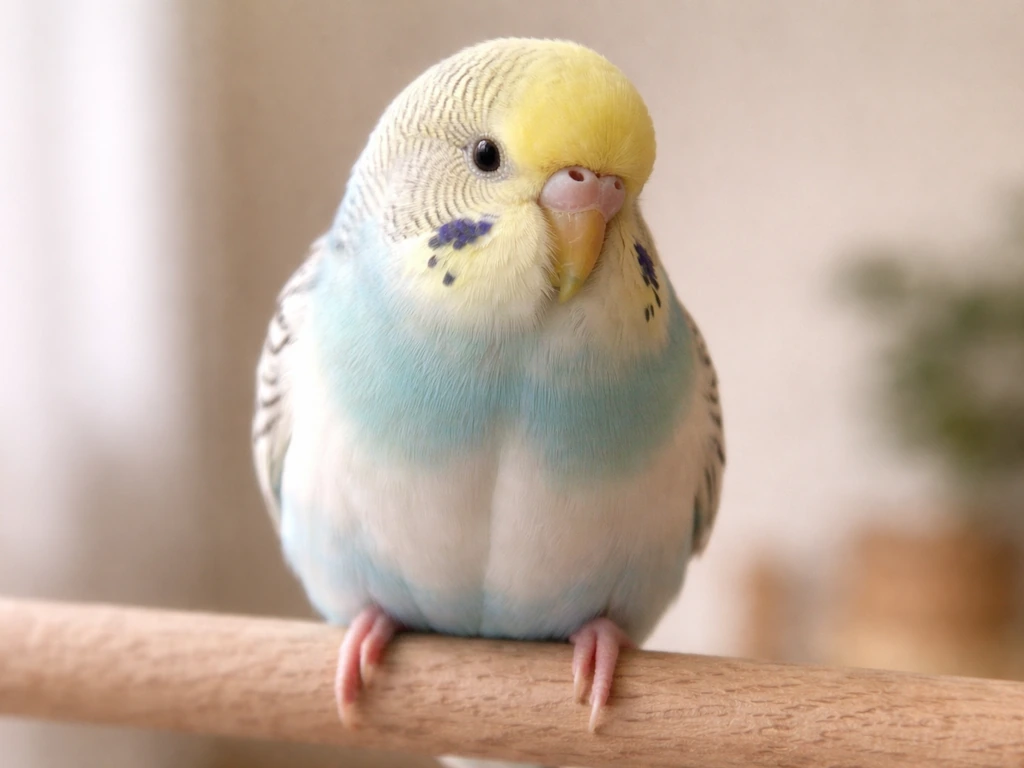
What 'bird chest' actually means in pet birds
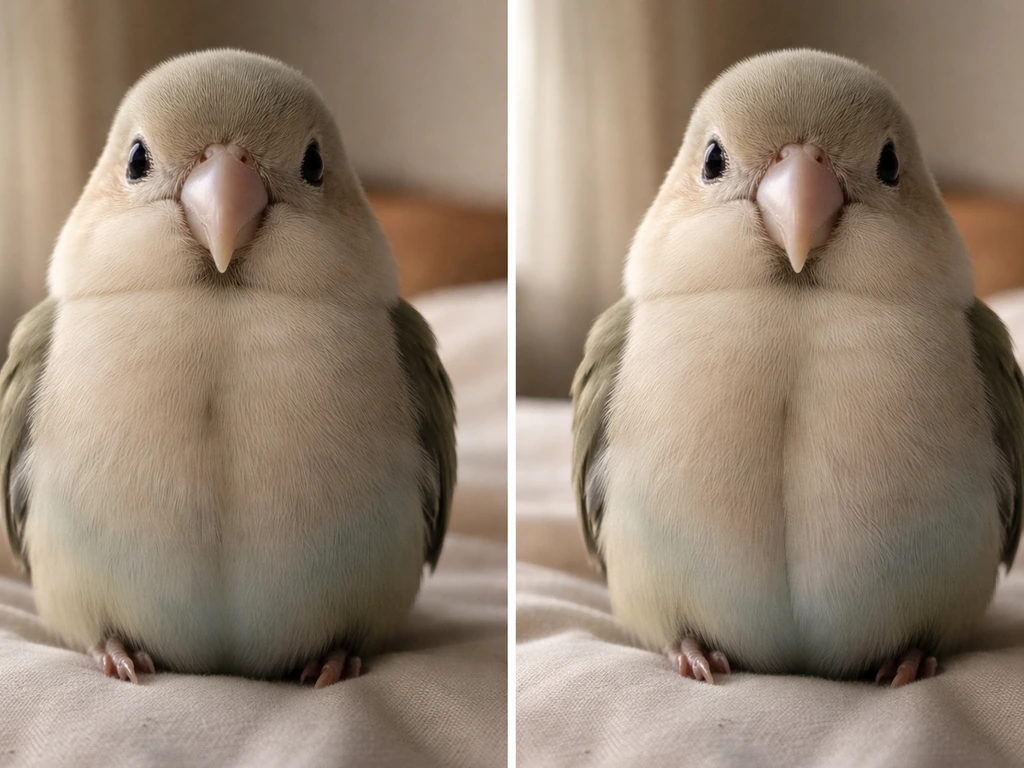
The term 'bird chest' gets used loosely, but when you're looking at your own pet bird and something seems wrong, you're almost certainly noticing a change in the pectoral area, the posture, or both. The keel bone runs along the center of the chest and has large wing muscles attached to either side. When a bird is healthy and well-nourished, those muscles fill out the chest and the keel is barely felt under your fingertip. When a bird is sick, stressed, or malnourished, the muscles waste and the keel starts to stick out like a ridge.
Vets use a keel scoring system from 1 to 5 to assess this. A score of 3 is normal: the keel is just barely palpable and the chest is well-muscled on both sides. A score of 1 means the bird is emaciated, with a 'knife-edge' keel you can actually pinch between your fingers. A score of 5 means the bird is obese. If you gently feel your bird's chest and the keel bone feels sharp or prominent, that's a real clinical sign, not just a cosmetic quirk.
Posture matters just as much as shape. A bird that looks puffed up, hunched, or is sitting low on its perch with feathers fluffed may not have an obviously changed chest shape, but the overall silhouette looks wrong. That posture is the bird trying to conserve heat and energy when it's unwell. An asymmetrical chest, where one side looks different from the other, is a more specific sign and warrants a vet call.
Could it just be molt or normal body variation?
Yes, sometimes. During molt, birds shed old feathers and grow pin feathers, and the chest and back can look patchy or uneven for a few weeks. Molt is energetically expensive, so birds may look a little less robust during this period. If your bird is eating normally, active, breathing quietly, and has normal droppings, a slightly odd-looking chest during molt is probably nothing to worry about. The problem is when people dismiss a genuinely sick bird's appearance as 'just molting.' If anything else seems off alongside the chest appearance, don't assume it's molt.
Common causes of an abnormal chest in pet birds
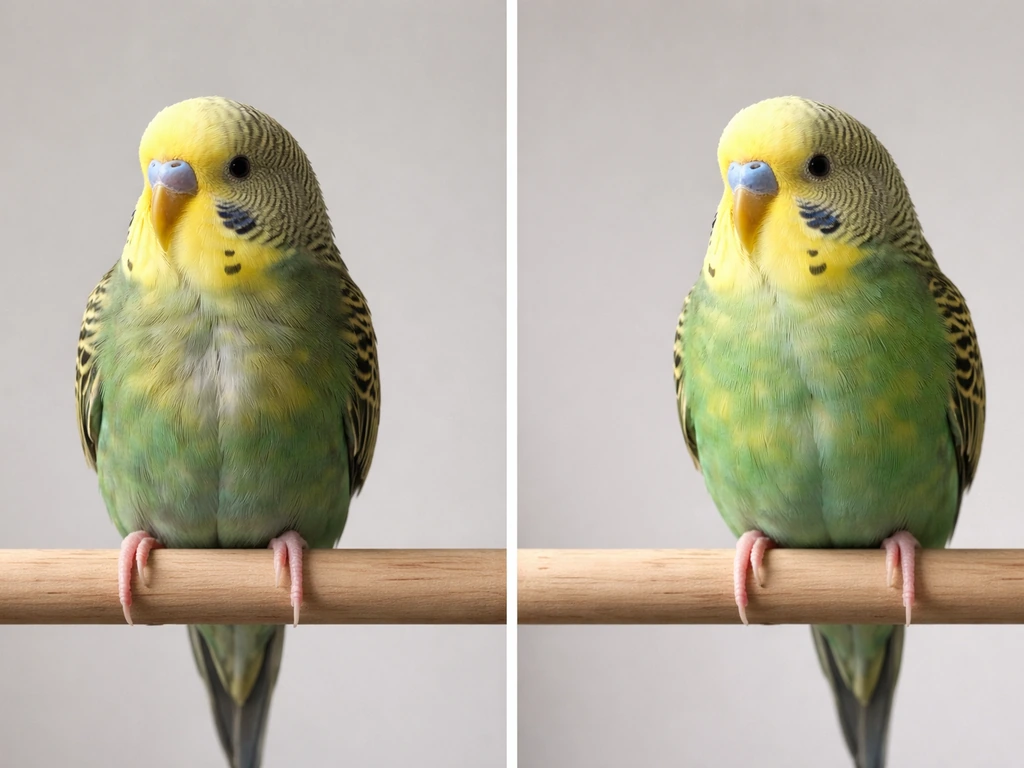
The most common reason a bird's chest looks sunken or prominent is simple muscle wasting from illness or poor diet. Respiratory disease is a very frequent culprit because sick birds eat less, and the pectoral muscles shrink quickly. But the list of underlying causes is broad, so it helps to think about them in categories.
- Respiratory infections (bacterial, viral, fungal, or parasitic) causing labored breathing and secondary muscle wasting
- Malnutrition from an all-seed diet, especially vitamin A deficiency, which weakens the respiratory tract lining and lets infections take hold
- Aspergillosis (fungal infection), which can cause chronic emaciation, labored breathing, and voice changes
- Chlamydiosis (psittacosis), a bacterial infection that can present with respiratory signs, weight loss, and lethargy
- Air sac mites, particularly in finches and canaries, which directly damage the respiratory system
- Tumors, masses, or organ enlargement pressing on the air sacs or causing visible asymmetry
- Traumatic injury to the keel or chest wall
- Trichomonosis, which causes oral/crop lesions and can prevent normal eating, leading to rapid weight loss
Respiratory signs that tell you this is more than a posture issue
Before you even pick up your bird, watch it from across the room for a few minutes. Birds hide illness well, and stress from handling can temporarily change their breathing, making it harder to assess. What you're looking for at rest is what matters most.
Tail bobbing is one of the clearest signs. When a bird has to work harder to breathe, the whole body gets recruited, and you'll see the tail dipping up and down with every breath. Healthy birds at rest don't do this. Open-mouth breathing is even more urgent: birds breathe through their nostrils by default, so an open beak during rest means the upper airway is obstructed or the bird is in serious respiratory distress. Audible sounds like clicking, wheezing, or squeaking on each breath point to airway narrowing or fluid.
Resting respiratory rates give you a useful baseline. Smaller birds under 300 grams (like budgies or cockatiels) normally breathe about 30 to 60 times per minute at rest. Larger birds between 400 and 1,000 grams normally breathe 15 to 30 times per minute. Counting breaths for 30 seconds and doubling the number gives you a quick rate. Significantly elevated rates, or any rate combined with visible effort, are red flags.
Wing position is another clue. A bird holding its wings slightly away from its body may be trying to expand its chest to breathe more easily. Combined with fluffed feathers and a sunken or prominent keel, this picture adds up fast.
Infectious diseases that affect breathing and chest appearance
Respiratory disease in pet birds can be caused by bacteria, viruses, fungi, or parasites, and the chest changes you see are often downstream effects of these infections rather than the infection itself. Two of the most important ones to know about are aspergillosis and chlamydiosis.
Aspergillosis
Aspergillosis is the most common fungal infection in birds and comes in two main forms. A severe, fast-moving form tends to hit young birds or newly acquired birds exposed to high levels of Aspergillus spores. A chronic form affects older or immunocompromised birds, often those stressed by poor nutrition or a weakened immune system. Chronic aspergillosis is generally seen in birds weakened and stressed by factors such as malnutrition, injury, other disease, or exposure to toxicants blank" rel="noopener noreferrer">chronic form affects older or immunocompromised birds stressed by poor nutrition. In the chronic form, labored breathing, voice changes, lethargy, and blank" rel="noopener noreferrer">gradual emaciation are all typical, which is why the chest can look noticeably sunken over time. Symptoms of aspergillosis overlap significantly with other respiratory infections, so lab work is needed to confirm it.
Chlamydiosis (psittacosis)
Chlamydiosis, caused by Chlamydia psittaci, is an important bacterial infection because it can affect both birds and people. Birds can carry it and show no obvious signs for a while before becoming visibly ill with respiratory signs, lethargy, and weight loss. The incubation period ranges from 3 days to several weeks. Diagnosis requires a PCR swab from multiple sites and sometimes blood testing; treatment is doxycycline for 45 days. This is a zoonotic and reportable disease, meaning your vet is legally required to report it in many regions. If your bird is diagnosed, your own doctor should be informed, since human infections typically happen by inhaling dust from dried bird droppings or respiratory secretions.
Psittacosis in people usually causes dry cough, fever, chills, headache, and muscle aches, typically appearing 5 to 14 days after exposure. Importantly, person-to-person spread is not considered a significant risk. The comparison between bird fancier's lung and psittacosis is a common source of confusion, since both are triggered by exposure to birds but involve completely different mechanisms: psittacosis is an active bacterial infection, while bird fancier's lung is an immune/allergic lung reaction to inhaled bird proteins.
Other infectious causes
Mycoplasma and various respiratory viruses can also cause breathing difficulty and secondary weight loss in pet birds. Air sac mites are a specific concern in finches and canaries, where they directly invade the respiratory tract. Trichomonosis, caused by a protozoan parasite, produces yellow, raised lesions in the mouth, crop, and esophagus that can block the airway and prevent normal eating, leading to rapid weight loss. A bird with trichomonosis may be unable to close its beak properly and can deteriorate within days without treatment.
Non-infectious causes of chest changes

Not every abnormal chest appearance is due to infection. Several non-infectious problems can cause the same visual changes.
| Cause | What you might see | Key detail |
|---|---|---|
| Vitamin A deficiency | Sunken chest, recurrent respiratory infections | All-seed diets are a major risk factor |
| Tumor or internal mass | Asymmetric chest, labored breathing, visible bulge | May also cause pressure on air sacs |
| Organ enlargement | Distended abdomen, labored breathing, posture changes | Liver disease common in seed-fed birds |
| Keel or chest injury | Asymmetry, tenderness, abnormal keel angle | Often from collision or fall |
| Generalized malnutrition | Prominent, sharp keel bone, muscle wasting | Keel score of 1 or 2 on a 1–5 scale |
| Obesity | Rounded, hard-to-feel keel, breathing effort on exertion | Keel score of 4 or 5 on a 1–5 scale |
Vitamin A deficiency deserves special mention because it's so common and so preventable. An all-seed diet, which many pet birds are fed, is low in vitamin A. Without adequate vitamin A, the protective lining of the respiratory tract breaks down, making it much easier for bacteria and fungi to invade. This is how a nutritional problem directly sets the stage for infectious disease.
How to assess your bird at home and document what you see
A good at-home assessment takes about 10 minutes and gives your vet useful information before the appointment. Do this while the bird is calm and you're not interacting with it directly.
- Watch your bird at rest for 2 to 3 minutes from a few feet away. Note whether the tail is bobbing, the beak is open, or the bird is holding its wings away from its body.
- Count breaths for 30 seconds and multiply by 2. Write down the number. Note whether breathing looks effortful.
- Look at the chest from the front and from both sides. Is one side larger than the other? Can you see obvious muscle wasting?
- Gently feel the keel bone if your bird allows it. Does it feel sharp and prominent (possible emaciation) or barely noticeable (normal)?
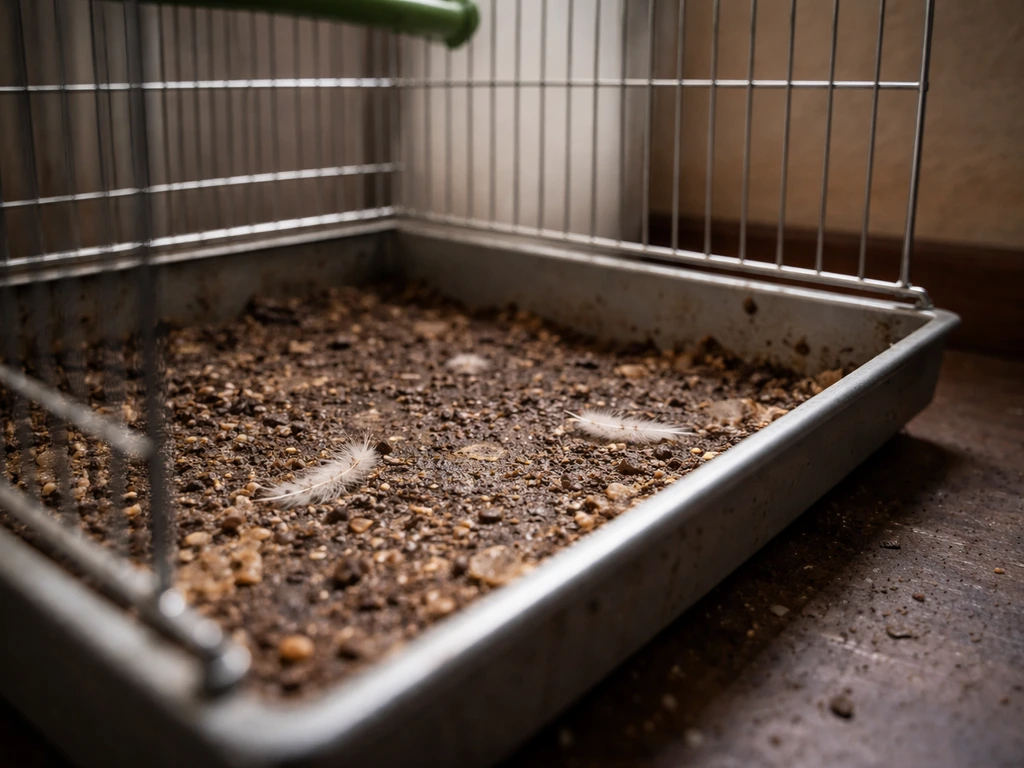
- Check the droppings in the bottom of the cage. Normal droppings have a formed green/brown solid portion, white urates, and clear liquid. Loose, discolored, or absent droppings are a sign of illness.
- Note whether the bird has eaten and drunk today. A bird ignoring food for more than a day is a red flag.
- Record a short video (30 to 60 seconds) of the bird at rest, including a clear view of the chest and tail. This is incredibly helpful for your vet.
- Write down when the symptoms first appeared, any recent changes in diet or environment, and any new birds or people introduced recently.
If you handle the bird briefly, watch whether breathing returns to a calm pattern within 3 to 4 minutes. If rapid or labored breathing persists well after handling stress should have resolved, that's a meaningful clinical sign.
Treatment options and supportive care while you wait for the vet
If your bird is showing any signs of respiratory distress, the priority is stabilization, not diagnosis. The vet will do the diagnosing. Your job right now is to keep the bird warm, calm, and as stress-free as possible.
What to do
- Keep the bird warm: a temperature around 85 to 90°F (29 to 32°C) using a heating pad set to low under half the cage, or a heat lamp at a safe distance, helps sick birds maintain energy. Always leave one area of the cage at room temperature so the bird can move away from the heat if needed.
- Reduce stress by covering the cage on three sides, keeping the environment quiet, and minimizing handling.
- Make food and water easily accessible. If the bird is weak, bring perches lower or offer food on the cage floor.
- Separate the sick bird from other birds immediately to prevent potential disease spread.
- Keep the cage clean to reduce exposure to mold, ammonia from droppings, and other airborne irritants.
- Bring your video and notes to the vet appointment so nothing is missed.
What not to do
- Do not use over-the-counter bird remedies, antibiotics from a pet store, or home remedies without vet guidance. These can mask symptoms or cause harm.
- Do not expose a bird in respiratory distress to aerosols, scented candles, cooking fumes, or air fresheners. Birds have highly sensitive respiratory systems.
- Do not force feed or force water on a bird that is struggling to breathe.
- Do not delay the vet visit hoping the bird will improve on its own. Birds deteriorate quickly once visibly ill because they mask symptoms until they can no longer do so.
- Do not handle the bird more than absolutely necessary if it is in distress.
Actual treatment depends entirely on the diagnosis. Fungal infections like aspergillosis require antifungal medications. Chlamydiosis requires a full 45-day doxycycline course. Nutritional deficiencies are corrected through dietary change and sometimes short-term supplementation under vet guidance. Tumors or masses may require imaging and surgical evaluation. There is no single fix, and guessing the treatment without a diagnosis often makes things worse.
When to call an avian vet urgently and how to prevent recurrence
Go to an avian vet urgently if you see any of these
- Open-mouth breathing at rest
- Persistent tail bobbing with every breath
- Audible wheezing, clicking, or squeaking when breathing
- The bird is weak, can't perch, or is sitting on the cage floor
- Obvious asymmetry in chest shape, or a visible lump or bulge
- Sharp, knife-edge keel bone with visible muscle wasting
- No food or water intake for more than 12 to 24 hours
- Droppings have stopped or are severely abnormal
- The bird has been in contact with a new bird in the last few weeks and is now showing any of the above
Birds can decline from 'looks a bit off' to critical in under 24 hours. An avian vet (not a general small-animal vet if you can avoid it) will have the tools to take radiographs, run cultures and PCR tests, and provide oxygen support if needed. If the bird is in serious distress when you arrive, a good clinic will stabilize it in a warm, oxygenated environment before doing a full physical exam.
Prevention and aftercare to protect your bird going forward
The single most impactful prevention step is diet. Transitioning your bird from an all-seed diet to a formulated pellet diet, supplemented with fresh vegetables (especially dark leafy greens and orange/yellow vegetables high in beta-carotene), directly addresses vitamin A deficiency and the cascade of respiratory problems it enables. This is not optional nutrition advice: it's one of the most well-documented causes of preventable illness in pet birds.
Quarantine any new bird for at least 30 days before introducing it to your existing birds. Many infectious diseases, including chlamydiosis, have incubation periods of up to several weeks, and a bird can appear completely healthy while shedding pathogens. Regular wellness checks with an avian vet (at least once a year for healthy birds) let you catch a declining keel score, early nutritional deficiency, or subclinical infection before it becomes an emergency.
Keep the environment clean and well-ventilated, but avoid strong chemical cleaners, scented products, or anything that produces fumes near the bird. If you or anyone in your household develops flu-like symptoms (dry cough, fever, headache, muscle aches) after spending time around a sick bird, mention bird exposure to your doctor, since psittacosis is treatable with antibiotics but needs to be on the radar. For more on the human health side of bird-related respiratory conditions, the distinction between bird fancier's lung and psittacosis is worth understanding, since both involve birds but require completely different management.
After a diagnosis and treatment, follow the full course of any prescribed medication even if your bird looks better early, keep follow-up vet appointments, and monitor weight weekly using a small kitchen scale. A bird that's recovering should show gradual weight gain and increasingly normal behavior. If it plateaus or dips again, that's a sign to go back sooner rather than later.
FAQ
How can I tell if a bird chest shape change is real health trouble versus normal variation?
A “bird chest” is only meaningful as a health sign if you pair it with feel and function. Do a gentle keel check when your bird is calm, compare both sides for symmetry, then watch breathing posture (fluffed feathers, open-mouth breathing, tail bobbing) for several minutes at rest.
What keel score is most concerning, and how should I palpate it correctly?
Keel scoring should be done consistently, same hand position, and without squeezing. If you can actually pinch the keel like a knife edge or it feels sharply prominent compared with the bird’s baseline, treat it as clinically significant and contact an avian vet.
My bird is molting, but the chest looks weird, when should I stop assuming it’s just molt?
Molting can make the chest look uneven, but posture and breathing should not be abnormal. If the bird is puffed up, sitting low, breathing with visible effort, or has tail bobbing or open-mouth breathing, do not assume it is only molt.
My bird has always looked a bit lean, how do I know if this is new?
Some birds look “prominent” if they are small, lean, or naturally muscular, so comparing to their own recent baseline matters. Take photos in the same lighting and do a repeat keel feel weekly, because sudden change over days is more concerning than a stable look over months.
If my bird breathes oddly only when I handle it, should I still worry?
Yes, stress can temporarily change breathing patterns after handling, so reassess at rest without talking to or chasing the bird. If breathing does not return to a calm pattern within a few minutes, it suggests a true clinical issue rather than anxiety.
What other signs should I check besides chest appearance to avoid missing early illness?
Birds sometimes hide illness until it progresses, so “normal eating” is not enough on its own. Also check droppings, energy level, and weight trend, because chest changes and mild respiratory effort can precede major appetite loss.
What should I do right now if my bird’s breathing looks like a red flag?
If you see effortful breathing, open-mouth breathing, or tail bobbing, the immediate goal is stabilization (warmth, low stress, good airflow) and an urgent call to an avian clinic. Delaying for home remedies or waiting for symptoms to “run their course” can allow rapid decline.
If my bird has an infection, does diet still matter or is treatment all that counts?
The diet link is often indirect. An all-seed diet can lead to vitamin A deficiency that weakens respiratory tract defenses, which increases vulnerability to fungal and bacterial disease. The chest change may be the downstream effect of that cascade, so diet correction still matters even after an infection is treated.
How should I transition from an all-seed diet if my bird’s chest looks like it’s due to malnutrition?
If you switch diets, do it gradually when possible to reduce refusals and GI upset, but do not “stall” when weight is dropping. Aim for a formulated pellet diet with appropriate produce additions, and ask your avian vet for a transition plan if your bird is already losing weight.
Can non-respiratory conditions still cause a sunken or prominent chest?
Yes. Some parasites and localized mouth or crop problems can mimic respiratory-related weight loss by preventing normal intake. For example, lesions that interfere with swallowing can worsen quickly, so watch for mouth abnormalities and eating changes, not just breathing.
What home environmental steps are safe while I’m waiting to see the vet?
Warmth is supportive, but keep air clean and avoid scented products, aerosols, and strong cleaners near the bird. If you use a humidifier, keep it clean and ensure good ventilation so you do not add airborne irritants.
If chlamydiosis is suspected or confirmed, what does that mean for me and other household members?
If your bird has a confirmed zoonotic infection like chlamydiosis, your risk depends on exposure and your local guidance. In practical terms, reduce dust from droppings, avoid dry sweeping, wash hands thoroughly, and inform your doctor about the bird exposure so appropriate evaluation can be considered.
How often should I weigh my bird after treatment, and what pattern counts as “recovering”?
Weight monitoring is most useful when done at the same time of day and with the same scale method, and when tracked as a trend. A bird that should be recovering should show gradual gain, if it plateaus or dips again, it usually means incomplete treatment, relapse, or a missed additional issue.
When should I call the vet back if there’s no improvement during treatment?
If your bird does not improve after the initial phase of treatment, or symptoms worsen, that can mean misdiagnosis, resistance, or a concurrent problem. Contact your avian vet promptly rather than extending time at home, especially if breathing effort returns.
Next Article
What Is Bird Lung? Symptoms, Causes, and What to Do Now
Learn what bird lung means, spot breathing symptoms in birds, take safe at-home steps, and know when to see a vet.