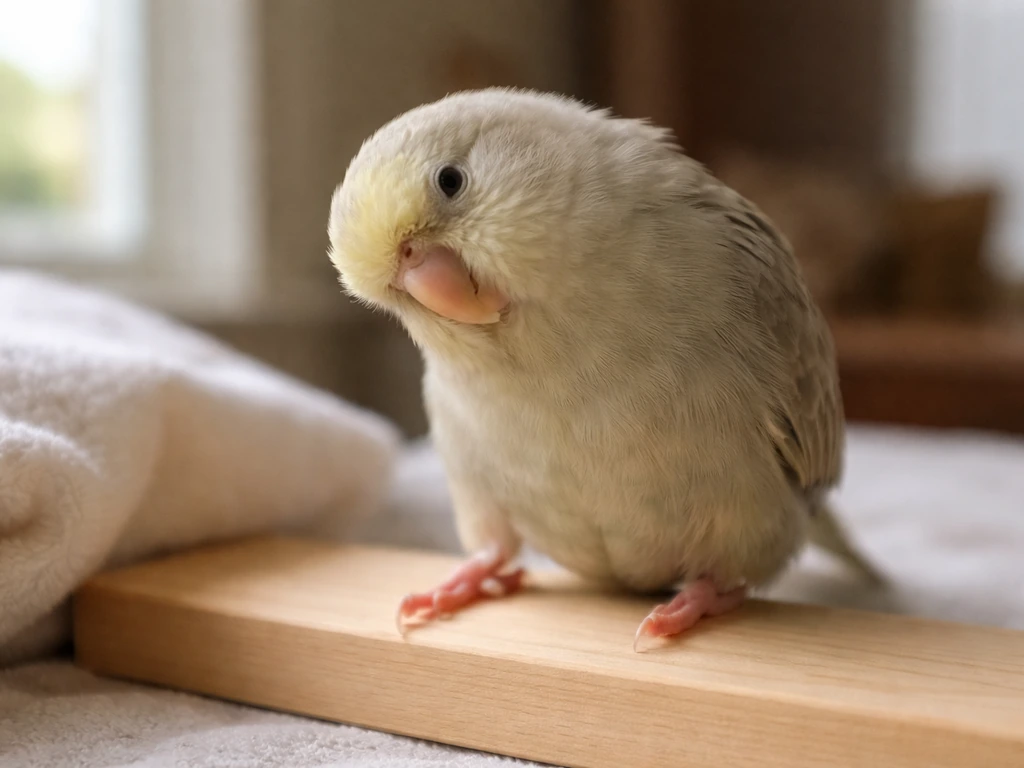
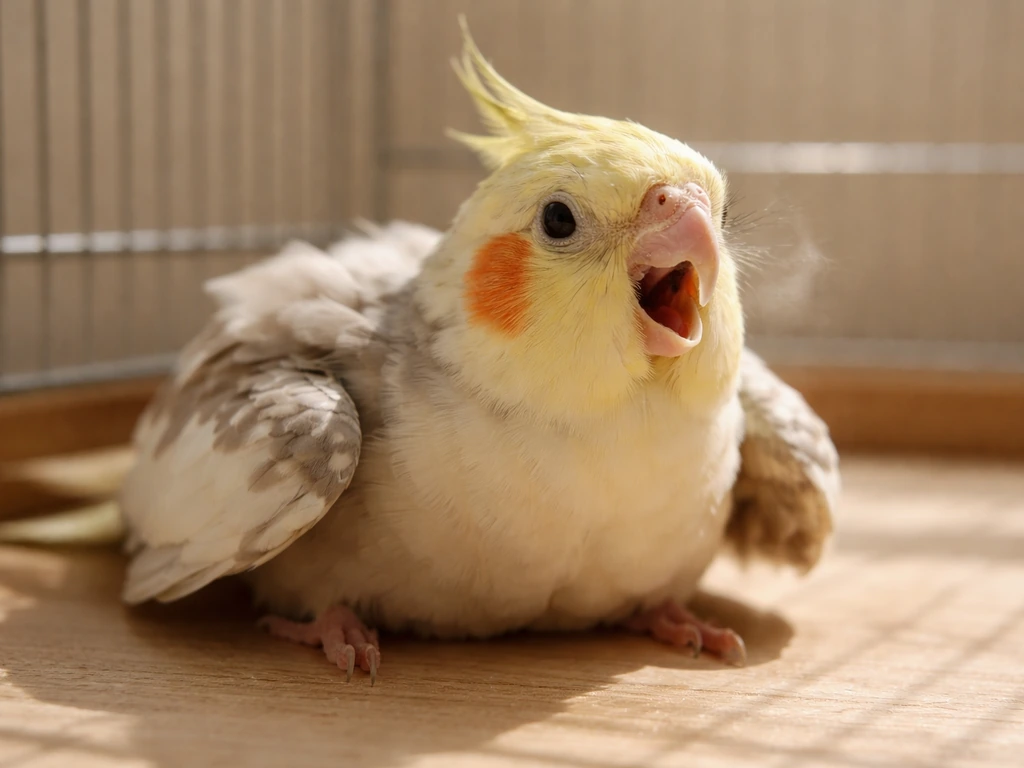
Bird heat stroke symptoms include open-mouthed breathing while at rest, wings held away from the body, panting, lethargy, loss of balance, and in serious cases, collapse or unconsciousness. Bird overheating symptoms can look similar to other emergencies, so prioritize fast cooling and getting veterinary help. These signs can escalate fast, and a bird that looks 'just a little hot' can tip into a life-threatening state within minutes. If you're seeing more than one of these signs right now, treat it as an emergency and start cooling the bird while you arrange urgent care.
Bird Heat Stroke Symptoms and What to Do Right Now

Marcus Webb
1 May 2026
Recognizing bird heat stroke vs 'just overheated'
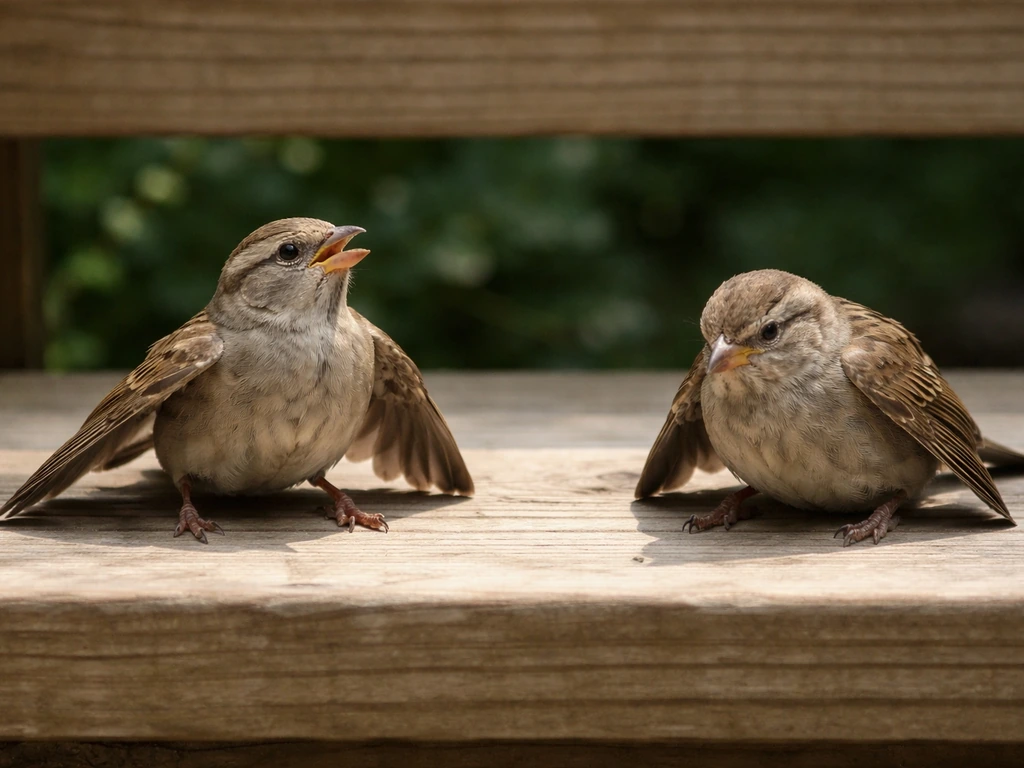
There's a real and important difference between a bird that's warm and uncomfortable versus one that's in heat stroke. A mildly overheated bird might hold its wings slightly out, look a bit fluffed, or seem less active than usual. That's your window to act before things get serious. Heat stroke is what happens when the bird's body can no longer regulate its own temperature, and the internal systems start to fail.
Think of it on a sliding scale. Mild overheating is uncomfortable but recoverable quickly with shade and airflow. Heat exhaustion sits in the middle, with more visible distress. Heat stroke is the critical end, where the bird is showing neurological signs, struggling to breathe, or has already collapsed. You want to catch this before it reaches that last stage.
One thing that trips people up is confusing heat stroke with other sudden-onset illnesses. Respiratory infections, for example, also cause labored breathing and lethargy, and bird stroke symptoms can include similar uncoordinated movement or collapse. The key distinguishing factor for heat stroke is context: Was the bird recently in a hot car, a cage in direct sunlight, a poorly ventilated transport box, or outside on a very hot day? If the answer is yes, heat is the most likely culprit and you should act immediately.
Common heat stroke symptoms to watch for
Behavioral signs
- Unusual stillness or unresponsiveness — the bird isn't reacting to you or its environment the way it normally would
- Sitting on the bottom of the cage, which in birds is almost always a sign something is seriously wrong
- Loss of balance or coordination, swaying, or falling off a perch
- Extreme lethargy or inability to stand
- Sudden aggression or disorientation in a bird that's normally calm
Breathing signs
- Open-mouthed breathing while at rest — this is considered very serious and should never be ignored
- Panting or rapid, shallow breathing
- Tail bobbing with each breath, which indicates the bird is working hard to breathe
- Audible wheezing or clicking sounds with each breath
Physical and body signs
- Wings held out away from the body (the bird is trying to release heat)
- Feathers slicked down flat against the body rather than normal fluffing
- Hot feet or warm-to-the-touch skin around the face or vent area
- Pale, discolored, or bluish mucous membranes around the beak or mouth
- Trembling, seizure-like muscle activity, or full collapse
Birds don't sweat. They release heat through their respiratory system and through blood flow to the feet and unfeathered skin. That's why open-mouthed panting is such a significant warning sign, it means the bird's normal cooling system is maxed out and failing to keep up. Bird skin problems can also appear as part of overheating, since their unfeathered skin can be affected when heat regulation fails.
Emergency warning signs and when to go to the vet immediately
Some symptoms move the situation from 'urgent' to 'go right now, don't wait.' If your bird is showing any of the following, start cooling measures immediately and head to an avian vet or emergency animal clinic without delay. Heat stroke is a medical emergency, and prompt cooling along with veterinary care focused on rapidly lowering core temperature is key blank" rel="noopener noreferrer">cooling measures immediately. If your bird shows blank" rel="noopener noreferrer">panting or holds its wings out away from the body, the PDF signs checklist advises contacting your veterinarian. First aid is not a substitute for professional veterinary care, it buys you time to get there safely.
- Collapse or inability to stand or grip a perch
- Unconsciousness or completely unresponsive to touch or sound
- Seizures or uncontrolled muscle tremors
- Open-mouthed breathing that doesn't improve after moving the bird to a cool area
- Blue or gray coloring around the beak, tongue, or skin (oxygen deprivation)
- No visible breathing movement in the chest
It's worth knowing that some of these signs can also overlap with bird heart attack symptoms or neurological events. Because these symptoms can resemble other emergencies, knowing bird heart attack symptoms can help you recognize when rapid intervention is needed. The treatment pathway starts the same way, cool the bird, reduce stress, get to a vet, but a vet needs to assess the underlying cause. Don't spend time trying to diagnose; spend it getting professional help.
What to do right now: safe cooling and first-aid steps
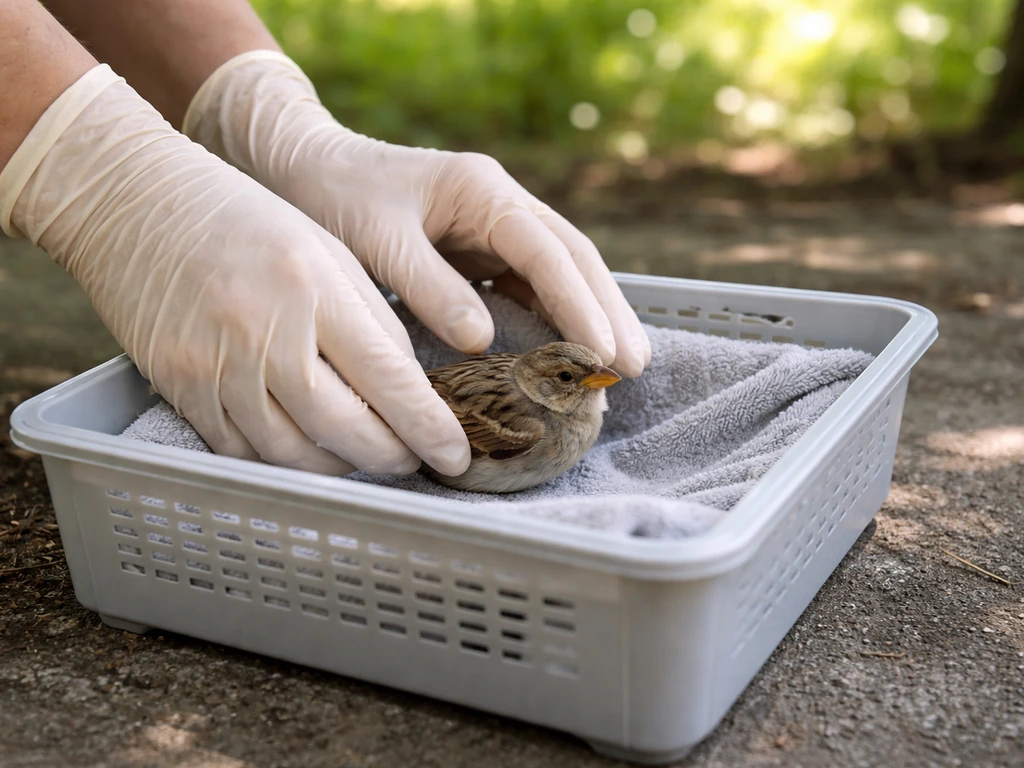
The goal in the first few minutes is to lower the bird's core temperature gradually while minimizing additional stress. Move quickly but calmly, a panicked environment makes things worse.
- Move the bird immediately to a cool, shaded area with good airflow. Indoors with air conditioning is ideal. Get it out of direct sun, a hot car, or any enclosed space right away.
- Mist the bird lightly with room-temperature water. Focus on the feet, legs, and the skin under the wings. Do not use ice water or very cold water — the sudden temperature drop can send the bird into shock.
- Offer fresh, cool (not ice cold) drinking water if the bird is conscious and able to swallow on its own. Never try to force water into an unconscious or barely responsive bird.
- Place the bird near a gentle fan on a low setting to encourage evaporative cooling. Keep airflow indirect — you want it to feel a cool breeze, not a blast.
- Keep the environment quiet and minimize handling as much as possible. Stress adds to the body's heat burden.
- Call an avian vet or emergency animal clinic right now while you're doing these steps. Describe what you're seeing and ask for guidance specific to your bird's size and species.
- If transporting to a vet, keep the carrier cool (air conditioning running in the car) and continue misting lightly if the bird remains in distress.
For wild birds found collapsed from heat, the same basic approach applies: move them to shade, mist lightly with room-temperature water, and contact a local wildlife rehabilitator or animal control. Wild birds have additional stress factors around human handling, so keep interaction minimal.
What NOT to do during cooling or first aid
Some well-intentioned first-aid instincts can actually cause harm here. Avoid these common mistakes: SpectrumCare also advises avoiding ice baths and very cold water because sudden temperature shifts can increase stress on a pet bird Avoid these common mistakes:.
- Do not submerge the bird in cold or ice water — rapid cooling causes shock and can be fatal
- Do not use ice packs directly on the bird's body
- Do not force-feed water or fluids to a bird that isn't fully conscious and swallowing on its own
- Do not place the bird under a heat lamp or in a warm environment 'to comfort it' — adding supplemental heat when a bird is already overheated will make the situation significantly worse
- Do not leave the bird unattended assuming it will recover on its own once it's cooled down — birds can deteriorate quickly and internal damage may not show on the surface
- Do not crowd around the bird or allow loud noises, children, or other pets near the bird while it is in distress
- Do not delay calling a vet because the bird seems to be improving slightly — heat stroke causes internal organ stress that isn't always visible right away
How to monitor and track symptoms while arranging care
While you're waiting for a vet appointment or driving to the clinic, active monitoring tells you whether the bird is stabilizing or declining. This also gives the vet useful information when you arrive.
Check breathing rate and quality every few minutes. Normal resting breathing in most parrots and pet birds is quiet and barely visible. If you can count breaths, note how many per minute. Rapid, shallow breaths or continued open-mouth breathing after cooling measures have been in place for 5 to 10 minutes is a sign the situation is still critical.
Watch for responsiveness. Is the bird tracking movement with its eyes? Responding to your voice? Can it grip your finger or a perch? Any improvement in alertness is a positive sign. Any further decline in responsiveness is a signal to move faster.
Keep a simple log on your phone if you can: time the episode started, temperature of the environment if you know it, symptoms you observed, what cooling steps you took and when, and any changes in the bird's condition since then. Vets can act faster and more accurately with a clear timeline.
Note whether the bird's droppings change. Stress and heat illness often affect the digestive system, and watery or absent droppings can signal the level of systemic stress the bird is under. This is worth mentioning to the vet.
Prevention tips to keep birds safe in hot weather and after an episode
Hot weather safety for pet birds
- Keep cages out of direct sunlight during the hottest parts of the day, even indoors — windows amplify heat significantly
- Maintain indoor temperatures below 85°F (29°C), ideally between 65–80°F (18–27°C) for most common pet bird species
- Ensure strong ventilation in any room where birds are housed — stagnant hot air is one of the biggest risks
- Offer fresh cool water multiple times a day in hot weather and mist birds who enjoy it
- Never leave a bird in a car, even for a few minutes on a warm day — car interiors heat up to dangerous levels within 10 minutes
- During transport, run air conditioning in the vehicle and avoid prolonged trips in hot weather without proper climate control
- In multi-bird households or aviaries, avoid overcrowding — more birds in a space means more body heat
After a heat stroke episode
A bird that has recovered from heat stroke is not necessarily back to normal. Internal organ stress, particularly to the kidneys and liver, can have delayed effects. Follow all vet instructions carefully, including any dietary changes or fluid support recommendations.
Watch for lingering signs of illness in the days after the episode. Continued lethargy, reduced appetite, abnormal droppings, or any new symptoms are worth reporting to your vet promptly. These can also be signs of ongoing bird stress symptoms that need support even after the immediate heat crisis has passed.
Reassess your bird's environment completely after a heat stroke incident. Identify what allowed the temperature to get dangerous, a poorly placed cage, inadequate ventilation, an unexpected power outage with no air conditioning, a transport situation, and put concrete changes in place before hot weather returns. A bird that has had one heat stroke episode may be more vulnerable to repeat episodes.
Helping wild birds during heat events
If you're concerned about wild birds in hot weather, placing shallow dishes of fresh water in shaded spots outside is one of the most effective things you can do. Change the water daily to prevent mosquito breeding and bacterial growth. If you find a wild bird collapsed from heat and it doesn't recover within 15 to 20 minutes of being in shade with access to water, contact a local wildlife rehabilitator, they're trained to handle the additional complications that come with wild bird care.
| Risk Factor | Why It Matters | What To Do |
|---|---|---|
| Direct sunlight on cage | Glass and enclosures trap radiant heat rapidly | Reposition cage away from windows during peak sun hours |
| Car transport in warm weather | Car interiors can exceed 120°F within minutes | Always run A/C; never leave bird unattended in vehicle |
| Poor room ventilation | Stagnant air prevents evaporative cooling | Use fans to circulate air; open windows if outdoor temp is lower |
| Overcrowding in aviaries | Multiple birds increase ambient temperature | Limit birds per enclosure; ensure each bird has space to spread wings |
| No access to water | Birds can't cool themselves without moisture | Refresh water multiple times daily in hot weather; offer misting |
| Previous heat stroke episode | Increases vulnerability to repeat episodes | Tighten environmental controls; discuss with vet about monitoring plan |
FAQ
How can I tell if my bird is mildly overheated or already in heat stroke if it is not panting?
Watch for wing position and alertness. Mild overheating often comes with slight wing extension, fluffed feathers, and reduced activity, but breathing is usually quiet and the bird can still respond and grip. If you notice uncoordinated movement, persistent open-mouth breathing, or a sudden change in balance, treat it as heat stroke even if panting is not the first sign.
My bird is breathing with its mouth open, but it is still alert. Should I wait to see if it improves?
No. Open-mouth breathing at rest means the bird is struggling to cool, even if it initially seems responsive. Start cooling right away and arrange urgent avian care, and do not delay for “watchful waiting,” because the decline can happen quickly.
What if I do not have room-temperature water or I am worried about making my bird too cold?
Use the coolest safe option you can access, aim for gradual cooling rather than rapid chilling. Avoid ice packs, frozen gel packs, and very cold water, because extreme cooling can shock the body and worsen breathing. If you are unsure, focus on moving to shade, adding gentle airflow, and using small amounts of cool, not cold, mist.
Is it safe to put my overheated bird in the bathtub or run water over it?
Usually no. Direct running water can cause stress, imbalance, and aspiration if the bird gets droplets into the airway. For first aid, the safer approach is shade, gentle airflow, and light misting from a distance if needed, then transfer to veterinary care.
How long should I cool my bird before leaving for the vet?
Continue cooling while you prepare transport, generally reassessing every few minutes. If mouth breathing persists or the bird remains weak after about 5 to 10 minutes of cooling, treat it as still critical and do not extend at-home care time. The goal is to lower core temperature gradually while you get professional help.
My bird seems to perk up after cooling. Do I still need to go to an avian vet?
Yes. Even if the bird looks better, internal organ stress can appear later, especially affecting kidneys and liver. The bird may also become vulnerable to repeat heat episodes, so veterinary assessment and follow-up instructions are still important.
What signs mean my bird is getting worse while I am waiting to drive?
The key warning changes are continued or renewed open-mouth breathing after cooling, rapid shallow breathing, worsening balance or inability to grip, and declining responsiveness (not tracking your eyes, not responding, or reduced ability to perch). If any of these occur, speed up transport and keep cooling on the way.
Can heat stroke symptoms look like something else, like infection or neurological illness?
Yes, several emergencies can mimic overheating, including sudden respiratory illness and neurological events. The differentiator is recent heat exposure and context, such as a hot car, direct sun, poor ventilation, or overheating during transport. If heat is a plausible trigger, prioritize cooling and emergency evaluation rather than trying to diagnose at home.
What is the most common mistake people make when trying to help an overheated bird?
Over-cooling too quickly, often by using ice or very cold water. Another frequent issue is focusing on diagnosis or long observation while the bird is still in respiratory distress. The correct priority is calm cooling plus urgent veterinary care, then let the vet determine the underlying cause.
How should I transport my bird to the clinic while it is still unstable?
Use a secure, ventilated carrier and minimize handling. Keep the environment shaded and cool, use gentle airflow, and avoid anything that could tip or cause the bird to fall. If you must mist, do it lightly so the bird does not get soaked or chilled rapidly during transport.
For wild birds, what if the bird does not recover after 15 to 20 minutes of shade?
If it does not show clear improvement after shade and access to water, contact a local wildlife rehabilitator or animal control. Wild birds can deteriorate due to additional complications and handling stress, so delaying for longer “waiting it out” can reduce survival odds.
Should I offer food or water immediately to a bird coming out of a heat episode?
Do not force drinking or feeding. If the bird is alert and able to swallow normally, small access to water can be offered, but continue focusing on gradual cooling and veterinary guidance. If breathing is still labored or the bird is weak, wait for professional instructions to avoid aspiration.
Next Article
Bird Stroke Symptoms Checklist and What to Do Fast
Bird stroke symptoms checklist, quick action steps, red flags for emergency vet care, and causes to rule out fast.