If your bird is suddenly falling off its perch, tilting its head to one side, trembling, or can't seem to coordinate its movements, you're likely dealing with a neurologic emergency. Bird owners often call this a 'stroke,' and while true cerebrovascular strokes do happen in birds, the same alarming symptoms can come from a dozen other causes: toxin exposure, head trauma, infections, nutritional deficiencies, seizures, tumors, overheating, or parasites. The cause matters enormously for treatment, but right now the most important thing is knowing what you're looking at, what to do in the next few minutes, and when to get to an avian vet fast.
Bird Stroke Symptoms Checklist and What to Do Fast

Marcus Webb
30 Apr 2026
What 'Bird Stroke' Actually Means (and What Else It Could Be)
A true stroke in a bird is a cerebrovascular accident: a sudden interruption of blood flow to part of the brain, causing a focal neurologic deficit. It looks like an abrupt, one-sided weakness, a sudden head tilt, or a collapse that came out of nowhere with no warning. That definition is technically accurate, but the term 'bird stroke' gets used loosely to describe any sudden neurologic episode, and that's actually useful to know, because the treatment approach depends entirely on the real underlying cause.
The conditions most likely to mimic a stroke in birds include: head trauma from flying into a window or wall, seizures from tumors or infections, bacterial or fungal infections spreading to the brain, chlamydial or viral diseases like avian encephalomyelitis (which causes ataxia and tremors, especially in the head and neck), vitamin E or B1 (thiamine) deficiency causing neurologic breakdown, heavy metal poisoning (lead and zinc are the most common), heatstroke, and internal tumors pressing on the brain or spinal cord. Overheating in particular can look almost identical to a stroke, which is why distinguishing bird heat stroke symptoms from a neurologic event matters when you're running through possibilities.
The practical point here: don't get stuck trying to diagnose the cause at home. Instead, focus on accurately describing the symptoms and timeline so your vet has the best information to work with.
Symptoms That Point to a Neurologic Event
Neurologic signs in birds tend to look dramatic because birds are wired to hide illness until they can't anymore. When symptoms show up visibly, things are usually serious. Here are the core signs to watch for.
Movement and Coordination
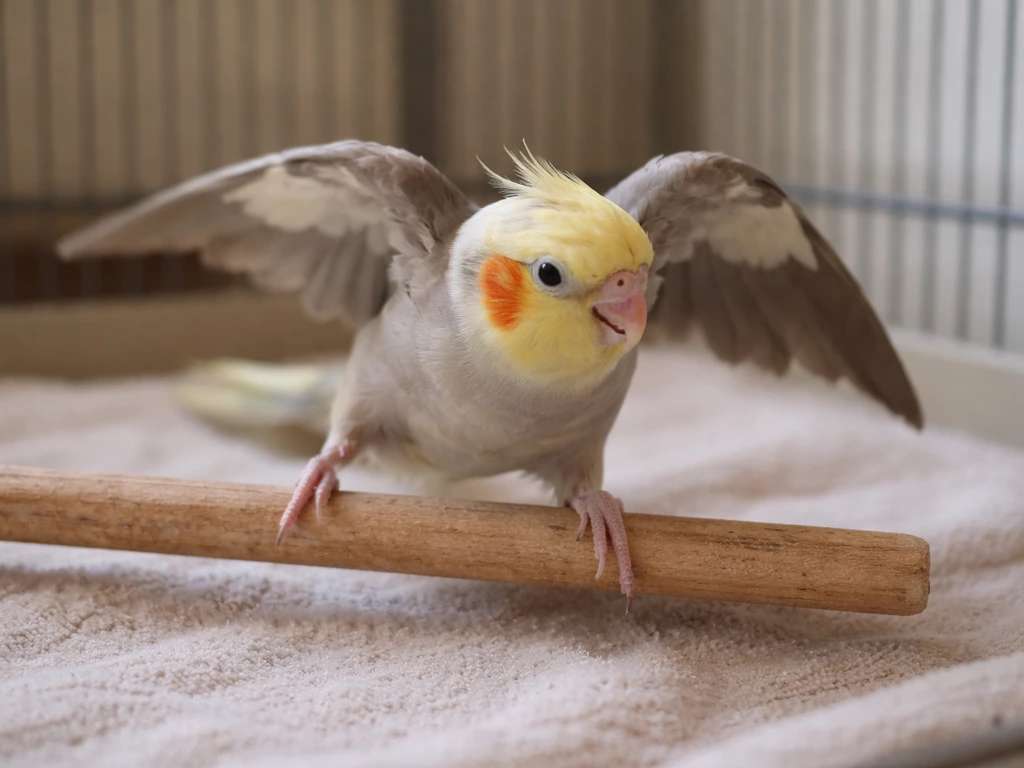
- Sudden inability to perch or keep balance on a perch
- Falling from the perch repeatedly or staying on the cage floor
- Ataxia: a staggering, uncoordinated walk or hop
- Circling in one direction or leaning heavily to one side
- One-sided weakness where one leg or wing doesn't move normally
- Inability to fly or extreme difficulty becoming airborne
- Dragging a wing or holding it at an abnormal angle
Head, Eyes, and Face
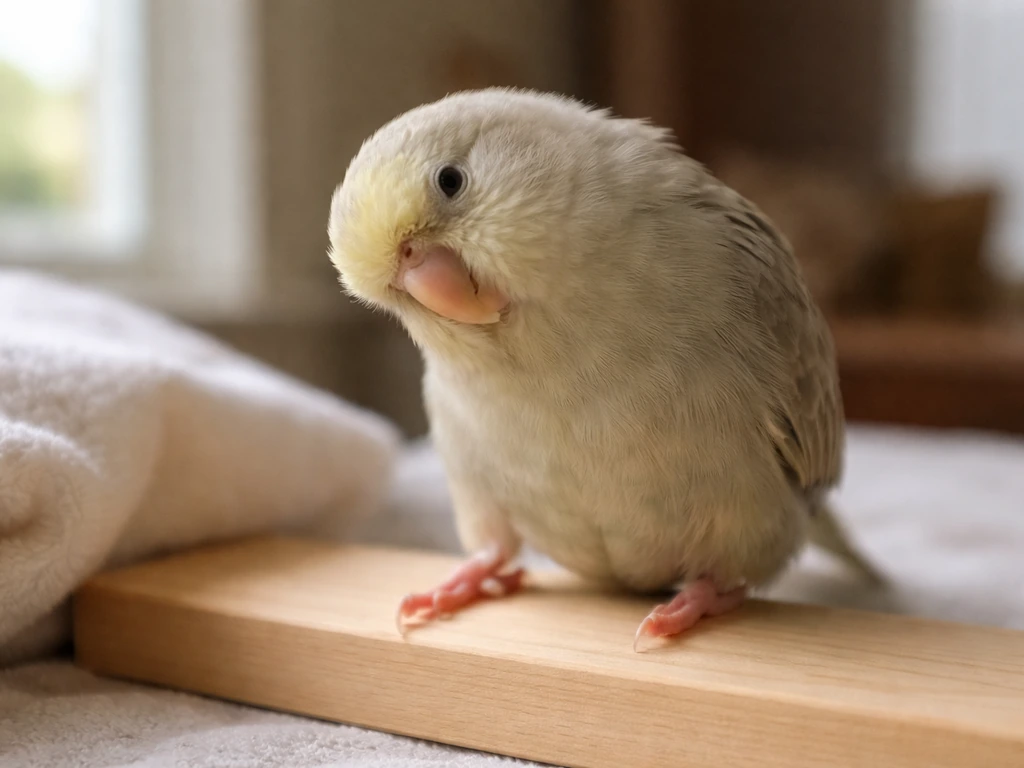
- Head tilt: the head is rotated or twisted to one side (torticollis)
- Nystagmus: rapid, uncontrolled eye movements back and forth or rotational
- One eye appearing partially closed or drooping on one side
- Unusual blinking or asymmetric facial expressions
- Abnormal pupil size or one pupil different from the other
Tremors, Seizures, and Altered Awareness
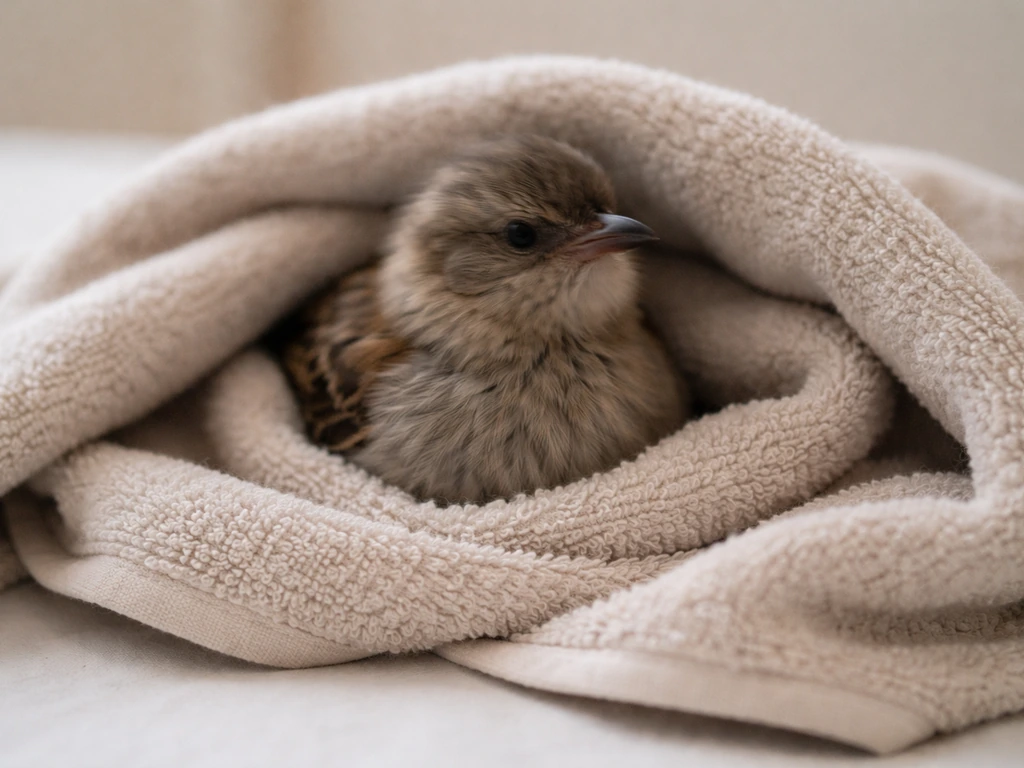
- Fine tremors of the head or neck (a key sign of avian encephalomyelitis)
- Full body trembling or shaking without obvious cause
- Seizure-like episodes: paddling legs, rigid posture, loss of consciousness
- Sudden collapse or inability to stand
- Extreme lethargy or unresponsiveness to normal stimuli
- Unusual vocalizations: screaming, loss of normal calls, or complete silence in a vocal bird
Accompanying Signs That Add Critical Context
Neurologic symptoms rarely happen completely in isolation. Note these alongside the movement and balance problems:
- Respiratory changes: labored breathing, tail bobbing, clicking sounds
- Droppings changes: color, consistency, volume (watery, bloody, green, absent)
- Appetite: eaten or drunk anything in the last 12-24 hours?
- Signs of possible overheating: panting, wings held out, hot environment
- Signs of possible trauma: feathers out of place, bleeding, found near a window
- Possible toxin exposure: new paint, non-stick cookware (PTFE/Teflon fumes), candles, cleaning products, lead or zinc objects accessible in the environment
Neurologic Signs Checklist: What to Check Right Now
Use this as a quick reference when you're watching your bird and trying to communicate clearly with a vet. Go through each category and note what you observe.
| Sign | What to Look For | Severity Level |
|---|---|---|
| Balance / falling | Falling from perch, unable to right itself, staying on cage floor | High |
| Head tilt (torticollis) | Head twisted or rotated to one side, persistent or worsening | High |
| Ataxia | Staggering, stumbling, uncoordinated movement | High |
| One-sided weakness | One leg or wing not working normally compared to the other | High |
| Seizure episode | Paddling, convulsing, rigid or limp collapse, loss of consciousness | Emergency |
| Tremors | Fine or coarse shaking of head, neck, or full body at rest | High |
| Nystagmus | Eyes moving rapidly and involuntarily back and forth or in circles | High |
| Circling / leaning | Moving consistently in one direction, leaning against cage wall | High |
| Sudden lethargy | Fluffed up, eyes closed, unresponsive to touch or sound | High |
| Abnormal vocalization | Unusual sounds, loss of normal calls, screaming without cause | Moderate-High |
How Symptoms Can Differ by Bird Type
Different bird species present neurologic signs in slightly different ways, and knowing what's typical for your bird helps you spot what's abnormal faster.
Parrots and parakeets (budgies, cockatiels, African Greys, macaws, Amazons) are usually active and vocal, so sudden stillness, floor sitting, or loss of coordination is an obvious red flag. African Greys are particularly prone to hypocalcemia, which causes seizures and tremors and can look just like a stroke. Cockatiels are prone to night frights that can cause trauma-related neurologic signs.
Canaries and finches are small and fragile, so by the time neurologic signs are visible, the bird is often in serious distress. Head tilt, fluttering on the cage floor, and tremors in these birds warrant immediate action with very little waiting time.
Chickens and backyard poultry can show Marek's disease (a herpesvirus causing progressive leg and wing paralysis), Newcastle disease, and avian encephalomyelitis. Head tremors and leg weakness in young chickens especially should raise the encephalomyelitis flag.
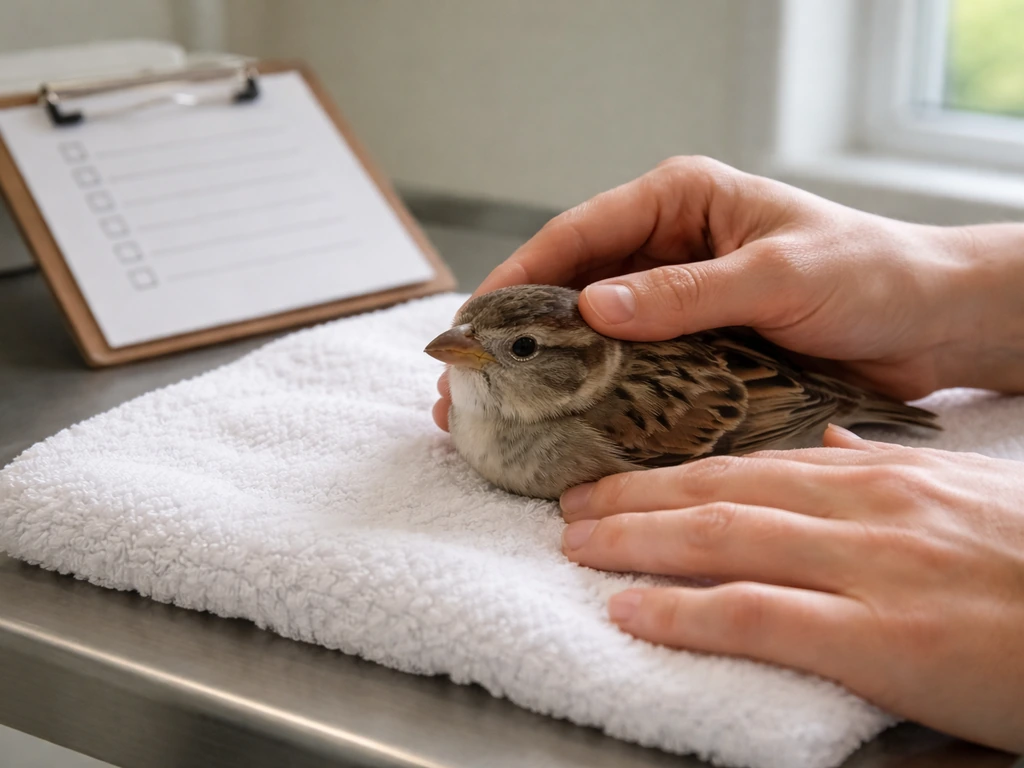
Wild birds found on the ground with head tilt or inability to fly may have hit a window (trauma), have West Nile virus, or be suffering from toxin exposure. If you find a wild bird like this, note the location and any possible hazards nearby before touching it. Contact a licensed wildlife rehabilitator rather than attempting home treatment.
At home, keep a running note of the timeline: when symptoms started, whether they came on suddenly or gradually, whether they're getting worse, and whether anything changed in the environment in the 24-48 hours before (new products, temperature spikes, possible access to toxins). If you suspect heat exposure, note signs consistent with bird overheating symptoms so your avian vet can act quickly. This information is genuinely valuable to your vet.
What to Do Right Now: Isolate, Observe, and Decide
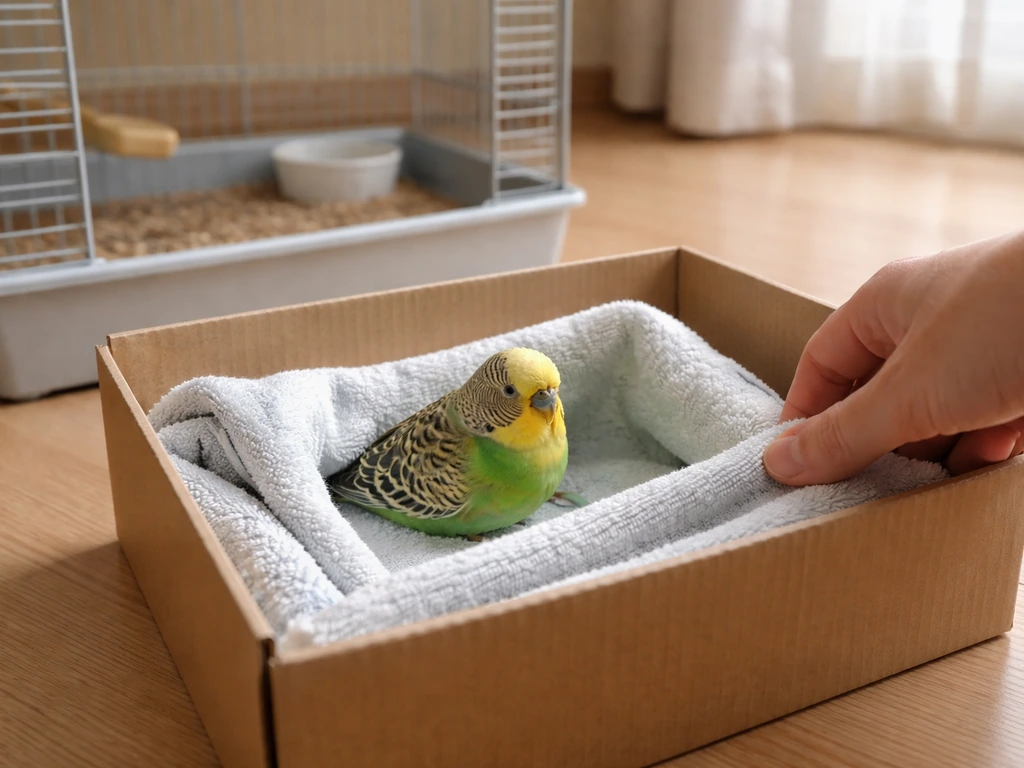
Immediate steps in the first few minutes
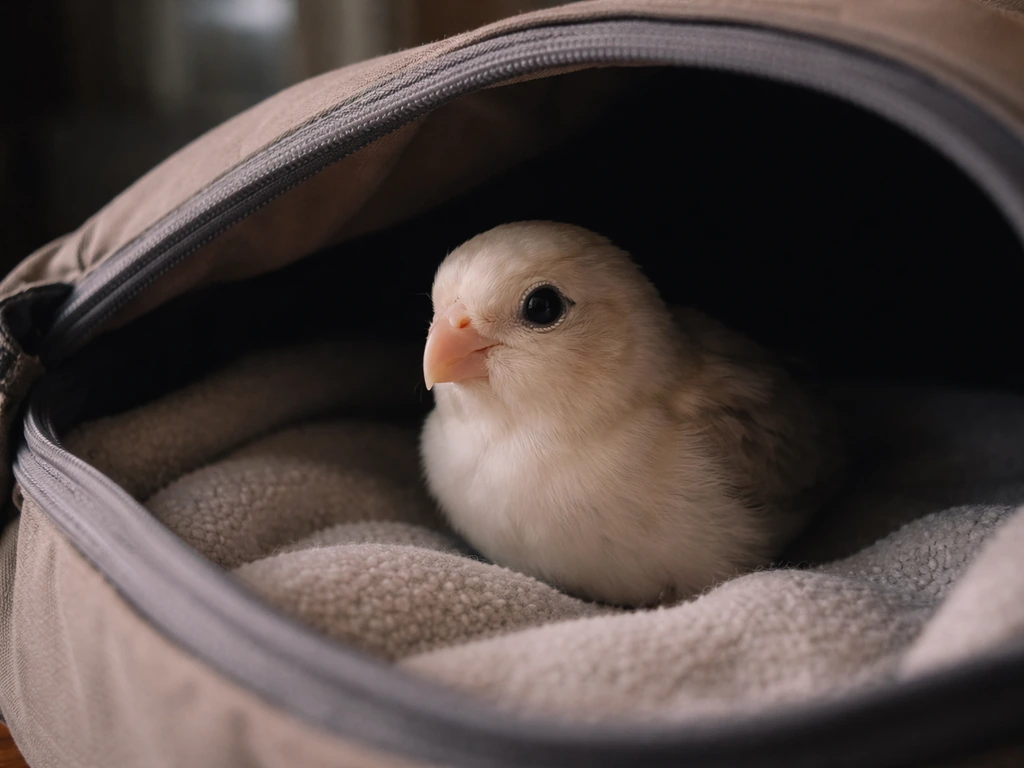
- Move the bird to a safe, low space. If it's falling or uncoordinated, bring it to the cage floor or a shallow box lined with a soft towel. Remove all high perches to prevent falls and further injury.
- Keep the environment warm and calm. A temperature around 85-90°F (29-32°C) supports a sick bird. Cover the cage or box on three sides to reduce stress and drafts.
- Separate it from other birds immediately. Stress from companions can worsen a neurologic episode, and some neurologic conditions have infectious causes that could affect other birds.
- Record a video on your phone. Even 30-60 seconds of footage showing the head tilt, tremors, or coordination problems is enormously helpful for an avian vet who wasn't there to witness it.
- Do not force food or water. An uncoordinated bird can aspirate (inhale) food or water into its lungs, which is dangerous. Offer water in a shallow dish it can reach without stretching, but don't syringe-feed unless you've been trained to do it.
- Check the environment fast. Look for signs of trauma (near a window?), possible toxin exposure (fresh paint, new cookware, candles, cleaners, accessible metals), or temperature extremes.
- Call an avian vet immediately. Don't wait to see if it improves on its own.
Go to an avian vet immediately if you see any of these
- Active seizure or convulsions
- Complete collapse or loss of consciousness
- Breathing that looks labored or distressed alongside neurologic signs
- Bleeding or obvious head trauma
- Symptoms that appeared suddenly and are getting worse, not stable
- The bird is a small species (finch, canary, budgie) with any acute neurologic sign
- The bird hasn't moved or responded to stimulation in more than a few minutes
Birds have very fast metabolisms. What looks like 'let's wait a few hours and see' with a dog or cat can mean life or death within that same window for a bird. Err on the side of going in, even if it turns out to be a less serious issue.
How a Vet Diagnoses a Neurologic Event in Birds
When you arrive, your avian vet will start by taking a detailed history: species, age, diet, environment, possible toxin exposure, vaccination status (for poultry), when symptoms started, and whether they came on suddenly or gradually. The more detail you have, the better.
The physical and neurologic exam will assess things like the bird's level of consciousness, posture, gait, coordination, head position, eye movements (including checking for nystagmus), muscle tone, and any asymmetry between the left and right sides of the body. Veterinarians use a structured neurologic evaluation that looks at balance, falling, weakness (paresis), head tilt, and abnormal eye findings, similar to what's used in other companion animals but adapted for avian anatomy.
From there, depending on what the exam shows, diagnostic workup may include:
- Blood work: complete blood count and chemistry panel to look for infection, organ dysfunction, or metabolic issues (like hypocalcemia in African Greys)
- Heavy metal testing: blood lead and zinc levels, especially if there's any possible exposure history
- Radiographs (X-rays): to identify internal masses, fractures, or metal foreign bodies
- Cultures or PCR testing: for Chlamydia (psittacosis), bacterial infection, or specific viral diseases
- Advanced imaging: CT or MRI if available, to look for brain lesions, tumors, or hemorrhage
- Cerebrospinal fluid analysis: in some cases, to assess for inflammation or infection in the central nervous system
Not every bird gets every test. Your vet will prioritize based on the most likely causes given your bird's history, species, and exam findings. The goal is to narrow it down so treatment can be targeted, because giving the wrong treatment (for example, giving steroids for an infectious cause) can make things worse. If your bird shows worsening neurologic or coordination issues, it's worth considering whether there are bird brown health problems related to diet, toxins, or underlying illness.
Treatment and Supportive Care: What Helps, What Doesn't
Definitive treatment depends entirely on the underlying cause. A bird with lead toxicity needs chelation therapy. A bird with a bacterial brain infection needs antibiotics. A bird with a true cerebrovascular stroke may need supportive care and time. Because the cause is often unknown at first, your vet will typically start with supportive care while diagnostic results come back.
Common supportive treatments your vet may use in-clinic include anti-seizure medications if seizures are present, fluid therapy for hydration and supportive metabolic function, vitamin supplementation (B1/thiamine, vitamin E, or calcium depending on suspected deficiency), anti-inflammatory medications, and assisted feeding if the bird can't eat on its own.
What you can safely do at home while waiting or recovering
- Keep the bird warm (85-90°F) in a quiet, low-stress environment
- Use a shallow water dish or wet greens to offer hydration without aspiration risk
- Remove all high perches and replace with low perches or a flat surface padded with a soft towel
- Reduce light and noise to minimize stimulation that could trigger seizures or stress
- Offer easy-to-eat foods appropriate for the species: soft fruits, mashed vegetables, or moistened pellets
- Follow your vet's specific instructions for any prescribed medications or supplements
- Keep a daily log of symptoms, eating, drinking, and droppings to share with your vet at follow-up visits
Don't attempt to give human medications, essential oils, herbal remedies, or supplements not recommended by your avian vet. Many things that seem harmless to humans are toxic to birds, and some can interfere with prescribed treatments. Because skin problems can also signal underlying toxins, infections, parasites, or nutritional imbalances, it is worth discussing all symptoms with your avian vet. If you're managing concurrent issues like bird stress symptoms, discuss with your vet how to address them without adding new exposures.
Prognosis, Recurrence, and How to Reduce Future Risk
Prognosis for a bird that has had a sudden neurologic episode varies a lot by cause. Birds that had a toxic exposure and were treated quickly can recover very well. Birds with nutritional deficiencies often improve significantly once the deficiency is corrected. Birds with true cerebrovascular events can sometimes recover partial or full function over weeks to months, though some permanent deficit is possible. Birds with brain tumors, advanced infections, or progressive viral diseases have more guarded outcomes.
Recurrence risk also depends on the cause. A one-time trauma event is unlikely to recur if you address the environmental hazard. A metabolic or nutritional issue can recur if diet isn't corrected. Cardiovascular risk factors, similar to concerns around bird heart attack symptoms, can make repeat vascular events more likely in older birds with underlying disease. If you are noticing signs that could point to bird heart attack symptoms, prompt vet care is still critical, even if the cause is uncertain.
Here are the most practical prevention steps based on what actually causes neurologic events in birds:
- Eliminate heavy metal exposure: audit the cage and environment for zinc-coated wire, lead paint, old pewter, or any metal items your bird chews on
- Never use non-stick (PTFE/polytetrafluoroethylene) cookware, self-cleaning ovens, or certain candles near birds. The fumes are acutely lethal and can also cause neurologic damage
- Feed a complete, species-appropriate diet. Seed-only diets are notoriously deficient in vitamin E, vitamin A, calcium, and B vitamins. Pellets, varied vegetables, and appropriate calcium sources (like cuttlebone for parrots) reduce deficiency risks significantly
- Keep birds away from fumes: cleaning products, air fresheners, paint, and smoke
- Bird-proof the flight zone. Cover windows and mirrors to prevent high-speed collisions, which cause traumatic brain injuries that look exactly like strokes
- Schedule annual well-bird exams with an avian vet. Many conditions that cause neurologic events (like hypocalcemia, early infections, or organ disease) can be caught before they reach crisis stage
- Manage environmental temperature carefully, especially in summer. Overheating can cause neurologic signs rapidly in birds, and managing the risk of bird overheating symptoms overlaps directly with stroke prevention
- For poultry and backyard birds, follow appropriate vaccination protocols and biosecurity measures for diseases like Marek's and Newcastle
The most important thing to take away: if your bird shows sudden neurologic signs, act fast. Birds don't have the luxury of a 'wait and see' window. Get to an avian vet, bring as much information as you can (video, timeline, environment notes), and let the diagnostics guide the treatment. You caught it. Now get moving.
FAQ
What should I document right away for bird stroke symptoms when I call or go to the avian vet?
Take short videos from the side and from above (showing head position, balance, and any eye movement). If possible, record the exact start time and whether the bird was normal before it happened. Bring any recent items added to the room or cage, including new toys, sprays, supplements, seed mixes, or plants.
Can I give my bird something at home if it seems like it’s having a stroke or seizure?
Do not give “leftover” seizure meds or any human medications. If the bird is seizing, avoid restraining its head or trying to put anything in the beak. Focus on keeping it warm, minimizing noise and handling, and preventing falls on the floor.
What’s the safest setup to keep a bird stable while traveling after bird stroke symptoms start?
If your bird is unable to stand, place a towel or non-slip surface under it and reduce climbing, so it cannot injure wings or legs. Keep the cage dim and calm, provide easy access to water, and if it cannot hold its body upright, prioritize keeping it warm until you reach the vet.
How do I tell whether bird stroke symptoms are sudden or gradual, and why does it matter?
Sudden onset is more typical of acute neurologic events, but gradual progression over days can still be infectious, nutritional, or tumor-related. Note both, because the vet will treat a gradually worsening pattern differently than a sudden “collapsed out of nowhere” pattern.
How can I distinguish bird heat stroke symptoms from other bird stroke symptoms quickly?
Yes, heat can mimic neurologic disease. Use a reliable thermometer to check room temperature, and think about triggers like direct sun, a space heater, a hot car, a recently changed thermostat, or poor ventilation. Mention any rapid panting, wing spreading, or extremely warm skin or feet.
Should I be checking my bird’s eyes for signs during bird stroke symptoms?
If your bird has eye signs like rapid involuntary eye movement (especially side to side) or abnormal gaze that does not match voluntary behavior, mention it. Nystagmus can help the vet localize where neurologic dysfunction is occurring.
Does one-sided weakness or head tilt always mean a real stroke?
It can. Birds can show neurologic problems from seizures, toxic exposure, infections, or metabolic disease, and sometimes a bird will look “paralyzed” on one side. Describe any asymmetry, such as one wing dragging more than the other, head tilt direction, or one side weaker than the other.
My bird type is a chicken, what should I know if I see head tremors and leg weakness?
If the bird is very young, ask your vet whether infectious neurologic conditions are a concern. For example, in young chickens, certain viruses can cause tremors and leg weakness that can look neurologic. The best next step is species-appropriate urgent evaluation, not home diagnosis.
What should I do if a wild bird shows bird stroke symptoms and can’t fly?
If you find a wild bird, do not handle it without protection and training. Note the location, time, weather conditions, and hazards nearby like dead insects, pesticides, oil, or a nearby roadway. Contact a licensed wildlife rehabilitator, since transport and improper attempts at care can worsen outcomes or create risk to you.
How likely is toxin exposure in bird stroke symptoms, and what household exposures should I think about?
Yes, but changes can be subtle. Common household triggers include lead from older paint or bullets, zinc or brass from some materials, certain non-stick cookware overheating, pesticides/rodent products, and essential oils or diffusers. Tell the vet exactly what could have been accessed or aerosolized in the last day or two.
If my bird has been eating poorly, can vitamin deficiency cause stroke-like signs, and can I supplement right away?
If you suspect nutritional deficiency, don’t “fix it” by adding large supplement doses on your own. Tell your vet what food your bird ate, any recent brand or formula changes, and whether it has had access to cuttlebone, calcium sources, or high-sun exposure, because the dosing and diagnosis depend on the suspected cause.
When are bird stroke symptoms urgent enough that I should not wait for a scheduled appointment?
Call your avian vet immediately if signs are worsening, new neurologic signs appear, or your bird cannot perch, coordinate, or swallow normally. Also treat recurrence after initial improvement as urgent, because some causes require ongoing prevention or confirmation of toxin or infection clearance.
What should I expect during the diagnostics for bird stroke symptoms, and how does my timeline affect it?
Most birds do not get a single “definitive” test immediately. Expect a workup plan that matches the exam, such as imaging or specific blood tests for metabolic issues or toxins. You can help by prioritizing fast travel and sharing the timeline and exposures, since those guide which tests are most urgent.
Next Article
Bird Heart Attack Symptoms: Signs, What to Do Now
Spot bird heart attack symptoms, act fast at home, and know vet-now signs to rule out clots, shock, and emergencies.