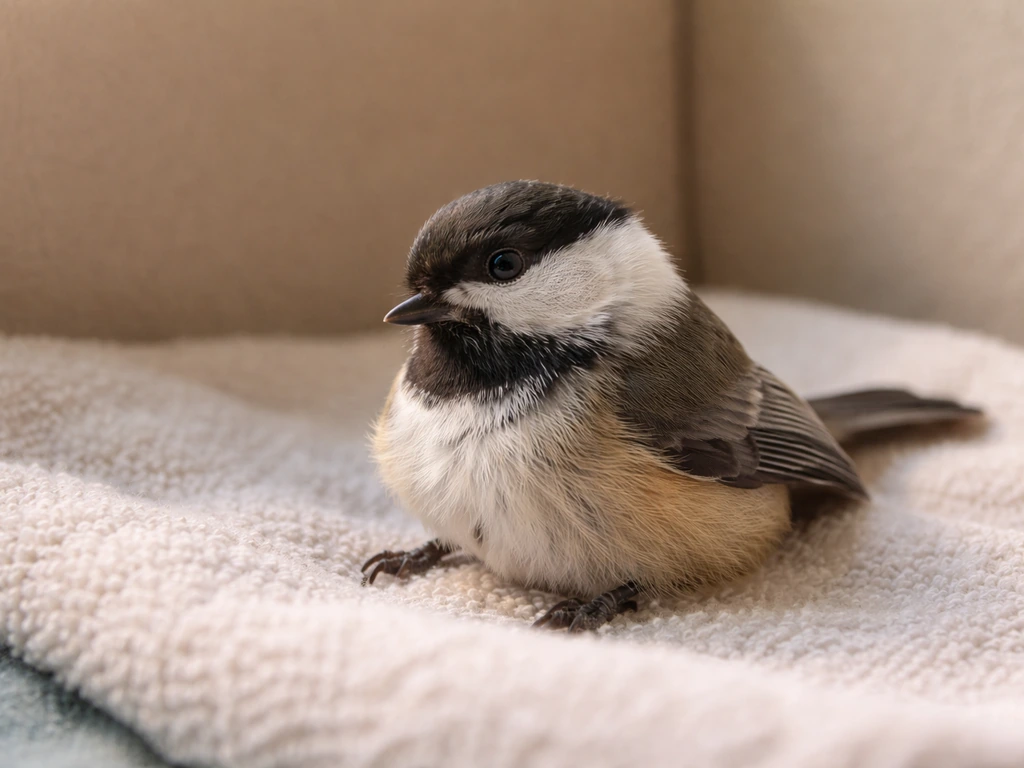
If your bird is tilting its head, falling off its perch, trembling, circling, or having seizures, you're likely dealing with a neurological problem. These signs mean something is affecting your bird's brain, spinal cord, nerves, or the systems that feed them. The cause could be a virus, a toxin, a nutritional gap, a parasite, or a physical injury. Some causes are treatable if you act fast. The most important thing you can do right now is get the bird somewhere safe, reduce stress, start documenting what you're seeing, and contact an avian vet as soon as possible.
Bird Neurological Problem: Symptoms, Causes, and What to Do

Marcus Webb
23 May 2026
How to tell if it's actually neurological
Birds hide illness well, so by the time you notice something is wrong, it's often already significant. Neurological signs in birds show up in predictable patterns. The most recognizable ones involve movement, balance, and coordination.
Balance and coordination problems are what most people notice first. This includes ataxia (wobbly, uncoordinated movement), circling in one direction, falling off the perch, rolling when trying to stand, and dysmetria (misjudging distances when moving). You might see the bird lean heavily to one side or be completely unable to right itself.
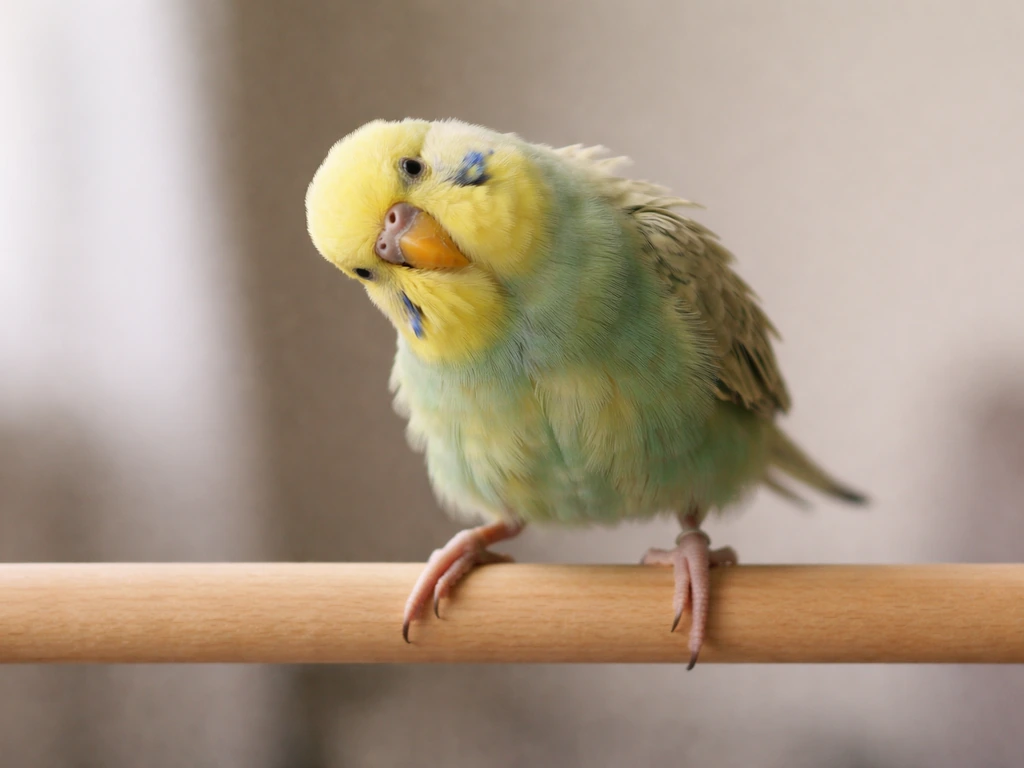
Head and eye signs are also very telling. A persistent head tilt (torticollis) where the bird holds its neck twisted or at a strange angle is a classic neurological finding. Nystagmus, where the eyes rapidly flick or jitter from side to side, is another. Opisthotonus is a more severe sign where the head and neck are thrown backward in a spasm-like posture.
Weakness and paralysis can look different from balance problems. You might see a bird sitting flat on the cage floor on its hocks instead of gripping the perch, dragging a wing, or being unable to use one or both legs. Fine tremors of the head, neck, or entire body are common in several neurological conditions.
Behavioral changes count too. A bird that suddenly seems mentally absent, unresponsive, or unusually aggressive can be showing early neurological signs. Blindness, where a bird bumps into objects or stops tracking movement, is a recognized neurological finding as well. Seizures, which can look like sudden collapse, paddling legs, rigid body posture, or loss of consciousness, are the most urgent presentation of all.
What actually causes neurological problems in birds
There's a long list of potential causes, but some are much more common than others. Knowing the realistic options helps you give your vet useful context and understand what tests might be needed.
Infectious diseases
Viruses are among the most serious causes. Avian bornavirus, which causes a condition sometimes called proventricular dilatation disease, can produce intention tremors, head tremors, seizures, and progressive paralysis. It tends to be a slow, worsening disease. West Nile virus, transmitted by mosquitoes, can cause ataxia, head tremors, blindness, seizures, and death in susceptible birds. It was first reported in US birds in 1999 and remains a real risk for birds with outdoor exposure.
Avian encephalomyelitis is a viral CNS disease with characteristic fine head and neck tremors, leg weakness progressing to birds sitting on their hocks, and eventual paralysis or recumbency. Exotic Newcastle disease is reportable and serious, causing muscular tremors, drooping wings, circling, twisted necks, and complete paralysis. Some birds die without showing any prior signs. Bacterial infections and Chlamydia psittaci (the organism behind psittacosis) can also cause neurological inflammation.
Toxins and heavy metals
Heavy metal poisoning, especially lead and zinc, is one of the most common causes of neurological signs in pet birds. Birds chew on things constantly, and the sources are everywhere in a typical home: lead paint, galvanized wire (zinc), costume jewelry, mirror backings, curtain weights, some bird toys, solder, and hardware cloth. Signs include ataxia, weakness, seizures, and blindness alongside vomiting, diarrhea, and depression. A blood lead level above 50 micrograms per deciliter is considered diagnostic.
Pesticide exposure is another major risk, especially for wild birds or birds in homes where chemicals are used. Organophosphates and carbamates can cause convulsions, tremors, paralysis, and lethargy after inhalation, skin contact, or ingestion of contaminated water. Anticoagulant rodenticides can cause neurological signs indirectly if bleeding occurs in or near the brain or spinal cord. Non-stick cookware fumes (PTFE toxicosis) can kill birds rapidly, though the primary presentation is respiratory rather than neurological.
Nutritional deficiencies

Thiamine (vitamin B1) deficiency is a classic cause of neurological disease in birds. It causes polyneuritis with signs like retraction of the head from neck muscle weakness or paralysis. This is more common in birds eating monotonous seed-only diets or in fish-eating birds where raw fish interferes with thiamine absorption. Vitamin E deficiency has also been linked to ataxia and muscular problems. Hypocalcemia (low blood calcium) can cause tremors, ataxia, and seizures, and is seen in birds on poor diets or in egg-laying females. Hypoglycemia (low blood sugar) can produce similar neurological signs and is worth ruling out with basic bloodwork.
Parasites
Cerebrospinal nematodiasis, caused by Baylisascaris larvae migrating through the brain, is a devastating parasitic cause of neurological signs in birds. It requires exposure to raccoon or skunk feces. In one documented outbreak, 97% of affected cockatiels showed neurological signs including ataxia, lateral recumbency, opisthotonus, and torticollis. It is almost always fatal once established, which is why preventing exposure to wild animal feces is critical.
Trauma and other physical causes
Head injuries from flying into windows, walls, or from attacks by other animals can cause immediate neurological signs. Birds showing neurological symptoms after a trauma event may be dealing with concussion, hemorrhage, or spinal damage. Vascular events, degenerative conditions, and inner ear disease (which mimics neurological balance problems) round out the realistic differential list. The MSD Veterinary Manual notes that neurologic disease differentials in pet birds can include blank" rel="noopener noreferrer">vascular, inflammatory, degenerative conditions, and infectious causes, which helps explain why systemic illness can produce neurologic-type signs. Related injury-based presentations like bird head injury symptoms and bird trauma symptoms share overlapping signs with neurological disease and can be hard to distinguish without a vet exam. Related injury-based presentations like bird head injury symptoms and bird trauma symptoms share overlapping signs with neurological disease and can be hard to distinguish without a vet exam. Bird trauma symptoms can overlap with other neurological problems, so a veterinary exam is important when signs persist or worsen.
Red flags that mean go to the vet now
Not every wobble is an emergency, but certain signs mean you need to act immediately and not wait to see if the bird improves on its own. Bird internal bleeding can cause sudden neurological symptoms, so treating it quickly with an avian vet is critical go to the vet now.
- Active seizures or repeated seizure episodes
- Complete inability to stand or right itself (total recumbency)
- Opisthotonus (head/neck thrown backward in a spasm)
- Rapid deterioration over minutes or hours
- Sudden blindness alongside other neurological signs
- Labored or open-mouth breathing alongside neurological signs
- Suspected toxin exposure (known access to heavy metals, pesticides, or chemicals)
- Multiple birds showing signs simultaneously (suggests infectious or environmental cause)
- Bird found collapsed, having hit a window or been caught by another animal
- Signs of internal bleeding such as pale or bluish mucous membranes
Neurological signs that come on suddenly, especially after a suspected toxic exposure or trauma, are more likely to be reversible if treated quickly. Progressive signs that have been building over days or weeks are often harder to treat but still need a diagnosis. When in doubt, call an avian vet or emergency exotic animal clinic and describe what you're seeing. Let them help you triage over the phone.
What to do at home right now
Your goal at home is to stabilize the bird and gather information without making things worse. You cannot treat a neurological problem at home, but you can significantly affect whether the bird survives long enough to get proper care.
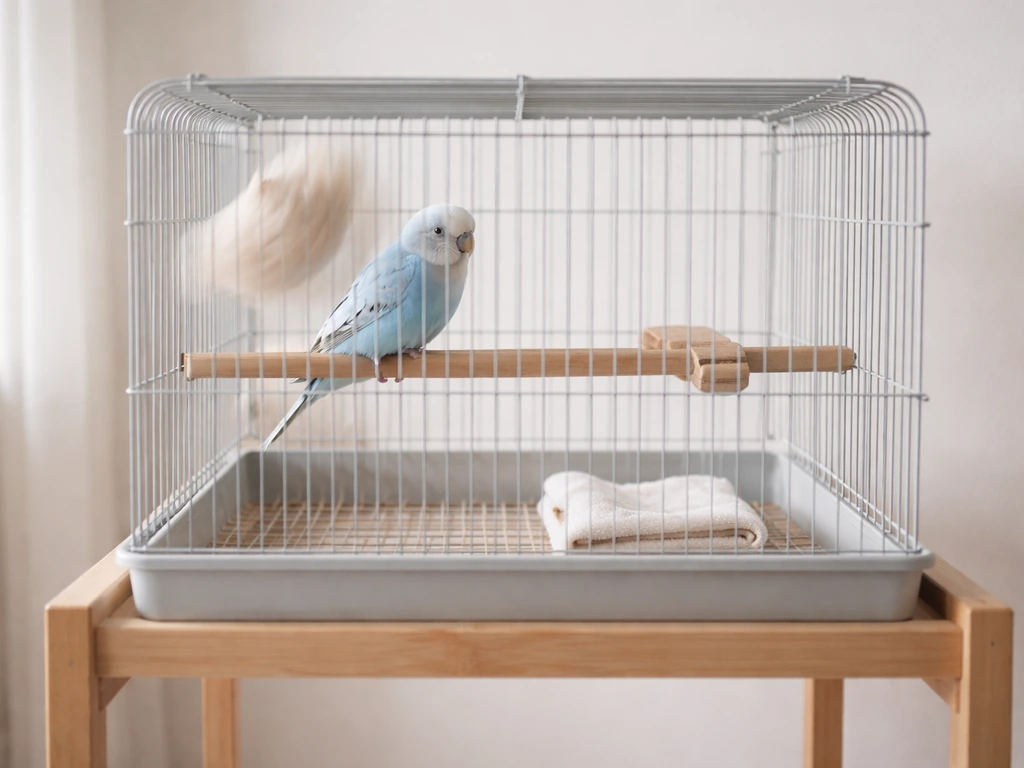
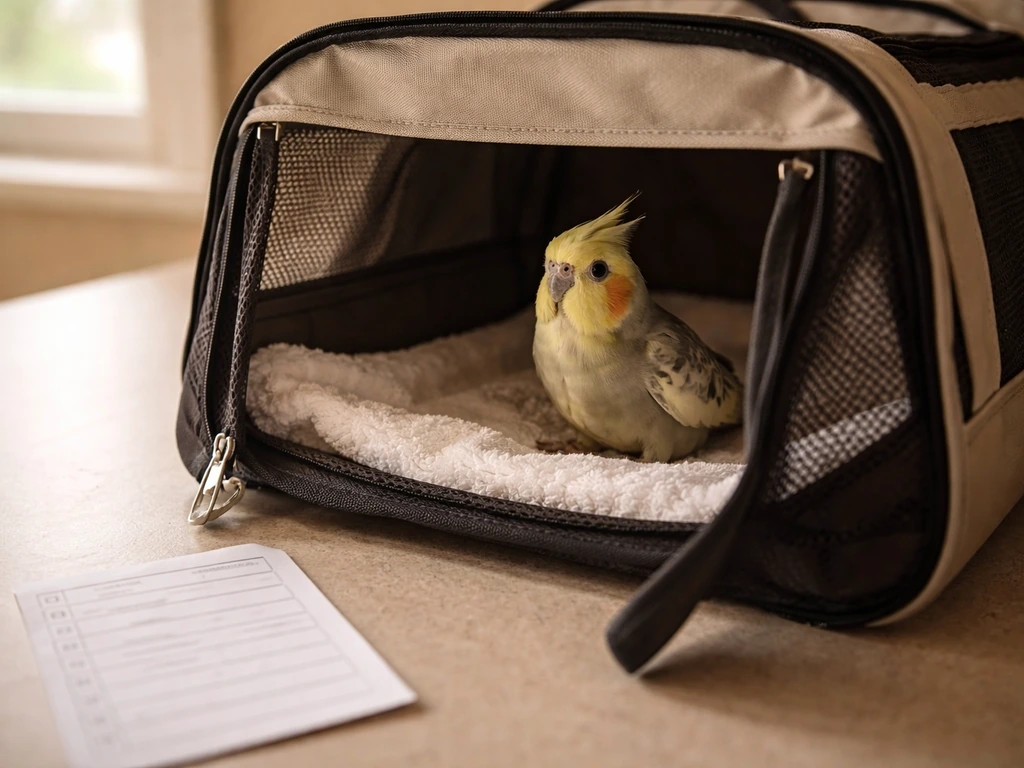
- Move the bird to a small, padded enclosure. A shoebox or small carrier lined with a soft towel works. Remove perches entirely so the bird can't fall and injure itself. Keep the space warm (around 85-90°F or 29-32°C if the bird seems cold or lethargic).
- Minimize handling and stress. Birds in a neurological crisis can go into shock from excessive stimulation. Cover the enclosure lightly with a cloth to reduce light and visual stimulation. Keep the environment quiet.
- Check the bird's immediate environment for toxin sources. Look for chewed metal items, paint, galvanized wire, plants, or any chemical products nearby. If you find something, don't clean it up yet. Your vet needs to know what it was.
- Do not offer food or water if the bird is having seizures or cannot swallow properly. Aspiration is a real risk. If the bird is alert and able to swallow, plain water is fine. Do not offer supplements, vitamins, or medications without veterinary guidance.
- Start documenting everything immediately. The information you record in the next hour is genuinely valuable for diagnosis.
What to document before you get to the vet
- Exact signs you're seeing: head tilt direction, which limb is affected, whether both sides are involved, eye movements
- When you first noticed something wrong and whether it came on suddenly or gradually
- Video footage on your phone if you can safely capture it without stressing the bird
- Any changes in the environment in the last 24-72 hours: new toys, cleaned the cage with a new product, painted a room, used non-stick cookware, applied pesticide
- Diet history: what the bird has been eating, how long it's been on that diet
- Any potential access to chewable metal objects
- Vaccination history and whether the bird has been around other birds recently
- Whether any other birds in the same space are showing similar signs
What the vet will do and what the results mean
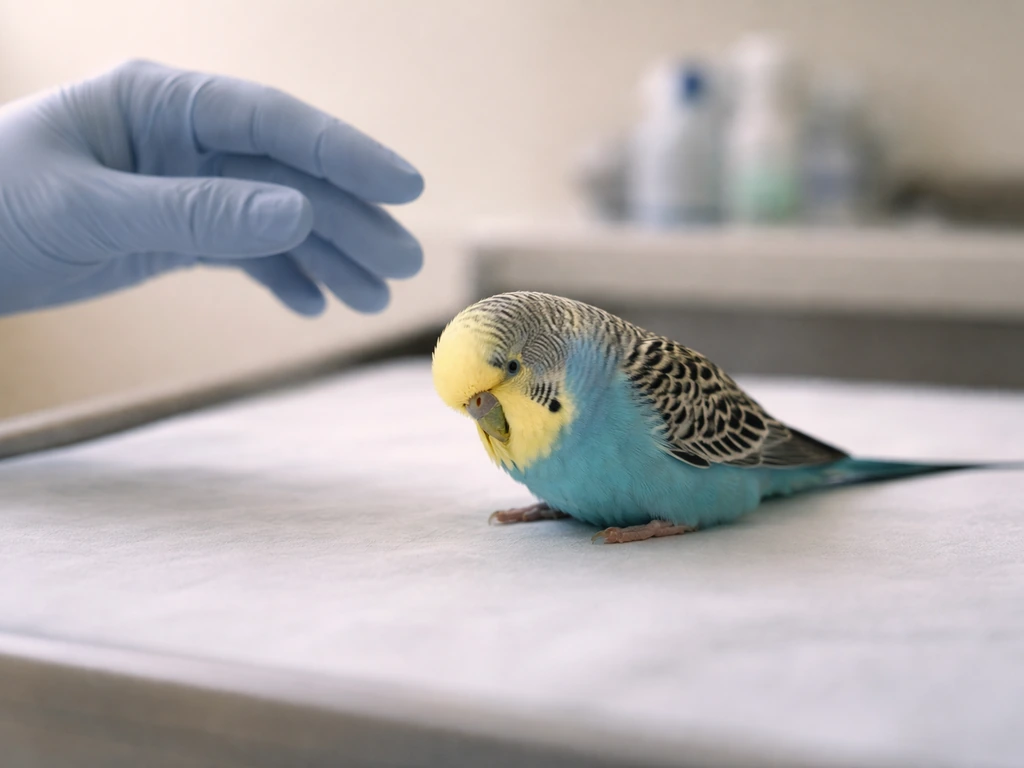
A good avian vet will start with a structured neurological examination: assessing the bird's mental status, posture, head and eye position, cranial nerve function, and gait. They'll document findings like head tilt direction, nystagmus type, whether paresis is symmetric or one-sided, and proprioceptive responses. This exam helps localize where in the nervous system the problem is, which narrows the list of causes significantly.
From there, the diagnostic workup typically includes several layers depending on the presentation and suspected cause.
| Diagnostic Test | What It Looks For | When It's Most Useful |
|---|---|---|
| Complete blood count and biochemistry panel | Infection, organ dysfunction, electrolyte imbalance, low glucose or calcium | All neurological presentations as a starting point |
| Blood lead and zinc levels | Heavy metal toxicosis | Any bird with access to metal objects, or unexplained ataxia/seizures |
| Radiographs (X-rays) | Metal fragments in the GI tract, organ changes, fractures | Suspected heavy metal ingestion or trauma; absence of visible metal doesn't rule out toxicosis |
| Infectious disease testing (PCR, serology) | Avian bornavirus, West Nile virus, Newcastle disease, Chlamydia psittaci, others | When infectious cause is suspected, multiple birds affected, or wild bird exposure |
| CT or MRI (where available) | Brain lesions, hemorrhage, tumors, structural abnormalities | When initial tests don't explain the signs or in advanced workups |
| CSF (cerebrospinal fluid) analysis | CNS inflammation, infection, or parasitic migration | When CNS disease is strongly suspected and other tests are inconclusive |
| Fecal examination | Parasites, Baylisascaris exposure context | Birds with outdoor exposure or access to wild animal feces |
If blood lead comes back above 50 micrograms per deciliter, lead toxicosis is the diagnosis and treatment begins immediately. If blood calcium is low, hypocalcemia becomes the working diagnosis. If infectious markers are positive, the specific pathogen shapes the treatment plan. In some cases, especially with suspected Baylisascaris or avian bornavirus, the clinical picture alongside exposure history and test results together point toward the diagnosis rather than a single definitive test.
Treatment options and what to realistically expect
Recovery depends heavily on the cause, how early treatment starts, and the severity of signs by the time a vet sees the bird. Here's an honest breakdown by category.
Heavy metal toxicosis
This is one of the more treatable causes if caught in time. Chelation therapy (commonly using calcium EDTA or DMSA) pulls metals out of the body. Supportive care including fluids, oxygen, and anti-seizure medications may be needed alongside it. The clinical indicator of improvement is the serum lead level dropping below 20 micrograms per deciliter. Birds that receive treatment before severe organ damage sets in have a reasonable recovery prognosis.
Nutritional deficiencies
Thiamine and vitamin E deficiencies are often reversible with appropriate supplementation and diet correction, especially if caught early. Hypocalcemia responds well to calcium supplementation. These cases tend to have good outcomes when the underlying dietary problem is addressed at the same time as the acute signs.
Viral infections
There are no specific antiviral drugs for most avian neurological viruses. Treatment is supportive: anti-inflammatories, anti-seizure medications, nutrition support, and nursing care. West Nile and avian encephalomyelitis cases that aren't too severe may stabilize and partially recover. Avian bornavirus (PDD) is a progressive condition and while some birds live for extended periods with supportive care, there is no cure. Newcastle disease, if it's the exotic form, is a reportable disease and your vet is legally obligated to notify authorities.
Parasitic (Baylisascaris)
Cerebrospinal nematodiasis caused by Baylisascaris is almost always fatal in birds. Anthelmintic treatment doesn't reliably remove larvae from the CNS, and the physical damage from migrating larvae is typically irreversible. The emphasis for this condition is entirely on prevention.
Trauma and head injury
Birds that have suffered head injuries or concussions may recover significantly with time, rest, anti-inflammatory medication, and supportive care. The prognosis depends on the severity of the impact and whether there is hemorrhage or permanent structural damage. Some birds showing bird shock symptoms or bird internal bleeding symptoms alongside neurological signs after trauma have a more guarded prognosis, but many do recover with proper care.
Pesticide poisoning
Organophosphate and carbamate toxicity can be treated with atropine and supportive care if caught quickly. The window for effective treatment is narrow. Wild birds found after pesticide exposure often have severe systemic involvement and the prognosis is frequently poor.
How to prevent neurological problems in birds
For pet birds
Diet is one of the biggest preventable risk factors. A seed-only diet is nutritionally incomplete and sets birds up for thiamine deficiency, vitamin E deficiency, and calcium imbalances over time. Moving to a balanced pelleted diet as the base, supplemented with fresh vegetables and appropriate foods for the species, dramatically reduces nutritional neurological risk.
Do a metal audit of your bird's environment. Remove or cover galvanized wire and replace it with stainless steel. Check toys, cage hardware, and cage coatings. Keep the bird away from areas with old paint, solder, costume jewelry, and curtain weights. Never use non-stick cookware in a kitchen where a bird has air access.
Quarantine all new birds for at least 30 days before introducing them to existing birds. This is the single most effective biosecurity step for preventing infectious disease spread. Use separate food and water dishes, and wash your hands between handling different birds. Clean and disinfect cages regularly with bird-safe disinfectants.
Avoid using pesticides, aerosol sprays, scented candles, air fresheners, and cleaning products near birds. Their respiratory systems are extremely sensitive and chemical exposure can cause or contribute to neurological damage.
For wild birds and outdoor aviaries
Prevent access to areas where raccoons, skunks, or other wildlife defecate. Baylisascaris larvae from raccoon feces can survive in soil for years and are a genuine threat to outdoor aviaries. Clean up droppings promptly and disinfect surfaces. If you find a sick wild bird with neurological signs, handle it with gloves and ideally a mask, as some avian diseases including Chlamydia psittaci can be transmitted to humans. Contact a licensed wildlife rehabilitator rather than attempting home treatment for wild birds.
Mosquito control around outdoor aviaries reduces West Nile virus risk. Eliminate standing water, use screens where possible, and consider your vet's advice on any available vaccination options for species where they exist. Regular fecal exams and health checkups from an avian vet are worth scheduling once or twice a year, even when your bird seems healthy, because many of the conditions that eventually cause neurological signs build silently over time.
FAQ
What should I document at home so the avian vet can narrow down the bird neurological problem fast?
Start a brief log immediately, note the exact time symptoms began, and collect video from the same angle each time (wobble, head tilt direction, ability to stand, eye flicking). Also note any recent exposures from the last 48 hours, including new toys, cleaning products, household chemicals, outdoor plants, pests control, storms with mosquitoes, and any chewing on metal objects.
Can I give my bird any over-the-counter or human medication if it seems like a seizure or tremor?
Do not give human anti-seizure or pain medicines, and avoid sedating the bird unless an avian vet specifically directs it. Sedatives can mask worsening balance and breathing issues, and dosing errors are common because bird weights and drug sensitivities vary widely by species.
What is the safest at-home setup while waiting to reach an avian emergency clinic?
Yes, but only if you can keep the bird warm and safe without forcing movement. Place the bird in a low-sided carrier or box lined with non-slip material, dim the lights, offer water safely (like a shallow dish nearby), and avoid handling that increases stress. If the bird is actively seizing or cannot swallow reliably, focus on stability and transport rather than attempting feeding.
What should I do immediately if I think the bird neurological problem is from a toxin?
If you suspect toxicity, stop the possible source right away, ventilate the area if fumes are involved, and remove contaminated food or chew items. Do not try to “detox” with home remedies like activated charcoal, vinegar, or excessive fluids, because they can worsen aspiration risk or delay proper antidotes and bloodwork.
Is it ever safe to keep cooking with non-stick cookware if my bird develops neurological signs?
Remove it. PTFE or “non-stick” fumes can be rapidly fatal, and even low exposure can cause severe illness before neurological signs are obvious. Move the bird to a different, ventilated room or outdoors with safe airflow and then avoid using non-stick cookware entirely while the bird has air access.
How do I decide whether wobbling or head tilt is an emergency versus something I can watch overnight?
Do a quick “one-question triage” for urgency: are the signs sudden (minutes to a few hours), are they progressing, is the bird not able to perch or stand, or are there seizures or loss of consciousness? If any are yes, treat it as an emergency and transport to an avian-capable facility as soon as possible.
Could this be inner-ear disease or a concussion instead of a bird neurological problem?
Yes. Some inner-ear disorders look like neurological balance problems, and post-trauma concussion can mimic a nervous-system issue. The practical way to sort it out is by timing and context, plus a vet neuro exam, since only a clinician can check things like neurologic reflexes, proprioception, and whether eye findings fit peripheral versus central causes.
What tests should I ask for first when the cause of the bird neurological problem is unclear?
For likely lead exposure, ask your vet whether they want a blood lead level and what sample timing they prefer, since levels reflect recent exposure and can lag behind symptoms. For toxins and metabolic issues, ask what baseline labs they will run first (often bloodwork plus glucose and calcium) before specialized infectious testing.
How can I reduce the risk of injury if my bird keeps falling or rolling?
If the bird is tilting, circling, or wobbling, do not place it where it can fall onto hard surfaces. Use a padded, non-slip surface, limit height exposure, and avoid forcing it to climb. For birds that cannot right themselves, reposition gently only if needed for breathing comfort, and transport promptly.
What specific household items are the most common hidden causes of neurological signs in pet birds?
With indoor birds, it often helps to separate “symptoms now” from “environment changes.” Focus your checklist on metal chew sources (galvanized wire, hardware, solder, curtain weights, some toys), paint and renovation dates, pest control or rodent bait use, and any aerosol or scented products used near the cage.
If I have multiple birds, how should I quarantine or separate them when one shows neurological symptoms?
Quarantine procedures matter, but for nervous-system outbreaks the goal is also to protect staff from human risk. Use separate food and water dishes, dedicated cleaning tools, handle your sick bird last, and wash hands and change outer gloves or sleeves between birds. If you suspect Chlamydia psittaci from a sick bird history or exposure, follow a veterinarian or public health guidance for PPE.
What are the most important prevention steps for Baylisascaris and other wildlife-linked neurological causes?
If you have any ongoing wildlife contact, reduce risk even before the diagnosis. Keep the bird indoors, prevent access to raccoon or skunk feces, and do not let bedding or soil be accessible to the bird’s enclosure. For outdoor aviaries, prompt droppings removal and soil management are key because Baylisascaris larvae can persist.
Next Article
Bird Head Injury Symptoms: What to Check and Next Steps
Spot bird head injury symptoms fast with safe checks, first aid, red flags, and clear next steps for vets