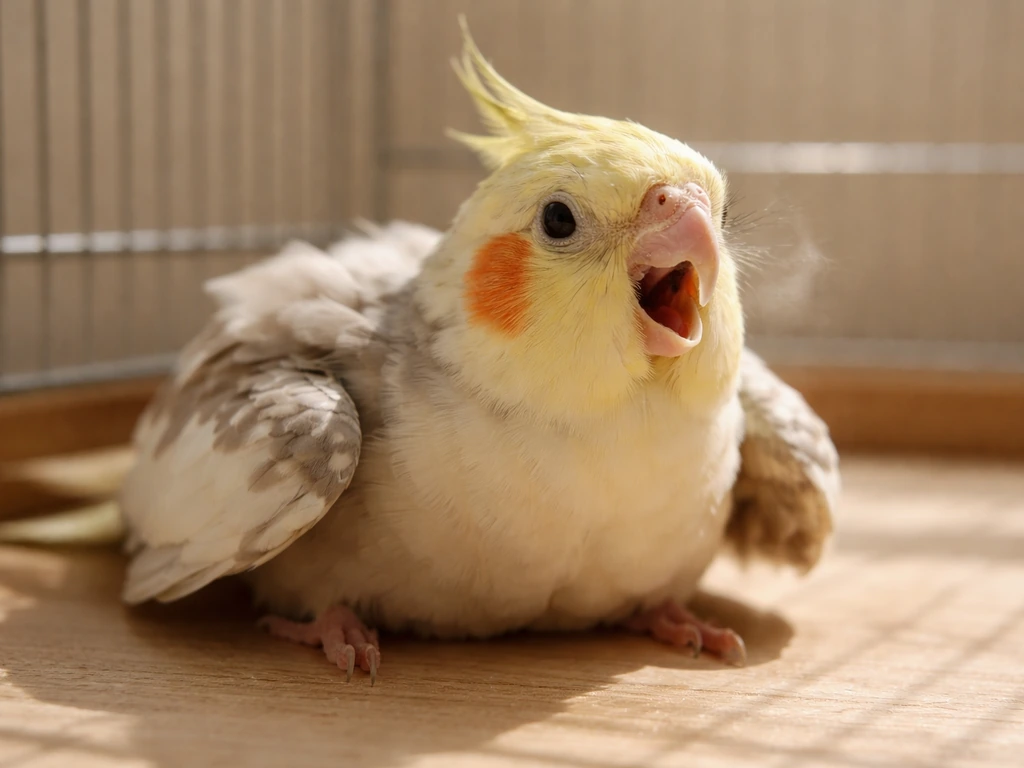
The earliest signs of a bird overheating are open-mouth breathing, panting, and holding the wings slightly away from the body. If you see those together, especially on a warm day, your bird is already struggling. Act within minutes, not hours, because birds can slide from overheating into full heatstroke faster than most people expect.
Bird Overheating Symptoms: Early Signs and First Aid

Marcus Webb
22 May 2026
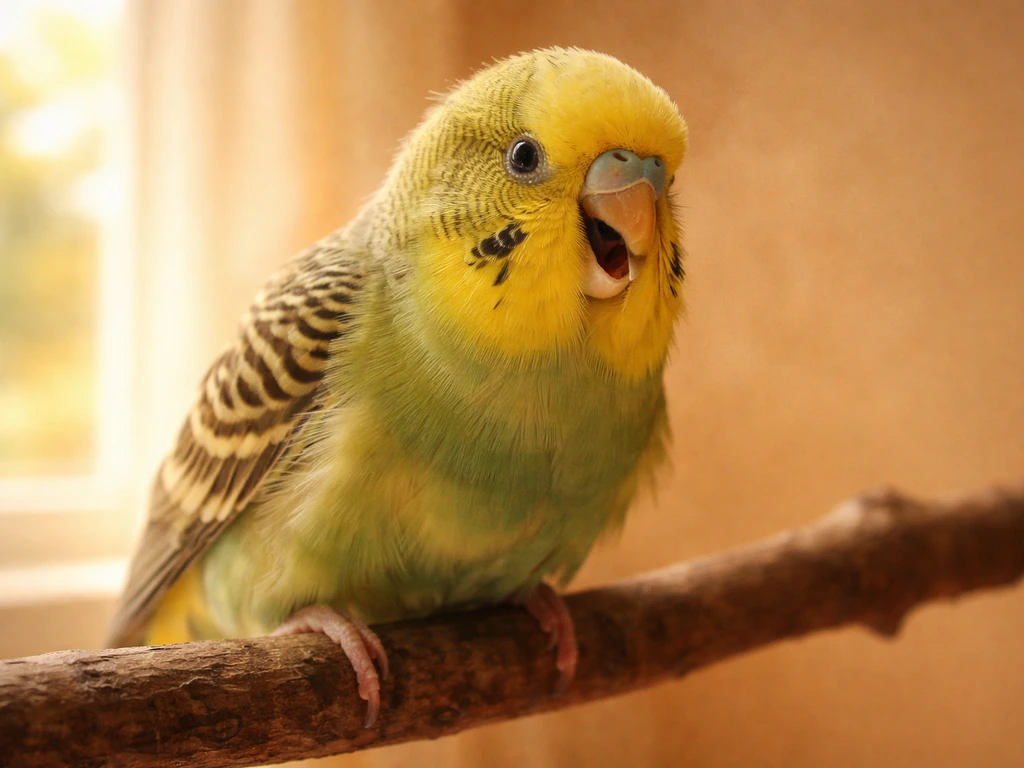
What overheating looks like the moment it starts
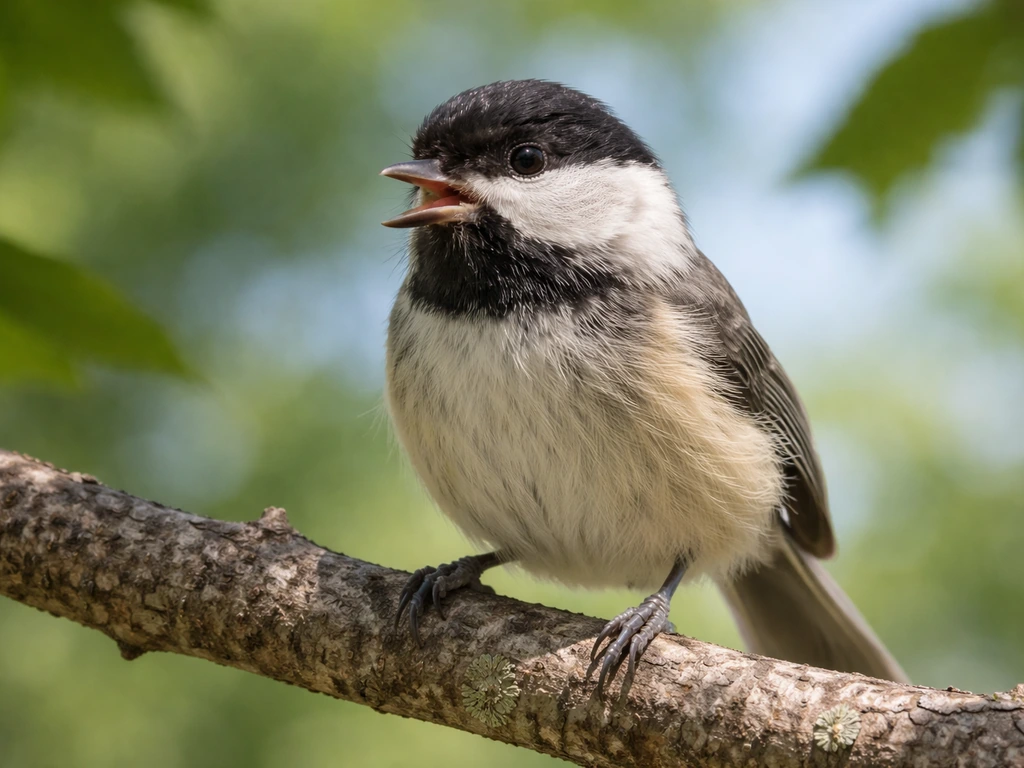
Birds cannot sweat. They lose heat through their respiratory system and through bare skin patches like the legs and feet. When that system gets overwhelmed, the signs show up in their breathing and posture first.
Watch for the beak opening. A bird breathing with its beak open is already working hard to dump heat. You may also see the throat membrane pulsing rapidly, which is called gular flutter. That rapid throat vibration is the bird's version of panting, and it is a direct attempt to use evaporative cooling. At the same time, look at the wings. A bird that is too warm will hold its wings slightly drooped and away from its sides to let air reach the skin underneath. The legs may also be spread slightly wider than normal.
Behaviorally, the bird may become unusually still or stop vocalizing. It might shift restlessly between perches without settling, or it may just sit low on a perch looking dull. These quiet, easy-to-miss signals matter because birds are wired to hide how bad they feel, so by the time something looks obviously wrong, the situation is often already serious.
Early overheating vs. heatstroke: how to tell the difference
Overheating and heatstroke are not the same thing. Overheating means the bird is hot and struggling to regulate its temperature, but its cooling mechanisms are still working. Heatstroke is what happens when those mechanisms fail entirely. The body temperature climbs to a dangerous level and the bird cannot bring it back down on its own. That distinction matters because heatstroke is a medical emergency that often requires a vet, while early overheating can sometimes be addressed with prompt first aid at home.
| Symptom | Early Overheating | Heatstroke |
|---|---|---|
| Breathing | Open-mouth breathing, panting, gular flutter | Labored, rapid, or gasping; may be audible |
| Posture | Wings slightly drooped and spread from body | Extreme weakness, inability to perch, collapse |
| Alertness | Quieter than normal, mildly lethargic | Disoriented, unresponsive, or semi-conscious |
| Movement | Restless or slowing down | Ataxia (wobbling), falling off perch, seizure-like |
| Eating/drinking | May reduce interest | Complete refusal, unable to swallow |
| Recovery with cooling | Usually improves within a few minutes | Does not improve; may worsen despite cooling attempts |
If your bird is still alert, responding to you, and showing only the early column of signs, you have a window to act at home while keeping a vet on standby. If it has crossed into the heatstroke column, especially if it cannot perch or is unresponsive, get to an avian vet immediately. Do not wait to see if it improves.
Warning signs broken down by body system
Breathing and respiratory signs
Open-mouth breathing is the most visible early sign. Pair that with visible throat movement (gular flutter) and you are looking at a bird actively trying to cool itself through evaporation. blank" rel="noopener noreferrer">Any labored breathing, audible clicking or wheezing, or a bird stretching its neck to breathe should be treated as urgent. If you notice these signs, treat them as bird stroke symptoms until a vet rules out a different neurological cause. Open-mouth breathing in a bird is never normal the way it can be in a panting dog. It always signals something is wrong.
Lethargy and neurological signs
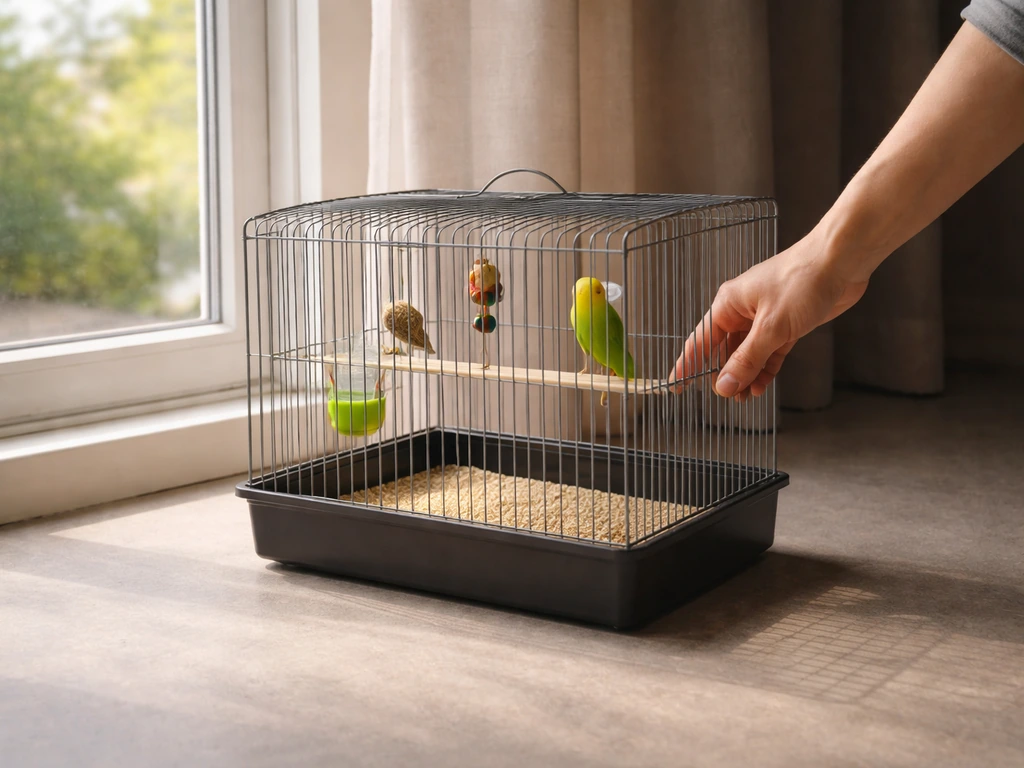
A bird that is overheating will often go quiet before anything else changes. It stops singing or talking, sits low on the perch with fluffed feathers, or closes its eyes during the day. As things worsen, lethargy deepens into visible weakness: the grip on the perch loosens, the bird sways, or it drops to the cage floor. Severe lethargy combined with loss of coordination is a sign the brain is being affected by the heat, and that is a critical emergency. This level of neurological involvement also appears in bird stroke symptoms and bird heart attack symptoms, so distinguishing the cause matters for proper treatment.
Skin, feather, and physical appearance changes
A hot bird may hold its feathers slightly away from its body rather than sleeked down or puffed up. This is the bird trying to release trapped heat. The skin on the legs and feet may appear redder or feel warmer than usual. Bird skin problems can also show up as redness or irritated areas, especially on the legs and feet. In severe cases, the bird may stop preening entirely and the feathers may look disheveled. Stress-related feather changes are worth watching for as a secondary symptom, since prolonged heat stress can sometimes connect to broader bird stress symptoms.
First aid: how to cool your bird safely right now
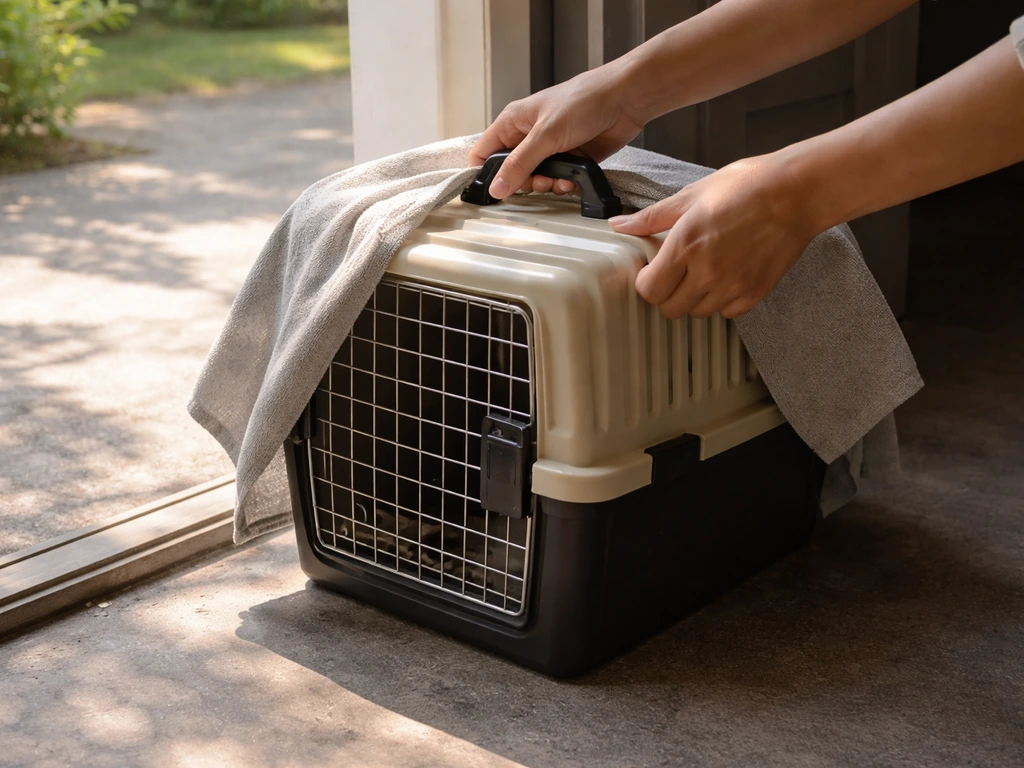
- Move the bird immediately to a cooler environment. Get it out of direct sunlight and away from heat sources. An air-conditioned room set to a comfortable temperature, around 70 to 75°F (21 to 24°C), is ideal.
- Mist the bird lightly with room-temperature water using a fine spray bottle. Focus on the body and under the wings by gently lifting them. The goal is evaporation, not soaking. Do not use cold or icy water.
- Place a fan nearby to help the misted water evaporate faster. This speeds up the cooling effect. Do not blast the bird directly with cold air from an air conditioner.
- Offer small amounts of cool (not cold) fresh water to drink. Do not force it. Just make it available and let the bird drink on its own if it is alert enough.
- Keep the bird calm and quiet. Handling stress adds to the problem. If the bird is alert, place it in a familiar, low-stress spot and observe closely.
- Watch for improvement within 10 minutes. If the bird is not clearly improving, that is your cue to call or head to an avian vet immediately.
Cooling should be gradual. If you suspect heatstroke, AAHA recommends spraying with cool (not cold) water and immediately bringing the pet to an emergency clinic spraying with cool (not cold) water and immediately bring the pet to an emergency clinic. The goal is to bring the bird's temperature down steadily, not rapidly. A bird that cools too fast can go into shock, which is just as dangerous as overheating.
What not to do when cooling a bird
Some well-intentioned first-aid moves can actually make things worse. Here is what to avoid.
- Do not use ice or ice-cold water. Cold water causes the blood vessels at the skin surface to constrict, which traps heat inside the body and can send the bird into shock.
- Do not submerge the bird in water. Full submersion is stressful, dangerous, and unnecessary. Light misting is enough.
- Do not hold the bird tightly for extended periods. Restraint raises stress hormones and body temperature. Handle as little as possible.
- Do not place the bird in front of a direct blast of cold air conditioning. Rapid temperature drops are just as harmful as the heat itself.
- Do not force water into the beak. A bird in severe distress may aspirate liquid into the lungs. Offer water, do not force it.
- Do not assume it is fine once the bird looks better. Internal effects of overheating can linger, and a bird that appears to recover may still need a vet check within 24 hours.
How to judge severity and decide when to call the vet
The 10-minute rule is a useful benchmark. Start first aid immediately and watch the clock. If the bird is not noticeably improving within 10 minutes of cooling efforts, call an avian vet or head to an emergency clinic. Do not keep waiting at home hoping it turns around.
Call a vet immediately, without waiting, if you see any of these signs:
- The bird cannot hold itself upright on a perch
- It is unresponsive or semi-conscious
- Breathing is labored, gasping, or audible
- The bird falls to the cage floor and cannot get up
- It shows any seizure-like movements or complete muscle weakness
- It has not eaten or drunk anything and is visibly weak
Birds are masters at hiding illness. By the time the signs look severe, the bird has often been struggling for longer than it appeared. This is a well-documented pattern in avian medicine, and it means erring on the side of calling the vet early is almost always the right call. An avian vet can assess whether internal organ stress or secondary complications, like those seen with bird heat stroke symptoms at their most severe, have developed.
If you are unsure whether what you are seeing is heat-related or something else entirely, such as a cardiac or neurological event, describe the full picture to your vet over the phone. The context (hot day, direct sun exposure, high cage temperature) will help them triage your call accurately.
Aftercare and keeping your bird safe on hot days
After an overheating episode
Even if your bird recovered quickly, monitor it closely for at least 24 to 48 hours. Watch for reduced appetite, unusual quiet, changes in droppings, or any return of breathing abnormalities. These can indicate that the heat event caused more strain than it looked like on the surface. Brown-colored birds can develop health problems during heat stress, so keep an eye on skin, breathing, and energy levels after any overheating episode bird brown health problems. A follow-up vet check is worthwhile, especially after a severe episode.
Keep the bird in a comfortable, consistently cool environment during recovery. Avoid putting it back in any area where it overheated until you have addressed the root cause.
Preventing overheating during heat waves
- Keep cages out of direct sunlight, including near windows that get afternoon sun. Glass amplifies heat significantly.
- Maintain indoor temperatures below 85°F (29°C) for most pet bird species. Many tropical birds handle warmth well, but sustained temperatures above that range are risky.
- Provide fresh, cool water at least twice daily during hot weather. Dehydration accelerates heat stress.
- Offer a shallow dish of room-temperature water for bathing. Many birds will use it instinctively to cool down.
- Use a fan to keep air circulating in the bird's space, but avoid directing it straight at the bird.
- Never leave a bird in a car, sunroom, or enclosed patio during warm weather, even briefly.
- Check in more frequently on hot days. A bird that seemed fine at 10am may be struggling by 2pm if the room heats up.
Prevention is mostly about managing the environment before the bird shows symptoms. Once you have seen a bird overheat once, it tends to stick with you. The signs happen fast, and it is a lot easier to keep the cage cool than to manage a crisis mid-afternoon on the hottest day of the year.
FAQ
Can a bird ever open its beak to breathe for reasons other than overheating?
No. Open-mouth breathing and throat movement (gular flutter) in birds are not “normal panting,” and they can be a sign of respiratory distress or heatstroke. Use the breathing and posture combination to guide urgency, and contact an avian vet immediately if the beak stays open, breathing is labored, or the bird cannot perch comfortably.
What cooling methods should I avoid during bird overheating first aid?
If your bird is still responsive, focus on lowering temperature gradually while keeping air movement around the body. Do not submerge the bird and do not run water directly over the head, because this can trigger aspiration or shock. Offer gentle, indirect cooling and keep the environment consistent until you reach a vet.
Are red or warm legs and feet enough to diagnose bird overheating symptoms?
Warmth changes in legs and feet can be early, but they are not a stand-alone confirmation. Use leg warmth together with breathing changes (open-mouth breathing, panting), posture (wings held slightly away), or behavior shifts (quiet, dull, fluffed). If the bird is unstable, unresponsive, or has coordination problems, treat it as heatstroke regardless of leg redness.
My bird is not panting much, but it is unusually quiet, what should I do?
Yes, some birds compensate by staying very still and quiet first. Do not wait for dramatic collapse. If you notice reduced vocalizing, eyes partly closed in daylight, drooping posture, or sudden unwillingness to settle, treat it as overheating risk and start first aid and monitoring right away.
If my bird stretches its neck to breathe, does that change how I should respond?
Head and neck stretching to breathe is an urgent sign, especially when paired with beak opening or audible breathing. Treat it as critical until a vet rules out other causes. In the meantime, prioritize gentle, gradual cooling and avoid anything that increases stress or movement.
How do I know if my cooling efforts are working, and what timeline should I use?
Set up a simple “recheck plan.” Every 2 to 3 minutes, assess breathing pattern, posture (wings away from body or normal), responsiveness, and perch stability. If there is no noticeable improvement by about 10 minutes after starting gradual cooling, call an avian vet or go to emergency care.
What should make me stop home care and treat this as an emergency?
If the bird is sleepy but still alert, you can continue monitoring while contacting a vet. If it cannot perch, is weak enough to slide, has loss of coordination, or is unresponsive, assume heatstroke and seek emergency care immediately. In heatstroke-level cases, waiting at home can be dangerous.
If it looks like overheating but the bird seems neurologically off, should I assume it is heatstroke?
Breathing issues can mimic neurological problems, and vice versa. If the bird shows breathing distress plus wobbliness, inability to grip, or sudden severe weakness, treat it as urgent, and tell the vet about the context (temperature, sun exposure, how long symptoms were noticed) so they can triage heat effects versus other causes.
If my bird recovers quickly, do I still need to monitor for complications?
Yes. After an overheating event, keep the bird in a stable, cooler area and monitor for 24 to 48 hours for appetite changes, abnormal droppings, recurring breathing abnormalities, or returning lethargy. Even if it seemed better quickly, secondary strain can show up later.
How can I prevent a repeat overheating episode after this scare?
If you suspect an intermittent overheating pattern (for example, afternoons in direct sun, a blocked airflow area, or a malfunctioning thermostat), investigate immediately. Prevent recurrence by moving the cage away from sun, improving airflow, and correcting the source of high ambient temperature before the next warm period.
Next Article
Bird Heat Stroke Symptoms and What to Do Right Now
Learn bird heat stroke symptoms and immediate first aid steps, what to avoid, and when to rush to an avian vet.