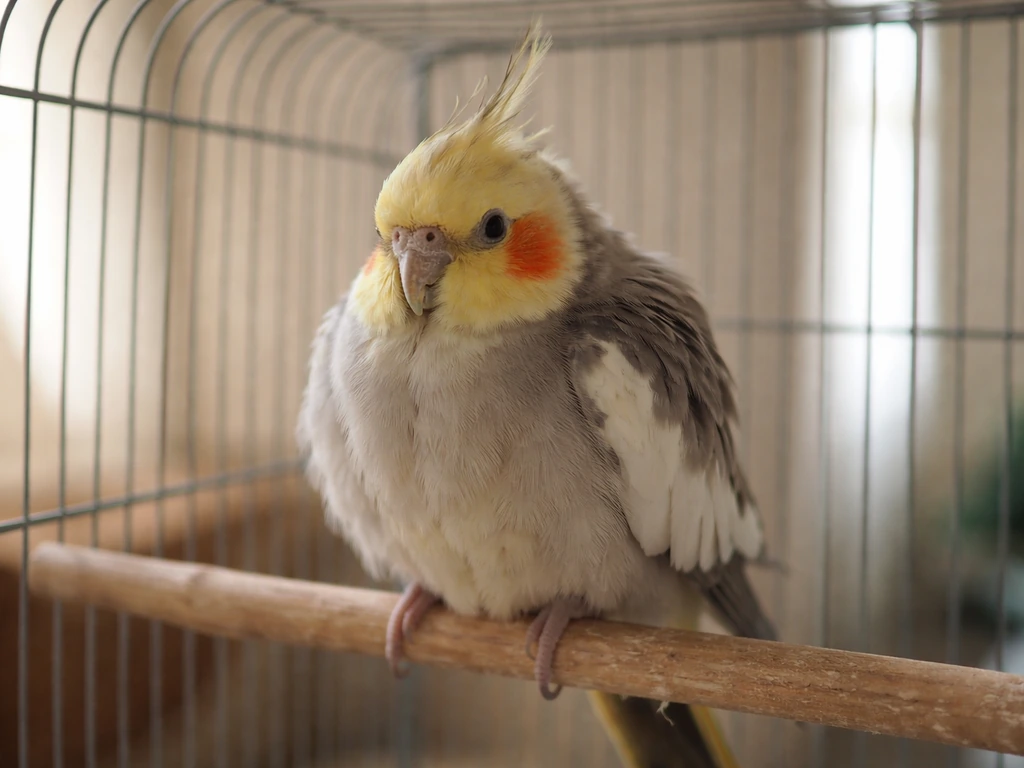
If your cockatiel is limping, holding a foot up, falling off perches, or you can see swelling or a sore on their foot, the most important first step is to figure out whether this is a mechanical problem (injury, sore, infection) or something affecting the whole bird (neurological issue, systemic illness, or egg binding). That distinction shapes everything you do next, and you can get a pretty good read on it just by watching your bird carefully for a few minutes before you touch anything.
Cockatiel Bird Leg Problems: Symptoms, Causes, and What to Do

Marcus Webb
13 May 2026
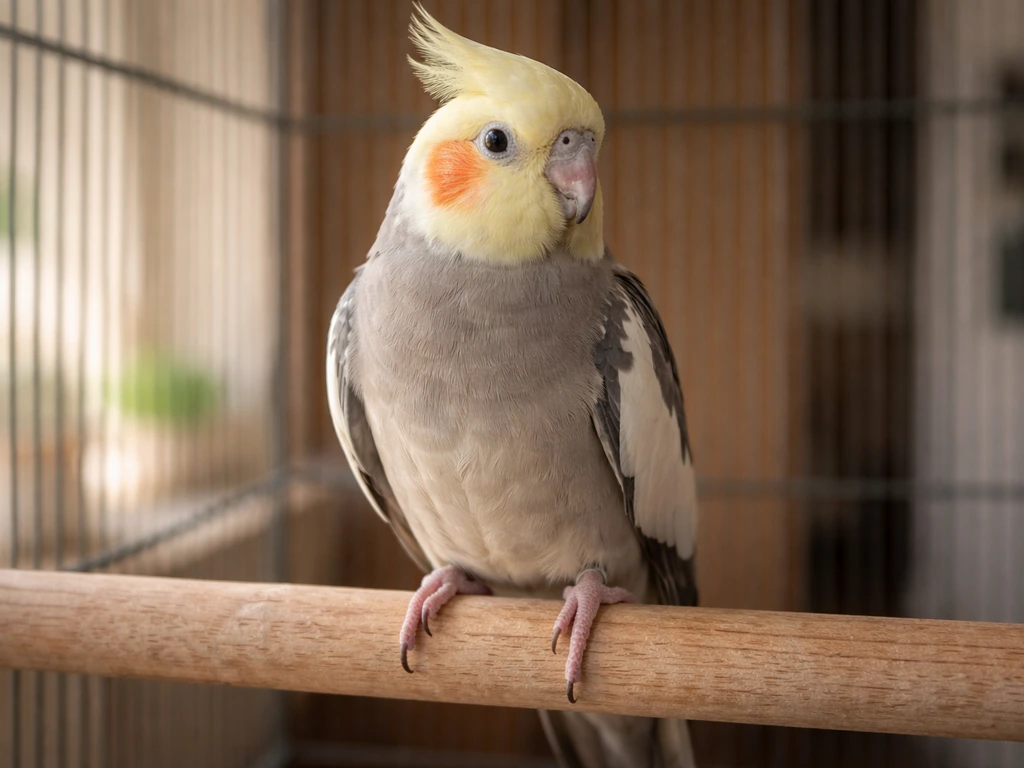
How to tell what kind of leg problem your cockatiel has
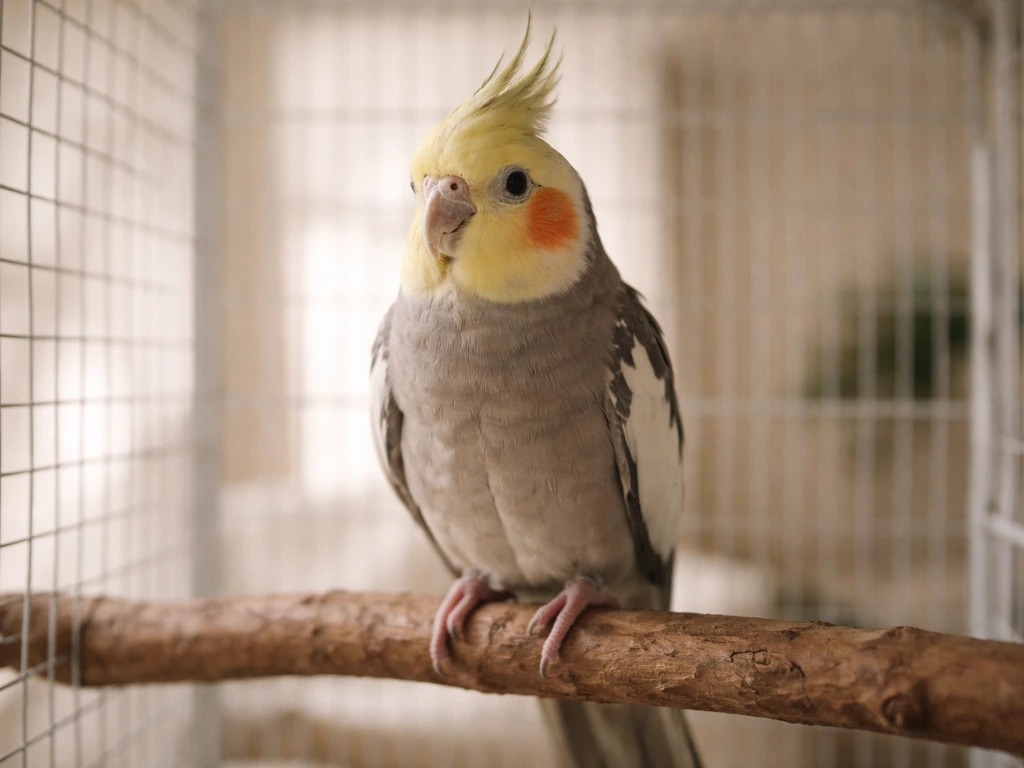
Start by observing your bird from a short distance without handling it. You're looking for clues that point to a local foot or leg problem versus something affecting the whole body. Run through these checks in order.
Watch posture and stance first
A healthy cockatiel stands evenly on both feet with a relaxed grip. If your bird is holding one foot up constantly, favoring one side, or crouching low on the perch rather than gripping it properly, that tells you one leg is uncomfortable. If both legs look weak, the bird is swaying, falling, or sitting on its hocks (the joints above the feet), that's a much bigger red flag pointing toward a neurological or systemic problem rather than a simple foot injury.
Check grip strength and perching ability
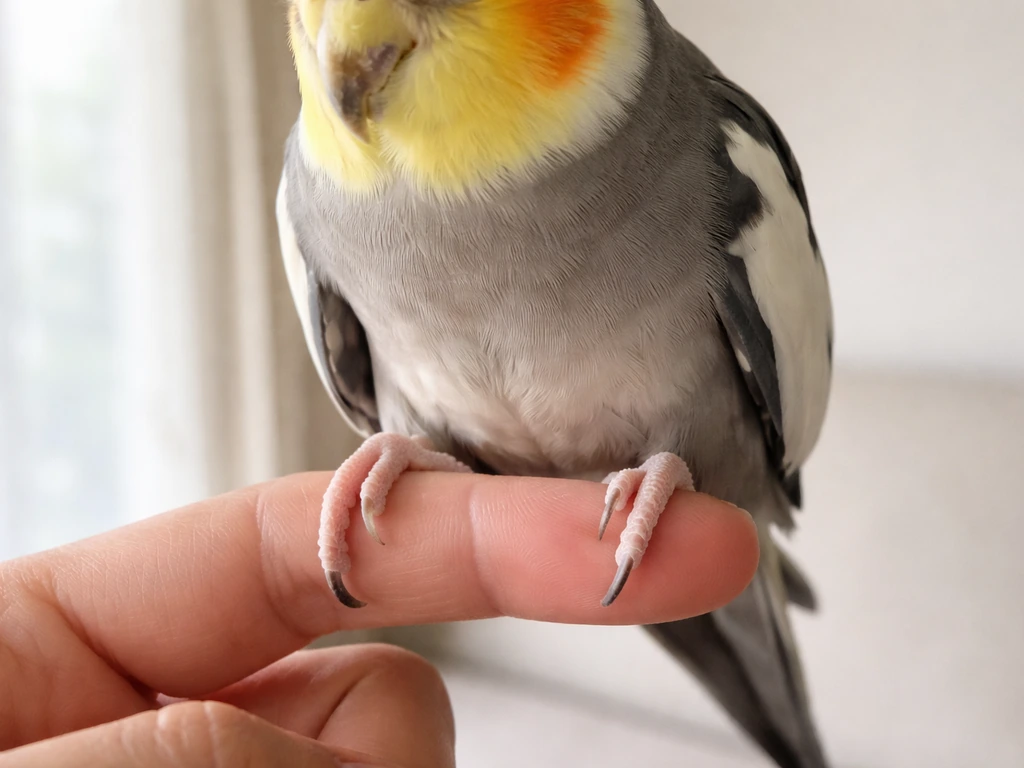
Gently offer the bird your finger or a perch and see if it grips normally. Weak or absent grip on one side suggests a local injury or nerve involvement on that side. Weak grip on both feet is a neurological warning sign and needs prompt veterinary attention.
Look at the foot and leg directly
- Swelling: Is one toe, the whole foot, or the leg visibly larger than the other side?
- Color: Look for redness, pink or dark discoloration, or any black/brown scabbing on the underside of the foot.
- Heat: Carefully feel both feet. Localized warmth in one area can indicate infection or inflammation.
- Wounds: Check for cuts, punctures, or torn nails. Bleeding wounds are obvious but small punctures can be easy to miss.
- Discharge: Any oozing, crust, or wet material around the toes or foot pad is a sign of infection.
- Texture: The underside of a healthy foot has a normal scaly pattern. Loss of that texture, smoothness, or a firm lump on the pad are early signs of bumblefoot.
- Toe position: Are all toes pointing in roughly normal directions? A toe bent at an odd angle could be a fracture or dislocation.
If you find a clear local problem on one foot or leg (a wound, swelling, or sore) with no other symptoms, you're probably dealing with an injury or a foot condition. If the bird also seems lethargic, is fluffed up, has stopped eating, or looks generally unwell, the leg problem may be a symptom of something bigger happening inside the bird.
Common causes: bumblefoot, injuries, swelling, and toe problems
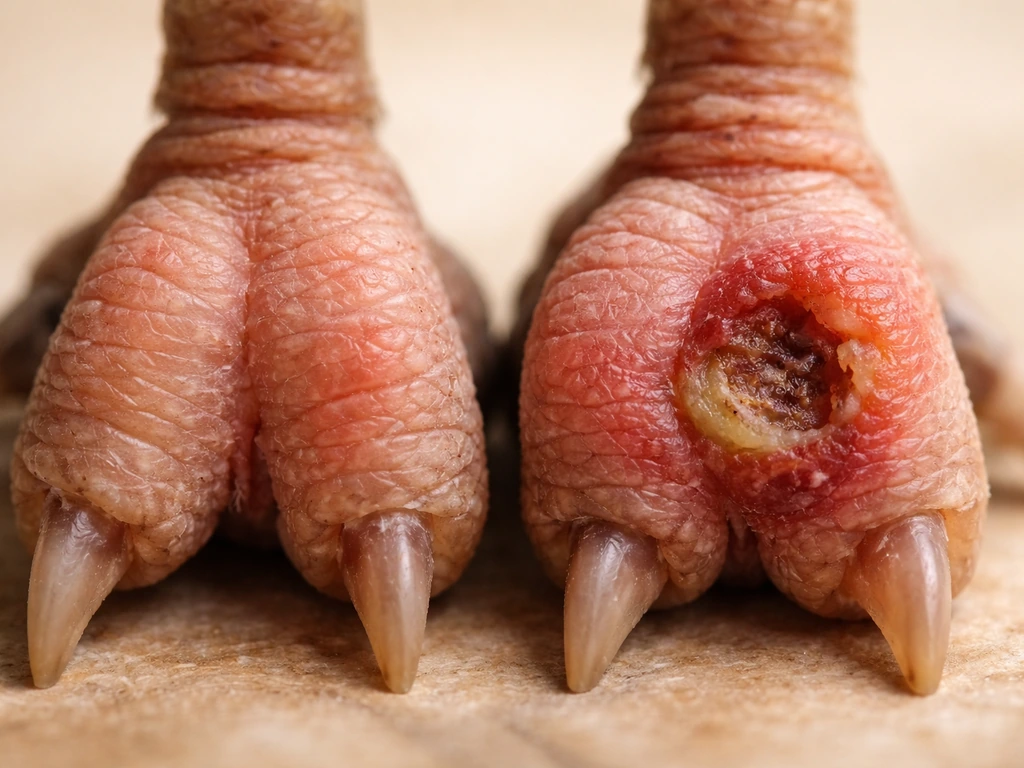
Bumblefoot (pododermatitis)
Bumblefoot is one of the most common foot problems in cockatiels and it's worth knowing how to recognize it at every stage. It starts subtly: the normal scale texture on the bottom of the foot looks different, slightly smooth or flattened, and there may be mild redness around the toes or the base of the foot pad. At this early stage the bird may not be limping yet. As it progresses, the foot pad becomes visibly swollen, red, and warm, and you might feel a firm lump on the underside of the foot. Left untreated, a black or brown scab forms, and in severe cases there's a deep abscess (necrotizing tissue) that's much harder to treat.
Grades 1 through 3 are often manageable with oral anti-inflammatory medication and foot wraps from a vet, but grades 4 and 5 involve severe lameness, constant foot-lifting, and sometimes require surgery. The key is catching it early. If you're seeing the first signs, redness and texture loss, that's the time to act, not wait.
One important thing: if a bird is already lame in one leg from any cause, it shifts all its weight onto the other foot. That extra pressure can quickly lead to bumblefoot in what was previously a healthy foot. So a bird that came in with an injury in one leg can end up with bumblefoot in the other. Keep an eye on both feet.
Cuts, wounds, and fractures
Cockatiels can catch a toe or leg in cage wire, toys, or fabric fibers. Cuts and abrasions are usually visible. Fractures are trickier: a broken leg bone may look normal from the outside but the bird will be completely non-weight-bearing on that leg and the affected area may feel unstable if you gently palpate it (though do this with extreme care and only if you're confident doing so). Any suspected fracture needs a vet. Attempting to splint at home without training almost always makes things worse and can cut off circulation.
Swelling and joint problems
Joint swelling in cockatiels can be caused by infection, trauma, or gout. Articular gout happens when urate crystals deposit in the joints, often related to kidney dysfunction. Affected joints look swollen, feel firm, and are clearly painful. Gout is a systemic issue that requires bloodwork to confirm (serum uric acid is the key lab value vets look at) and dietary or medical management, not just local treatment.
Toe and nail problems
Overgrown nails curl and catch on things, which can lead to toe injuries or even a dislocated joint if the bird panics while a nail is stuck. A broken or bleeding nail needs gentle pressure and, if bleeding continues, a vet visit. Toes that look swollen at one joint, with the rest of the toe appearing normal, can suggest a localized infection, a small injury, or early gout.
Limping, weakness, and balance problems: when it's more than a sore foot
If your cockatiel is wobbling, falling off perches repeatedly, sitting on its hocks, or has visible weakness in both legs rather than just one, you're looking at a different category of problem entirely. These signs often point toward neurological involvement or a systemic illness affecting the whole bird.
Neurological signs to watch for include: trembling or tremors, a short choppy gait that looks almost like hopping, neck flexion (the head dropping downward), ataxia (uncoordinated movement), or progressive weakness that worsens over hours. If you suspect canary bird sick symptoms alongside weakness or balance issues, treat it as a possible systemic problem and contact an avian vet right away leg weakness. Some infections, including certain encephalomyelitis-type illnesses, can cause leg weakness that progresses from sitting on hocks to full paralysis if not addressed quickly.
Egg binding is another cause of sudden leg weakness in female cockatiels. A retained egg can press on nerves and blood vessels in the pelvis, causing lameness or even paralysis in one or both legs. This is a genuine emergency. If your bird is a female, has been straining, has a rounded swollen abdomen, and suddenly goes weak in the legs, get to an avian vet immediately. After 12 hours of egg binding, the risk of severe complications including hypoglycemia, hypocalcemia, and death rises sharply.
Kidney disease and gout can cause similar patterns of leg weakness and joint swelling. These need blood tests to diagnose properly. The point here is that limping with no visible wound or foot problem on exam is a reason to call a vet rather than wait and watch.
What you can do at home today
Set up a safe recovery environment first
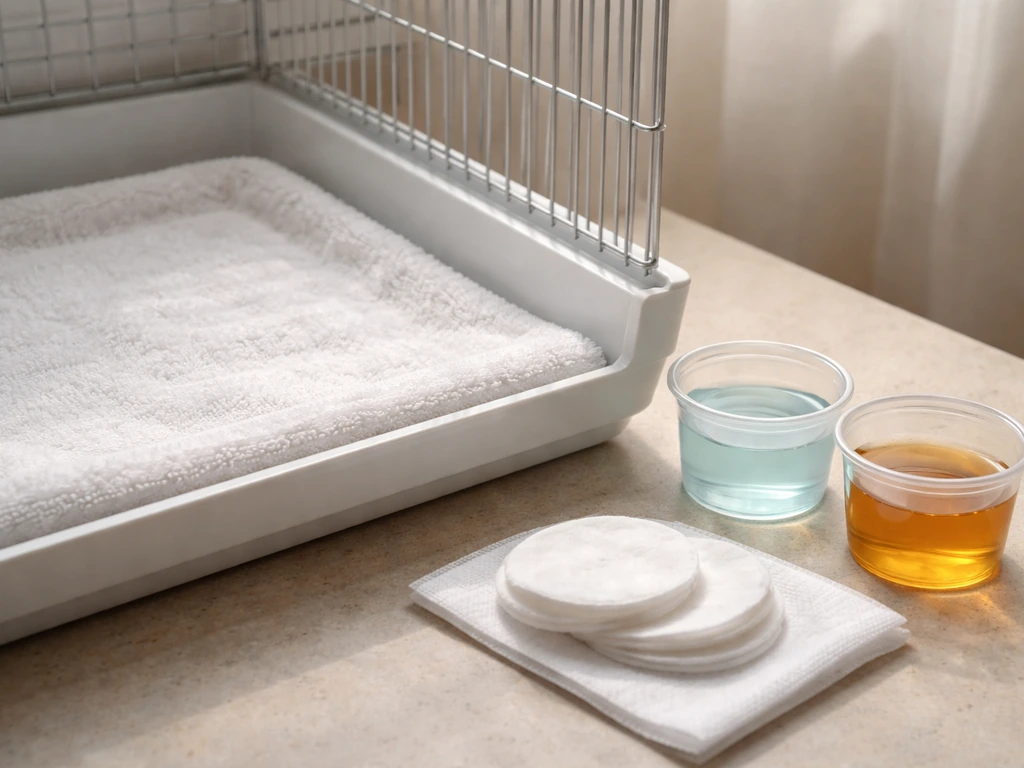
Before anything else, lower the perches or remove them and line the cage bottom with a soft towel so the bird can rest on the floor without risking a fall. A bird with a leg problem that falls from a perch can make a fracture much worse or injure itself further. Keep the cage warm (around 85 to 90 degrees Fahrenheit if the bird seems cold or fluffed), but do not use heat lamps directly on the bird as they can cause burns and dehydration. A heating pad on low under half the cage works better.
Minor wounds: basic cleaning
For a visible cut or abrasion on the foot or leg, you can gently clean the area with dilute chlorhexidine or dilute betadine (povidone-iodine). For minor wounds, the Environmental Literacy Council recommends using dilute chlorhexidine or dilute betadine/povidone-iodine for skin cleaning, while following vet directions on dilution dilute chlorhexidine or dilute betadine (povidone-iodine). The key word is dilute: betadine should be diluted to the color of weak tea, and chlorhexidine should be diluted according to the product instructions before it touches skin. Keep these solutions away from eyes, mouth, and ear canals. Apply gently with a cotton ball or gauze. Do not try to bandage the wound yourself unless you've been shown how by a vet. Improperly applied bandages can cut off circulation to the toes, which is a serious and fast-moving complication.
Early bumblefoot: foot soaking
If you're seeing early bumblefoot signs (redness, mild swelling, texture changes on the foot pad), soaking the foot in warm water for at least 5 minutes can help soften the area and provide some relief. Only do this if the bird tolerates it calmly. Do not force it. This is a supportive measure, not a treatment. You still need a vet visit for anything beyond the very earliest signs.
What not to do
- Do not attempt to splint or wrap a suspected fracture yourself.
- Do not give human pain medications. Ibuprofen and acetaminophen are toxic to birds.
- Do not try to squeeze or lance any abscess or swelling on the foot.
- Do not leave sandpaper perches or rough surfaces in the cage during recovery.
- Do not use undiluted antiseptics directly on broken skin.
Treatment paths by cause: what to expect from a vet visit
| Cause | Typical Vet Treatment | Recovery Notes |
|---|---|---|
| Early bumblefoot (Grade 1-2) | Oral anti-inflammatories, foot wraps, perch changes | Good prognosis if caught early; ongoing perch management needed |
| Moderate-severe bumblefoot (Grade 3-5) | Debridement, antibiotics, surgical intervention in severe cases, bandaging | Longer recovery; may require repeated vet visits |
| Fracture or dislocation | Splinting, bandaging, or surgery depending on location and severity; pain management | Small bone fractures can heal well with proper immobilization |
| Minor wound/cut | Cleaning, possible antibiotics if infected, bandaging if needed | Usually resolves well with prompt care |
| Articular gout | Dietary changes, medications to manage uric acid, pain management | Chronic management; bloodwork needed to monitor kidney function |
| Egg binding | Calcium supplementation, warmth, hormonal treatment, or surgical removal of egg | Emergency; rapid treatment essential |
| Neurological/infectious cause | Diagnostics (imaging, bloodwork), specific treatment based on diagnosis | Prognosis varies widely by underlying cause |
Avian vets will typically do a hands-on physical exam, assess grip strength and reflexes, and look at the affected area closely. For anything beyond a superficial wound, expect bloodwork and possibly X-rays. X-rays are essential for fractures and can reveal internal issues like an egg, joint changes from gout, or abnormalities that explain neurological signs. Don't be surprised if the vet wants to run labs on a bird that "just" seems to have a leg problem. Many leg problems in cockatiels are symptoms of something systemic. Many cockatiels with leg or mobility issues are also dealing with broader health problems, so it's important to consider cockatiel bird health problems when symptoms suggest something systemic.
When to seek urgent avian vet care
Some leg problems in cockatiels are genuinely time-sensitive. If you notice cockatiel bird sick symptoms along with the limping, contact an avian vet promptly for guidance leg problems in cockatiels. Some leg problems in cockatiels are genuinely time-sensitive, and it can help to think about related environmental risks too, such as canary bird air quality. Canary bird health problems can affect many body systems, so unexplained limping or weakness may still require a broader look beyond the feet. The following signs mean you should contact an avian vet the same day, not wait to see if it improves.
- The bird cannot bear any weight on a leg and has been that way for more than a few hours.
- There is active bleeding that won't stop with gentle pressure.
- The leg or foot looks visibly deformed, bent, or at an abnormal angle.
- Both legs appear weak or the bird cannot grip at all.
- The bird is falling repeatedly and cannot maintain balance.
- You can see an open wound with discharge, odor, or signs of deep infection.
- The bird is female and is showing any combination of leg weakness, straining, and abdominal swelling.
- The bird is also lethargic, stopped eating, or is fluffed and not responding normally.
- You notice progressive worsening over a few hours rather than a stable situation.
While you're waiting for the vet appointment, keep the bird calm, warm, and on a low or padded surface. Minimize handling. Do not try to fix the problem yourself if it's in one of the categories above. Stress alone can be dangerous for an already compromised bird, so a quiet, warm, safe space is genuinely the best thing you can do in the short term.
Limping that comes and goes, mild redness on the foot with no swelling or lameness, or a very minor cut that is clean and not deep can reasonably be monitored for 24 hours alongside a call to your vet for advice. But when in doubt, call the vet. An avian vet can often give you useful guidance over the phone about whether your situation is urgent or can wait for a scheduled appointment.
Preventing leg problems from coming back
Get the perches right
Perch setup is probably the single biggest factor in preventing recurring foot problems in cockatiels. The goal is variety in diameter, texture, and material so the foot is never under constant pressure at the same point. A good perch setup includes natural wood branches (manzanita or similar hardwoods work well), rope perches, and one or two appropriately sized smooth perches. The diameter should allow the bird's toes to wrap about three-quarters of the way around without fully closing.
Avoid sandpaper perch covers entirely. They're abrasive and cause small abrasions on the foot pad that become entry points for infection. Concrete perches can be used in moderation to help wear down nails, but should not be the only or primary perch. Warming perches are also a bumblefoot risk factor when used improperly. Wire cage floors should never be the only standing surface.
Hygiene and regular foot checks
Clean perches regularly to reduce bacterial buildup. Do a foot inspection at least once a week: look at the underside of both feet for early redness, texture changes, or swelling. Catch it early and treatment is straightforward. Check nail length at the same time. Overgrown nails are a hazard and can be trimmed carefully with a small bird-specific nail clipper, with styptic powder nearby in case you hit the quick.
Keep weight in a healthy range
Overweight cockatiels put more pressure on their feet, which contributes directly to bumblefoot and joint stress. A healthy cockatiel typically weighs between 80 and 120 grams. Weigh your bird regularly on a gram scale and talk to your vet if the weight is consistently above the normal range. Diet plays a role here too: Vitamin A deficiency makes skin and tissue more vulnerable to infection, so a well-rounded diet with leafy greens and appropriate pelleted food matters for foot health specifically, not just general wellness.
Reduce injury risks in the cage setup
Check the cage regularly for anything a toe could get caught in: frayed rope, loose wire ends, certain toy loops, or fabric with loose threads. Many toe injuries happen when a bird panics and pulls against a snag. A clean, well-organized cage with appropriate perch placement (not directly over food and water bowls, with enough vertical space between perches) reduces falls and the leg injuries that come from them.
Leg and foot problems are one of the more common health concerns that come up in cockatiels, alongside broader health issues you might notice like changes in droppings, respiratory symptoms, or general behavioral shifts. If you're already paying attention to your bird's overall health and doing regular check-ins, catching a foot problem early becomes much easier, and early is always better with these kinds of issues.
FAQ
How can I tell if cockatiel bird leg problems are “just sore” versus something neurological or systemic?
A quick tell is grip and coordination. If one foot is lifting but the bird still grips strongly with that side, it often points to pain from a local injury or foot pad issue. If grip is weak or the bird is wobbling, falling off perches, sitting on its hocks, or showing head bobbing or tremors, treat it as neurological or systemic until an avian vet says otherwise.
Is it safe to trim nails when my cockatiel has a leg problem or is limping?
Only if the bird can stand comfortably and you can do it without restraint stress. If the bird is already lame, trimming can cause extra pain and may worsen panic-related injuries. If you suspect a nail caused the issue, focus on keeping the bird calm and arrange a vet visit, especially if there is bleeding, swelling, or a toe held at an odd angle.
Can I use a heating pad or warm water soak to treat bumblefoot at home?
Warm water soaks can be a supportive step for very early bumblefoot if the bird tolerates it calmly, but they do not replace medical care. For warmth, use gentle heat on the cage side or under part of the cage on low, avoid heat lamps, and stop if the bird looks more fluffed, restless, or overheated.
What if one foot looks normal but my cockatiel still limps?
Don’t assume the problem is “invisible.” Limping without a visible wound can still come from fractures, joint inflammation, early infection, or gout, and neurological causes are also possible. If there is no improvement within a day, or the limping is getting worse, contact an avian vet rather than waiting.
My bird is sitting on its hocks, but it seems otherwise okay. Is that still an emergency?
It can be. Sitting on hocks plus any weakness, inability to maintain balance, or progressive changes over hours suggests a neurological or systemic issue. Even if eating seems normal at first, it is safer to call an avian vet the same day because some causes can worsen quickly.
If I suspect a fracture, should I put on a splint at home?
Avoid DIY splinting unless you have training. Cockatiels can develop circulation problems or worsen alignment, which makes recovery harder. Instead, keep the bird in a low, padded area, minimize handling, and get an X-ray through an avian vet if there is non-weight-bearing or instability.
What are the signs of gout versus a localized infection?
Gout often involves firm, painful swelling in a joint or multiple joints, and it tends to be linked to underlying kidney function. Local infections are more likely to look like a focal swelling, warmth, or sore area around one toe or foot region. Because gout requires bloodwork to confirm, any persistent joint swelling or recurring episodes should be evaluated by a vet.
How do I manage bleeding from a cut or injured toe while waiting for the vet?
Apply gentle pressure with clean gauze to control bleeding, keep the area as clean and dry as possible afterward, and prevent the bird from biting at it. If bleeding continues, the toe becomes significantly swollen, or the bird keeps the toe lifted or refuses to step, seek same-day avian care.
Should I remove toys or cage items if my cockatiel has leg problems?
Yes. Remove or temporarily block anything that can snag toes or restrict footing, such as loose rope, frayed fabric, wire components, or toy loops. Reposition perches so the bird can reach them easily, and avoid placing perches directly over food and water bowls to reduce slips and falls.
How often should I check my cockatiel’s feet at home to prevent recurrence?
Do a brief foot inspection at least once a week, and check nails at the same time. If your bird has had bumblefoot or a limb injury before, consider increased monitoring (for example, a couple times per week) because early redness or texture changes can be easy to miss.
Next Article
Cockatiel Bird Sick Symptoms: Signs, Causes, and What to Do
Learn cockatiel sick symptoms and causes, red flags for emergency care, and what to do now to help and track issues.