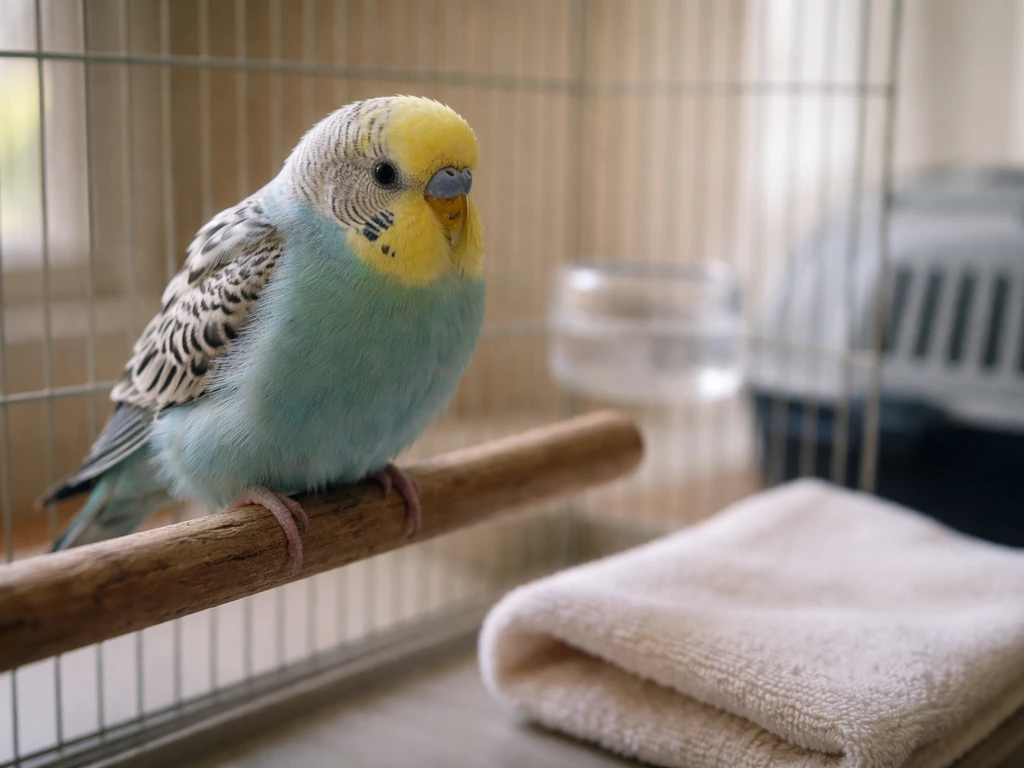
If your lovebird is fluffed up, sitting at the bottom of the cage, breathing with its tail bobbing, or has stopped eating, something is wrong and it needs attention today. Lovebirds are small, and they hide illness well until they can't anymore. The good news is that specific symptom combinations point clearly toward respiratory disease, digestive problems, nervous system issues, or external conditions like mites or infections, and knowing which pattern you're looking at tells you how fast to move and what to do while you're arranging a vet visit. Common bird ailments often show up as changes in breathing, droppings, and skin or feather condition, so watching closely matters specific symptom combinations.
Love Bird Diseases Symptoms: Quick Triage Guide for Owners

Marcus Webb
15 May 2026
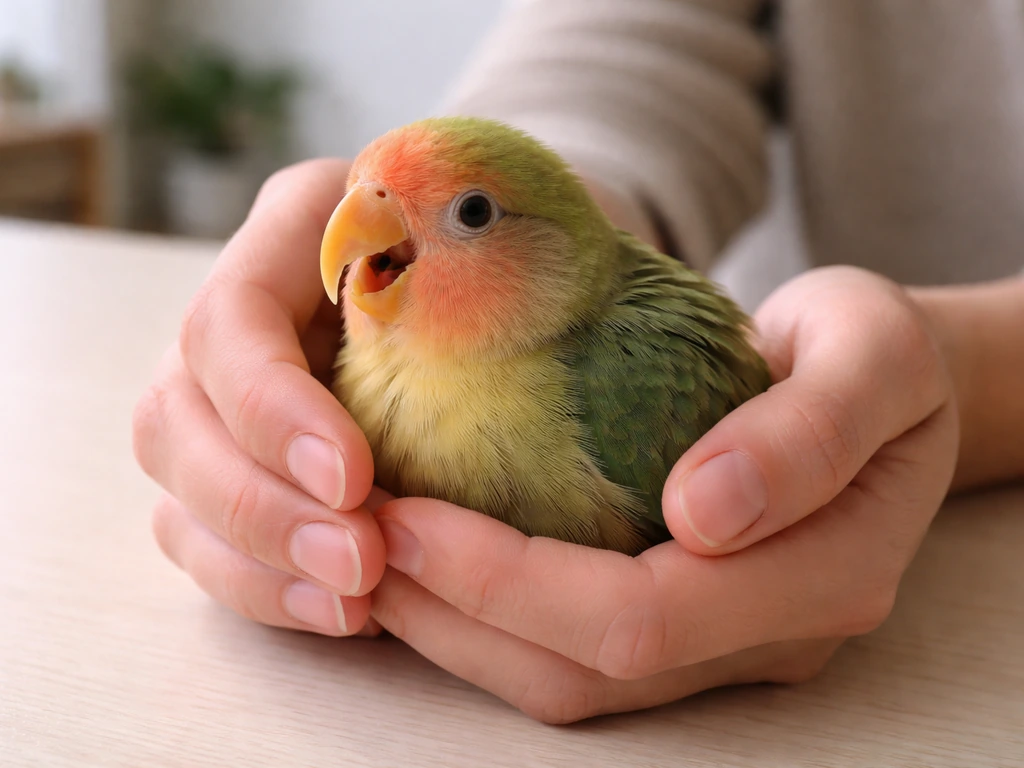
Common lovebird illness warning signs
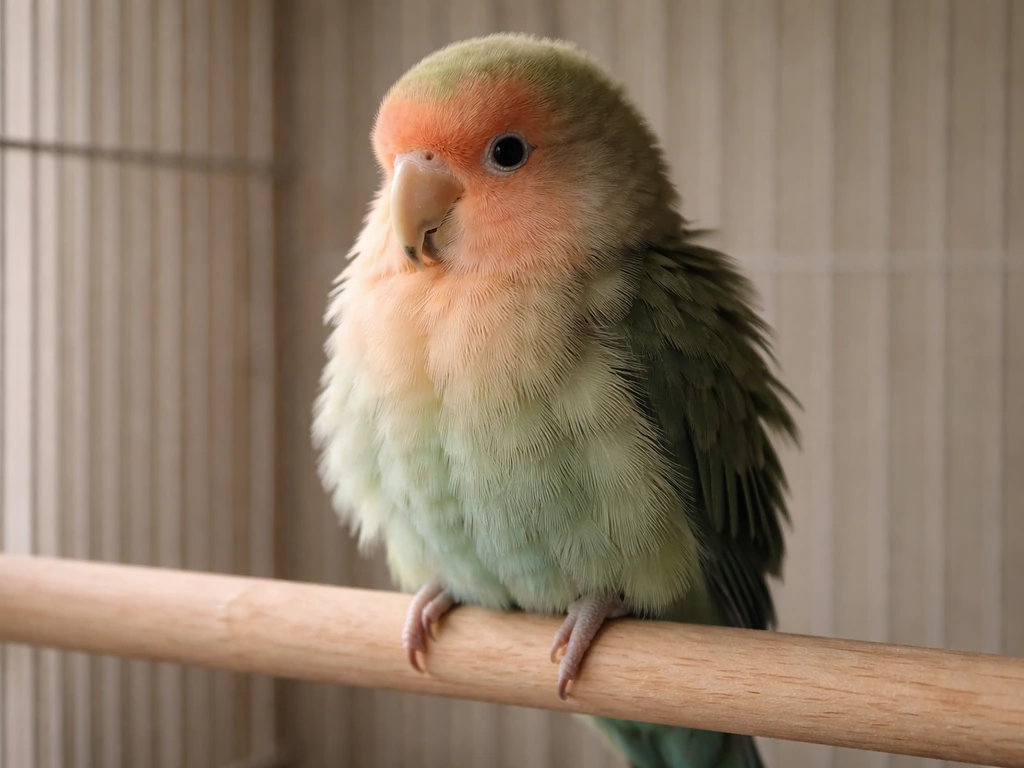
Lovebirds are prey animals, which means they are hardwired to look healthy even when they aren't. By the time you notice something is off, they've often been unwell for a while. These are the general warning signs that cut across almost every disease category.
- Fluffed or ruffled feathers for extended periods (not just after a bath or during a brief nap)
- Sitting on the bottom of the cage or low on the perch instead of up high
- Sleeping more than usual or being unresponsive to normal sounds and activity
- Reduced or absent appetite, or sudden changes in how much they're eating or drinking
- Dramatic weight loss (you can feel the keel bone getting more prominent)
- Decreased or absent vocalization, or a change in the quality of their voice
- Decreased preening or visible dirtiness around the face, vent, or feathers
- Open-mouth breathing at rest (LafeberVet flags this as "very serious")
One or two of these signs together is a reason to monitor closely and call your avian vet. Three or more at once, especially combined with open-mouth breathing or inability to perch, means you should be on the phone with a vet right now.
Respiratory disease symptoms
Breathing problems are one of the most common and most urgent presentations in lovebirds. The signs are usually visible before the bird is in full crisis, so learn to catch them early.
What to look and listen for
- Tail bobbing with every breath (the tail pumps up and down rhythmically as the bird works to move air)
- Wheezing, clicking, or a raspy sound when breathing
- Open-mouth breathing, especially when the bird is at rest and not overheated
- Nasal discharge (crusty, wet, or colored discharge around the nostrils)
- Sneezing more than occasionally
- A bluish, gray, or dark pink color to the mucous membranes around the beak (this is an emergency sign)
What these signs usually point to
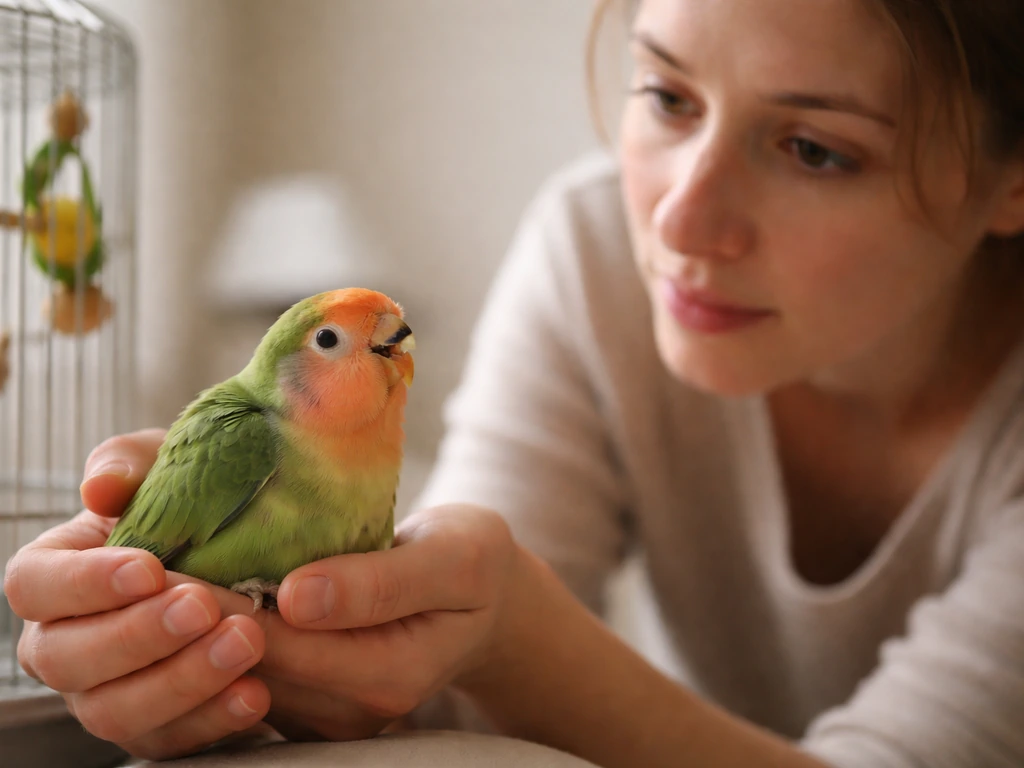
Aspergillosis is a fungal infection that's a very common cause of progressive breathing difficulty in pet birds, including lovebirds. It typically produces tail bobbing, gasping, and open-mouth breathing that gets worse over days or weeks. Some wild bird diseases and symptoms can look similar to lovebird respiratory problems, so accurate identification matters. Psittacosis (also called chlamydiosis) is a bacterial infection that frequently causes nasal discharge, conjunctivitis, and respiratory difficulty alongside fluffed feathers and lime-green droppings.
If you want a broader perspective beyond lovebirds, you can also review common wild bird diseases to understand how different species present respiratory, digestive, and nervous system problems. Vitamin A deficiency is something to consider if your bird eats mostly seeds and shows sneezing, nasal discharge, and poor feather quality together. Avian influenza can also produce sneezing, coughing, ocular and nasal discharge, and in severe cases, sudden deterioration.
Any respiratory symptom in a lovebird is more serious than it would be in a larger bird because they have almost no reserves. Tail bobbing at rest or open-mouth breathing at rest means the bird is already working hard just to breathe, and that warrants a same-day or emergency vet visit, not a wait-and-see approach.
Digestive and wasting symptoms
Digestive problems in lovebirds tend to show up in their droppings first, which is why paying attention to what lands on the cage floor every day is genuinely useful.
Changes in droppings
A normal lovebird dropping has three parts: a solid dark green or brown portion (the feces), white or cream-colored urates, and a small amount of clear liquid (urine). Watch for droppings that are watery or entirely liquid, droppings that are bright lime-green (can indicate psittacosis or liver stress), droppings containing undigested seeds (points toward GI parasites or proventricular dilatation disease), or droppings that are black and tarry (suggests bleeding higher in the GI tract). Any of these is a sign that warrants veterinary attention within 24 hours.
Crop problems, regurgitation, and appetite changes
Regurgitation is different from normal social regurgitation that bonded lovebirds do for each other. Pathological regurgitation is repeated, the bird looks sick, and it's often associated with a distended or fluid-filled crop. A sour crop (caused by candidiasis or slowed crop motility from viral diseases like avian bornavirus or polyomavirus) feels soft and doughy, and you may smell a sour or fermented odor. Trichomoniasis can produce white lesions in the mouth or crop along with mucus and regurgitation. Suspected crop infection or repeated regurgitation should go to a vet the same day. If you also see neurological signs alongside regurgitation and weight loss, consider lead or zinc toxicosis, especially if the bird has access to metal objects or painted surfaces.
Weight loss and wasting
Chronic weight loss combined with lethargy, diarrhea, and undigested food in droppings is a classic pattern for gastrointestinal parasites. Aspergillosis can also present as a wasting disease without obvious respiratory signs. Run your finger along the keel bone (the ridge in the middle of the chest) regularly so you know your bird's normal feel. A sharp, prominent keel bone means the bird has lost significant muscle mass and body condition.
Nervous system and behavioral symptoms
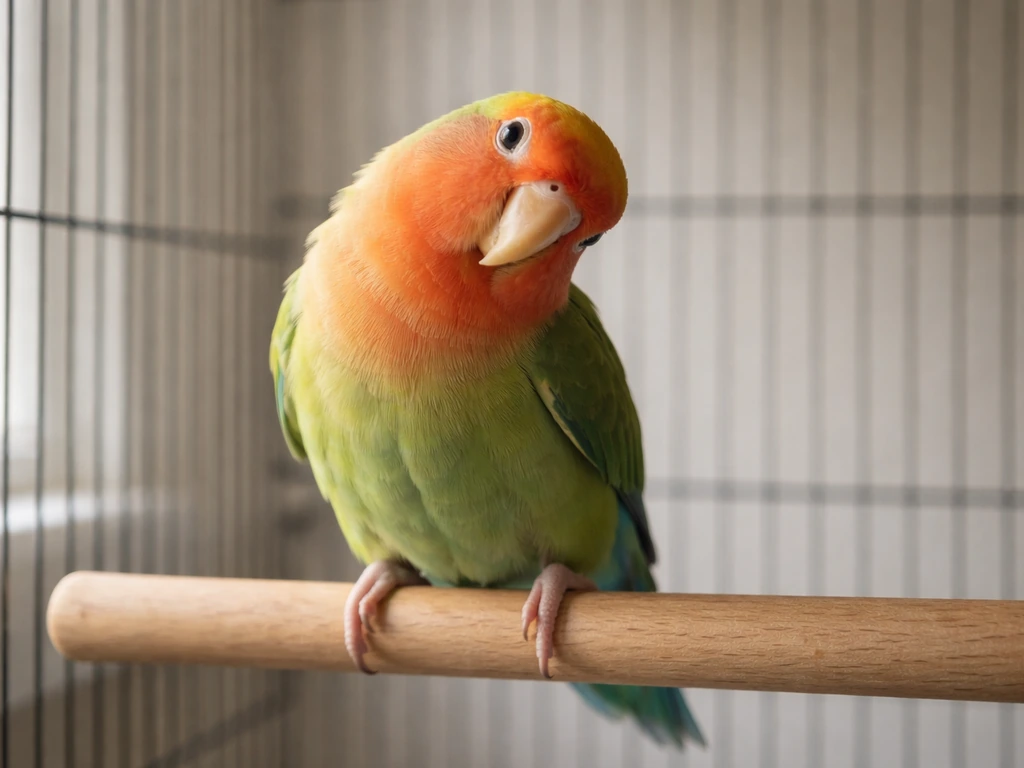
Neurological signs in lovebirds can look alarming and they often are. These symptoms usually indicate something serious affecting the brain, nerves, or systemic organ function.
- Head tilt (holding the head at an angle, sometimes rotating to one side)
- Ataxia or loss of coordination (stumbling, falling off the perch, unable to grip properly)
- Tremors or trembling, including head tremors
- Seizures (sudden loss of coordination, paddling, loss of consciousness)
- Nystagmus (rapid involuntary eye movement)
- Weakness or inability to fly or stand
- General lethargy that goes beyond just looking sleepy (bird doesn't respond normally)
West Nile virus can produce a full range of these signs, from weakness and stumbling to head tilt, tremors, and seizures. Lead toxicosis is another important cause: anorexia, weight loss, regurgitation, ataxia, weakness, and seizures can all appear together when a bird has ingested lead. Avian bornavirus (which causes proventricular dilatation disease) combines neurological signs with GI wasting. Any seizure, sudden inability to perch, or rapid onset of ataxia should be treated as an emergency. Treatment for seizures depends on the underlying cause and may require hospitalization for fluids, nutritional support, and specific medications.
Skin, feather, and eye problems
Feather loss and abnormal feathers
Some feather loss is normal during a molt, but abnormal feather loss looks different. If feathers are falling out in large patches, are misshapen or clubbed, or leave big bare areas, psittacine beak and feather disease (PBFD) is a serious concern that needs immediate veterinary attention. Feather plucking can also happen when a bird is in pain or discomfort from an internal illness. Vitamin A deficiency commonly produces poor feather quality and feather picking alongside nasal discharge and other signs.
Mites, skin irritation, and beak changes
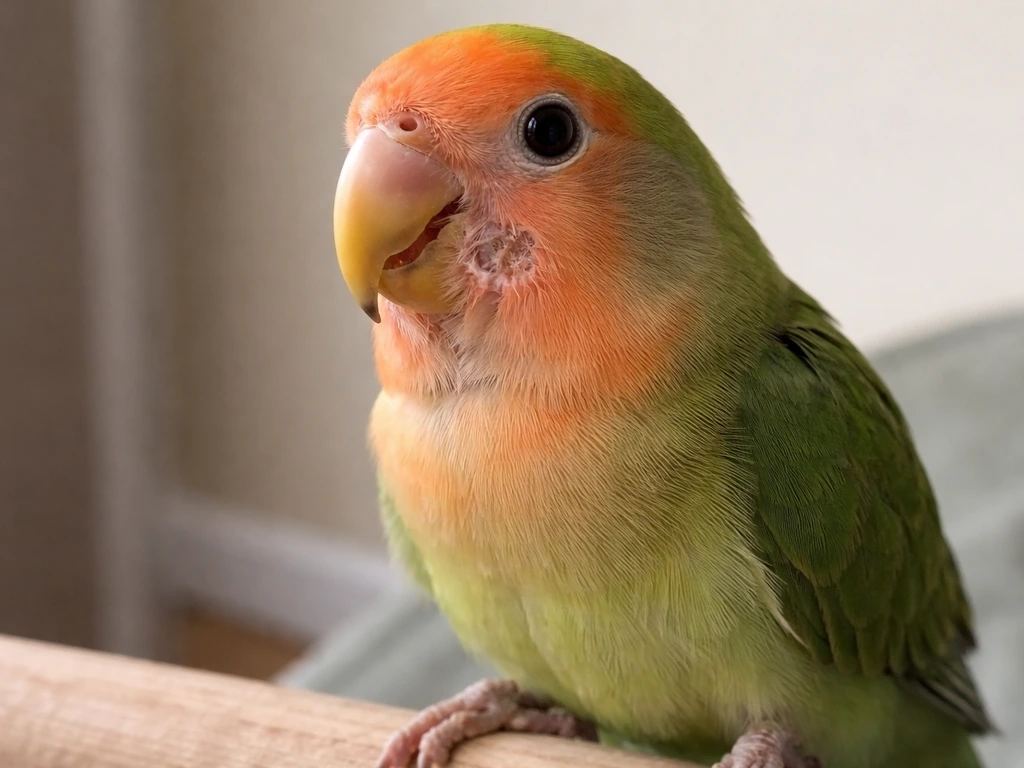
Mites can cause a mange-like condition on the face or legs of lovebirds. Interestingly, itching is not usually a prominent sign, so don't rule out mites just because your bird isn't scratching. You might notice crusty, thickened, or scaly skin around the beak, cere (the fleshy area above the beak), or legs. Any crusty or abnormal-looking overgrowth on the beak or cere warrants a vet check.
Eye problems
Conjunctivitis in birds produces discharge that can be thick, white, tan, or crusted, and the affected bird often keeps one eye partially or fully closed. This needs prompt veterinary evaluation, not home treatment with human eye drops. If you notice eye swelling or periorbital (around the eye) swelling alongside nasal discharge and poor feather condition, vitamin A deficiency is a strong possibility. Psittacosis also classically combines conjunctivitis with respiratory signs and lime-green droppings.
How to tell what's most likely
Looking at symptom combinations rather than individual signs helps narrow down what you're dealing with. Use this table as a starting-point triage guide, not a substitute for a vet diagnosis.
| Symptom pattern | Most likely causes to consider | Urgency |
|---|---|---|
| Tail bobbing + open-mouth breathing + wheezing | Aspergillosis, respiratory infection, air sac disease | Same day / emergency |
| Nasal discharge + conjunctivitis + lime-green droppings + fluffed feathers | Psittacosis (chlamydiosis) | Same day / emergency |
| Regurgitation + distended crop + no appetite | Crop infection (candidiasis, bacterial), viral crop motility disorder | Same day |
| Undigested food in droppings + chronic weight loss + lethargy | GI parasites, proventricular dilatation disease, aspergillosis (wasting form) | Within 24–48 hours |
| Regurgitation + ataxia + neurological signs + access to metal objects | Lead or zinc toxicosis | Emergency |
| Head tilt + tremors + weakness + seizures | West Nile virus, lead toxicosis, other CNS disease | Emergency |
| Feather loss in large patches + misshapen feathers + no other signs | PBFD, nutritional deficiency, mites | Within a few days |
| Periorbital swelling + nasal discharge + feather picking + poor feather quality | Vitamin A deficiency | Within 24–48 hours |
| Sitting on cage bottom + depression + tail bobbing (hen bird) | Egg binding | Emergency |
| Crusty/scaly skin around beak, cere, or legs | Mites (Knemidocoptes) | Within a few days |
A few patterns worth calling out specifically: if you see neurological signs and GI signs together, toxicosis (lead, zinc, pesticides) should jump to the top of your list and you need a vet immediately. If respiratory signs are gradual and progressive over days with increasing tail bobbing, think aspergillosis. If multiple birds in the same household are getting sick simultaneously, an infectious disease is more likely, and isolation of the affected bird is important.
When to call an avian vet and urgent red flags
Lovebirds are small enough that they can decline very fast once they stop compensating. The general rule used by avian vets and client-education resources is: if in doubt, call. Client-education materials from Pet Sitters also recommend calling a veterinarian within eight hours for certain red flags, including extreme weakness or lethargy and breathing-related concerns like open-mouth breathing [call a veterinarian within eight hours](https://cdn. ymaws.
com/petsitters. org/resource/resmgr/virtuallibrary/signsofdiseasesinbirds. pdf). If you want to compare symptoms across different species, review common pet bird diseases as well.
You can always describe symptoms by phone and let the vet help you decide the urgency. But there are specific red flags that mean you should call within the hour and get to an emergency avian vet if your regular vet isn't available.
Call immediately (treat as emergency)
- Open-mouth breathing at rest
- Tail bobbing with every breath
- Blue, gray, or dark discoloration of the beak or mucous membranes
- Seizure, severe ataxia, or sudden inability to perch or stand
- Extreme weakness or collapse
- Bird is on the cage floor and unresponsive
- Suspected egg binding in a hen (on cage bottom, straining, tail bobbing)
- Suspected toxin ingestion (access to lead, zinc, plants, fumes)
Call within 8 hours or that day
- Not eating for more than 24 hours
- Significant lethargy or depression without obvious cause
- Regurgitation that is repeated and not social behavior
- Distended or sour-smelling crop
- Nasal discharge combined with other signs
- Lime-green or bloody droppings
- Eye closed or visible eye discharge
Don't wait until a bird is at the point of collapse before seeking help. VCA Animal Hospitals specifically notes that birds should not be waited on until they're blank" rel="noopener noreferrer">on death's doorstep. By that stage, treatment options narrow and survival chances drop. Avian vets are the right resource here, not general small-animal vets, because bird physiology and disease presentations are highly specialized. The topics of common pet bird diseases more broadly also reinforce how important species-specific care is for parrots and other psittacines.
Home care do's and don'ts while you seek treatment
While you're arranging the vet visit, there are things you can do that genuinely help, and things that can make things worse. Keep it simple and focused on stabilization.
What to do
- Keep the bird warm: sick birds lose heat quickly. A temperature of around 85–90°F (29–32°C) is appropriate for a bird in respiratory distress or showing general illness. A heating pad on low under one side of the cage (not the whole floor) or a heat lamp directed at one side works. Always give the bird a cooler side so it can self-regulate.
- Move food and water within easy reach or to the cage floor if the bird can't perch properly.
- Reduce stress: cover part of the cage, lower the noise level, and minimize handling except what's necessary.
- Isolate from other birds if you have multiple birds, to prevent potential spread of infectious disease.
- Note and record symptoms: when they started, what they look like, and any changes. This helps the vet significantly.
- Don't clean or change the cage floor before the vet visit. If eye irritation is a concern, the vet may want to see the cage environment to look for irritants.
- Bring the bird in its own cage or a travel carrier with a familiar perch if it can still perch.
What not to do
- Do not give over-the-counter medications designed for other animals or humans. Medications safe for mammals are often toxic to birds.
- Do not use antibiotics or antifungals from a pet store without a vet diagnosis. Giving the wrong medication can mask symptoms and delay correct treatment.
- Do not use aerosol sprays, scented candles, non-stick cookware fumes, or air fresheners around a sick bird. Birds have extremely sensitive respiratory systems and these can be fatal.
- Do not force-feed or try to give water by syringe unless you've been trained to do this correctly. Aspiration (fluid going into the airway) is a real risk.
- Do not assume the bird will just "get better" if it's been sick for more than a day and not improving. Birds that appear stable can deteriorate rapidly.
- Do not delay treatment because the bird "still seems to be eating a little." Lovebirds can continue eating in the early stages of serious illness.
The bottom line is that supportive warmth and reduced stress are the two most useful things you can do at home. Everything else should wait for a vet's guidance. If you're unsure whether a symptom is serious, that uncertainty itself is a reason to make the call. Recognizing these patterns early is how you give your lovebird the best chance of a full recovery.
FAQ
Is it safe to treat a lovebird’s symptoms at home while waiting for the vet?
You can only do supportive measures, mainly warmth, reduced stress, and keeping the bird hydrated in whatever way your vet advises. Avoid giving human cold medicines, antibiotics, or eye drops, because some can worsen breathing, gut motility, or interact with treatments the avian vet may need to use.
How warm should I keep my lovebird if they’re fluffed up or breathing hard?
Aim for gentle, consistent warmth using an appropriate heat source that cannot burn or overheat the cage. You should be able to touch the area near the bird comfortably, and you should watch that the bird is not panting with an open beak just from heat.
What’s the most important thing to check when droppings look abnormal?
Compare it to your bird’s normal daily pattern and record changes for 24 hours: color (including lime-green), water content (watery or entirely liquid), presence of undigested seeds, and any black tarry appearance. If you see any of the more alarming patterns, call within 24 hours even if the bird seems “a little better” later.
Can a single symptom like sneezing or tail bobbing be something minor?
In lovebirds, breathing-related signs should be treated as serious until a vet proves otherwise. A bird that is tail-bobbing at rest or breathing with effort may be losing the ability to compensate, so waiting for symptoms to “pass” can reduce treatment options.
How do I tell pathological regurgitation from normal social regurgitation?
Normal bonding regurgitation is typically brief and the bird looks otherwise alert and stable. Pathological regurgitation is repeated, the bird looks sick, and you may see a distended or fluid-like crop (sometimes with a fermented odor). If the crop looks abnormal or regurgitation keeps happening, same-day vet care is the safer choice.
Are mites really possible if my lovebird isn’t scratching or acting itchy?
Yes. Itching is not a reliable indicator in birds. Look for crusty or thickened scaly skin on the face, beak area, cere, or legs. Overgrowth or abnormal crust around the beak or cere should be evaluated because mites can worsen and spread.
Why should I avoid using human eye drops if my lovebird has conjunctivitis?
Bird eyes can be affected by infections or vitamin-related problems, and many human products are not formulated for birds or can irritate damaged tissue. Prompt avian evaluation is important, especially if there is eye swelling, discharge that crusts, or concurrent respiratory signs.
If multiple lovebirds get sick close together, do I still treat the sickest one first?
Yes, isolate and triage immediately. Calling an avian vet for the sickest bird is priority, but the pattern matters too: same-household, simultaneous illness raises the likelihood of infectious disease. Isolation reduces spread while you arrange the visit for each affected bird.
My lovebird is losing weight. What should I measure or track to help the vet?
Track body weight daily using a small gram scale and note appetite, droppings quality, and any visible changes in posture or breathing. A consistent decline plus lethargy, diarrhea, or undigested food in droppings strengthens concern for GI disease or parasites, and accurate weight trends guide urgency.
What household toxins should I consider if there are neurological signs like seizures or trouble perching?
Lead and zinc are key concerns when there is access to metal objects, painted or flaking surfaces, or questionable chew items. Rapid onset ataxia, any seizure activity, or sudden inability to perch should be treated as an emergency, because supportive care and specific treatment depend on the cause.
Could aspergillosis or chlamydiosis look like other respiratory illnesses in lovebirds?
Yes. Several respiratory diseases can overlap visually, including signs like tail bobbing, nasal discharge, and open-mouth breathing. Because of this overlap, you should not rely on symptoms alone, especially if the progression is worsening over days.
When should I seek emergency care within the hour?
Treat it as emergency if there is open-mouth breathing at rest, inability to perch, any seizure, sudden severe ataxia, or rapid deterioration. If your regular avian vet is unavailable, you should use the nearest emergency avian facility rather than waiting for symptoms to stabilize.
Next Article
Common Bird Ailments: Symptoms, First Aid, and When to Call a Vet
Spot common bird ailments by symptoms, stabilize safely with first aid, and know exact vet call red flags for respirator