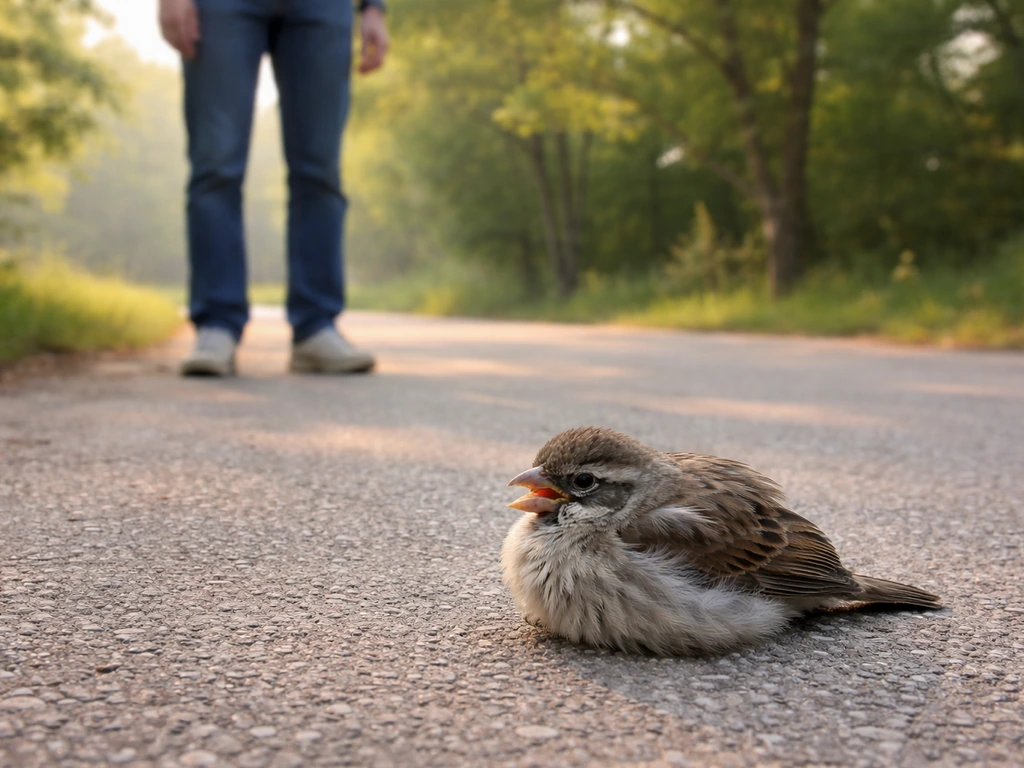
The most common dehydrated bird symptoms are sunken or dull eyes, skin that stays tented or wrinkled when gently pinched, lethargy, dry or tacky mucous membranes inside the mouth, and reduced or no droppings. You may also notice the bird is fluffed up, standing with eyes half-closed, or simply sitting on the cage bottom not moving much. These signs can appear quickly, especially in hot weather, during illness, or when a bird has gone without water for even a few hours. If you notice signs that look like dying bird symptoms, such as sunken eyes and reduced droppings, it is important to assess hydration right away.
Dehydrated Bird Symptoms: Signs, Causes, and What to Do Now

Marcus Webb
7 May 2026
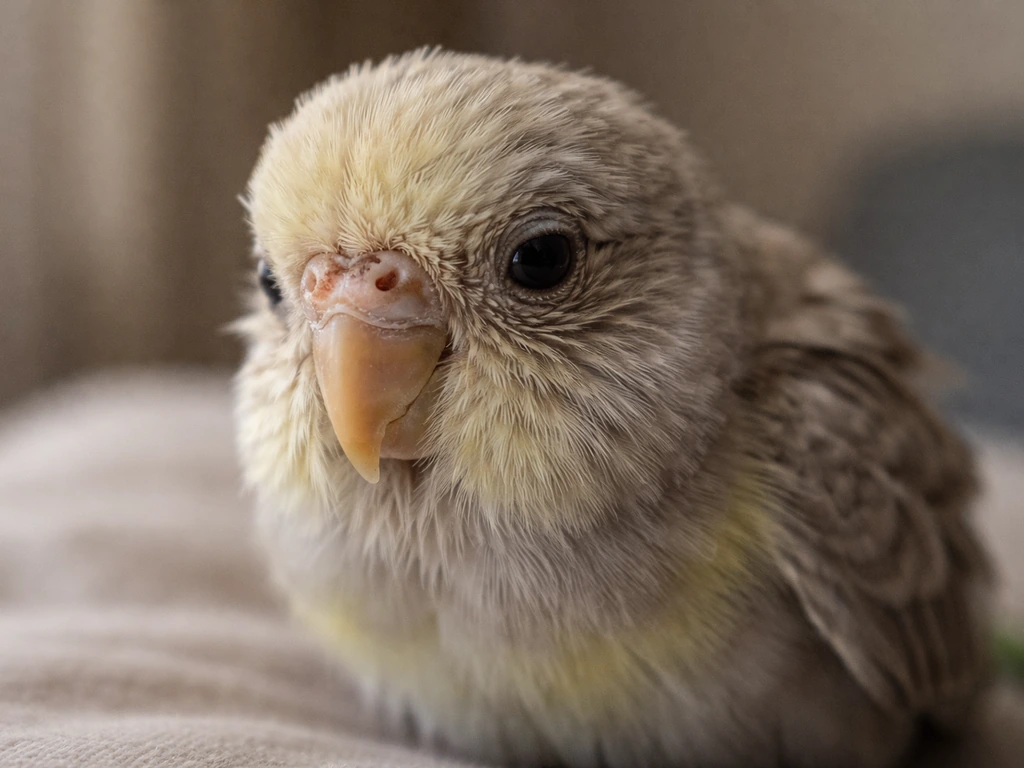
The most common dehydrated bird symptoms at a glance
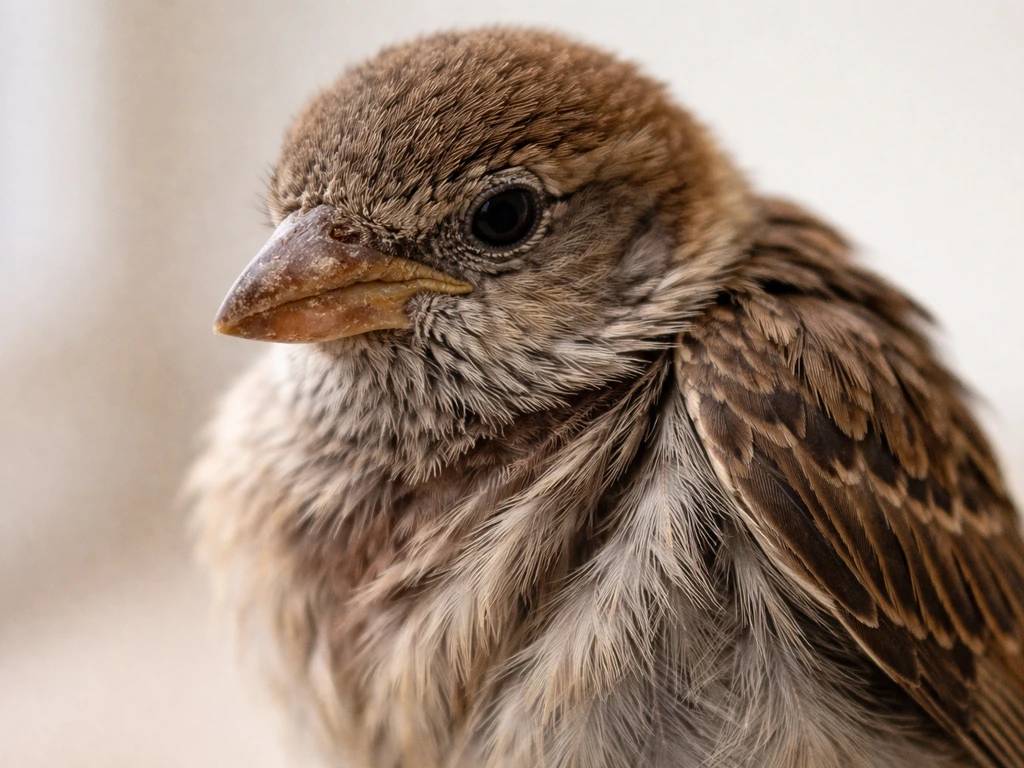
Dehydration in birds tends to show up in the skin, eyes, and behavior before anything else. Here are the signs most worth watching for:
- Sunken, dull, or dry-looking eyes (healthy eyes are bright and full)
- Skin that tents or stays pinched when lightly pulled (especially over the keel or back)
- Dry, tacky, or thick mucus inside the beak
- Fluffed feathers and hunched posture
- Lethargy or sitting at the bottom of the cage
- Reduced droppings, very dark urates, or no droppings at all
- Loose, wrinkled, or dry-feeling skin around the legs or feet
- Rapid breathing or elevated heart rate in more severe cases
- Loss of appetite and reduced vocalization
Severity matters a lot here. Mild dehydration (roughly 5% fluid loss) may just look like brief skin tenting and slightly dry eyes. Moderate dehydration (around 10%) adds persistent skin tenting, thickened oral secretions, and early hypothermia. Severe dehydration (approaching 15%) can cause profound weakness, collapse, and a noticeably rapid heartbeat. At that point, you're looking at an emergency.
How to check hydration at home
You can do a basic hydration check at home using two simple techniques, though neither replaces a vet assessment. They're useful for getting a read on how urgent the situation is.
The skin tent test
Gently pinch the skin on the bird's back or over the keel bone (the ridge down the center of the chest), then release it. In a well-hydrated bird, the skin springs back immediately. If the skin stays tented or takes 2 to 3 seconds to flatten, that's a concerning sign of dehydration. Keep in mind that very thin or emaciated birds may show skin tenting due to lack of fat and tissue rather than fluid loss alone, so use this in combination with other signs.
Eyes and mouth check
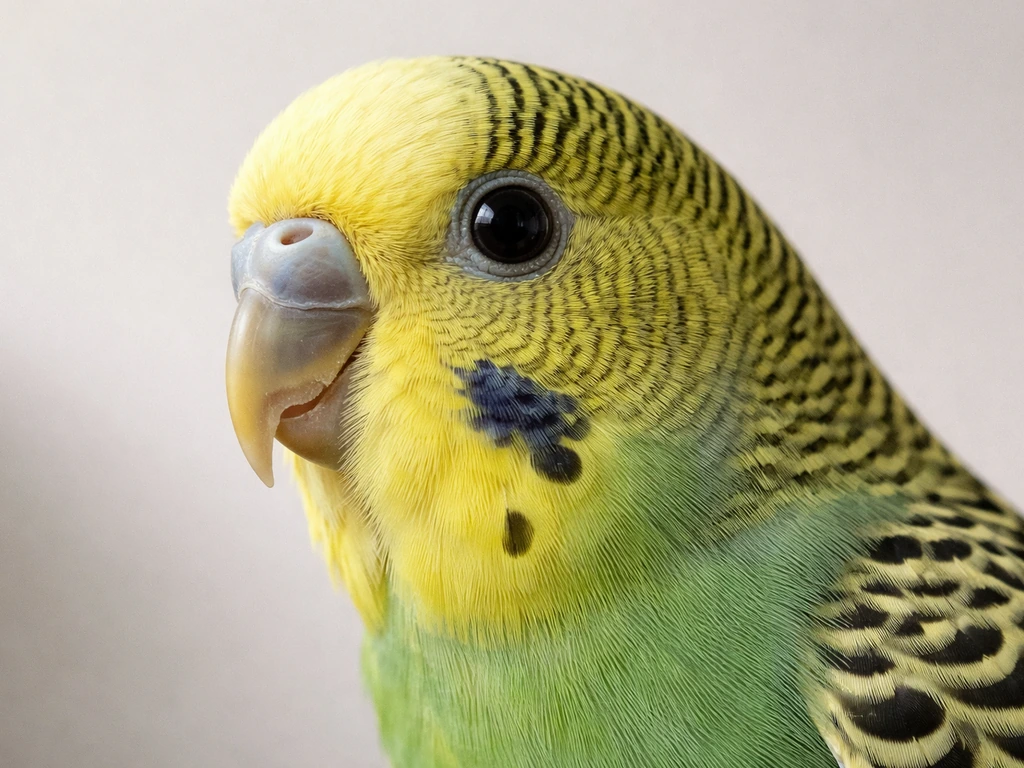
Look directly at the bird's eyes. They should be round, bright, and full. Sunken or dull eyes, especially combined with dry-looking tissue around them, are a reliable flag. Inside the beak, healthy mucous membranes are moist and slightly shiny. If they look dry, sticky, or tacky when you gently open the beak, dehydration is likely. Thick or ropey saliva is another red flag.
What else to measure and note
If you have a small kitchen or postal scale, weigh the bird and write it down. Rapid weight loss over a day or two strongly suggests dehydration or illness. Also check the droppings: dark, scanty, or absent urates (the white part) often indicate the bird isn't getting enough fluids. Note the ambient temperature in the room or enclosure, access to water, how long the bird has been showing symptoms, and whether it's been eating recently. All of this will be useful if you need to call an avian vet.
Behavior and physical signs that make dehydration more likely
Some situations raise the probability of dehydration significantly. A bird sitting next to an empty water dish, or one whose water hasn't been changed in days and smells off, may simply have stopped drinking adequate amounts. Birds that are sick with respiratory illness, digestive upset, or diarrhea can become dehydrated fast because they lose fluids while also drinking less than normal.
Hot weather or a warm enclosure accelerates fluid loss. Birds in outdoor aviaries during summer heat, or pet birds in warm rooms with poor ventilation, are at higher risk. Wild birds found on hot pavement, in direct sun, or near windows they've struck are also prone to rapid dehydration on top of other injuries.
Behavioral signs that push toward dehydration as a cause include a bird that was previously active and vocal but has suddenly gone quiet, isn't responding to its usual triggers, or is sitting with feathers fluffed and eyes partially closed. Sleeping more than usual with closed eyes is a known red flag for illness in pet birds generally, and dehydration often travels alongside sickness. If the bird has also stopped eating, the situation is more urgent because food provides a significant portion of moisture intake for many species.
When it's not dehydration: look-alike illnesses to rule out
Dehydration rarely exists on its own. It's usually a symptom of something else, or it shares symptoms with conditions that need very different treatment. This is where things get tricky. Air sac rupture in birds can cause breathing trouble, weakness, and lethargy, so it helps to consider this if you also notice respiratory symptoms look-alike illnesses.
| Condition | Overlapping Signs | Key Differences from Dehydration |
|---|---|---|
| Respiratory illness | Lethargy, fluffed feathers, reduced appetite | Audible breathing sounds, tail bobbing, nasal discharge, open-mouth breathing |
| Toxicity / poisoning | Weakness, collapse, altered behavior | Sudden onset, possible vomiting, neurological signs like tremors or seizures |
| Digestive upset / diarrhea | Reduced droppings, lethargy, weight loss | Watery or discolored droppings, abdominal distension, vomiting |
| Heat stroke | Weakness, rapid breathing, collapse | History of heat exposure, panting, wings held away from body |
| Shock (from trauma or stress) | Lethargy, cold extremities, rapid heart rate | Recent impact or injury, stunned appearance, unresponsive to surroundings |
| Nutritional deficiency | Dull feathers, weakness, poor posture | Gradual onset, no clear fluid-loss history, skin tenting less pronounced |
A bird found outside that is stunned or in shock can look almost identical to a dehydrated bird, and a poisoned bird may show some of the same weakness and collapse. If you suspect a dog may have harmed or ingested the bird, look for dog ate bird symptoms such as sudden weakness, mouth dryness, and abnormal droppings. A poisoned bird can look weak and collapse, so it's important to consider poisoning if the pattern doesn't fit dehydration alone poisoned bird symptoms. If the bird looks stunned or is behaving like it is in shock, compare the situation to stunned bird symptoms to avoid missing a non-dehydration cause. If you're unsure, treat the bird gently and get professional advice rather than assuming fluid supplementation is the only fix needed. The underlying cause always matters.
What to do right now: safe first aid while you assess
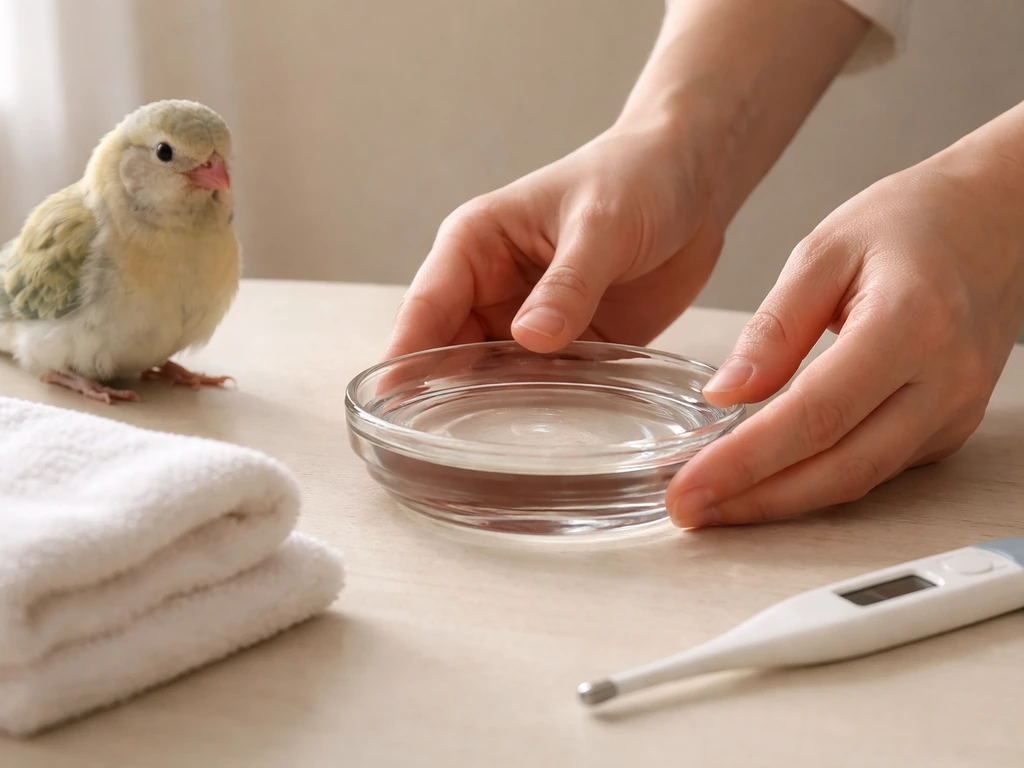
If you think a bird is dehydrated, here's what you can safely do while figuring out how serious it is and whether a vet is needed. For critically ill birds, dehydration is common, and oral fluid replacement may be used for mildly dehydrated patients or alongside subcutaneous or IV fluids depending on severity blank" rel="noopener noreferrer">If you think a bird is dehydrated, here's what you can safely do while figuring out how serious it is and whether a vet is needed..
- Make sure fresh, clean water is immediately available. For a pet bird, refresh the water dish and check that the bird can physically reach it. For a wild bird, place a shallow dish of water nearby but don't force anything into its beak.
- Move the bird to a calm, warm space away from drafts, direct sun, and household stress. A temperature around 85 to 90°F (29 to 32°C) is generally supportive for an unwell bird, but avoid overheating.
- Do not force fluids into the beak with a syringe or dropper unless you have been trained to do so. Forcing liquids into a weak or unconscious bird can cause aspiration pneumonia, which is life-threatening.
- If the bird is conscious and alert enough to swallow, you can offer a drop of plain water near the beak and let it choose to drink. Electrolyte solutions designed for birds (available at pet stores) can help, but plain water is fine in the short term.
- Avoid offering sports drinks, fruit juice, or human electrolyte powders. These often contain ingredients that are harmful to birds.
- Write down everything you observe: when symptoms started, the bird's last known drinking and eating, its dropping output, the room temperature, and your hydration check results. This information helps an avian vet act faster.
- Keep the bird quiet and contained. Stress worsens dehydration and can push a borderline bird into crisis quickly.
How to decide urgency: when to contact an avian vet immediately
Some dehydration situations can be monitored for a few hours while you encourage drinking and watch for improvement. Others need same-day or emergency care. Use this breakdown to gauge where your bird sits.
Call a vet right away if you see any of these
- The bird is collapsed, unresponsive, or unable to grip a perch
- Skin tenting is persistent (2+ seconds) and eyes are visibly sunken
- There are no droppings for more than 12 hours in a pet bird
- The bird is breathing rapidly, panting, or has a tail bob with every breath
- Obvious hypothermia: the bird feels cold to the touch and can't thermoregulate
- Seizures, tremors, or loss of coordination (may indicate toxicity alongside dehydration)
- A young or very small bird (chicks and small species deteriorate extremely fast)
- Symptoms have been present for more than 24 hours without improvement
Monitor closely but still get a vet appointment today if
- The bird is drinking again but still acting lethargic or fluffed
- Skin tenting is mild (returns within about 1 second) and eyes look slightly dull
- Droppings have decreased but aren't absent
- The bird has an underlying illness you're already managing
When you call, tell the vet the bird's species, approximate weight if you have it, how long symptoms have been present, what the bird's water and food access has been like, the ambient temperature of its environment, and the results of your skin tent and eye checks. Veterinary treatment for dehydration often includes subcutaneous fluids (fluids given under the skin), supportive warmth, and humidity support while the underlying cause is identified. Knowing what to expect can help you act faster and feel less overwhelmed when you make that call.
Common causes and how to prevent dehydration in pet and wild birds
Why birds become dehydrated
The most common reason a pet bird becomes dehydrated is illness. When birds feel unwell, they stop drinking as much as normal, and that deficit adds up quickly given their small body size. Diarrhea and vomiting accelerate fluid loss. Hot environments, poor ventilation, and direct heat sources are also major factors, especially in summer or in homes where cage placement puts birds near windows or heating vents.
For wild birds, dehydration can happen fast during heat waves, drought conditions, or after an injury prevents normal foraging and drinking. Birds that have been stunned by a window strike or are in shock from a scare may be too impaired to seek water even if it's nearby.
Prevention for pet birds
- Change water daily and clean the dish thoroughly to prevent bacterial growth that may deter drinking
- Use multiple water sources in large cages or aviaries so one dirty dish doesn't cut off access
- Offer moisture-rich foods like fresh vegetables and fruit as part of a balanced diet
- Keep cage temperatures stable, ideally between 65 and 80°F (18 to 27°C), and out of direct sunlight
- Check water availability first thing every morning as part of a daily routine
- During warm months or in heated homes, monitor droppings: reduced or dark urates are an early sign the bird needs more fluids
- Weigh your bird weekly on a small scale and note any sudden drops, which can signal reduced intake before visible symptoms appear
Prevention for wild birds (if you support them)
- Provide a shallow bird bath or water dish in a shaded spot during hot months, refreshing it daily
- Place water sources at varying heights to accommodate different species
- If you find a wild bird showing signs of sickness or dehydration, contact a licensed wildlife rehabilitator rather than attempting long-term home care
Dehydration in birds is serious but also very treatable when caught early. The birds most at risk are those that are already sick, very young, very small, or exposed to heat stress. Building simple daily habits around water access and dropping checks gives you the best chance of catching a problem before it becomes an emergency.
FAQ
If I offer water, how long should I wait to see improvement in dehydrated bird symptoms?
If dehydration is mild and the bird is stable, you should see some change within a couple of hours, such as more alertness and moist mucous membranes. If there is no improvement quickly, or the bird keeps collapsing, breathing with difficulty, or has persistent absence of droppings, treat it as urgent and contact an avian vet rather than waiting longer.
Can I safely use a syringe to force water into a dehydrated bird?
Avoid force-feeding or syringing water, because it can enter the airway and cause choking or aspiration. Instead, focus on encouraging natural drinking, offering water in a familiar shallow dish, and providing supportive care while you seek veterinary guidance, especially if the bird is lethargic or has thick or ropey saliva.
Is skin tenting always a sign of dehydration?
Not always. Very thin, emaciated, or chronically underfed birds can show tented skin due to lack of fat and tissue rather than fluid loss. That is why the skin test should be interpreted together with eye appearance, mucous membrane moisture, saliva quality, and droppings.
How does dehydration affect droppings, and what detail should I report to the vet?
Dehydration often reduces droppings and can change the urate portion, making urates darker, scant, or absent. When you call, describe whether there is fecal output, whether the white urate part is present, and any recent changes in color or volume.
What if the bird is fluffed up and sitting on the cage bottom, could it be something else?
Yes. Fluffed posture with eyes half-closed can occur with dehydration, but it also overlaps with serious illnesses like respiratory problems, toxicosis, and shock. If you notice breathing changes, abnormal posture, sudden collapse, or a pattern that does not fit drinking deprivation, do not assume fluids alone will fix it.
What temperature is considered high risk for dehydration in pet birds?
Warm conditions raise the risk quickly, especially if the bird is in direct sun or near a window or heater vent. As a practical rule, if the room feels uncomfortably warm for you, assume the bird is at elevated risk and prioritize immediate hydration support and veterinary contact if symptoms are present.
When should I treat dehydration as an emergency for an adult vs a young bird?
All severe cases are emergencies, but younger birds, very small species, and birds already sick deteriorate faster. If a young bird shows dull or sunken eyes, persistent droppings reduction, or skin that stays tented beyond the first seconds of the pinch test, seek same-day care immediately.
Could dehydration cause a fast heartbeat, and what should I do if I notice collapse?
Severe dehydration can progress to profound weakness and collapse, and a rapid heartbeat may be present. If the bird is collapsing, severely weak, or unable to stand, it is safer to treat as immediate emergency care rather than trying home fluids while you troubleshoot causes.
What at-home steps are safest while I’m arranging a vet visit?
Keep the bird warm and calm, increase humidity in the environment if you can do so gently, and provide access to water in a format it normally uses. Do not give medications unless prescribed. Monitor eyes, mucous membranes, breathing effort, and droppings, and be ready to provide the timing and results of your skin and eye checks to the vet.
How do I estimate hydration severity if I don’t have a scale or can’t measure timing well?
You can still triage using combination signs: persistence of skin tenting duration, eye brightness or dullness, mucous membrane moisture, and droppings or urate presence. If you cannot quantify fluid loss, focus on whether multiple high-signal signs are present together (for example, dull eyes plus dry mouth plus reduced urates), since that pattern strongly supports urgency.
Next Article
Sick Wild Bird Symptoms: How to Spot Signs and Act Now
Spot sick wild bird symptoms fast, tell illness from injury, triage safely, and know when to call a rehabber.