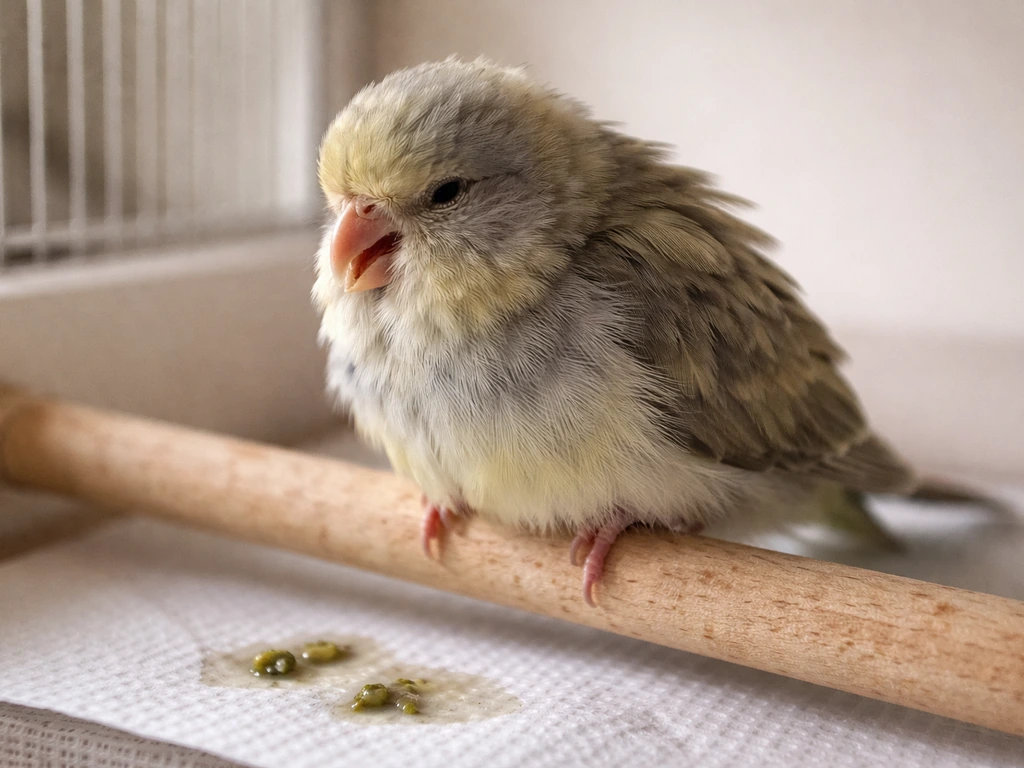
When a bird is sick, the safest things you can give it right now are warmth (85–90°F), quiet, easy access to food and water, and a calm environment. That's it until you talk to an avian vet. Most other things people reach for, including human medications, herbal remedies, and supplements, can make a sick bird worse fast. This guide walks you through exactly what to do, what to skip, and when to stop home care and call a vet, with a worksheet-style checklist you can follow step by step today.
What to Give a Sick Bird: Math Worksheet Style Care Checklist

Marcus Webb
1 May 2026
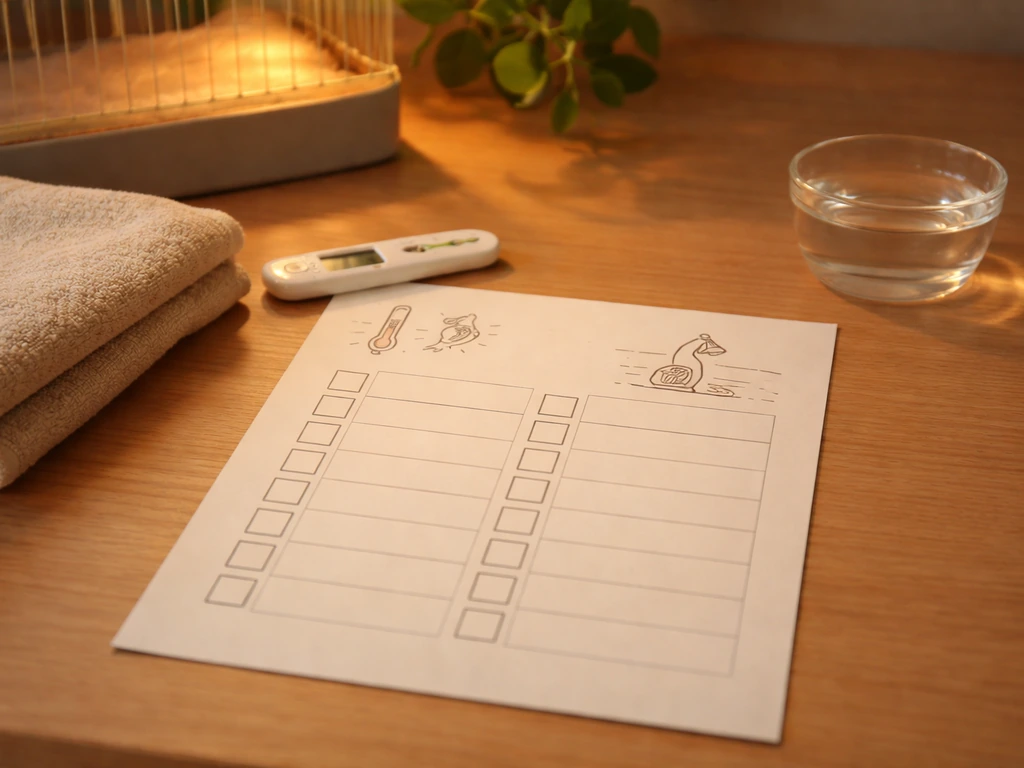
Quick triage: is this an emergency right now?
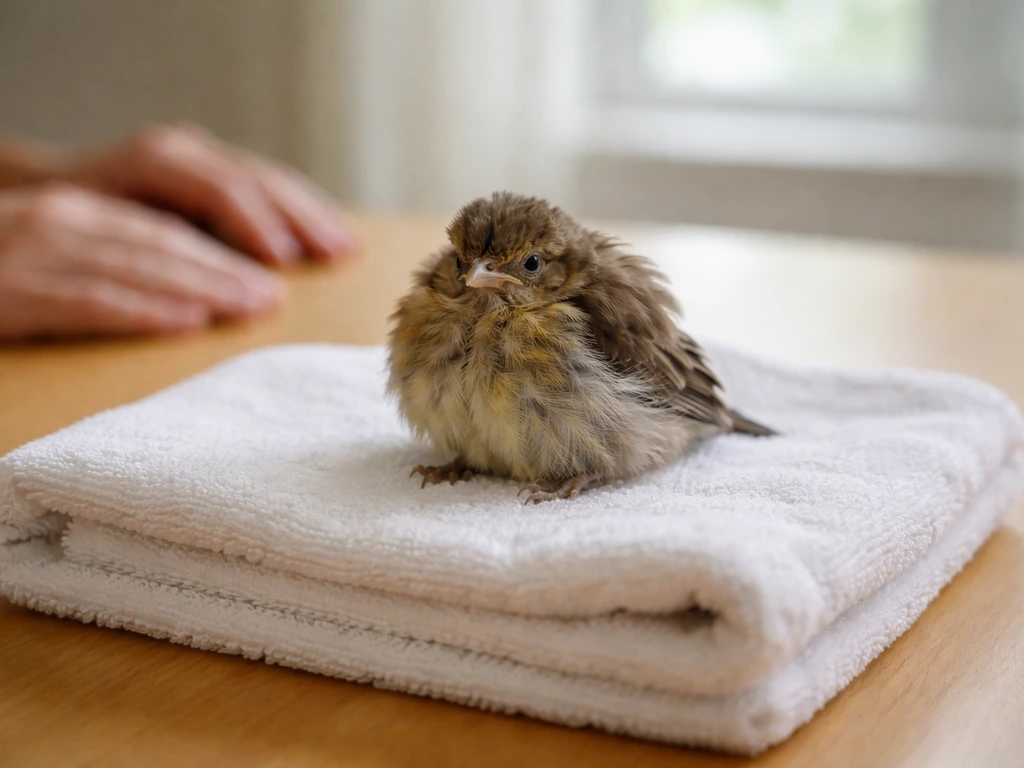
Before you do anything else, spend 60 seconds watching the bird without touching it. You're looking for signs that tell you whether this is a 'supportive care at home' situation or a 'get to a vet today' situation. These two categories require completely different responses.
Go to an avian vet immediately (same day, no waiting) if the bird shows any of these:
- Open-mouth breathing, labored breathing, or any breathing you can hear (clicking, wheezing, rasping)
- Discharge from the nose or mouth
- Inability to perch or stand
- Seizures, twitching, head tilt, or stumbling (neurologic signs)
- Visible wounds, burns, or active bleeding
- Blood in the droppings or watery/completely absent droppings
- Complete inactivity: not eating, not moving, not responding to you during daylight hours
- Drooping wing or obvious lameness
If none of those apply but the bird looks fluffed, is quieter than usual, or has slightly loose droppings, you're in supportive care territory, but you should still call an avian vet the same day to describe what you're seeing. Look for symptoms early, because recognizing signs your bird is sick can help you decide whether to start supportive care or get professional help right away. Recognizing what a sick bird looks like is the foundation of good triage, and subtle signs matter. A bird that seems 'just a little off' can decline quickly.
What you can safely give right now
Heat first, everything else second
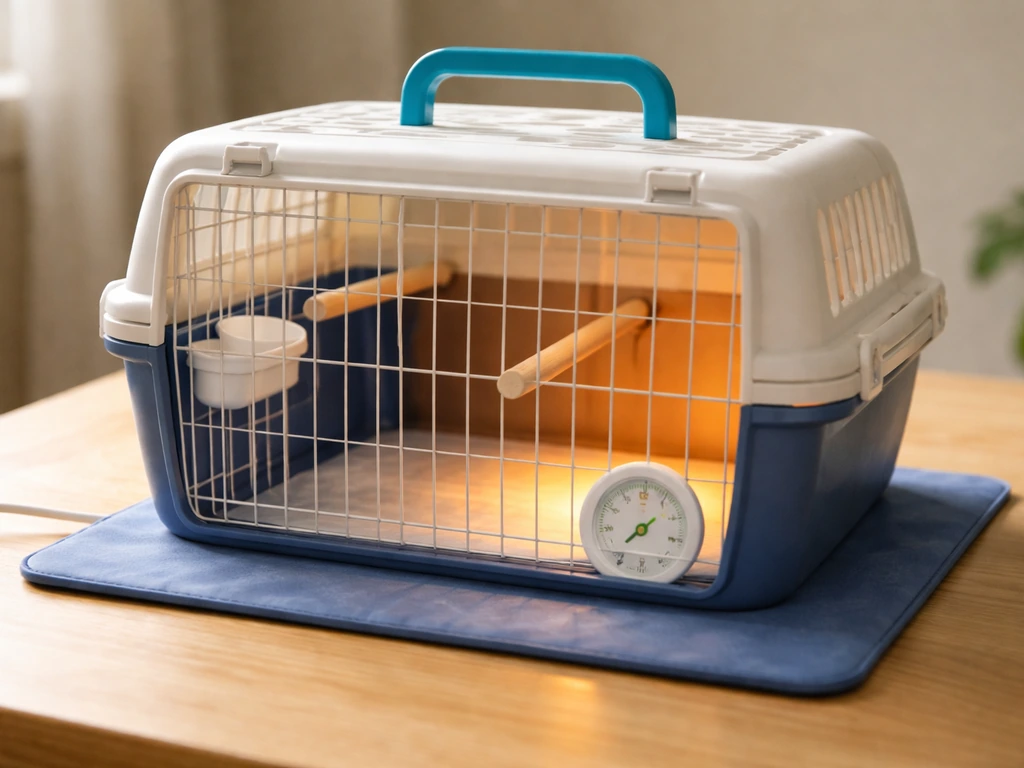
Warmth is the single most important thing you can provide. A sick bird loses body heat fast. The target temperature is 85–90°F (29–32°C) in the bird's immediate environment. You can achieve this by placing a heating pad on low under half of the cage or carrier (never the whole floor, so the bird can move away if too warm), or by positioning a heat lamp to one side. Check the temperature with a thermometer, not by feel.
Watch for overheating. If the bird is panting rapidly, holding its wings out away from its body, or has its beak open in a warm room, it's too hot. Lower the temperature immediately.
Quiet and minimal handling
Keep the bird in a quiet, dimly lit space away from other pets, loud TVs, and foot traffic. Stress burns energy a sick bird does not have. Minimize how often you pick it up or move it. The goal is to let its body focus on fighting whatever is wrong.
Food and comfort
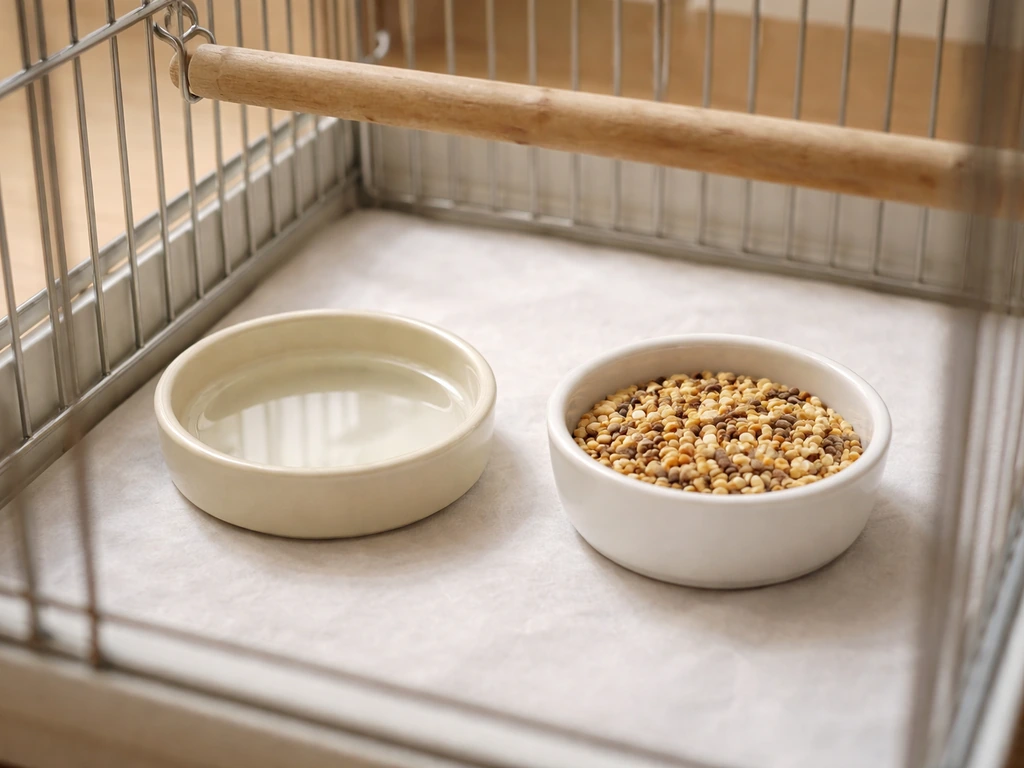
Place food and water containers low in the cage or directly on the floor so a weak bird does not have to climb or fly to reach them. Offer familiar, easy-to-eat foods the bird already knows. Soft foods like cooked rice, mashed sweet potato, or soaked pellets are good options if the bird seems too weak to crack seeds or harder foods. Do not introduce new foods during illness; stick to what the bird recognizes.
Feeding and hydration support
A sick bird that is still awake, alert, and able to swallow can usually drink on its own if water is placed right in front of it. Make sure fresh water is always available. If you suspect dehydration (sunken eyes, dry/tacky skin around the beak, loss of skin elasticity), contact a vet before doing anything else.
If the bird is weak and not eating, the Association of Avian Veterinarians says you can offer a few drops of water mixed with a small amount of pancake syrup using an eyedropper or syringe. This addresses the risk of low blood sugar in a bird that hasn't eaten. The key word is 'a few drops.' Place the dropper or syringe at the side of the beak, aim toward the opposite side of the mouth, and give one drop at a time. Wait and confirm the bird swallows before giving more. Never squeeze a stream of liquid into a bird's mouth.
When syringe-feeding is not appropriate
If the bird cannot swallow on its own, is too weak to hold its head up, or shows any respiratory distress, do not attempt syringe-feeding at all. A bird that aspirates liquid into its lungs can die within minutes. A bird that cannot swallow needs veterinary care immediately, not fluid support at home. This is a firm line.
What not to give a sick bird
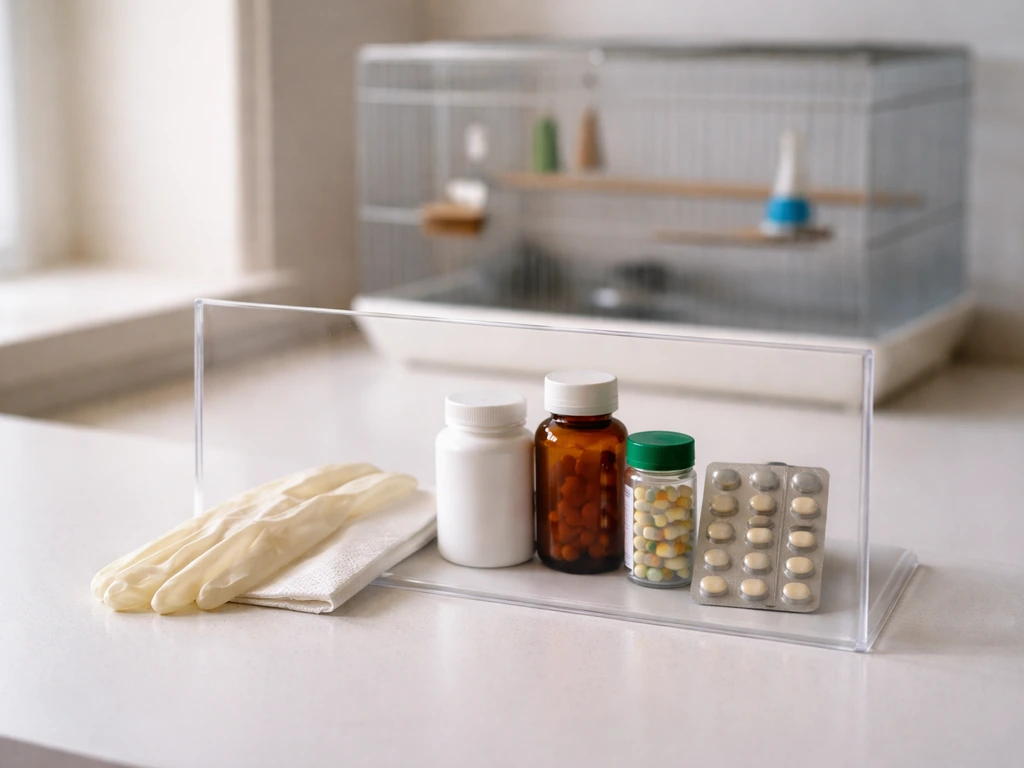
This list matters as much as anything else in this guide. Many bird deaths during illness happen because a well-meaning owner gave something harmful.
- Human medications of any kind: Tylenol, ibuprofen, antihistamines, cough syrups, cold medicines, antibiotics prescribed for people or other animals. All of these can be toxic to birds at doses meant for humans.
- Ointments or creams: Do not apply Neosporin, Vicks, or any topical product to a bird's skin or feathers unless an avian vet specifically tells you to.
- Herbal or 'natural' remedies: Essential oils, apple cider vinegar, garlic, and similar remedies are not proven safe for sick birds and several are actively toxic.
- Supplements you haven't confirmed with a vet: Extra vitamins, calcium powders, or probiotic products can disrupt the balance a sick bird needs.
- Avocado, chocolate, alcohol, caffeine, onion, or salty foods: These are toxic to birds even in small amounts.
- Incorrect temperatures: Both chilling (below 80°F for a sick bird) and overheating are dangerous.
Birds are also extremely sensitive to airborne toxins. The University of Illinois Veterinary Medicine notes that an avian respiratory system is very sensitive to inhaled toxins and that birds may develop prolonged exposure from inhaled hazards Birds are extremely sensitive to airborne toxins. If you suspect the bird became ill after exposure to non-stick cookware fumes (PTFE/Teflon overheating), paint, solvents, smoke, or cleaning product fumes, treat this as a toxin emergency and call a vet immediately. Move the bird to fresh air right away.
Symptom-to-action guide by body system
Use this table to match what you're seeing to the right immediate action. This is not a diagnosis tool; it's a triage guide to help you prioritize and communicate clearly with a vet.
| What you're seeing | Likely body system | Home care safe? | Action |
|---|---|---|---|
| Open-mouth breathing, tail-bobbing, clicking/wheezing sounds, nasal discharge | Respiratory | No | Vet same day. Keep bird warm and quiet in transit. Do not attempt steam therapy without vet guidance. |
| Loose, watery, or discolored droppings; vomiting or regurgitation; loss of appetite | Gastrointestinal | Supportive only | Warmth, easy-access food, fresh water. Collect droppings on white paper to show vet. Call vet same day. |
| Sunken eyes, tacky skin, extreme lethargy, not drinking | Dehydration | Minimal | Offer water drops only if bird can swallow. Call vet immediately. Do not syringe-feed if swallowing is impaired. |
| Twitching, seizures, head tilt, stumbling, falling off perch | Neurologic/Toxin | No | Vet emergency. Do not attempt home care beyond warmth and quiet. Note any possible toxin exposures. |
| Bleeding wound, broken feather shaft bleeding, drooping wing, lameness | Trauma | Minimal | Apply light pressure to bleeding with clean gauze only. Keep bird still. Vet same day. |
| Fluffed feathers, quieter than normal, slightly reduced appetite, but still alert and able to perch | General illness (mild) | Yes, briefly | Warmth 85–90°F, lower food/water, reduce stress. Monitor closely and call vet within a few hours if not improving. |
When to call an avian vet and what to tell them
Call an avian vet the moment you notice any of the emergency signs listed above, or any time a bird is not improving within a couple of hours of supportive care at home. Do not wait overnight hoping the bird will improve on its own. Birds hide illness instinctively, which means by the time you clearly notice symptoms, the bird has often been sick for longer than it looks.
When you call, have this information ready:
- Species and approximate age of the bird
- How long you've noticed symptoms and which symptoms specifically (use the table above as a reference)
- What the bird eats normally and whether it has eaten or drunk today
- A description of recent droppings: color, consistency, volume, and any blood
- Any possible toxin exposures in the last 24–48 hours (new cookware, cleaning products, candles, paint, other animals)
- Current temperature of the bird's environment
- Whether the bird can perch, swallow, and hold its head up
If you can, collect a fresh dropping on clean white paper or wax paper before you go. The vet will want to see feces, urine, and urates separately if possible, and the color and consistency tell them a lot.
Your sick bird worksheet: step-by-step checklist for today
Print or copy this checklist. Work through it in order. Each step builds on the last.
Step 1: Observe before you touch (60 seconds)
- Is the bird breathing normally? (No open-mouth breathing, no audible sounds, no tail-bobbing)
- Can the bird perch and stand on its own?
- Are the eyes open and alert?
- Is there any visible bleeding, wound, or discharge?
- Is the bird moving at all, or completely still?
Step 2: Decision point, emergency or supportive care?
- If YES to any of the following: open-mouth breathing, cannot perch, seizures/twitching, bleeding, blood in droppings, or completely inactive — STOP. Call an avian vet or emergency exotic animal clinic right now. Skip to Step 6.
- If NO to all of the above but the bird looks unwell — continue to Step 3.
Step 3: Set up a safe environment
- Place the bird in a small, quiet box or carrier lined with a clean towel
- Set a heating pad on LOW under half of the box floor (not the whole floor)
- Confirm temperature inside reaches 85–90°F with a thermometer
- Dim the light and reduce noise around the bird
- Keep other pets away
Step 4: Food and water access
- Place water and familiar food at the lowest accessible point in the enclosure
- If the bird is weak but alert and can swallow: offer 1–2 drops of water mixed with a tiny amount of pancake syrup via eyedropper, one drop at a time, waiting for each swallow
- If the bird cannot swallow or shows any breathing difficulty: do not offer anything by mouth. Call a vet immediately.
- Do NOT give any human medications, supplements, or remedies
Step 5: Monitor and document
- Check the bird every 15–30 minutes
- Collect a fresh dropping on white paper and note the time
- Write down: what you see, when symptoms started, what the bird last ate and drank, and any possible exposures
- Note whether symptoms are staying the same, improving, or getting worse
Step 6: Call an avian vet
- Call now if any emergency sign appears (see Step 2) or if no improvement within 1–2 hours
- Have your notes from Step 5 ready when you call
- Tell the vet: species, age, symptoms, duration, droppings description, diet, and any toxin exposures
- Follow the vet's instructions — do not add any home treatments while waiting for the appointment
Quick decision tree
- Is the bird breathing with effort or making noise while breathing? YES = vet now. NO = continue.
- Can the bird stand and perch on its own? NO = vet now. YES = continue.
- Are there seizures, twitching, or head tilt? YES = vet now. NO = continue.
- Is there bleeding, a wound, or blood in droppings? YES = vet now. NO = continue.
- Is the bird completely inactive and not responding? YES = vet now. NO = continue.
- Bird is fluffed, quiet, or has reduced appetite but passes steps 1–5? Set up warmth, offer food and water at floor level, monitor every 15–30 min, and call an avian vet within a few hours.
Understanding the signs your bird is sick before a crisis hits makes all of this much faster and less stressful. The more familiar you are with what a healthy bird looks and sounds like day to day, the sooner you'll catch something early when it matters most.
FAQ
What do you give a sick bird on the first day if you are unsure whether it needs a vet right away?
Start with warmth, quiet, and easy access to familiar food and water, but do not use medications or new foods to “test” the bird. If you see any emergency indicators (especially trouble breathing, open-mouth breathing, seizures, falling, or collapse), skip home care and go same day to an avian vet.
Is it okay to give a sick bird electrolytes, vitamins, or a water additive?
Avoid electrolytes, vitamin supplements, and “nutritional” additives during triage unless an avian vet tells you to. They can worsen kidney or gut issues, and they can interfere with proper assessment when the vet asks what the bird has had.
Can I give antibiotics or human cough medicine if the bird seems weak or not eating?
No. Human antibiotics, pain relievers, cough syrups, and decongestants can be toxic to birds or mask the true cause. If the bird is not improving within a couple of hours of supportive care, or if it looks worse, contact an avian vet.
How do I safely offer food if the bird is awake but not interested in eating?
Offer only familiar foods in softer forms the bird already eats, such as soaked pellets or mashed sweet potato, placed low so it does not need to climb. Stop introducing anything new, and focus on warmth and low-stress access to food and water.
What do I do if the bird is drinking but still has loose droppings?
Loose droppings can be consistent with supportive-care situations, but it still warrants a same-day call to an avian vet for guidance. Monitor closely for escalation such as very watery droppings, marked lethargy, or any breathing changes.
How long should I wait to see improvement after starting supportive care at home?
If the bird is not improving within a couple of hours, call an avian vet rather than waiting overnight. Birds can deteriorate quickly because symptoms may be subtle at first.
If the bird is fluffed and warm, how do I tell whether it is overheating versus just resting?
Overheating signs include rapid panting, wings held away from the body, or an open beak in a warm room. If you see those, lower the temperature immediately. Use a thermometer to confirm the environment is in the 85 to 90°F range, not by touch.
Can I use a heating lamp or heating pad under a whole carrier or cage?
Do not heat the entire floor or base. Provide warmth on one side or half so the bird can move away if it becomes too hot. Always check the temperature with a thermometer.
What do you give a sick bird if it is not drinking on its own?
If the bird is still able to swallow and you suspect low blood sugar risk, the article approach is a few drops of water with a small amount of pancake syrup, delivered one drop at a time, then wait to confirm swallowing. Do not syringe-feed if the bird cannot swallow, cannot hold its head up, or shows respiratory distress.
What is the safest way to prepare a sample for the vet if a vet visit is urgent?
If possible, collect a fresh dropping on clean white paper or wax paper before you go, and separate feces, urine, and urates if you can. Bring it with you so the vet can assess color and consistency quickly.
What should I bring or write down when I call the avian vet?
Be ready with what symptoms you saw, when they started, how the bird has been behaving, and any exposures you suspect (smoke, fumes, non-stick cookware, aerosols, cleaning products). Also note whether warmth, quiet, food access, and water were provided and whether the bird improved.
Is it ever appropriate to give a sick bird water by misting, spraying, or dripping water onto the beak?
Do not mist or spray. If you are offering tiny amounts, use the one-drop-at-a-time syringe or eyedropper method only when the bird can swallow, and never force a stream into the mouth. If swallowing is not clear, call the vet immediately.
Next Article
What Does a Sick Bird Look Like? Signs and What to Do
Spot sick bird signs fast, check breathing, posture, eyes and droppings, and know when to seek avian emergency care.