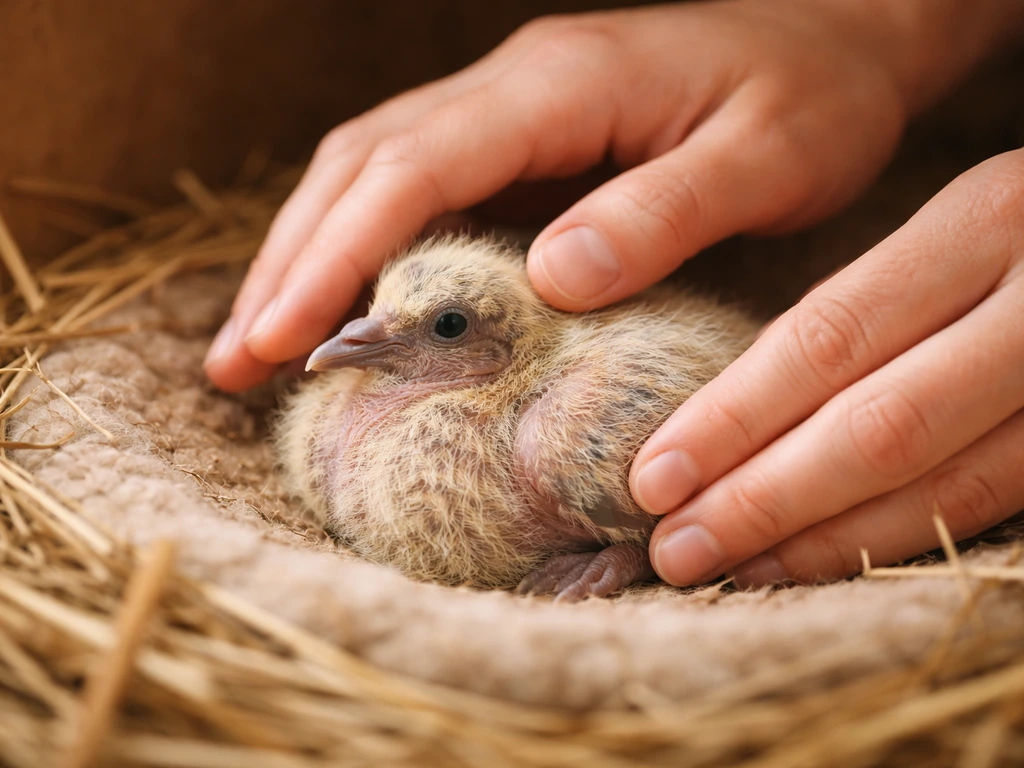
Birds don't get 'pregnant' the way mammals do, but a female bird preparing to lay eggs goes through real physical and behavioral changes that can look a lot like illness. The tricky part is that some of those same signs, like lethargy, fluffed feathers, and straining, can also mean something is seriously wrong. Knowing which is which matters, because missing a reproductive emergency like egg binding or a cloacal prolapse can turn dangerous fast.
Pregnant Bird Symptoms: Normal Breeding vs Illness Red Flags

Marcus Webb
22 May 2026
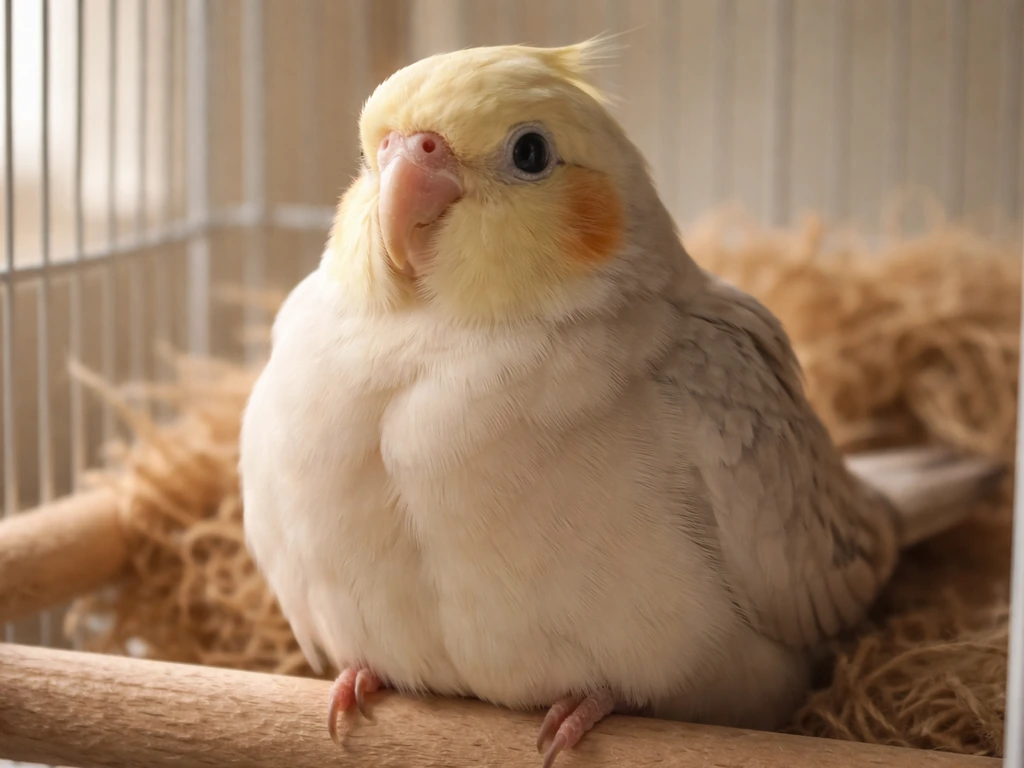
Normal signs in a breeding or pre-laying bird
When a female bird is preparing to lay eggs, her behavior shifts noticeably. These changes are normal, but they're easy to misread if you haven't seen them before.
Behavior and nesting
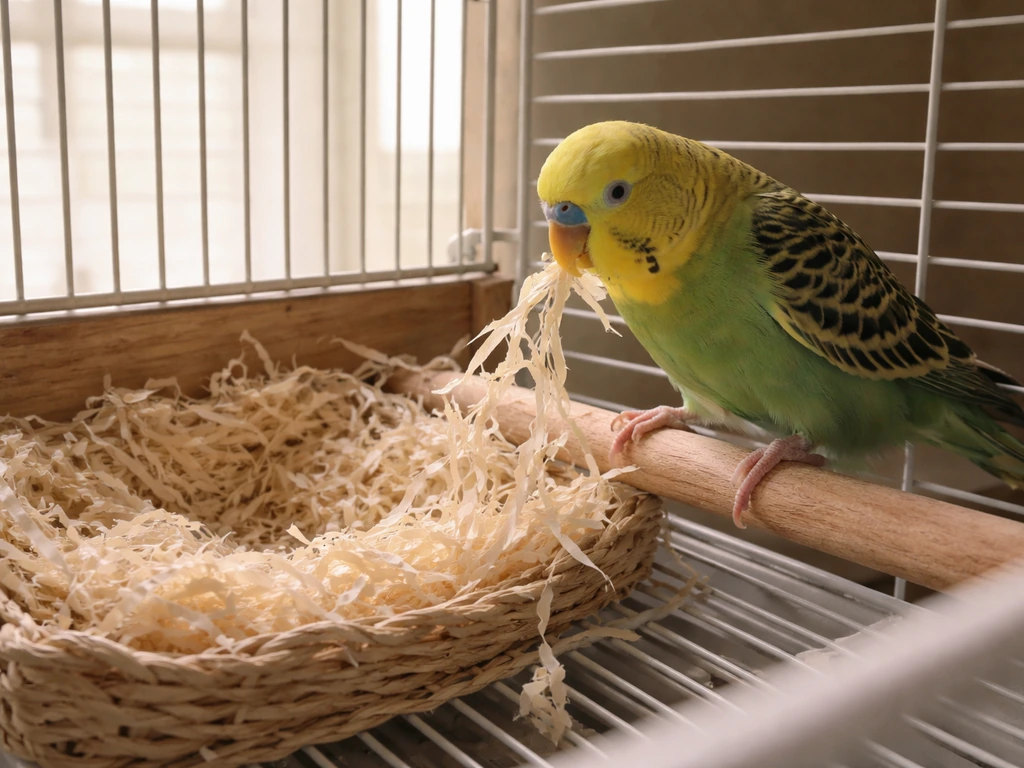
Expect her to become more territorial or defensive of a corner, box, or even a favorite spot on the cage floor. She may shred paper or nesting material with unusual enthusiasm, and some birds become noticeably more aggressive or vocal. A normally social bird might want less handling or become nippy. This is hormone-driven, not a personality problem.
Appetite changes
Many pre-laying females eat more, especially foods high in calcium. You might notice her chewing on cuttlebone more aggressively than usual or showing more interest in leafy greens and soft foods. Some birds eat slightly less in the day or two immediately before laying, which is normal and temporary.
Droppings
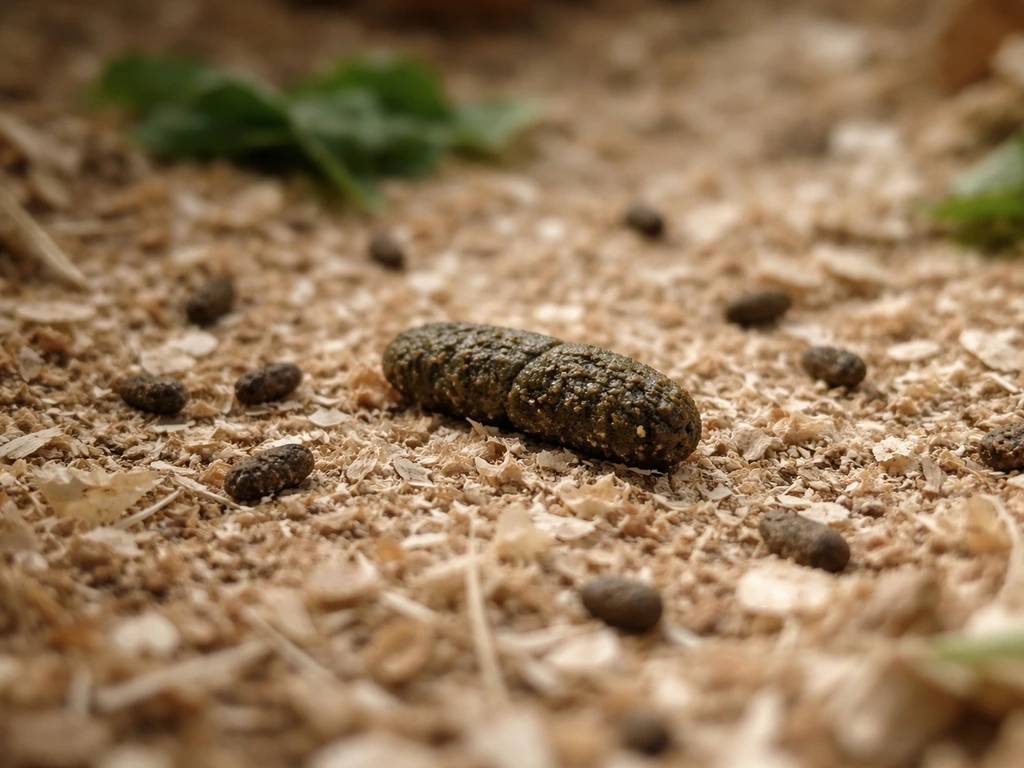
This one surprises a lot of owners. A breeding female often passes larger, less frequent droppings as an egg develops and takes up space in her body cavity. Normal bird droppings have three parts: the dark fecal matter, white or beige urates, and clear urine. Some variation in color and consistency is expected with diet changes, stress, or higher water intake. What you don't want to see is persistent loose or bloody stool, or droppings that stop entirely.
Physical appearance
Her abdomen may look slightly fuller or more rounded as the egg develops. Some birds sit lower in the cage or seem a bit heavier. This is different from the swollen, distended abdomen you'd see with egg binding or infection, which tends to look tighter and more pronounced.
Symptoms that look like pregnancy but aren't
This is where things get genuinely confusing. Several signs that owners associate with a 'pregnant' or pre-laying bird are actually warning signs of illness. If a breeding-period bird shows similar warning signs, it can also help to compare with symptoms of young bird sickness in pigeons so you do not miss illness. This is also why knowing bird pregnancy symptoms can help you sort normal pre-laying changes from potential problems. If you're seeing these, don't assume it's just breeding season.
- Lethargy and sitting at the bottom of the cage: Normal breeding birds stay alert and mobile. A bird that's hunched, unresponsive, or hanging at the cage floor is showing a classic illness signal, not a pregnancy sign.
- Prolonged fluffed or ruffled feathers: Light fluffing when resting is fine, but staying puffed up for hours or constantly is a sign the bird is trying to conserve heat due to illness.
- Weight loss: A bird preparing to lay may eat more, not less. Visible weight loss or a prominent keel bone is not a normal breeding change.
- Partially closed or sunken eyes: Healthy breeding birds are alert. Droopy or glassy eyes mean something is wrong.
- Persistent abnormal droppings beyond 24 hours: Watery, lime-green, or bloody droppings that don't resolve quickly need a vet's attention.
- Feather or skin changes: Patchy feathers or skin lesions are not related to egg development and suggest a separate health problem.
The core distinction is this: a normal breeding bird stays active and alert even while she's nesting. If your bird seems weak, dull, or genuinely unwell, treat it as illness first and breeding second.
Respiratory and digestive symptoms in breeding birds
Breeding and egg-laying put real physical stress on a bird's body, which can make underlying respiratory or digestive conditions flare up, or make them harder to spot. Here's what to watch for specifically.
Respiratory red flags
Open-mouth breathing at rest is never normal in a bird. Neither is tail bobbing (when the tail pumps up and down with each breath), increased sternal motion, or any audible wheezing, clicking, or labored breathing. These are signs of respiratory distress that need prompt veterinary attention. A bird that is breathing hard while sitting quietly is working significantly harder than it should be to get air, and that's an emergency-level concern.
Digestive symptoms
Vomiting and regurgitation look similar but have different causes. Regurgitation can be a normal courtship behavior in some species, where the bird rhythmically brings up and offers food. Vomiting is more forceful, the bird usually looks distressed, and the material may be undigested or foul-smelling. If your bird is vomiting along with showing weakness, weight loss, a swollen crop, or any breathing difficulty, that needs urgent evaluation. Similarly, diarrhea that persists more than 24 hours, especially with low energy or poor appetite, warrants a same-day call to your avian vet.
Reproductive emergencies you can't afford to miss
These are the situations where acting fast genuinely changes the outcome. Each of these can start looking like 'normal laying behavior' before they turn dangerous.
Egg binding (dystocia)
Egg binding is when a female can't pass an egg from her reproductive tract on her own. It's most common in budgies, cockatiels, canaries, finches, and lovebirds, though any female bird can be affected. Signs include visible straining as if trying to defecate or lay, abdominal distension, persistent tail wagging, and a hunched or weak appearance. The abdomen may feel firm. blank" rel="noopener noreferrer">Egg binding is potentially life-threatening and needs a vet the same day, not a wait-and-see approach. Diagnosis often involves physical palpation and imaging, including ultrasound if the egg is soft-shelled or the situation is complex.
Cloacal prolapse
A prolapse happens when tissue from inside the cloaca (the bird's common exit passage for droppings and eggs) pushes out and becomes visible at the vent. It can look like a pink or red mass protruding from the bird's rear end. This is an emergency. Prolapsed tissue dries out quickly and can become necrotic, and a prolapse can also block the passage of droppings and eggs entirely. If you see tissue outside the vent, get to an avian vet immediately.
Reproductive tract infection and egg yolk peritonitis
Infection of the reproductive tract or egg yolk peritonitis (when yolk material leaks into the body cavity) can develop silently. Signs include lethargy, abdominal swelling, loss of appetite, and sometimes a bird that seems to be cycling through breeding behavior repeatedly without successfully laying. These conditions are serious and often require imaging and lab work to diagnose properly.
Bleeding
Any visible blood around the vent, in the droppings, or on cage surfaces is a red flag. Don't wait to see if it resolves on its own. Call your vet immediately.
When to call your avian vet (and how urgent is urgent)
Not every unusual behavior in a breeding bird needs a same-day emergency visit, but some absolutely do. Here's a simple way to triage what you're seeing.
| What you're seeing | How urgent |
|---|---|
| Open-mouth breathing, tail bobbing, or audible wheezing | Emergency - go now |
| Visible tissue protruding from the vent (prolapse) | Emergency - go now |
| Straining with no egg passed after 24 hours | Urgent - same-day vet |
| Bleeding from the vent or in droppings | Urgent - same-day vet |
| Vomiting with weakness, swollen crop, or breathing trouble | Urgent - same-day vet |
| Abnormal droppings persisting more than 24 hours | Call vet same day |
| Lethargy, fluffed feathers, sitting at cage bottom | Call vet same day |
| Slightly larger or less frequent droppings, more nesting behavior | Monitor closely, call if worsening |
A general rule: if you're unsure whether something is serious, call your vet and describe what you're seeing. If you’re dealing with a young pigeon that seems sick, get guidance on how to cure young bird sickness in pigeons as early as possible to improve the chances of recovery. Most avian vets can help you decide over the phone whether it needs to be seen today or can wait for a scheduled appointment.
What you can safely do at home right now
There are genuinely helpful things you can do while you're figuring out what's going on or waiting for a vet appointment. There are also things that can make the situation worse. Here's the honest breakdown.
Safe supportive care
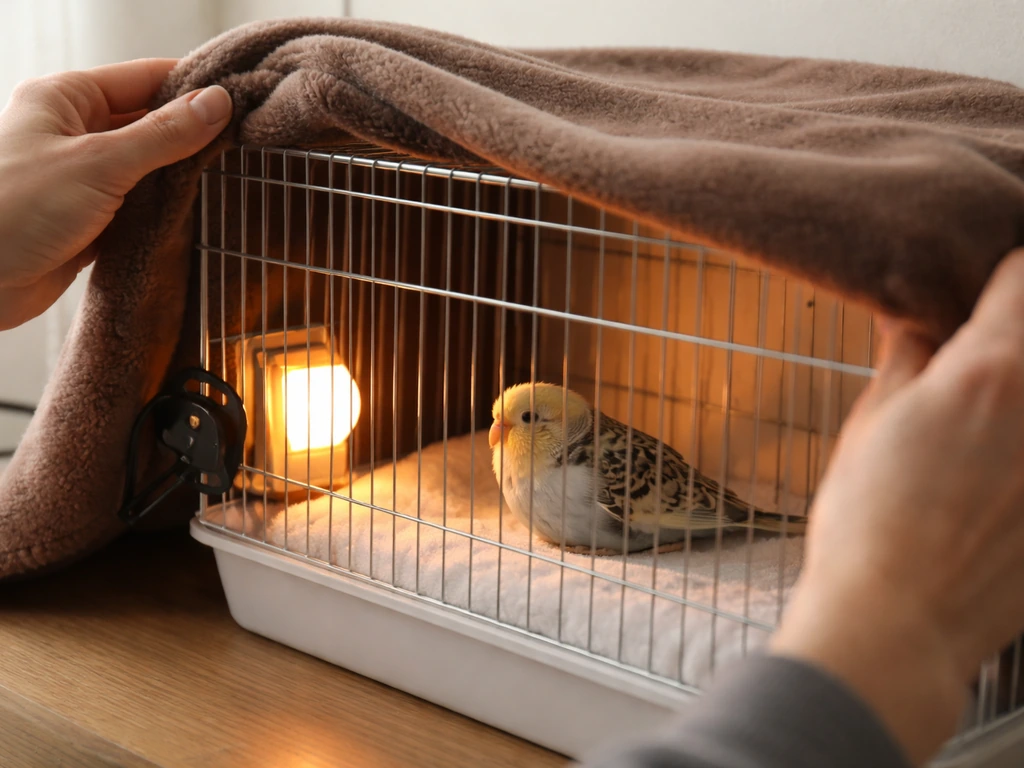
- Keep her warm: A bird that's unwell loses body heat quickly. Keeping the room at 80 to 85 degrees Fahrenheit (or providing a warm side of the cage with a heat lamp at a safe distance) reduces stress on her system.
- Reduce stress: Move the cage to a quiet area, reduce handling, and minimize loud noises or other pets nearby.
- Ensure fresh food and water are accessible: Don't force her to eat, but make sure clean water and her regular food are right where she can reach them without effort. A calcium source like cuttlebone should always be available for breeding females.
- Line the cage floor with soft material: If she's spending time on the floor, add a soft towel so she isn't on bare wire.
- Observe and document: Write down what you're seeing, when it started, and any changes. This is genuinely useful for your vet.
What not to do
- Don't try to manually help pass an egg by squeezing or pressing on her abdomen. This can rupture the egg internally, which is a life-threatening complication.
- Don't give medications or supplements not prescribed by a vet, including calcium injections or mineral oil, without veterinary guidance.
- Don't give a steam bath or soak unless specifically directed by your vet. These are sometimes recommended online but can cause chilling.
- Don't delay getting veterinary care because you're hoping the problem resolves on its own. Egg binding and prolapse deteriorate quickly.
How a vet confirms pregnancy versus illness
This is worth understanding because it explains why home guesswork has real limits. When you bring in a bird with reproductive or breeding-related symptoms, here's roughly what the diagnostic process looks like.
- History: The vet will ask about your bird's age, diet, breeding setup, how long symptoms have been present, and whether she's laid eggs before. This context shapes everything that follows.
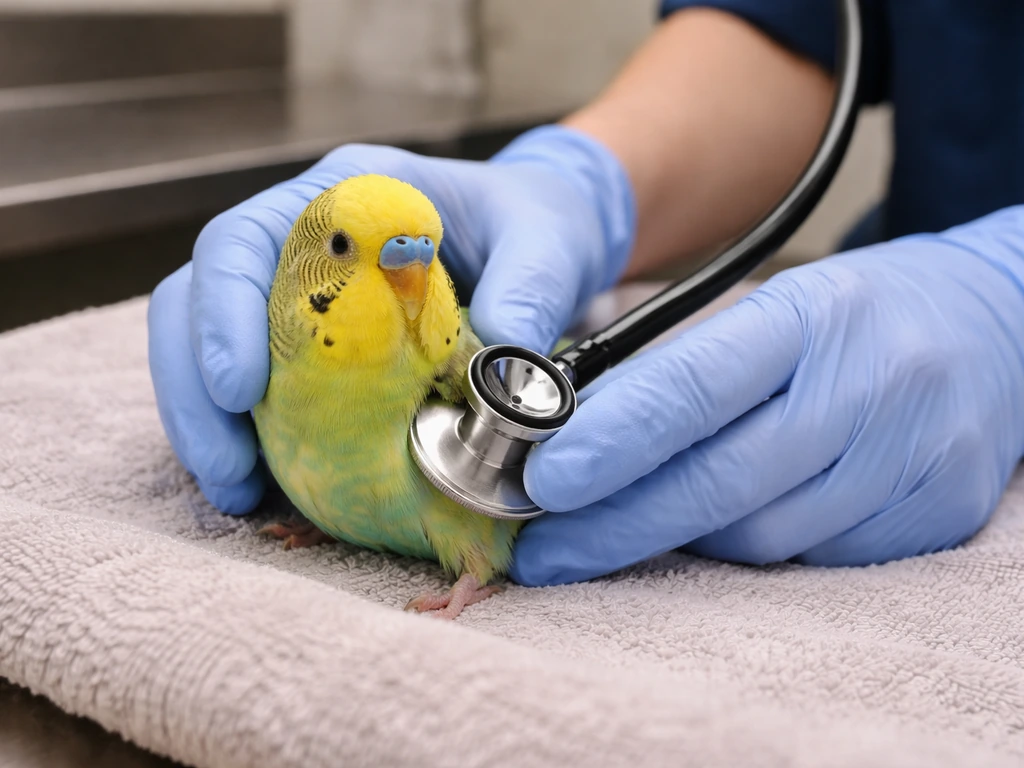
- Physical exam: A hands-on exam includes checking body weight, feeling the abdomen (coelomic palpation) for the presence of an egg or fluid, and inspecting the vent area for prolapse, discharge, or swelling. Birds often need to be gently restrained or lightly sedated for a proper abdominal exam.
- Imaging: X-rays are the most common first step for egg binding because a calcified egg shows up clearly. For soft-shelled, shell-less, or fragmented eggs, ultrasound gives better detail. Laparoscopy may be used in complex reproductive cases.
- Lab work: Blood panels can reveal infection, anemia, organ stress, or metabolic imbalances that a physical exam alone won't show. This is how egg yolk peritonitis or reproductive tract infections are often confirmed.
- Response to treatment: Sometimes the diagnostic picture becomes clearer as the bird responds (or doesn't respond) to initial supportive care or specific treatments, which helps the vet refine the diagnosis.
The reason this matters for you as an owner is that many of the conditions that look like 'normal breeding symptoms' from the outside, including egg binding, infection, and prolapse, can only be reliably distinguished from normal laying through hands-on examination and often imaging. There's a limit to what observation alone can tell you, and that's not a failure on your part. It's just the nature of avian health. Getting your bird seen promptly when something feels off is always the right call.
If your bird is showing ongoing reproductive symptoms and you're not sure whether they fall into normal breeding behavior or something more serious, it's also worth reading up on egg binding symptoms specifically and on bird-egg syndrome, both of which overlap with what's described here and can help you build a clearer picture before your vet visit.
FAQ
What are the most common “pregnant bird symptoms” that are actually normal before laying?
Normal pre-laying changes include increased territorial behavior, more interest in nesting material, mild changes in appetite (especially more calcium-rich foods), and a temporary slight change in droppings timing or size as the egg develops. The key pattern is that the bird remains bright and responsive, and breathing stays quiet at rest.
How can I tell if a fluffed-feather look is breeding-related or illness?
Breeding-related fluffed feathers are usually mild and intermittent, and the bird still responds to you and stays alert. Fluffing combined with dullness, hiding, reduced movement, or staying hunched for long periods suggests illness, especially if it comes with changes in breathing or appetite.
My bird is straining but it is not laying yet, when should I worry about egg binding?
Straining that is visible and repeated, especially with tail wagging, firm abdominal feel, a hunched or weak posture, or droppings that stop changing, is concerning for egg binding. If straining continues and no egg is passed, treat it as urgent and contact an avian vet the same day.
Can a female bird keep showing “breeding behavior” even if something is wrong?
Yes. Some serious conditions, such as reproductive tract infections or egg yolk peritonitis, can cause repeated hormone-like cycling without a successful egg being laid. If the bird repeatedly enters nesting behavior but never lays, and especially if appetite drops or lethargy increases, don’t assume it is just “taking longer.”
Is open-mouth breathing always an emergency, even if my bird seems calm?
Yes. Open-mouth breathing at rest is never normal and indicates respiratory distress. Tail bobbing, increased chest movement, wheezing, or clicking are also emergency signs. If you notice any of these, seek urgent avian care promptly.
What is the difference between regurgitation and vomiting, and why does it matter?
Regurgitation often looks rhythmic or purposeful, and the bird may seem ready to offer food (sometimes seen with courtship). Vomiting is more forceful, the bird often looks distressed, and the material may be foul-smelling or undigested. If vomiting comes with weakness, a swollen crop, weight loss, or any breathing difficulty, urgent evaluation is needed.
My bird’s droppings look different during the breeding period, what’s normal and what’s not?
Normal changes can include slightly different color or consistency with diet and temporary shifts in frequency as the egg develops. Not normal is persistent loose stool, blood, or droppings that stop entirely. If diarrhea lasts more than about a day or the bird becomes lethargic, contact your avian vet the same day.
What should I do if I see blood around the vent or in the droppings?
Consider it a red-flag sign and call an avian vet immediately. Blood can accompany serious reproductive emergencies such as prolapse, internal injury, or infection. Waiting to “see if it resolves” can delay critical treatment.
Can egg binding happen without an obvious swollen belly?
Yes. While distension can occur, some birds may still show early egg-binding signs like ongoing straining, persistent tail wagging, and reduced energy before the abdomen looks dramatically swollen. If you see repeated effort to pass an egg, treat it as concerning even if swelling is subtle.
How fast should I act if I suspect cloacal prolapse?
Act immediately. Tissue protruding from the vent needs emergency care because it can dry out quickly and become necrotic, and it can also obstruct passage of eggs or droppings. Get to an avian vet right away.
Are there any home actions I should avoid while waiting for a vet visit?
Avoid forced handling that increases stress, trying to manually insert or “massage” prolapsed tissue, and giving unapproved medications or supplements. If breathing looks hard, keep the bird warm and quiet, and focus on getting professional guidance rather than attempting home remedies.
When is it reasonable to call the vet for advice rather than rushing to an emergency visit?
If the bird is alert, breathing quietly at rest, eating at least somewhat, and the changes fit typical pre-laying patterns, a scheduled visit may be appropriate. If you are unsure or any red flag is present (labored breathing, forceful vomiting, persistent diarrhea, weakness, visible vent tissue, or blood), call an avian vet immediately and describe exactly what you’re seeing.
What information should I have ready when I call the vet about pregnant bird symptoms?
Be ready to describe when symptoms started, whether she has nested or shown territorial behavior, current appetite and droppings pattern (including color and frequency), breathing at rest (including tail bobbing or open-mouth breathing), and whether straining is repeated. Having photos or a short video of breathing and the vent can help the vet triage faster.
Next Article
Symptoms of Young Bird Sickness in Pigeons: What to Do
Recognize symptoms of young bird sickness in pigeons, distinguish causes, and take urgent steps for respiratory, GI, and