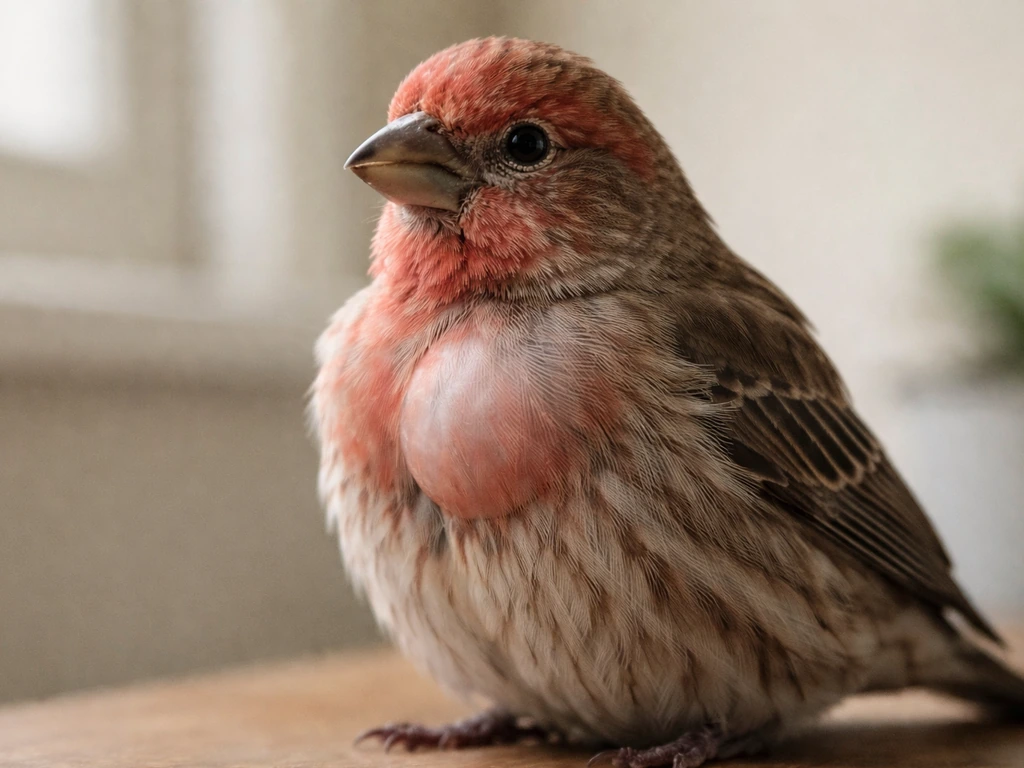
If your bird's beak looks off, act quickly but stay calm. Most beak problems are treatable, especially when caught early. The key steps are: look closely without stressing your bird, identify the type of problem (overgrowth, cracking, swelling, wound, or discharge), provide basic supportive care at home, and get to an avian vet if anything looks serious. This guide walks you through exactly how to do all of that.
Bird Beak Problems: Symptoms, Causes, Safe At-Home Steps

Marcus Webb
6 May 2026
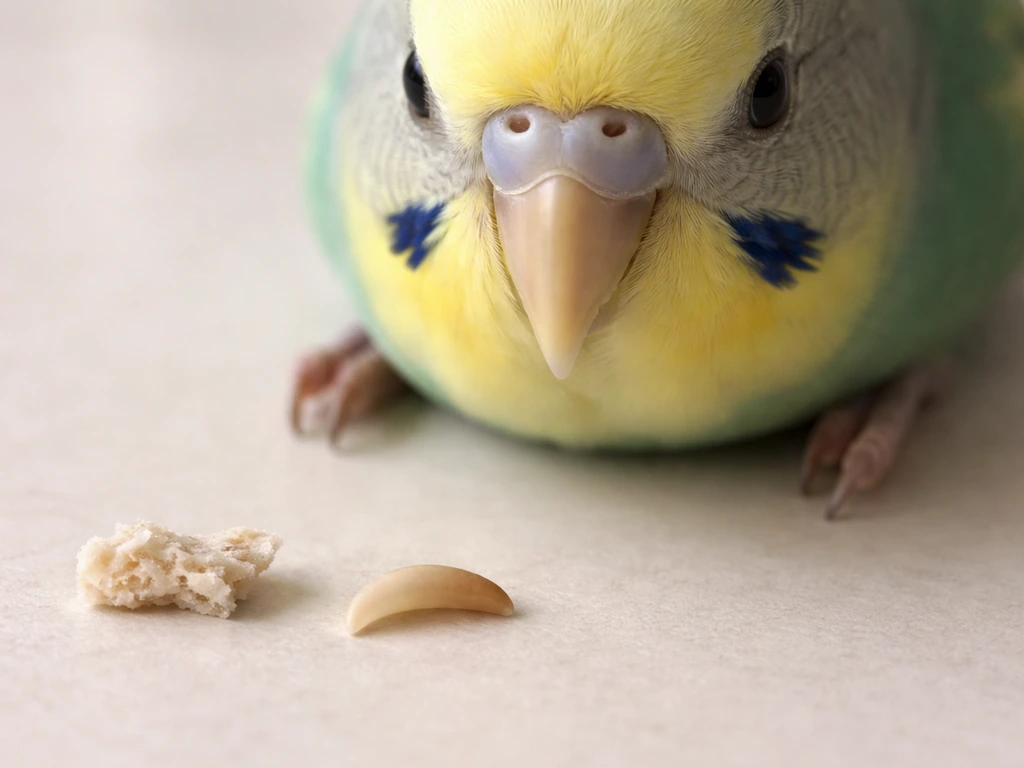
Common signs of beak problems in birds
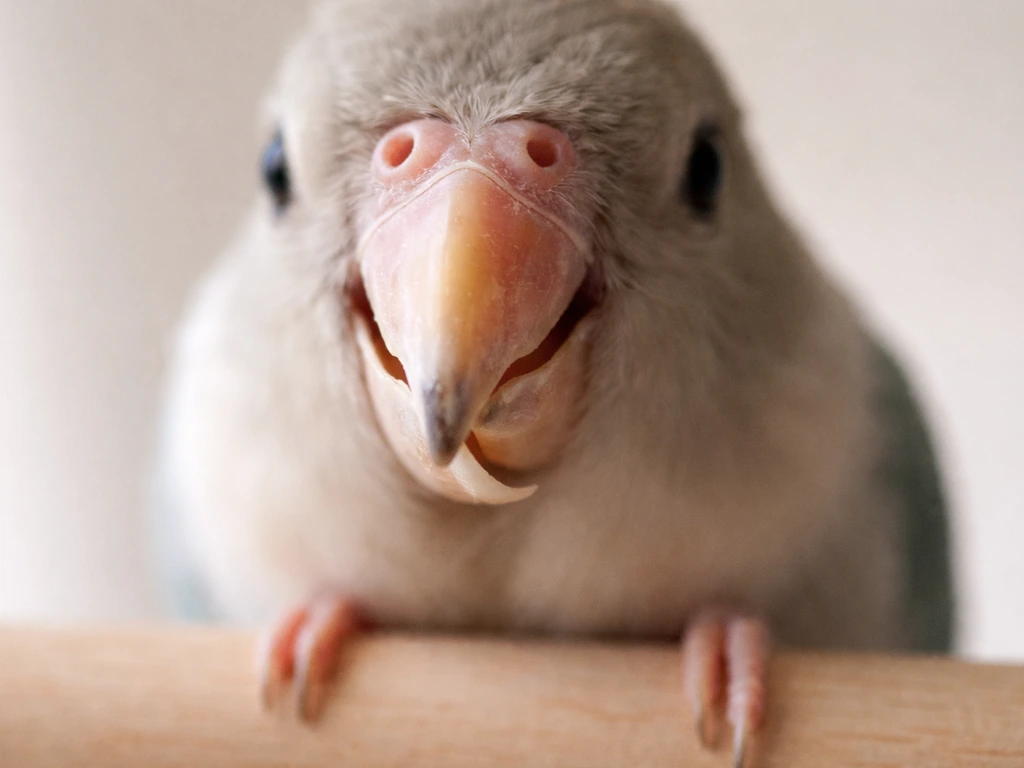
Beak problems show up in a surprising number of ways, and some are easier to spot than others. The most obvious sign is a beak that looks too long, twisted, or simply not right compared to what's normal for that species. But there are subtler signs worth knowing too.
- Overgrowth: the upper or lower beak is noticeably longer than usual, curving or hooking abnormally
- Misalignment: the upper and lower beak don't meet correctly when the mouth closes (sometimes called scissor beak or prognathism)
- Cracking, chipping, or flaking of the beak surface or keratin layers
- Swelling at the base of the beak, around the nostrils, or along the jaw line
- Discharge from the nostrils (nares), mouth, or eyes — any color is concerning
- Crusty or scaly buildup on the beak surface, especially at the base or corners
- Bleeding or open wounds anywhere on the beak
- Changes in beak texture, such as a pitted, spongy, or unusually rough surface
- Difficulty eating, dropping food, or avoiding the food dish entirely
- Open-mouth breathing, labored breathing, or audible clicks/wheezes when the beak is involved
- Head shaking or pawing at the face repeatedly
- Visible lesions, nodules, or yellowish plaques inside the mouth or at the beak's base
Even subtle behavioral changes matter. If your bird is suddenly eating less, favoring one side of its beak, or seems uncomfortable when chewing, that's worth investigating. The beak tip is packed with nerve endings and blood vessels, so any pain there will change how a bird behaves around food and interaction.
What causes beak problems
There's rarely one single cause that explains all beak issues. Understanding the most common categories helps you figure out what you're likely dealing with before you talk to a vet.
Injury and trauma
Traumatic injuries are one of the most common beak problems, especially in active or cage-housed birds. A bird can crack or break its beak from flying into a wall or window, falling from a perch, or being attacked by another pet or cagemate. Even a hard impact against a toy or cage bar can cause a chip or fracture. These injuries bleed easily because the beak has a blood supply running through it.
Nutritional deficiencies

Diet is a major driver of beak health. Deficiencies in vitamin A, vitamin D3, or calcium can all interfere with normal keratin formation, leading to overgrowth, abnormal texture, or flaking. An imbalanced calcium-to-phosphorus ratio compounds this. In young birds especially, vitamin D deficiency has been linked to malformed beaks. A bird eating only seeds without fresh foods or proper supplements is at real risk.
Genetics and congenital conditions
Some beak abnormalities are present from birth or develop in very young birds due to developmental issues. Scissor beak (lateral deviation) and mandibular prognathism, where the lower beak protrudes past the upper, are examples of congenital malocclusions. These conditions mean the beak never meets properly when closed, which makes eating difficult and allows abnormal wear patterns.
Disease and infection
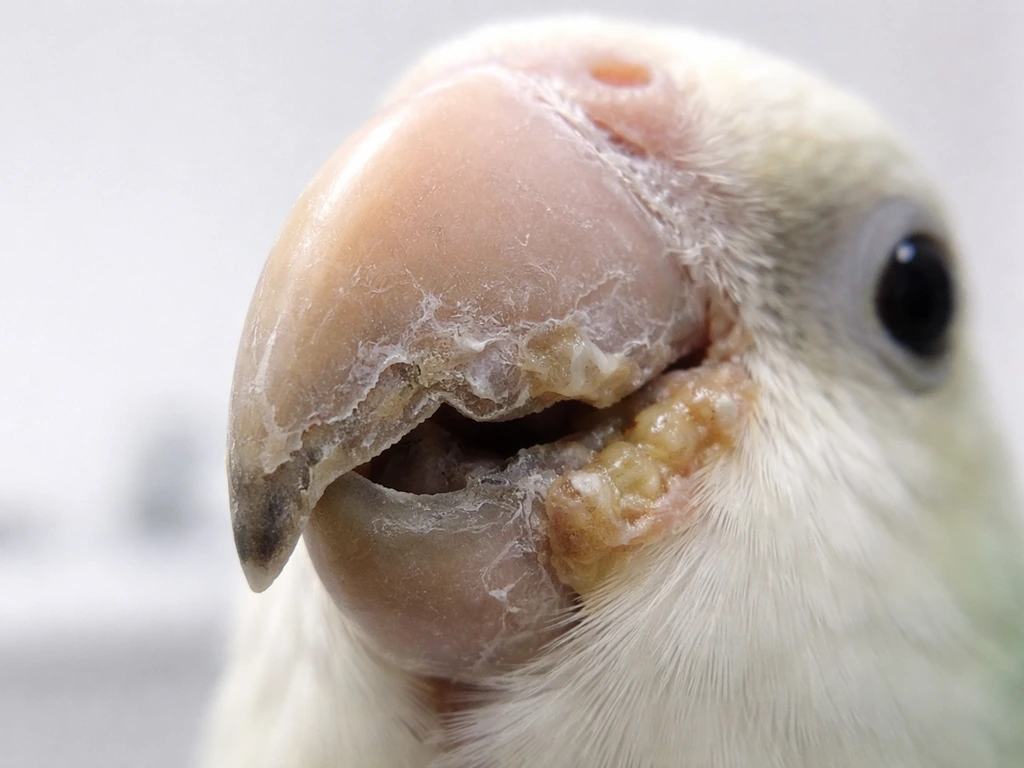
Several diseases can directly affect beak tissue. Avian keratin disorder (AKD) is an emerging disease characterized by debilitating beak overgrowth and abnormal keratinized tissue, documented particularly in wild birds like chickadees. Fungal infections can invade the layers of the beak itself, causing structural changes. Avian pox, which is relevant to both wild and pet birds, can cause lesions at the base of the beak and, in its wet form, yellow cheesy plaques inside the mouth that seriously impair eating and breathing. Liver disease is another systemic condition that can cause beak overgrowth as a secondary sign. Cancer of the beak, while less common, is also a documented cause of progressive overgrowth.
Parasites
Knemidocoptes mites, sometimes called scaley beak and leg mites, burrow into the skin and keratin around the beak and legs. They cause a distinctive crusty, pitted, or honeycomb-like thickening of the beak surface, especially around the cere (the soft tissue at the beak's base). Budgerigars are particularly prone to this. The mites are treatable but can cause disfiguring changes if left too long.
How to safely assess your bird's beak at home
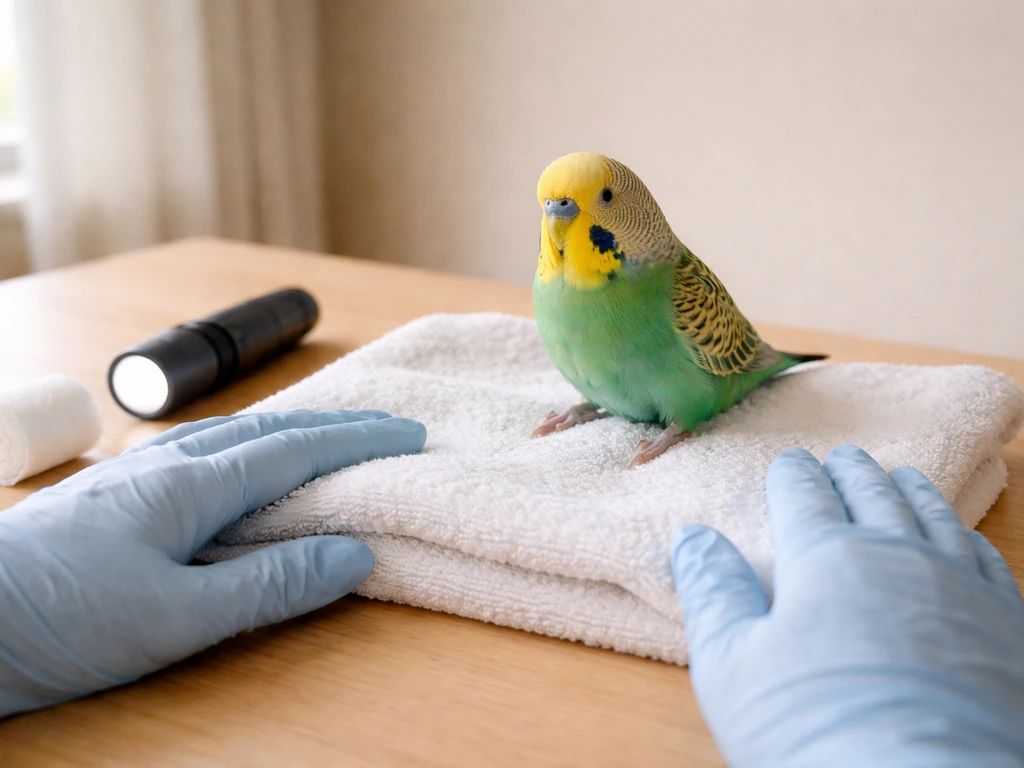
The goal of a home inspection is to gather useful information without stressing your bird or making things worse. Stressed birds can injure themselves further, so keep this calm and brief.
What to do
- Observe first without touching. Watch your bird from normal distance for a few minutes. Note how it's eating, if it's holding its beak open, and whether it's making any unusual sounds.
- Use good lighting. Move to a well-lit area or use a small flashlight to look at the beak closely while your bird is calm and perched. Natural daylight works best.
- Check symmetry. Look at the beak head-on. Both sides of the upper beak should be symmetrical. The upper and lower beak should meet cleanly when the mouth is closed.
- Look at the beak surface. Note any cracks, chips, scaling, pitting, crusty buildup, or unusual texture. Compare the color to what's normal for your bird.
- Check the cere and base of the beak. This soft area around the nostrils can show swelling, crusty mite damage, or discharge.
- Check the corners of the mouth for any sores, lesions, or discharge.
- Look at the feet and nails. Overgrown or deformed nails alongside beak problems can point toward a systemic nutritional issue.
- Photograph everything. Take clear, close photos from the front, both sides, and underneath if possible. These are extremely useful for your vet, especially if symptoms change.
What not to do
- Don't attempt to restrain your bird forcefully for the inspection — observe first
- Don't try to open the beak manually unless you've been shown how by a vet
- Don't probe inside the mouth or nostrils with any object
- Don't try to trim or file the beak yourself with nail clippers, wire cutters, or household tools
- Don't apply any ointment, petroleum jelly, or thick oily substance to the beak without veterinary direction
When you photograph, make sure to capture the problem from multiple angles in one session. A good set of photos can help an avian vet make a preliminary assessment and decide how urgently you need to come in.
First aid and immediate steps you can take now
There are real things you can do right now to help your bird, but the list of safe home interventions is shorter than people expect. Here's what actually helps.
For bleeding
If the beak is bleeding, apply gentle direct pressure with a clean cloth or gauze for a few minutes. A styptic gel (not styptic powder, which carries toxicity risk if swallowed) can help stop very minor bleeding on the beak tip. Do not apply styptic products inside the mouth or on major wounds. If bleeding doesn't stop within 5 minutes, treat this as an emergency and contact a vet immediately. Birds can go into shock from blood loss faster than most people expect.
For minor wounds or surface damage
Sterile saline solution is safe for gently rinsing minor beak wounds. A very dilute hydrogen peroxide solution can be used to clean wounds as well. Do not use salves, ointments, or petroleum-based products unless a vet specifically tells you to. Avoid applying anything thick or oily, as birds can spread these substances to their feathers during preening, which is harmful.
Supportive care
If your bird is unwell, keeping it warm is one of the most helpful things you can do. A hospital setup at around 85°F (29.4°C) helps stabilize a sick bird. Use a heat lamp pointed to one side of the cage so the bird can move away from the heat if needed, and avoid direct lamp contact. Make fresh water and soft, easy-to-eat foods available. If the beak injury is making it hard to eat hard pellets or seeds, offer soft foods like mashed cooked vegetables, soaked pellets, or scrambled egg.
What not to try at home
blank" rel="noopener noreferrer">Don't try to trim or reshape an overgrown beak at home, even if it looks simple. The beak tip has a significant nerve supply and blood vessels, and trimming it incorrectly causes serious pain and can trigger severe bleeding. Household tools like nail clippers and wire cutters are specifically not recommended for this. blank" rel="noopener noreferrer">If the beak looks overgrown, schedule a vet appointment rather than attempting a fix yourself. If you suspect bird nest spruce problems tied to beak overgrowth, a vet visit is the safer, correct next step rather than trying to trim it yourself overgrown beak.
When to go to an avian vet urgently
Some beak problems need professional care the same day. Don't wait and see with any of these situations:
- Bleeding that doesn't stop within 5 minutes
- A visibly broken, cracked, or partially detached beak section
- Your bird cannot eat or drink at all
- Open-mouth breathing or audible breathing difficulty — this is a respiratory emergency
- Heavy facial or jaw swelling, or a swelling that feels soft and fluctuant (possible abscess)
- Yellow or cheesy-looking plaques inside the mouth
- Discharge from the nostrils or mouth, especially if it's thick, discolored, or foul-smelling
- Rapid worsening of any beak abnormality over hours or a couple of days
- Neurological signs alongside beak problems: head tilt, falling, twitching, or seizures
- Signs of severe pain or distress: feathers puffed, hunched posture, eyes closed, no interest in surroundings
- A wild bird with visible avian pox lesions or a severely deformed or injured beak
Even when a problem doesn't look immediately life-threatening, a vet visit soon (within a few days) is smart any time you notice flakiness, crusty buildup, unusual texture, or beak misalignment. These signs can also fit bird canker symptoms, so it's important to have them checked by an avian vet promptly flakiness, crusty buildup, unusual texture, or beak misalignment. These can be signs of mite infestation, fungal infection, liver disease, or other conditions that won't resolve on their own and can get much worse without treatment. VCA and Merck both advise that overgrown beaks should always be evaluated by a vet rather than assumed to be simple wear, precisely because so many underlying conditions can cause them.
Preventing beak problems long term
Most beak problems are preventable or at least detectable early enough to avoid serious damage. A few consistent habits make a big difference.
Diet and nutrition
A seed-only diet is one of the biggest risk factors for beak and overall health problems in pet birds. Bird cherry tree problems can sometimes lead to beak issues in birds, so it helps to consider plant-related hazards when troubleshooting changes in your bird’s beak. Aim for a balanced diet appropriate for your species: high-quality pelleted food as a base, with fresh vegetables, limited fruit, and species-appropriate protein sources. Make sure your bird gets adequate vitamin A (dark leafy greens, carrots), vitamin D3 (either through safe UVB light exposure or supplementation), and calcium. A cuttlebone is an easy calcium source for small birds like budgies and cockatiels.
Natural beak wear through enrichment
Birds naturally keep their beaks worn and shaped through foraging and chewing. Provide a variety of safe wooden toys and chewables for medium and large birds. Small birds benefit from a cuttlebone both as a calcium source and as a safe surface to rub and condition their beak. Rotating enrichment items keeps birds engaged and encourages natural beak use.
Perches and housing
Use perches of varying diameters and textures (natural wood branches are ideal) to encourage proper foot and beak positioning. Abrasive or concrete perches, used appropriately, can help with nail and some beak wear, but should not be the only perch type available. Make sure the cage environment doesn't have hazards that could cause traumatic beak injury: reflective surfaces that cause flight crashes, aggressive cagemates, or loose wire ends.
Monitoring routines
Build a habit of looking closely at your bird's beak, nares, and cere during regular handling or observation. A quick visual check weekly catches problems early. If you keep bird nest ferns indoors, also watch for leaf and root issues, since fern problems can contribute to an unhealthy environment for your bird bird nest fern problems. Annual (or more frequent) avian vet checkups are valuable because a vet can spot early beak misalignment, mite signs, or abnormal keratin changes before they become advanced and harder to treat. Addressing issues early is almost always easier, cheaper, and better for the bird than waiting until the problem is obvious.
A quick comparison: beak problem types and what to do first
| Problem type | Likely cause | Safe home action | Vet urgency |
|---|---|---|---|
| Bleeding wound | Trauma, injury | Gentle pressure, styptic gel for minor bleeding | Urgent if bleeding doesn't stop in 5 minutes |
| Overgrowth | Nutrition, disease, mites, liver, cancer | Soft foods, photograph and document | Schedule vet soon; do not trim at home |
| Crusty/pitted texture at cere | Knemidocoptes mites | Photograph, isolate from other birds | Vet within a few days; mites need treatment |
| Cracking or flaking | Nutritional deficiency, AKD, infection | Improve diet, photograph | Vet within a few days |
| Mouth/beak plaques or lesions | Avian pox, fungal infection | Isolate (especially wild birds), minimize handling | Vet soon; urgent if breathing affected |
| Misalignment (scissor beak) | Congenital or developmental | Soft foods, observe closely | Vet consultation; may require ongoing management |
| Discharge from nares or mouth | Infection, respiratory disease | Keep warm, photograph | Urgent if breathing affected; vet within 24 hours otherwise |
| Open-mouth breathing | Respiratory emergency, wet pox, obstruction | Minimize stress, keep warm | Emergency — contact vet immediately |
If you're dealing with a wild bird with beak problems, the principles are similar: observe carefully, document with photos, avoid unnecessary handling, and contact a licensed wildlife rehabilitator rather than attempting treatment yourself. Wild birds with conditions like avian pox or severe beak injuries need specialist care. Beak-related infections and oral disease can sometimes overlap with other avian health concerns, including crop infections and respiratory illness, so a complete veterinary assessment gives you the full picture and the best shot at a real recovery. Bird crop infection symptoms can overlap with beak and mouth issues, so a full exam helps confirm the cause crop infections.
FAQ
What does “serious” look like for bird beak problems, even if the beak looks only mildly wrong?
Serious issues often show up as changes in eating (less intake, dropping food, favoring one side), breathing difficulty, or rapid worsening of swelling or discharge. If your bird is acting weak, sitting fluffed, or sleeping more than usual along with any beak abnormality, treat it as urgent rather than waiting for visible tissue damage.
How can I tell if the problem is more likely from mites versus something infectious like fungus or pox?
Mites that affect the beak area commonly cause crusty, pitted, honeycomb-like thickening and often involve the cere. Infectious conditions like fungal or pox more often come with soft tissue lesions, mouth plaques, or a spreading appearance inside the oral area. If you see active lesions or discharge, do not try home “scrubbing,” get an avian vet exam to confirm.
Is it ever safe to file, sand, or lightly rasp an overgrown beak at home?
No. Even when overgrowth seems simple, the beak tip contains blood vessels and nerve tissue. Filing or rasping can cause immediate bleeding, severe pain, and damage that can worsen later. The safer next step is a vet assessment to determine the cause and whether professional trimming is needed.
If I accidentally cause bleeding during first aid, what should I do next?
Apply gentle direct pressure with clean gauze or a clean cloth for several minutes, keep the bird calm, and watch your timing. If bleeding does not stop within about 5 minutes, contact an avian vet immediately. Avoid repeated attempts that re-open the injury, and do not place powder or medications inside the mouth.
Can I use antiseptic sprays or diluted alcohol on a beak wound?
Avoid alcohol, strong antiseptics, and anything not specifically intended for birds. The article recommends sterile saline for gentle rinsing of minor wounds, and a very dilute hydrogen peroxide only for cleaning wounds. Skip salves, ointments, and petroleum-based products unless a vet directs it, because preening can spread it to feathers.
What should I feed right after a beak injury if chewing is painful?
Offer soft, easy-to-eat foods and make sure water is easy to access. Good options include soaked pellets, mashed cooked vegetables, and scrambled egg. If your bird normally eats hard seeds or pellets, you may need to temporarily switch textures to prevent further injury from chewing.
How warm should the “hospital setup” be, and how do I prevent overheating?
Use a warm environment around 85°F (29.4°C) with a heat lamp positioned on one side, so the bird can move away. Do not allow direct contact between the bird and the lamp. Check for normal alertness and comfort, and stop or reduce heat if the bird seems overly hot or becomes unresponsive.
What photos should I take to help the vet with bird beak problems?
Take multiple angles in one session, including a clear close-up of the beak tip, the area around the cere (base), and the inside of the mouth if your bird tolerates it safely. Also photograph the bird’s stance while eating or chewing, since how it holds the beak can reveal misalignment or pain-related behavior.
Should I try to move perches or change cage setup while we wait for the vet?
Yes, reduce risk. Remove hazards that could cause impact, such as reflective surfaces or items that could trigger a crash. Use perches that are stable and varied in diameter so the bird can choose comfortable positions, and keep essentials accessible to minimize climbing stress while the beak is healing.
Can beak problems be linked to UVB or supplement mistakes?
Yes. Beak and keratin problems can be influenced by vitamin D3 and calcium balance. If a bird lacks safe UVB exposure or is only given an imbalanced supplement routine, keratin formation can be affected. If you recently changed lighting or supplements, tell the avian vet, since timing can help narrow the cause.
What should I do if this is about a wild bird and I cannot contact a wildlife rehabilitator immediately?
Minimize handling, keep observation calm and brief, and prioritize safety without attempting mouth or beak treatment. Wild birds with conditions like avian pox or severe injury can require specialist care. If you must transport, use a secure, ventilated container and avoid DIY attempts to clean or trim the beak.
When should I also suspect a crop or respiratory problem alongside beak symptoms?
If there is regurgitation, persistent swallowing attempts, gurgling, coughing, nasal discharge, or breathing changes along with beak or mouth abnormalities, ask the avian vet about related conditions. Beak and oral issues can overlap with crop infections and respiratory illness, so a full exam helps confirm what is primary.
Next Article
Bird Crop Infection Symptoms: Signs, Causes, and What to Do
Learn bird crop infection symptoms, causes, home checks, urgent signs, and vet diagnosis and treatment basics.