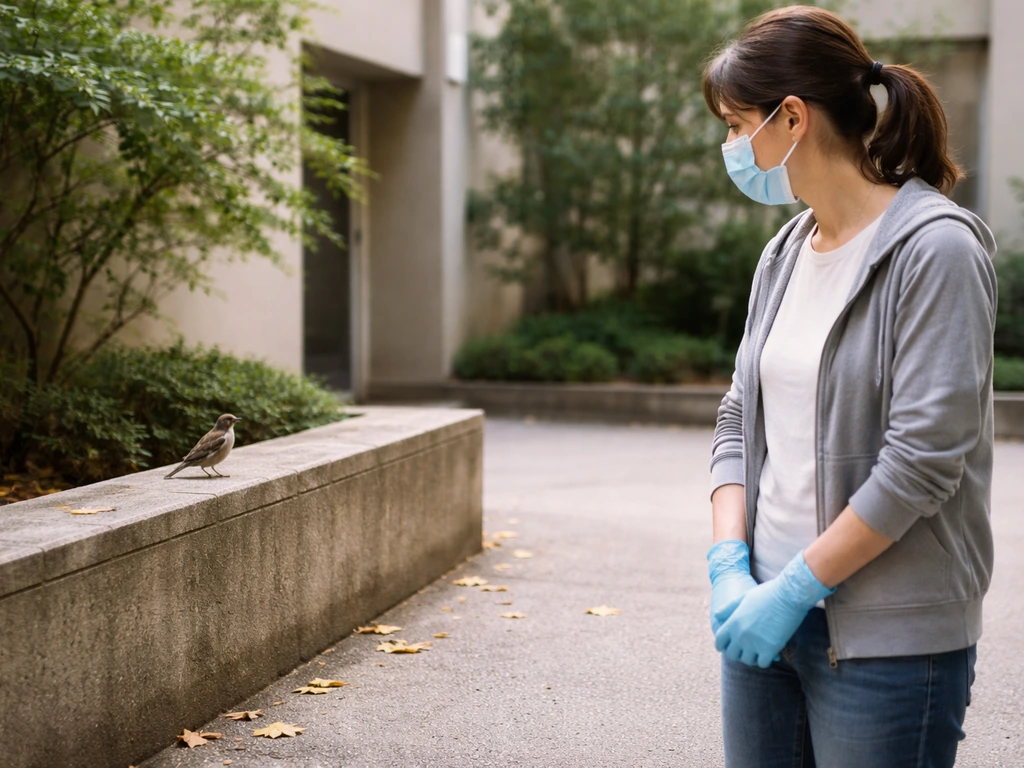
People wore bird-like beaked masks during plague outbreaks because 17th-century physicians believed disease spread through "miasma," meaning bad or poisoned air. The long beak was stuffed with herbs, straw, and aromatic materials so the doctor could breathe through a scented filter before the air reached them. It had nothing to do with birds being sick or spreading plague. It was a misguided but logical-for-the-time attempt at respiratory protection based on entirely wrong science.
Why Bird Mask During Plague: History vs Bubonic Facts

Marcus Webb
18 May 2026
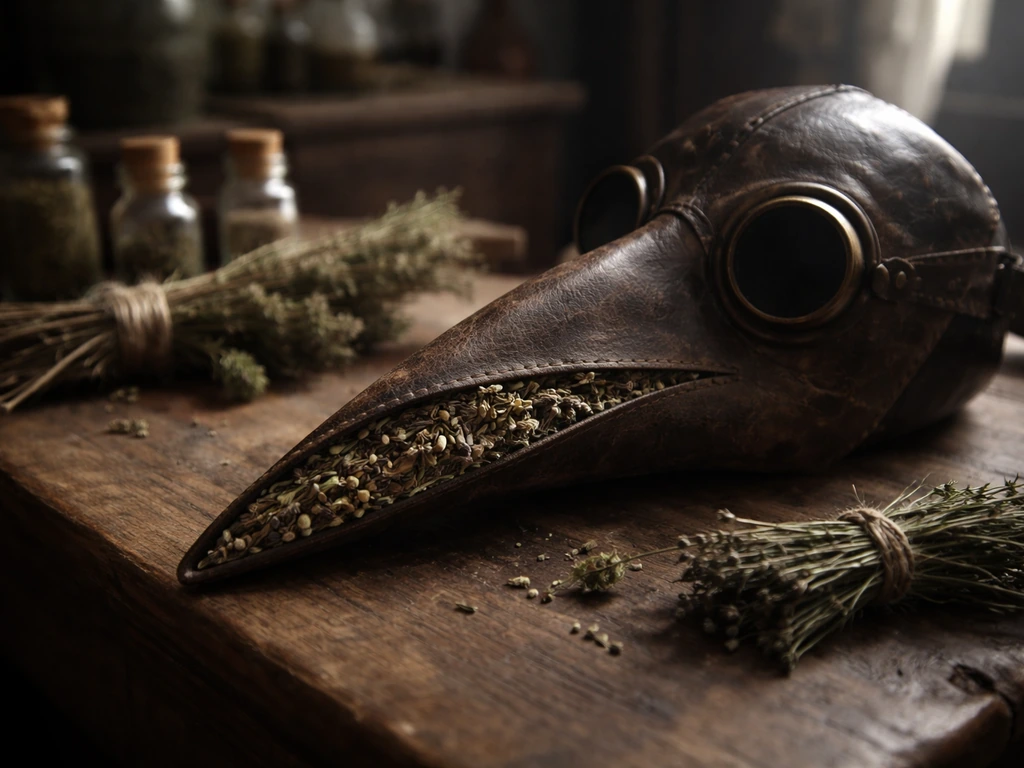
Where the bird mask actually came from
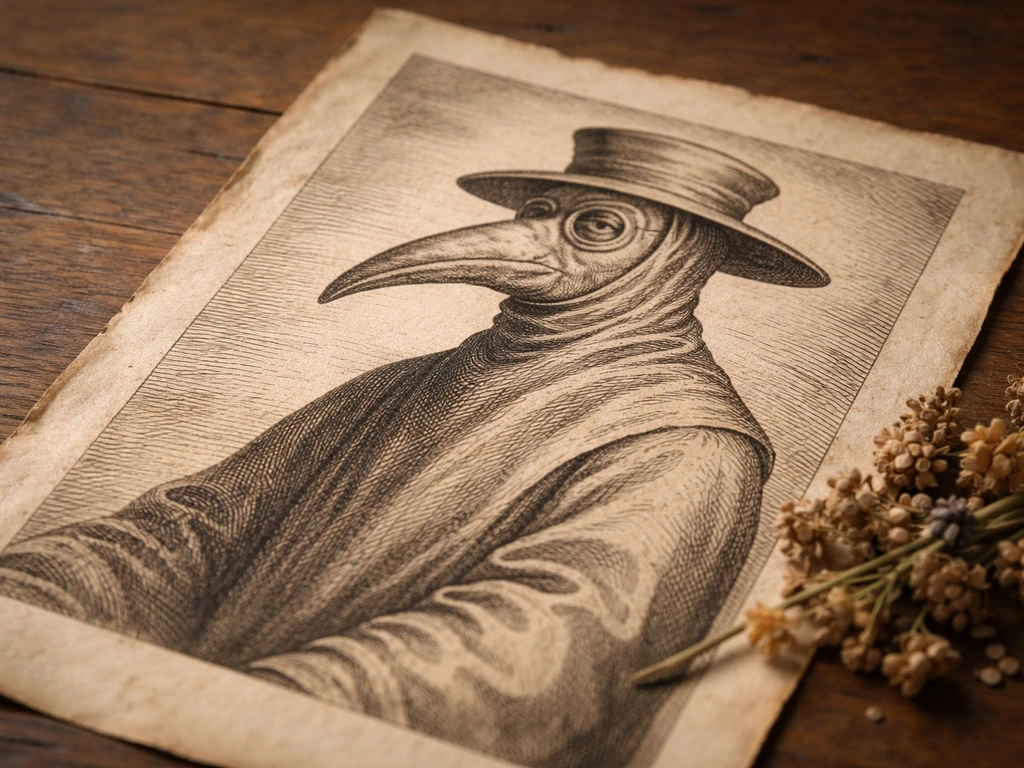
The iconic design is most closely associated with a 17th-century French physician named Charles de L'Orme, who is credited with popularizing the costume for plague doctors in Europe around 1619. The full outfit included a long waxed overcoat, gloves, a wide-brimmed hat, a cane for examining patients without direct contact, and the famous beaked mask. Glass eyepieces sealed the face, and the beak extended several inches in front of the nose.
The beak was filled with a mixture of strongly scented substances: dried flowers, herbs like lavender and mint, camphor, cloves, and sometimes straw. The thinking was straightforward at the time: if plague was carried in foul-smelling air, then breathing air through a heavily perfumed filter would block or neutralize the miasma before it entered the body. The beak shape was basically a primitive air purifier built on faulty premises.
The visual became so associated with death and plague across Europe that it embedded itself in art, carnival culture (particularly in Venice), and eventually modern pop culture. When people search for "bird mask during plague" today, they're often encountering this image in a history class, a Halloween costume, a video game, or a meme. The mask looks like a bird because the beak-shaped filter was the most striking feature of the whole protective kit.
The mask design and what it was actually trying to do with airflow
By modern standards, the plague doctor mask was not effective respiratory protection. The miasma theory it was built on was wrong. But the structural logic is interesting: plague doctors were essentially trying to create a physical barrier between bad outdoor air and their lungs, route all inhaled air through a scented material, and use the length of the beak to keep foul-smelling sources at a distance from the nostrils.
The waxed overcoat and gloves were actually closer to being useful, in retrospect, because bubonic plague is primarily spread by flea bites and contact with infected animals or fluids, not through the air in most cases. Covering skin would have reduced flea bites. But the mask was targeted at the wrong threat entirely.
Modern respiratory protection for genuinely airborne or droplet-spread illness looks very different: tight-fitting N95 or equivalent respirators that create a seal around the nose and mouth, with filtration rated for specific particle sizes. A beak stuffed with dried herbs filters essentially nothing by the standards we understand today.
What actually causes plague and how it spreads
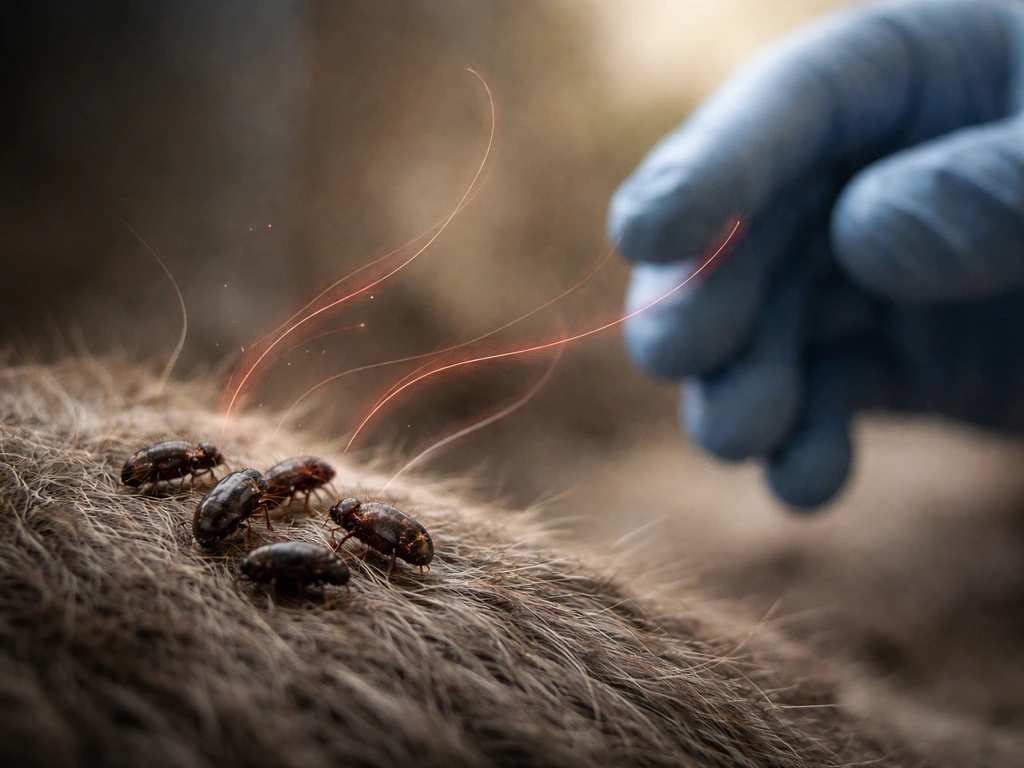
Plague is caused by a bacterium called Yersinia pestis. It is not a viral disease, and birds are not meaningful vectors for it. The primary reservoir animals are rodents, particularly rats, prairie dogs, ground squirrels, and similar species. Fleas feed on infected rodents, pick up the bacteria, and then transmit it to humans or other animals through bites. This is the dominant route for bubonic plague, which causes swollen lymph nodes called buboes and accounted for most historical plague deaths.
There are three main forms of plague, and only one of them involves significant respiratory transmission. Bubonic plague is flea-bite driven. Septicemic plague happens when the infection spreads to the bloodstream, also mainly from flea bites or direct contact. Pneumonic plague is the respiratory form, and it's the dangerous one from an airborne standpoint. According to the WHO, pneumonic plague spreads through respiratory droplets from a person who already has it. The WHO notes that pneumonic plague occurs via inhalation of respiratory droplets or small particles from a person with pneumonic plague blank" rel="noopener noreferrer">pneumonic plague spreads through respiratory droplets from a person who already has it. blank" rel="noopener noreferrer">The CDC confirms that person-to-person transmission only happens when plague is in this pneumonic form, coughed droplets being inhaled by someone nearby.
So the hierarchy of plague spread, simplified: flea bites rodent, flea bites human, human develops bubonic plague, in rare and severe cases it progresses to pneumonic form, and only then can one person spread it to another through coughing. The beaked mask was pointed at the wrong end of this chain entirely.
Does any version of a bird mask help today
No, not in any meaningful way. For someone concerned about plague today, a decorative beak mask stuffed with herbs provides zero protection. For genuine pneumonic plague risk (which is rare and almost always involves a known outbreak), current CDC guidance calls for isolation of confirmed or suspected cases under standard and respiratory droplet precautions for at least the first 48 hours of antibiotic treatment. That means fitted masks, dedicated rooms, and medical-grade protocols, not costume props.
For the more common bubonic plague risk, which still exists in parts of the western United States, parts of Africa, and elsewhere, the real protective steps are completely different from any mask: avoiding contact with sick or dead rodents, keeping pets treated for fleas, not handling wildlife, and using insect repellent in areas where plague is present in animal populations.
For bird owners specifically, birds are not a primary plague vector. You might also wonder about other common bird-care risks, like whether do bird baths spread disease. Handling birds does not put you at meaningful risk of plague. If you are handling birds, remember that you can't get diseases from a bird in the way people often assume about plague you can't get diseases from a bird the office. That said, birds can carry and transmit other respiratory pathogens, and if you're handling a sick bird, wearing a close-fitting dust mask or N95 is sensible general hygiene, not because of plague but because of other avian diseases that do spread through respiratory routes.
Telling the difference: avian illness versus plague-like concerns
If you're a bird owner and you ended up here because your bird is showing symptoms, plague is almost certainly not what you need to worry about. If you ever see claims like “Sesame Street Big Bird has the birdy pox,” it is not a real illness and should not replace proper veterinary care for actual bird symptoms. Avian respiratory illness has its own distinct set of signs that are worth knowing, and they look quite different from plague symptoms in humans.
Signs that a bird may have a respiratory illness include open-mouth breathing, tail bobbing with each breath, clicking or wheezing sounds, discharge from the nostrils, fluffed-up feathers combined with lethargy, and loss of appetite. These can indicate bacterial, fungal, or viral infections specific to birds, many of which are treatable if caught early.
Pneumonic plague in a human, for comparison, develops very rapidly and involves severe pneumonia: shortness of breath, chest pain, a cough that may produce bloody or watery mucus, and fever. It's a medical emergency that progresses in hours. These are not symptoms you'd be confusing with a bird acting lethargic in its cage.
It's also worth knowing that while birds are not plague vectors, they can carry other pathogens that affect humans, such as Chlamydophila psittaci (psittacosis), Salmonella, and others. If you're concerned about whether feathers, droppings, or direct contact with a bird could make you sick in ways beyond plague, that's a genuinely useful area to understand as a bird caretaker. If you're wondering whether can bird feathers make you sick, the answer depends on what pathogen the bird may be carrying and how you handle cleanup and exposure whether feathers, droppings, or direct contact with a bird could make you sick. The risk varies significantly by species, hygiene habits, and whether the bird is ill.
When to call a vet and what to do right now
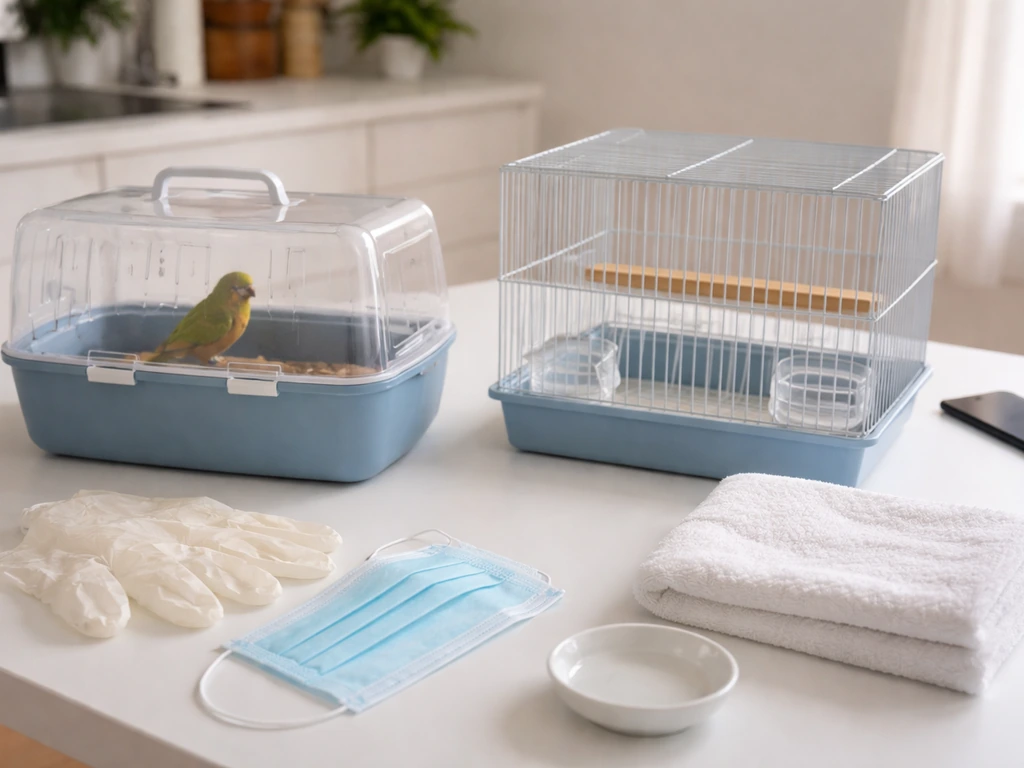
If your bird is showing respiratory symptoms, act the same day. Avian illness can deteriorate quickly, and early treatment makes a real difference. Here's what to do right now if you're concerned:
- Isolate the sick bird from other birds immediately to prevent potential spread of illness.
- Keep the bird warm (around 85-90°F for a sick bird) and reduce handling stress.
- Note the specific symptoms you're seeing: breathing sounds, discharge, posture, droppings, and when symptoms started.
- Do not attempt to treat with home remedies or human medications.
- Call an avian vet or a vet with bird experience. If you don't have one, search for 'avian veterinarian' plus your city. Many will do phone triage.
- If you handle the sick bird before seeing a vet, wash hands thoroughly afterward and consider wearing a close-fitting dust mask if the bird is coughing or sneezing, as a basic hygiene measure.
Seek same-day emergency care if the bird is gasping, has blue-tinged skin around the beak or feet, is on the cage floor and unresponsive, or stops eating entirely. These are signs of serious distress.
For your own health: if you've been around a sick bird and you develop fever, respiratory symptoms, or feel genuinely unwell, mention the bird exposure to your doctor. It's not about plague. It's about giving them the full picture so they can consider avian-source infections that a standard workup might not catch immediately.
The plague doctor mask is a fascinating piece of medical history and a lasting cultural symbol. But it was built on wrong science, it targeted the wrong transmission route, and it has no practical place in caring for sick birds or protecting yourself from disease today. What does work: good hygiene, flea prevention if you live in plague-endemic regions, knowing your bird's normal behavior so you catch changes early, and having an avian vet you can call when something looks off.
FAQ
If bubonic plague spreads through fleas, why did people think a mask could help at all?
Because the prevailing idea at the time was that bad air caused disease. Even though miasma was wrong for plague, the mask idea resembles later, correct principles, like reducing inhalation of harmful particles. The mismatch is that plague is usually not transmitted by inhaling contaminated air, so the beak design could not address the main route.
Could the plague doctor mask ever protect someone from pneumonic plague today?
Not reliably. Even a well-made mask must seal properly and filter the right particle sizes to meaningfully reduce inhaled droplets or aerosols. A decorative or costume beak, even if stuffed with herbs, has no certified filtration and does not create a true nose-and-mouth seal.
What should I do differently if I think I am exposed to a plague case (not just worried about the symbol)?
Treat it like an exposure event, not a costume problem. If there is known contact with a suspected or confirmed pneumonic case, follow public health instructions, monitor for rapid onset symptoms, and seek urgent medical advice. For bubonic risk, focus on avoiding rodents and flea exposure and contact local guidance for prevention measures.
Can plague be spread by handling birds, like pet birds or pigeons?
Plague is not primarily associated with birds as vectors. Your main risks from birds are usually other avian diseases, depending on the species and your handling and cleanup habits. If you are caring for a sick bird, use general respiratory hygiene (a close-fitting N95 or similar) mainly to reduce risk of other respiratory pathogens.
Do glass eye panels or full facial coverage in plague masks offer any real benefit today?
They might reduce splash exposure, but only within a proper protective setup. Real-world respiratory protection depends on fit, filtration, and correct donning and doffing. Without certified filtration and a seal, eye coverage alone does not substitute for respiratory protection when it is actually needed.
If I live in an area where plague exists in rodents, what are the most effective practical precautions instead of a mask?
Prevent flea exposure and reduce rodent contact. Keep pets on effective flea prevention, avoid handling dead or sick rodents, and use local guidance for repellents and pest control. If you must enter areas with heavy rodent activity, consider professional advice for safe cleanup and exposure reduction.
How can I tell whether an illness is something like pneumonic plague versus other causes, especially if symptoms start quickly?
Pneumonic plague is a medical emergency with fast progression and severe respiratory symptoms. That pattern is not something to self-diagnose. If someone has rapidly worsening shortness of breath, chest pain, or coughing up bloody or watery mucus, seek emergency care and mention any known local outbreak or exposure context.
Why does the mask theme persist in Halloween or games despite being ineffective?
Because the beaked design is visually memorable and became a cultural shorthand for plague and death, not because it was medically accurate. When people encounter the phrase “bird mask during plague,” they are often seeing the icon rather than the underlying epidemiology and modern prevention guidance.
What mistakes do people commonly make when trying to prevent disease based on plague mask myths?
They overvalue costumes or scented inserts and underact on the real transmission route. Common missteps include ignoring flea and rodent prevention, handling sick animals without basic hygiene, and delaying medical care for serious respiratory symptoms based on “it must be plague prevention.”
Next Article
Can You Get Diseases From a Bird? Risks and What to Do
Find out which diseases can spread from birds to humans, how they happen, symptoms, and what to do safely.