
You can absolutely get certain diseases from a bird, so the claim that you can't is false. That said, the risk for most healthy bird owners doing everyday things is genuinely low, especially with basic hygiene. The key is knowing which diseases are actually possible, how they spread, and what to do differently so you're not caught off guard.
You Can’t Get Diseases From a Bird: What’s True

Marcus Webb
23 Apr 2026

Is the statement "you can't get diseases from a bird" true?
No, it's not true, but it's also not the alarming situation some people imagine. The CDC is direct about it: pet birds can sometimes carry germs that make people sick. The real picture is more nuanced than a flat yes or no. Many illnesses that affect birds don't cross over to humans at all, and a healthy bird in a clean environment poses a much smaller risk than, say, a sick bird in a dusty, poorly ventilated space. The misconception likely comes from the fact that most bird owners go years without getting sick from their pets. That's genuinely good news, but it doesn't mean zero risk exists.
The conditions that matter most are the bird's health, your hygiene habits, the ventilation in your space, and whether anyone in your household has a weakened immune system. Understanding those factors is more useful than either dismissing the concern entirely or panicking about it.
How bird germs actually reach people
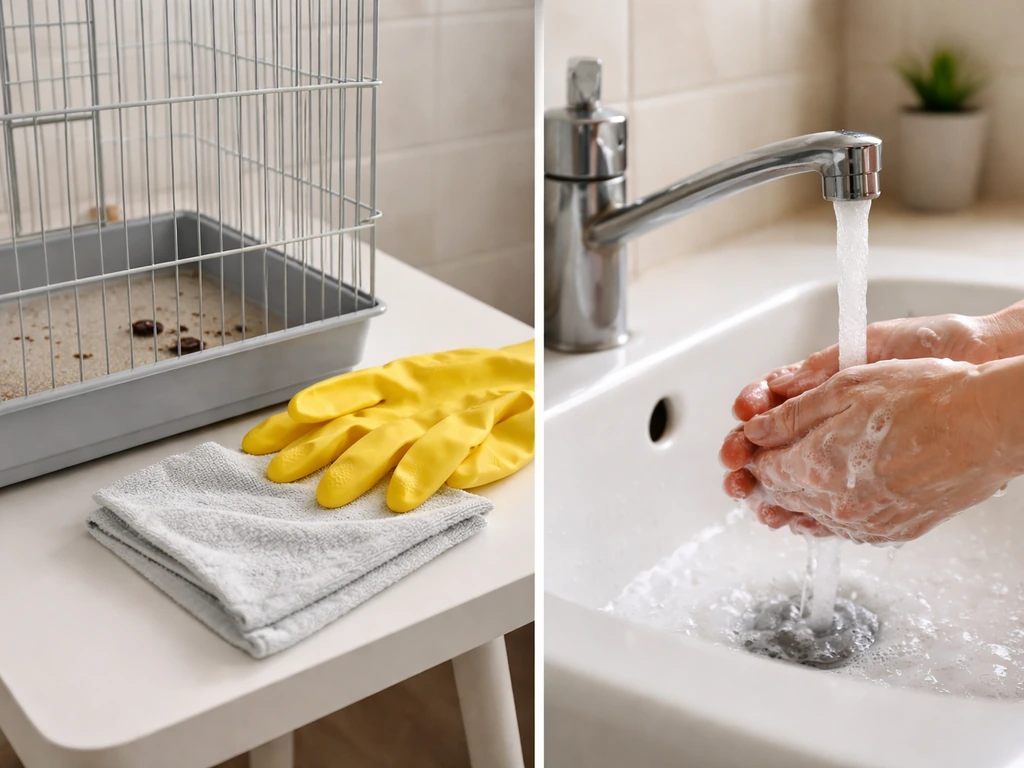
There are four main routes of transmission to know about, and they all come down to how you interact with your bird or its environment.
- Droppings: This is the most common source of exposure. Bird droppings can carry bacteria, fungi, and other pathogens. Handling droppings with bare hands, or accidentally touching your face afterward, is a straightforward way to ingest or inhale something you don't want to.
- Dust and dried secretions: When droppings dry out, they can become airborne particles. The same goes for dried nasal secretions and feather dust. Breathing in that dust while cleaning a cage is the most common way people pick up psittacosis, a lung infection caused by bacteria in birds.
- Bites and scratches: A bite or scratch from a bird can introduce bacteria directly into your skin. This is a less common route than inhalation, but it's real enough that the CDC specifically says you should tell your doctor if a bird bit or scratched you when seeking medical attention.
- Respiratory droplets and close contact: For illnesses like avian influenza (bird flu), close and unprotected face-to-face exposure to an infected bird, especially a sick or dying one, is the main risk factor. This is less relevant for typical pet bird owners and more of a concern with backyard flocks or wild birds.
The zoonotic illnesses bird owners actually need to know about
"Zoonotic" just means an illness that can pass from animals to people. There are a handful that come up in the context of birds, and it's worth knowing what each one actually involves.
Psittacosis
This is the most discussed bird-to-human illness. It's caused by the bacterium Chlamydia psittaci and infects many types of birds, including parrots, cockatiels, and pigeons. The most common way people get it is by breathing in dust containing dried droppings or secretions. Symptoms typically appear 5 to 14 days after exposure and can look like other respiratory illnesses: fever, headache, muscle aches, and a dry cough. In serious cases it can develop into pneumonia. Because it resembles other common illnesses, your exposure history becomes especially important when talking to a doctor.
Campylobacter
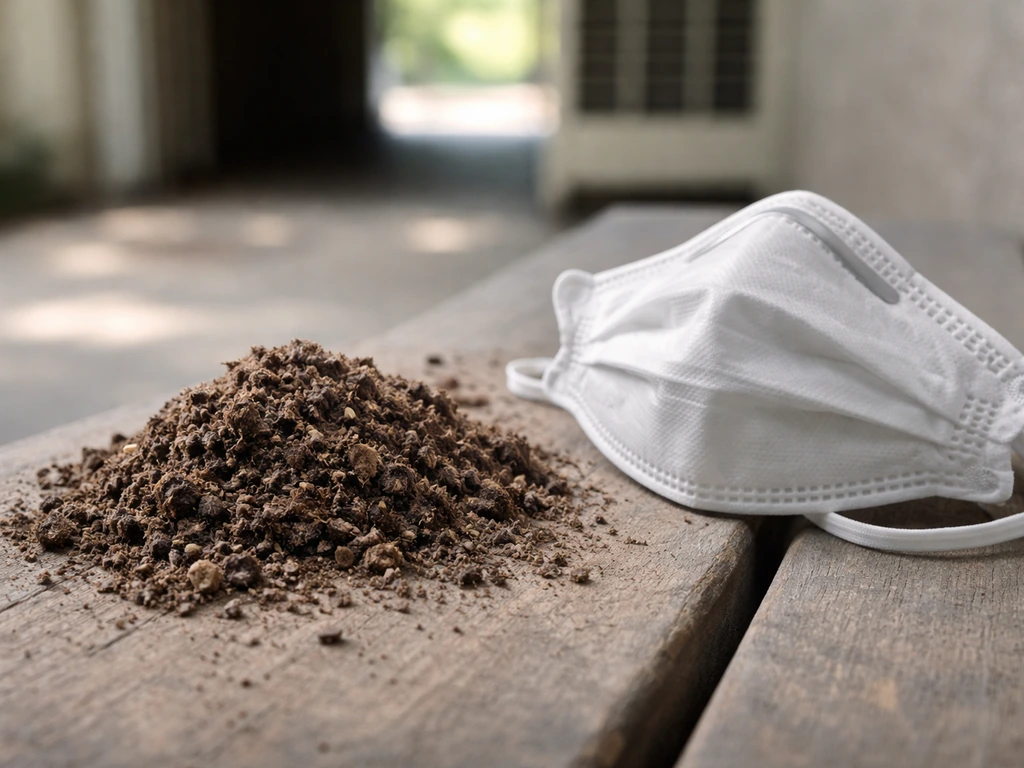
Campylobacter is a common cause of diarrheal illness in people, and while most people associate it with undercooked poultry, it can also spread through direct contact with birds that carry it. The bacteria live in a bird's intestinal tract and are shed in droppings. Symptoms, which are usually diarrhea (sometimes bloody), cramps, and fever, typically appear 2 to 5 days after exposure. Most healthy adults recover on their own, but people 65 and older, pregnant women, and anyone with a weakened immune system are at higher risk for serious illness.
Histoplasmosis
Histoplasmosis is a fungal infection caused by Histoplasma, which grows particularly well in soil or other material containing large amounts of bird (or bat) droppings. It's not passed directly from bird to person but becomes a risk when you disturb contaminated soil or accumulated droppings, especially in enclosed or poorly ventilated areas. Breathing in the airborne spores is how people get infected. This is most relevant for people cleaning out old coops, attics, or areas where wild birds roost in large numbers.
Avian influenza (bird flu)
Human bird flu cases are rare, and when they do occur, they're almost always linked to close, unprotected exposure to sick or dead infected birds without proper respiratory and eye protection. The CDC's surveillance data has consistently shown low transmission risk even among people who had documented exposure to H5N1-infected birds. For the average pet bird owner, this is a very low concern. It becomes more relevant for people who handle wild birds, work with backyard poultry, or deal with birds that have come from unknown sources.
| Disease | Main source | Typical route | Incubation | Who's most at risk |
|---|---|---|---|---|
| Psittacosis | Infected birds (parrots, pigeons, etc.) | Breathing dry dust from droppings or secretions | 5–14 days | Anyone with sustained unprotected exposure |
| Campylobacter | Bird droppings (intestinal bacteria) | Touching infected birds or droppings, then mouth | 2–5 days | Elderly, pregnant, immunocompromised |
| Histoplasmosis | Fungus in accumulated droppings/soil | Breathing disturbed spores | 3–17 days | Anyone disturbing large amounts of old droppings |
| Avian influenza | Sick or dead infected birds | Close, unprotected contact with infected birds | 2–5 days | Poultry/wild bird workers; backyard flock owners |
Warning signs: what to watch for in your bird and in yourself
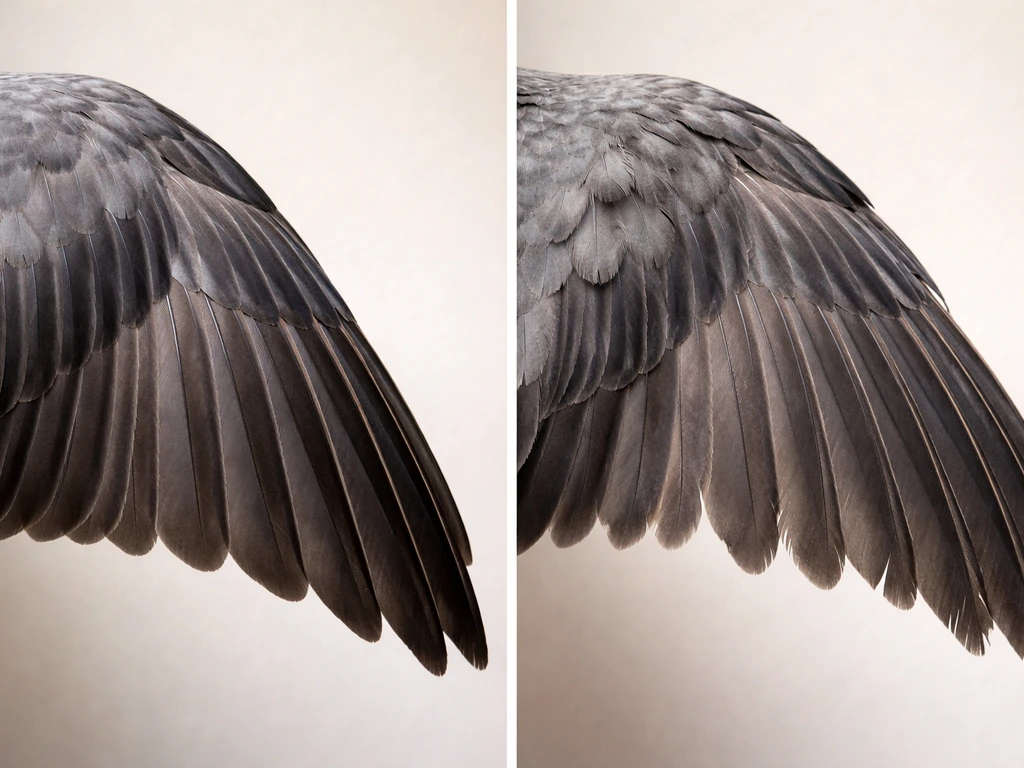
Signs a bird may be sick
Birds are good at hiding illness, which is an evolutionary survival trait that can frustrate owners trying to spot a problem early. Some signs that warrant attention include fluffed feathers while sitting still, labored or noisy breathing, discharge from the eyes or nostrils, changes in droppings (unusual color, consistency, or volume), decreased appetite, loss of balance, or a sudden drop in activity and vocalization. A bird that looks sick probably has been sick for a while. Don't wait to see if it improves on its own.
Symptoms to watch for in yourself
After any significant exposure to a sick bird, cleaning a heavily contaminated cage, or handling a wild bird, it's worth paying attention to how you feel over the following one to two weeks. Fever, headache, chills, muscle aches, a persistent dry cough, or gastrointestinal symptoms like diarrhea and cramping are the most common things to watch for. The overlap with regular flu and common infections is significant, which is exactly why telling your doctor about bird contact is so important if you do get sick.
Practical steps to protect yourself starting today
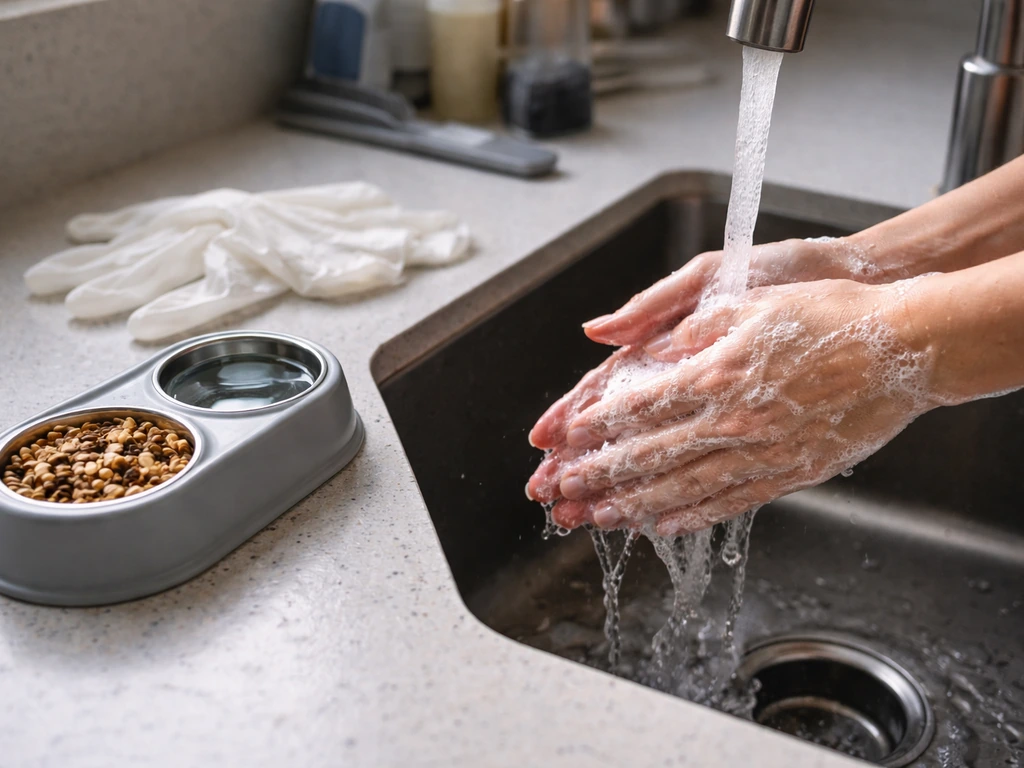
Most of the risk from birds comes down to hygiene during handling and cleaning. None of these steps are complicated, but they make a real difference.
- Wash your hands thoroughly after touching your bird, its droppings, food and water dishes, or anything in the cage. This is the single most effective thing you can do.
- Before cleaning a cage, wet the surfaces with water or a disinfectant spray first. This reduces the amount of dry dust and particles that become airborne when you scrub. The CDC specifically recommends this to prevent psittacosis.
- Never pick up droppings with bare hands. Use gloves, a damp paper towel, or a dedicated scooping tool.
- Wear a mask (at minimum a well-fitted disposable mask) when doing deep cage cleanings, especially if your bird has been sick or if the cage hasn't been cleaned in a while.
- Keep bird feeding and watering equipment completely separate from your kitchen and food prep areas. Wash it separately.
- Avoid mouth-to-beak contact with your bird. It might feel like an affectionate gesture, but it's a direct route for germ transfer in both directions.
- Clean cages frequently. Droppings that are allowed to dry and accumulate become a much larger respiratory risk than fresh ones.
- If you've been handling a sick bird or doing significant cleanup work, change your clothes and wash them before sitting on furniture or interacting with vulnerable household members.
What to do when a bird is sick or you're not feeling well
When to call an avian vet
If your bird is showing any of the warning signs listed above, especially respiratory symptoms, lethargy, or droppings changes, contact an avian veterinarian promptly. Don't wait for multiple symptoms to develop. Routine veterinary care is also recommended by the CDC as a baseline measure to keep pet birds healthy and reduce the risk of disease spread to people. The earlier a sick bird gets diagnosed and treated, the better for the bird and the lower the risk to everyone in the home.
When you need to see a doctor
If you develop fever, respiratory symptoms, or gastrointestinal illness within two weeks of significant bird contact, see a doctor and specifically mention your bird exposure. This isn't something to be embarrassed about. It's clinically relevant information. The doctor needs to know you were around birds to think about psittacosis or campylobacter rather than just assuming you have a standard flu. If you were bitten or scratched, mention that too. For people who have had exposure to birds known or suspected to be infected with avian influenza, the CDC recommends calling your state or local health department immediately if you develop symptoms during a 10-day monitoring window after your last exposure.
Higher-risk situations: wild birds, crowded spaces, and vulnerable households
Handling wild birds
Wild birds carry a different and generally broader range of pathogens than healthy, well-cared-for pet birds. If you find a sick or dead wild bird, avoid direct contact. If you must handle it (for example, as part of wildlife rehabilitation work), wear gloves and avoid touching your face. Avoid handling birds that appear disoriented, unable to fly, or visibly ill. The risk of avian influenza is much more relevant in the context of wild birds, especially waterfowl and backyard poultry, than it is for pet parakeets or cockatiels.
Living with many birds or in a poorly ventilated space
The more birds you keep, the higher the baseline exposure to dust, dander, and droppings. A single healthy parrot in a well-ventilated home cleaned regularly is a very different situation from a dozen birds in a small room with limited airflow. If you keep multiple birds, prioritize ventilation, clean more frequently, and use a mask during cleaning as a routine precaution rather than an emergency measure. Accumulated droppings in any space are a histoplasmosis risk if disturbed without protection.
Immunocompromised household members
If someone in your home is immunocompromised (from chemotherapy, HIV, an autoimmune condition, organ transplant medication, or similar), is elderly, or is pregnant, the standard hygiene steps become non-negotiable rather than just recommended. These groups are more likely to experience serious illness from pathogens that a healthy adult might shake off easily. Campylobacter and psittacosis can both be more severe in immunocompromised people. Talk to that person's doctor about whether keeping birds is appropriate for your specific household, and make sure they are never the one cleaning cages or handling sick birds.
It's also worth knowing that feathers themselves can be a source of exposure. If someone in your household is immunocompromised, even casual handling of birds or feathers deserves a conversation with their medical team. Related to this, there's been ongoing curiosity about historical ideas around birds and disease, including things like why plague doctors wore bird-beak masks, which actually connects to very old theories about miasma and airborne illness rather than anything scientifically grounded about birds as disease carriers. Doctors in the past also used bird-like masks in hopes of filtering harmful air, which relates to older beliefs about how disease spread. The reality today is much better understood, and that understanding is what makes practical prevention possible.
FAQ
If I touch my bird or its cage, can I still get sick even without breathing dust?
Skin contact by itself is usually not the main issue. The bigger concern is what you inhale or splash during cleaning or when droppings dry out (dust becomes airborne). If you touch droppings or handle a cage, wash hands right away and avoid rubbing your eyes, then clean the area using ventilation and a mask if dust is present.
How long after exposure would symptoms show up if I caught something from a bird?
Yes, through their droppings and dried secretions, and symptoms can show up after a delay. Psittacosis often appears about 5 to 14 days after exposure, so feeling “fine” for a few days does not rule out risk. If you get fever or a persistent dry cough in that window after significant bird exposure, tell your doctor about the bird contact.
What’s the safest way to clean a cage or coop to reduce risk?
You should treat droppings and accumulated material differently. For routine cage cleaning, remove waste promptly, do it in a well ventilated area, and avoid dry sweeping or shaking bedding. For deeper cleanouts (old coops, attics, long neglected droppings), use respiratory protection and avoid disturbing large amounts of dried debris.
What should change if someone in my household is immunocompromised?
Immunocompromised people should not do the highest risk tasks, like cleaning cages, handling sick birds, or dealing with wild birds. Even if hygiene is excellent, their margin for error is smaller. If you have someone immunocompromised in the home, assign cage cleaning to a healthier household member and get the person’s clinician involved about whether bird exposure is appropriate.
Can feathers or feather dust be a route of exposure even if my bird seems healthy?
Yes, feathers and feather dust can contribute to exposure, especially during handling, grooming, or cleaning places where feathers collect. The practical takeaway is the same as with droppings, reduce inhalation risk by improving ventilation, using appropriate respiratory protection during dust generating tasks, and washing hands after handling birds or feathers.
What if I feel sick but I also have normal flu symptoms. Do I still need to mention my bird?
In most cases, cough, fever, and body aches after bird exposure could also be a typical respiratory virus, so don’t assume it’s bird related. However, your exposure history changes what your clinician considers. If you have symptoms within about two weeks of significant bird contact, mention the exposure so they can consider conditions like psittacosis instead of only treating it as routine flu.
What should I do if I find a sick or dead wild bird in my yard?
Avoid it, especially if the bird is visibly ill or dead. If you are doing wildlife cleanup or rehabilitation and must handle it, wear gloves and protective eyewear, avoid touching your face, and use a mask to limit inhalation of contaminated dust. If you’re not trained, it’s safer to contact local wildlife services or public health guidance.
Does risk increase if I own more than one bird?
It’s generally low for everyday pet bird ownership, but it rises with several factors: sick birds, heavy shedding of dust from droppings, poor ventilation, and more birds in a small space. If you keep multiple birds, clean more frequently, ventilate the room, and consider using a mask during cleaning as a standard precaution.
Will a doctor know to test for bird-related illnesses, or should I ask for specific tests?
Not always. Some conditions like psittacosis can be mistaken for common respiratory illnesses, so testing may depend on clinical suspicion and exposure details. If symptoms match possible bird related illness and you had relevant exposure, ask whether testing is indicated rather than assuming a standard flu workup is enough.
If my bird scratches or bites me, do I need different precautions than if I only handled it?
A bite or scratch matters mainly because it adds skin injury and potential for bacteria to enter wounds. Still, respiratory exposure from droppings dust is usually separate from that wound risk. If you are scratched or bitten, wash immediately, watch the wound closely, and mention the bird exposure to your clinician.
Next Article
Why Did Plague Doctors Wear Bird Masks? What’s True
Why plague doctors wore beaked masks: miasma and odor beliefs, filters and herbs, not true plague protection.