If you're pregnant and own a pet bird, the main health concerns come from breathing in aerosolized dust from droppings, feathers, and dried secretions. If you are considering any sulfa medication for a pet dog, you should confirm the exact bird-safe and dog-safe dosing guidance with a veterinarian rather than relying on general online dosing estimates sulfa dosage for dogs. Two conditions matter most: psittacosis, a bacterial infection caused by Chlamydia psittaci, and hypersensitivity pneumonitis, an inflammatory lung reaction triggered by repeated exposure to bird dust and allergens. Both can cause respiratory symptoms that look like a bad cold or flu, and both carry extra weight during pregnancy when your immune system is already working differently.
Bird and Be Prenatal Side Effects: What to Do Now

What 'bird and be prenatal side effects' probably means
The phrase 'bird and be prenatal side effects' is a bit ambiguous, but if you landed here, you're most likely asking one of two things: what are the health effects on a pregnant person from living with or handling pet birds, or are there specific bird-related risks that matter more during pregnancy? Both are valid questions, and this guide covers both. It's worth noting the phrasing may also reflect searches for specific bird-branded supplement products (some wellness brands use 'bird' in their names), but given the avian health context, this article focuses on real birds and real biological risks during pregnancy.
Health effects a pregnant person can get from bird exposure
Psittacosis is probably the biggest concern. You get it by breathing in dried particles from infected bird droppings, respiratory secretions, or feathers. The incubation period is typically 5 to 14 days, so symptoms may appear more than a week after you were actually exposed. It presents like a respiratory illness: fever, headache, muscle aches, dry cough, and sometimes chest pain. The CDC notes that severe outcomes have been reported, including in pregnancy, which is why this infection deserves real attention rather than a wait-and-see approach.
Hypersensitivity pneumonitis is a different type of problem. It's not an infection but an inflammatory reaction your lungs have to repeated exposure to bird-derived allergens, specifically proteins in feathers, droppings, and dried dander. An American Lung Association evaluation of hypersensitivity pneumonitis includes assessing exposure history, including whether you have birds and exposure to bird droppings and feathers. Symptoms include a dry cough, shortness of breath, and sometimes fatigue. What makes it tricky is that it builds gradually over time, so you might not connect your breathing difficulties to your bird until symptoms have been present for weeks or months. During pregnancy, any condition that reduces lung function is worth addressing quickly.
Beyond those two main conditions, general allergen exposure from birds can worsen existing asthma or allergic rhinitis. Pregnancy affects how your immune system responds, and conditions you previously managed well might flare when you're carrying a baby. Even if you've had birds for years without problems, pregnancy is a good time to reassess your exposure level.
Bird warning signs that raise your risk level
A sick bird sheds far more pathogen-laden particles than a healthy one. That makes your bird's health status directly relevant to your own safety during pregnancy. The CDC recommends that bird owners learn to recognize illness warning signs in their pets, because early detection limits your exposure window.
Watch your bird daily for these signs, especially respiratory and systemic ones that suggest a Chlamydia psittaci infection or other serious illness:
- Ruffled or fluffed feathers sitting persistently (a general sign of illness in birds)
- Discharge from the eyes or nostrils
- Labored breathing, tail bobbing with each breath, or open-mouth breathing
- Lethargy or sitting at the bottom of the cage rather than on a perch
- Sudden feather loss or changes in feather condition
- Loose, discolored, or unusually frequent droppings
- Loss of appetite or significant weight loss
- Sneezing more than occasionally, especially with discharge
Any of these signs in your bird mean two things are happening at the same time: your bird needs veterinary evaluation, and your own exposure risk has just increased. Treat both as urgent during pregnancy.
What to do right now to reduce your exposure
The most important immediate step is changing how cage cleaning happens. Dry sweeping and vacuuming around bird cages aerosolizes dust, dried droppings, and dander directly into the air you're breathing. The CDC specifically recommends wetting cage surfaces with water or a disinfectant before wiping them down. This keeps the particles from becoming airborne in the first place.
- Stop dry sweeping around the cage entirely. Use a damp cloth or paper towels moistened with a safe disinfectant instead.
- If possible, have a non-pregnant household member take over daily cage cleaning for the duration of pregnancy.
- If you must clean the cage yourself, wear an N95 respirator (not just a surgical mask), disposable gloves, and wash your hands thoroughly with soap and water immediately after.
- Increase ventilation in the room where the bird lives: open windows, run an air purifier with a HEPA filter, and keep the bird in a room separate from your bedroom if possible.
- Avoid putting your face close to the bird or letting the bird perch near your face or mouth, especially if the bird shows any signs of illness.
- Wash your hands every single time after handling the bird, touching the cage, or cleaning food and water dishes, before touching your face, eating, or preparing food.
- Change and wash any clothing worn during cage handling before sitting on furniture or entering shared spaces.
- Schedule a vet check for your bird if it has not had one recently, or immediately if you notice any of the warning signs listed above.
When to call an avian vet vs when to call your doctor
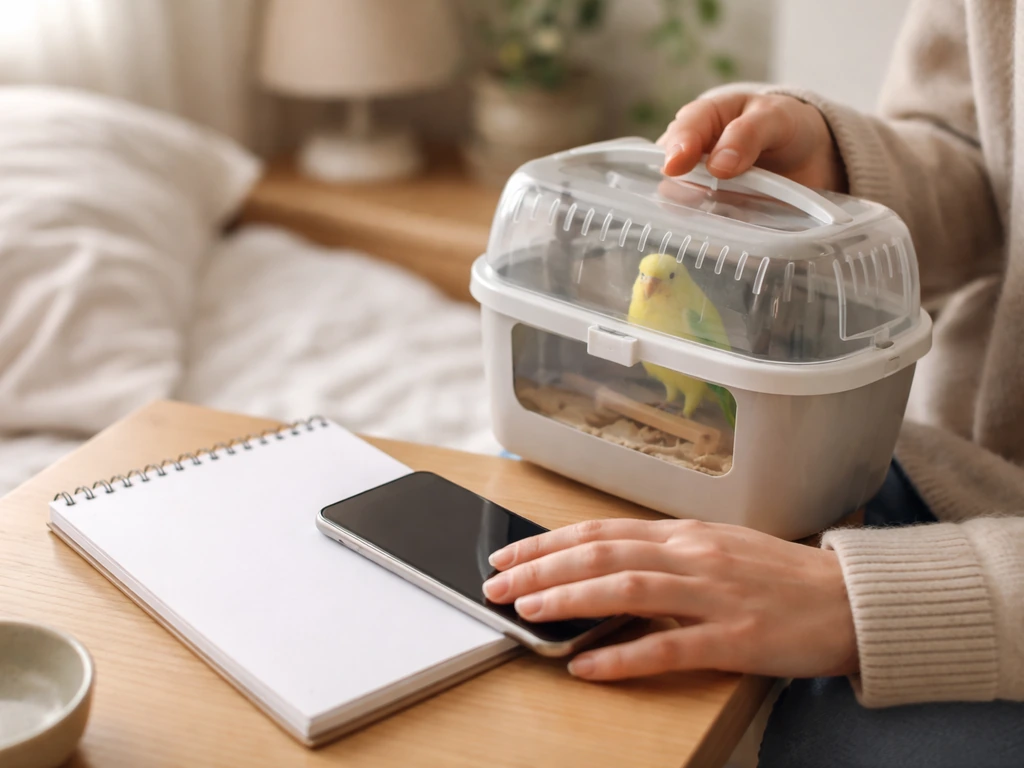
These two calls are not mutually exclusive. If your bird is showing illness signs during your pregnancy, you should probably make both calls on the same day.
Call an avian vet when:
- Your bird shows any of the respiratory or systemic warning signs listed above
- Your bird's droppings have changed in color, consistency, or frequency for more than a day or two
- Your bird has not had a wellness exam in the past year, especially if it's a parrot or another psittacine species
- You've recently added a new bird to the home and you're pregnant (new birds should be quarantined and tested before contact)
- You're not sure if your bird has ever been tested for Chlamydia psittaci
Call your OB or doctor when:
- You develop fever, chills, headache, dry cough, or muscle aches within two weeks of a bird handling or cleaning session
- You have persistent shortness of breath or a cough that won't go away and you are regularly around birds
- You've been diagnosed with psittacosis or suspect you've been exposed to an infected bird
- Your asthma or allergies have noticeably worsened since the pregnancy began and you live with birds
- You have any respiratory symptoms that feel unusual or more severe than a typical cold
If psittacosis is suspected, your provider will likely diagnose it based on your symptoms combined with your bird exposure history. The CDC notes that treatment is time-sensitive, so don't wait to see if symptoms improve on their own during pregnancy.
A prevention plan for the rest of your pregnancy
Once you've handled the immediate situation, the goal is to keep your exposure low consistently until you've delivered. That means building some practical habits and making a few housing adjustments that stick.
| Area | What to change | Why it matters |
|---|---|---|
| Cage location | Move the bird's cage out of the bedroom and into a well-ventilated room | Reduces overnight inhalation of aerosolized particles |
| Air quality | Run a HEPA air purifier in the bird's room; keep windows cracked when weather allows | Captures feather dust, dander, and dried droppings before they spread |
| Cleaning routine | Damp-wipe cage surfaces daily; do a full clean weekly using wet methods only | Prevents buildup of dried droppings that become airborne |
| Handling frequency | Limit direct handling and avoid face-to-face contact; wash hands every time | Reduces direct transfer of secretions and contact with feather dust |
| Bird health monitoring | Do a brief visual health check on your bird daily using the warning signs list | Lets you catch illness early before shedding increases |
| Veterinary schedule | Book a wellness exam for your bird once per trimester if possible | Keeps infectious disease risk lower throughout pregnancy |
| New birds | Do not introduce new birds to the home during pregnancy | New birds carry unknown disease status and require quarantine |
The good news is that most bird owners who take these precautions do fine throughout pregnancy. The risks are real but manageable, and knowing specifically what to look for in both yourself and your bird puts you in a much stronger position than most people realize.
If you're also exploring bird-related health topics like the benefits and risks of edible bird's nest products during pregnancy, that's a separate conversation from live bird exposure, but it's worth being just as careful about sourcing and preparation there too. If you meant supplement searches like "hum skinny bird side effects" rather than live birds, it's also important to review product-specific safety and how ingredients might affect pregnancy.
If you're asking whether edible bird's nest is good for eczema, it helps to consider evidence, ingredient safety, and possible irritation or allergies before using it during pregnancy edible bird's nest products. If you're specifically worried about jade bird side effects, the same exposure precautions and symptom awareness apply during pregnancy bird-related risks during pregnancy.
If you are considering bird nest for cough, it is best to check with your clinician first, since what feels soothing can still carry risks during pregnancy benefits and risks of edible bird's nest products. Edible bird nest products also come with their own considerations, but they are different from the respiratory infections and inflammation linked to exposure to live birds edible bird's nest products during pregnancy.
Edible bird nest is often discussed for its medicinal properties, but research on its cancer benefits and safety is limited, so talk with a clinician before using it benefits and risks of edible bird's nest products. For some people, bird nest benefits for lungs are discussed in the context of supplements, but it still needs careful, pregnancy-safe sourcing and preparation.
Stay consistent with the hygiene habits, keep your bird's vet visits on schedule, and don't hesitate to call your doctor if any respiratory symptoms show up. Those two steps, protecting your bird's health and watching your own, are really the core of keeping pregnancy and bird ownership as safe as possible.
FAQ
If I had bird exposure before I knew I was pregnant, should I worry about symptoms later (even if my bird looks healthy)?
Yes, consider it, especially for psittacosis. Symptoms often start 5 to 14 days after exposure, so delayed illness can happen. Watch for fever plus dry cough or chest discomfort during that window, and contact your clinician if symptoms appear, even if your bird later seems fine.
What should I do if I get a cold-like illness during pregnancy after caring for my bird, but my symptoms are mild?
Mild symptoms still deserve a call, because psittosis and hypersensitivity reactions can overlap with routine viral illnesses. Tell your clinician about bird handling and recent cage cleaning. If you develop fever or worsening shortness of breath, treat it as more urgent rather than waiting to see if it resolves.
Does cleaning the cage with wet disinfectant completely remove risk?
It reduces airborne dust significantly, but it does not erase risk. Keep good ventilation, avoid dry sweeping, and limit your time in the room during cleaning. Also consider having someone else handle daily cleaning if feasible, because repeated exposure over weeks matters for lung inflammation.
How can I tell whether my breathing issue is allergy-related or more concerning inflammation or infection?
Allergy or asthma flares often track with specific triggers (like being near the cage) and may improve when you are away. Hypersensitivity pneumonitis tends to build gradually and can cause shortness of breath plus fatigue over time. Psittacosis usually includes systemic symptoms like fever and body aches. If you are unsure, ask your clinician, and mention your bird exposure history.
Can my bird transmit psittacosis if it is not showing obvious illness?
The risk is lower when a bird appears healthy, but it is not zero. Sick birds shed more particles, yet birds can still be carriers. The most practical approach is to keep exposure low consistently and treat cage-cleaning routines as important every day, not only when the bird looks unwell.
Should I stop handling my bird during pregnancy?
Not automatically, but you should reduce exposure if you can. If you can, have another person do cage cleaning and deep cleaning, and avoid activities that stir up dried material (like dry wiping or shaking bedding). If you handle your bird, wash hands promptly and avoid putting your face close to the cage area.
What if I have asthma or allergic rhinitis, and my symptoms worsen when my bird is around?
That is a key decision point. Pregnancy can change immune responses, so symptoms that were controlled before may flare. Minimize exposure, discuss your current asthma plan with your clinician, and seek assessment sooner if you need rescue inhaler more often or you notice new shortness of breath.
Is a one-time exposure enough to cause a serious problem, or does it require repeated exposure?
Psittacosis can occur after a single exposure or a short window, since incubation is typically 5 to 14 days. Hypersensitivity pneumonitis is more often related to repeated exposure over time. Either way, if symptoms start, focus on the timing and report the bird exposure to your clinician.
When my bird shows signs like discharge from the eyes or breathing changes, how fast should I act during pregnancy?
Act the same day. The article symptoms in the bird and your pregnancy both increase urgency. Arrange veterinary evaluation promptly, and meanwhile reduce your own contact with the bird and the cage area until the bird is assessed and your cleaning plan is updated.
Are there situations where I should seek emergency care instead of a routine appointment?
Yes. If you have significant shortness of breath, chest pain, persistent high fever, or you are rapidly getting worse, seek urgent or emergency evaluation. During pregnancy, reduced lung function or systemic infection signs should not be managed only with home monitoring.
Could my partner or someone else handle the bird to protect me, or is my exposure only from direct contact?
Your exposure is mainly from inhaling airborne particles around the cage, so who cleans matters. If possible, have another person do daily cleaning and any tasks that aerosolize dust. Also avoid lingering in the cleaning area, since particles can remain suspended briefly, especially with dry methods.
I saw searches for edible bird's nest or supplement 'bird' products. Are those risks the same as live bird exposure?
Not usually. Live birds are tied to inhaled dust and infectious or inflammatory lung risks, while edible bird’s nest products are a different exposure category (ingredients, allergens, and product safety). If you are using supplements for pregnancy-related symptoms, confirm ingredient safety with your clinician, and do not assume it is equivalent to live bird risk.
Bird Sulfa Dosage for Dogs: Safe Avian Guidance Today
Learn safe bird sulfonamide use, why dog dosages do not apply, signs to watch, and when to seek avian vet help