
Bird sulfa dosing is not the same as dog sulfa dosing, and you cannot safely cross-apply one to the other. If you have a sick bird and a bottle of sulfa medication labeled for dogs, stop before you give anything. The correct dose for a bird depends on the specific sulfonamide drug, the exact formulation and concentration, the bird's weight in grams, its species, and the diagnosis. None of that information transfers automatically from a canine prescription. The safest move right now is to call an avian vet, give them your bird's species and weight, and let them confirm whether sulfa is even the right drug, and if so, at what dose and in what form.
Bird Sulfa Dosage for Dogs: Safe Avian Guidance Today

Marcus Webb
14 Jun 2026
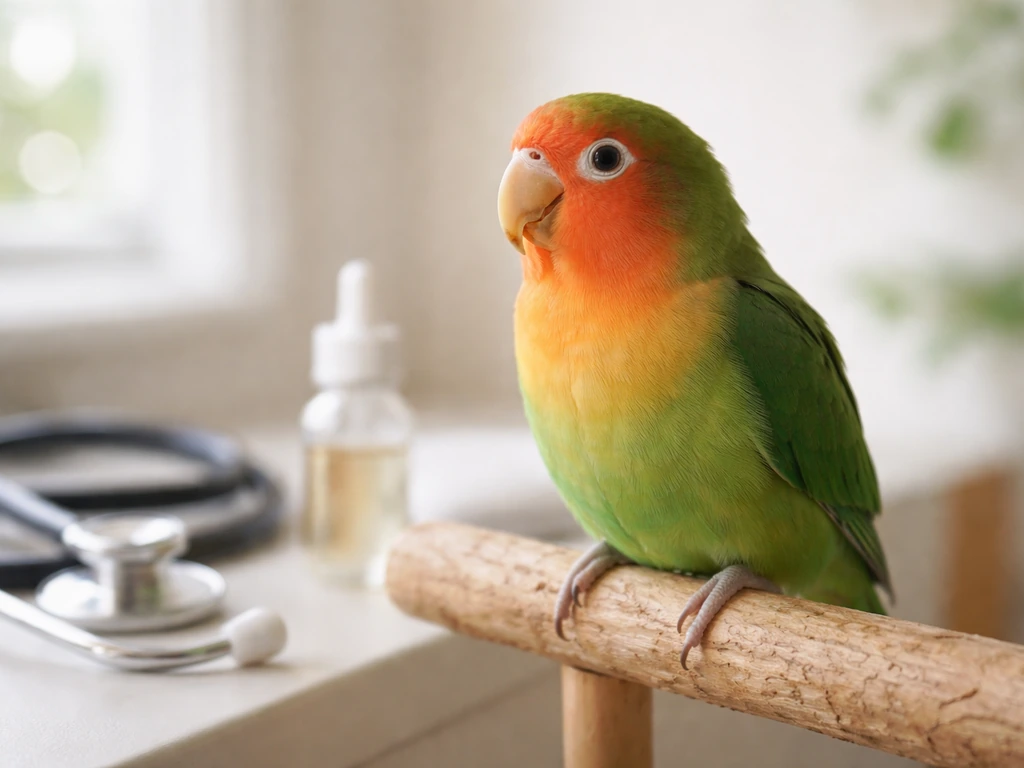
Why the bird vs dog sulfa dosage mismatch matters
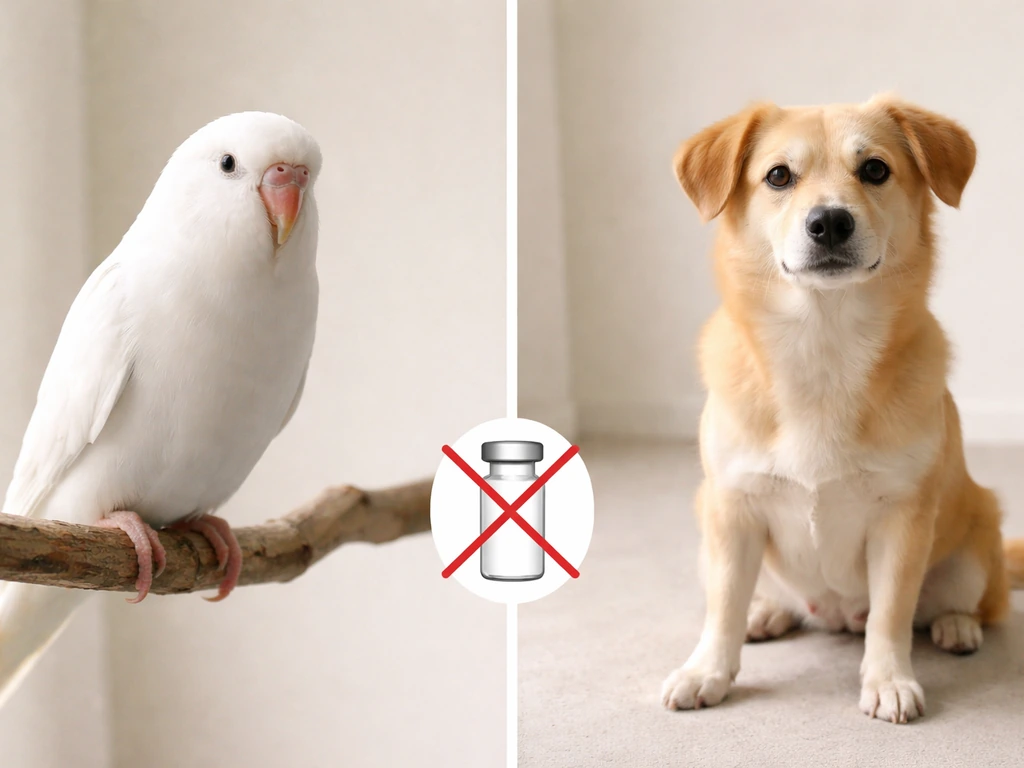
This isn't a minor technicality. Pharmacokinetic research is clear that data from mammals cannot be extrapolated to birds directly. Birds metabolize and eliminate drugs at completely different rates, and the classification of sulfonamides as 'short-acting' or 'long-acting' based on human or dog data does not apply in the same way to avian species. What is a safe, therapeutic dose in a dog can be an underdose, an overdose, or simply the wrong interval for a parrot, finch, or chicken.
Beyond the species gap, there is also a formulation gap. Dog sulfa products are dosed by the animal's weight in kilograms and are often combined with other drugs or inactive ingredients not tested in birds. The concentration of the active ingredient varies across products, so even if you found a bird-specific dose number, you would still need to calculate the volume of your specific product to deliver that dose correctly. Getting that math wrong by even a small margin can harm a small bird very quickly.
Identify the exact medication: names, concentrations, and formulations
The sulfa drugs most commonly referenced in avian medicine are trimethoprim/sulfamethoxazole (TMP-SMX) and trimethoprim/sulfadiazine (TMP-SDZ). These are potentiated sulfonamides, meaning trimethoprim is combined with the sulfonamide component to make the drug more effective. The ratio is almost always 1 part trimethoprim to 5 parts sulfonamide.
Concentrations vary significantly by product. One veterinary suspension (Trimetosol 48%) contains 80 mg trimethoprim and 400 mg sulfamethoxazole per mL. The UK product Sulfatrim oral drops contains 16 mg/mL trimethoprim and 80 mg/mL sulfamethoxazole. A poultry product like TRIMETOX delivers 25 mg sulfamethoxazole plus 5 mg trimethoprim per kg of body weight. A 960 mg tablet is a completely different dose form than a liquid. If you don't know exactly which product you have and its stated concentration per mL or per tablet, you cannot safely calculate a dose.
| Product Example | Trimethoprim Concentration | Sulfonamide Concentration | Labeled Species |
|---|---|---|---|
| Trimetosol 48% suspension | 80 mg/mL | 400 mg sulfamethoxazole/mL | Veterinary (mixed) |
| Sulfatrim oral drops (UK) | 16 mg/mL | 80 mg sulfamethoxazole/mL | Veterinary (SPC required) |
| TRIMETOX solution (poultry) | 5 mg trimethoprim/kg dose | 25 mg sulfamethoxazole/kg dose | Poultry/birds |
| Standard 960 mg tablet | Varies by formulation | Varies by formulation | Large animal/dog (check label) |
When you look at the label, you need four pieces of information: the active ingredient names, the concentration of each ingredient per mL or per tablet, the labeled species, and any contraindications listed. That last point matters because sulfa products specifically note contraindications including known hypersensitivity, and liver or kidney disease in the patient. If your bird has any pre-existing organ issues, sulfa may be off the table regardless of dose.
When sulfonamides may be considered in birds (and when they're risky)
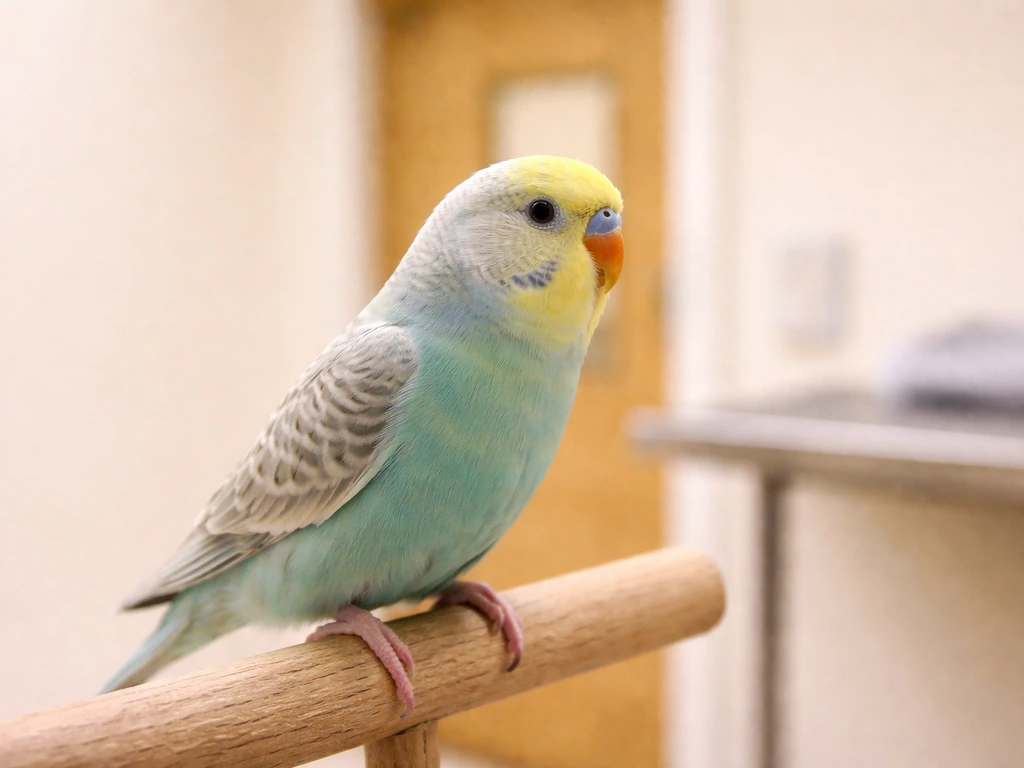
In avian medicine, trimethoprim/sulfamethoxazole is a recognized antibiotic option. The Merck Veterinary Manual lists it at 50 to 100 mg/kg given orally twice daily for pet birds, with the note that treatment should ideally be based on culture and sensitivity results and the anatomic location of the infection. That dose range reflects real bird pharmacokinetics, not a dog or human reference.
Conditions where sulfonamides come up in avian practice include bacterial respiratory infections, colibacillosis (E. coli-related disease), and coccidiosis in poultry. Sulfonamides are among the drugs used for coccidiosis in birds, administered orally in soluble form, though legal approval status varies by country and context.
The risks are real and specific. Jade bird owners often ask specifically about jade bird side effects when sulfonamides are discussed The risks are real and specific. Sulfa drugs are contraindicated in birds with known liver or kidney problems. They are also contraindicated in animals with sulfonamide hypersensitivity. Because birds often mask illness until it is advanced, you may not know the state of your bird's organ function without blood work. That is one of the strongest reasons to involve a vet before starting treatment rather than after a problem develops.
There is also the diagnostic question. Bacterial infection is not the only reason a bird looks sick. Toxicosis, viral infections, and fungal disease can all produce signs that look similar to bacterial illness. Giving sulfa to a bird with a non-bacterial illness delays the correct treatment and exposes the bird to drug risk with no benefit. This same kind of “wrong diagnosis” risk is why bird nest vs cancer claims should not be treated as a medical substitute for proven cancer care Giving sulfa to a bird. Mixed infections are also common: a bird with a viral respiratory illness can have secondary bacterial involvement, which means the picture is rarely simple.
Bird illness signs that suggest bacterial infection vs other causes
No set of symptoms definitively proves bacterial infection in a bird. But there are patterns that raise suspicion and should prompt you to seek veterinary evaluation quickly. Bacterial respiratory disease in birds often presents with nasal or ocular discharge, facial or periocular swelling, increased respiratory rate, and open-mouth breathing. Infectious coryza, caused by Avibacterium paragallinarum, is a classic example: it produces facial swelling and nasal discharge alongside general malaise. Some bacterial diseases show localized signs like this; others are more systemic.
Signs of respiratory compromise that need urgent attention include open-mouth breathing, tail bobbing with each breath, increased sternal (chest) motion, and any high-pitched squeaking or wheezing noise during breathing. These are signs the bird is working hard to breathe and should not be left to see if they improve on their own.
Signs that might point away from simple bacterial infection, or at least complicate the picture, include sudden neurological changes, heavy metal or toxin exposure history, or rapid multi-system decline. Birds that have eaten something suspect or been exposed to household hazards like metal, avocado, or smoke need a toxicosis workup alongside infectious disease consideration. Don't assume bacterial and dose sulfa if there is any chance of a toxic cause.
- Open-mouth breathing or labored breathing: seek care today
- Tail bobbing with each breath: a respiratory emergency sign
- Nasal or ocular discharge with facial swelling: bacterial respiratory disease is on the differential
- Loss of appetite with lethargy in a newly imported or young bird: serious, see a vet
- Sudden neurological signs or exposure to household hazards: consider toxicosis, not just infection
- Fluffed feathers, weight loss, and general decline without obvious respiratory signs: bacterial disease is still possible but so is many other things
How to act today: urgent triage and when to see an avian vet
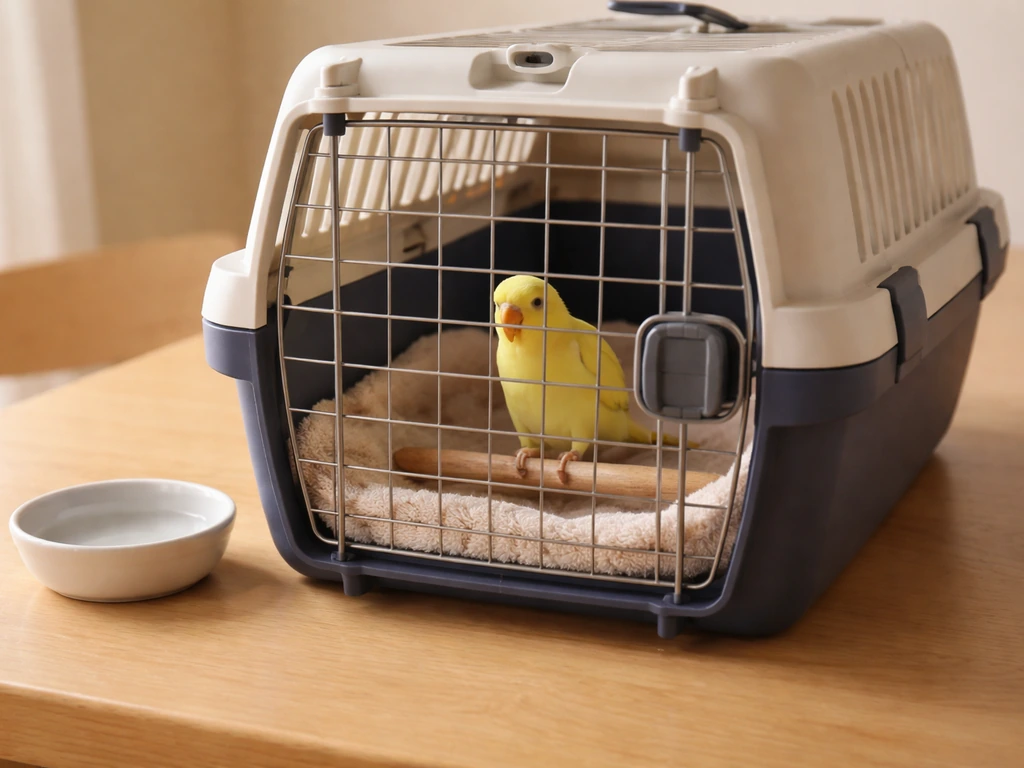
If your bird is showing open-mouth breathing, tail bobbing, or a high-pitched squeak while breathing, that is an emergency. Merck Veterinary Manual also emphasizes that respiratory illness should be addressed early, and it notes severe short-term respiratory infection signs in young or newly imported birds such as blank" rel="noopener noreferrer">loss of appetite and labored breathing. Do not wait to see if it improves. Minimize handling to reduce stress (stress in a compromised bird can be fatal), keep the bird warm and quiet, and get to an avian veterinarian or emergency exotic animal practice immediately. Bird nest remedies are sometimes marketed for cough, but you should not delay proper avian diagnosis and treatment while relying on home remedies bird nest good for cough. Avian respiratory emergencies can deteriorate quickly and may require intervention like oxygen support or airway procedures that cannot be done at home.
If your bird is sick but stable (eating a little, alert, not in obvious respiratory distress), you still need a vet appointment today or tomorrow, not next week. Call an avian vet, describe the symptoms clearly, and ask whether the situation warrants same-day evaluation. Under U.S. federal law (AMDUCA), extra-label use of any drug in an animal, including sulfa drugs, must be authorized by a licensed veterinarian within an established veterinarian-client-patient relationship. You should not be sourcing, dosing, or administering sulfa medications without that relationship in place.
- Keep the bird warm, quiet, and minimally handled while you arrange care
- Note when symptoms started, what changed, and anything the bird may have eaten or been exposed to
- Weigh the bird in grams if you can do so without stressing it (this is critical for dosing)
- Locate any medications you have at home and read the labels so you can tell the vet exactly what you have
- Call an avian vet or exotic animal emergency clinic and describe what you are seeing
- Do not give any medication until the vet has confirmed the drug, dose, and formulation for your specific bird
If you only have dog sulfa at home: what to check and what not to do
If you have a sulfa product at home that was prescribed for a dog, here is the practical checklist. First, read the entire label and note the exact active ingredients and their concentrations. Second, check whether the product contains inactive ingredients or additives that could be harmful to birds (some veterinary liquids contain propylene glycol or xylitol, which are toxic to certain animals). Third, check the labeled species and any contraindications. If the product says 'for dogs only' or lists inactive ingredients you cannot identify, do not use it in a bird.
What not to do: do not guess a proportional dose based on the bird's weight relative to a dog. Do not assume that because the drug name matches something you read about birds, the formulation is safe or appropriate. Do not crush a dog tablet and dissolve it in water to approximate a liquid dose. And do not give any amount, even a tiny one, without veterinary guidance.
What you can do: take a photo of the label and send it to your avian vet or pharmacist when you call. Ask the vet whether this specific product and concentration could be used, and let them do the math. The vet may tell you it is usable with precise calculation, or they may tell you to get a bird-appropriate formulation. Either way, you need that conversation before anything goes into your bird.
What the vet will need: species, weight, symptoms, labs, and treatment plan
When you get to the vet or call for a phone consult, the more information you bring, the faster and more accurately they can help. Here is what matters most.
| Information Needed | Why It Matters |
|---|---|
| Species and subspecies | Pharmacokinetic data is species-specific; a macaw and a budgie are not dosed the same way |
| Weight in grams | All avian drug doses are weight-based; an approximate guess is not sufficient |
| Symptom timeline and description | Helps distinguish bacterial from viral, fungal, or toxic causes |
| Diet and recent changes | Nutritional deficiencies and dietary toxins affect the differential diagnosis |
| Any prior medications or treatments | Drug interactions and prior antibiotic exposure affect treatment choices |
| Exposure history (toxins, new birds, travel) | Helps rule in or out infectious disease transmission and toxicosis |
| Current medications you have at home | Allows the vet to assess whether an existing product can be used or must be replaced |
The vet will ideally want to run diagnostics before prescribing sulfa drugs. Culture and sensitivity testing tells you whether the bacteria present are actually susceptible to sulfonamides, and it prevents you from treating with a drug that won't work. Blood work can assess liver and kidney function, which directly affects whether sulfa is safe for your individual bird. The Merck Veterinary Manual is explicit: antibiotic treatment in birds should be based on culture and sensitivity testing when possible, and the choice of drug depends on the location of the infection.
If culture results are pending and your bird needs treatment now, the vet may choose a drug empirically based on the most likely organisms for that type of infection. They will pick the formulation, calculate the dose in mg/kg for your specific bird and drug concentration, and tell you exactly how many mL or fractions of a tablet to give and how often. That is the only safe pathway to treating your bird with sulfa or any other antimicrobial.
Bird health questions often touch on broader topics like respiratory support and immune function. Some people ask about bird nest benefits for lungs, but it should only be considered as supportive care, not as a replacement for diagnosing and treating a bacterial respiratory infection respiratory support and immune function. If you are also exploring supportive care options while waiting for a vet visit, you may come across discussions about natural respiratory supplements. If you are considering using a bird nest product for eczema, discuss it with a clinician first, because it is not the same as treating an infection and safety varies by ingredients and your skin condition. Those are a separate conversation from antibiotic treatment and should never replace it when bacterial infection is genuinely suspected. Because some people search for bird nest medicinal benefits and cancer, make sure any claims are not substituted for diagnosis and evidence-based treatment when a bacterial infection is possible. If you are specifically looking up side effects from “hum skinny bird” products, confirm the exact ingredients with your avian vet first, since reactions can vary by bird and the formulation involved hum skinny bird side effects.
FAQ
Can I use the same bird sulfa dosage for different birds if they weigh the same?
No. Even at the same body weight, the safe dose depends on the exact sulfonamide and the product concentration (per mL or per tablet), plus the bird’s species and diagnosis. A dose calculated for, for example, a finch using one TMP-SMX liquid cannot be safely reused for a parrot or a different TMP-SMX brand.
What if my dog sulfa bottle lists the drug name but not the concentration clearly?
Do not dose. Without the stated concentration of each active ingredient (mg/mL or mg/tablet) you cannot calculate how many mL or fractions of a tablet would deliver the correct mg/kg to a bird.
Is trimethoprim/sulfamethoxazole (TMP-SMX) always the best sulfa choice for birds?
Not necessarily. TMP-SMX is commonly used, but the correct drug depends on the infection type, where it is in the body, and whether the bacteria are likely to be susceptible. Your avian vet may choose a different sulfonamide regimen or a different antibiotic entirely based on culture results.
Can I split or crush a dog tablet to approximate a bird dose?
You should not. Tablet splitting and crushing can create uneven dosing, and mixing crushed medication into liquid or food changes how much the bird actually receives. Birds also need the correct formulation and dosing frequency, which may not match a dog product.
Are sulfa drugs safe for birds with possible kidney or liver problems?
Sulfonamides are specifically contraindicated when liver or kidney disease or impairment is present, and birds can mask illness until it is advanced. If your bird is older, dehydrated, losing weight, or has abnormal droppings, ask for blood work or at least a vet review before any antimicrobial is given.
What inactive ingredients in dog sulfa products could be dangerous to birds?
Some veterinary liquids contain additives such as propylene glycol, and some products include sweeteners or other excipients that may be harmful to certain animals. Check the full ingredient list, not just the active drug names, and if you cannot identify the excipients, treat the product as not suitable for your bird.
If my bird looks bad, can I start sulfa immediately while waiting for culture results?
Sometimes an avian vet will prescribe empirically, but dosing should still be calculated for your specific bird and the exact product concentration. Ask whether immediate treatment is appropriate based on your bird’s symptoms, severity, and suspected infection, rather than starting on your own.
How do I tell whether my bird’s breathing problem might be an emergency?
Open-mouth breathing, tail bobbing with each breath, increased chest (sternal) movement, or wheezing or squeaking during breathing are signs of respiratory compromise. In those cases, do not wait to see if it improves, minimize handling and stress, keep the bird warm, and go to emergency avian care.
My bird has discharge and facial swelling. Is that always bacterial, so sulfa is the answer?
No. Similar signs can occur with viral, fungal, or toxin-related issues. Mixed infections are also common, so the safest plan is a vet exam, and ideally culture and sensitivity, before choosing an antibiotic.
Does culture and sensitivity testing mean I should never treat before results come back?
Not necessarily. If your bird is stable and you can safely wait, culture can guide the most effective therapy. If your bird is deteriorating or in distress, your vet may start an empiric antibiotic while cultures are pending, then adjust if results indicate a different organism or susceptibility.
What information should I send the avian vet when asking about bird sulfa dosage for dogs?
Send a clear photo of the label, including active ingredient names, concentration per mL or per tablet, dosing instructions written on the label, species indications, and any contraindications. Also include your bird’s species, exact weight in grams, symptoms, how long they’ve been present, and any suspected exposure (toxins, smoke, metal, household fumes).
Can I give “a tiny amount” of sulfa just to be cautious?
No. Even a small amount can be harmful if the concentration is wrong, if the bird has contraindications, or if the illness is not bacterial. In birds, dosing errors can be dangerous quickly, especially with small body weights.
What should I do if the vet tells me sulfa is not appropriate after I already started it?
Stop and contact the vet promptly for specific next steps. Do not switch to another dose or another antibiotic without guidance, and monitor for worsening breathing, lethargy, vomiting, or abnormal droppings while arranging the recommended treatment plan.
Next Article
Bird Nest Medicinal Benefits and Cancer: Evidence, Safety
Evidence on edible bird nest and cancer, safety risks, contamination concerns, and what to ask your oncologist before us