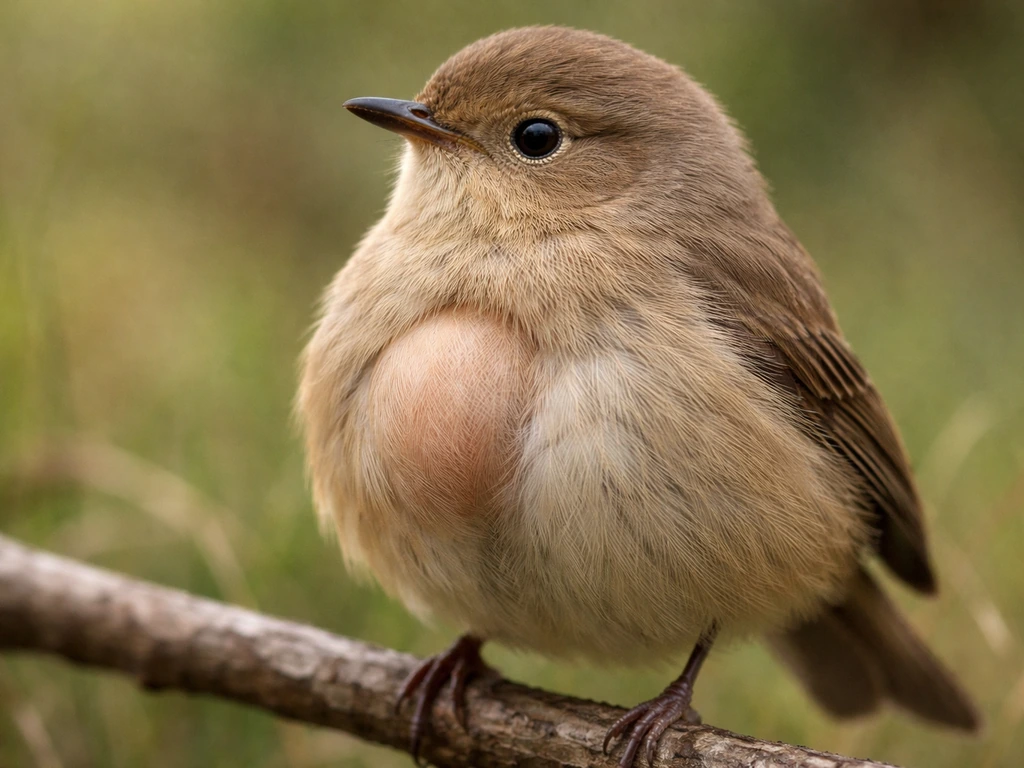
Edible bird's nest products are not proven to meaningfully improve lung function or treat respiratory disease in humans, and they have no established role in treating respiratory symptoms in pet or wild birds. The research so far is mostly preclinical or focused on non-respiratory outcomes like skin health. That said, some of the proposed mechanisms are biologically plausible, and the products are not without value as a traditional food supplement. If you're here because your bird is showing breathing trouble, skip straight to the symptoms and vet-care sections below. If you're considering using bird's nest for your own lung health, here's what the evidence actually says and what to watch out for.
Bird Nest Benefits for Lungs: What It Does and Risks

Marcus Webb
19 May 2026
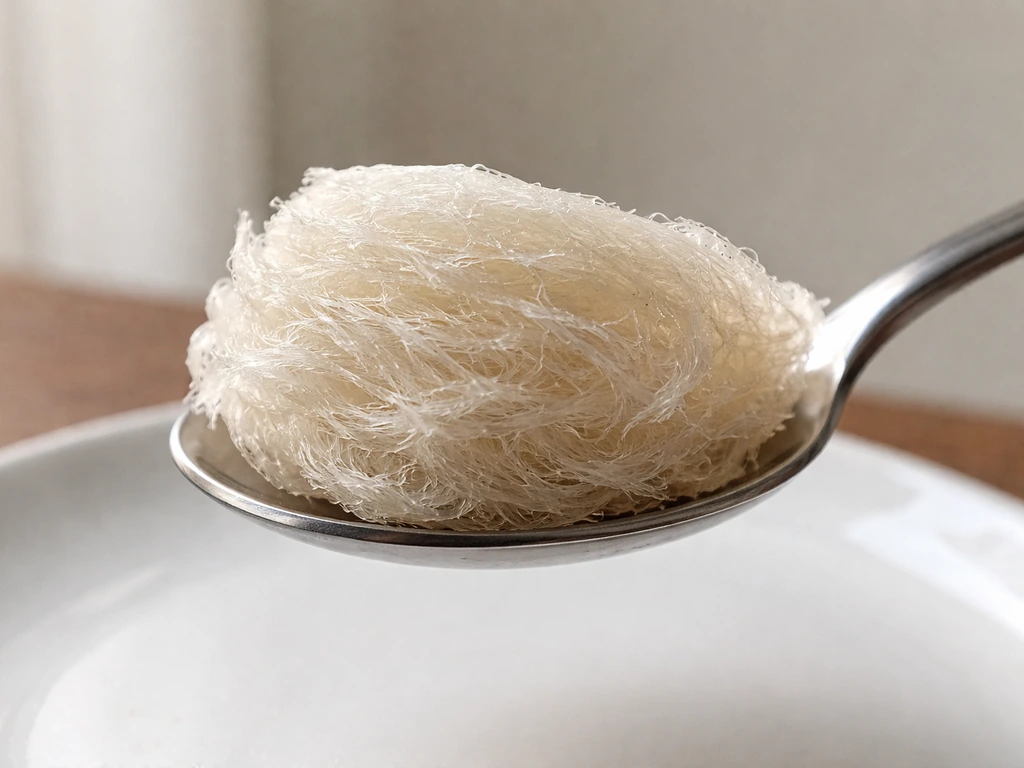
What people actually mean by 'bird nest' for lung health
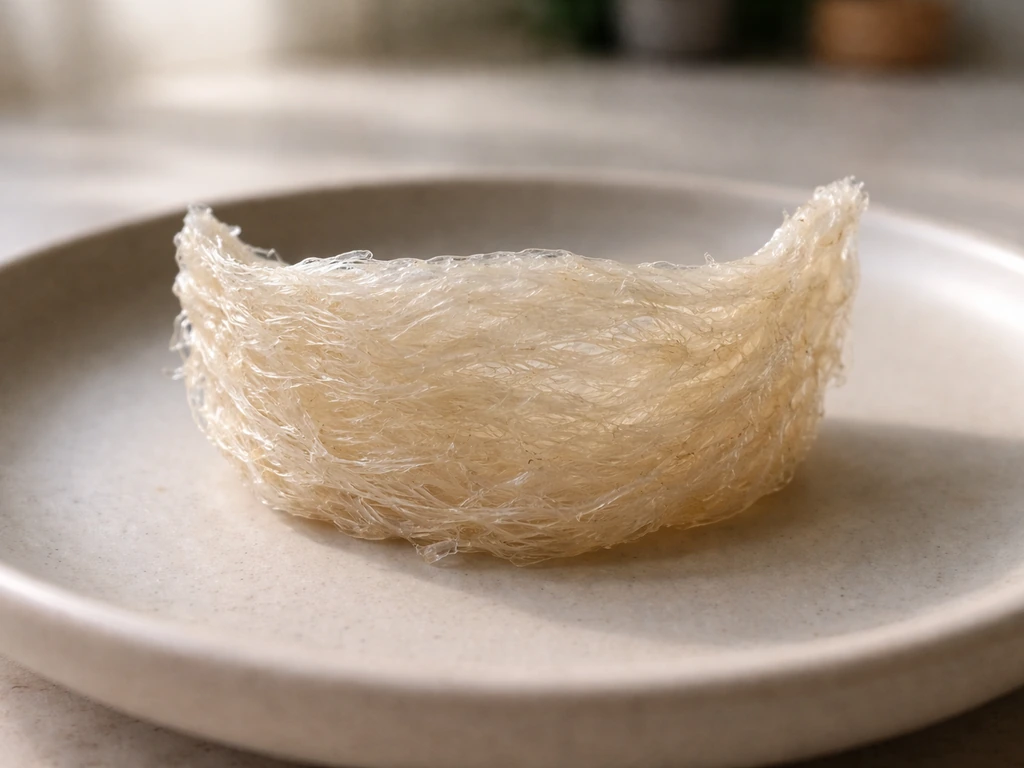
blank" rel="noopener noreferrer">Edible bird's nest (EBN) is made from the hardened saliva of swiftlets, typically Aerodramus species. These birds build nests almost entirely from their own saliva, and those nests have been harvested for centuries in Southeast Asia as a food ingredient and health supplement. When people search for bird nest lung benefits, they're almost always referring to this product, sold as soaked whole nests, dried powder, pre-made soup, or standardized extracts.
This is worth clarifying because the phrasing can also confuse bird owners who are thinking about physical nesting material and airborne particles in their bird's environment. Those are separate concerns, and I'll address the bird respiratory angle below. But the core 'bird nest good for lungs' search is overwhelmingly about EBN as a human wellness product.
Respiratory symptoms in birds that might bring you here
If you own or care for a bird and landed on this page because something seems off with your bird's breathing, here's a quick symptom map. These signs point to respiratory distress and warrant veterinary attention, not home remedies.
- Open-mouth breathing or breathing with the beak open at rest (this is not normal in birds)
- Tail bobbing, which is the tail pumping up and down with each breath, indicating increased breathing effort
- Wheezing, clicking, or crackling sounds during breathing
- Nasal discharge, especially if thick, discolored, or crusting around the nostrils
- Sneezing more than occasionally, or sneezing with discharge
- Lethargy, fluffed feathers, or sitting low on the perch combined with any of the above
- Change in voice or loss of vocalization
- Blue or discolored skin around the beak or feet (a sign of poor oxygenation)
These symptoms can point to infections, airborne irritants, or serious conditions like psittacosis (Chlamydia psittaci), which is a bacterial infection that can affect both birds and the people who handle them. A bird showing multiple signs on this list needs a vet examination, not a dietary supplement.
What the science actually says about EBN and the lungs
The main active component of EBN is sialylated mucin glycoprotein, a large, water-soluble molecule with sialic acid attached to its carbohydrate chains. This structure is genuinely interesting from a biomedical standpoint because sialic acid plays roles in immune signaling and how pathogens interact with mucosal surfaces. That's the basis for most of the respiratory-adjacent health claims.
Preclinical studies have shown some evidence of immune modulation in vitro, including effects on immunoglobulin and cytokine release, and at least one study found that EBN modulated intracellular pathways in influenza A virus-infected cells. Those findings are genuinely interesting, but they're cell-culture and animal-level results, which often don't translate cleanly into human benefits.
Where the evidence falls short is in actual human lung outcomes. Despite marketing claims, evidence does not show bird nest medicinal benefits for cancer prevention or treatment in humans, so treat those assertions as unproven bird nest medicinal benefits and cancer. There are randomized, placebo-controlled trials of EBN extract in humans, but they've measured things like skin anti-wrinkle effects, not asthma control, lung function scores (FEV1 or peak flow), or measurable changes in airway inflammation. If you're wondering whether bird nest is good for eczema, the strongest takeaway is that evidence for skin benefits is limited and it is not a proven eczema treatment is bird nest good for eczema. The respiratory claims being made in wellness marketing are largely extrapolated from non-respiratory or preclinical work, not from direct lung trials.
The mechanism most often offered for any airway-soothing effect is that EBN's mucin-like structure may interact with mucosal surfaces in the gastrointestinal tract. It does not act as an inhaled medication reaching the lungs directly. Any benefit, if real, would be indirect and systemic, which makes the 'lung support' framing harder to support.
| Claim type | Evidence level | What it actually shows |
|---|---|---|
| Antiviral/immune effects | Preclinical (in vitro) | Plausible mechanisms, no confirmed human lung outcomes |
| Skin and anti-aging effects | Randomized controlled trial (human) | Demonstrated in skin studies, not respiratory |
| Cough/airway soothing | Anecdotal/traditional use | No controlled trials measuring cough or airway symptoms |
| Asthma control or lung function | Not established | No high-quality RCTs with FEV1/peak flow endpoints found |
| Immune modulation (cytokines) | Preclinical (in vitro) | Interesting but not translated to clinical lung benefit |
Real risks you should know before using EBN
EBN is a food product with a long history of use, but that history doesn't make all commercial products safe. The single biggest practical concern is contamination. Depending on how the nest was collected, cleaned, and processed, EBN can contain residual heavy metals including lead, arsenic, mercury, and cadmium, as well as microbial contaminants like bacteria, fungi, and mites. Bleaching and cleaning practices used by some producers can introduce additional issues. Regulators including the FDA monitor heavy metals as a real contaminant category in foods, and EBN is not exempt from these risks.
Allergic reactions are another documented concern. Jade bird side effects can include contamination risks, allergic reactions, and the possibility of delaying proper medical care. EBN proteins can trigger sensitivity responses, and people with known egg or poultry product allergies should be especially cautious. There have been reports of allergic reactions including more severe responses in sensitive individuals.
For people with existing respiratory conditions like asthma, the worry is not just ineffective treatment but delayed proper treatment. Some people also look for “bird nest” to address serious illnesses like cancer, but there is no good evidence that edible bird's nest treats cancer existing respiratory conditions like asthma. Bird and be prenatal side effects may be a concern too, so talk with a clinician before using it during pregnancy. If you are considering EBN for your own lung symptoms, it is also worth reviewing potential human side effects so you can recognize issues early. Relying on an unproven supplement while symptoms worsen is a genuinely risky pattern. If you're managing asthma or a chronic lung condition, any supplement use should be discussed with your doctor first.
For birds specifically: giving birds EBN or any human supplement for respiratory symptoms is not appropriate. Dog owners should also avoid using bird-related supplements to self-treat respiratory issues, and talk to a veterinarian about the bird sulfa dosage for dogs only if they specifically recommend it giving birds EBN or any human supplement for respiratory symptoms. Bird respiratory disease requires accurate diagnosis. Treating a bird with a food product can delay proper care and allow an infectious disease to progress. Psittacosis, for example, requires antibiotic treatment and is also a zoonotic risk to human household members.
Situations where you should not use EBN at all
- Known allergy to egg, poultry proteins, or previous reaction to EBN products
- Pregnancy (insufficient safety data for supplemental doses)
- Active respiratory infection requiring medical treatment
- Children under 1 year old (general food safety concern)
- As a replacement for prescribed asthma medication or other respiratory therapy
- In birds, at any time, for any respiratory symptom
If you're still considering EBN for yourself: how to choose safer products
If you've weighed the evidence and want to try EBN as a general wellness food supplement rather than a medical treatment, the main practical step is quality control. The contamination risks described above are real but largely tied to poor-quality sourcing and processing. Here's what to look for. A bird's nest extract catalogue example specifies extract standardization using minimum 1.5% sialic acid and lists hydrolyzed swiftlet nest extract as the ingredient category here's what to look for.
- Choose products that are tested by a third-party lab for heavy metals (Pb, As, Hg, Cd) and microbial contamination, and that publish those results or make a certificate of analysis available.
- Look for products that list standardized sialic acid content (reputable extracts often specify a minimum, such as 1.5% sialic acid), which indicates some quality control in processing.
- Avoid products with vague sourcing, unclear ingredient lists, or claims that it will 'cure' respiratory conditions. Responsible sellers are transparent about what EBN is and is not.
- Start with a small amount to check for any allergic response before regular use.
- Do not use EBN as a substitute for any prescribed medication, particularly for asthma or chronic lung disease.
- Talk to your doctor before using EBN supplements if you have any existing lung, immune, or kidney condition, or if you take regular medications.
As a general note, if what you're after is practical relief for respiratory comfort, evidence-based options like adequate hydration, humidifier use (within safe humidity ranges to avoid mold), air filtration, and allergen reduction in the home have stronger support for day-to-day airway comfort than any supplement. These aren't exciting answers, but they work.
When to get help: warning signs for birds and for people
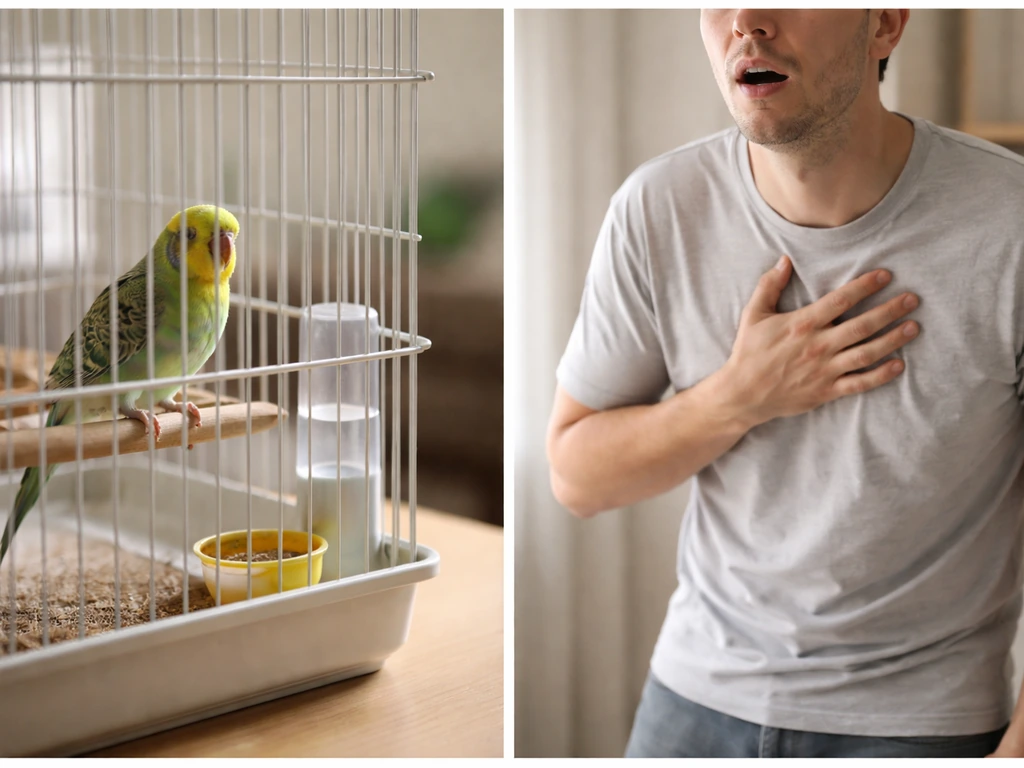
Take your bird to a vet today if you see:
- Open-mouth breathing or breathing with visible effort at rest
- Tail bobbing with every breath
- Any wheezing, clicking, or wet respiratory sounds
- Nasal discharge that is thick, yellow, green, or crusted
- Sudden lethargy combined with fluffed feathers and reduced activity
- Loss of voice or significant change in vocalization
- Blue, gray, or pale skin color around the beak, face, or feet
- A bird that has been in contact with other birds and is showing any of the above (infection risk to you and other birds)
Do not wait to see if it improves. Birds hide illness well and can decline quickly. If you've recently added a new bird to your household or your bird has had contact with other birds, psittacosis is a real possibility, and it requires a veterinarian to diagnose and prescribe appropriate antibiotics.
Call 911 or go to the emergency room if you experience:
- Shortness of breath severe enough to prevent normal activity or speech
- Blue or purple color on your lips, fingertips, or nails
- Chest pain or pressure with breathing difficulty
- Fainting or loss of consciousness
- An asthma attack that is not relieved by your rescue inhaler after following your action plan
- Sudden high fever with severe cough, especially if you have regular contact with birds (psittacosis can present this way)
For non-emergency respiratory symptoms in yourself, a visit to your primary care provider is the right first step, not a supplement. If you're managing ongoing cough or airway symptoms and you keep birds, mention that to your doctor. If you're looking for bird nest good for cough, focus on evidence-based airway comfort steps first and talk to a clinician if symptoms persist. The connection between avian exposure and certain respiratory infections, including psittacosis, is something clinicians need to know about to make the right diagnosis.
The bottom line is this: EBN is a traditional food with genuinely interesting chemistry, some plausible biological mechanisms, and a real but manageable safety profile when you choose quality products. What it is not is a proven lung treatment. If your bird is sick, see a vet. If you're sick, see a doctor. And if you're considering EBN as a wellness food supplement after all that, choose a clean, well-sourced product and keep your expectations realistic.
FAQ
How can I tell if bird nest products I’m buying are likely to be contaminated or low quality?
Look for documentation of contaminant testing (heavy metals and microbiological limits) and batch-specific results, not just general brand quality claims. Also avoid products that rely on aggressive bleaching or unclear cleaning steps, because processing can increase safety concerns and introduce additional residues or off-target changes.
If bird nest is not an inhaled lung treatment, could it still help with throat irritation or “airway comfort”?
Any effect, if it exists, would be indirect and inconsistent, so it should not be used as a substitute for proven measures like hydration, humidification in a mold-safe range, and allergen reduction. If you do try it, define a short trial window and stop if symptoms worsen or new red flags appear.
What are the main red flags that mean I should not rely on bird nest and should get medical care right away?
Seek prompt care for shortness of breath at rest, wheezing that is worsening, coughing up blood, high fever with breathing symptoms, chest pain, or signs of severe allergic reaction (hives, swelling, trouble breathing). If you have asthma or COPD, also treat reduced response to your rescue inhaler as urgent.
Can bird nest interact with asthma medications or other lung treatments?
Because EBN is a supplement rather than a standardized drug, interaction data are limited. The practical risk is not only pharmacologic, it is behavioral, delaying care. If you take inhaled steroids, bronchodilators, or biologics, discuss EBN with your clinician and monitor control metrics you already use (like symptom frequency or peak flow).
Is bird nest safer if I use it as powder or soup instead of an extract?
Form matters mainly for dosing consistency and quality control, not for the fundamental risks. Powder and soup can vary widely in processing, and some products may include added ingredients. Extracts may be more standardized, but they can concentrate contaminants if sourcing and testing are weak, so both require strong batch testing.
What should people with egg or poultry allergies do before trying bird nest?
Because sensitivity can be triggered by proteins, people with known egg or poultry product allergies should be cautious and may need medical guidance before trying it. Consider starting with medical supervision if you have a history of anaphylaxis, and do not continue if you notice itching, hives, swelling, or breathing changes after use.
Is it safe to use bird nest during pregnancy or while breastfeeding?
Do not assume safety just because it is a traditional food. Pregnancy and breastfeeding are high-risk windows where supplement evidence is often limited, so it is best to confirm with an obstetric clinician before starting. Also disclose your exact product and brand, since contaminants and additives vary by manufacturer.
If my bird is having breathing trouble, what home steps are reasonable while I arrange a vet visit?
Prioritize environmental cleanup and observation: reduce dust and aerosols, ensure good ventilation, keep the bird warm and stress-minimized, and avoid trying human supplements or inhaled remedies. If multiple birds are affected, isolate the sick bird and tell the vet about any recent new birds, because zoonotic infections may change what tests and treatment are needed.
Can giving bird nest to pets other than birds help respiratory symptoms?
Self-treating respiratory signs in pets with bird nest is not a good idea. Pet medicine dosing is species-specific, and respiratory disease can be infectious or dangerous, so delaying diagnosis is the main risk. If a vet recommends a specific product, follow their dosing guidance and do not substitute human formulations.
If I want to try bird nest anyway, what’s a sensible way to evaluate whether it helps without taking big risks?
Set clear expectations, such as using it as a general wellness supplement, not as treatment for lung symptoms. Choose a quality-tested product, track objective and symptom measures you already use (like cough frequency or rescue inhaler use), and stop if there is no improvement within a short, predefined period or if any side effects occur.
Next Article
Bird Nest vs Cancer: Symptoms and What to Do Now
Learn how to tell cancer-like bird lumps from infections or cysts, plus urgent next steps and vet testing.