Edible bird's nest has real bioactive compounds, but there is no credible human clinical evidence that it prevents or treats cancer. Lab studies have found interesting biological activity, and traditional medicine communities across East and Southeast Asia have used it for centuries, but 'interesting in a petri dish' is a long way from 'useful cancer therapy.' If you or someone you care about has cancer, bird's nest products should not be a primary or substitute treatment. Here is what the evidence actually shows, what the real safety risks are, and what to do instead.
Bird Nest Medicinal Benefits and Cancer: Evidence, Safety

Marcus Webb
7 Jun 2026
What 'bird nest' actually means here

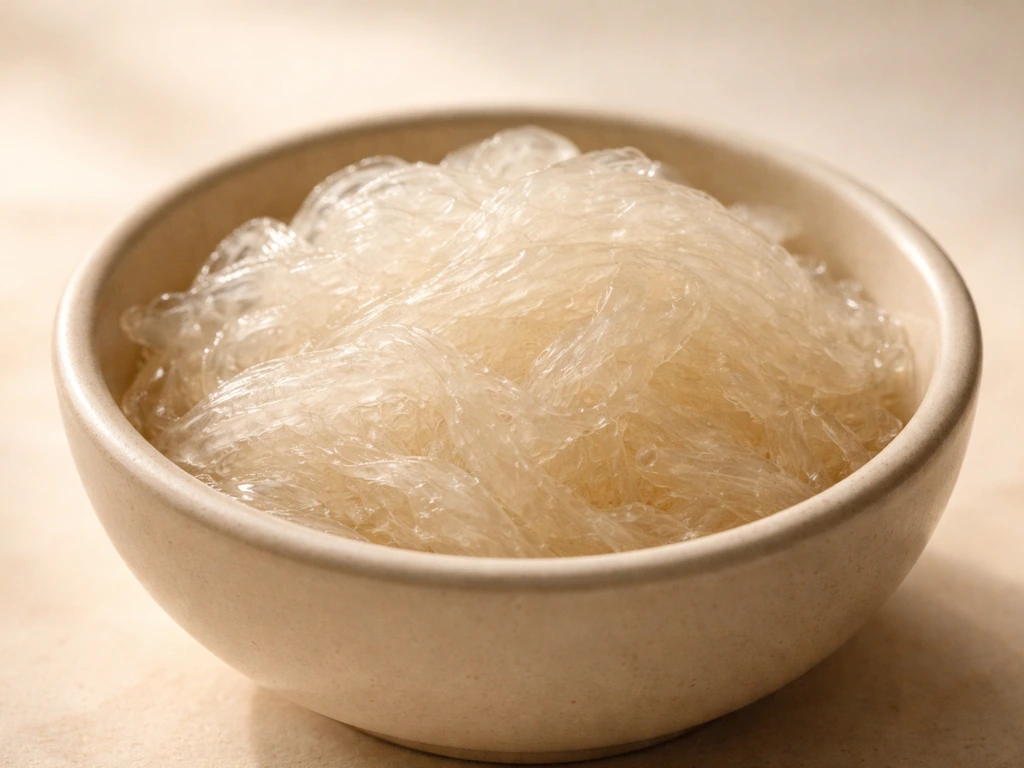
The term 'bird nest' in a health or medicinal context almost always refers to edible bird's nest (EBN): the hardened saliva secreted by swiftlets (mostly Aerodramus and Collocalia species) to build their nests. These are not the familiar twigs-and-grass nests you see in trees. Swiftlet nests are harvested, cleaned, and sold as a food ingredient or supplement, primarily in Chinese and Southeast Asian markets. The raw nest is soaked, cleaned of feathers and debris, then cooked into soups or drinks. Commercially, you will find it as dried nest cups, pre-made bottled drinks, powders, and capsules, with prices ranging from affordable to very expensive depending on grade and origin.
This is completely different from a wild bird's nest made of plant material, or from any other traditional remedy named 'bird nest' by a herbalist. It is also worth distinguishing EBN food products (sold in grocery and specialty stores) from EBN dietary supplements (sold in capsule or extract form and making more direct health claims). The distinction matters because regulatory oversight differs significantly between the two categories, and the supplement form is where the most aggressive and misleading cancer-related marketing tends to appear.
What's actually known about bird's nest and cancer (versus what's claimed)
Claims range from 'boosts immunity' to 'fights tumors' to 'prevents cancer.' The honest summary: there is no published human clinical trial showing that EBN prevents or treats cancer. What exists is a body of preclinical research, mostly cell-culture and animal studies, that identifies biological activity worth studying further. Some Malaysian and other research groups have looked at how EBN components affect cancer cells in lab settings, and there are findings worth noting, but none of that translates directly to a treatment or prevention benefit in people.
One specific concern that comes up in safety research is the opposite of what marketers claim: some preclinical studies have flagged that EBN components could potentially stimulate certain cancer cell lines, not suppress them. This is a preliminary, cell-study finding, not a confirmed human risk, but it is a reason to be cautious rather than enthusiastic about heavy supplementation, especially for people already diagnosed with cancer.
A related topic, bird nest vs cancer, explores this preclinical research in more detail. The bottom line from that research is the same: promising lab signals, no human evidence of benefit, and some potential for unintended effects.
The bioactive compounds in bird's nest and what they might do
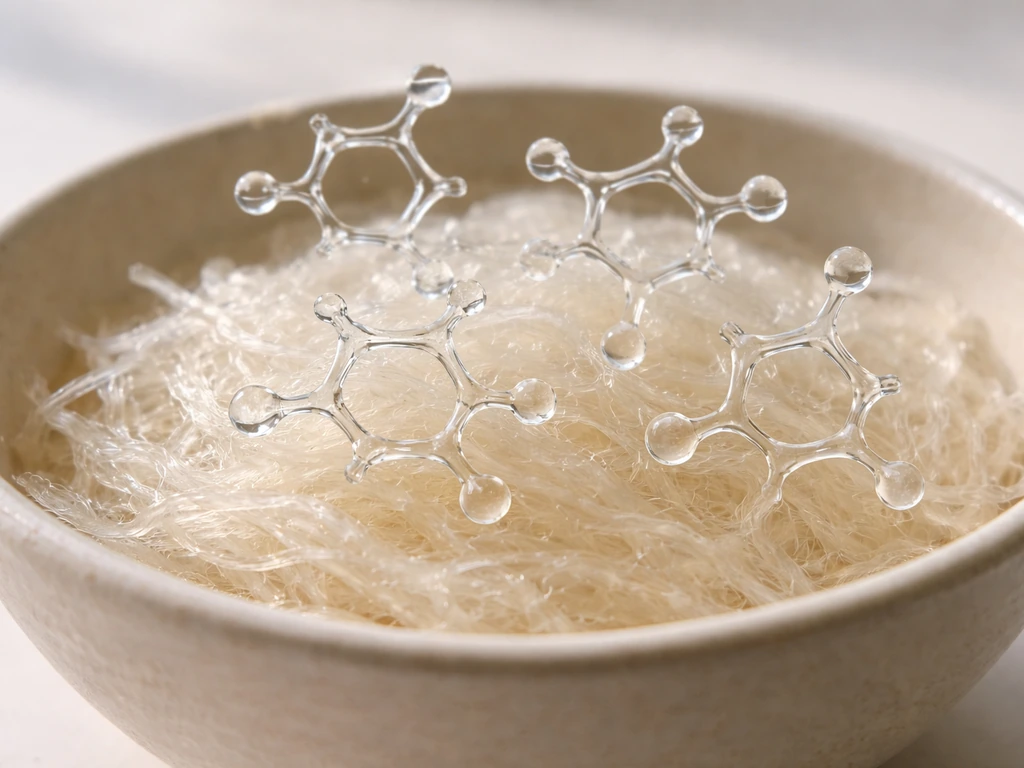
EBN is not nutritionally empty, and that is partly why researchers find it interesting. Its main studied components include sialic acid (primarily as N-acetylneuraminic acid, or Neu5Ac), epidermal growth factor (EGF), sialylated glycoproteins, various proteins, and smaller amounts of carbohydrates and minerals. Here is how each of those fits into the research picture:
| Compound | What it is | Research status | Cancer relevance |
|---|---|---|---|
| Sialic acid (Neu5Ac) | A sugar molecule on cell surfaces | Studied in immunology and neuroscience; found in EBN | Immunomodulatory activity in lab models; no human cancer outcome data |
| EGF (epidermal growth factor) | A protein that signals cell growth | Confirmed present in EBN by ELISA testing | EGF receptors are actually a cancer therapy target—excess stimulation is a concern, not a benefit |
| Sialylated glycoproteins | Complex sugar-protein chains | Structural research ongoing | Mechanism of interest only; no clinical outcome data |
| Proteins (collagen-like) | Structural proteins | Described as under-investigated | No cancer-specific evidence |
| Phenols | Antioxidant-class compounds | Measured in EBN | General antioxidant interest; no cancer treatment evidence |
The EGF content is worth pausing on. EGF stimulates cell growth and division. In oncology, EGF receptors (EGFR) are actually therapeutic targets that cancer drugs are designed to block. Consuming a substance with EGF-like activity when you have an EGF-receptor-sensitive cancer is not obviously beneficial and is a legitimate question to raise with an oncologist. This does not mean EBN definitely causes harm, but it does mean the 'it's natural, so it helps' logic does not hold here.
EBN has also been studied for lung-related effects, which connects to the site's related coverage on bird nest benefits for lungs. The immune and anti-inflammatory signals seen in lab studies are real, but they remain preclinical findings. In eczema, you would want proof that an intervention reduces inflammation in people, not just immune effects seen in lab studies anti-inflammatory signals.
Safety and real risks you should know about
This is where the conversation about bird's nest gets more serious. The safety risks are not theoretical marketing disclaimers. They are documented and worth understanding before consuming EBN regularly or in supplement form.
Contamination: what can be in the nest
Multiple peer-reviewed reviews and studies have documented contamination hazards in EBN. Because swiftlets nest in caves or farm houses and the nests are built from saliva, they are exposed to the birds' environment throughout their formation. Contamination types identified in research include:
- Heavy metals: mercury (Hg), lead (Pb), arsenic (As), and cadmium (Cd) have all been detected. An Indonesian ICP-MS study described heavy metal contamination as a 'serious concern,' though washing the nest before use can reduce some levels.
- Microorganisms: bacteria, fungi, and mites have been found in raw EBN. Processing and cooking reduce but may not eliminate microbial risks.
- Nitrite and nitrate: these are present at levels that concern some researchers because high nitrite intake is linked (in animal studies) to formation of N-nitroso compounds, some of which are carcinogenic in those models. This is one of the more pointed ironies in bird's nest cancer marketing.
- Adulteration: lower-quality products are sometimes mixed with other materials (plant gums, artificial colouring) to increase weight or appearance. Third-party lab testing is the only reliable way to catch this.
Regulatory oversight of EBN is inconsistent across markets. In the US, the FDA does not evaluate or approve dietary supplements for safety or efficacy before they reach shelves. Under the Dietary Supplement Health and Education Act (DSHEA), that responsibility sits with the company selling the product. That means the quality and safety of what you buy varies enormously depending on who made it.
Allergies and anaphylaxis
EBN is a documented food allergen. Clinical research published in Singapore identified edible bird's nest as a common cause of food-induced anaphylaxis requiring hospitalization in children, classified as IgE-mediated hypersensitivity. This is a serious allergic reaction, not a mild sensitivity. If you or a child has not previously consumed EBN, introduce it cautiously and stop immediately if any allergic symptoms appear (hives, swelling, difficulty breathing). Prenatal side effects are a particular concern, because supplements may contain contaminants or biologically active compounds that could affect pregnancy. People with known egg or seafood allergies may be at higher risk, though protein cross-reactivity patterns in EBN are still being studied.
Drug interactions during cancer treatment

This is the most critical safety point for anyone currently undergoing cancer treatment. The National Cancer Institute and NCCIH both flag that dietary supplements can alter how cancer drugs are absorbed, metabolized, or cleared from the body, a pharmacokinetic concern that can make drugs less effective or more toxic. NCI PDQ also notes that dietary supplements may affect pharmacokinetics or pharmacodynamics of cancer drugs, and that interactions are a key concern, with more research still needed blank" rel="noopener noreferrer">dietary supplements can alter how cancer drugs are absorbed, metabolized, or cleared. Cancer chemotherapeutic agents are specifically listed among drugs with a narrow therapeutic index where herb-drug interactions carry particular risk. NCCIH notes that evidence for herb and drug interactions is limited and sometimes hypothetical, but it advises blank" rel="noopener noreferrer">special caution for drugs with a narrow therapeutic index, including cancer chemotherapeutic agents and anticoagulants such as warfarin. EBN has not been studied head-to-head with specific chemotherapy agents, but the lack of data is not reassurance. Taking any supplement without telling your oncologist is a mistake.
If you have cancer, here is what to do instead
Bird's nest is not going to cure or meaningfully treat cancer based on current evidence. That is not a judgment of the people who use it or the traditions behind it. It is just where the science is right now. Here are the practical steps that actually matter:
- Tell your oncologist or cancer care team about every supplement, herb, or traditional remedy you are taking or considering. Memorial Sloan Kettering, the American Cancer Society, and the University of Michigan Rogel Cancer Center all give the same advice: your team needs to know. This is not about being judged. It is about avoiding interactions that could undermine your treatment.
- Ask specifically about interaction risks. Your oncologist can flag if a supplement affects a drug you are on or if there is an immune-modulation concern given your cancer type.
- Focus on evidence-based nutrition. The American Cancer Society provides detailed nutrition guidance for patients during treatment. Whole foods, adequate protein, and managing treatment side effects that affect eating are all areas where real evidence exists.
- If you want to explore integrative approaches, use an accredited integrative oncology service. Many major cancer centers now have these, and they can help evaluate supplements safely in the context of your treatment plan.
- Do not delay or reduce standard treatment in favor of supplements. This is the core of the 'do no harm' principle from major cancer centers: supplements can interfere with treatment, cause side effects that worsen nutrition, and in worst cases cause direct harm.
How to spot bird's nest cancer scams
The FDA has issued warning letters to more than 80 companies selling products with illegal claims to prevent, diagnose, treat, mitigate, or cure cancer. The FTC has taken enforcement action against companies making false and deceptive cancer cure claims and has issued orders prohibiting those claims. Despite this, products making exactly these claims continue to appear online and in specialty stores. Here is what to watch for:
- Language like 'cures cancer,' 'destroys tumors,' 'clinically proven to fight cancer,' or 'doctors don't want you to know' is an immediate red flag. These are claims no dietary supplement can legally make in the US, and they signal that a company is willing to mislead you.
- Testimonials as the primary evidence. Personal stories are emotionally compelling but are not medical evidence. Scam products almost always lead with testimonials and lack any peer-reviewed clinical research.
- Vague references to 'studies' or 'research' without naming the study, the journal, or linking to it. Real bioactive compounds research exists for EBN, but the studies are preclinical. Any marketing that presents lab or animal research as proof of human cancer benefit is misrepresenting that science.
- Very high prices combined with urgency tactics ('limited supply,' 'only while stocks last'). Inflated pricing does not indicate quality.
- No third-party lab testing or certification. Reputable supplement companies have their products tested by independent labs (NSF, USP, or similar) and display those certifications. If this information is absent, you have no way to verify what is in the product.
- Products marketed specifically to people who have been diagnosed with cancer and are told conventional treatments are toxic or insufficient. This framing preys on people in a vulnerable position.
If you encounter a product making cancer cure claims, you can report it to the FDA at MedWatch or to the FTC at ReportFraud.ftc.gov. These reports genuinely matter and have contributed to enforcement actions.
Symptoms and situations that need a doctor now
If you searched this topic because you or someone close to you has unexplained symptoms that raised the word 'cancer,' please do not let a conversation about bird's nest substitute for medical evaluation. There are symptoms that need prompt professional attention, not a supplement search. If you are considering bird nest specifically for cough, check with a clinician first because the evidence for treating cough is not well established.
- Unexplained weight loss of 10 pounds or more without trying
- A lump or thickening under the skin anywhere in the body
- Persistent fatigue that does not improve with rest
- Coughing up blood or blood in urine or stool
- Persistent hoarseness, difficulty swallowing, or chronic cough that does not resolve
- Changes in bowel or bladder habits that last more than a few weeks
- Sores that do not heal
- Unusual bleeding or bruising
- Ongoing fever, night sweats, or pain without a clear cause
If you consumed EBN and are experiencing an allergic reaction, including hives, facial swelling, difficulty breathing, or a drop in blood pressure, that is a medical emergency. Call emergency services immediately. Anaphylaxis from EBN is documented and can be life-threatening without prompt treatment. You should also never treat your dog’s illness with bird sulfa dosage products without guidance from a veterinarian, because dosing and safety are critical and depend on the specific condition bird sulfa dosage for dogs.
If you are already in cancer treatment and you experience new or worsening symptoms after starting any supplement, including EBN, contact your oncology team the same day. If you are already in cancer treatment and you experience new or worsening symptoms after starting any supplement, including EBN, contact your oncology team the same day, and also review hum skinny bird side effects so you know what issues have been reported. Common jade bird side effects can include allergy reactions and potential drug interaction concerns during cancer treatment. Do not wait for your next scheduled appointment. The safest path is always the one that keeps your medical team fully informed.
FAQ
Is bird’s nest totally off-limits during cancer treatment, or can I discuss it with my oncologist?
If you have cancer or are undergoing chemotherapy or radiation, you should treat bird’s nest as a supplement to avoid unless your oncology team explicitly approves it. The article highlights that dietary supplements can change drug absorption and metabolism, but there is no head to head safety data with specific cancer drugs, so “natural” does not equal “safe.”
If I use bird’s nest as a drink or in food, is it safer than capsule extracts?
Because EBN is often marketed under a wide range of products (soups, bottled drinks, powders, capsules), the safest approach is to bring the exact product name and label to your oncology visit and ask about it as an ingredient, not as “food.” Even food category products can still contain concentrated constituents and contaminants compared with typical culinary use.
What labeling phrases should make me immediately suspicious of cancer-related marketing?
Yes. A practical warning sign is any product that promises prevention, remission, shrinking tumors, or “treats all stages” language, especially when it also sells as a supplement or “health tea.” The article notes enforcement against companies making illegal cancer claims, so the presence of those claims is a red flag even if the label looks polished.
If I have allergies, how do I decide whether I should ever try edible bird’s nest?
Start by checking your history and risk factors. If you have any prior anaphylaxis to foods, known IgE allergies, or a history of severe reactions, do not self experiment. The article also notes higher risk in people with egg or seafood allergies, so if your allergies include those categories, you should ask for guidance before any trial.
If I react after taking a small amount, how fast should I respond?
For anyone who has never eaten EBN, the article advises introducing cautiously and stopping immediately if symptoms appear, but it also implies you should not treat mild symptoms as “wait and see.” If you get hives, facial or throat swelling, trouble breathing, wheezing, or dizziness, seek emergency care right away because EBN anaphylaxis has been documented.
How can I reduce contamination risk if I insist on using EBN as a supplement?
Because supplement quality can vary widely across markets, you should look for third party testing and clear ingredient sourcing, but even that is not a guarantee against contamination or allergen risk. The article emphasizes inconsistent oversight, so the decision should be based on your clinician’s advice and not on the product’s reputation alone.
Is edible bird’s nest safe in pregnancy or when trying to conceive?
If you are pregnant, or trying to become pregnant, discuss it with your OB-GYN before using EBN products, particularly supplements. The article flags prenatal side effects as a concern and notes that supplements may contain contaminants or bioactive compounds, so pregnancy is not a good time for unmonitored experimentation.
If bird’s nest has “anti-inflammatory” effects, could it still be harmful in my case?
Not necessarily, and that uncertainty is important. The article notes that preclinical work has found activity that could be unintended, including signals in some studies that may stimulate certain cancer cell lines. If you notice any new symptoms after starting EBN, contact your oncology team the same day rather than assuming the cause is unrelated.
Do bird’s nest products interact with chemotherapy drugs, and should I stop them right away if I forget to mention them?
Yes, and “nontoxic” is not the same as “no interaction.” The article points out pharmacokinetic drug interaction concerns and that cancer drugs have narrow therapeutic windows. The safest option is to tell your oncology team before taking EBN, then follow their plan about timing, stopping rules, and monitoring.
How should I report a product that claims bird’s nest prevents or treats cancer?
If you want to report misleading cancer claims, use the channels described in the article (FDA MedWatch for safety and FTC ReportFraud for deceptive claims). Include screenshots of the claim, the product name, and where you saw it, since that helps regulators identify the exact wording and seller.
Next Article
Jade Bird Side Effects in Birds: Symptoms and What to Do
Learn possible jade bird side effects in birds, symptom spotting, and safe next steps plus when to rush to an avian vet.