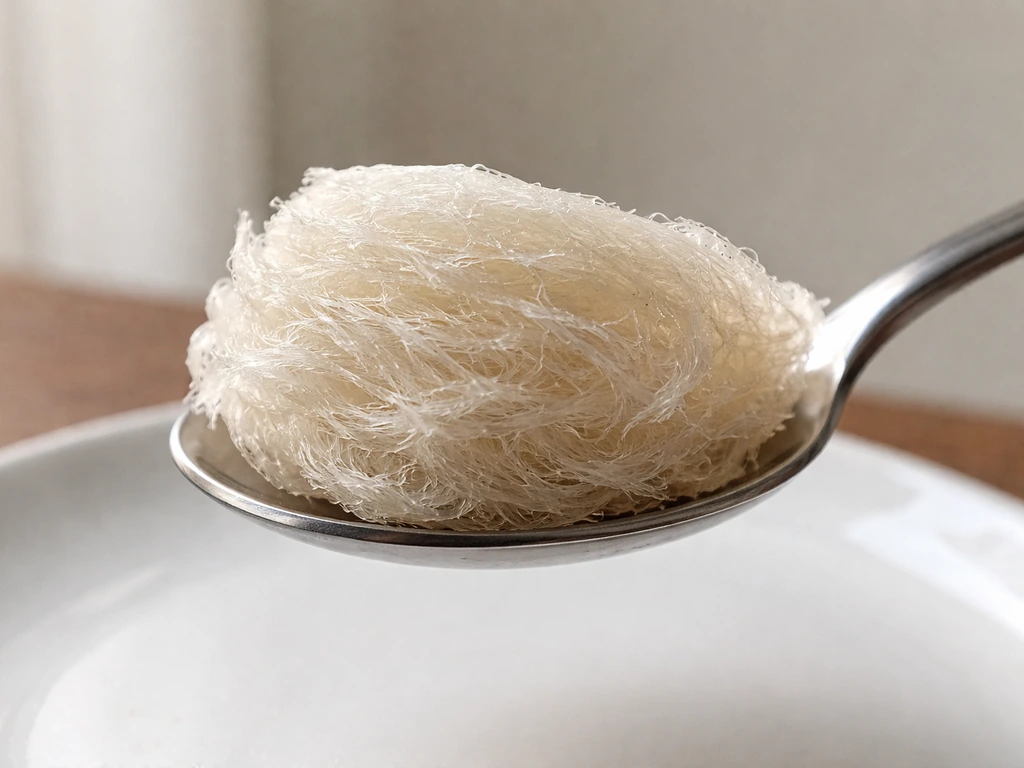
If your bird is showing unusual symptoms after being given a product called 'Jade Bird,' the most important thing to do right now is stop giving it, watch your bird closely for breathing problems or collapse, and call an avian vet if anything looks serious. Because 'Jade Bird' isn't a widely documented pharmaceutical product, the side effects you're seeing are most likely tied to how birds react to supplements, herbal tonics, or locally sold treatments in general: digestive upset, lethargy, changes in droppings, and in more serious cases, respiratory distress or neurological signs.
Jade Bird Side Effects in Birds: Symptoms and What to Do

Marcus Webb
27 May 2026
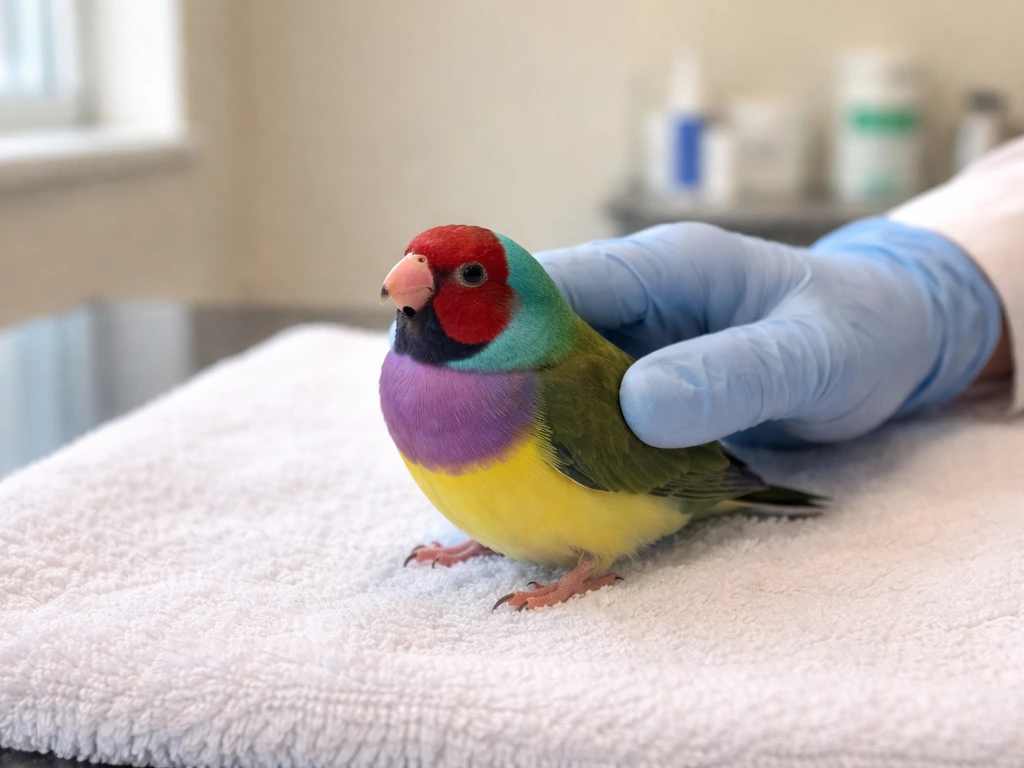
What 'Jade Bird' Usually Means for Bird Owners
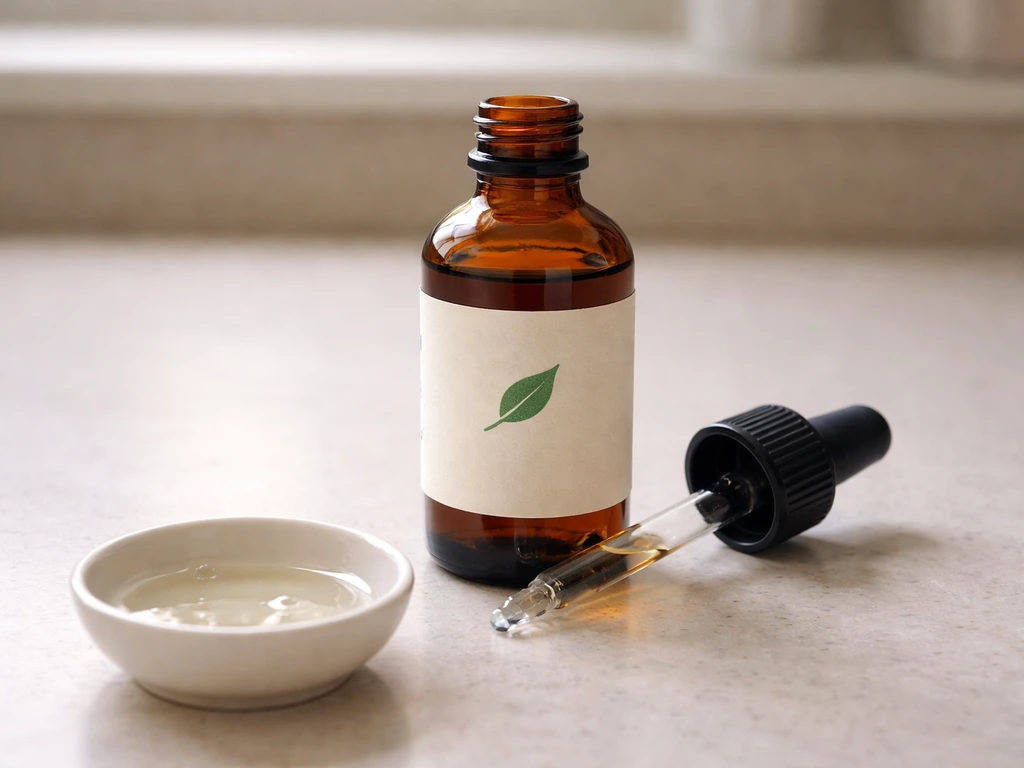
Searching 'Jade Bird' online mostly returns results about a musician by that name, not a bird-care product. That tells us this is either a locally distributed supplement, a tonic sold through specialty pet or bird stores, or a product known mainly by word of mouth. If you received it from a bird club, a local breeder, or a market, that tracks with why it's hard to find documented information about it.
In practice, 'Jade Bird' likely falls into one of a few categories: a herbal tonic or liquid supplement marketed to improve plumage or immune health, a concentrated food additive or moulting aid, or possibly a traditional remedy sold in certain regional or cultural markets. Some of these products contain plant extracts, essential oils, vitamins, or mineral blends. Any of those ingredients can cause side effects in birds, especially when the dosage isn't calibrated carefully for a bird's small body weight.
Because the exact formula isn't publicly documented, this guide treats it the way you should treat any unverified supplement: with caution, a close eye on your bird, and a low threshold for calling a vet.
Common Side Effects and What They Look Like in Birds
Birds are small, and their metabolisms are fast. A dose that seems minor can have noticeable effects within hours. If you are looking for bird sulfa dosage for dogs as a reference, get veterinary guidance first because dosing varies drastically by species and product A dose that seems minor. Here are the most likely side effects to watch for after a bird is given any supplement or tonic, including Jade Bird:
- Digestive upset: vomiting, regurgitation, loose or unusually colored droppings, reduced appetite, or complete food refusal
- Lethargy and fluffed feathers: sitting at the bottom of the cage, eyes half-closed, less vocalization than usual, not responding to stimulation normally
- Respiratory changes: increased breathing rate, slight wheezing, or breathing that seems more labored than usual
- Skin and feather irritation: excessive preening, feather plucking, or redness around the beak or vent area
- Behavioral changes: unusual aggression, disorientation, head-tilting, or loss of coordination
- Appetite changes: eating significantly less or more than normal, or ignoring favorite foods
- Abnormal droppings: green, yellow, or black coloring (especially the urates), watery consistency, or very small volume
Many of these signs are non-specific, meaning they can show up with all kinds of health problems. What matters here is timing: if these signs appeared within a few hours to a day or two of giving Jade Bird, the product is a reasonable suspect.
If the product contains essential oils, herbal extracts, or concentrated plant compounds, the risk profile goes up. Essential oil exposure in birds can cause vomiting, respiratory signs, and in severe cases, liver or kidney stress. These reactions can look similar to what you'd see with other toxicoses, so the principle is the same: treat it seriously and don't wait to see if things improve on their own.
Serious Warning Signs and When to Go to an Avian Vet Now
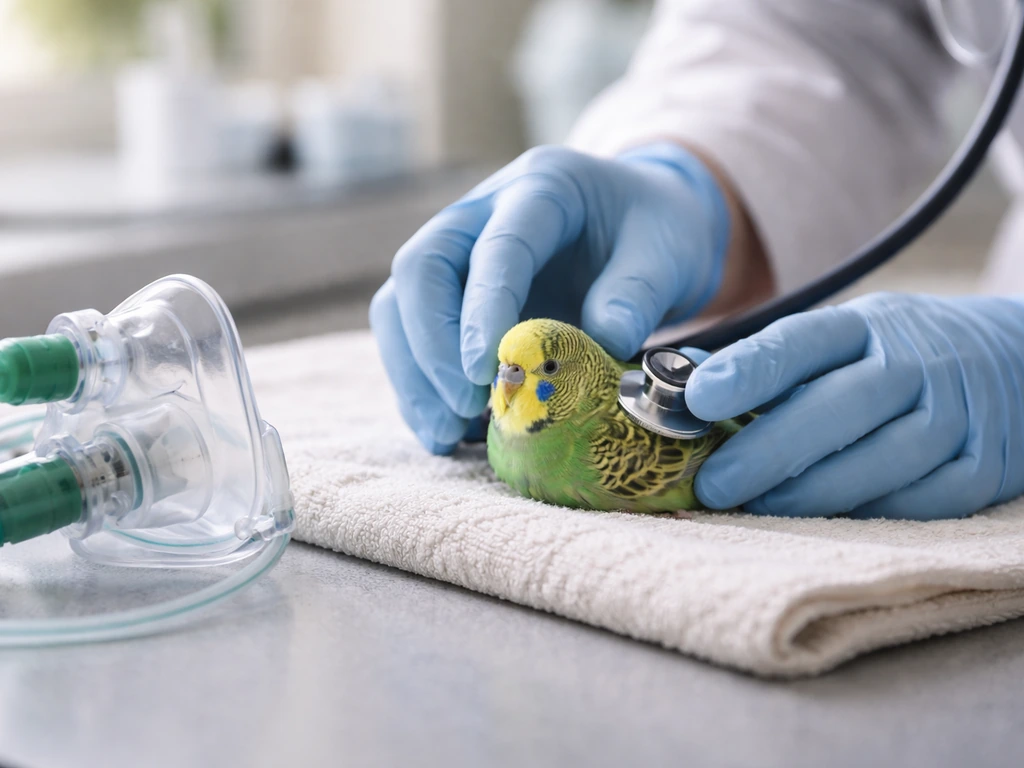
Some signs are not 'wait and see' situations. These require a same-day or emergency avian vet visit:
- Open-mouth breathing at rest (not after exercise or heat exposure)
- Tail bobbing with each breath, which signals the bird is working hard just to breathe
- Audible wheezing, clicking, or rattling sounds when breathing
- Blue or pale coloring around the beak, nostrils, or skin (indicates oxygen deprivation)
- Collapse or inability to grip a perch or stand upright
- Seizures or uncontrolled tremors
- Sudden complete loss of appetite combined with extreme lethargy
- Facial swelling, periocular discharge, or oculonasal discharge alongside breathing changes
- No response to sound or gentle stimulation
blank" rel="noopener noreferrer">Open-mouth breathing is one of the clearest red flags. Once a bird is resting quietly and still breathing with its mouth open, that's respiratory distress until proven otherwise. Birds that are severely dyspneic may need hospitalization with oxygen therapy and round-the-clock monitoring. Don't delay on this one.
If you're in the US and unsure whether what you're seeing is an emergency, you can call the ASPCA Animal Poison Control or reach Poison Control at 1-800-222-1222, where veterinary health professionals are available to advise you in real time. You can also use the webPOISONCONTROL tool online for guidance. These resources are staffed to handle pet exposure situations and can help you decide how urgently to act.
What to Do Immediately If You Suspect a Reaction
- Stop giving the product right away. Don't finish the dose or give another round while your bird is symptomatic.
- Move your bird to a calm, warm, quiet space. Stress makes respiratory and neurological symptoms worse. Keep the environment at around 85-90°F if your bird looks chilled or lethargic.
- Do not induce vomiting. This is especially important if the product contains essential oils or any oily compound. The aspiration risk in birds is high and can make things significantly worse.
- Do not use activated charcoal on your own. It's sometimes used in toxicosis cases, but only when a vet has confirmed it will help. In the wrong situation it can cause more harm.
- Check the label and packaging of the product. Write down every ingredient you can find, the lot number, and how much you gave your bird and when.
- Call your avian vet or an emergency animal clinic. Describe the product, the dose, your bird's weight and species, and the exact symptoms you're seeing.
- If the product got on your bird's feathers or skin, gently wipe the area with a damp cloth and clean water. Do not use soap unless directed by a vet.
- If the bird seems confused or isn't acting normally, discontinue the product immediately, rinse any residue off, and call a veterinarian or poison expert right away.
While you're waiting to reach a vet, keep a log: write down the exact time symptoms started, what they look like, and whether they're getting better or worse. That timeline matters a lot to a vet trying to assess how serious the exposure was.
How Long Side Effects Typically Last and Monitoring at Home
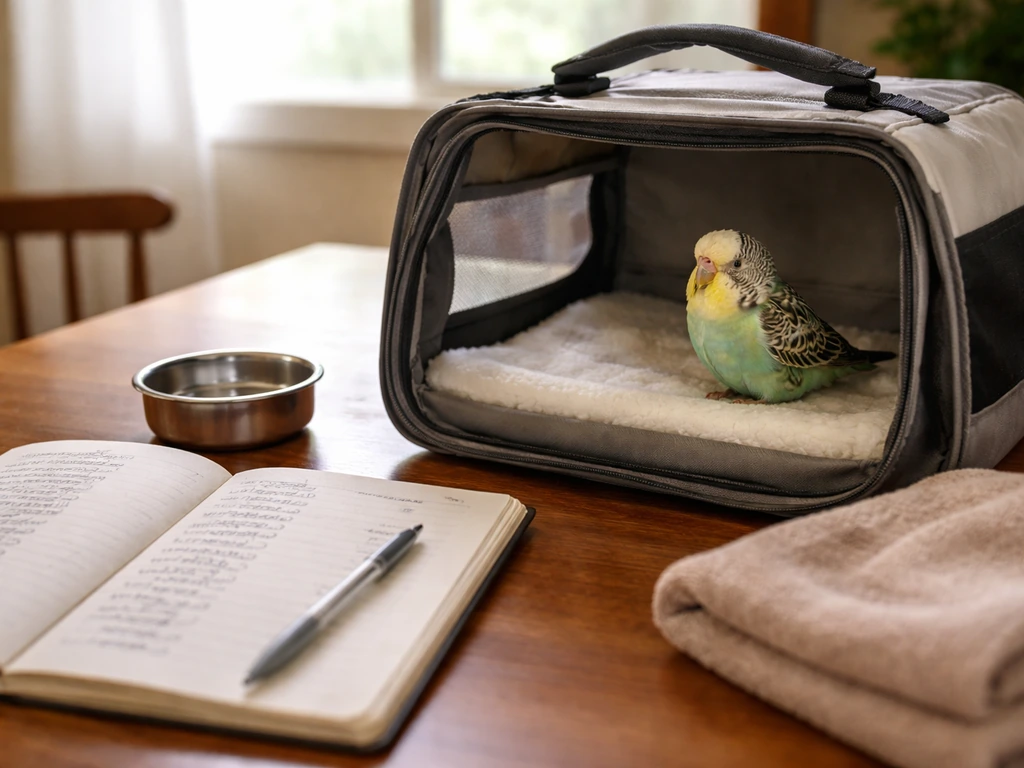
Mild digestive side effects like loose droppings or temporary appetite loss often resolve within 24 to 48 hours once the product is stopped and the bird is given supportive care (warmth, access to fresh water and familiar foods, reduced stress). Lethargy tied to mild digestive upset usually follows the same timeline.
Respiratory signs or neurological symptoms that don't start improving within a few hours are not going to resolve on their own at home. If you are considering bird nest remedies for eczema in any form, it is best to ask a clinician first because the ingredients and contamination risks can vary is bird nest good for eczema. If your bird is still open-mouth breathing 30 to 60 minutes after you've removed the stressor and moved it somewhere calm and warm, that's your signal to get to a vet.
For home monitoring during a mild reaction, check on your bird every 30 to 60 minutes for the first several hours. Track these specific things each time:
- Breathing rate and effort (is the bird calm and quiet, or working to breathe?)
- Posture (perching normally vs. sitting on the cage floor fluffed up)
- Droppings (note color, consistency, and frequency)
- Food and water intake
- Vocalization and responsiveness to you
- Any visible tremors, head movements, or coordination issues
Keep notes with timestamps. If you do end up at the vet, this record gives them a much clearer picture than a general 'my bird seemed off.' It also helps you notice if something is slowly worsening, which is easy to miss when you're watching a bird continuously.
Prevention: Safer Dosing, Administration, and Avoiding High-Risk Situations
The best way to avoid a repeat situation is to treat any unlisted or unverified product with the same caution you'd give a medication. Here's what that looks like in practice:
- Always start with the lowest possible dose when introducing a new supplement. Half the recommended amount for several days lets you see how your specific bird tolerates it before scaling up.
- Weigh your bird before starting any supplement. Dosing in birds is highly weight-dependent, and even a small miscalculation can push a budgie or canary past a safe threshold.
- Check the ingredient list carefully before giving anything. Look for essential oils, plant extracts (especially tea tree, eucalyptus, or pennyroyal), xylitol, artificial sweeteners, or high mineral concentrations, all of which can be harmful to birds.
- Don't mix supplements without asking an avian vet first. Stacking a tonic like Jade Bird on top of other vitamins or additives increases the risk of nutrient overdose or unexpected ingredient interactions.
- Consider species and age. Young birds, elderly birds, breeding birds, and birds already on medication are all at higher risk for adverse reactions to supplements.
- Never administer a supplement to a bird that's already showing signs of illness. A compromised bird can't process or clear substances the way a healthy one can.
- Store products correctly. If a supplement has degraded due to heat, light, or improper storage, its chemistry can change in unpredictable ways.
If you got this product from a friend, a market, or an online source without formal labeling, that's a strong reason to pause before giving it again. Products without clear ingredient lists, dosing guidelines, and manufacturer information carry more risk, not necessarily because they're harmful, but because you have no way to manage the dose safely.
When to Ask About Alternatives or Underlying Bird Illness
If you were giving Jade Bird to address a specific health concern, such as a cough, dull plumage, weight loss, or respiratory issue, and your bird had a bad reaction, that's a conversation to have with your avian vet. Bird nest benefits for lungs are a different approach, and it is best to discuss any switch aimed at respiratory support with your avian vet. The underlying concern doesn't disappear just because this product caused problems.
An avian vet can help you figure out whether the original symptoms were caused by the product itself or by an underlying condition that the product was trying (and failing) to address. Some people also ask about whether a bird's symptoms could be related to a bird nest versus cancer, and the safest approach is still to get veterinary input when symptoms are concerning bird nest vs cancer. Respiratory symptoms in birds, for example, can come from infections, environmental irritants, or structural problems, not just supplement reactions. Similarly, digestive signs can point to parasites, bacterial infections, or dietary imbalance.
There are better-documented options for common bird health concerns. If you're researching traditional or alternative health remedies, you may also come across claims about bird nest medicinal benefits and cancer, but those ideas still need careful, species-appropriate caution and veterinary guidance before you try anything new. If you were using Jade Bird for respiratory support, some bird owners explore edible bird's nest products, which have a different evidence base and safety profile. If the goal was immune support or general conditioning, a vet can recommend products with clear ingredient lists and established dosing for your bird's species and weight.
The bottom line is this: your bird showed you something wasn't right. Whether that means the product is wrong for your bird, the dose was off, or there's something else going on underneath, use this as the starting point for a proper assessment rather than just switching to the next supplement. If you are also dealing with bird and be prenatal side effects, discuss the bird's reproductive status with your avian vet so they can compare the timing and symptoms against possible supplement reactions. A single avian vet visit now can save a lot of worry later.
| Symptom | Severity Level | Recommended Action |
|---|---|---|
| Loose droppings, mild appetite change | Mild | Stop product, monitor at home every 30-60 min, call vet if no improvement in 24 hrs |
| Lethargy, fluffed feathers, reduced vocalization | Mild to Moderate | Stop product, provide warmth, monitor closely, call vet if worsening or no improvement in 12-24 hrs |
| Vomiting or regurgitation | Moderate | Stop product, do not withhold water, call vet for guidance within a few hours |
| Wheezing, increased respiratory rate | Moderate to Serious | Stop product, call vet same day, keep bird calm and warm |
| Open-mouth breathing, tail bobbing at rest | Serious | Call avian vet or emergency clinic immediately |
| Collapse, seizures, blue/pale tissues | Emergency | Go to emergency avian vet now, call poison control on the way |
FAQ
Should I give Jade Bird again later at a lower dose to see if my bird reacts less?
If you stop the product, remove any remaining supply, and do not “halve the dose” to test tolerance. With unverified supplements, a smaller dose can still trigger the same reaction, and it also delays diagnosis. Focus on symptom-based monitoring and contact an avian vet if signs are moderate or worsening.
What should I do at home while I’m waiting for an avian vet after stopping Jade Bird?
Yes. Offer warmth (consistent, gentle room heat), keep the bird in a calm, dim environment, and provide familiar foods and fresh water. Avoid adding new supplements, herbal remedies, or “home antidotes” because those can complicate what a vet is trying to treat.
How quickly do respiratory symptoms after Jade Bird require an emergency visit?
If the bird is breathing with the mouth open, resting quietly but struggling to breathe, showing frothy breathing, or collapsing, treat it as an emergency and get same-day or ER avian care. If you do not see improvement within 30 to 60 minutes after moving the bird to a warm, calm area and removing exposure, that also supports urgent evaluation.
What information should I gather to help the vet understand the Jade Bird reaction?
Collect key details for the vet: your bird’s species, approximate weight, the exact time and amount of Jade Bird given, whether it was mixed with food or water, and a timestamped list of symptoms and changes in droppings, appetite, and energy. If possible, bring the product packaging or any photo of the label and ingredients.
What counts as “mild,” and how long should I wait before contacting a vet?
Do not ignore mild signs, but do use a timeline. For mild digestive upset, improvement is often seen within 24 to 48 hours after stopping, assuming there are no other stressors. If lethargy, vomiting, persistent diarrhea, or droppings changes continue beyond that window, contact an avian vet rather than waiting longer.
Why is frequent monitoring important even if symptoms seem mild at first?
Yes. Birds can deteriorate quickly, especially with respiratory or neurological signs, and some reactions may initially look like “being quiet” or “off food.” Check every 30 to 60 minutes during the first several hours, and watch specifically for breathing pattern changes, weakness, tremors, head tilt, or inability to perch normally.
What environmental and diet changes can help once Jade Bird might be the cause?
Start by switching to a safe, stable baseline diet your bird is already accustomed to, and do not introduce new supplements, herbal products, or essential oil exposures. If your bird has respiratory symptoms, also check the environment for irritants (incense, aerosols, nonstick fumes) and remove the bird from any recently cleaned or fragranced areas.
Could this be something other than Jade Bird, even if symptoms started soon after?
Yes, symptoms can overlap with infections, toxin exposures, parasites, or underlying organ disease. That is why timing matters, but it does not replace a medical assessment when signs are significant, persistent, or non-specific.
If Jade Bird was supposed to treat a specific problem, does stopping it mean the original issue is gone?
If Jade Bird was used to address a cough, dull plumage, weight loss, or another ongoing problem, the underlying issue may still be present. A vet may recommend diagnostic steps (for example, checking respiratory status and ruling out infectious causes) instead of just switching supplements.
If I can’t reach an avian vet right away, what should I do first?
Yes. If you notice symptoms and cannot reach an avian vet immediately, poison control can help you decide urgency and next steps based on the bird’s species, what was given, and what symptoms you see. Keep your product details ready so they can advise accurately.
My bird seems better after stopping Jade Bird, can I resume the same type of product?
Don’t assume it is safe if your bird later seems better. Reactions from essential oils or concentrated plant compounds can recur, and underlying illness may also be progressing. If you need additional support, ask the avian vet for a clearly labeled, species-appropriate approach with a dosing plan.
Next Article
Bird Nest Benefits for Lungs: What It Does and Risks
Explains bird nest products for lung claims, evidence, risks, and red flags for birds and people to seek care.