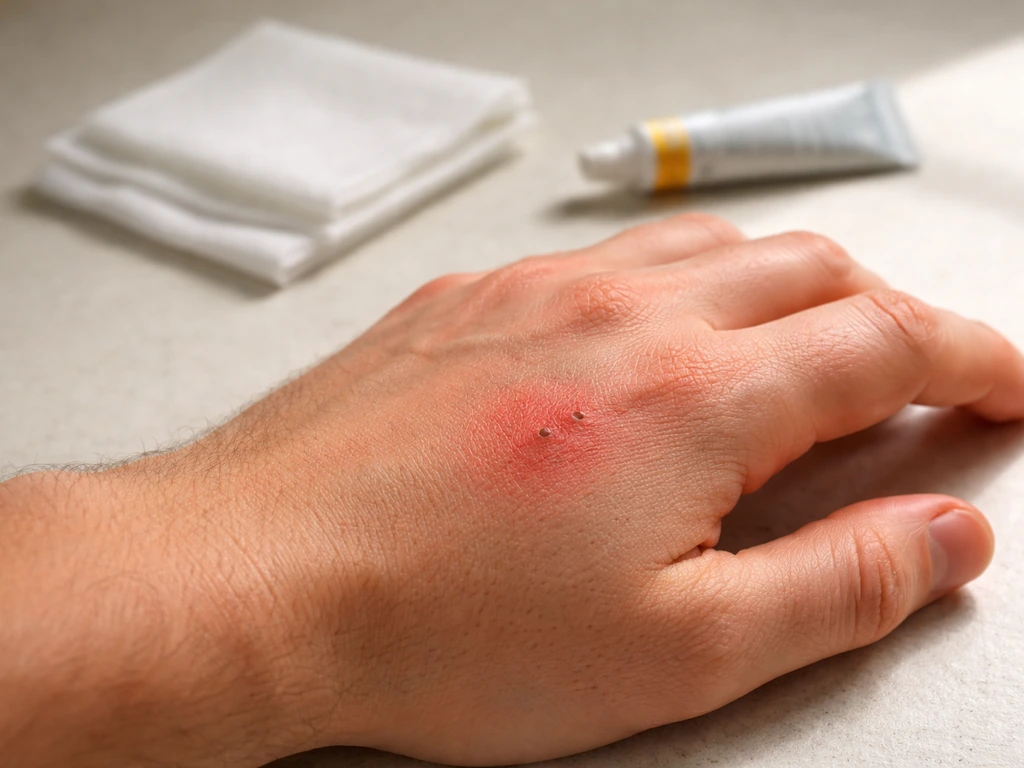
Bird dander allergies in people typically cause sneezing, a runny or stuffy nose, itchy and watery eyes, and sometimes a nagging cough or shortness of breath. Common symptoms of bird allergies include sneezing, nasal congestion, itchy and watery eyes, and sometimes coughing or shortness of breath symptoms of bird dander allergies. These symptoms show up because your immune system is reacting to proteins found in bird dander, feathers, dried droppings, and the fine dust birds constantly shed. If you spend time around pet birds or handle wild birds and find yourself consistently congested or wheezy, a bird dander allergy is a very real possibility.
Bird Dander Allergy Symptoms: What to Look For and Next Steps

Marcus Webb
15 May 2026

Common signs of bird dander allergy in people
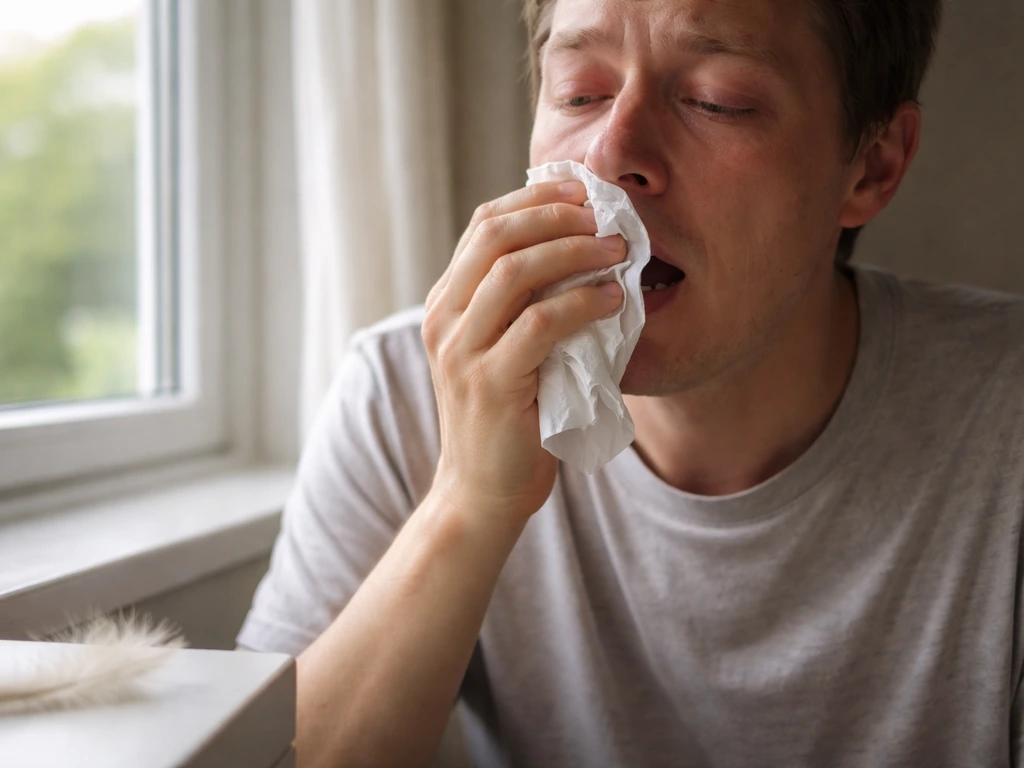
Most bird dander allergy symptoms fall into the classic "hay fever" pattern. You might notice a combination of the following, usually within minutes to an hour or two of exposure:
- Sneezing, often repeatedly
- Runny nose (clear, watery discharge) or nasal congestion
- Itchy, watery, or red eyes
- Itchy throat or roof of the mouth
- Dry, persistent cough
- Mild wheezing or chest tightness
- Shortness of breath, particularly during or after cage cleaning
- Skin itching, hives, or eczema flares if dander contacts the skin directly
Symptoms that appear consistently after bird contact and ease when you leave the environment are a strong indicator that allergy is the culprit. If you notice the same pattern every time you clean the cage, handle your bird, or walk into a room where a bird lives, that pattern matters more than any single episode.
There is also a more serious reaction worth knowing about: hypersensitivity pneumonitis, sometimes called bird fancier's lung. This is a deeper immune reaction in the lungs, and it behaves differently from standard hay fever symptoms. It typically starts roughly 4 to 8 hours after a heavy exposure, and the symptoms feel more like a flu: fever, chills, muscle aches, headache, and a significant cough with shortness of breath. If you clean out a large aviary or spend extended time in a dusty bird room and then feel feverish and short of breath several hours later, that is not a cold. It needs medical attention.
Allergy vs bird illness vs irritant exposure: how to tell
This is where people often get confused, and it is worth sorting out clearly because the right response depends on which one you are dealing with.
Irritant exposure is the simplest category. Birds, especially species like cockatoos, cockatiels, and African greys, produce a fine powder from their feathers. Breathing that powder can irritate your airways even if you are not allergic at all. Irritant reactions tend to be milder, happen immediately in dusty environments, and do not involve itchy eyes or skin reactions. If you simply feel a bit scratchy in the throat during cage cleaning but nothing else, irritation is more likely than true allergy.
True allergy involves your immune system. Symptoms are repeatable, often include itchy eyes and nose together, and can worsen over time with repeated exposure. Bird nest allergy symptoms are a related concern when you are exposed to feathers, droppings, and dander in nests or nest-like environments. Allergy symptoms can appear even when the bird is not physically present if dander has settled on furniture, bedding, or air filters.
Bird-related respiratory infection (in humans) is much less common but worth mentioning. Psittacosis, caused by Chlamydia psittaci, is a bacterial infection that can transfer from infected birds to people. It causes fever, headache, muscle aches, and a dry cough, and it can look a lot like hypersensitivity pneumonitis. The key difference: psittacosis typically requires direct or close contact with a sick bird, and symptoms persist and worsen rather than improving when you step away from the bird environment.
If your bird has been diagnosed with a respiratory illness or is showing signs of illness, and you then develop flu-like symptoms, mention that to your doctor specifically. Bird bite infection symptoms can also mimic some flu-like illnesses, so if your bird is sick or you were bitten, tell your doctor and watch whether symptoms persist after stepping away.
This is also why monitoring your bird's health matters. A bird with a respiratory condition may sneeze, produce more discharge or dust, or shed more particles into the air, which can amplify what you are breathing in. If your own symptoms have gotten noticeably worse recently, it is worth asking whether your bird's health has changed too.
Related topics like bird infection symptoms and bird aspiration symptoms are worth understanding as a bird owner, because a sick bird can genuinely influence what is floating in your home's air. If you suspect bird illness, review bird infection symptoms so you can recognize signs early and reduce exposure. If you suspect aspiration may be happening, it helps to learn the specific bird aspiration symptoms so you can act early.
Learning bird infection symptoms can help you tell whether your exposure might be coming from a sick bird rather than just dander. Bird ear infection symptoms in people are not a typical sign of bird dander allergy, so look for ear-specific pain, fullness, drainage, or hearing changes instead. Learning bird bite infection symptoms can help you recognize when a wound needs urgent medical evaluation.
| Feature | Irritant Reaction | Allergic Reaction | Hypersensitivity Pneumonitis | Infection (e.g., Psittacosis) |
|---|---|---|---|---|
| Onset | Immediate, during exposure | Minutes to 1–2 hours after exposure | 4–8 hours after heavy exposure | Days after exposure to sick bird |
| Key symptoms | Throat scratch, mild cough | Sneezing, itchy eyes, runny nose, hives | Fever, chills, cough, chest tightness | Fever, headache, dry cough, muscle aches |
| Improves away from birds? | Yes, quickly | Yes, within hours | Yes, over 12 hours to a few days | No, continues to worsen |
| Immune reaction involved? | No | Yes (IgE-mediated) | Yes (immune complex/T-cell) | No (bacterial infection) |
| Needs medical care? | Rarely | If persistent or affecting breathing | Yes, promptly | Yes, antibiotics required |
Symptoms by body system
Respiratory symptoms
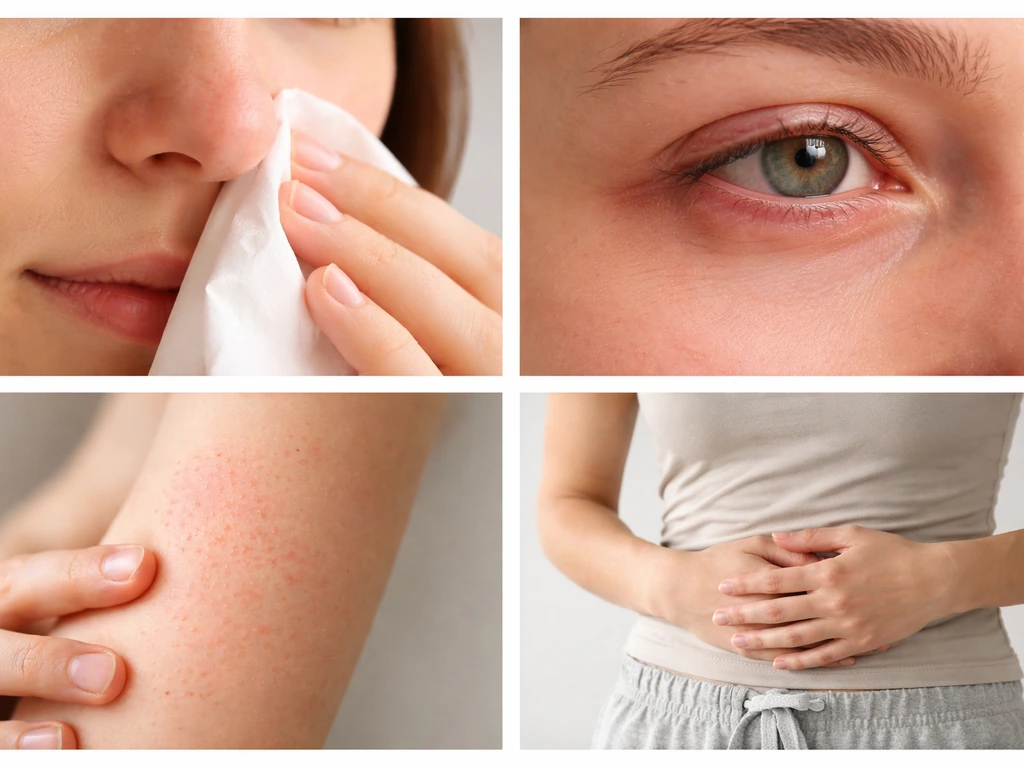
The respiratory system takes the biggest hit with bird dander allergies, because dander particles are inhaled directly. Expect sneezing, nasal congestion, a runny nose, and post-nasal drip. Lower in the airway, you may develop a dry cough, wheezing, chest tightness, and shortness of breath, which starts to look like asthma. In fact, repeated or prolonged exposure to bird allergens is a recognized trigger for new-onset asthma in sensitized people. If you already have asthma, bird dander can make it significantly harder to control.
Eye symptoms
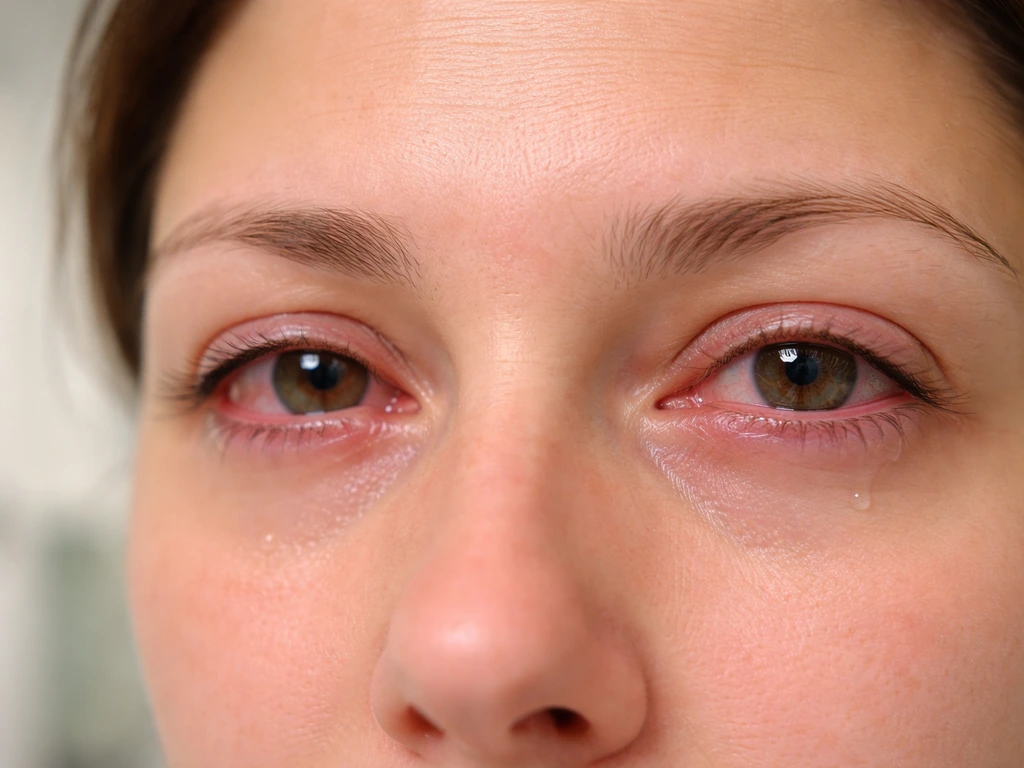
Allergic conjunctivitis from bird dander looks the same as it does with any other airborne allergen: red eyes, itching, a gritty or burning sensation, and excessive tearing. Some people also experience swelling of the eyelids. These symptoms typically appear in both eyes and worsen when dander levels in the air are higher, like during cage cleaning or when your bird is actively preening.
Skin symptoms
Skin reactions are less universal but do happen, especially with direct contact. Handling a bird and then developing itching, redness, or hives on your hands and forearms is a classic contact allergy presentation. People with eczema may notice flares if dander settles on skin regularly. Facial itching or a rash can also occur if a bird frequently sits on your shoulder or brushes against your face.
Gastrointestinal symptoms
GI symptoms from bird dander alone are uncommon, but some people with significant allergic sensitivity report nausea or stomach discomfort, likely as a broader systemic allergic response rather than a direct gut reaction. If you are experiencing notable GI symptoms alongside the respiratory and skin symptoms above, mention that to your clinician, as it can indicate a more generalized allergic response.
Risk factors and triggers around pet birds and wild birds
Not everyone who lives with a bird develops an allergy, but certain situations push your risk higher. Knowing these helps you reduce exposure before symptoms become a problem.
- Cleaning cages and aviaries: Disturbing dried droppings, feather debris, and dander during cleaning sends a concentrated cloud of particles into the air. This is the single highest-exposure activity for most bird owners.
- Handling birds closely: Direct skin contact and face proximity to the bird maximizes dander inhalation and skin exposure.
- Powder-down species: Cockatiels, cockatoos, and African greys produce a very fine powder as part of normal feather maintenance. Owners of these species have significantly higher allergen loads in their homes.
- Poor ventilation: A bird in a small, poorly ventilated room concentrates allergen particles in the air more than a bird in a large, well-ventilated space.
- Multiple birds: More birds means exponentially more dander, feathers, and droppings in the air.
- Existing allergies or asthma: If you already react to other allergens (dust mites, pollen, cat dander), you have a higher chance of developing sensitivity to bird allergens.
- Wild bird handling: People who work in bird banding, wildlife rehabilitation, or avian research have occupational exposure similar to heavy pet bird ownership. Bird nest allergy symptoms from handling nesting material are a related concern.
- Seasonal molting: Birds shed feathers in heavier cycles, often seasonally. Dander levels in the home can spike noticeably during these periods.
- Bird dust allergy symptoms can overlap significantly with dander allergy, since the fine powder and dander particles behave similarly in the air.
At-home steps to reduce exposure and test changes
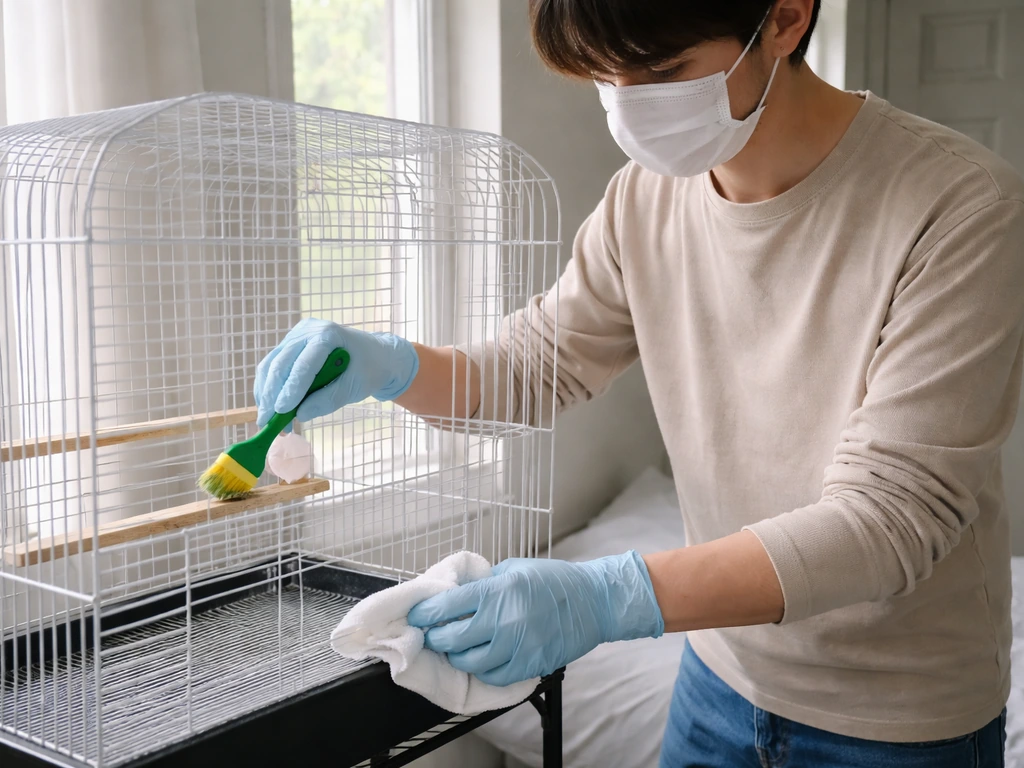
Before you see a doctor, making deliberate environmental changes lets you test whether bird allergens are actually driving your symptoms. If your symptoms improve significantly when you reduce exposure, that is useful clinical information to bring to your appointment.
- Move the bird out of your bedroom entirely. You spend roughly a third of your life in that room. Keeping it dander-free is the single most impactful sleep and recovery improvement you can make.
- Use a HEPA air purifier in rooms where the bird lives and in your bedroom. True HEPA filters capture particles as small as 0.3 microns, which covers dander and feather dust. Run it continuously, not just when you notice symptoms.
- Wear a well-fitting N95 or equivalent mask when cleaning the cage or aviary. This is not overkill. Cage cleaning generates the highest particle counts of any activity and is when most sensitization happens.
- Wash your hands immediately after handling your bird and before touching your face or eyes.
- Clean cage surfaces and surrounding areas frequently using a damp cloth or damp paper towels rather than dry sweeping, which just redistributes particles into the air.
- Change HVAC filters regularly (every 1 to 3 months) and consider upgrading to a higher-rated filter. Standard fiberglass filters do very little for dander-sized particles.
- Vacuum with a HEPA-filter vacuum cleaner. Dander settles on upholstery, carpets, and curtains. Standard vacuums without HEPA filtration can actually increase airborne dander.
- Improve ventilation. Open windows when weather permits during and after cage cleaning. If your home has forced air heating or cooling, ensure the bird room has good airflow.
- Consider asking someone without allergies to handle cage cleaning during high-symptom periods while you test whether avoidance actually reduces your symptoms.
- Track your symptoms in a simple journal for two to three weeks, noting when they are better or worse relative to bird contact. This pattern data is genuinely helpful when you talk to a doctor.
When to seek medical care and what to expect
Mild, manageable sneezing and a runny nose are annoying but not urgent. However, there are situations where you should contact a clinician sooner rather than later.
- Shortness of breath, chest tightness, or wheezing that does not resolve when you leave the bird environment
- Fever, chills, muscle aches, or significant fatigue appearing several hours after heavy bird exposure (possible hypersensitivity pneumonitis)
- Symptoms that are worsening over time despite reducing exposure
- Sleep disruption from congestion, coughing, or breathing difficulty
- Asthma symptoms becoming harder to control since getting a bird
- Severe skin reactions or hives appearing rapidly after bird contact
When you do see a doctor or allergist, they will typically start with a detailed history: when symptoms began, what activities trigger them, what species of bird you keep, and how your home is set up. That context matters enormously for narrowing down the cause.
Allergy skin-prick testing or specific IgE blood tests can confirm sensitization to bird allergens. These are relatively straightforward tests that give concrete answers. For respiratory symptoms, your doctor may also order spirometry to assess lung function, particularly if asthma or hypersensitivity pneumonitis is suspected.
Treatment typically works in layers. The foundation is always reducing exposure using the at-home strategies above. The American Lung Association notes that pet dander can commonly cause hay fever type symptoms such as a runny or stuffy nose, sneezing, itchy or watery eyes, and shortness of breath [pet dander can commonly cause “hay fever”–type symptoms](https://www. lung.
org/clean-air/at-home/indoor-air-pollutants/pet-dander). On top of that, over-the-counter non-drowsy antihistamines (like cetirizine or loratadine) help control hay fever symptoms like sneezing and itchy eyes. For more persistent nasal congestion, prescription or OTC nasal corticosteroid sprays are often more effective than antihistamines alone and are generally safe for ongoing use. For significant asthma symptoms, your doctor may prescribe inhaled bronchodilators or inhaled steroids.
In cases of confirmed bird fancier's lung, the treatment is strict and prolonged avoidance of bird allergens, and sometimes oral corticosteroids in the acute phase. Allergen immunotherapy (allergy shots) is a longer-term option some people pursue when avoidance is not fully possible.
One final thing worth emphasizing: if your symptoms have ramped up recently without a change in your habits, consider whether your bird's health has changed. Birds with respiratory infections or other illnesses can shed additional particles, increase dust output, or alter the environment in ways that affect what you are breathing. Paying attention to your bird's symptoms and getting a veterinary checkup when something seems off is not just good bird care. It can also help explain and manage your own exposure.
FAQ
How soon after being around a bird should bird dander allergy symptoms show up?
Classic allergy symptoms often start within minutes up to a couple of hours after exposure and usually improve after you leave the environment. If symptoms consistently take much longer (around 4 to 8 hours) and include fever or flu-like body symptoms, that points more toward hypersensitivity pneumonitis than simple hay fever.
What symptoms suggest it is irritation from dusty feathers rather than a true bird dander allergy?
Irritant reactions are more likely if you feel scratchiness or throat irritation mainly during dusty cleaning, without itchy eyes, skin itching, or a consistent allergic pattern that follows you from room to room. If itchy eyes and nasal symptoms reliably occur after handling or cleaning, allergy is more likely than irritation.
Can bird dander allergy cause asthma symptoms, and how can I tell it is more than just congestion?
Yes. Bird dander can trigger wheezing, chest tightness, and shortness of breath, especially in sensitized people. If you have repeated episodes of wheeze or need a rescue inhaler more often after bird exposure, that is a red flag to ask your clinician about asthma control and possibly spirometry.
If I do not have itchy eyes, does that rule out bird dander allergy symptoms?
No. Itchy, watery eyes are common but not required. Some people mainly notice nasal congestion, sneezing, and post-nasal drip. The deciding factor is whether symptoms reliably track with bird exposure and improve when you reduce or eliminate contact.
Why do my symptoms persist even after the bird is out of the room?
Bird dander can settle on furniture, bedding, curtains, and air filters, so you may react to residual airborne particles after the bird is no longer present. If symptoms improve noticeably after deep cleaning of bedding and HVAC/filters, that supports an allergen load problem rather than a one-time exposure.
Could bird nest allergy symptoms be different from regular bird dander allergy symptoms?
Yes. Nest-like environments can increase exposure to feathers, droppings, and dander dust, so symptoms may flare when handling or cleaning nests, nest boxes, or enclosed bird areas. The timing and repeatability after nest exposure is similar, but the trigger can be the location rather than the bird itself.
What would make me suspect hypersensitivity pneumonitis instead of a standard allergy?
Hypersensitivity pneumonitis typically starts several hours after a heavy exposure and feels more like an illness, with fever or chills, muscle aches, headache, and significant cough with shortness of breath. It also tends to be more serious and not simply resolve quickly after leaving for a short time.
How can I tell if my symptoms are from a bird infection I am catching, like psittacosis?
Psittacosis often comes from close contact with a sick bird and can cause fever, headache, muscle aches, and a persistent dry cough. If your symptoms worsen over time and do not improve just by stepping away from the bird environment, contact your clinician and mention the bird species and any observed bird illness.
If my bird seems sicker lately, what changes in bird behavior or air quality should I watch for?
Watch for more coughing, sneezing, increased nasal discharge, visibly increased dust, or more frequent preening that can aerosolize particles. If your own symptoms suddenly worsen without any change in your routine, it can mean the bird is shedding more allergen or having a respiratory issue.
Can bird dander allergy symptoms be seasonal or vary day to day?
They can. Even with the same bird, dander levels can change based on cleaning frequency, how much the bird sheds or preens that day, and indoor airflow. Humidity and ventilation can also alter how long particles stay airborne, so symptoms may be worse on certain days despite stable habits.
What GI symptoms would make me worry about a broader allergic reaction rather than simple dander exposure?
Nausea or stomach discomfort can occur in some people with significant allergic sensitivity, but it is uncommon. If GI symptoms are notable and occur alongside classic respiratory or skin symptoms after exposure, tell your clinician, since it may reflect a more systemic allergic response rather than isolated nasal irritation.
Are there signs of a severe allergic or respiratory reaction where I should seek urgent care?
Yes. Seek urgent help if you have severe shortness of breath, rapidly worsening wheeze or chest tightness, blue or gray lips, fainting, or trouble speaking due to breathing. These can indicate a serious asthma flare or another respiratory emergency that needs immediate treatment.
What should I do before my appointment to make the diagnosis easier?
Track timing and triggers for a few days, noting when symptoms start, what tasks you did (cage cleaning, handling, dust exposure), which bird species, and how quickly symptoms improve after you leave. Also note any bird symptoms, since changes in the bird can explain changes in your symptoms.
Will allergy testing always use skin-prick or specific IgE blood tests, and when is spirometry helpful?
Many clinicians use skin-prick testing or specific IgE blood tests to confirm sensitization. If you have wheezing, shortness of breath, or asthma concerns, spirometry can help assess lung function and guide whether you need asthma-directed treatment or additional evaluation for other lung conditions.
What is a practical way to confirm that bird dander is the driver of my symptoms at home?
Do a structured reduction rather than just avoiding the bird briefly. For example, limit direct handling, keep the bird out of your bedroom, and use dedicated cleaning steps, then compare symptom frequency before and after for several days. Improvement after reducing exposure is useful information to bring to your doctor.
Next Article
Bird Bite Infection Symptoms: What to Watch and Do
Learn bird bite infection symptoms, warning timelines, home first aid, and when to get urgent care for pet vs wild bites