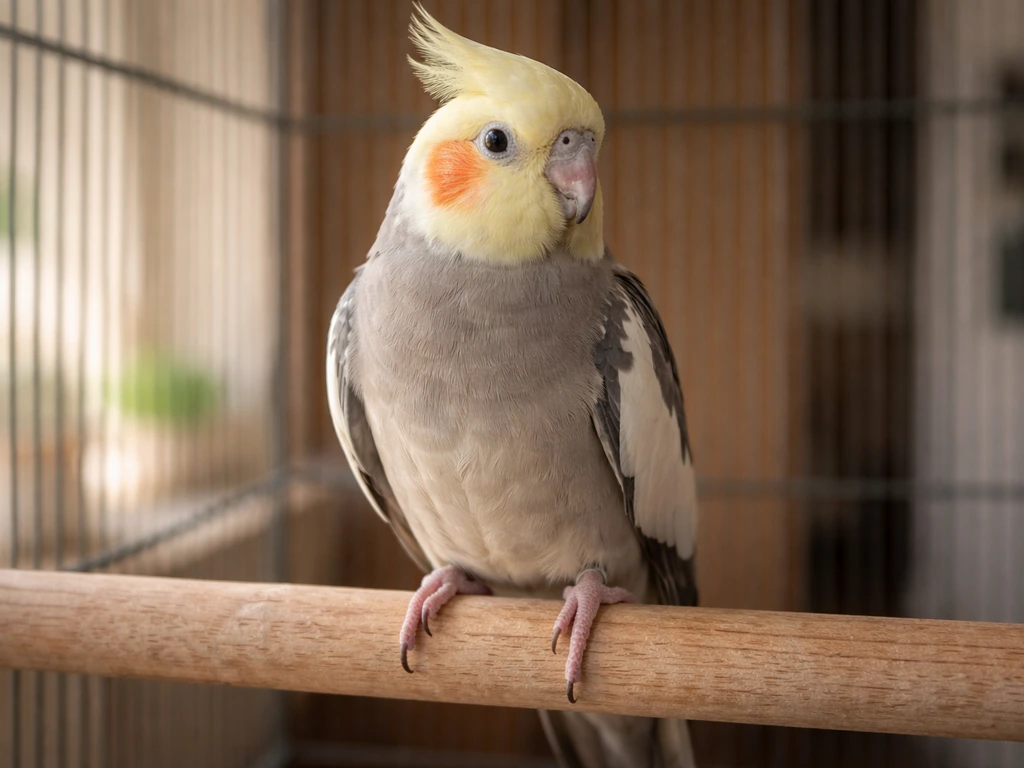
Canaries are far more sensitive to airborne irritants than humans are, and a dedicated air quality monitor placed near their cage can give you an early warning before symptoms even appear. The key measurements to look for are PM2.5 particulate matter, VOCs (volatile organic compounds), carbon monoxide, humidity, and ideally formaldehyde. Keep PM2.5 below 9–12 µg/m³ as a working indoor target, treat any VOC spike as a prompt to find and remove the source, and treat open-mouth breathing or tail bobbing as an emergency regardless of what your monitor says.
Canary Bird Air Quality: Monitor, Signs, and Safe Setup

Marcus Webb
20 May 2026
Why air quality matters more for canaries than for most pets
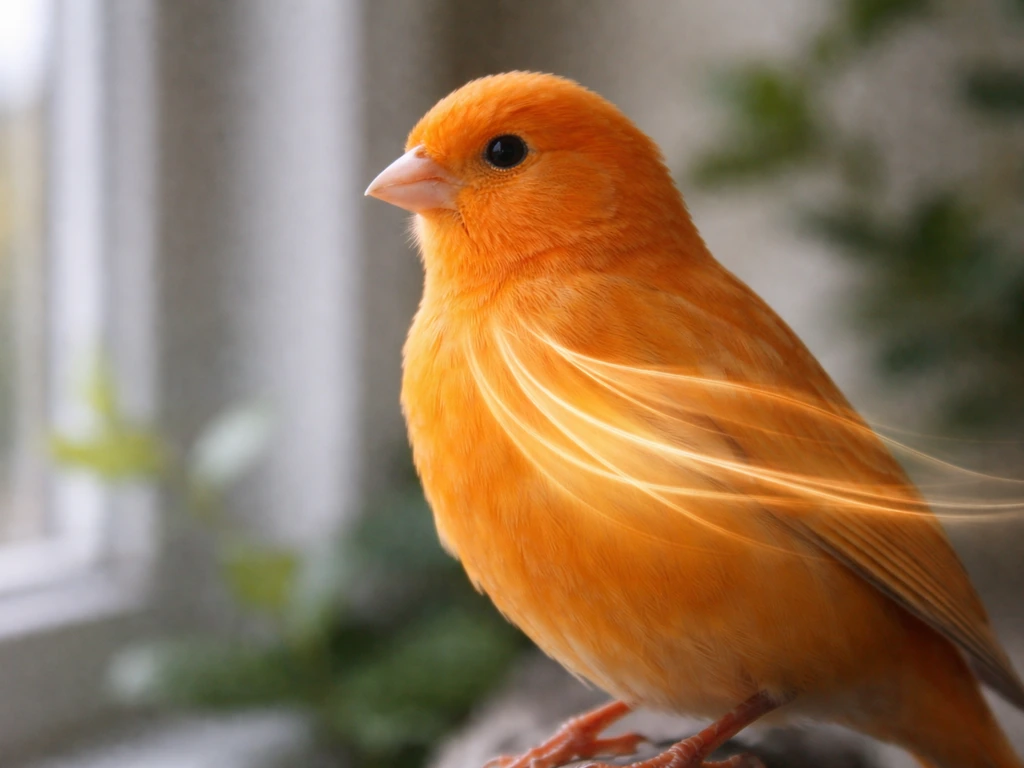
A canary's respiratory system is built differently from a mammal's. Birds have a unidirectional airflow system where air moves through the lungs and into a network of air sacs rather than simply in and out like human lungs. That design is incredibly efficient for delivering oxygen during flight, but it also means inhaled gases, particles, and fumes get pushed deep into the respiratory tract quickly and thoroughly. There's no real buffer. What you or I might barely notice can overwhelm a canary's airways in minutes.
This is the biological reason canaries were historically used in coal mines to detect toxic gases. They weren't just small and convenient; they genuinely react faster and more severely to airborne hazards. In your home, the same sensitivity applies to cooking fumes, scented candles, aerosol sprays, cleaning products, cigarette smoke, and even new furniture off-gassing formaldehyde. Any of these can trigger acute respiratory distress or chronic inflammation in a bird that would barely affect a dog or cat in the same room.
How to tell if your canary is being harmed by poor air
The clearest warning signs are behavioral and physical, and you need to know them because your canary can't tell you it's struggling. Watch for these specific signs during your daily check-ins:
- Open-mouth breathing: one of the most urgent signs in birds, used by avian emergency triage as a primary indicator of respiratory distress
- Tail bobbing with each breath: the tail pumping up and down means the bird is working hard to move air, which is not normal
- Wheezing or clicking sounds when breathing
- Increased sternal (chest) movement, visible as an exaggerated rise and fall of the breast
- Nasal or eye discharge (oculonasal discharge), including wet or crusted nostrils
- Lethargy, fluffed feathers, or perching low in the cage rather than at the top
- Coughing or sneezing repeatedly
- Abnormal posture, like leaning forward with wings slightly open to breathe easier
These signs can result from an infection, but poor air quality is often the trigger or a contributing factor. Canary bird sick symptoms can also be triggered by irritant exposure, so track any changes in cooking, cleaning, or scents around your cage. Cockatiel bird health problems can also be triggered or worsened by respiratory irritants like smoke, fumes, and high particulate levels poor air quality.
If you're seeing any of these alongside a recent air-quality event (cooking, cleaning, painting, new furniture, someone smoking nearby), the connection is likely. Canary bird sick symptoms often overlap significantly with respiratory irritant exposure, so documenting both the symptoms and any recent environmental changes is genuinely useful when you call a vet.
Cockatiel bird sick symptoms can have causes that overlap with respiratory irritant exposure, so it helps to note both symptoms and recent environmental changes when you seek veterinary advice. If you suspect canary bird health problems from an irritant, document the timing and likely exposure so your avian vet can narrow down the cause quickly. Canary bird health problems can be closely tied to irritants like cooking fumes, cleaning chemicals, smoke, and new furniture off-gassing, so tracking the exposure can help confirm the cause.
One thing to keep in mind: respiratory distress in birds can progress rapidly. A canary that looks mildly off in the morning can be in serious trouble by afternoon. Don't adopt a wait-and-see approach once you spot open-mouth breathing or tail bobbing.
Choosing a canary bird air quality monitor
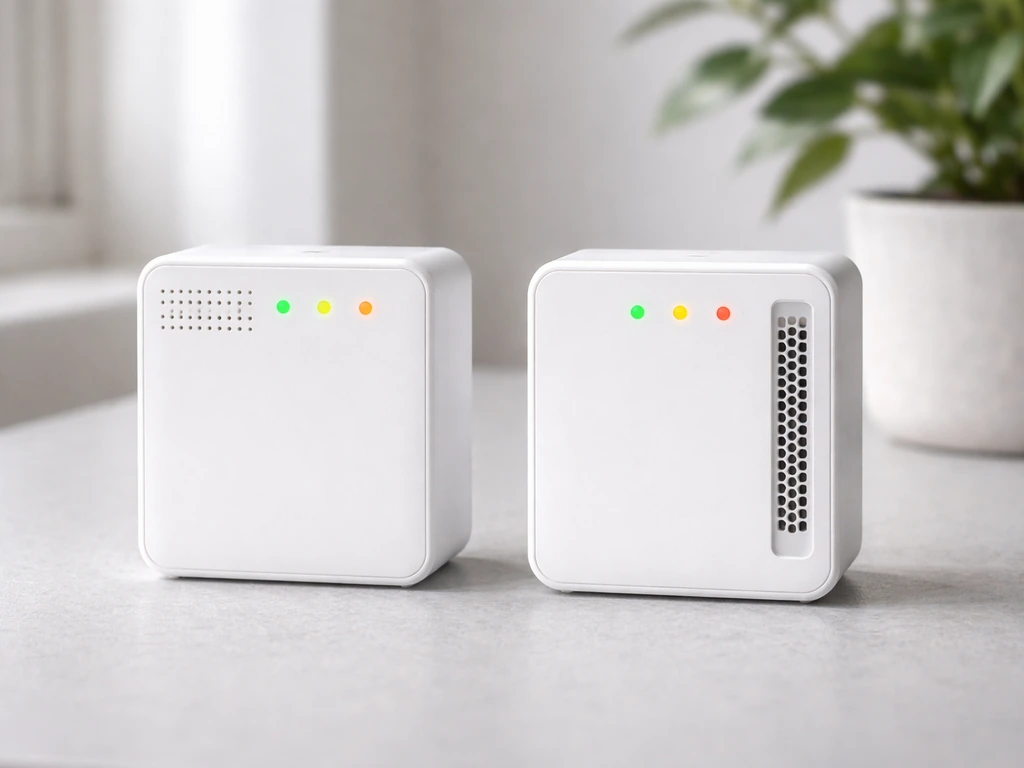
Consumer air quality monitors vary widely in what they actually measure. For canary owners, you want a device that covers the pollutants most relevant to bird respiratory health. Here's what to prioritize:
| Measurement | Why it matters for canaries | Useful action threshold |
|---|---|---|
| PM2.5 (fine particulate matter) | Penetrates deep into air sacs; major respiratory irritant from dust, smoke, cooking | Keep below 12 µg/m³; investigate above 15 µg/m³ |
| PM10 (coarse particulates) | Dust, dander, pollen; irritates upper airways | Keep below 45 µg/m³; investigate spikes |
| VOCs (volatile organic compounds) | Covers aerosols, cleaning products, off-gassing materials, scented products | Treat any sustained spike as a source-removal prompt |
| Formaldehyde (HCHO) | Off-gasses from furniture, flooring, adhesives; strong respiratory irritant | Any detectable elevation warrants ventilation |
| Carbon monoxide (CO) | Combustion byproduct; highly toxic to birds even at low levels | Any reading above 1–2 ppm near bird warrants immediate action |
| Humidity (%RH) | Too low dries out airways; too high promotes mold growth | Aim for 40–60% RH in bird rooms |
| Temperature | Supports overall health context and monitor accuracy | Stable 65–75°F typical for canaries |
Popular consumer monitors like the IQAir AirVisual, Airthings Wave Plus, Awair Element, and the Canary (the home monitor device) can cover several of these. One important note about the Canary device specifically: its manufacturer states it can detect smoke and CO-related changes but is not a replacement for dedicated CO and smoke detectors. Use it as a screening tool alongside proper safety detectors, not instead of them.
Laser particle counters tend to give more accurate PM2.5 readings than optical-only sensors. Electrochemical sensors for CO are generally reliable at consumer price points. VOC sensors on most consumer devices use a broad-spectrum semiconductor and give you a relative index rather than a precise chemical breakdown, which is fine for trend monitoring. What you're looking for is spikes and patterns, not lab-grade ppm values.
Look for a monitor with a continuous display or app so you can check readings at a glance. Data logging (the ability to see readings over the past 24–48 hours) is genuinely useful because you can correlate a sick bird's symptoms with what the air was doing overnight or while you were out.
Where to place and set up your monitor
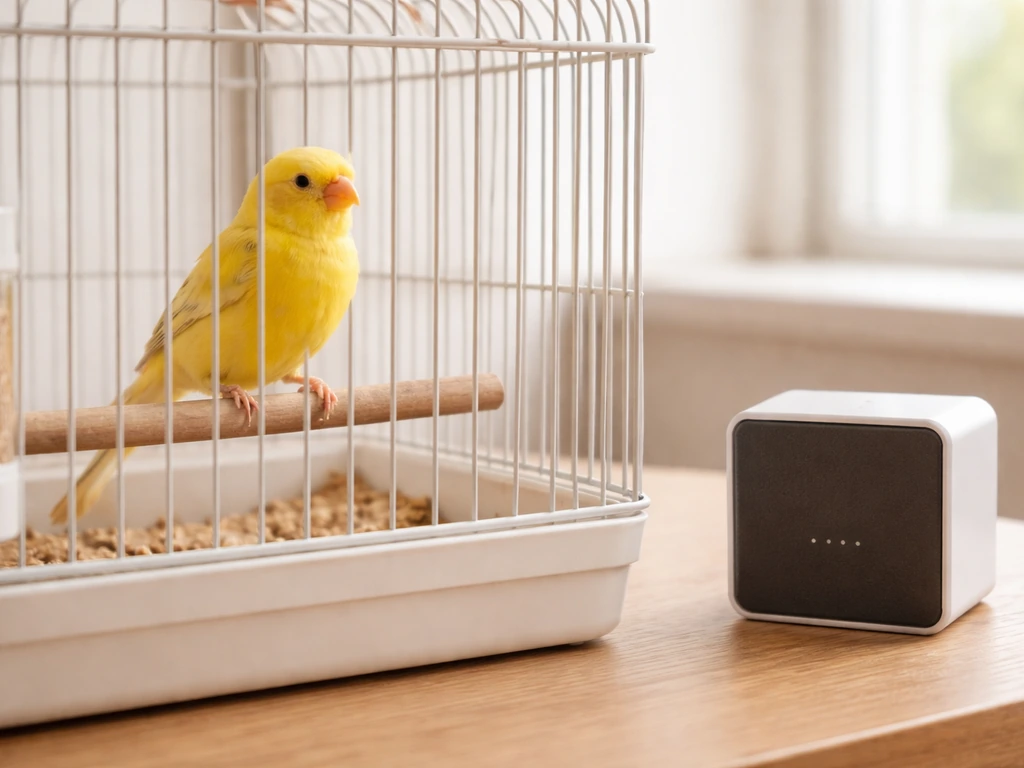
Placement is where most people get this wrong. Putting the monitor across the room from the cage gives you the air quality near your couch, not near your bird. The goal is to measure what your canary is actually breathing.
- Place the monitor within 1–2 feet of the cage, at roughly the same height as your bird's perch. Many pollutants, including VOCs from cleaning products and cooking fumes, can stratify or disperse unevenly across a room.
- Keep it away from direct drafts, air vents, and windows, which can give falsely clean or falsely dirty readings depending on where air is coming from.
- Don't place it directly against the cage bars where feather dust from your bird can clog the sensor intake. A few inches of clearance is enough.
- Allow 15–30 minutes after powering on a new monitor for the sensors to stabilize before trusting the readings.
- For VOC/formaldehyde sensors, many require a 7–14 day burn-in period after first use before readings are fully calibrated. Check your specific device's manual.
- Once placed, leave it there consistently so you can build a reliable baseline for your bird's specific environment.
After setup, spend the first week just observing. Note when readings rise (cooking times, cleaning days, morning vs. evening) and what correlates with each. This baseline is what makes later spikes meaningful. A PM2.5 reading of 18 µg/m³ means very different things if your baseline is normally 5 versus normally 15.
Interpreting readings that matter for your bird
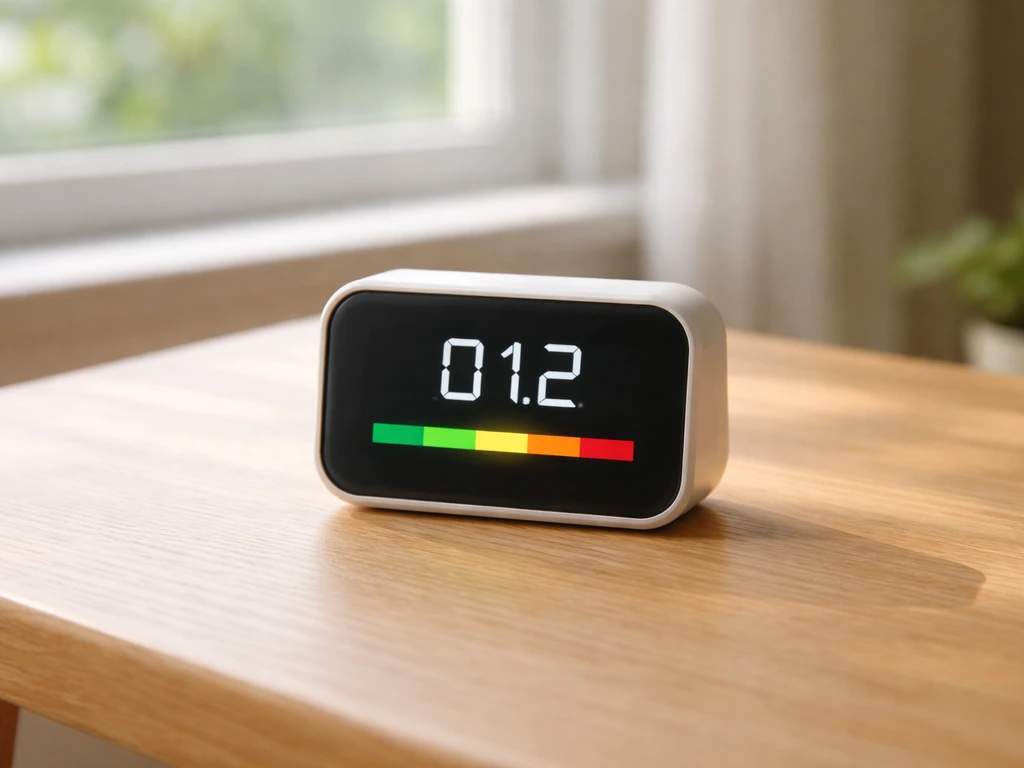
The EPA's primary annual PM2.5 standard sits at 9.0 µg/m³, and the WHO 24-hour guideline is 15 µg/m³. For a canary, I'd treat anything consistently above 12 µg/m³ as a prompt to improve ventilation or run filtration, and anything above 25 µg/m³ as a reason to move the bird to a cleaner room while you identify the source.
VOC readings on consumer monitors are usually presented as an index (low/medium/high or a numerical AQI-style score) rather than specific chemical concentrations. Any spike into the medium or high range that lasts more than a few minutes should prompt you to identify the source. Common culprits are aerosol sprays, scented candles, plug-in air fresheners, fresh paint, new flooring, and non-stick cookware overheating.
For CO, there's essentially no safe ambient level near birds. Humans start feeling effects around 35 ppm, but birds can be killed at levels that would barely inconvenience a person. If your CO sensor shows any persistent reading above background (1–2 ppm), treat it seriously. Open windows, move your bird, and identify the combustion source before putting the canary back.
Humidity readings below 35% RH mean dry air that can irritate respiratory mucosa. Above 65–70% RH sustained over time creates conditions for mold and bacterial growth. Both extremes are worth correcting. The sweet spot for canary rooms is 40–60% RH.
Look for patterns as much as individual numbers. If your PM2.5 spikes every morning around 7am and your canary sneezes more on those mornings, that's a meaningful correlation. A log showing elevated VOCs every time someone uses a particular cleaning product, combined with a bird that looks fluffed afterward, is actionable information you can take to your vet.
Quick fixes to improve indoor air starting today
The EPA consistently rates source control as the most effective strategy for indoor air quality, above air cleaning and ventilation. The EPA also recommends reducing indoor pollutants by controlling their sources and increasing ventilation, and notes that combustion and other pollutants can irritate eyes, nose, and throat and worsen lung function source control as the most effective strategy for indoor air quality. That means identifying and removing what's causing the problem is always step one. Here's a practical checklist:
- Remove all scented candles, plug-in air fresheners, incense, and reed diffusers from the bird's room immediately. Scented products are among the most common canary respiratory triggers.
- Switch to unscented, bird-safe cleaning products and avoid spraying anything near the cage. If you need to use aerosols anywhere in the house, move your bird first and ventilate thoroughly before returning it.
- Never use non-stick (PTFE/Teflon) cookware in a home with birds if possible, or at minimum never overheat it and keep the kitchen well-ventilated. Overheated non-stick coatings release fumes that can kill a bird in minutes.
- Stop smoking indoors entirely, including vaping. There is no safe level of secondhand smoke for a canary.
- Run a HEPA air purifier (not an ozone generator or ionizer) near the cage. Ozone-producing air cleaners can themselves be harmful to birds. HEPA filtration physically removes particulates without generating byproducts.
- Increase ventilation by opening windows when outdoor air quality is good (check your local AQI first). Cross-ventilation with two windows open is more effective than one.
- Keep the cage and surrounding area free of excessive feather dust and dander by cleaning with a damp cloth rather than dry dusting, which re-suspends particles.
- If humidity is low, use a cool-mist humidifier (clean it weekly to prevent mold/bacteria). If humidity is high, run a dehumidifier or air conditioning.
- New furniture, carpets, and flooring can off-gas formaldehyde and VOCs for weeks. Air out new items in a ventilated space before bringing them near your bird.
Most of these steps cost nothing or very little, and several can have an immediate effect on your monitor readings. When you make a change, check your VOC or PM readings 30–60 minutes later. Seeing the numbers drop is a useful confirmation that the action worked.
When to call an avian vet
Monitor readings alone should never make you relax if your bird looks unwell. Symptoms always take priority over numbers. If your canary is showing open-mouth breathing, tail bobbing, wheezing, or significant lethargy, that is an emergency situation regardless of what the air monitor says. MSPCA-Angell also lists other respiratory-emergency signs in birds such as increased respiratory rate and effort and oculonasal discharge, which can overlap between upper and lower airway problems blank" rel="noopener noreferrer">open-mouth breathing. Cockatiel bird leg problems can also flare up when air quality is poor, so address the environment and not just the symptoms. Contact an avian vet immediately. Respiratory distress in birds can progress from mild to life-threatening very quickly.
If your bird is in active distress and you're waiting to reach a vet, keep the bird warm and as calm as possible. Avoid handling it more than necessary, as restraint adds stress and worsens breathing effort. Merck's veterinary guidance recommends placing a distressed bird in a warm, oxygenated environment before transport, so a covered cage in a warm room is better than an uncovered cage in a cold or drafty space.
Here's a practical framework for deciding when to act based on the combination of symptoms and monitor data:
| Situation | Action |
|---|---|
| Open-mouth breathing, tail bobbing, or wheezing (any monitor reading) | Emergency vet contact now |
| Nasal discharge, lethargy, fluffed feathers persisting more than a few hours | Same-day avian vet call |
| Repeated sneezing or mild breathing changes + elevated VOC/PM on monitor | Remove trigger, improve ventilation, monitor closely; call vet if symptoms persist 12–24 hours |
| Sustained PM2.5 above 25 µg/m³ with no obvious source, bird appears normal | Move bird, find source, improve air; check closely for early symptoms over next few hours |
| CO reading above 1–2 ppm (persistent) | Move bird immediately, ventilate, identify combustion source; contact vet if bird showed any symptoms |
| Monitor spike tied to a known one-time event (cooking, cleaning), bird looks normal | Ventilate, remove source, monitor readings and bird closely for next hour |
When you call the vet, bring your monitor data with you or send screenshots of the app log. Information like when readings spiked, how long they were elevated, and what environmental changes happened can help an avian vet make faster, better decisions about your bird's treatment. Note the exact symptoms you observed, when they started, and how they've changed. This kind of documentation is especially useful because canary bird health problems often involve overlapping causes, and good environmental data narrows the diagnostic picture significantly.
Finally, a monitor is a tool, not a guarantee. It can tell you something changed in the air. It can't tell you whether your bird has an underlying infection, a structural problem, or is developing sensitivity to a new material in the home. Think of it as an early-warning system that complements careful daily observation, not one that replaces watching your bird closely every single day.
FAQ
How close should I place a canary bird air quality monitor to the cage to get useful readings?
Place it within about 6 to 12 inches of the cage (or in the same room at bird-breathing height), so you measure the air your canary actually inhales. If you can only place it farther away, use the monitor mainly for detecting changes, not for precise thresholds.
Do I need to worry about air quality monitors going off even if my canary looks fine?
Yes, treat persistent sensor patterns as a “look for the source” signal. If your canary stays normal, focus on removing or stopping the suspected irritant, then re-check readings for 30 to 60 minutes. If the monitor spike repeats daily, it can contribute to chronic airway inflammation even before obvious symptoms show up.
What is the most common setup mistake that makes canary bird air quality readings misleading?
The most common error is placing the monitor away from the cage, usually across the room near where people sit. That captures the air for occupants, not the bird. Another frequent mistake is running the fan/AC in a way that keeps pollutants from reaching the cage, masking the problem until the airflow changes.
How quickly can a canary deteriorate after smoke or aerosol exposure?
Bird respiratory distress can worsen within hours, so “mildly off” in the morning can become an emergency by afternoon. If you see open-mouth breathing or tail bobbing after an air event, treat it as urgent even if PM2.5 or VOC indices look only slightly elevated.
Is it safe to use air fresheners or scented candles if my canary bird air quality monitor looks normal?
No, because many consumer VOC displays are trend or index based, and some irritants may spike locally near the cage for a short period. Stop scented candles, plug-ins, aerosol sprays, and strongly fragranced cleaners when keeping a canary, then verify the improvement by observing your bird and watching for repeated VOC or PM spikes.
My VOC reading jumped, but I cannot find the source. What should I check first?
Start with the usual hidden sources: cleaning sprays applied near the cage, aerosolized products used in another room, new nonstick cookware heating, and “freshening” products like plug-ins. Also check recent cooking or reheating, as fumes can linger and create delayed spikes that match the timing of when your canary became unsettled.
How should I interpret CO readings on a consumer monitor for canary bird air quality?
Use CO readings as high-stakes alerts, not comfort metrics. If you see a persistent elevation above background (often around 1 to 2 ppm), move the canary to clean air, ventilate, and locate the combustion source (gas stove, furnace, water heater, vehicle exhaust). Do not rely on the monitor alone if the bird shows breathing stress.
Should I run a HEPA air purifier or ventilation fan if PM2.5 is high?
Purifiers and filtration can help, but source control is still step one. After removing the suspected pollutant, run filtration and re-check readings after 30 to 60 minutes. If your canary looks unwell, act on symptoms immediately regardless of whether the PM number has already started to improve.
What humidity changes are most concerning for canaries?
Both sustained dryness and sustained high humidity matter. Aim roughly for 40 to 60% RH, and if you’re repeatedly below about 35% RH or above about 65 to 70% RH, adjust with humidification or dehumidification (and fix underlying leaks) rather than only treating symptoms.
Do laser particle counters always give better canary bird air quality information than optical sensors?
Laser particle counters typically provide more accurate PM2.5 than optical-only sensors, but placement and baseline behavior still matter. Even with a more accurate sensor, short spikes can be hard to correlate unless you log timing, especially around cooking, cleaning, and ventilation cycling.
How can I build a baseline without missing problems that happen on weekends or evenings?
Keep a simple log for at least a week that includes bedtime hours and weekend routines. Note when household activities happen, since spikes can occur when you are home but also when you leave for a few hours. Then compare later episodes to that baseline, using time correlation rather than a single reading.
What should I do if my canary has symptoms but the monitor readings do not show anything abnormal?
Symptoms override numbers. The monitor may miss short-lived spikes, localized fume pockets, or irritants not captured by that device. If your canary has open-mouth breathing, tail bobbing, wheezing, or significant lethargy, treat it as an emergency and contact an avian vet immediately, while moving the bird to the cleanest available air.
Can I use a single monitor to manage multiple birds (or other pets) in the home?
You can use one monitor for general trends, but remember it still measures a specific spot. If other animals trigger different hazards (for example, cats with scented litter, dogs with aerosol deodorizers, or cooking habits), rely on bird-specific observation and consider placing the monitor near the canary’s cage rather than a “central” location.
When I take monitor screenshots to show the vet, what details matter most?
Send the time-stamped history around symptom onset, including how long the spike lasted and what changed in the home (cooking, cleaning, painting, new furniture, someone smoking nearby). Also note the exact first symptom you saw and the order of symptoms, because respiratory issues in birds can evolve quickly.
Next Article
Cockatiel Bird Leg Problems: Symptoms, Causes, and What to Do
Spot cockatiel leg problem causes fast, assess safely at home, know emergency signs, and get vet-ready treatment and pre