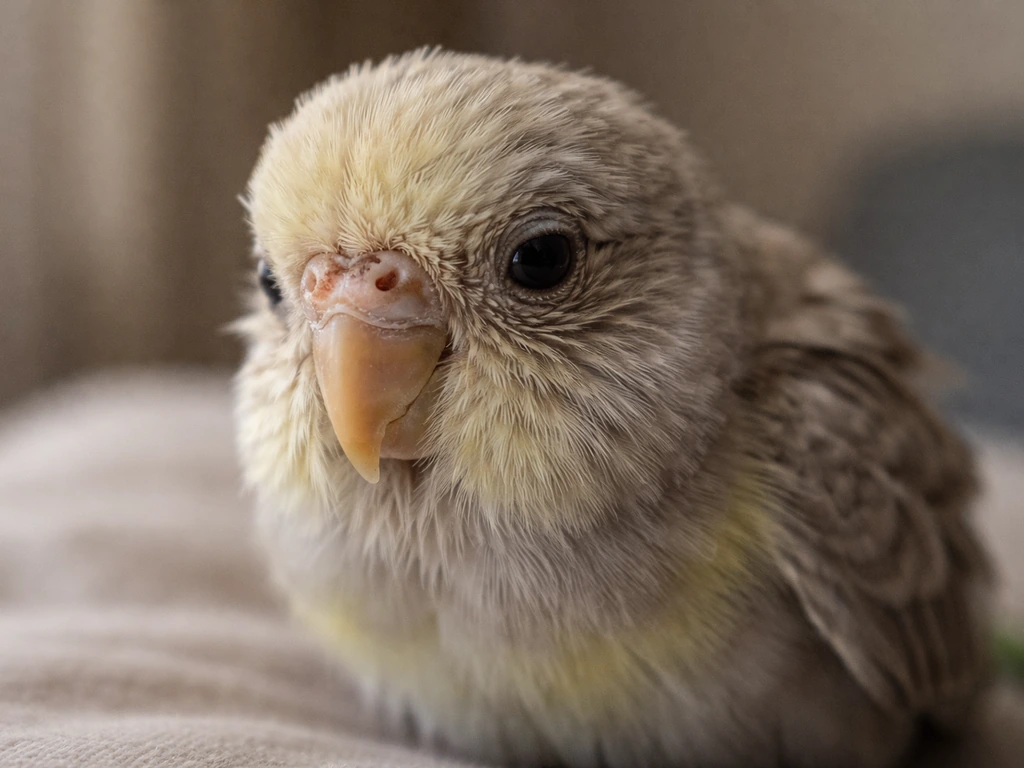
The clearest sign of an air sac rupture in a bird is visible subcutaneous swelling under the skin, often around the neck, chest, or body, that feels like a balloon filled with air. You may also see open-mouth breathing, tail bobbing with every breath, labored sternal movement, and a bird that suddenly seems very weak or reluctant to move.
Air Sac Rupture Bird Symptoms: Signs, Causes, and Next Steps

Marcus Webb
23 May 2026
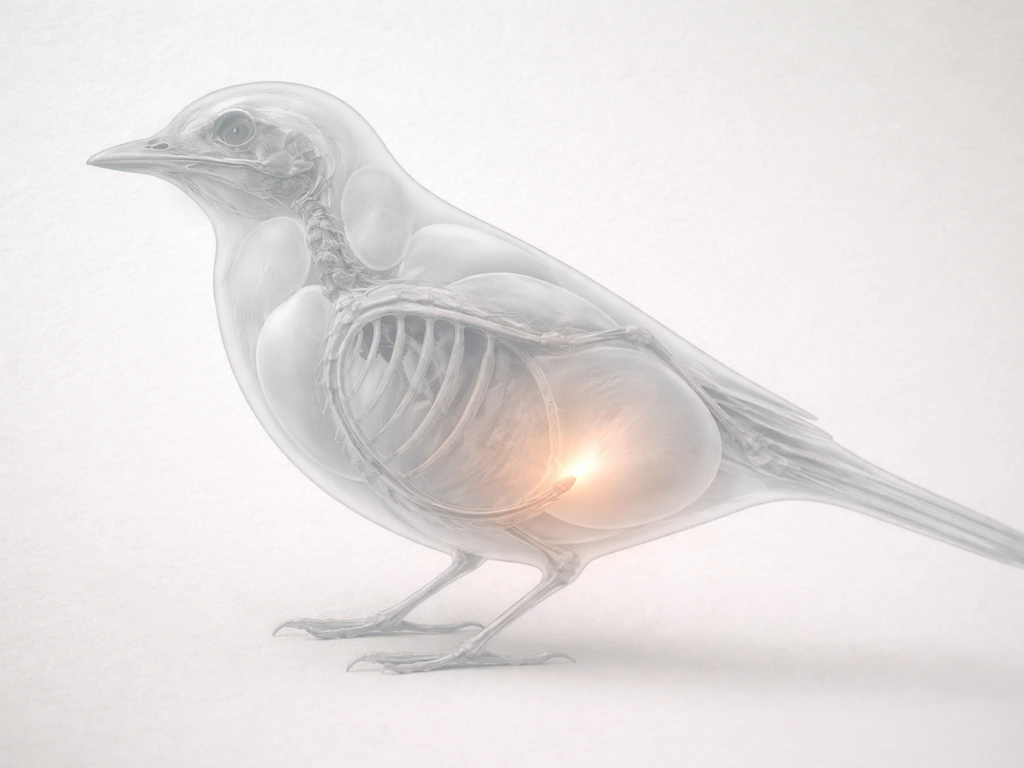
If you are seeing any combination of those signs, especially after a collision, predator attack, or period of intense coughing, get the bird to an avian vet as quickly as you can. If you notice wild bird in shock symptoms like sudden weakness and severe breathing trouble, treat it as urgent and seek an avian vet immediately.
Dehydrated bird symptoms can sometimes overlap with breathing problems, so any rapidly worsening signs should be evaluated right away by an avian professional. Stunned bird symptoms can overlap with air sac rupture, so look closely at the breathing changes and whether there is a subcutaneous air pocket. This is not a wait-and-see situation.
What an air sac rupture actually means in birds
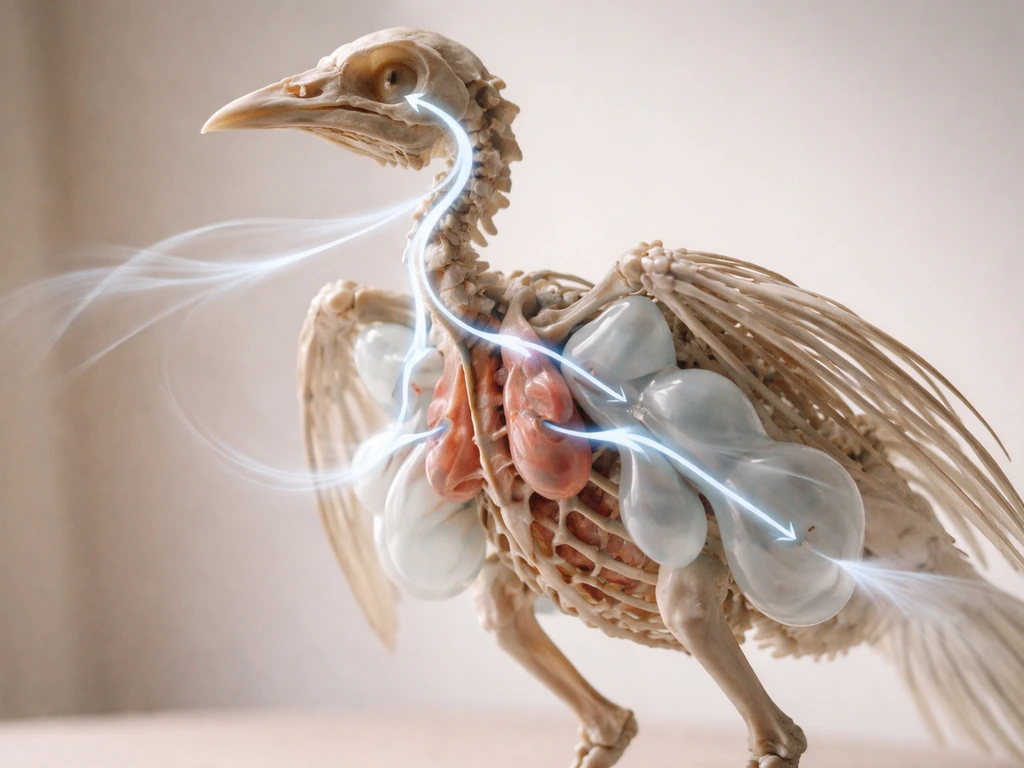
Birds have a respiratory system unlike any other animal. Instead of simply inhaling and exhaling the way mammals do, birds move air in a continuous one-way loop through their lungs using a network of thin, transparent pouches called air sacs. These sacs act like bellows, keeping air flowing efficiently through the lungs during both inhalation and exhalation. Most birds have nine of them distributed throughout the body, extending into the chest, abdomen, and even some bones.
When one of those sacs tears or punctures, air leaks out of the respiratory circuit and collects under the skin or in the body cavity. Because the whole breathing system depends on pressure balance, even a small rupture can disrupt airflow and make breathing much harder. The condition is described as fairly characteristic once you know what to look for, but confirming it always requires a veterinary examination.
Crucially, air sac rupture is typically non-infectious. It is not something the bird caught, and in most real-world cases it is not contagious to other birds in your home or garden. That said, a severe underlying respiratory infection can theoretically weaken the sac walls and make rupture more likely, so the two are not always completely unrelated.
Core symptoms and early warning signs
The most distinctive symptom is that balloon-like, air-filled lump under the skin. It may appear suddenly after a trauma event or develop more gradually if air is leaking slowly. Pressing gently on it may move the air elsewhere under the skin, which is a very unusual finding and one that strongly points toward air sac involvement.
Beyond that localized swelling, the bird will almost always show general respiratory distress. Here is what to look for:
- Open-mouth breathing (birds breathe through their nostrils normally, so open-mouth breathing is always a red flag)
- Tail bobbing: the tail pumps visibly up and down with each breath as the bird uses extra muscles to push air through
- Increased sternal movement: the chest heaves noticeably more than usual
- Audible breathing sounds, clicks, or wheezing
- Voice changes or loss of normal vocalizations
- Lethargy and fluffed-up feathers (the classic sick bird posture)
- Reduced or absent appetite
- Reluctance to fly or move, staying low on the perch or on the ground
- Visible trauma marks such as puncture wounds, bruising, or missing feathers around the neck or chest area
Not every bird will show every sign on that list. A mild or slowly developing rupture might look like general lethargy and slightly labored breathing at first. A severe or sudden rupture, for example from a cat strike or window collision, will usually present much more dramatically and fast. If you suspect stunned bird symptoms, treat it as an emergency and arrange an avian vet assessment right away.
How to tell this apart from other respiratory illnesses
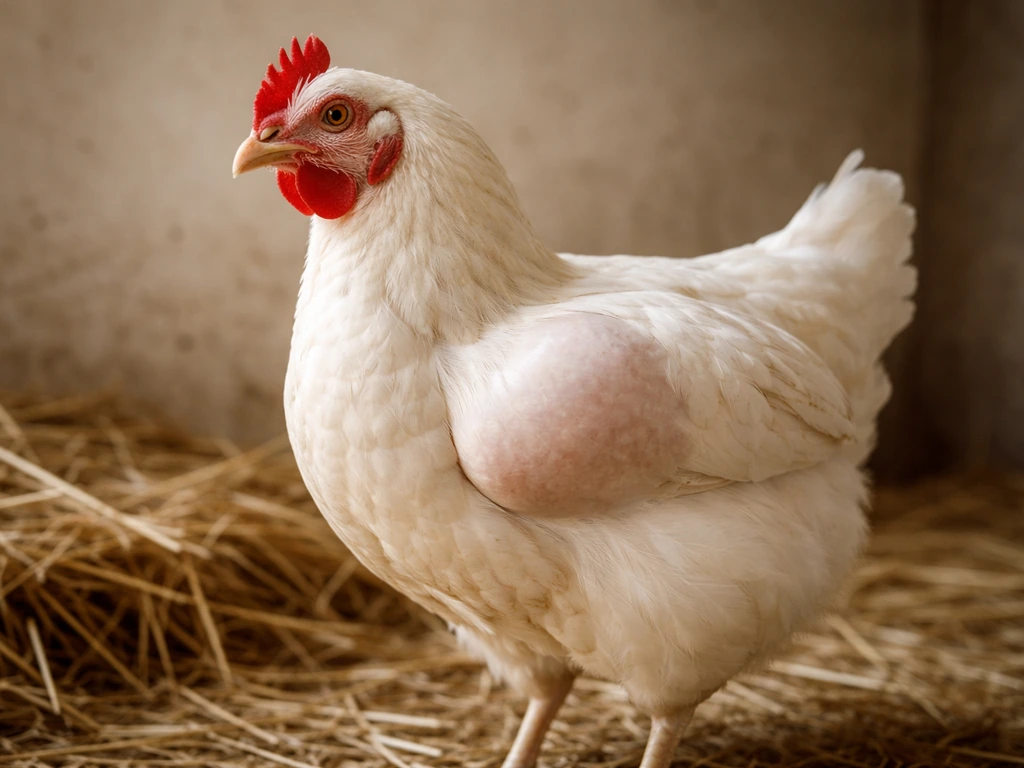
Several avian respiratory conditions share symptoms with air sac rupture, which makes it genuinely easy to confuse them. The presence of that blank" rel="noopener noreferrer">subcutaneous air pocket is the single most distinguishing feature of rupture. If you feel it, rupture jumps to the top of the list. If you do not, you need to think through the other possibilities.
| Condition | Key distinguishing signs | Context clues |
|---|---|---|
| Air sac rupture | Air-filled swelling under skin, sudden onset of severe breathing difficulty | Recent trauma, collision, predator attack, or intense coughing episode |
| Air sacculitis (air sac infection) | Labored breathing, voice change, lethargy, but no subcutaneous air bulge; thickened sac walls on imaging | Chronic illness, exposure to pathogens, gradual onset |
| Air sac mite infection | Open-mouth breathing, tail bobbing, clicking sounds; primarily in finches and canaries | No trauma history; may affect multiple birds in a group |
| Pneumothorax (free air in body cavity) | Short, choppy breathing pattern, tachypnea, increased effort with each breath; similar to rupture | May require imaging to separate from rupture; both are emergencies |
| Upper respiratory infection | Nasal discharge, sneezing, eye discharge, open-mouth breathing; rarely a visible body swelling | Gradual onset, possible exposure to sick birds |
| Lower respiratory disease | Sternal excursions, tail bob, decreased exercise tolerance, coughing, audible breath sounds | May be bacterial, fungal, or viral; no subcutaneous air pocket |
The pattern that most strongly suggests rupture over infection is: sudden onset tied to a trauma event, visible or palpable air under the skin, and severe distress appearing very quickly rather than building over days. Infectious illnesses tend to develop more gradually, and you will often notice nasal discharge, eye changes, or a history of illness before the breathing gets bad. Wild birds found grounded after a window strike or cat encounter should be assessed for rupture first.
If you are monitoring a wild bird you found outside and it seems generally unwell without a clear trauma history, other topics like sick wild bird symptoms or wild bird in shock symptoms may also be relevant to what you are seeing.
Risk factors and common causes
Physical trauma is by far the most confirmed cause of avian air sac rupture. The air sac walls are extremely thin membranes, and they can puncture easily under force. The most common scenarios include:
- Predator attacks: cat strikes in particular, since cat claws and teeth can puncture the body wall and reach the air sacs even when visible wounds look minor
- Window or glass collisions: the sudden blunt impact can tear internal membranes without breaking the skin
- Collisions with other hard objects during flight indoors or outdoors
- Rough handling, especially of small pet birds
- Severe, prolonged coughing or respiratory disease straining the sac walls
- Infections that weaken the air sac tissue over time, making it more vulnerable to spontaneous tearing
Certain birds may be at higher risk simply because of size or living situation. Small pet birds like budgerigars, finches, and canaries are more physically vulnerable. Outdoor wild birds face obvious predation and collision risks. A bird that has been sick with a respiratory infection for weeks has weakened tissues throughout the respiratory tract.
Toxic exposure is a less common but possible contributor. Poisoned bird symptoms can sometimes overlap with respiratory distress, so context like fumes, smoke, or chemicals matters. Inhaled toxins can cause inflammation and tissue damage throughout the respiratory system, including the air sac walls. If you suspect a bird has been exposed to fumes, smoke, or chemicals, that context matters for both diagnosis and treatment.
What to do right now: first aid, isolation, and home monitoring
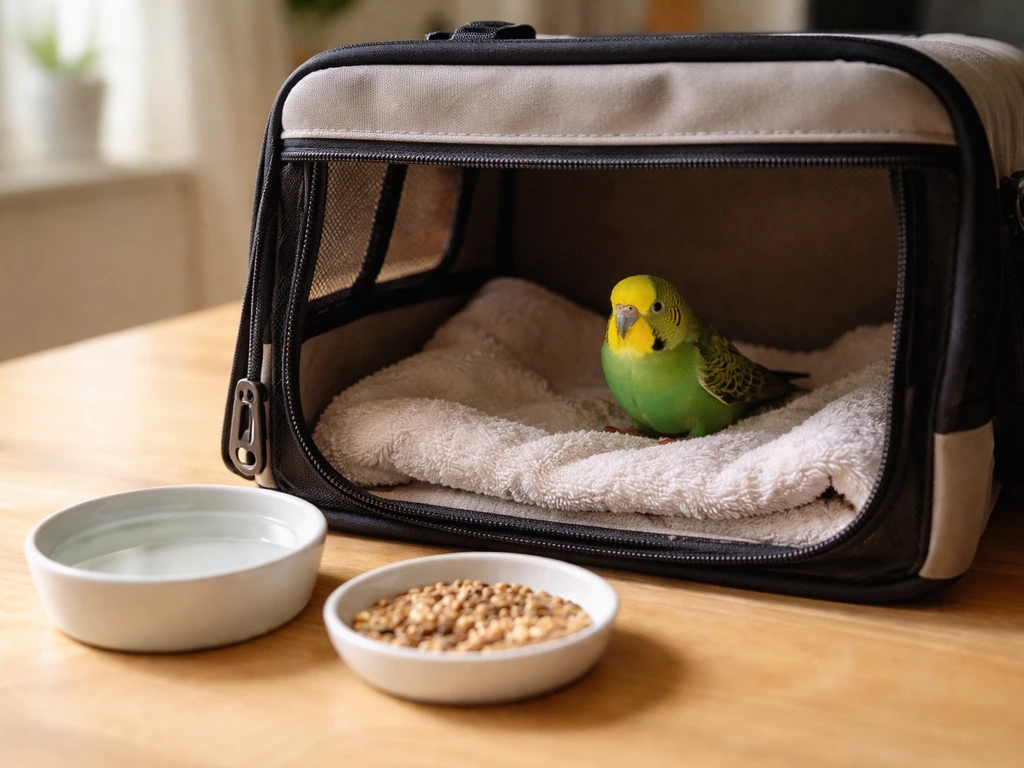
Before anything else: keep the bird still and calm. Stress and activity make breathing harder for a bird that is already struggling, and physical exertion can make a partial rupture worse. Do not chase it around, do not hold it tightly, and do not try to examine it extensively at home.
- Place the bird in a small, enclosed carrier or box lined with a soft towel. Small means less room to flap and injure itself further.
- Warm the space to around 85°F (29.4°C). Birds have a body temperature of roughly 103 to 106°F and lose heat fast when sick. A heating pad set on low under half the carrier works, or place the carrier near (not directly over) a heat lamp. Leave half the space unheated so the bird can move away if it gets too warm.
- Keep the environment quiet and dark. Darkness reduces stress and encourages the bird to rest.
- Do not force food or water. A bird in respiratory distress can aspirate liquid into its lungs if you try to make it eat or drink, which makes things worse. If it is drinking on its own, that is fine.
- If the bird is a wild bird found after a cat attack, gently cover any visible wounds with clean gauze if you have it, but do not probe or clean deeply. Cat bacteria are dangerous to birds and the vet needs to address this.
- Monitor breathing from a distance: count breaths if you can, note whether tail bobbing is constant or occasional, and watch for the bird's posture improving or declining.
- Contact an avian vet or wildlife rehabilitator immediately and describe what you are seeing. Most will want to see the bird the same day.
What to avoid: do not try to drain or deflate the air swelling yourself. Do not apply pressure to the bulge. Do not give human medications. Do not put the bird with other birds during this time, both to reduce stress and because you cannot yet rule out an infectious component.
What the vet will do: diagnosis and testing
An avian vet will begin with a careful physical examination, including palpating the bird to feel for subcutaneous air and assessing the severity of respiratory distress. If the bird is in serious distress, the first priority is stabilization, not diagnostics. That may mean placing the bird in a warm, oxygenated incubator before any hands-on examination or restraint, since handling a severely dyspneic bird can cause it to crash.
Once the bird is stable enough to examine, the vet is likely to use some combination of the following:
- Radiographs (X-rays): the standard first imaging step for respiratory cases. Normal air sac walls are not visible on X-ray; thickened walls suggest sacculitis (infection/inflammation). Free air in abnormal locations helps confirm rupture. The vet will look at overall lung density, air sac fields, and the body cavity.
- Endoscopy: a small camera can be inserted to directly view the air sacs in some cases, especially if the bird is stable enough.
- Culture and sensitivity testing: swabs from the trachea or air sacs to check for bacterial or fungal infection, particularly if there is any sign that infection may have contributed.
- Blood work: a complete blood count and chemistry panel to assess overall health, infection markers, and organ function, which helps guide treatment decisions.
- Cytology: microscopic examination of any fluid or material from the respiratory tract.
In severe cases where the bird cannot breathe adequately, the vet may place an air sac cannula, which is a small tube inserted directly into a caudal air sac to bypass an obstructed airway and allow the bird to breathe while other treatment is arranged. This is an emergency supportive procedure, not a cure, but it can be life-saving.
Treatment options and what recovery actually looks like
Treatment depends heavily on what caused the rupture and how severe it is. There is no single protocol.
For trauma-related rupture
If the rupture was caused by physical injury, the vet may need to aspirate (drain) the trapped air from under the skin using a needle, which provides immediate relief and is often repeated over several days as the leak seals. In some cases, a small incision allows air to escape while the underlying sac begins to heal. If there are wounds (especially from cat attacks), antibiotics are typically started promptly because cat bacteria can be rapidly fatal in birds even from minor punctures.
For infection-associated rupture
When an underlying infection weakened the air sac walls, the infection itself needs to be treated. This usually means targeted antibiotics or antifungals based on culture results, alongside supportive care. Resolving the infection reduces inflammation and gives damaged tissue a better chance to heal.
Supportive care during recovery
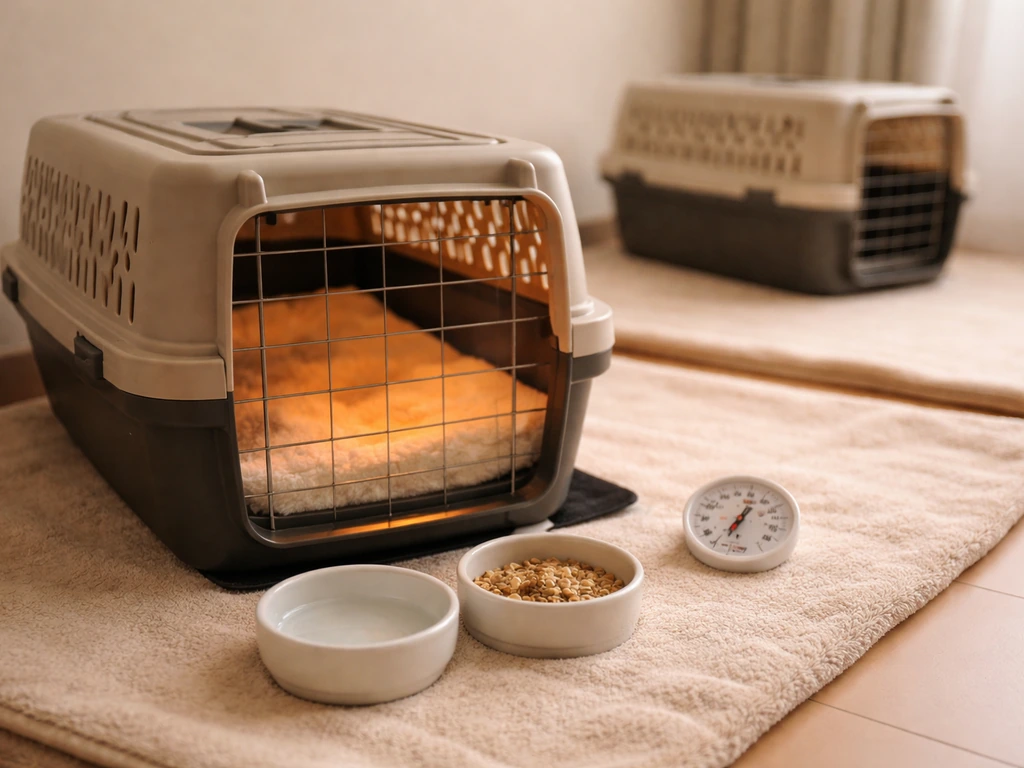
- Maintain a warm enclosure at around 85°F throughout recovery
- Keep the bird separate from other birds and away from stressors
- Offer food and water in easy-to-reach positions so the bird does not have to work to eat
- Administer any prescribed medications exactly as directed and for the full course
- Limit the bird's activity, no flying, climbing, or social interaction until the vet clears it
- Monitor for improvement: better posture, voluntary eating, less visible breathing effort
- Monitor for worsening: increasing tail bob, open-mouth breathing returning, collapse, or the swelling coming back quickly after drainage
Recovery timelines vary significantly. A mild rupture in an otherwise healthy bird that receives prompt care might stabilize within days and recover over two to four weeks. A severe rupture combined with infection or significant tissue damage can take much longer, and some birds do not recover fully. The vet will be able to give you a more specific prognosis once they have assessed the extent of the injury.
When this is an emergency and what outcomes to expect
Treat this as an emergency if you see any of the following. If your dog may have attacked a bird, watch for dog ate bird symptoms like sudden trouble breathing and a noticeable air pocket under the skin, and seek urgent avian care. Do not wait overnight, do not call around for a cheaper appointment.
- The bird is breathing with its mouth open continuously
- The tail is bobbing with every single breath
- You can see or feel air-filled swelling under the skin
- The bird was attacked by a cat, even if wounds look minor
- The bird hit a window or glass and is now showing any breathing difficulty
- The bird is collapsed, unresponsive, or barely moving
- Breathing distress appeared suddenly and is getting worse by the minute
Outcomes depend on how quickly the bird receives care, the severity of the rupture, and whether an underlying infection is present. Merck Veterinary Manual also notes that in severe short-term respiratory infection, young or newly imported birds may show labored breathing and loss of appetite. Birds that get to an avian vet within hours of a trauma event generally have a better prognosis than those that are brought in after a day or more of struggling to breathe. Wild birds, especially those that were caught by a cat, face steeper odds due to infection risk and the stress of handling, but many do recover with expert care.
For context: birds are very good at hiding illness. By the time a bird is showing obvious breathing distress, it has often been compensating for a while. That means what looks like a sudden onset is sometimes a condition that has been building, and it also means you should not interpret a bird sitting quietly in a corner as being "fine." If something looks off, trust that instinct and call a vet.
If you are dealing with a wild bird and cannot reach an avian vet quickly, a licensed wildlife rehabilitator is your next best option. They have experience stabilizing injured birds and can assess whether the situation is compatible with transport. In the meantime, the supportive steps above, warmth, quiet, darkness, and no forced handling, give the bird its best chance while you arrange care.
FAQ
If I cannot feel a balloon-like lump, can it still be an air sac rupture in my bird?
Yes, but it is less likely. Some ruptures are small, deep, or covered by feathers, so you may not detect a palpable air pocket. If breathing is rapidly worsening (tail bobbing, open-mouth breathing, marked sternal movement), treat it as urgent and get an avian vet exam even without a clear lump.
Can birds survive an air sac rupture without surgery or draining the air?
Sometimes, but it depends on severity and whether airflow is being mechanically disrupted. Minor leaks may improve as tissues seal, but many cases still require medical stabilization, and some need repeated aspiration to prevent renewed distress. Do not rely on home observation if the bird is struggling to breathe.
Should I keep the bird warm and still, or does warmth make breathing worse?
Keep the bird warm and calm, but do not overheat. Aim for a comfortable, low-stress environment, because cold can worsen breathing effort and stress can intensify respiratory distress. If panting, extreme lethargy, or rapid worsening occurs, assume the issue is progressing and seek emergency care.
Is it safe to move the bird into a different cage or carrier for transport?
Only move it minimally and gently, using a prepared, padded carrier to reduce struggling. Avoid transferring it repeatedly, because exertion can worsen a partial rupture. If you suspect rupture, the goal is brief, low-effort transport to an avian vet or wildlife center.
What if the swelling gets larger over a few hours, does that always mean it is getting worse?
Often yes. Expanding subcutaneous air usually indicates continued leakage and worsening pressure imbalance, even if the bird initially looked “just a little off.” Increasing labored breathing, more frequent tail bobbing, or a bird that is less responsive are red flags for immediate evaluation.
How do I tell air sac rupture from pneumonia or a respiratory infection when the symptoms overlap?
The decision point is usually timing and the presence of subcutaneous air. Rupture is more likely with sudden onset after trauma (collision, predator attack) or a very fast change in breathing. Infection more often shows a gradual course and other clues like nasal or eye changes. If you cannot separate these at home, assume rupture until proven otherwise and prioritize an avian exam.
Can air sac rupture be contagious to other birds in my home?
Air sac rupture itself is usually not contagious. However, if a bird has an underlying infection contributing to tissue weakness, that underlying cause can be contagious. Keep the sick bird isolated to reduce risk, and practice strict hygiene until an avian vet determines the cause.
What should I do if I suspect my cat or dog attacked a bird but there is no visible wound?
Treat it as urgent anyway. Small punctures, even if they are not obvious, can introduce bacteria and cause rapid deterioration along with trauma-related air leakage. Check for an air pocket and breathing distress, then seek emergency avian care rather than waiting for wounds to show.
Are human first-aid steps like aspirating the lump ever appropriate?
No. Do not drain, deflate, or press on the swelling, because it can worsen the air leak, damage tissues, and increase stress and breathing difficulty. Home attempts also delay stabilization and proper diagnosis, which are critical for survival.
If I only have access to a general animal ER, should I still go?
Yes if an avian specialist is not immediately available, but go as an emergency. Call ahead to confirm they can treat birds or manage respiratory distress, and emphasize suspected air sac rupture with a palpable air pocket and breathing effort. Stabilization first is often appropriate, then transfer if needed.
What symptoms mean the bird is at risk of crashing before I can reach care?
Severe and fast-onset open-mouth breathing, extreme lethargy, inability to maintain posture, pronounced tail bobbing with each breath, and rapid progression over minutes to hours are urgent. If the bird is struggling to breathe even at rest, do not wait for a scheduled appointment, arrange immediate transport and urgent evaluation.
Next Article
Dehydrated Bird Symptoms: Signs, Causes, and What to Do Now
Learn dehydrated bird symptoms, tell them from other illnesses, and get safe immediate steps and vet-urgent signs.