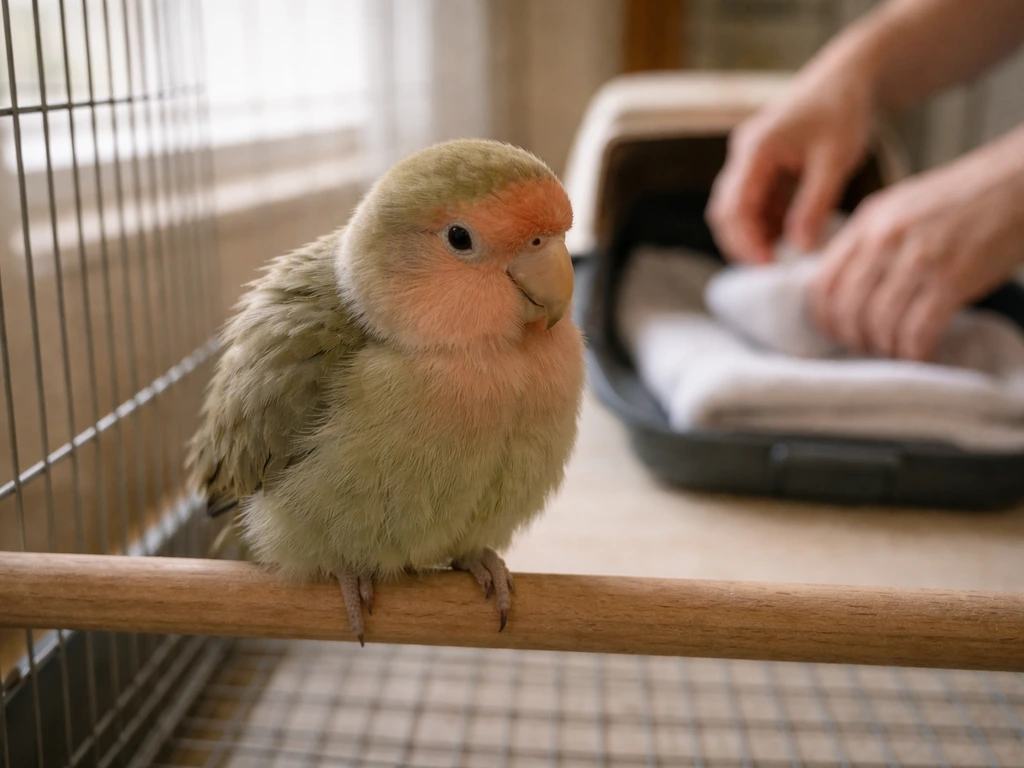
If you're looking at a brown bird that seems off, the honest first step is this: a fluffed-up posture, closed eyes, or sitting low on the perch are real warning signs that something is wrong. Birds are wired to hide illness until they physically can't anymore, so by the time a bird looks obviously sick, it usually needs attention soon. That said, not every odd behavior means disease. Stress, injury, exhaustion from migration, or even a temperature drop can make a bird look terrible but bounce back quickly with basic supportive care. Your job right now is to quickly figure out which situation you're actually dealing with.
Is Brown Bird Sick? Fast Checks, Red Flags, Next Steps

Marcus Webb
21 May 2026
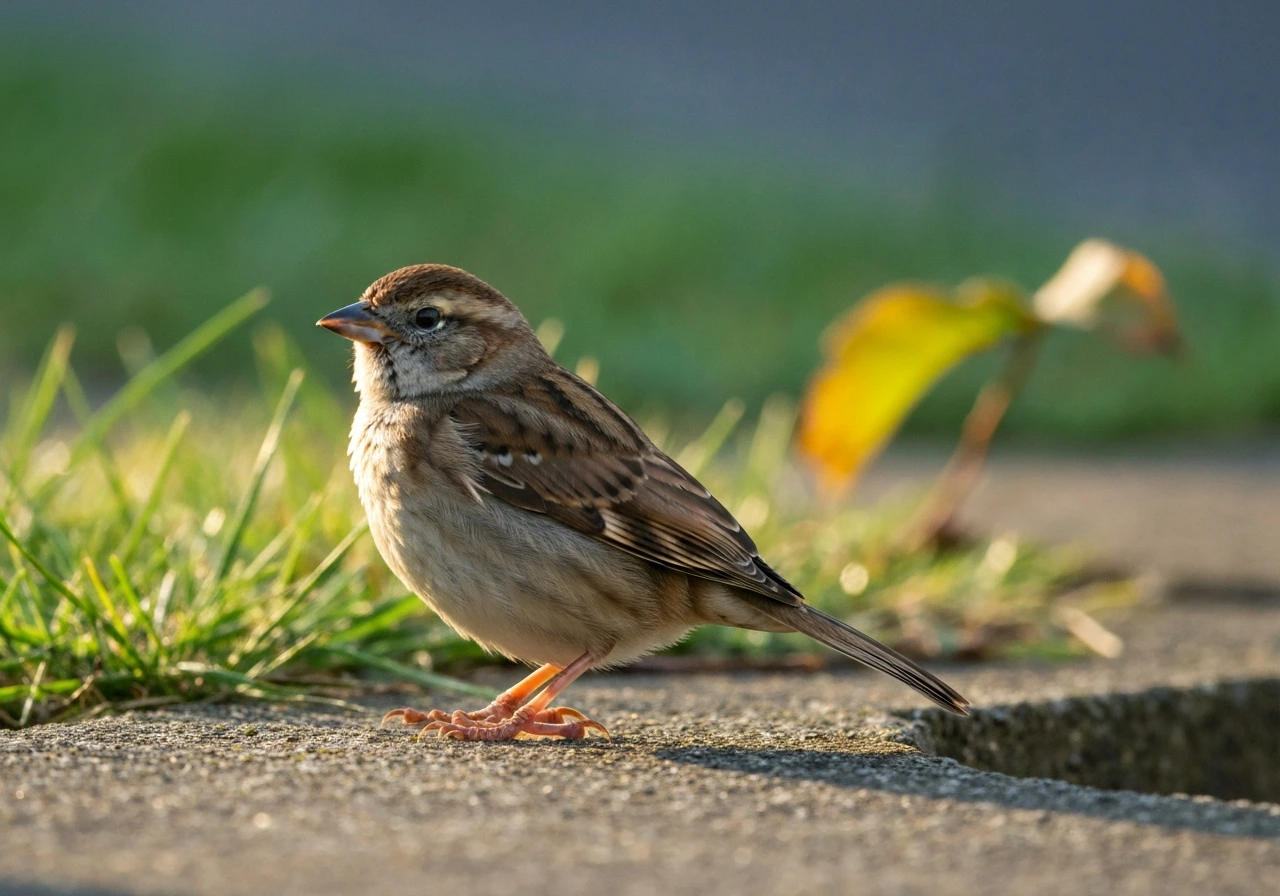
Why a brown bird might look "sick" right now
Brown birds are not a single species, so this applies whether you're looking at a house sparrow, a wren, a female cardinal, a thrush, or a pet bird with brown plumage. The causes of a sick appearance fall into a few broad buckets.
- Infectious disease: bacterial infections (like Mycoplasma or Chlamydia psittaci), fungal infections (especially aspergillosis), and viral illness can all cause a bird to look lethargic, fluffed, or have respiratory symptoms.
- Toxin or fume exposure: birds have extremely sensitive respiratory systems. Overheated non-stick cookware (above 530°F), scented candles, aerosol sprays, and cigarette smoke can cause sudden, severe distress or death.
- Injury: a bird that flew into a window or escaped a cat may sit still and appear unwell but is actually in shock or has soft-tissue injuries.
- Nutritional deficiency or chronic stress: long-term poor diet or an overcrowded, stressful environment gradually weakens immune function.
- Parasites: internal or external parasites cause weight loss, feather damage, and lethargy that can look like general illness.
- Environmental stress: extreme heat or cold, a sudden change in housing, or being caught and handled can all produce a temporarily distressed appearance.
- Normal behavior misread as illness: a bird preening heavily, sleeping after a big meal, or molting can alarm a new owner.
The critical thing to understand is that birds are prey animals. They instinctively suppress visible signs of weakness for as long as possible. When a bird finally stops hiding it, the illness is often already advanced. That's why a "mildly off" brown bird deserves a careful, immediate look rather than a wait-and-see approach.
Quick at-home assessment: what to check first
Do this assessment visually before you pick the bird up, especially for wild birds. Handling adds significant stress and can worsen a bird that is already struggling to breathe. Observe from a short distance for at least one to two minutes.
Posture and activity
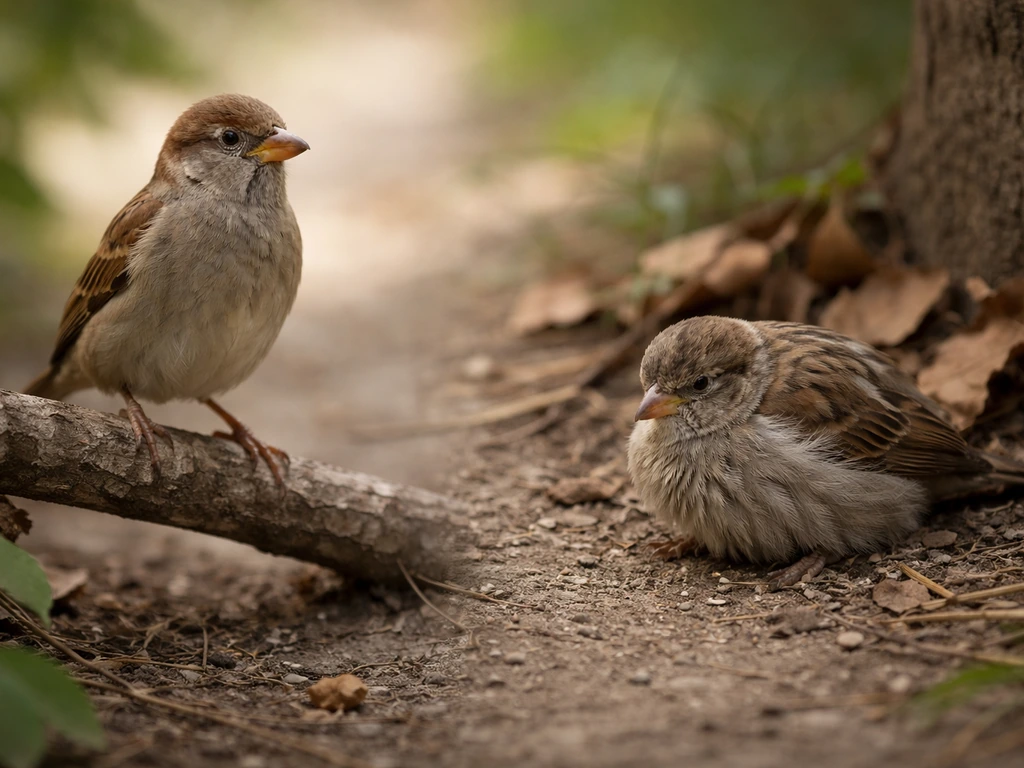
A healthy bird sits upright and alert. A sick bird often fluffs its feathers and sits low, hunched, or leans against a surface. If it's on the ground and can't fly away when you approach, that's a red flag. If it's on a perch and won't move when disturbed, that matters too.
Breathing
Watch the tail and chest. A bird breathing normally shows almost no visible effort. A sick bird may bob its tail with every breath, breathe with its mouth open, move its whole body to breathe, or make audible sounds like wheezing, clicking, or rattling. These are serious signs that need prompt attention. If you are wondering why a duo bird is sick, start by checking breathing, posture, appetite, and any eye or nasal discharge, then contact an avian vet promptly if symptoms persist.
Eyes, nose, and mouth

Eyes should be bright, round, and fully open. Partially closed, sunken, or watery eyes suggest illness. Check the nostrils (nares) for any discharge, crustiness, or swelling around the face. Foamy or watery discharge around the eyes is a classic sign of several respiratory infections.
Feathers and skin
Continuously fluffed feathers outside of normal preening or sleep indicate the bird is trying to conserve body heat, which means it feels unwell. Look for missing patches, abnormal growth, lumps under the skin, or feathers that look rough and unkempt rather than smooth and tight.
Droppings
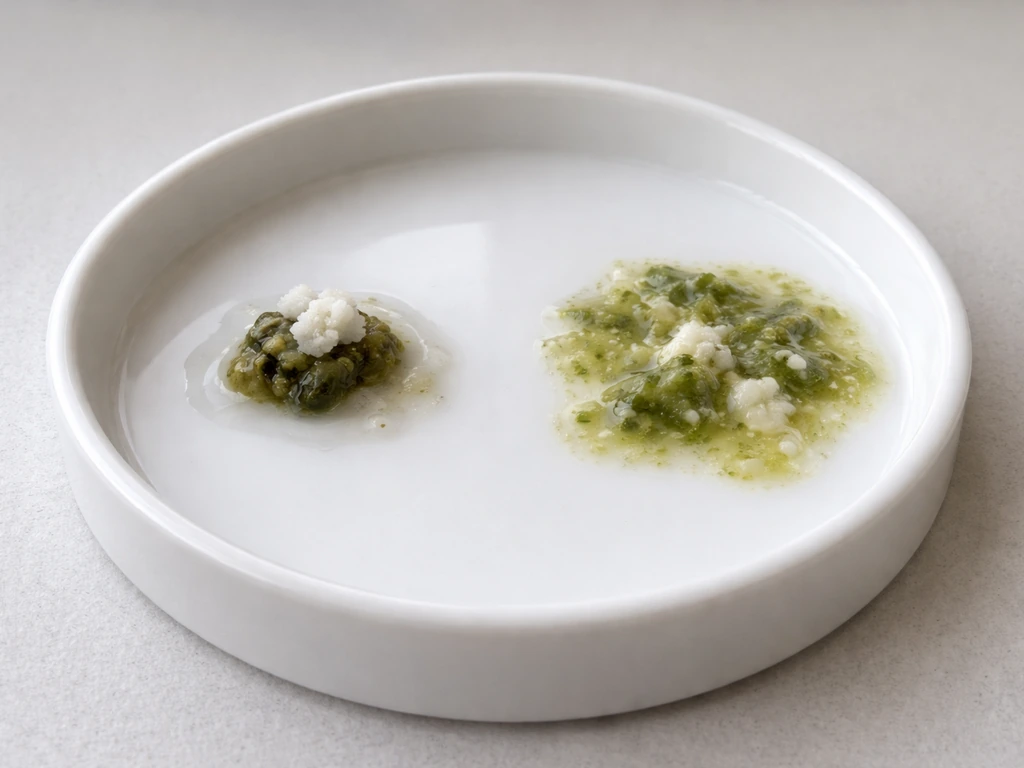
Normal bird droppings have three parts: a dark solid portion, white urates, and a small amount of clear liquid. Diarrhea, green or yellow discoloration in the urates, all-liquid droppings, or blood are abnormal. Consistent changes in droppings alongside other symptoms almost always mean something is wrong. Droppings issues are closely connected to other conditions like gastrointestinal illness, which often overlaps with systemic disease.
Appetite and water intake
A bird that hasn't touched food or water for more than a few hours (pet birds) or that shows no interest in food you offer (wild birds) is a concern. Rapid weight loss in birds can happen within 24 to 48 hours of illness onset.
Mobility and balance
Can the bird stand and grip? Head tilting, circling, falling off the perch, or inability to coordinate movement suggest neurological involvement or inner ear issues, and those need veterinary attention.
Common symptom patterns and what they usually mean
Symptoms rarely appear one at a time. Grouping what you see into clusters helps you narrow down what's most likely going on, which also makes your conversation with a vet much more useful.
| Symptom cluster | Most likely cause(s) | Urgency |
|---|---|---|
| Tail bobbing, open-mouth breathing, wheezing, lethargy, fluffed feathers | Respiratory infection (aspergillosis, mycoplasmosis, Chlamydia psittaci), toxin exposure, air sac disease | High — act same day |
| Watery/foamy eyes, nasal discharge, sneezing, coughing | Mycoplasmosis, bordetellosis, chlamydiosis, upper respiratory virus | High — contact vet or rehab |
| Lethargy, loss of appetite, abnormal droppings, weight loss | Systemic bacterial or fungal infection, parasites, nutritional deficiency | Moderate-high — seek vet within 24 hours |
| Sitting on ground, unable to fly, no obvious other symptoms | Window strike, cat attack, exhaustion/dehydration | Moderate — supportive care, monitor closely |
| Balance loss, head tilt, circling, tremors | Neurological disease, head injury, inner ear infection | High — vet same day |
| Sudden collapse, gasping, cyanosis (blue tint to skin) | Toxin/fume exposure, severe respiratory emergency | Critical — emergency vet immediately |
The most likely illnesses to consider
Aspergillosis
This is a fungal infection caused by Aspergillus spores, which are everywhere in the environment. Once inhaled, the spores lodge in the lungs and air sacs, germinate, and form plaques or nodules that cause progressive respiratory damage. Early signs include increased breathing rate, listlessness, and loss of appetite. It can develop in three forms (acute diffuse pneumonia, acute nodular pulmonary, or chronic nodular pulmonary), so you may see anything from a sudden crash to a slow decline over weeks. Young birds and immunocompromised birds are most vulnerable. There is no reliable treatment once it's advanced, which is why early recognition matters.
Mycoplasmosis
Mycoplasma gallisepticum and related bacteria cause respiratory illness that can stay latent for days to months and then flare when a bird is stressed. Lovebirds can show similar respiratory and lethargy symptoms when they are dealing with infections, so it helps to compare the signs closely love bird sick symptoms. Incubation typically runs 6 to 21 days, with younger birds under 6 weeks being more susceptible. Signs include rales (a rattling breathing sound), coughing, sneezing, and sometimes eye discharge.
In wild songbirds, house finch eye disease (a form of mycoplasmosis) causes swollen, crusty, weeping eyes. This is highly contagious at feeders and is one of the top reasons to pull feeders and disinfect them when you see sick birds gathering.
Avian chlamydiosis (psittacosis)
Caused by Chlamydia psittaci, this bacterial infection has an incubation period ranging from 3 days to several weeks, which makes it easy to miss the source of exposure. It causes non-specific respiratory illness, lethargy, and sometimes green or yellow discoloration in droppings. It also poses a zoonotic risk, meaning it can infect humans, particularly those who are immunocompromised. If you suspect this, use gloves and a mask when handling the bird.
Bordetellosis
This bacterial respiratory infection presents with sneezing, watery or foamy eye discharge, clear nasal discharge, open-mouth breathing, and audible tracheal sounds. It's more common in poultry but can affect other birds. The presentation overlaps heavily with other respiratory infections, which is why a vet is needed to confirm the cause.
Toxin or fume exposure
This deserves its own mention because it presents differently from infections. The onset is sudden rather than gradual. A bird that was fine an hour ago is now gasping, falling, or dead. Overheated non-stick cookware is one of the most common culprits; fumes released above 530°F are almost always fatal to birds. Other sources include aerosol sprays, scented candles, air fresheners, paint fumes, and cigarette smoke. If you suspect fume exposure, move the bird to fresh air immediately and get to an emergency vet.
What you can do right now
For a wild brown bird
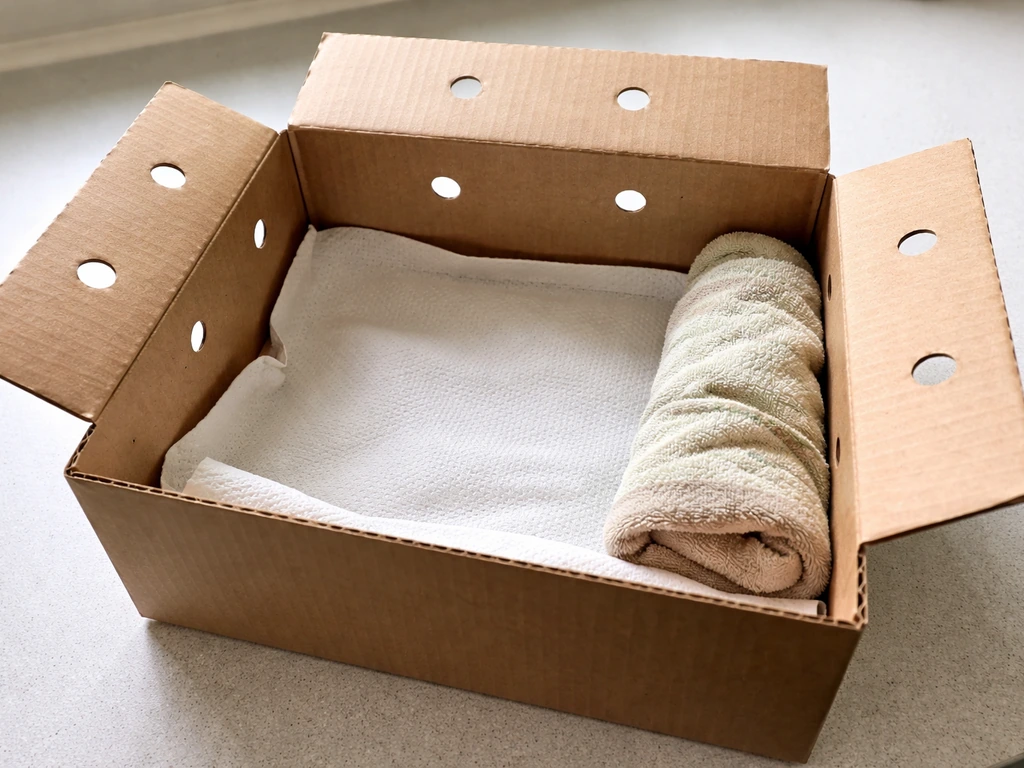
Don't handle the bird with bare hands. Use gloves or a cloth. Place it in a shoebox or small cardboard box with air holes, lined with a cloth or paper towel. Do not put food or water in the box. Keep it in a warm, dark, quiet place while you arrange help. Darkness reduces panic, which reduces energy expenditure when the bird can least afford to waste it.
For warmth, you can place a hand warmer or heated rice sock wrapped in a towel under one half of the box, so the bird can move away from the heat if needed. Target around 80 to 85°F (26 to 29°C) in the warm zone. LafeberVet also recommends aiming for incubator temperatures around 80 to 90°F (26 to 32°C) for supplemental heat Supplemental Heat for the Avian Patient. Do not put the heat source in direct contact with the bird.
For a pet brown bird
Set up a hospital cage: a smaller cage or carrier that's easier to keep warm. According to avian first-aid guidance, the target temperature for stabilization is around 85°F (29.4°C). You can use a heating pad on the lowest setting under half the cage (never the whole cage) or position a heat lamp at a safe distance. Keep the environment dim and quiet. Remove perches if the bird is unsteady and place food and water on the cage floor so the bird doesn't have to work to reach them.
If the bird is showing respiratory signs, light humidity can help. A humidifier in the room or briefly bringing the bird into a steamy bathroom (after turning off the shower and clearing any cleaning product fumes) may ease discomfort. Avoid any aerosols, candles, or strong scents in the area.
Isolation and hygiene
If you have other birds, isolate the sick bird immediately. Many avian diseases spread quickly through shared air, droppings, and contact with shared surfaces. Wash your hands thoroughly before and after handling. Disinfect any shared equipment. If you've been near a sick wild bird at your feeder, take down the feeder and clean it with a 10% bleach solution, then wait at least two weeks before putting it back up. This is the standard recommendation for controlling mycoplasmosis and other feeder-spread diseases.
Document what you're seeing
Before you call a vet, take a short video of the bird showing any breathing abnormalities, posture, or movement issues. Write down when symptoms started, what the droppings look like, what the bird has eaten recently, and whether there have been any changes in environment (new foods, cleaning products, other birds added). This information speeds up diagnosis significantly.
When to contact an avian vet or wildlife rehab
Some situations don't allow for a wait-and-see approach. Call an avian vet or licensed wildlife rehabilitator the same day if you see any of the following: If you're wondering what do you call a sick bird, the common term is “sick bird,” but what matters most is spotting the symptoms early and getting help.
- Open-mouth breathing or audible wheezing, clicking, or rattling with each breath
- Tail bobbing with every breath or visible whole-body effort to breathe
- Cyanosis (blue or gray color to the skin, especially around the beak)
- Collapse, inability to stand, or seizure-like activity
- No response to your approach in a wild bird (healthy birds avoid humans)
- Sudden onset of severe symptoms (possible toxin exposure)
- Head tilt, circling, or loss of balance
- Blood visible on feathers, beak, or in droppings
Even when symptoms seem moderate, if a pet bird hasn't eaten in 24 hours or a wild bird hasn't improved after two hours of quiet supportive care, contact a professional. Respiratory distress in birds especially should never be watched and waited on at home. Birds in respiratory distress are also easily stressed by handling and examination, so keep handling to a minimum until the bird is with a professional who can provide oxygen support if needed.
For wild birds, your local wildlife rehabilitation center is the right call, not a regular vet in most cases. They have the permits and species-specific knowledge to treat wild birds legally and effectively. You can find a licensed rehabilitator through your state's fish and wildlife agency website.
Prevention and reducing risk going forward
Diet and immune support
For pet birds, a seed-only diet is one of the most common contributors to long-term immune weakness. Seeds are high in fat and low in the vitamins and minerals birds need to fight off infection. Transitioning to a high-quality pellet with fresh vegetables and limited fruit gives a bird's immune system what it actually needs. A nutritionally depleted bird is far more susceptible to aspergillosis, bacterial infections, and other opportunistic illnesses.
Air quality and environmental hazards
Never use non-stick cookware in a kitchen where birds are nearby, or at minimum use exhaust fans at all times and keep birds in a separate room. Avoid aerosol sprays, scented candles, incense, and heavy cleaning products around birds. A HEPA air purifier in the bird's room reduces airborne dust, dander, and fungal spores, which directly lowers aspergillosis risk.
Enclosure hygiene
Clean the cage and all accessories thoroughly at least weekly for pet birds. Remove droppings daily. Damp, soiled substrate creates the perfect environment for Aspergillus and bacterial growth. Use a diluted bleach solution (1 part bleach to 10 parts water) and rinse everything completely before the bird goes back in.
Quarantine and biosecurity for multiple-bird households
Any new bird entering your home should be quarantined in a separate room (not just a separate cage) for at least 30 days. This applies even if the bird looks perfectly healthy. Mycoplasma can remain latent and symptom-free for weeks before stress triggers an active infection. Using separate food and water dishes, separate cleaning tools, and washing hands between handling different birds are all habits worth building.
Feeder hygiene for wild birds
Clean seed feeders every two weeks under normal conditions, and immediately if you see sick birds at the feeder. Use a 10% bleach solution, scrub thoroughly, rinse well, and let the feeder dry completely before refilling. Remove the feeder entirely for at least two weeks if you identify an active illness outbreak at your feeding station. Spread feeders out to reduce crowding, which cuts down on disease transmission between birds. These steps matter more than most people realize for preventing mycoplasmosis and other contact-spread diseases in wild bird populations.
Stress reduction
Chronic stress suppresses immune function in birds just as it does in other animals. Overcrowding, insufficient sleep (birds need 10 to 12 hours of dark and quiet), sudden loud noises, and irregular schedules all wear a bird down over time. Keeping a consistent routine, providing appropriate environmental enrichment, and avoiding unnecessary handling go a long way toward keeping a bird's defenses strong enough to resist disease in the first place.
FAQ
I’m asking if a brown bird is sick, but I only notice it looks “puffy.” How do I decide if it’s serious?
If the bird is breathing with visible effort (tail bobbing, open-mouth breathing, mouth breathing, wheezing or rattling) treat it as urgent. Even if you are unsure, call an avian vet or wildlife rehabilitator the same day rather than waiting for appetite or droppings to change.
Can a brown bird look sick but actually be cold or just resting?
Fluffed posture alone can be heat conservation or sleep, so use a quick rule-of-thumb: fluffed feathers plus low posture, closed eyes, or not moving normally when you approach are more concerning. Also check breathing effort for 1 minute, because breathing changes often appear before appetite changes.
Should I call an avian vet or a wildlife rehabilitator when I suspect a brown bird is sick?
Use the closest safe option. If the bird is a wild songbird or you cannot confirm species and you suspect infection, a licensed wildlife rehabilitator is usually the best legal and practical choice. If it is a pet bird with known owner history, an avian vet is typically the fastest route to oxygen support and medication.
What should make me stop the “watch for an hour” approach with a sick-looking brown bird?
Look for “failed response” triggers: no flight response when approached, lying on the ground unable to right itself, or worsening over minutes to a few hours. Birds that decline quickly should be treated as an emergency, not an overnight watch.
What are the most common first-aid mistakes people make when they think a brown bird is sick?
Cap the emergency steps to minimize harm. Keep handling short, move it to a dark warm container for stability, then arrange professional care. If breathing looks hard, avoid giving water by mouth, and do not try home nebulizing unless a professional tells you to.
If my pet bird is sick, can I switch it to pellets right away?
For pet birds, the “seed-only” issue can make a bird more vulnerable, but you should not switch diets abruptly during an acute illness. Use the article guidance to plan a pellet-based transition later, after stabilization, because appetite and digestion during sickness may not tolerate sudden changes.
How strict should isolation be if I suspect my brown bird is sick and I have other birds at home?
If you have multiple birds, isolate the sick one immediately, use separate food and water dishes, and disinfect anything it touched. Also stop using shared bath water across cages, since water can spread pathogens even when droppings look clean.
My brown bird seemed normal, then suddenly collapsed. Could it be fumes rather than infection?
Yes, feverish heat and fume exposure are plausible even when you do not see obvious smoke. If the onset is sudden (fine one hour, collapsing or gasping later), strongly suspect toxin or overheated cookware, move to fresh air right away, and seek emergency help immediately.
What details should I gather before my appointment to help the vet diagnose whether the bird is sick?
Take the video and notes, but also include a 30-second clip that shows breathing from the side and any sounds (rattling, clicking). If droppings are available, bring a fresh sample in a clean bag or container to the vet, since fresh consistency can matter.
My brown bird is unsteady. What’s the safest setup while I wait for professional help?
If a bird cannot perch or is falling, do not force it to climb. Place it on a soft, non-slip surface inside the hospital cage (paper towel on the floor) and remove perches, then keep warmth stable. Falling can worsen injuries and increases energy demand.
If wild brown birds are sick at my feeder, when can I put the feeder back out?
For suspected feeder-related illness, the recommendation is to remove feeders for at least two weeks after an outbreak and disinfect thoroughly. Also avoid putting out fresh seed during that period, because crowding at feeders can restart transmission before the environment fully clears.
Do I really need to quarantine a new bird for 30 days if it looks healthy?
Yes. Birds can look mildly off while still being contagious, especially with respiratory diseases that can be latent. Quarantine a new bird for the stated period, even if it looks fine, and keep it separated by room, not just a separate cage.
Next Article
Lovebird Sick Symptoms: Signs, Causes, and What to Do Now
Checklist for lovebird sick symptoms, respiratory, GI, neurologic signs, dehydration, isolation steps, and vet urgency.