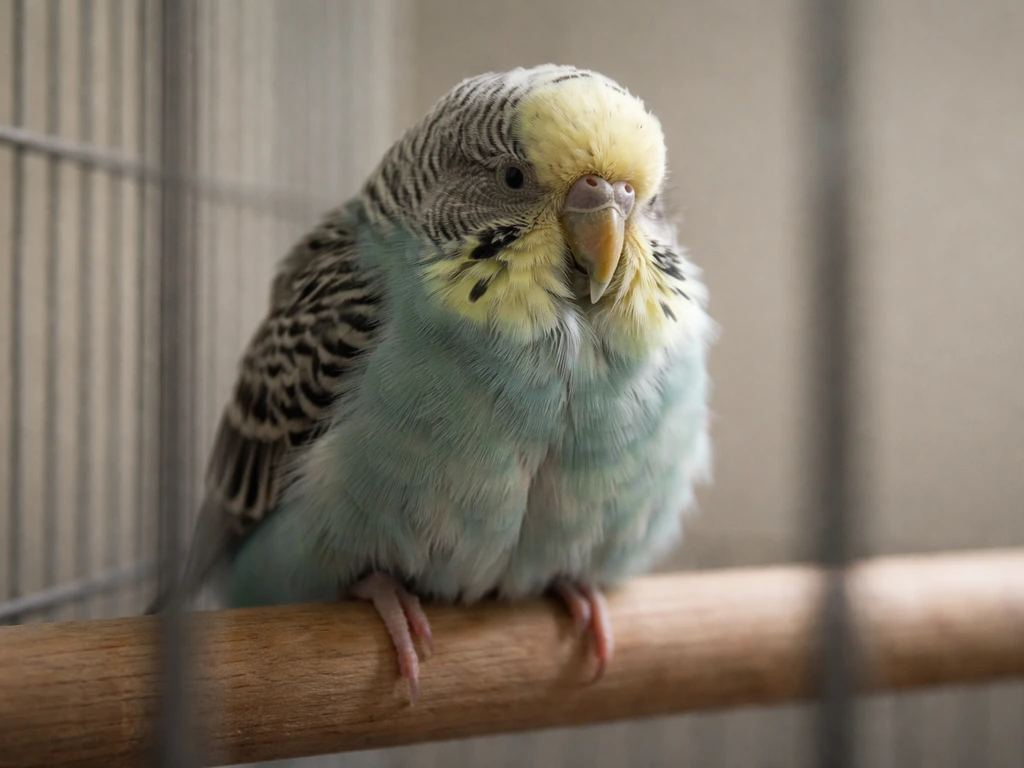
If your lovebird is sitting fluffed up at the bottom of the cage, breathing with its tail bobbing, or hasn't touched food all day, those are genuine red flags that need attention today. Lovebirds are prey animals, which means they hide illness until they really can't anymore. By the time symptoms are obvious to you, your bird has often been unwell for longer than you realize. Knowing which signs point to respiratory trouble, gut issues, or neurologic problems helps you act faster and give your vet the information they actually need.
Lovebird Sick Symptoms: Signs, Causes, and What to Do Now

Marcus Webb
20 May 2026
Quick triage checklist: is your lovebird actually sick?
Run through this list right now before you do anything else. If you check off one or more of these, your bird needs closer attention, and some of them mean a vet call today.
- Sitting fluffed up or hunched on the perch (or worse, on the cage floor)
- Tail bobbing up and down with each breath
- Open-mouth breathing at rest (not just after exercise)
- Any wheezing, clicking, or rattling sounds while breathing
- Droppings have changed color, consistency, or smell in the last 24 to 48 hours
- Not eating or drinking, or noticeably eating far less than normal
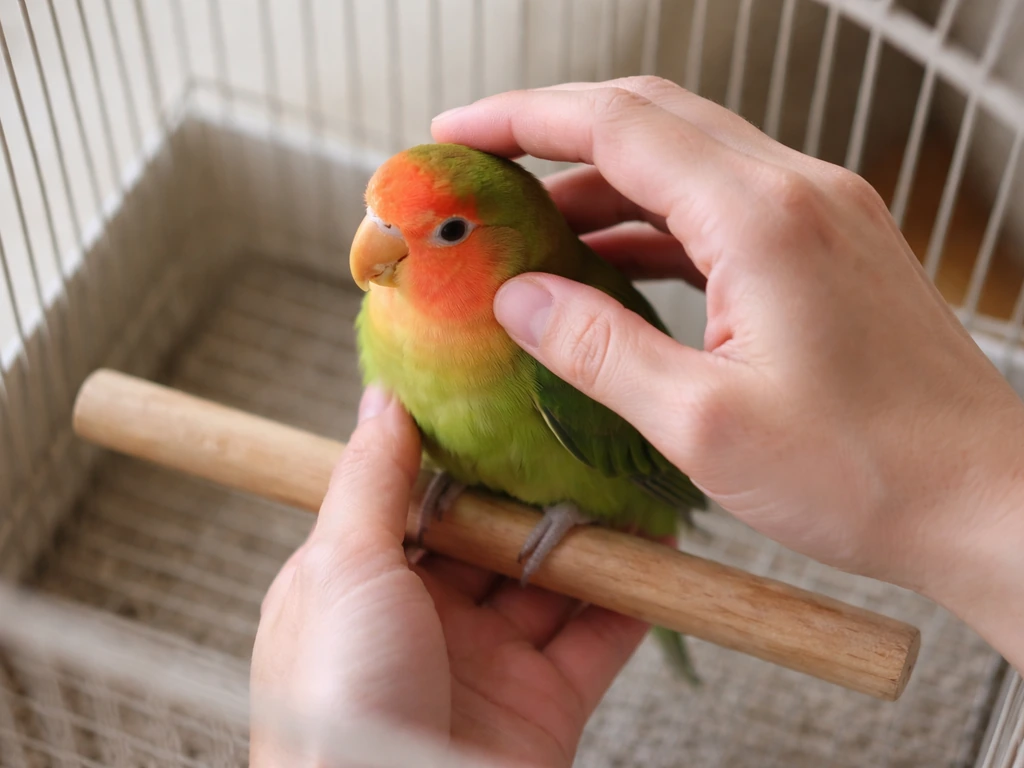
- Weight loss you can feel when you gently hold the bird (keel bone feels sharp)
- Eyes partially closed, crusty, or swollen
- Discharge from the nostrils or eyes
- Feathers look ruffled and the bird hasn't preened today
- Losing balance, tilting the head, or showing tremors
- Unusually quiet, not responding to you or cage-mates the way it normally does
One or two of these symptoms together is enough to take seriously. Three or more, especially if any involve breathing or weakness, means call an avian vet now rather than waiting to see if it improves.
Respiratory illness signs and breathing problems
Respiratory problems are the most urgent category of lovebird sickness. Birds breathe very differently from mammals, and their respiratory system has almost no reserve. When something goes wrong, it goes wrong fast.
The clearest sign of breathing trouble is tail bobbing. Watch your bird from the side. If you see the tail moving noticeably up and down with each breath, the bird is working harder than normal just to breathe. A healthy lovebird's tail should be relatively still at rest. Tail bobbing means the muscles around the chest and abdomen are recruiting extra effort, which is a warning sign.
Open-mouth breathing at rest is even more serious. Lovebirds sometimes pant briefly after flying or playing hard, but a bird sitting still and breathing through an open beak is in distress. This is a same-day emergency. Wheezing, clicking, or any crackling sound during breathing also falls into the urgent category.
Other respiratory signs to watch for include: nasal discharge (clear or colored mucus around the nostrils), sneezing more than a few times a day, a voice that sounds different or raspy, and fluffed posture combined with closed eyes. Respiratory infections in lovebirds can be bacterial, fungal (like Aspergillosis), or viral, and some are contagious to other birds in the home. Isolation matters here, which is covered below.
Digestion and droppings: what changed and what it means
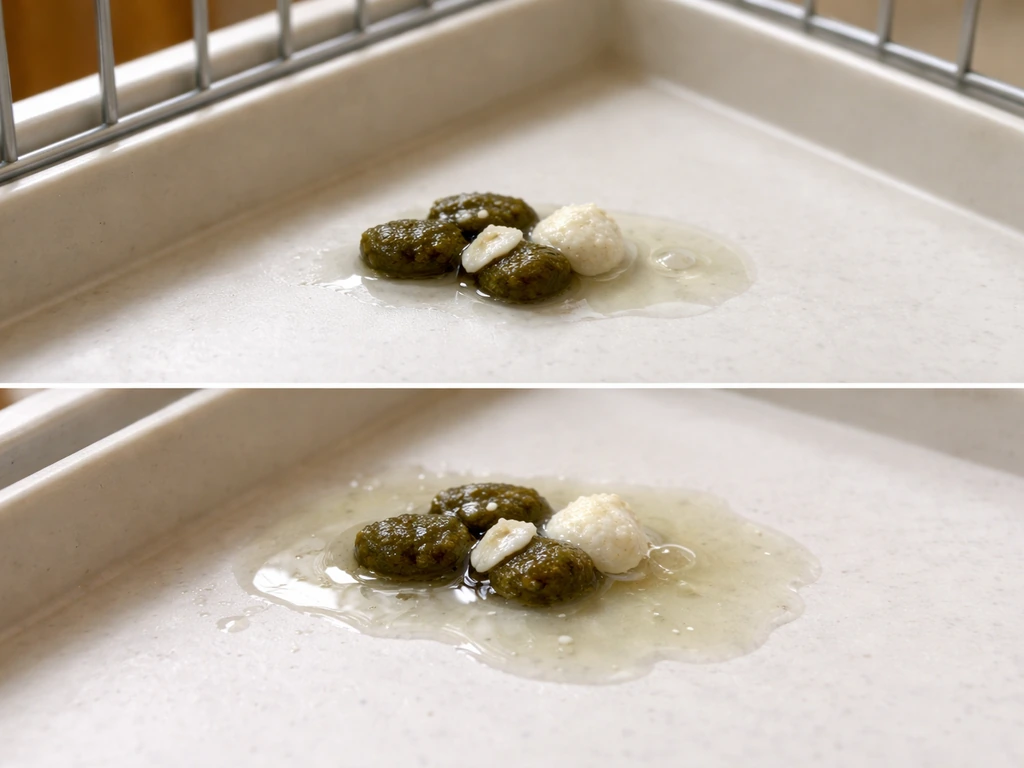
Lovebird droppings have three distinct parts: a dark green or brownish solid portion (the feces), a white or cream chalky part (the urates), and a small amount of clear liquid (the urine). Changes in any of these three parts are useful diagnostic information.
| What you see in the droppings | What it might indicate |
|---|---|
| Watery or very loose droppings (diarrhea) | Infection, dietary change, stress, or parasites |
| Droppings that are all liquid with almost no solid | Severe GI upset, possible kidney involvement |
| Bright green or lime-colored urates | Liver disease, especially if persistent |
| Red or black-tinged feces | Possible blood in the GI tract, urgent |
| Chalky white droppings only, very little solid | Poor food intake or kidney issue |
| Droppings stuck around the vent (dirty vent feathers) | Diarrhea, possible infection or parasites |
| Normal color but much smaller volume | Reduced food intake, possible illness or blockage |
Changes in appetite are just as telling. A lovebird that ignores its favorite foods, sits near the food bowl but doesn't eat, or seems interested but drops food after picking it up may have a painful crop, a beak problem, or nausea from systemic illness. Weight loss in a small bird happens quickly. If you can feel the keel bone (the ridge running down the center of the chest) very sharply with almost no muscle on either side, the bird has already lost significant body condition.
Diarrhea in lovebirds is worth paying attention to beyond just the droppings. If you also notice the bird is drinking more water than usual, that can point toward kidney problems or diabetes-like conditions. If the bird is drinking less and droppings are scanty, dehydration becomes a concern quickly in a small bird. Diarrhea in birds can also become contagious to cage-mates depending on the cause, similar to concerns covered in broader discussions of birds with gastrointestinal symptoms.
Behavior, posture, and neurologic warning signs
Behavioral changes are often the first thing owners notice, but they're easy to dismiss. A lovebird that's unusually quiet, not flying around its cage, or not interested in interacting with you is telling you something. These birds are naturally vocal and active, so stillness is a symptom.
Fluffed feathers with a hunched posture is one of the most classic sick-bird signs. The bird is trying to conserve heat because illness is taxing its body. If the bird is also sitting low on the perch or has moved to the cage floor, that's a progression of the same problem and generally means things have gotten worse.
Neurologic signs are their own category and they can look alarming. Head tilting, circling, falling off the perch, tremors, or seizure-like movements can come from several causes: bacterial or viral infections affecting the brain, severe nutritional deficiencies (especially vitamin A or calcium), heavy metal toxicity (zinc or lead from cage hardware), or inner ear problems. These signs need veterinary attention urgently because the underlying cause matters a great deal for treatment.
A lovebird that can't grip the perch properly, keeps losing its footing, or suddenly seems uncoordinated should be moved to a padded, low-to-the-ground setup immediately to prevent injury from falling, and then seen by a vet the same day if at all possible.
Feathers, skin, eyes, and discharge: what to look at closely
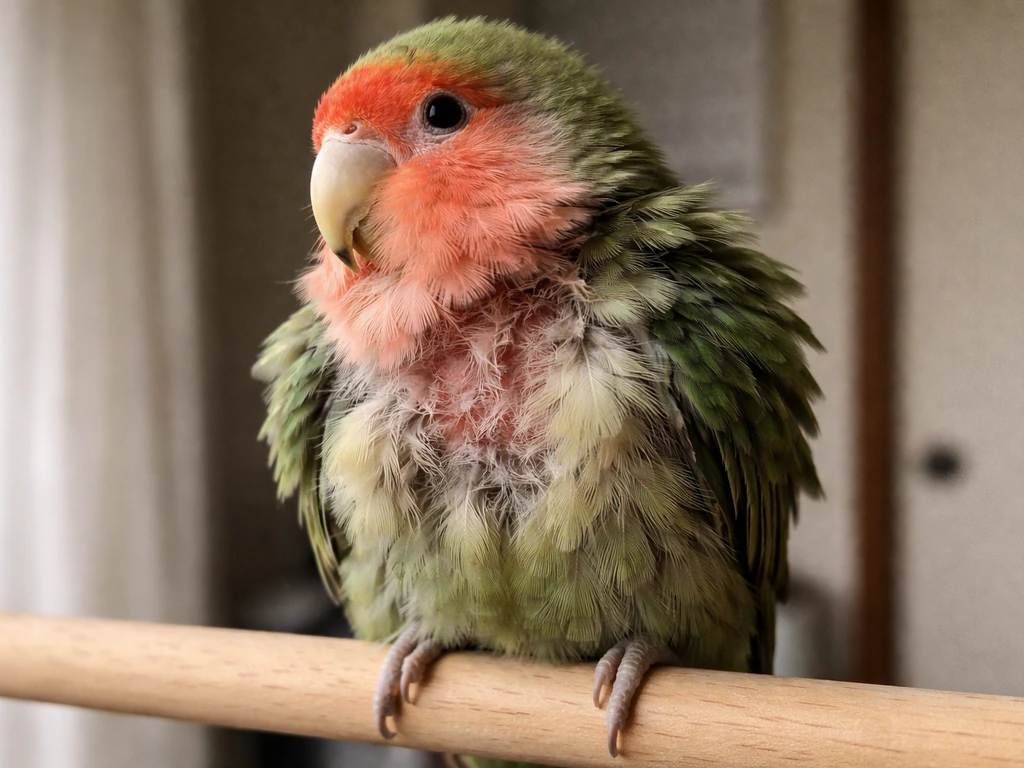
A healthy lovebird has tight, smooth feathers, clear bright eyes, and clean dry nostrils. Any deviation from that baseline is worth investigating.
Feathers and skin
Ruffled or fluffed feathers that stay that way all day are a general illness signal, not a specific diagnosis. But feathers that look ragged, have stress bars (thin horizontal lines across a feather), or are growing in abnormally can point toward chronic malnutrition, psittacine beak and feather disease (PBFD), or ongoing stress. Bald patches or over-preening suggest feather-destructive behavior, which can be behavioral or related to skin irritation from mites or bacterial skin infections. Look carefully at the skin under feathers around the vent and the back of the neck. Any redness, scaling, or visible parasites need veterinary attention.
Eyes and discharge
Eye discharge, swelling around one or both eyes, or eyes that look cloudy or partially closed can indicate conjunctivitis, or they can be a window into something bigger. Eye symptoms in birds are frequently linked to upper respiratory infections, meaning what looks like an eye problem may actually involve the sinuses, nasal passages, or even deeper respiratory structures. Any colored discharge from the eyes or nostrils (yellow, green, or bloody) is more urgent than clear discharge, though even clear mucus in excess deserves a look.
The beak and cere (the fleshy area above the beak where the nostrils sit) are also worth inspecting. A crusty or discolored cere, an overgrown beak, or soft spots in the beak structure can all point to nutritional deficiencies or infections like scaly face mite (Knemidocoptes), which is treatable but needs proper diagnosis.
What to do today: safe home checks, isolation, and supportive care
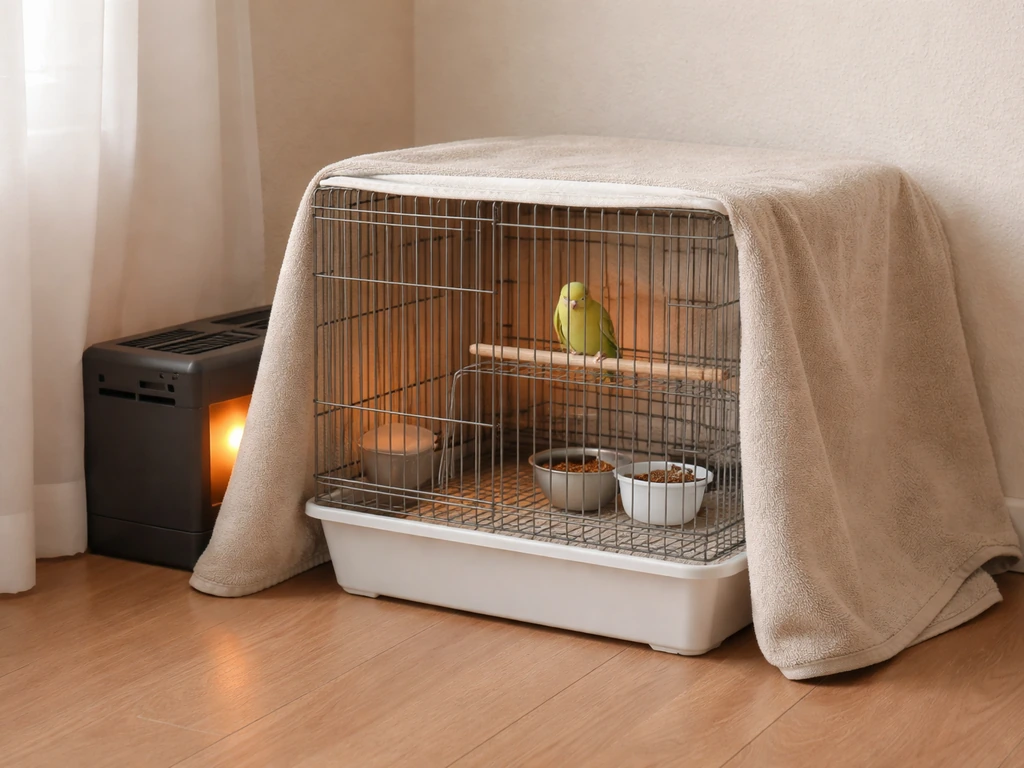
While you're figuring out your next steps, there are a few practical things you can do right now that won't harm your bird and may help.
Isolate the sick bird
If you have multiple birds, separate the sick one immediately. Use a separate cage in a different room if possible. Many avian illnesses are contagious between birds, and even if the cause turns out to be non-infectious, isolation reduces stress on the sick bird and gives you a cleaner picture of its droppings and food intake. Wash your hands between handling the sick bird and your other birds, and use separate food and water dishes.
Provide warmth
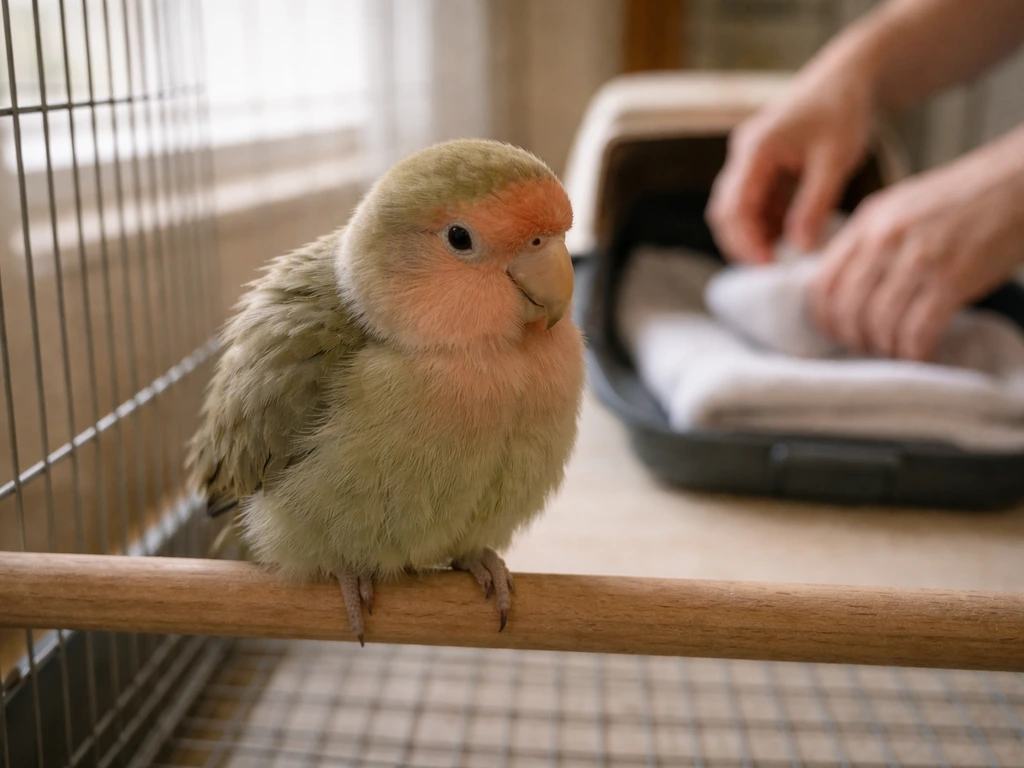
Sick birds lose body heat quickly. Moving the bird to a warmer environment (around 85 to 90 degrees Fahrenheit for a visibly ill lovebird) can make a meaningful difference while you arrange veterinary care. A hospital cage setup using a heat lamp or heating pad on one side of the cage, with the other side left cooler so the bird can self-regulate, works well. Don't wrap the bird tightly or put it somewhere with no ventilation.
Check food and water access
Make sure fresh water is accessible and easy to reach. If the bird is weak or sitting low, lower the perches or place food and water dishes at the cage floor. Don't force-feed or try to give oral medications without vet guidance. If the bird is alert enough to eat on its own, offer easily digestible foods it already likes. Avoid introducing new foods right now.
Observe and document
Start noting what you're seeing: when symptoms started, what the droppings look like, how much food has been eaten, and any changes in behavior. Take a few photos or a short video of the breathing pattern, especially if you notice tail bobbing or open-mouth breathing. VCA Animal Hospitals also lists labored or open-mouth breathing and tail bobbing as general signs of a sick pet bird tail bobbing or open-mouth breathing. Collect a droppings sample in a clean container or bag if you can, since your vet may want to test it. This documentation makes the vet visit faster and more productive.
When it's urgent: thresholds that mean go now
Some symptoms mean you should not wait for a regular appointment. If your lovebird’s droppings look brown and you suspect it may be sick, treat it as a sign to monitor closely and contact a vet promptly is brown bird sick. Call an avian vet or emergency exotic animal clinic right away if your lovebird shows any of the following. If your duo lovebird or a pair suddenly seems sick, the timing and symptoms can help you narrow down why it might be ill and whether another bird is involved.
- Open-mouth breathing at rest, or any breathing that seems labored or strained
- Tail bobbing visible with every breath
- Wheezing, clicking, or crackling sounds while breathing
- Complete inability to perch or stay upright
- Seizures, tremors, or collapse
- Bleeding from any part of the body that doesn't stop quickly
- Severe or bloody diarrhea with weakness
- No droppings at all for 12 or more hours
- Completely unresponsive or barely reacting to sound or touch
- Signs of egg binding in a female (straining, swollen abdomen, weakness)
Even mild breathing changes in a small bird deserve urgent veterinary attention. Lovebirds do not have the physiological buffer that larger animals do. What looks like mild distress can deteriorate within hours, and waiting overnight is often too long when respiratory symptoms are involved.
When you call the vet, tell them the bird's approximate age, how long symptoms have started, the specific signs you're seeing (especially breathing rate and posture), and whether you have other birds at home. Bring your droppings sample, any photos or videos you took, and a list of everything in the bird's environment: cage materials, recent food changes, cleaning products used nearby, or any new items in the room. Heavy metal toxicity from cage hardware is more common than people realize, and the vet will want to know what your bird has been in contact with.
Finding an avian-specialist vet before you have an emergency is genuinely useful. Not all vets are trained in bird medicine, and in a crisis, you don't want to be searching from scratch. If you haven't already, locate your nearest avian or exotic animal vet and save the number. That single step can make a real difference on a day like today.
FAQ
How fast can lovebird symptoms get worse, especially with breathing problems?
In lovebirds, respiratory signs can shift from “mildly off” to critical within hours. If you notice tail bobbing, open-mouth breathing at rest, clicking or wheezing, treat it as same-day urgent even if your bird still reacts to you.
What should I consider a true “tail bobbing” breathing sign versus normal movement?
Tail bobbing should be noticeable from the side at rest, synchronized with breaths, and clearly more than the slight posture adjustments a bird may make while settling. If the tail moves up and down every breath, assume breathing effort is increased.
My lovebird is droopy and fluffed but breathing looks normal. Does that still mean emergency?
Yes, fluffed or hunched posture with low energy can signal illness even if the respiratory signs seem subtle. If the bird stays fluffed all day, has reduced movement, or refuses food, contact an avian vet promptly, and do not wait overnight.
Are clear droppings or watery poop automatically “diarrhea” and contagious?
Not always. Droppings changes should be judged by the full pattern (feces color, urates, and urine) and whether the stool is actually looser than normal and increasing in frequency. Contagiousness depends on the cause, so isolate the bird and collect a droppings sample for testing if possible.
What droppings changes are most concerning in a lovebird?
Urgent red flags include very abnormal color, extreme reduction in droppings (scanty output), blood, and repeated watery or dramatically different texture, especially alongside thirst changes. If the urine portion becomes excessive or the bird is drinking much more or much less, it raises concern beyond simple gut upset.
My lovebird won’t eat, but it drinks. Should I force-feed or try to syringe water?
Avoid force-feeding or giving fluids by syringe without vet guidance. In a sick bird, swallowing problems and aspiration risk exist, and the right approach depends on the underlying cause. Instead, lower food and water to the floor and call an avian vet for next-step instructions.
How can I tell whether eye symptoms are “just conjunctivitis” or part of a respiratory problem?
If you see colored discharge from the eyes or nostrils, or if breathing signs like raspy voice, sneezing, or tail bobbing are also present, the eye issue may be linked to upper respiratory infection or sinus involvement. That combination generally warrants same-day veterinary evaluation.
What does cloudy or partially closed eyes mean for urgency?
Partially closed eyes, cloudiness, or swelling around one or both eyes can indicate more than mild irritation, especially if the bird is also fluffed or acting weak. If discharge is colored (yellow, green, or bloody) or the bird is reluctant to move, treat it as urgent.
Is a beak that looks overgrown or crusty always a mite problem?
Not always. While scaly face mite can cause cere or beak crusting and skin changes, overgrowth, softness, or structural spots can also relate to nutritional issues or infections. Because treatment differs, have an avian vet identify the cause before applying home remedies.
When should I suspect neurological problems are happening now, not “just tiredness”?
Consider it neurological and urgent if you see head tilting, circling, falling off the perch, tremors, or seizure-like movements, especially if onset is sudden. These signs can be linked to serious causes like nutritional deficiencies, infections, toxicity, or inner ear disease, so same-day vet care is appropriate.
My lovebird keeps slipping on the perch, what immediate safety step should I take?
Move the bird to a padded, low setup right away, with the lowest possible perching or a safe floor area to reduce fall injury. Then arrange same-day vet assessment if at all possible, since balance issues often reflect an underlying illness.
Can I treat a sick lovebird by changing temperature or cleaning the cage more?
Warmth and hygiene can help support a sick bird, but they are not treatment for the cause. Use a warmer hospital setup while you arrange care, and avoid using new cleaners, aerosols, or fragrances in the room, because fumes can worsen respiratory distress.
What documentation helps the vet most when lovebird sickness starts?
The most useful details are symptom start time, exact signs you observed (especially breathing posture and whether the beak is open at rest), appetite and water changes, and a clear droppings description by part (feces, urates, urine). Photos or a short breathing video can be very helpful, especially for tail bobbing.
If I have another bird in the home, do I need to isolate immediately even if symptoms are mild?
Yes, isolate promptly. Many avian illnesses spread even before symptoms look severe, and isolation also reduces stress and makes it easier to track droppings and food intake in the right bird.
How should I handle heat lamp or heating pad safety for an ill lovebird?
Provide heat on one side so the bird can self-regulate, aim for warm but ventilated conditions, and do not wrap the bird tightly. Avoid overheating, and monitor behavior, since a bird that cannot move well might get too close to a hot surface.
Does “brown bird” droppings always mean the bird is sick, and when should I call?
Dark brown droppings can be a sign of illness, especially when it is paired with decreased appetite, fluffed posture, weakness, or behavior change. If the droppings look abnormal and you cannot quickly identify a benign reason, contact an avian vet promptly rather than waiting for the next routine check.
Next Article
What Do You Call a Sick Bird? Signs and Next Steps
Everyday names for a sick bird plus quick at-home symptom triage and when to seek urgent avian vet care.