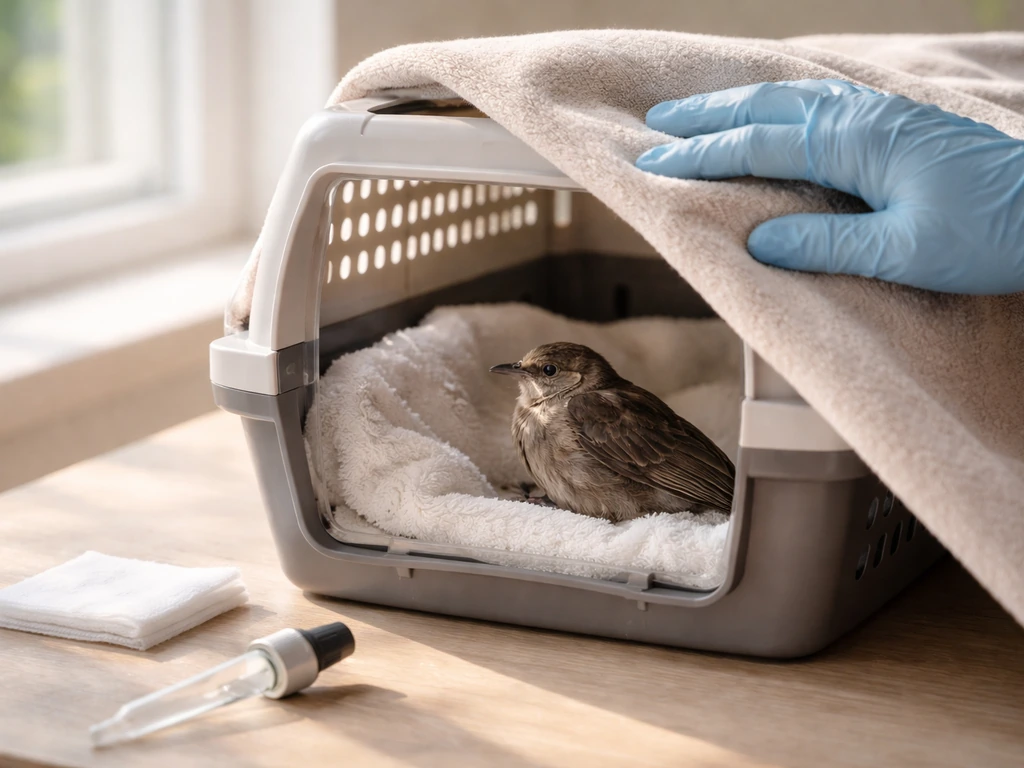
When two birds in the same home or cage get sick around the same time, it almost always points to a shared cause: an infectious illness spreading between them, a toxic or environmental problem affecting both, or a nutritional gap they're both exposed to. If you are seeing lovebird sick symptoms in two birds at once, it is especially important to consider contagious illness, shared exposure, or a sudden change in their environment love bird sick symptoms. The good news is that pattern itself is a clue, and working through it systematically will get you to an answer faster than guessing.
Why Is the Duo Bird Sick? Triage Steps for Two Ill Birds

Marcus Webb
15 May 2026
What 'duo bird' actually means here
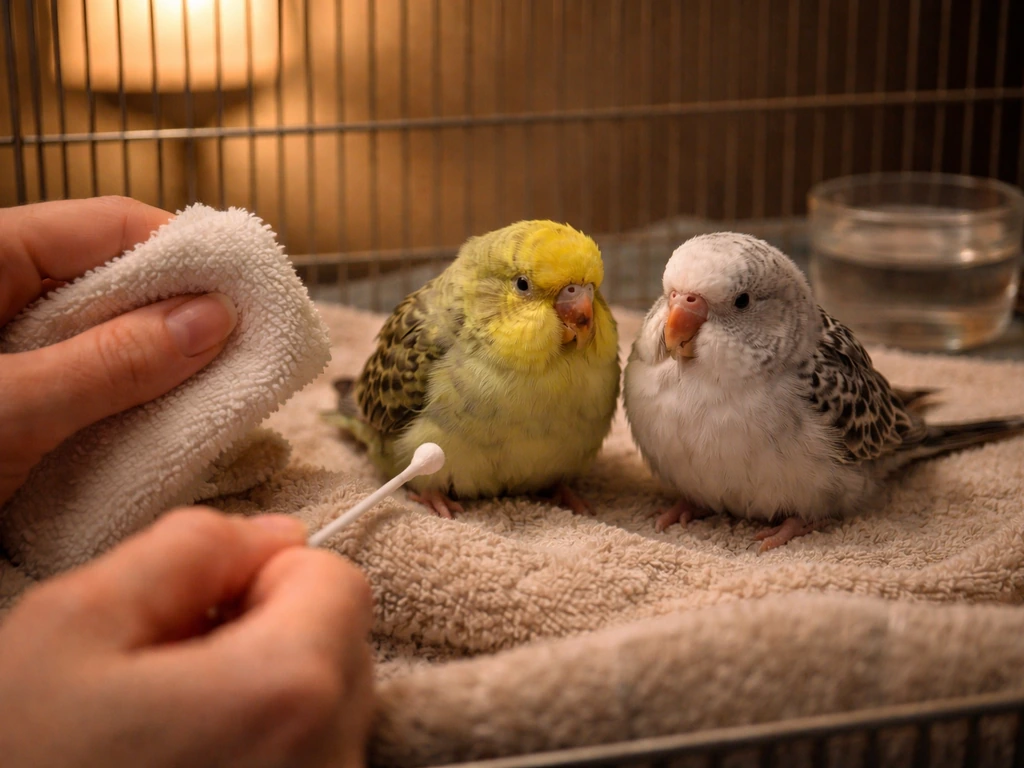
The phrase 'duo bird' usually refers to a pair of pet birds kept together: two budgies sharing a cage, a bonded pair of lovebirds, two cockatiels who live side by side, or any companion birds housed in the same setup. But it can also mean two birds from the same clutch or litter, sibling birds kept nearby, or any situation where two birds are showing similar symptoms at the same time.
The reason it matters that both birds are sick is significant. A single sick bird could have an isolated issue: an injury, a one-off dietary problem, a stress reaction. But two birds showing illness together strongly suggests the cause is environmental or contagious. Shared air, shared water, shared food, or direct contact between birds all become suspects immediately. This changes your triage approach from 'what's wrong with this one bird?' to 'what are both birds exposed to?'
What to do right now today
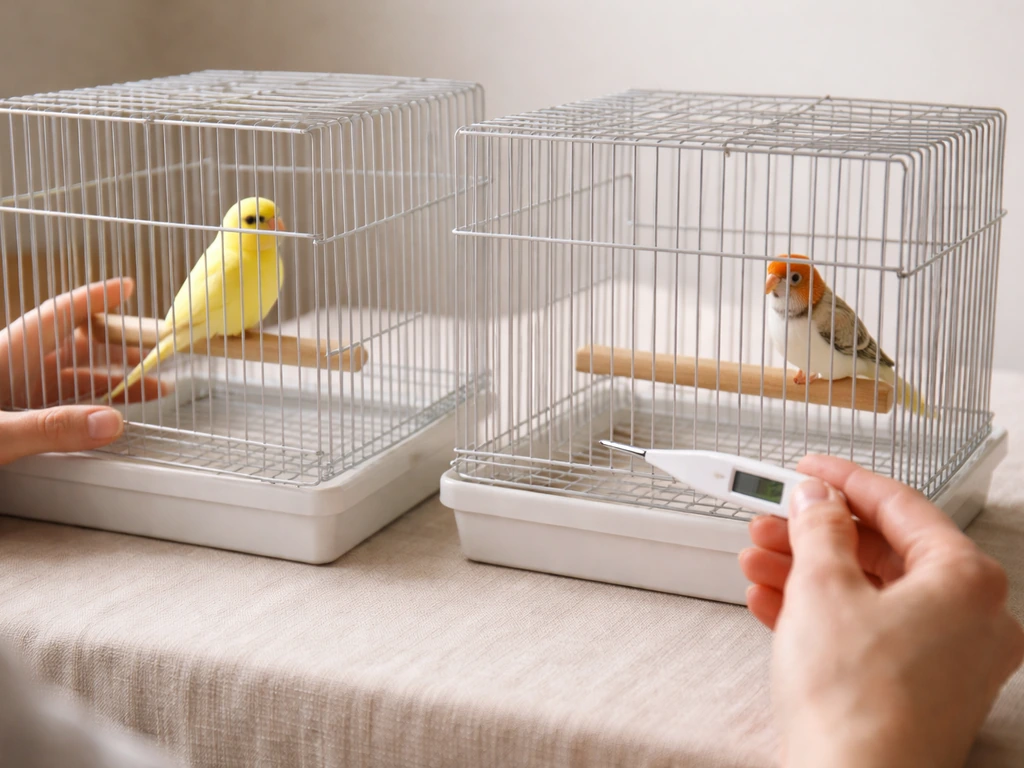
Before you do anything else, scan both birds for these red flags. If you see any of them, this is a same-day or emergency vet situation, not a wait-and-see moment.
- Open-mouth breathing, tail bobbing with each breath, or audible clicking/wheezing sounds
- A bird sitting on the cage floor and not attempting to perch
- Complete refusal to eat or drink for more than 12 hours
- Seizures, loss of balance, falling off the perch repeatedly
- Significant bleeding or an obvious physical injury
- Severe lethargy where the bird doesn't respond to gentle interaction
- Eyes completely closed in a bird that is usually alert
If neither bird is in immediate danger, here are your safe first steps right now. Move both birds to a warm, quiet space away from drafts, loud noise, and other pets. If you notice concerning signs, Merck Veterinary Manual advises first making the environment calm and quiet before removing the bird from the cage and getting veterinary care [make the environment calm and quiet before removing the bird from the cage](https://www. merckvetmanual.
com/bird-owners/routine-care-and-safety-of-birds/illness-in-pet-birds). The target ambient temperature for a sick bird is 80 to 85°F (roughly 27 to 29°C), per guidance from avian veterinary organizations. A heating pad set on low, placed under one side of the cage only (so the bird can move away from it), works well. [Avoid heat lamps directly on the bird since they can burn skin and dry out mucous membranes.
](https://www. lafeber. com/vet/wp-content/uploads/Avian-First-Aid. pdf)
If you have other birds in your home, separate the sick pair from healthy birds immediately. Use a different room if possible, and wash your hands thoroughly before and after handling either group. This simple step can stop an infectious illness from spreading to the rest of your flock while you figure out what's happening.
Symptom checklist: what to look for in both birds
One of the most useful things you can do before calling a vet is to observe both birds carefully and note every symptom you see. Birds are known to mask signs of illness until the disease is fairly advanced, so even subtle changes are worth writing down. Here's what to check across five categories. Diarrhea can be part of a broader illness pattern in birds, so watch for dehydration and other GI signs alongside the respiratory or environmental clues bird has diarrhea.
Respiratory signs
- Tail bobbing or pumping with each breath (a sign of labored breathing)
- Open-mouth breathing or panting when the bird isn't hot or stressed
- Clicking, wheezing, crackling, or rattling sounds from the chest or airway
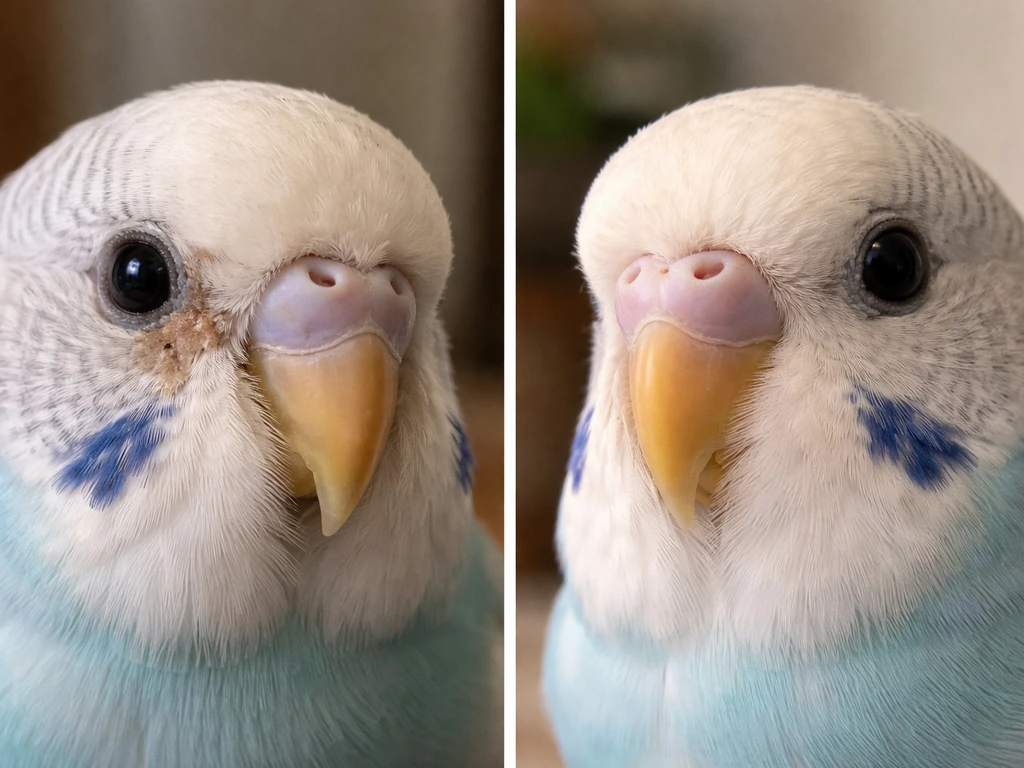
- Nasal discharge: clear, cloudy, or crusty around the nostrils
- Sneezing repeatedly or more than occasional single sneezes
- Voice changes: hoarseness, squeaking, or loss of vocalization in a bird that normally talks or sings
Eyes and nose
- Discharge from one or both eyes: watery, cloudy, or crusty
- Swelling or puffiness around the eye area
- Squinting or keeping one or both eyes partially closed
- Staining or matting of feathers around the face from discharge
- Nostrils that look plugged, crusty, or misshapen
Appetite and behavior
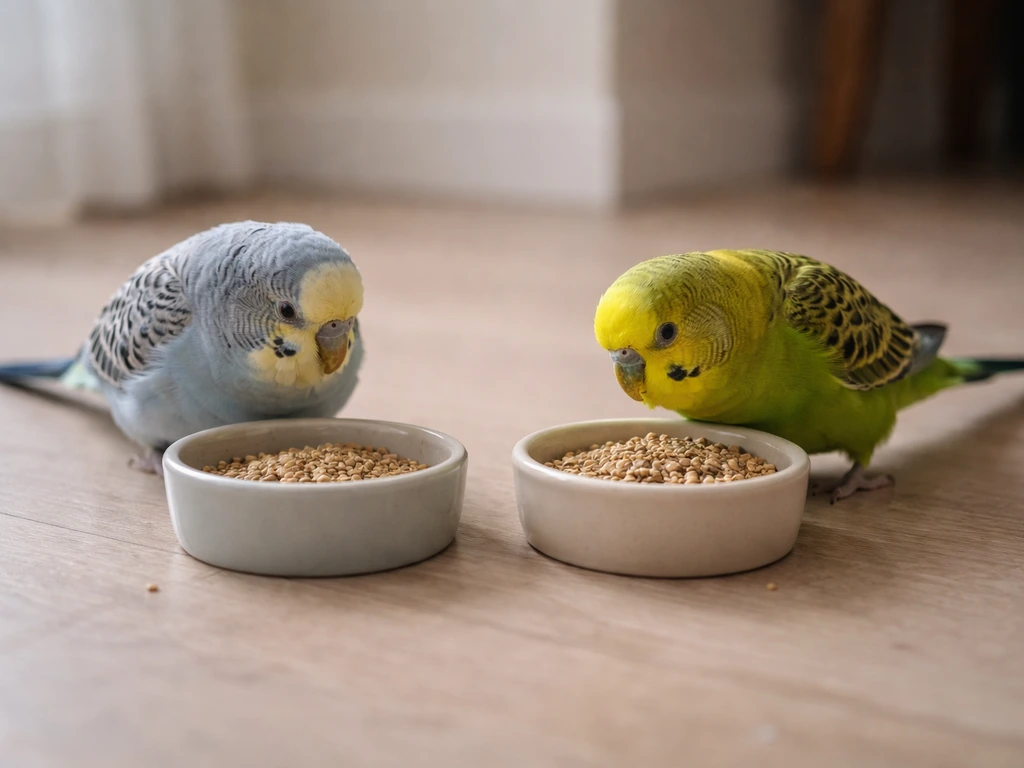
- Not eating or significantly reduced food intake
- Reduced activity, fluffed feathers, or hunched posture
- Sleeping more than usual or sleeping during daylight hours when the bird is normally active
- Loss of interest in toys, treats, or interaction
- Unusual aggression or withdrawal in a normally social bird
Droppings
- Diarrhea or very watery, unformed droppings (the liquid part of normal droppings is clear urine plus white/cream urates; loose green-brown feces is abnormal)
- Droppings that are completely black, bright red, or tar-like
- Significant decrease in the number of droppings (possible obstruction or anorexia)
- Droppings stuck around the vent area
Skin and feathers
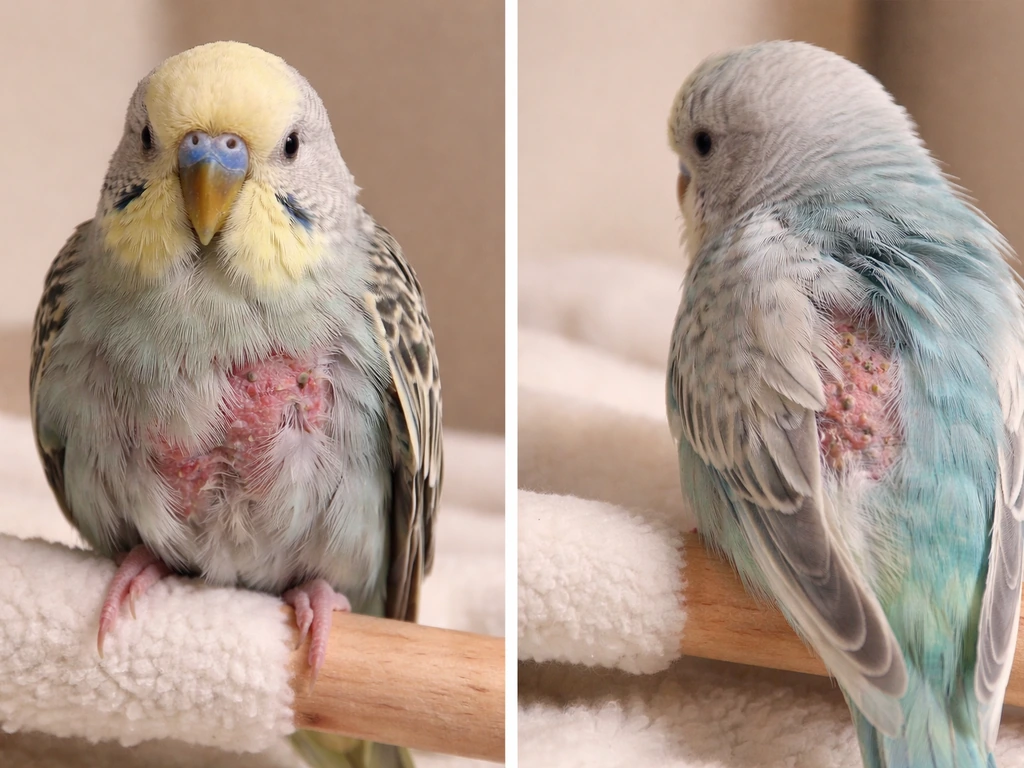
- Feathers that look ruffled, dull, or not sitting flat on the body
- Feather loss in patches or abnormal molting pattern
- Visible skin irritation, scabs, or unusual growths
- Crusty deposits on feet, beak, or around the cere (the fleshy area above the beak)
Why both birds are sick: the most likely causes
When two birds fall ill together, there are three main categories of cause. Knowing which category fits your situation tells you how urgently you need a vet and what questions to ask.
Infectious diseases
These spread directly between birds through respiratory droplets, shared food and water, direct contact, or contaminated surfaces. Common culprits include bacterial infections (like Chlamydiosis, also called psittacosis, or Mycoplasma), viral illnesses (Avian Paramyxovirus, Polyomavirus), and fungal infections (Aspergillosis, which affects the respiratory tract). If both birds are showing respiratory symptoms and live or feed together, an infectious cause is high on the list. Birds newly acquired from a pet store or show setting are at elevated risk for bringing primary infectious disease into the home.
Environmental and toxic causes
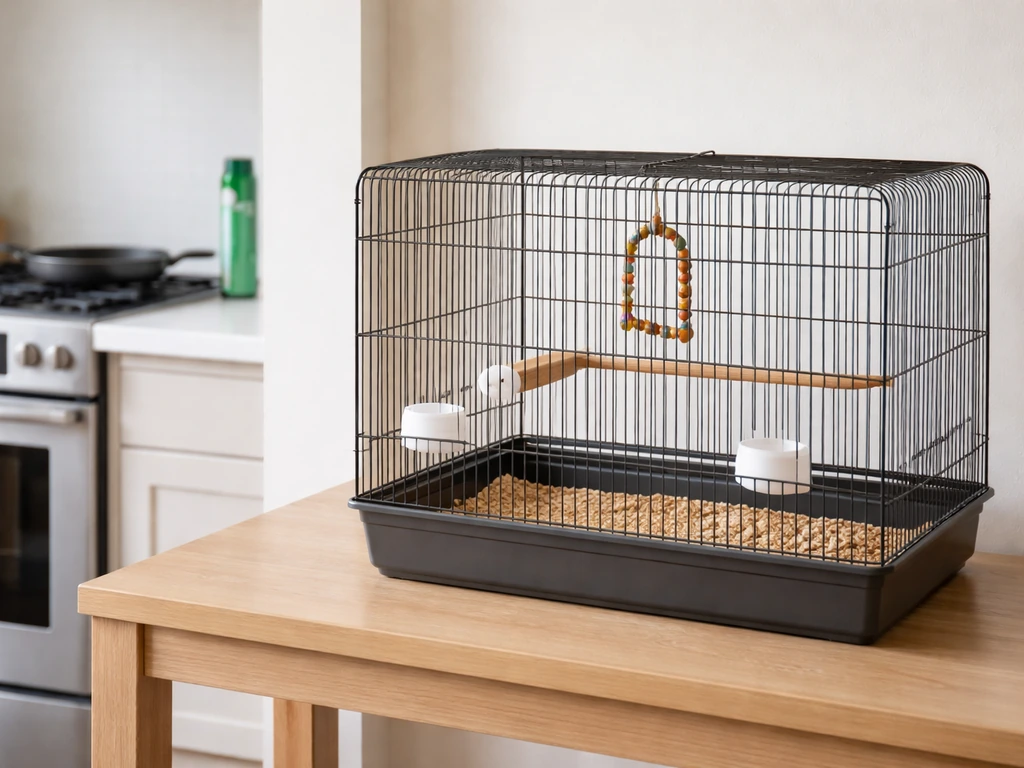
Birds have extremely sensitive respiratory tracts, and many common household products can make them very sick very quickly. Non-stick cookware (PTFE/Teflon) overheated above about 500°F releases fumes that can kill a bird within minutes. Scented candles, aerosol sprays, air fresheners, cleaning product fumes, perfumes, new paint, and cigarette smoke can all cause respiratory distress. If both birds got sick suddenly after something in the home changed (cooking, cleaning, a new product), toxic or environmental exposure should be your first thought, not an infection.
Nutritional and husbandry problems
Two birds eating the same poor diet will develop the same deficiencies over time. Vitamin A deficiency is especially common in birds fed only seeds, and it directly compromises immune function and mucous membrane health, making birds more susceptible to respiratory and other infections. Improper temperature (too cold, direct drafts), incorrect humidity, or chronic stress from overcrowding can also weaken both birds simultaneously.
| Cause Category | Typical Onset | Key Clue | Urgency |
|---|---|---|---|
| Infectious (bacterial/viral/fungal) | Days to weeks, gradual | Respiratory symptoms in both birds; recent new bird or show exposure | High: vet within 24 hours |
| Toxic/environmental fume | Sudden, within hours | Both birds declined rapidly after a household change | Emergency: call vet immediately |
| Nutritional/husbandry | Weeks to months, slow | Both birds on seed-only diet; feather/skin signs; recurring illness | Moderate: vet within a few days |
| Parasites (mites, worms) | Gradual | Skin/feather changes, weight loss, vent irritation | Moderate: vet this week |
Recent changes to investigate in your home and cage
Think back over the past two to four weeks and go through this list. The more 'yes' answers you get, the closer you are to pinpointing the cause.
- Did you introduce a new bird to the home or flock without a quarantine period?
- Did your birds attend a bird fair, show, or pet store, or did a visitor bring a bird to your home?
- Did you use any new cleaning products, air fresheners, scented candles, or aerosol sprays near the birds?
- Was non-stick cookware used at high heat in the kitchen?
- Did you recently repaint, renovate, or introduce new furniture or cage accessories?
- Has the room temperature dropped significantly, or are the birds positioned near a window, vent, or air conditioning unit?
- Has the diet changed, or have the birds been on an all-seed diet for an extended period?
- Have the birds been stressed by a new pet, a move, a change in routine, or construction noise?
- Has cage hygiene slipped: water not changed daily, food dishes not cleaned regularly, or droppings built up on the cage floor?
When to call an avian vet and what to expect
Be honest with yourself here: a sick bird rarely gets better on its own, and two sick birds together is a more serious situation than one. In many care guides, the phrase “what do you call a sick bird” is treated as a playful question that points you back to evaluating symptoms and possible causes when a bird is unwell. Avian first-aid guidance is clear that first-aid measures at home are not a substitute for professional veterinary care. If you're seeing any of the red-flag symptoms listed earlier, call an avian vet or emergency animal hospital right now.
Even if the birds seem stable, plan to see a vet within 24 to 48 hours if both birds have respiratory symptoms, stopped eating, or have abnormal droppings. An avian vet (not a general small-animal vet if you can help it) will have the training to assess birds properly.
When you call or arrive, bring as much information as possible. The vet will want to know: when symptoms started in each bird, exactly what symptoms you've noticed, what the birds eat, any recent changes in the home, whether any new birds were introduced, and what products you use around the house. Take photos or short video clips of the birds' breathing and droppings before the appointment. That footage is genuinely useful for a vet watching for labored breathing patterns.
Depending on what the vet finds, typical diagnostic steps may include a physical exam, crop swab or choanal swab for bacterial or fungal culture, blood work (CBC and chemistry panel), fecal examination for parasites, and sometimes PCR testing for specific viruses like Chlamydia or Avian Bornavirus. Most basic test results come back within a few days for cultures; PCR tests may take a week or slightly longer. The vet may start empirical treatment (for example, supportive fluids, anti-nausea medication, or a broad-spectrum antibiotic if bacterial infection is strongly suspected) while waiting for results.
Safe supportive care while you wait
Here is what you can safely do at home between now and the vet visit. These steps won't treat the underlying cause, but they can keep both birds stable and comfortable.
Things to do
- Keep both birds warm: 80 to 85°F ambient temperature, with the heating source on one side so they can self-regulate
- Keep the environment quiet and low-stress: dim lighting, away from loud TVs, other pets, and children
- Ensure fresh water is available at all times and change it at least twice daily
- Offer easy-to-eat foods: soft fruits, cooked grains, or a small amount of whatever they normally eat with enthusiasm
- Clean the cage bottom and food/water dishes daily to reduce bacterial load
- Separate sick birds from healthy birds in your home immediately
Things to avoid
- Do not give human medications, over-the-counter bird treatments, or antibiotics from a previous prescription without vet guidance
- Do not use essential oils, diffusers, or herbal remedies near sick birds: many are toxic to birds
- Avoid spraying anything near the birds: cleaners, air fresheners, perfumes
- Do not forcibly give fluids by mouth unless a vet has shown you how: aspiration is a real risk
- Do not try to pull out any abnormal-looking feather if it appears to be a blood feather (a feather with a blood supply at its base): this requires veterinary guidance
- Do not delay calling a vet because the birds 'seem okay for now': birds mask illness well and can decline rapidly
Preventing this from happening again
Once both birds are treated and recovering, putting a few basic practices in place will significantly reduce the odds of this repeating.
Quarantine any new bird
Any new bird entering your home should be quarantined in a separate room (not just a separate cage in the same room) for a minimum of 30 days, ideally 45. During that time, handle the new bird last, wash your hands between groups, and have the new bird seen by an avian vet before introducing it to your existing birds. This one step prevents most infectious disease introductions.
Hygiene and cleaning schedule
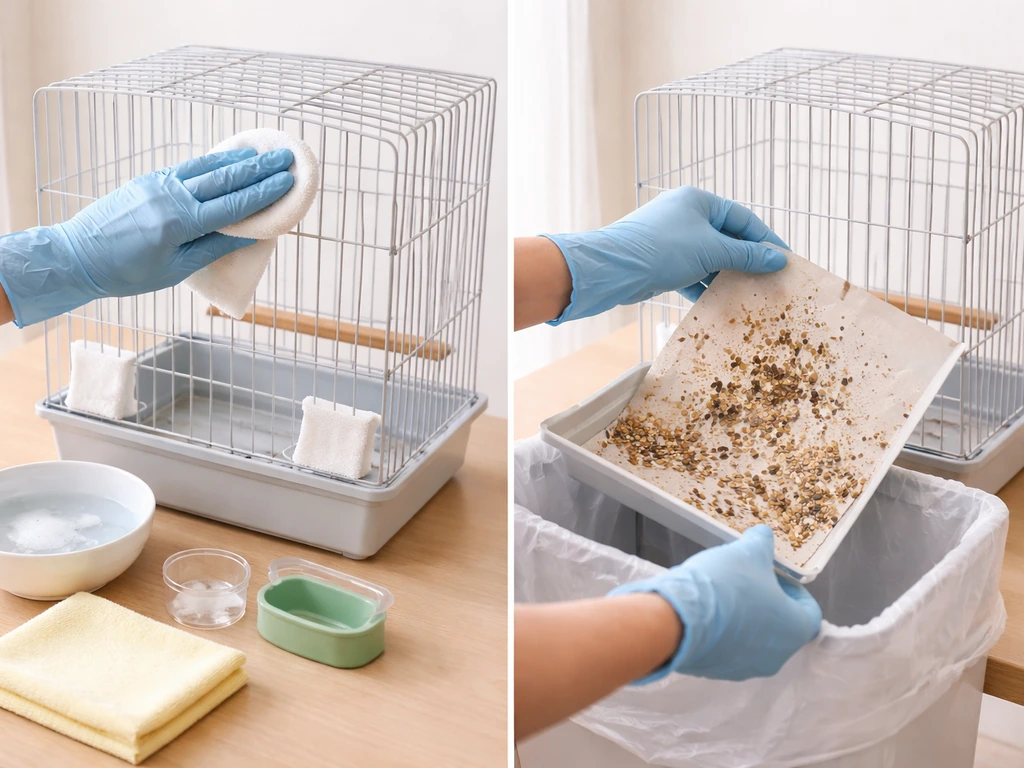
- Change water dishes daily and scrub them with unscented dish soap
- Clean food dishes daily or after each feeding
- Remove droppings from cage grates or liners daily
- Do a full cage scrub with a bird-safe disinfectant weekly (dilute bleach solution at 1:32, rinsed thoroughly and dried completely before returning birds)
- Wash your hands before and after handling birds or cleaning their cage
Ventilation and temperature
Keep birds away from direct drafts from windows, vents, and air conditioning units. Good air circulation in the room matters, but the birds themselves shouldn't be in the path of direct airflow. Aim for a stable room temperature between 65 and 80°F for most common pet bird species. Avoid placing cages in kitchens where cooking fumes can accumulate.
Diet fundamentals
A seed-only diet is one of the most common underlying reasons pet birds get sick repeatedly. Seeds are high in fat and low in key vitamins, especially Vitamin A. Transitioning birds to a pellet-based diet supplemented with fresh vegetables (leafy greens, carrots, bell peppers) dramatically improves immune function over time. Work with your avian vet on a transition plan, especially if your birds are used to seeds, since the changeover needs to be gradual.
Reduce fume exposure permanently
Replace non-stick cookware with stainless steel or cast iron. Stop using aerosol sprays, scented candles, plug-in air fresheners, and fabric sprays in rooms where birds live or have access. If you need to clean with anything spray-based, move the birds to a different room first, ventilate well, and wait at least 30 minutes before returning them. These are permanent changes, not just precautions for when birds are sick.
If you've also noticed issues like loose droppings alongside these symptoms, that's worth discussing specifically with your vet, as it can point to particular infections or dietary problems. The core principle across all of this is the same: two sick birds means a shared cause, and finding that cause early gives both birds a much better outcome.
FAQ
If my duo bird pair is sick at the same time, does that always mean it is contagious?
Not always. Two birds can look “together sick” from the same cold draft, overheating from a new heat source, smoke exposure, or a shared dietary deficiency developing over weeks. Contagion is more likely if symptoms are mainly respiratory, start suddenly, or you see rapid worsening after direct contact with shared bowls or perches.
How can I tell toxic exposure versus an infection when both birds got sick around the same time?
Toxic or fume exposure often causes sudden respiratory signs (wheezing, open-mouth breathing, sudden lethargy) shortly after a home change, like cooking, new cleaner, paint, or a candle. Infection more often shows a progressive pattern (coughing, abnormal droppings developing over days) and may spread from one bird to the other unless they were exposed simultaneously.
Should I separate the sick duo birds from each other, or keep them together while waiting for the vet?
Separate them from other healthy birds right away, but separating the pair is optional only for isolation purposes. If you suspect contagion, keeping them in separate cages in the same room still helps reduce mutual re-exposure while you monitor individually. Handle one bird at a time and disinfect hands and tools between them.
What temperature should I set for both birds, and can I use a heat lamp instead?
Use a warm, draft-free setup around 80 to 85°F (about 27 to 29°C). Avoid heat lamps directly over the birds because they can overheat localized skin and dry mucous membranes. Safer approach is a low heating pad under one side of the cage so the bird can move away.
Can I offer water or food if they stop eating, and what should I avoid?
Keep water available but do not force feeding with large amounts of anything at home if birds are struggling to breathe. If they are dehydrated, require vet assessment, but you can offer warm, easy-to-eat options your vet approves. If there is diarrhea, avoid changing the diet suddenly and focus on stabilization while seeking care.
One of my duo birds seems worse. Does that mean the other is not sick yet?
Yes, one bird can progress faster even with a shared cause. Birds can mask illness until it advances, so the “less sick” bird may still be contagious or developing the same process. Treat the pair as sick until a vet rules out infection and monitors both.
What photos or videos are most helpful when calling an avian vet?
Record short clips of breathing from the side and front to show any tail bobbing, open-mouth breathing, or wing stretching. Also video the posture while standing, plus a clear shot of droppings on clean paper. Include the cage setup (food, water, recent product changes) if possible.
Is a general small-animal vet acceptable if an avian specialist is not available?
A general vet can be a temporary bridge, but avian-focused training matters for dosing and interpreting bird-specific tests. If you must use a general practice, tell them you have two pet birds with possible infectious or toxic exposure and ask whether they can consult an avian specialist or prioritize avian experience.
If both birds have diarrhea, does that change the likely cause or urgency?
Diarrhea increases concern because it can accompany systemic infections, toxic exposure, or parasite-related illness, and it raises dehydration risk. That means closer monitoring, faster vet contact, and specific discussion of stool appearance, color, and frequency.
What should I do with shared supplies, like food bowls and perches, right now?
Remove and replace shared food and water containers if you can do so without stressing them heavily, then wash with bird-safe detergent and thoroughly rinse and dry. Avoid aerosol disinfection products around birds. If you used any new cleaning chemicals, stop them immediately and tell your vet.
How long should I quarantine a new bird after bringing it home to protect a duo bird setup?
Quarantine in a separate room, not just a different cage in the same air space, for at least 30 days, ideally 45. Handle the new bird last and wash hands between groups. Also schedule a vet check during the quarantine window instead of waiting until you think it is “fine.”
Next Article
Bird Trauma Symptoms: Signs, Triage, and First Aid Steps
Recognize bird trauma symptoms, triage urgency, and give safe first aid for bleeding, fractures, head injuries, and shoc