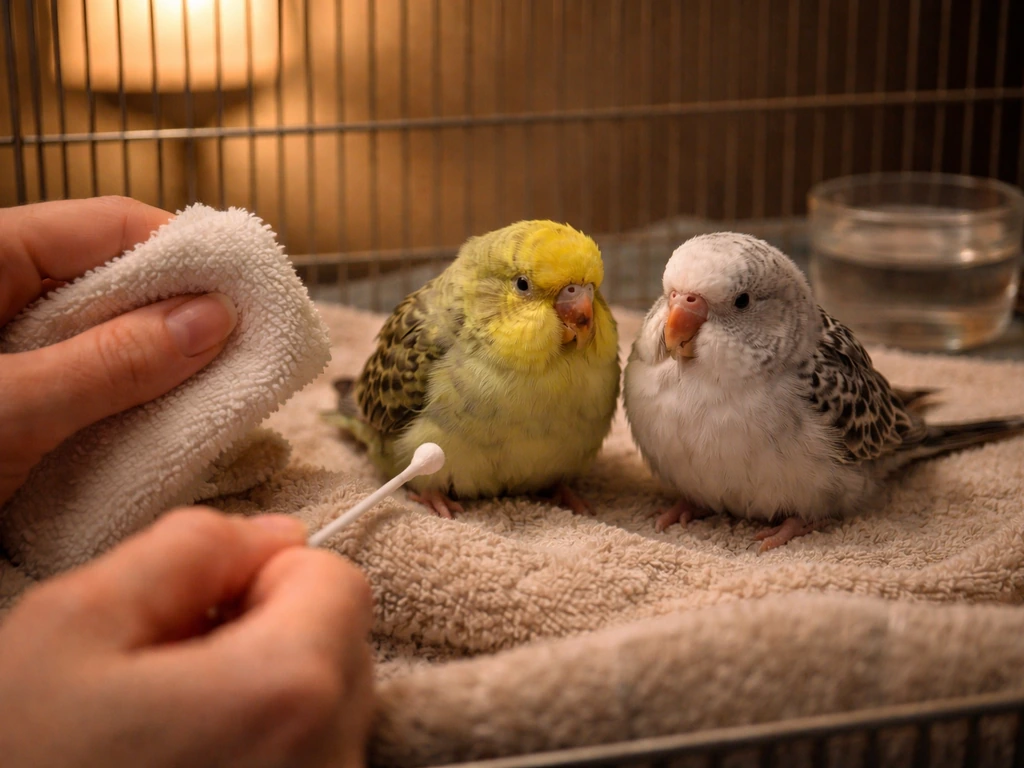
A sick bird is just that: a sick bird. Most people say "my bird is sick" or "I found a sick bird," and that plain language is perfectly fine. You might also hear "ill bird," "ailing bird," or "diseased bird" depending on the situation. The word "diseased" tends to come up when a specific condition is suspected, while "ailing" sounds a bit softer but means the same thing.
What Do You Call a Sick Bird? Signs and Next Steps

Marcus Webb
19 May 2026
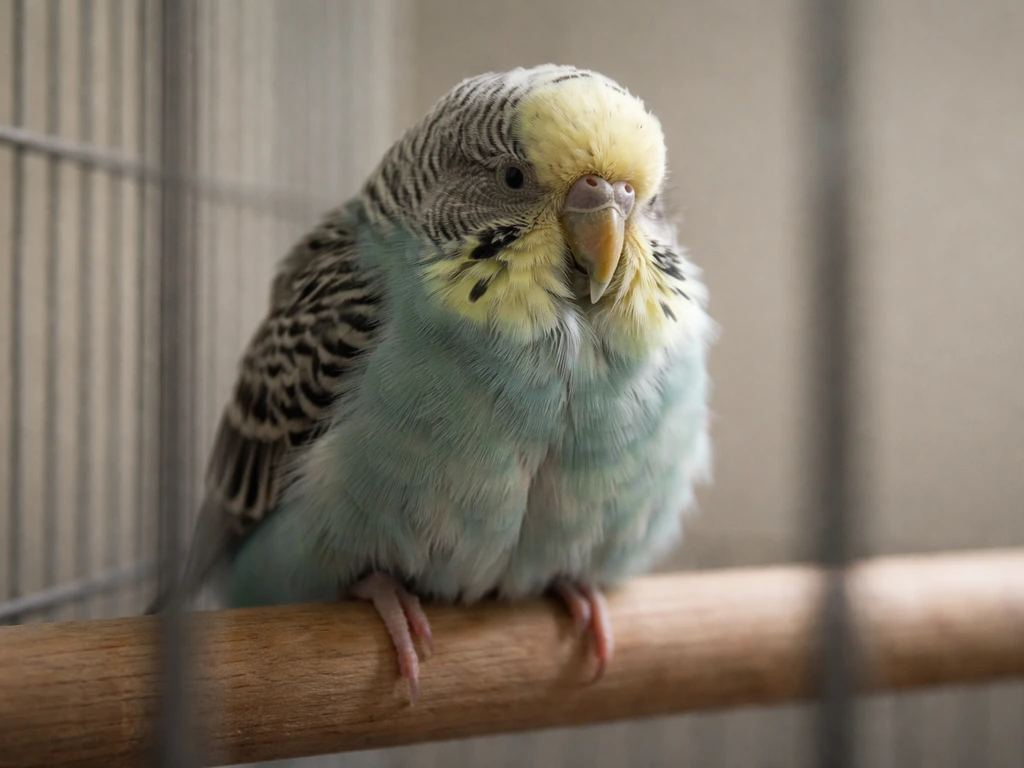
If you are trying to figure out whether a brown bird is sick, start by checking for subtle changes in behavior and droppings, then watch breathing and energy level closely. "Injured" is a separate term and technically different from "sick" since injury refers to physical trauma rather than illness, though in practice you often have to figure out which one you're dealing with before you can act.
Whatever you call it, if a bird looks wrong, the next step is the same: figure out how serious it is and what to do about it.
Common names for a sick bird
There's no single official term. Everyday English gives you several options depending on the context, and they carry slightly different tones.
| Term | When people use it | What it implies |
|---|---|---|
| Sick | Casual, everyday usage ("my bird is sick") | General unwellness, illness or disease |
| Ill | Slightly more formal but still common ("the ill bird") | Essentially the same as sick |
| Ailing | Softer, implies ongoing struggle ("an ailing parrot") | Unwell, possibly chronic or gradual |
| Diseased | When a specific disease is suspected | A diagnosed or suspected medical condition |
| Injured | Physical trauma: wound, broken bone, impact | External harm, not necessarily illness |
| Distressed | Behavioral or environmental context | Could be sick, injured, or stressed |
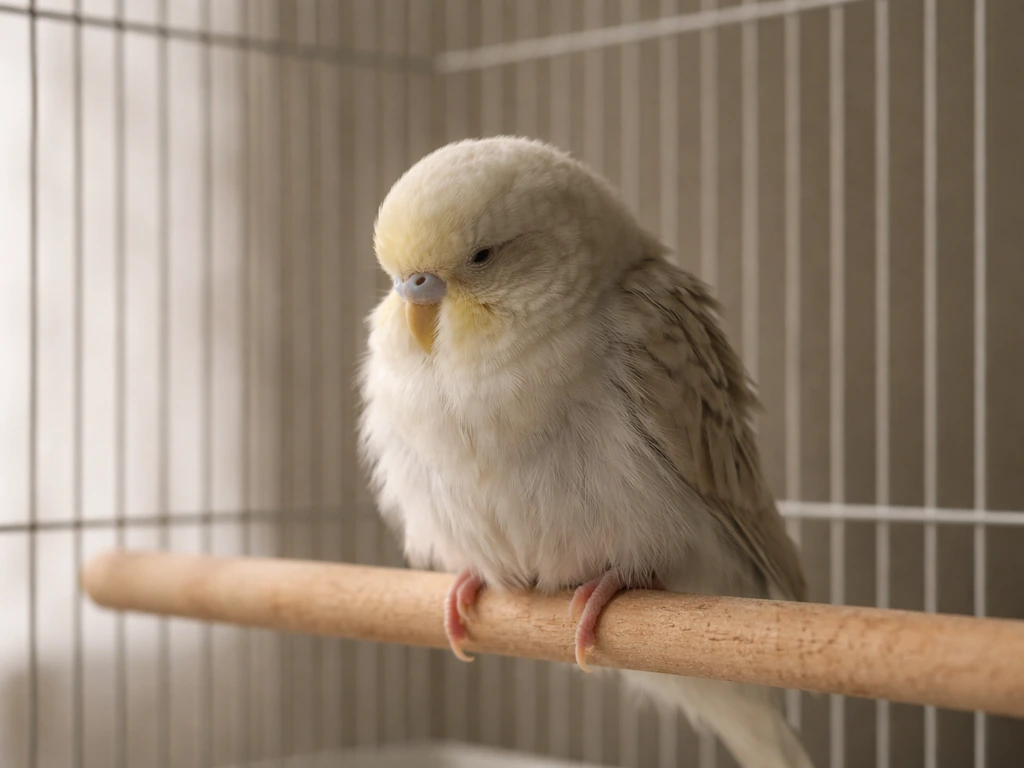
The sick vs. injured distinction matters practically. A bird with a drooping wing or visible wound is injured. A bird that looks hunched, fluffed, and lethargic with no visible trauma is more likely ill. Sometimes you'll see both at once, especially with wild birds. Knowing which category you're dealing with helps you describe the situation clearly to a vet and give appropriate first aid.
How to tell if a bird is truly sick
Birds are hardwired to hide weakness. In the wild, showing vulnerability makes them a target, so a bird can be seriously ill before it shows obvious signs. By the time a bird looks sick to you, it has often been unwell for a while. That's why even subtle changes from a bird's normal behavior deserve attention.
The fastest at-home triage is to compare what you're seeing now against the bird's normal baseline. Ask yourself these questions:
- Is the bird as active as usual, or is it sitting still more than normal?
- Is it eating and drinking at its normal rate?
- Is it perching normally, or is it sitting on the cage floor or leaning?
- Is its posture upright, or is it hunched with feathers fluffed?
- Is its breathing quiet and effortless, or can you hear it or see it working to breathe?
- Does it respond to you at the usual level, or does it seem dull and unresponsive?
- Have its droppings changed in color, consistency, or frequency?
Any clear "yes, something has changed" on those questions means the bird deserves a closer look. One off day can be nothing. Two or more changes happening at the same time is a real signal.
Most common signs that point to illness
Some signs show up across a wide range of bird illnesses. These are the ones to know because they're visible without any equipment and they're the same things a vet will ask you about first.
- Fluffed-up feathers: a bird sitting with its feathers puffed out is often trying to conserve body heat, which can indicate chills or fever
- Hunching or crouching posture: the bird looks "small" compared to its normal stance
- Sitting on the cage floor: healthy birds almost always prefer a perch; floor-sitting is a red flag
- Decreased appetite or thirst (or unusually increased thirst)
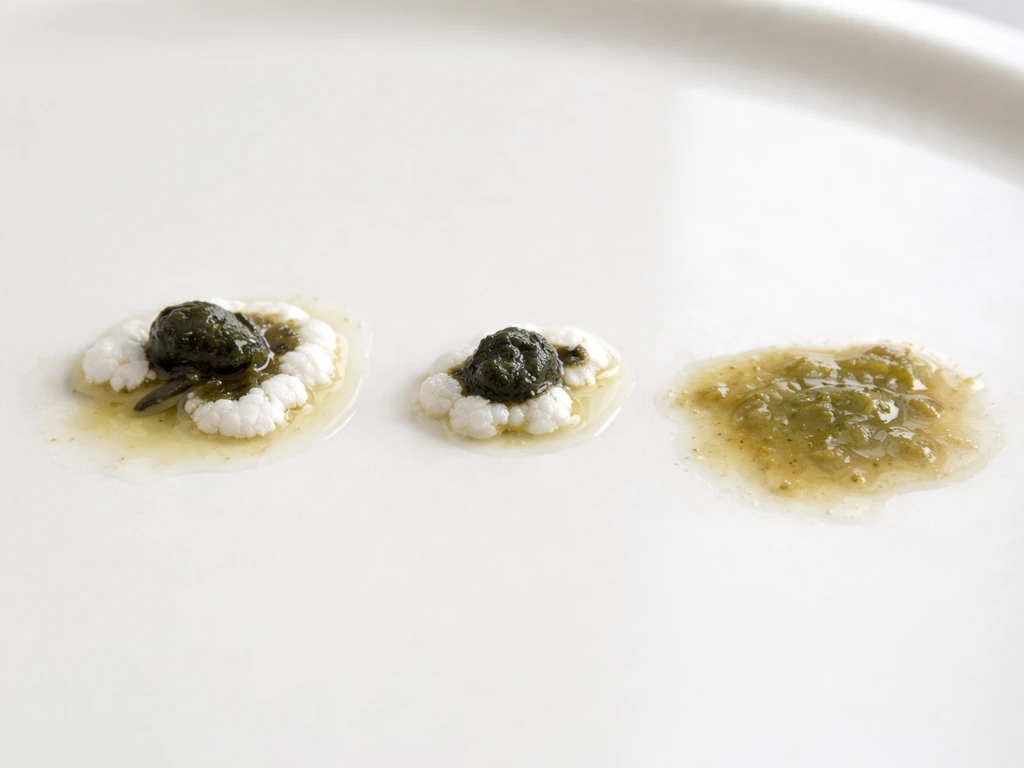
- Changes in droppings: color shifts to red, yellow, or tarry black, or a big change in consistency or volume
- Drooping wings
- Discharge from the eyes, nostrils, or beak
- Sleeping or resting much more than usual during the day
These signs are general enough that they can point to dozens of different illnesses, which is exactly why they're useful as a first filter. You don't need to know the diagnosis to know the bird needs attention.
Respiratory illness: what to watch and why it's urgent
Respiratory problems are among the most serious things that can happen to a bird, and they can escalate fast. A healthy bird breathes quietly with its beak closed and its body still. Any deviation from that is worth taking seriously.
The signs that indicate a bird is struggling to breathe include:
- Open-mouth breathing at rest (not just after exercise or in heat)
- Tail bobbing with each breath: the tail pumps up and down visibly because the bird is working hard to move air
- Wheezing, clicking, or rattling sounds while breathing
- Increased movement of the chest and sternum with each breath
- Nasal discharge or crustiness around the nostrils
- Sneezing repeatedly, especially with discharge
- Voice changes or a quieter-than-usual bird that normally vocalizes
Open-mouth breathing combined with tail bobbing at rest is classified as a very serious sign. If you're seeing both together, that bird needs veterinary attention the same day, not tomorrow.
Common respiratory illnesses in pet birds include bacterial infections, aspergillosis (a fungal infection that can develop when a bird's defenses are weakened, sometimes linked to vitamin A deficiency), and aspiration pneumonia. Merck Veterinary Manual notes that blank" rel="noopener noreferrer">vitamin A deficiency can weaken birds' respiratory defenses, predisposing them to chronic aspergillosis. Birds don't have an epiglottis the way mammals do, which means food or liquid can more easily enter the airway, making aspiration a real risk. For lovebirds and other small companion birds, respiratory symptoms can progress especially quickly.
Digestive and nervous system signs
Digestive signs
Gastrointestinal problems in birds often show up in the droppings first. Normal bird droppings have three parts: solid fecal matter, white urates, and clear urine. When something is wrong, you might see diarrhea, discolored stool, undigested seeds in the droppings, or a big increase in the watery portion. Vomiting or regurgitation is also a GI red flag, though regurgitation can sometimes be a normal social behavior in bonded birds. If it looks uncontrolled, frequent, or paired with other signs, treat it as a symptom. Digestive changes combined with lethargy or appetite loss warrant a vet call within several hours, not days.
Neurological and muscle signs
Neurological signs are less common but very serious when they appear. Watch for tremors or shaking that isn't related to temperature or fear, an inability to grip or stay on a perch, falling off the perch repeatedly, head tilting or circling, paralysis or weakness in the legs or wings, and seizures. These signs, along with collapse or unconsciousness, require immediate veterinary contact. There is no safe at-home management for neurological symptoms.
Feather and skin signs
Chronically ruffled or fluffed feathers, abnormal feather quality, bald patches, or discharge around the feather follicles can all indicate underlying illness. Feather problems are sometimes a sign of nutritional deficiency, infection, or a behavioral condition called feather-destructive behavior. They don't usually require emergency care the way respiratory signs do, but they do need a veterinary workup.
What to do right now at home, and when to call a vet
Supportive care you can do immediately
While you're figuring out your next step, here's what helps without doing harm: If you notice a duo bird sick, compare its behavior to its normal baseline and use this checklist to decide how urgent the situation is.
- Keep the bird warm: birds have a naturally high body temperature (around 103 to 106°F), so a sick bird gets cold fast. Keep the environment at around 85 to 90°F. A heating pad on low under half the cage, or a warm lamp positioned to one side (not directly on the bird), works well.
- Reduce stress: put the bird in a quiet, low-traffic area away from other animals, noise, and activity. Stress makes everything worse.
- Isolate if you have other birds: if you have multiple birds, separate the sick one right away to reduce the chance of spreading illness.
- Make food and water accessible: if the bird is weak, lower the food and water to floor level so it doesn't have to climb to reach them.
- Do not force-feed or give liquids by mouth: this carries a real risk of aspiration, which can cause pneumonia. Let the bird eat and drink on its own.
- Observe and document: note when symptoms started, what changed, and any patterns you've noticed. Write it down or take a short video. This is genuinely useful for the vet.
When to contact a vet and how urgent it is

Here's a practical framework based on severity:
| Urgency | Signs | What to do |
|---|---|---|
| Immediate (call now) | Open-mouth breathing, tail bobbing, collapse, seizure, unconsciousness, extreme weakness or inability to move | Contact an avian vet or emergency animal clinic right now. Do not wait. |
| Same day (within a few hours) | Labored breathing without full open-mouth breathing, sitting on cage floor, not eating or drinking for more than a day, neurological signs like tremors or head tilt, significant drooping change in droppings | Call your avian vet today. Most of these can deteriorate quickly. |
| Within 24 hours | Mild appetite reduction, soft stool, slightly fluffed feathers with no other signs, sneezing occasionally with no discharge | Monitor closely. If it worsens or doesn't improve, call the vet. |
| Schedule a checkup | Chronic feather problems, gradual weight loss, behavioral changes over weeks | Book a routine avian vet visit for evaluation. |
If you're unsure which category your bird falls into, err toward calling sooner. Avian vets are used to these calls and can help you triage over the phone.
What a vet visit actually looks like
Knowing what to expect makes the visit less stressful and helps you give the vet the information they need. An avian vet will typically start with a physical exam and a detailed history. The history questions will include when you first noticed something was wrong, what the droppings look like, what the bird eats, whether it's around other birds, and any recent changes to its environment.
Depending on what the exam shows, diagnostic tests may include: Cornell’s Avian Health program lists common avian test types such as fecal flotation and Gram stain diagnostic tests may include.
- Gram stain: a quick test of a swab sample to assess the balance of bacteria and yeast in the bird's system
- Fecal flotation and wet smear: checks the droppings for parasites and other abnormalities
- Blood work (CBC and biochemistry panel): gives a full picture of organ function, infection, and overall health
- Culture and cytology: used to identify specific bacterial or fungal infections, often from multiple sample sites
- PCR or genetic testing: for specific diseases like psittacosis or other infections that need molecular identification
The more information you bring, the faster the vet can work. A short video of the bird breathing or behaving abnormally is one of the most helpful things you can show them, especially for respiratory signs that might not be obvious during a stressful exam. If the bird has diarrhea, a fresh fecal sample in a clean container is worth bringing along.
Track what you've noticed at home before the visit: dates, symptoms, appetite changes, dropping changes, any other birds that might have been exposed. That timeline helps the vet narrow down what they're dealing with and run the right tests first. Whether you're dealing with a lovebird showing vague symptoms, a parakeet with a runny nose, or any bird whose droppings have changed dramatically, the diagnostic path generally starts the same way: a good history, a careful exam, and targeted testing.
FAQ
Do you call a sick bird “injured” or “ill,” and does it change what you should do first?
Use “injured” when you can point to trauma like a wound, bleeding, limping, or a drooping wing with clear physical damage. Use “ill” when the bird looks hunched, fluffed, lethargic, or has abnormal droppings or breathing without visible injury. If both seem possible, treat it as urgent for evaluation because some injuries and illnesses look similar at first.
What term should I use when I am reporting a found wild bird?
Stick to neutral, clear phrasing such as “found a bird that appears sick” and then add specific observations (for example, open-mouth breathing, tail bobbing, weakness, or abnormal droppings). Avoid guessing the diagnosis in your description, vets and wildlife rehab staff will narrow it down.
If the bird is eating but still looks “off,” is it still considered sick?
Yes. Birds often keep eating briefly even when they are unwell, especially early on. Focus on changes from normal baseline, like altered droppings, quieter breathing than usual, fluffed posture, or reduced activity, not just appetite alone.
How do I tell the difference between “regurgitation” and vomiting as a serious GI sign?
Regurgitation can be normal social behavior, but it is more concerning when it is frequent or uncontrolled, occurs along with lethargy, or comes with clear changes in droppings or appetite. If you see repeated, involuntary symptoms or the bird seems weak, treat it as a medical concern and contact an avian vet.
What should I do if the bird has fast breathing but no other obvious symptoms?
Fast or visibly labored breathing is still a red flag. Watch for open-mouth breathing at rest and tail bobbing, those are emergency-level signs. Keep the bird warm and minimize handling, then contact a vet the same day, since respiratory problems can escalate quickly.
Can feather fluffs or bald patches be non-urgent, or should I call immediately?
Feather issues are usually less emergent than breathing trouble, but they should not be ignored. If you also notice weakness, appetite loss, discharge, or changes in droppings, contact a vet sooner. For purely chronic-looking feather changes, schedule a workup, because causes can include nutritional problems or infection.
What if I am not sure whether symptoms are “sick” or “injured” at home?
Err toward treating it as sick and calling sooner, especially if you see breathing changes, repeated falling, seizures, or worsening lethargy. When in doubt, avian vets can guide triage over the phone and help you decide what first-aid steps are safe.
Should I collect a sample before the vet visit, and what’s safest?
If you suspect diarrhea or abnormal droppings, bring a fresh sample in a clean, sealable container. Avoid contaminating it with bedding or disinfectants. For breathing concerns, also bring a short video, it often shows patterns you might miss during a stressful exam.
Is there anything I should avoid doing at home while deciding what to call the bird?
Avoid giving food or water by hand if breathing seems compromised, because aspiration risk is real. Also avoid using human medications unless a vet specifically instructs you, dose errors can be dangerous for birds. Focus on warmth, quiet, and rapid vet contact when signs escalate.
How urgent is “one bad day” versus “multiple changes”?
One isolated change can be nothing, especially if the bird otherwise acts normally. Two or more changes at the same time (for example, abnormal droppings plus fluffed posture, or breathing change plus reduced activity) is a stronger signal that the bird needs closer evaluation quickly.
Next Article
Why Is the Duo Bird Sick? Triage Steps for Two Ill Birds
Triage steps when two pet birds show illness together, find causes, spot respiratory signs, and know when to rush a vet.