The most important thing to know about sick birds is that by the time your bird looks obviously unwell, it has likely been sick for days or even weeks. Birds instinctively mask illness as a survival mechanism, so the signs you need to watch for are often subtle: fluffed-up feathers, a slight drop in activity, or quieter vocalizations. Once you know what normal looks like for your specific bird, anything that deviates from that baseline deserves attention.
Signs Your Bird Is Sick: Symptoms and When to Get Help

Marcus Webb
7 May 2026
Why birds hide illness (and why that matters for you)
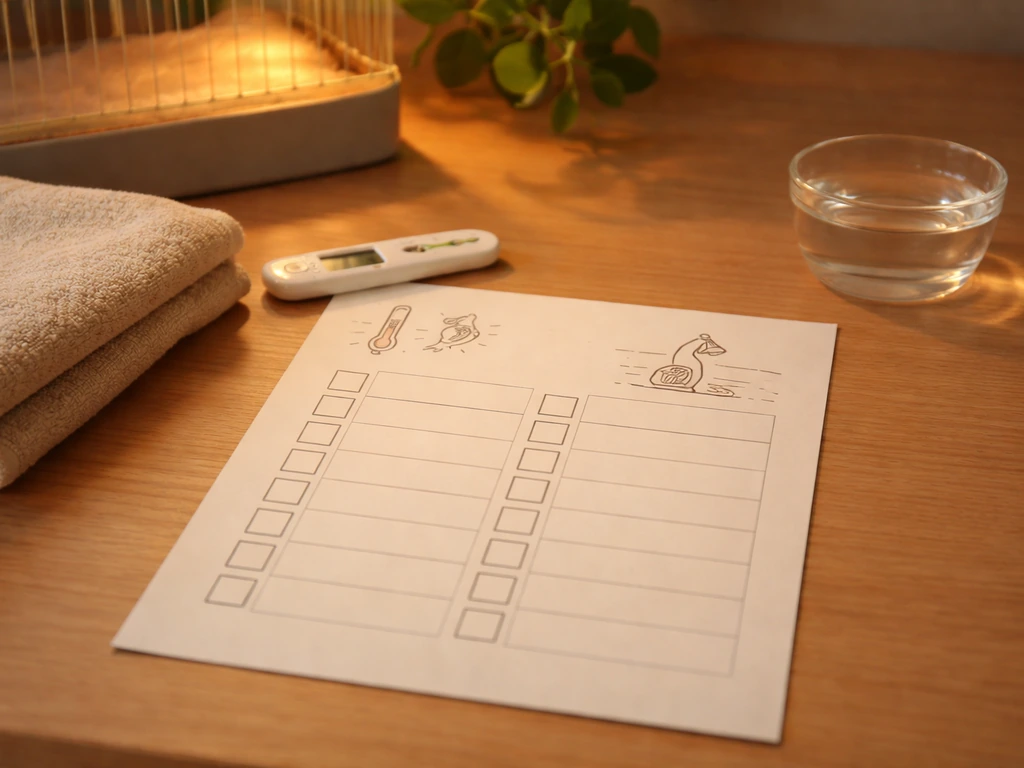
In the wild, a sick bird that looks sick becomes a target. That instinct doesn't disappear in captivity. Your pet parrot, finch, or canary is wired to appear fine for as long as possible. This means that when a bird finally stops hiding its symptoms, it is often in a more serious state than it looks. Waiting to see if things improve on their own is one of the most common and costly mistakes bird owners make. Including a sick bird care checklist can also help you decide what to do next and what information to share with the vet. If your bird seems "off" in any way, treat it as a real signal.
Big-picture warning signs in birds
These are the broad, high-signal changes that tell you something is wrong before you even get into specifics. Any one of these warrants closer observation, and more than one together should prompt a call to an avian vet.
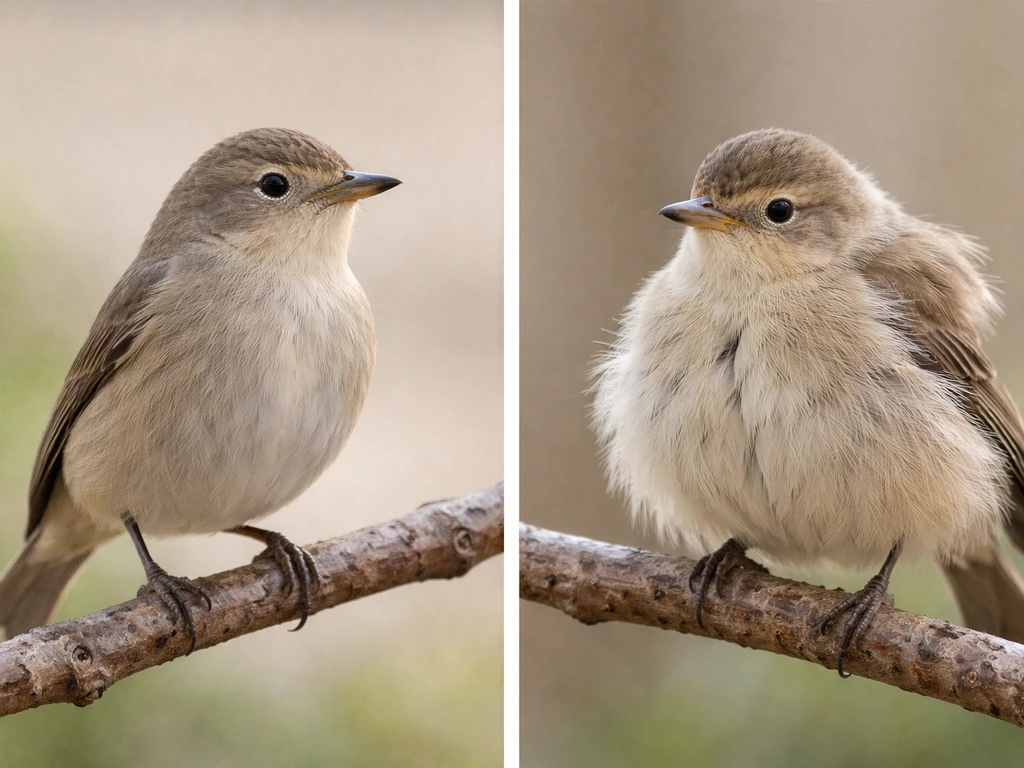
- Fluffed or ruffled feathers held continuously, especially outside of a brief post-bath preen or nap
- Sitting at the bottom of the cage instead of on a perch
- Eyes closed or half-closed during the day when the bird is normally alert
- Significant drop in appetite or complete refusal to eat
- Sudden weight loss, which you can often feel as a prominent keel (breastbone) when you hold the bird
- Loss of coordination, falling from perches, or inability to grip
- Complete silence in a normally vocal bird
- Unusual posture, such as a hunched back or head tucked for extended periods
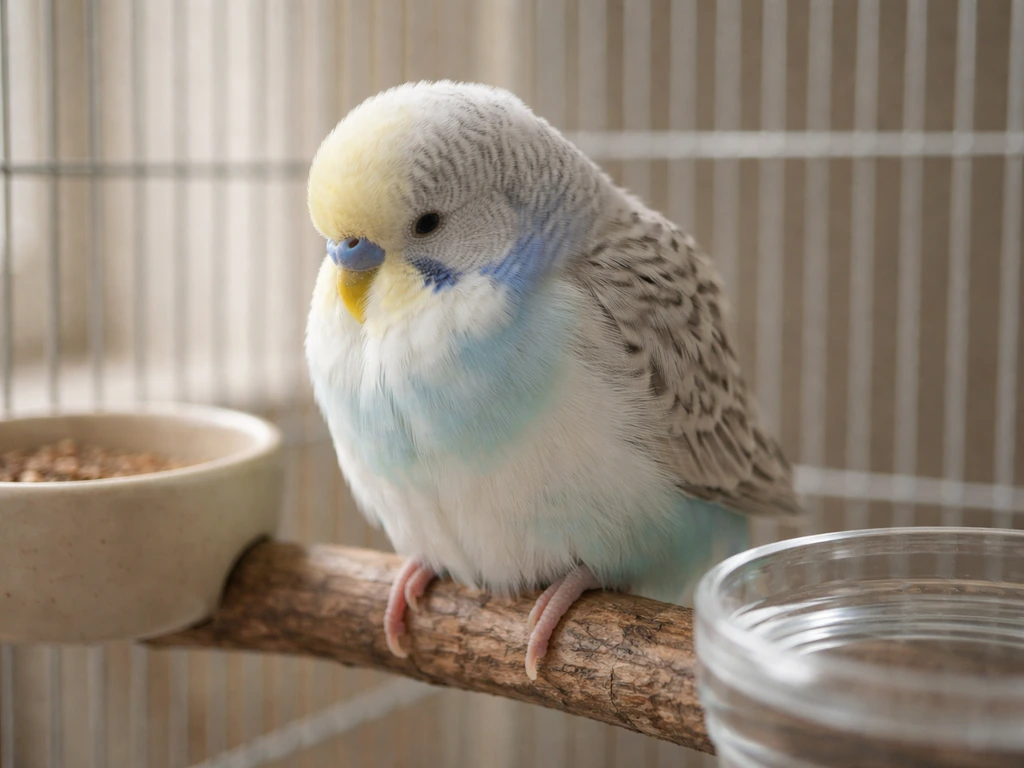
A fluffed, lethargic bird is one of the most common non-specific signs of illness across virtually every bird species. It is your bird's equivalent of a human lying in bed with a fever. Do not dismiss it, even if no other symptoms are obvious yet.
Behavior changes that signal illness
Behavioral shifts are often the first thing owners notice, and they are easy to second-guess. You might think your bird is just having a bad day. But consistent behavioral changes, even subtle ones, are reliable early warning signs.
- Reduced or absent vocalizations in a bird that is normally chatty or sings regularly
- Withdrawn behavior, avoiding interaction when the bird normally seeks it out
- Increased aggression or irritability, which can signal pain or discomfort
- Sleeping much more than usual, especially during daytime hours
- Disinterest in toys, food puzzles, or activities the bird normally enjoys
- Feather-destructive behavior or excessive preening in one spot, which can indicate skin irritation or pain
- Head tremors, twitching, or seizure-like episodes
If your bird's personality changes noticeably over a day or two, trust that observation. You know your bird's normal behavior better than anyone. Behavioral changes in combination with any physical symptom almost always warrant a vet call the same day.
Respiratory and breathing-related symptoms
Respiratory symptoms are among the most serious signs in birds and deserve their own close attention. A bird's respiratory system is highly efficient but also highly vulnerable, and breathing problems can deteriorate quickly. This is the category where you should act fastest.
Red-flag respiratory signs
- Open-mouth breathing while the bird is at rest (not after exertion or in extreme heat)
- Tail bobbing with each breath, which indicates the bird is working hard to breathe
- Audible sounds during breathing: wheezing, clicking, crackling, or a wet rattling sound
- Nasal discharge, crusty nostrils, or frequent sneezing with discharge
- Labored breathing with visible movement of the chest or sides
- Voice change or loss in a bird that normally vocalizes clearly
- Blue or darkened coloration around the beak or cere, indicating oxygen deprivation
Open-mouthed breathing at rest is a genuine emergency sign. If your bird is breathing with its beak open while sitting quietly, do not wait for a scheduled appointment. Call an avian vet immediately and describe exactly what you are seeing. Tail bobbing on its own can sometimes be subtle and easy to miss, so watch your bird from across the room and observe whether its tail moves rhythmically with each breath.
One practical tip: if you need to bring a breathing-distressed bird to a vet, minimize handling before you go. Restraint and stress can reduce oxygen intake in an already-compromised bird. Get the carrier ready, move the bird calmly, and let the vet know the bird is in respiratory distress before you even walk through the door.
Digestive and droppings changes
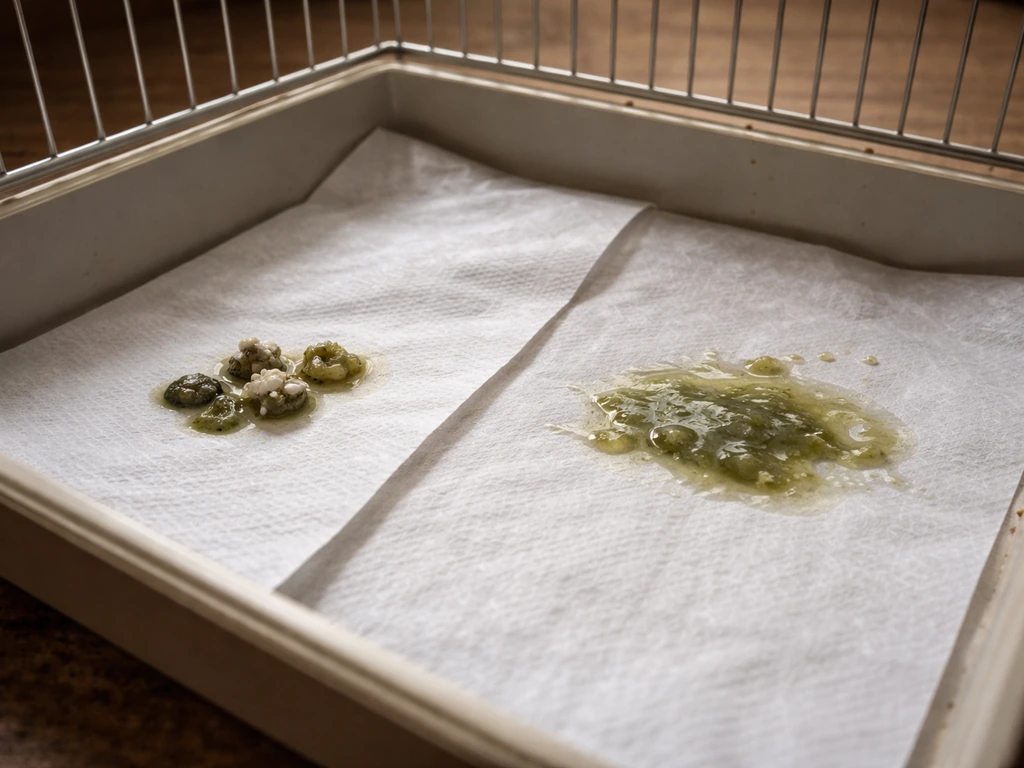
Checking your bird's droppings every day is one of the most useful things you can do as an owner. Droppings give you a real-time window into your bird's digestive and urinary health. A normal bird dropping has three parts: a solid dark green or brown fecal portion, a white or cream urate portion, and a small amount of clear liquid urine. Changes in any of those three components can mean something.
| What you see | What it might mean | Urgency |
|---|---|---|
| Watery or very wet droppings (diarrhea) | Infection, dietary change, stress, or kidney issues | Monitor 24 hours; call vet if persistent |
| Bright red or dark blood in droppings | Internal bleeding, cloacal injury, or serious infection | Same-day vet contact |
| Green, yellow, or lime-colored urates (the white part) | Liver disease, bacterial infection, or chlamydiosis | Vet contact within 24 hours |
| No droppings for several hours | Obstruction, egg binding, or severe illness | Immediate emergency care |
| Undigested seeds in droppings | Proventricular or ventricular disease, infection | Vet contact within 24 hours |
| Chalky white or very pale fecal portion | Pancreatic disease or malabsorption | Vet contact within 24 hours |
A one-day change in droppings after a dietary shift (like eating more fruit) is usually not alarming. Persistent changes, or changes alongside other symptoms, are a different story. If you can, collect a dropping sample in a clean container to bring to the vet. Fresh samples from within the past few hours give the most useful diagnostic information.
Other digestive warning signs to watch for include vomiting or regurgitation that is not part of normal courtship behavior, a visibly swollen or distended crop that stays full for hours without emptying, and any food coming back up after eating.
Skin, feathers, eyes, and visible body changes
Physical changes to the body's surface are often visible during regular handling and can reveal both localized problems and systemic illness.
Feather and skin signs
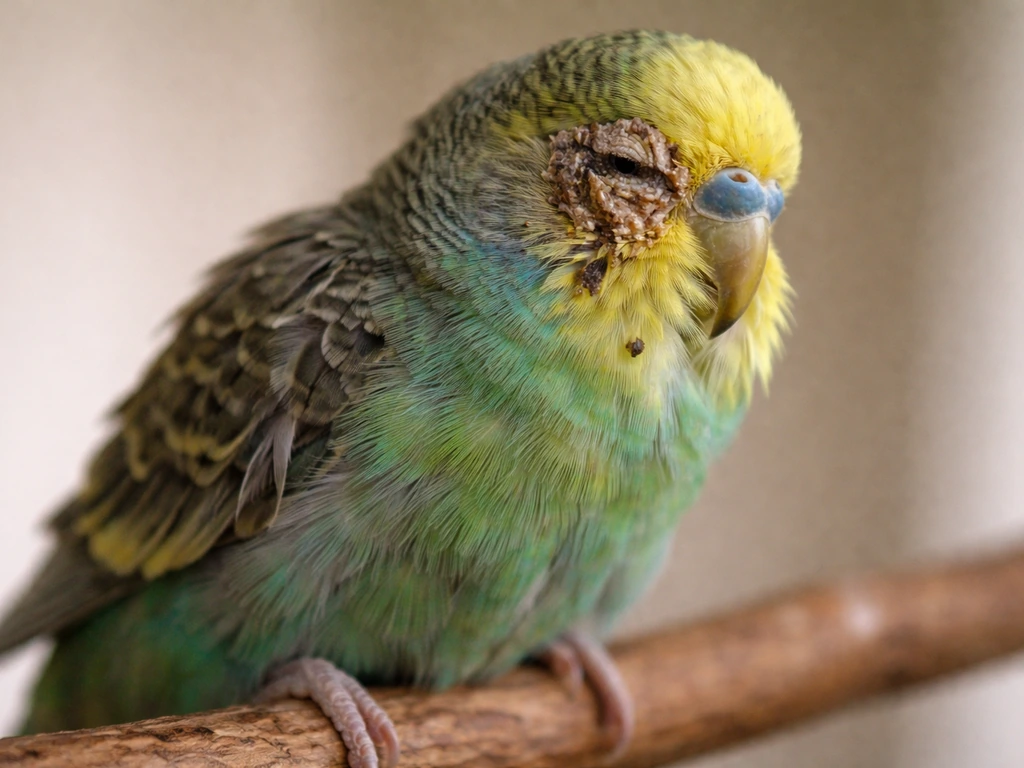
- Feathers that look dull, broken, or poorly formed (called stress bars or blood feathers if the shaft is damaged)
- Bald patches or areas where feathers are missing, especially if the skin underneath looks red or irritated
- Over-preening or feather-plucking in one area, which can indicate mites, fungal infection, or pain
- Swellings, lumps, or growths anywhere on the body or under feathers
- Scaly or crusty skin, particularly around the beak, cere, legs, or feet (scaly face mites are common in budgies)
- Wounds, bite marks, or areas with dried blood, especially in birds that live with other animals or birds
Eye signs
- Discharge from one or both eyes, whether watery, cloudy, or crusty
- Swollen or puffy eyelids or tissue around the eye
- One eye kept closed when the other is open
- Cloudiness or visible changes to the surface of the eye
- Frequent blinking, squinting, or rubbing the eye on perches or feathers
Beak and feet
- Overgrown, misaligned, or crumbling beak
- Swollen joints or feet, or a bird that repeatedly lifts one foot or holds it oddly
- Lumps on the bottom of the feet (bumblefoot), which look like swollen, reddened sores on the foot pads
- Unusual growths on or around the beak or cere
When to suspect emergencies and what to do next
Some situations need same-day or immediate veterinary attention. If you see any of the following, call an avian vet right now rather than monitoring further.
- Open-mouth breathing at rest or labored breathing with tail bobbing
- Complete loss of coordination, seizures, or inability to stand
- No droppings for more than a few hours
- Visible bleeding that does not stop quickly
- A hen who appears to be straining without producing an egg (possible egg binding)
- Bird found at the bottom of the cage unable to move
- Sudden onset of extreme lethargy combined with any other symptom
For non-emergency but concerning symptoms, here is what to do right now while you arrange a vet visit. Keep the bird warm, ideally around 85 to 90 degrees Fahrenheit for a visibly sick bird, using a heat lamp on one side of the cage so it can self-regulate. Make sure fresh water is easily accessible and that food is close to where the bird is resting. Reduce stress by covering part of the cage and keeping the environment quiet. Do not offer any medications, supplements, or home remedies without vet guidance, as many human or over-the-counter products are toxic to birds.
Before your vet appointment, write down everything you have observed: when symptoms started, what changed, what the droppings look like, what the bird has been eating, and any possible exposures to other birds, new foods, household chemicals, or non-stick cookware fumes (which can be rapidly fatal to birds). The more specific your notes, the faster a vet can help.
For wild birds showing signs of illness, the approach is different. Do not handle a sick wild bird without protective gloves, as some avian diseases can transfer to humans. Contact a licensed wildlife rehabilitator in your area rather than attempting treatment yourself. Your local animal control, Audubon Society chapter, or wildlife rehabilitation network can connect you with the right resource quickly.
A quick observation checklist before you call the vet
- Watch your bird from a distance for five minutes. Note posture, breathing effort, and whether the tail is bobbing.
- Check the cage bottom for droppings. Note color, consistency, and volume compared to normal.
- Check food and water dishes. Has the bird been eating and drinking?
- Note the bird's weight if you have a gram scale. Even a 10 percent drop is significant in small birds.
- Look closely at eyes, nostrils, beak, and feet for any visible changes.
- Write down how long you have noticed the change and whether it is getting worse, staying the same, or improving.
- Note any recent changes in diet, environment, or possible exposures.
When you call the vet, describe what you see specifically rather than just saying the bird seems sick. "My bird is sitting fluffed at the bottom of the cage, not eating, and I can see its tail bobbing" gives the vet enough to triage urgency. If you suspect your bird is sick, focus on the specific changes you are seeing rather than waiting to see if it passes. That specificity can make a real difference in how quickly your bird gets the help it needs.
FAQ
How quickly should I seek help if my bird is “off” but still eating and vocalizing normally?
If the change lasts more than 24 hours, is new for that bird, or is paired with any physical sign (even mild fluffed feathers or quieter calls), plan on same-day advice from an avian vet. Birds can worsen faster once respiratory or digestive changes start, so “watch and wait” is risky even when eating continues.
What temperature is safest to use when warming a visibly sick bird?
Use a heat source that lets the bird choose a comfortable spot, target about 85 to 90°F, and avoid direct heat that could cause overheating. Check that the rest of the cage is cooler than the warm side, and stop if the bird appears overheated or becomes very restless.
Should I remove perches or cage items if my bird is weak or lethargic?
Yes, reduce the chance of injury by removing high or hard-to-access perches and moving food and water closer to where the bird is resting. Make sure the carrier or cage setup does not require climbing, and keep surfaces non-slippery so a weak bird does not fall.
What droppings changes are most concerning if they happen more than once?
Repeated changes to the fecal color or consistency, persistent watery liquid, or any absence of the white urate portion can signal illness. Also take seriously any drop in overall fecal output, or droppings that look very different from the bird’s normal baseline even if the change seems “small.”
Can I test what is wrong by changing the diet or offering a different treat?
Avoid altering food “as a trial” when signs your bird is sick are present, especially if breathing, regurgitation, or crop fullness are involved. Diet changes can mask symptoms and delay treatment. If the vet asks for specifics, note what was offered and when, rather than experimenting with remedies at home.
Are there safe home supportive steps before the vet arrives, besides warming and keeping the cage quiet?
You can offer fresh water, keep food within easy reach, and reduce drafts and light stress by partially covering the cage. Do not force feeding, do not attempt nebulization or steam treatments, and do not give electrolytes or antibiotics unless the avian vet instructs you. If your bird is breathing oddly, prioritize rapid transport over home interventions.
What should I do if my bird vomits or regurgitates during transport or while I am preparing to leave?
Record what the material looks like (color, odor, presence of undigested food), how long after eating it occurred, and whether your bird is breathing normally. Keep the bird warm and minimally handled, and let the clinic know regurgitation timing, because frequent regurgitation can indicate crop or respiratory involvement.
How do I distinguish normal courtship regurgitation from a medical problem?
Courtship regurgitation is usually tied to pairing behavior and tends to be episodic, while illness-related regurgitation is more repetitive, can occur without mating cues, and is often accompanied by lethargy, fluffed posture, or changes in droppings. If regurgitation is frequent or paired with not eating, treat it as a health concern requiring prompt veterinary guidance.
Is tail bobbing always an emergency?
Tail bobbing can be an early sign of increased breathing effort and should not be ignored. If tail movement is rhythmic with each breath, happening at rest, or accompanied by open-mouth breathing or lethargy, treat it as urgent and contact an avian vet immediately.
What information should I have ready when I call the vet to speed triage?
Have a short timeline (when the bird seemed normal, when the first sign started, and whether it progressed), the bird’s species and age, current diet, and recent exposures (new foods, household chemicals, aerosol sprays, cleaning products). Also describe the key observable behaviors in one sentence (for example, “sitting fluffed, not eating, tail bobbing”) and include what the droppings looked like for the last 1 to 2 days.
For wild birds, what if I cannot find a rehabilitator quickly?
Limit handling as much as possible, place the bird in a quiet, dark, ventilated container to reduce stress, and avoid giving food or water. Contact local animal control or a wildlife organization for instructions, because timing matters and some causes (like toxins or respiratory disease) require specific professional care.
Can non-stick cookware fumes cause symptoms that look like “ordinary sickness”?
Yes. Non-stick fumes can rapidly injure a bird’s respiratory system, so if you suspect overheated cookware, smoke, or strong fumes, treat it as urgent regardless of which “symptoms” you notice first. Mention the suspected source and when it occurred, because it helps the vet decide on immediate supportive measures.
Next Article
What to Give a Sick Bird: Math Worksheet Style Care Checklist
Printable sick-bird checklist and triage plan for safe warmth, fluids, feeding, and when to call an avian vet