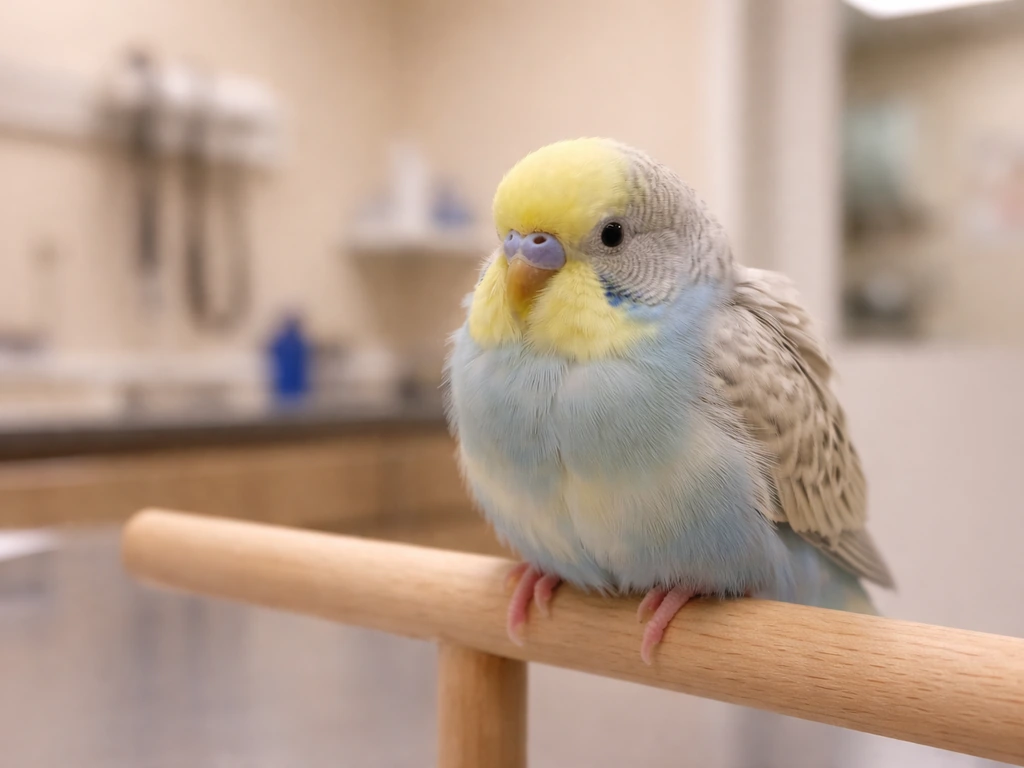
As of May 2026, the bird diseases most likely circulating in your area are highly pathogenic avian influenza (HPAI/bird flu), virulent Newcastle disease, Mycoplasma gallisepticum, psittacosis (Chlamydia psittaci), and West Nile virus in wild bird populations. Bird viruses are infections that affect birds, and if you are trying to understand a specific outbreak or symptom, it helps to start with what is bird virus.
What Bird Disease Is Going Around: Symptoms and What to Do Now

Marcus Webb
17 May 2026
Which one matters most to you depends on where you live, what type of birds you have, and what symptoms you're seeing. Bird fever, for example, is named in a way that reflects older observations about symptoms and timing why was bird fever named so. Here's how to figure that out and what to do today.
If you are trying to understand what is bird disease, start by matching the symptoms and timing to the most likely causes, then act quickly on isolation and vet guidance. You can learn more about whether the fever bird is real and what to look for in your area in our guide on this topic is the fever bird real.
How to tell if a bird illness is "going around" in your area
The fastest way to know if there's an active outbreak near you is to check two sources: the USDA APHIS website (which tracks confirmed HPAI detections in wild and domestic birds in real time) and your state's department of agriculture or fish and wildlife agency. APHIS maintains an early warning surveillance system for avian influenza using wild bird monitoring, so detections in your region often show up days before a local flockowner notices anything wrong.
For West Nile virus, your local or county health department is the right call. Dead-bird cluster reports from your neighborhood are actually used as an official early warning system for WNV activity, so if neighbors are finding dead crows or jays, that's a meaningful signal worth reporting.
Don't overlook the people around you as an information source. If you know other backyard flock owners or bird club members in your area, a quick message asking whether anyone has seen sick birds lately can surface local patterns faster than waiting for an official report. Your state extension agent is also a reliable, free resource who can point you to region-specific disease alerts.
- Check USDA APHIS 'HPAI Detections in Wild Birds' map for your state
- Search your state's department of agriculture website for current poultry disease alerts
- Contact your county extension agent or state veterinarian's office for local intel
- Report any clusters of dead wild birds to your state or local wildlife agency
- Ask your avian vet if they're seeing unusual cases from clients in your area
Most common bird diseases with current or seasonal outbreaks
These are the diseases that actually circulate with regularity. Some are seasonal, some are geography-dependent, and some affect pet birds independently of any 'outbreak' outside your home.
Highly pathogenic avian influenza (HPAI)
HPAI has been the dominant concern in North America for the past several years, with ongoing detections in wild migratory birds and periodic spillover into backyard and commercial flocks. Wild birds carry the virus in their droppings and contaminate water sources, making spring and fall migration seasons the highest-risk periods. If you have backyard poultry and there are waterfowl or shorebirds around, HPAI is always on the shortlist.
Virulent Newcastle disease (vND)
Newcastle disease is highly contagious and moves fast. APHIS notes that the virus can multiply and infect every bird on a premises within a single day under the right conditions. It affects chickens, pigeons, and pet birds including parrots. Outbreaks have historically popped up in Southern California and surrounding states, but the virus can travel through the bird trade anywhere in the country.
Mycoplasma gallisepticum (MG)
MG is the quiet, persistent one. It causes chronic respiratory disease in chickens, turkeys, and many game bird species and tends to smolder through a flock rather than cause rapid die-off. If you've had low-grade respiratory illness cycling through your birds for weeks, MG is worth testing for.
Psittacosis (Chlamydia psittaci)
Psittacosis is the big one for pet bird owners, especially those with parrots, cockatiels, and doves. It's caused by the bacterium Chlamydia psittaci and can spread to humans who breathe in dust from dried bird droppings or secretions. This isn't a seasonal outbreak disease so much as an ever-present risk in homes and aviaries with multiple birds. New birds introduced from pet stores or bird fairs are a common source.
West Nile virus (WNV)
WNV is transmitted by mosquitoes and peaks in late summer and early fall. It's primarily a wild bird disease but can infect pet birds kept outdoors. Hummingbirds can also be affected during outbreaks or through mosquito exposure, so watch for illness and take the same isolation and hygiene steps if you notice symptoms. Corvids (crows, jays) are particularly susceptible and their deaths serve as early warning signals in surveillance programs. Signs in affected birds range from no symptoms at all to severe neurological illness.
Aspergillosis
Aspergillosis is a fungal infection caused by inhaling Aspergillus spores, not a transmissible disease between birds. It's worth knowing because it mimics respiratory infections closely but requires completely different treatment. It's most common in young birds, immunocompromised birds, and pet birds kept in damp or moldy environments.
Key symptoms to watch for
Mapping what you're seeing to a likely disease is the most practical thing you can do before calling a vet. If you are wondering, what is a fever bird, it usually refers to birds that seem acutely ill and are showing warning symptoms that warrant close monitoring and a vet call. Here's a breakdown by symptom category.
Respiratory signs
Eye discharge, nasal discharge, and labored or open-mouth breathing are the classic respiratory red flags. HPAI and Newcastle disease both cause these signs. Mycoplasma produces a more drawn-out version: rattling breath, nasal discharge, and swollen sinuses that persist for weeks. Aspergillosis can also show up as respiratory distress, wasting, or unexplained weight loss, and it should be on your radar any time a pet bird doesn't respond to antibiotics for what looks like a respiratory infection.
Gastrointestinal signs
Green, watery diarrhea is a well-documented sign of Newcastle disease. Diarrhea combined with lethargy, ruffled feathers, and decreased appetite can appear in HPAI as well. Trichomoniasis, a protozoan infection common in doves and pigeons, causes cheesy or caseous masses in the mouth and upper digestive tract and is spread through contaminated food and water, so it's worth considering if you're seeing difficulty swallowing or regurgitation in wild birds.
Feather and skin changes
Ruffled, fluffed-up feathers in a bird sitting still and hunched are a general sign of illness, not specific to any one disease, but always significant. Feather abnormalities that are more structural (poor feather quality, stress bars, plucking) usually point to chronic illness, nutritional issues, or psittacosis in pet birds rather than an acute outbreak disease.
Neurological signs
Tremors, head twisting (torticollis), circling, limb paralysis, and seizure-like spasms are classic neurological signs associated with Newcastle disease and West Nile virus. If you're seeing any of these, especially in multiple birds or alongside dead wild birds in your area, treat it as urgent. Neurological signs in birds almost always warrant a call to a vet the same day.
| Disease | Respiratory | GI / Droppings | Neurologic | Transmission |
|---|---|---|---|---|
| HPAI (Bird Flu) | Eye/nasal discharge, labored breathing | Possible diarrhea | Possible | Wild bird contact, contaminated water/surfaces |
| Newcastle Disease (vND) | Respiratory distress | Green, watery diarrhea | Tremors, torticollis, paralysis | Highly contagious, airborne and contact |
| Mycoplasma (MG) | Chronic rattling, swollen sinuses | Mild or absent | Rare | Bird-to-bird, vertical (egg) |
| Psittacosis | Discharge, labored breathing | Diarrhea possible | Rare | Dried droppings/secretions (also zoonotic) |
| West Nile Virus | Uncommon | Uncommon | Weakness to severe neurologic signs | Mosquito bite |
| Aspergillosis | Respiratory distress, wasting | Uncommon | Rare | Environmental spores (not contagious) |
How to rule out look-alikes and reduce false alarms
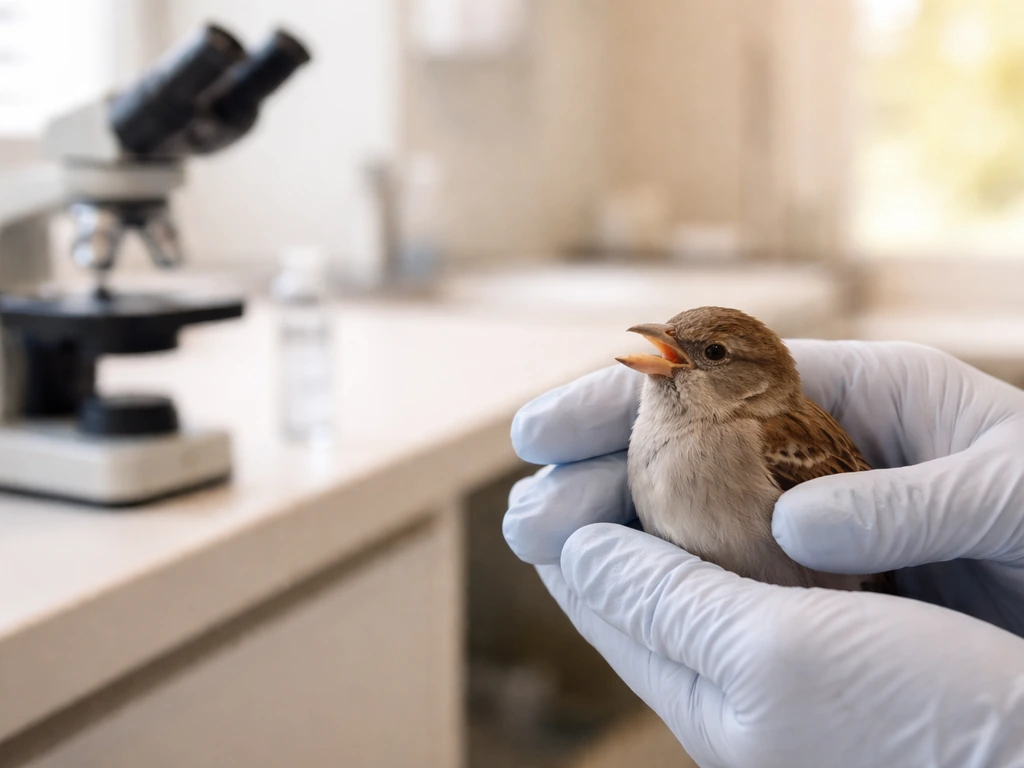
One of the most common mistakes is assuming any sick bird means an outbreak disease. A few things to think through before you panic.
Aspergillosis is probably the biggest look-alike for respiratory outbreak diseases. It causes nearly identical symptoms to HPAI and Newcastle in individual birds, but it's not contagious between birds. The clue is context: if only one bird is sick, it's not spreading to others, and the bird has been exposed to dusty bedding, moldy feed, or a damp environment, fungal infection is more likely than an outbreak virus. A vet can differentiate with testing.
A single bird with mild lethargy and ruffled feathers after a stressful event (a move, a new cage mate, a temperature drop) is not the same as a disease outbreak. Stress suppresses immunity and can cause transient respiratory signs that clear on their own. Watch for whether other birds are affected and whether the condition is progressing.
Trichomoniasis is sometimes mistaken for respiratory disease because infected birds look lethargic and may have trouble eating, but the actual lesion is in the mouth and throat, not the lungs. Check inside the mouth if you can do it safely. White or yellowish cheesy plaques in the throat are the tell.
Environmental causes like ammonia buildup in a poorly ventilated coop, exposure to household aerosols (cooking sprays, Teflon fumes, scented candles), or nutritional deficiencies can all produce symptoms that look like infectious disease. Rule these out by checking the environment before assuming the worst.
What to do right now: isolation, hygiene, and monitoring
If you have a sick bird, these steps apply regardless of which disease you suspect. Do them now, before you have a diagnosis.
- Isolate the sick bird immediately. Move it to a separate space with its own food, water, and equipment. Keep it away from other birds by at least a room or, ideally, a separate building.
- Do not move birds in or out of your flock. A lockdown on bird movement gives you the best chance of containing something contagious.
- Avoid stirring up dust, feathers, or droppings in the sick bird's area. Disturbing contaminated material can spread airborne pathogens. Work calmly and deliberately.
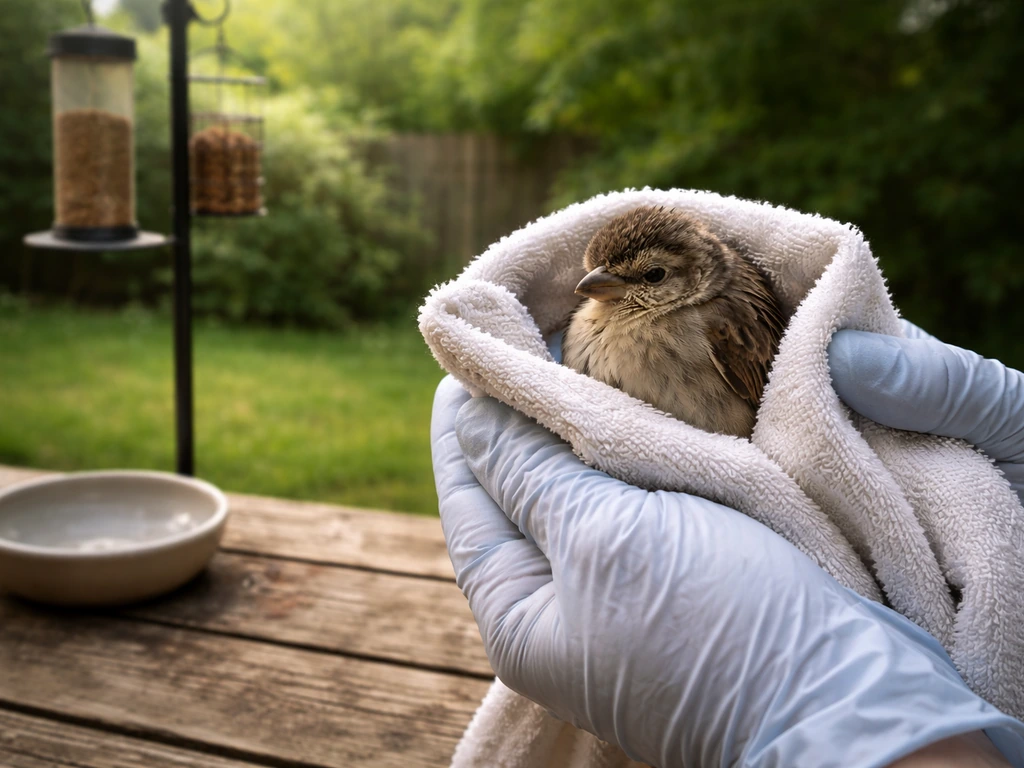
- Put on gloves and, if the bird has respiratory signs or you suspect HPAI, wear a NIOSH-approved particulate respirator before handling or cleaning. Psittacosis alone is reason enough to use a mask when cleaning cages.
- Clean visibly soiled surfaces with soap and water first, then disinfect with an EPA-registered product labeled for avian influenza A on hard surfaces. Follow the contact time on the label.
- Bring only cleaned and disinfected items into the bird area. Don't carry potentially contaminated equipment between the sick bird's space and the rest of your flock.
- Document everything. Write down which bird is sick, when symptoms started, what they look like, and how they're progressing. Note any recent changes: new birds added, wild bird exposure, feed changes. This record is exactly what your vet will need.
Keep monitoring the other birds in your flock at least twice a day. Look for the same symptoms appearing in additional birds, and note any change in feed or water consumption across the group. A drop in how much the flock is eating or drinking is often the earliest collective sign something is wrong.
When to contact an avian vet (and what to tell them)
Call an avian vet the same day if you see any of these: neurological signs in any bird (tremors, circling, head twisting), multiple birds sick at the same time, sudden deaths with no obvious cause, or a confirmed HPAI or Newcastle disease detection in your county. If you're wondering whether the bird disease is over, watch for new cases in your flock and whether local officials report no further detections is the bird disease over. Don't wait to see if it resolves on its own when those flags are present.
For a single bird with mild respiratory signs and no spread to others, you still want a vet call within 24 to 48 hours, especially if symptoms are worsening or the bird isn't eating. Psittacosis, Mycoplasma, and aspergillosis all require specific diagnostics and treatment that you can't manage at home.
If you have backyard poultry and see signs consistent with HPAI or Newcastle disease, APHIS recommends reporting to your state veterinarian or a state/federal animal health official in addition to contacting your regular vet. These are reportable diseases and early reporting matters.
When you call the vet, have this information ready:
- Species and age of the sick bird(s)
- Exact symptoms and when they started
- How many birds are affected versus how many are in your flock or household
- Any recent changes: new birds, wild bird exposure, feed changes, environmental changes
- Whether you've seen sick or dead wild birds nearby recently
- What area you live in and whether there are any confirmed disease reports nearby
- Any treatments you've already tried
Prevention steps for backyard flocks and pet birds
The good news is that the same basic practices protect your birds against most of the diseases on this list. You don't need a different protocol for each pathogen.
For backyard flocks
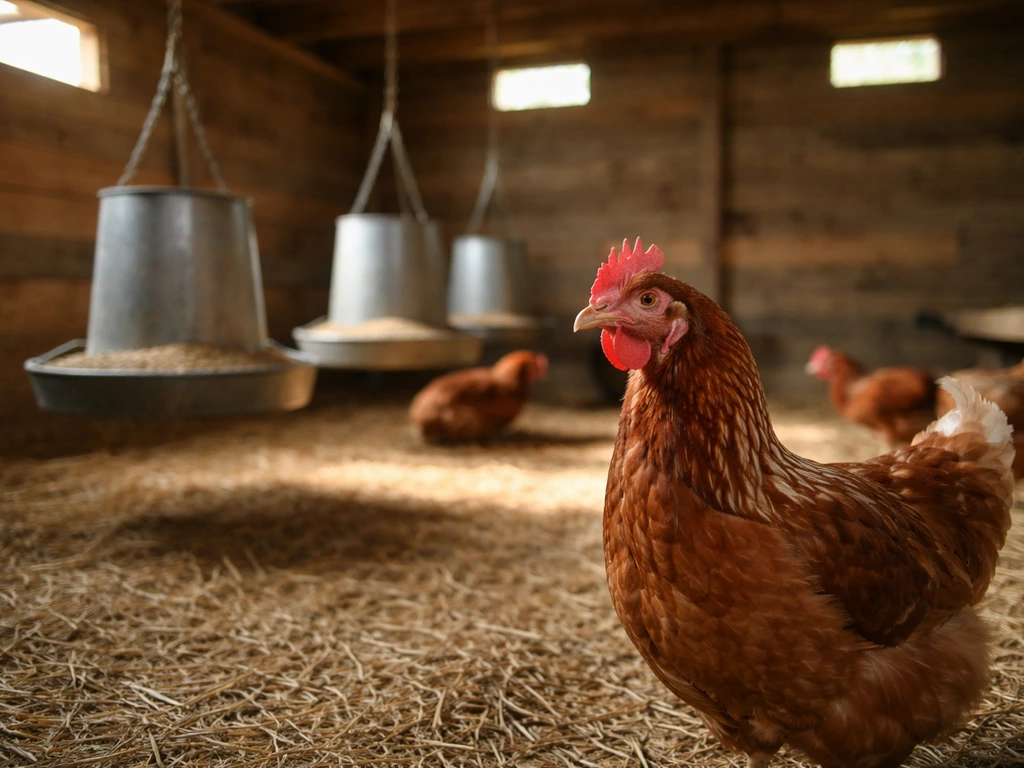
Wild birds are the primary vector for HPAI transmission into backyard flocks. Keeping your birds in a covered enclosure that prevents wild birds from landing in feed and water areas is the single most effective step you can take during migration seasons. APHIS specifically flags this as the main route of HPAI introduction. Use dedicated footwear for the coop area and wash your hands before and after handling birds.
Quarantine any new bird for at least 30 days in a separate space before it joins the main flock. This alone prevents most introductions of Mycoplasma, Newcastle disease, and psittacosis. Don't skip this even if the new bird looks healthy, many carriers show no symptoms.
For pet birds
Clean food and water bowls daily. Remove droppings from cage bottoms daily. Disinfect the full cage and all accessories on a regular schedule. These aren't just tidiness habits; they directly reduce psittacosis exposure for both your bird and your household. Breathing in dust from dried droppings is how Chlamydia psittaci reaches people, so a clean cage is genuinely protective.
Keep pet bird toys, dishes, and supplies separate from other household items. If you handle other birds outside the home (a friend's parrot, birds at a fair), change your clothes and wash your hands before interacting with your own bird. Cross-contamination is a real transmission route for psittacosis and Mycoplasma.
For situations involving wild birds
If you maintain backyard feeders, clean them regularly with a dilute bleach solution to reduce trichomoniasis and salmonella transmission between wild birds. During a confirmed local HPAI outbreak, temporarily taking down feeders and birdbaths can reduce wild bird congregation around your property. Report clusters of dead wild birds to your state wildlife agency, since dead bird reports are an official early warning tool for both West Nile virus and avian influenza surveillance.
No matter which disease ends up being relevant to your situation, the core habits are the same: separate sick birds quickly, keep things clean, limit wild bird contact, and don't wait too long to call a vet. Those four things will carry you through almost any bird illness scenario. For workplace work with avian influenza A viruses, CDC recommends selecting appropriate particulate respirators that are approved by NIOSH NIOSH-approved particulate respirators.
FAQ
How can I tell which bird disease is going around near me versus something inside my home?
It depends on the species and the pattern. If the illness is affecting wild birds only, West Nile virus and avian influenza are common suspects, while pet bird respiratory disease with human exposure risk points more toward psittacosis. If you tell me your bird type (poultry, dove, parrot, wild birds you’re seeing) and what symptoms you see, I can help narrow which diseases fit best for your situation.
If only one bird is sick, does that rule out an outbreak disease?
For a single sick bird with mild signs, you still should isolate and call an avian vet within 24 to 48 hours, because several causes require lab confirmation (for example Mycoplasma, psittacosis, aspergillosis). The key “edge case” is when no other birds develop the same symptoms and you have an obvious environmental trigger like damp/moldy feed or dusty bedding, which makes a non-contagious fungal cause more likely.
What cleaning steps are safest if I suspect a disease that could spread to humans?
Avoid cleaning methods that generate aerosols. Instead of dry-sweeping or blasting with a hose, remove droppings carefully, wear a mask if you are handling cages (especially for pet birds), and use damp cleaning and proper disinfection. This matters most for psittacosis risk, since people get exposed by inhaling dust from dried droppings.
How long should I wait before calling the vet if symptoms start but more birds haven’t gotten sick yet?
Birds in the same household are not always infected at the same speed. HPAI and Newcastle can spread rapidly among birds, but Mycoplasma may show up as a slower, ongoing cycle of respiratory signs. For this reason, “waiting 2 days” can miss the window where early isolation and vet testing are most useful.
Do I need to report it to authorities, or is a vet call enough?
Yes. If you have a backyard flock and your symptoms match HPAI or Newcastle (especially sudden onset, high death rate, green watery diarrhea, or multiple birds becoming ill quickly), you should report to your state animal health official even while you are also contacting your vet. Reporting helps public health and animal health agencies respond faster and verify confirmed cases in your area.
Should I stop using my backyard bird feeder and water bath during a local outbreak?
Don’t rely on backyard feeders and birdbaths to “cause” disease directly, but they can concentrate wild birds and increase exposure risk. During suspected or confirmed local HPAI activity, temporarily removing feeders and birdbaths can reduce congregation on your property, especially during migration seasons.
What should I do if I find dead wild birds in my neighborhood?
If you find multiple dead wild birds (especially crows or jays) or you see a cluster of neurologically ill wild birds, report the cluster to your local wildlife agency or health department. Dead-bird reports are used as an early warning system for West Nile virus and are also relevant to avian influenza surveillance.
How do I distinguish stress-related illness from something contagious?
Watch for “progression” rather than just “presence.” A bird that is mildly off after stress (move, new cage mate, temperature swing) may recover as conditions stabilize, but a bird that is deteriorating, not eating, or developing neurological signs should be treated as urgent. The same symptom category (for example respiratory signs) can mean very different things depending on whether it spreads across birds.
What are the first “signals” that spread is happening in my flock?
If you have multiple birds or a shared airspace, you should plan to isolate immediately and then monitor twice daily. In many scenarios, the earliest collective signal is a drop in feed and water intake across the group, even before obvious outward symptoms show up in every bird.
How can I tell aspergillosis apart from avian influenza or Newcastle if it looks like a respiratory outbreak?
Yes, and the most practical “decision aid” is context. Aspergillosis is not expected to spread between birds, so if only one bird is affected and there is dampness or visible mold or dusty bedding, fungal infection becomes more likely. A vet can differentiate with appropriate diagnostics, but your initial clue from environment can save time.
Next Article
What Is a Fever Bird? Symptoms, Causes, and Next Steps
Learn what a bird fever means, common causes, symptoms to watch, and when to get urgent vet care.